This Masseria Was Never just a House - Before it became a destination, it was a way of living from the land.
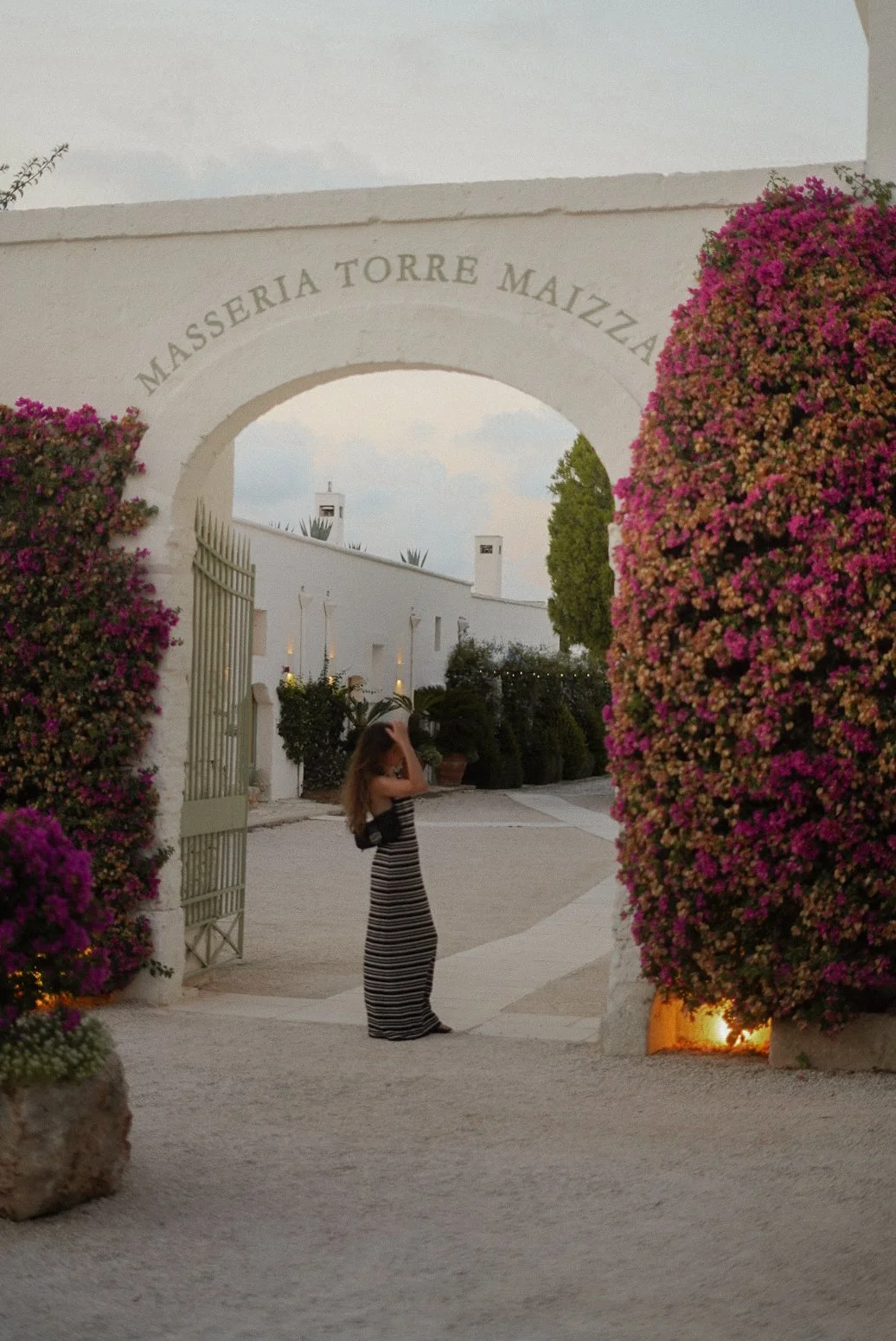
At Masseria Torre Maizza, a sixteenth-century masseria in the Puglian countryside has found a new life without losing the traces of the one that came before.
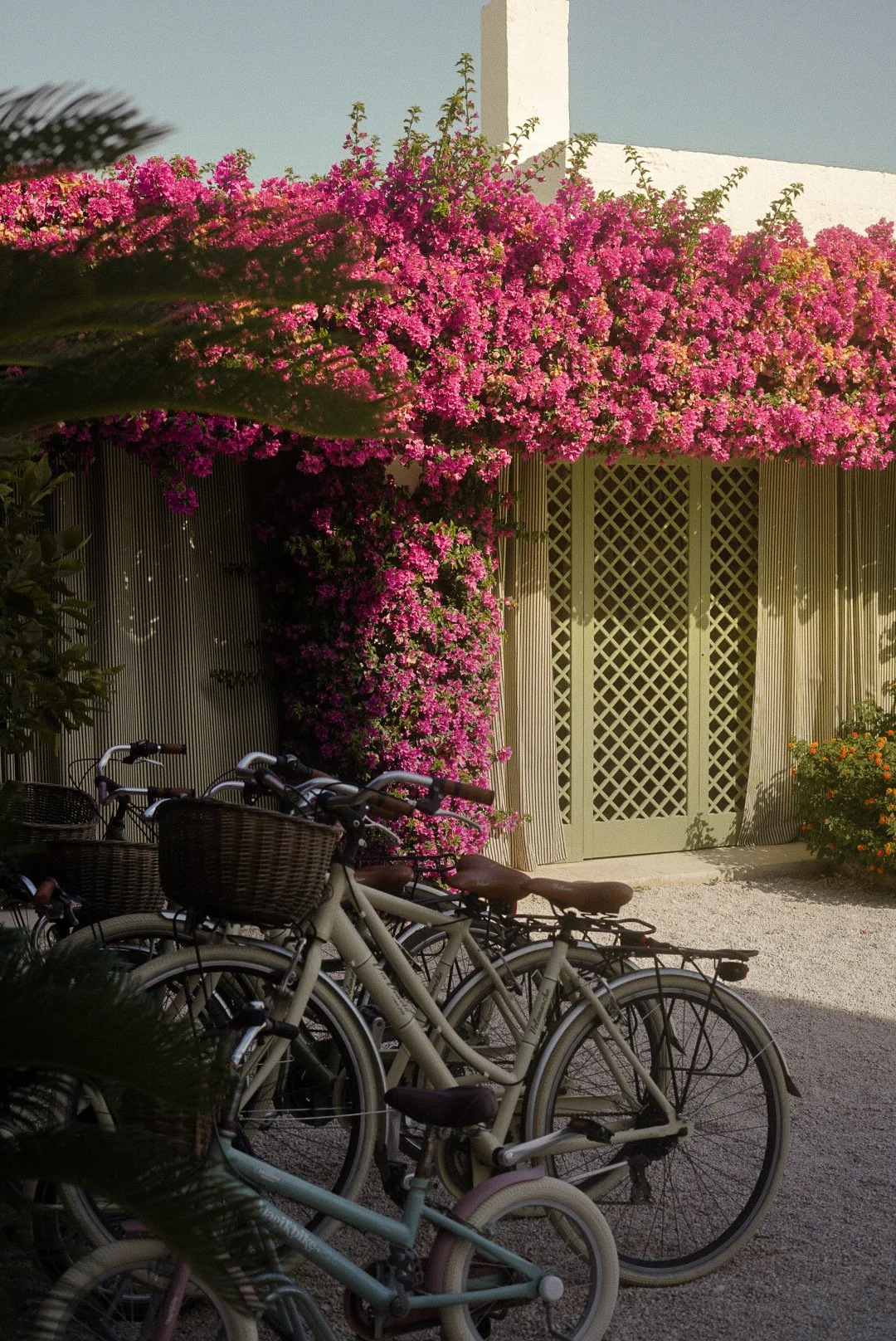
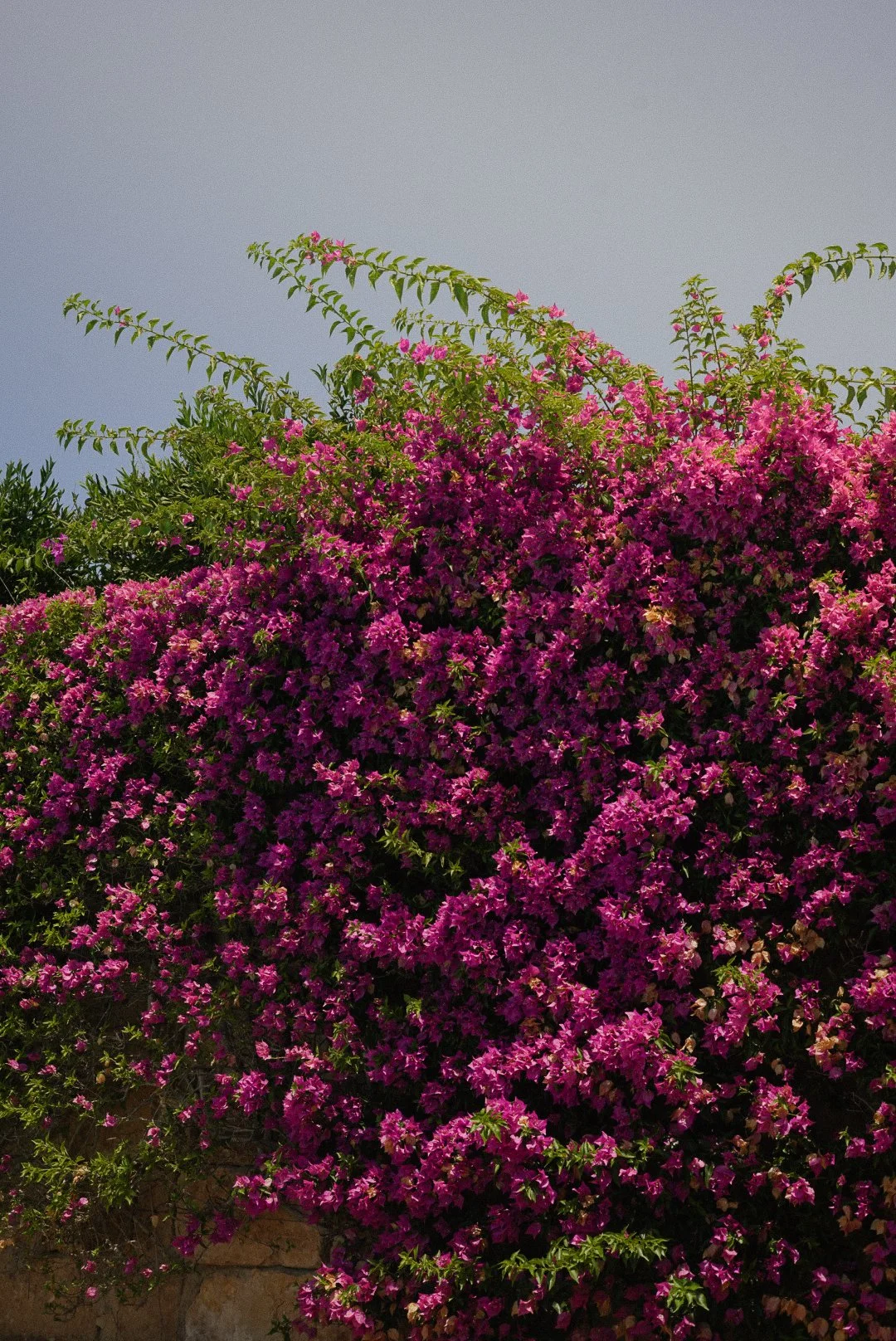
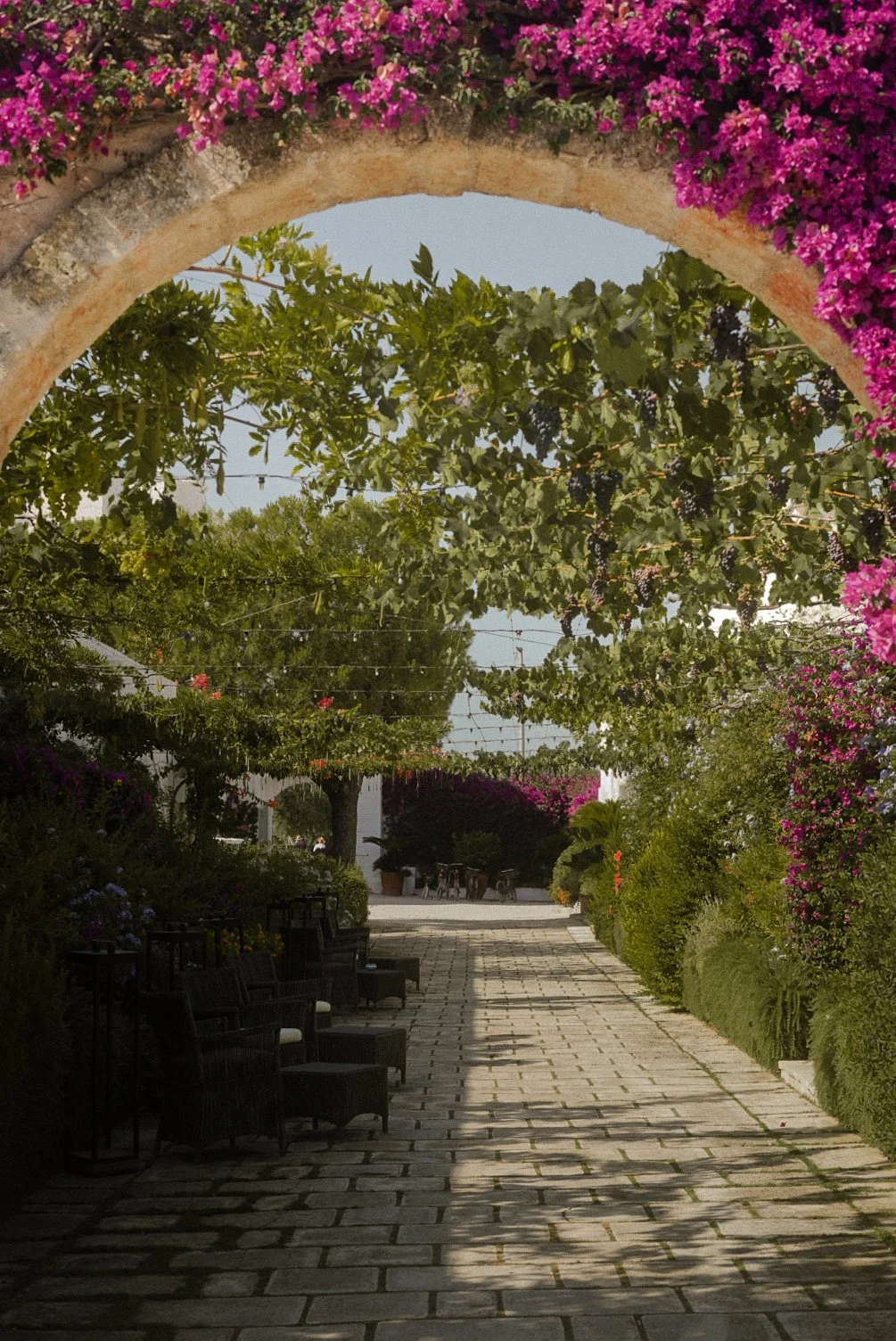
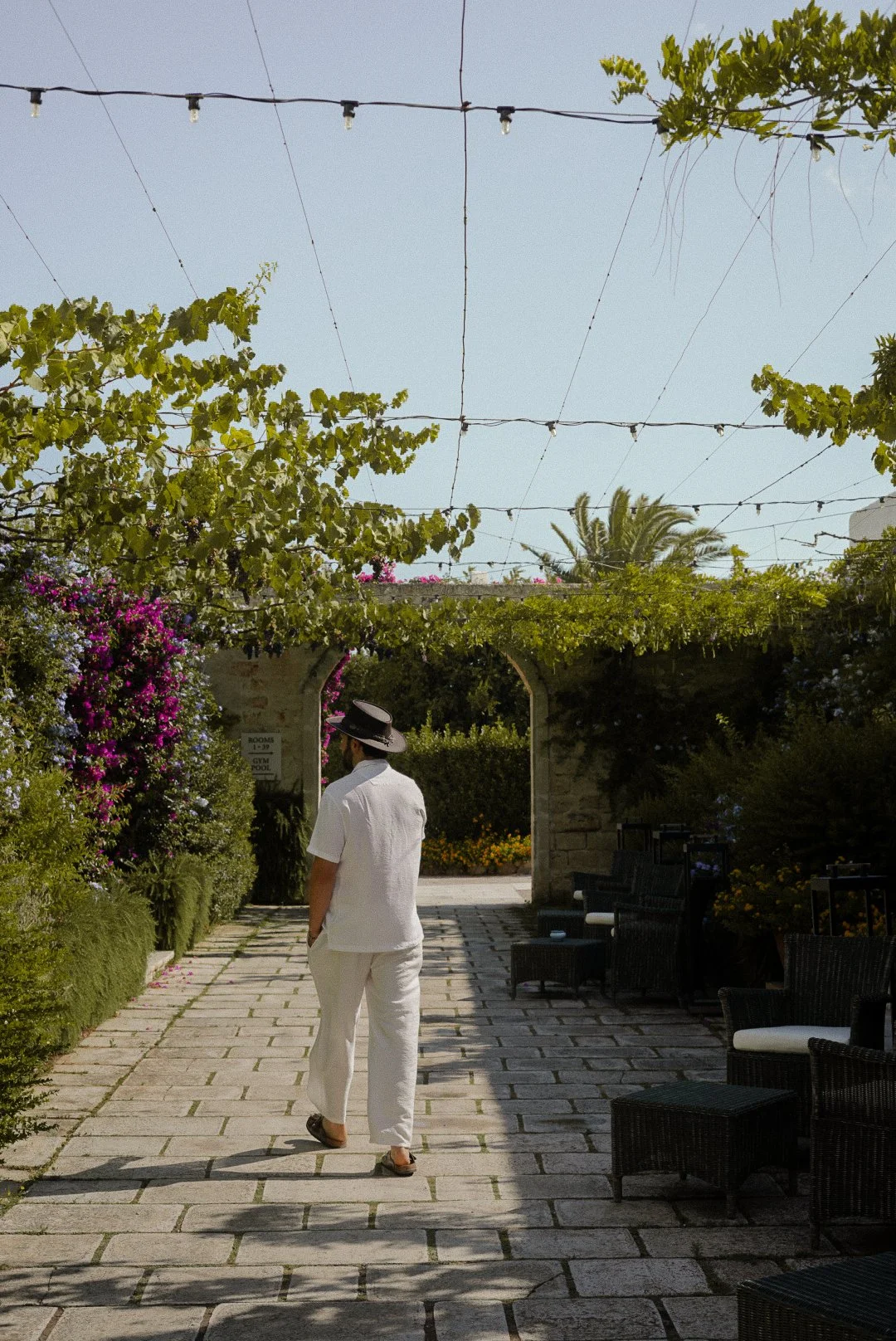
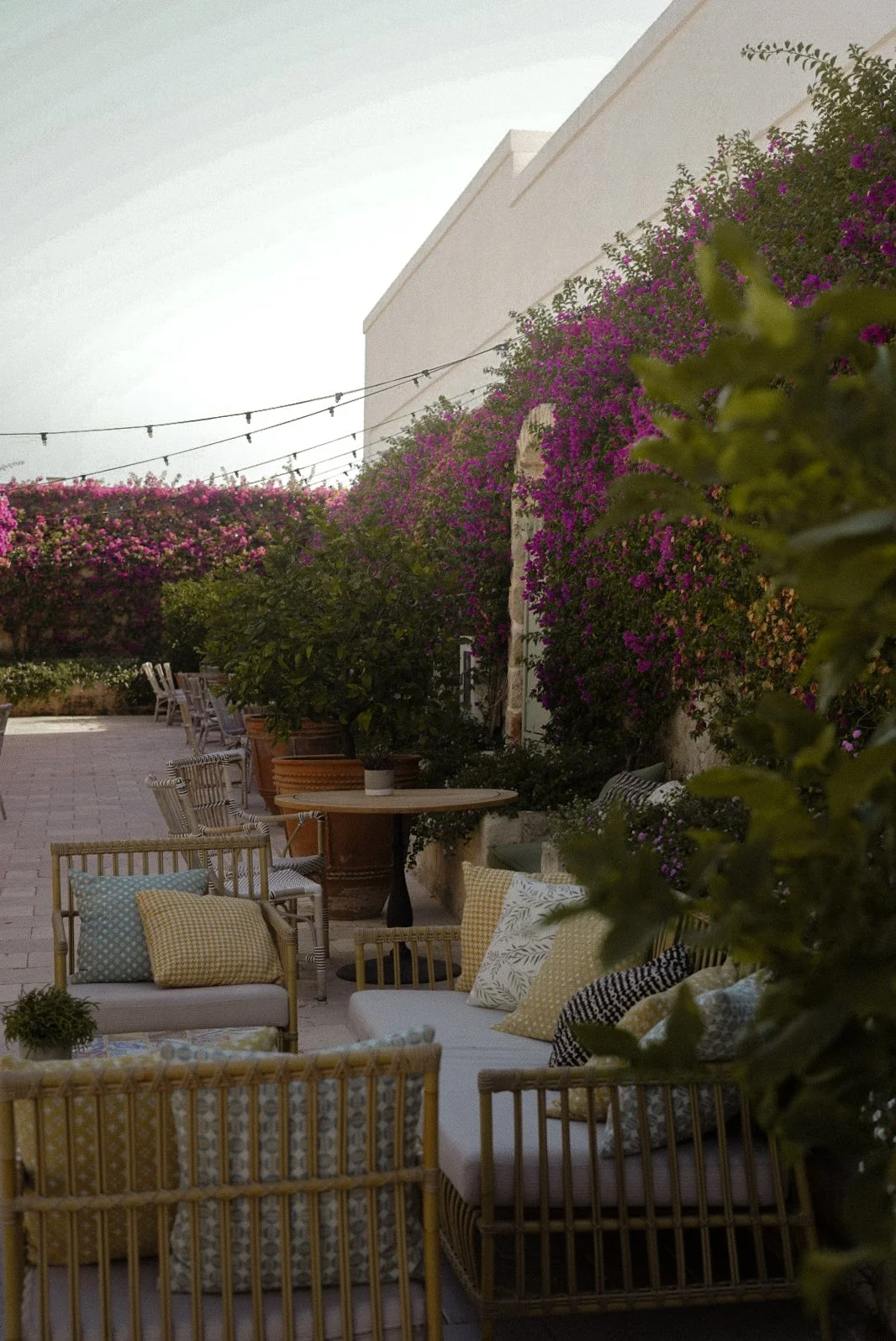
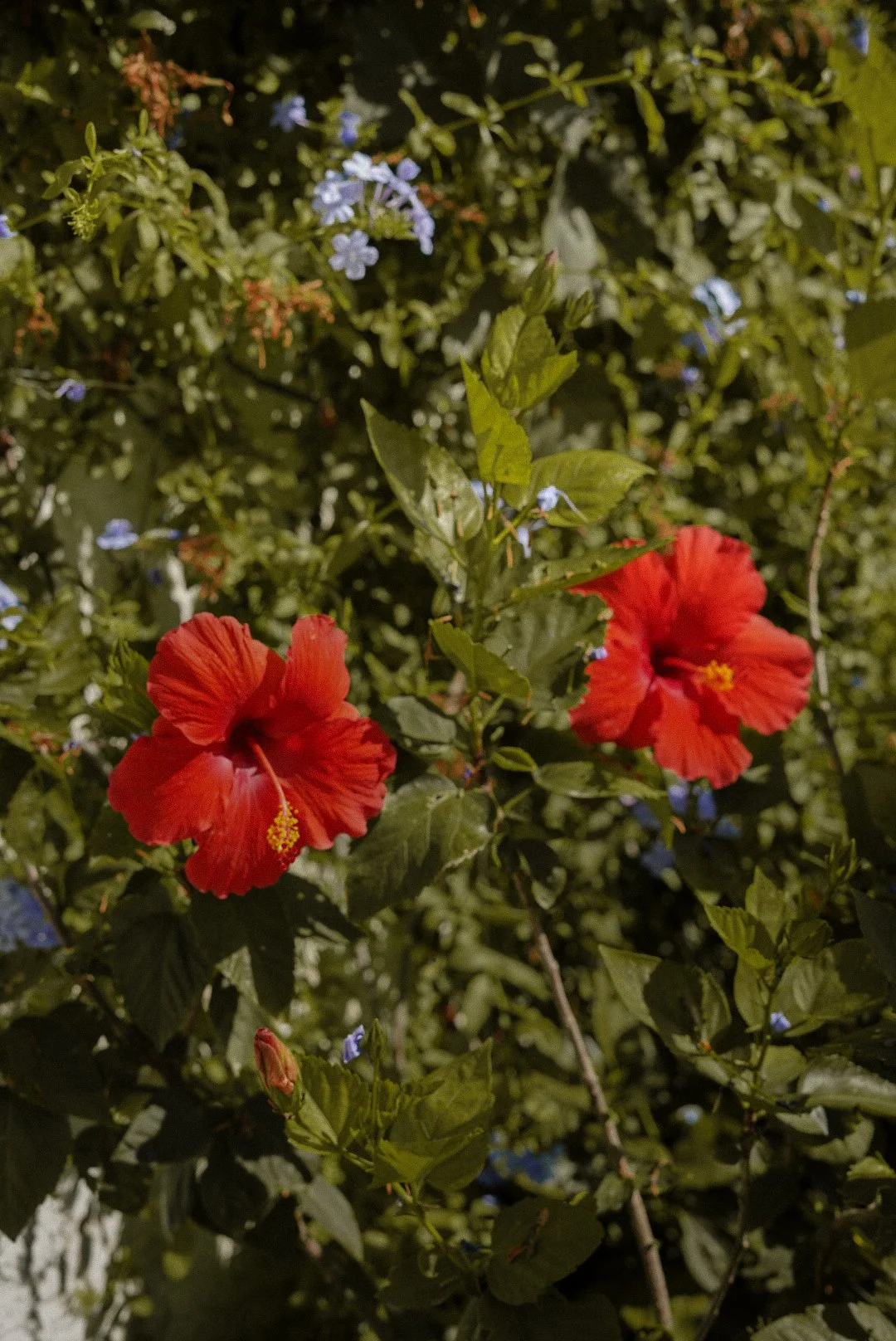
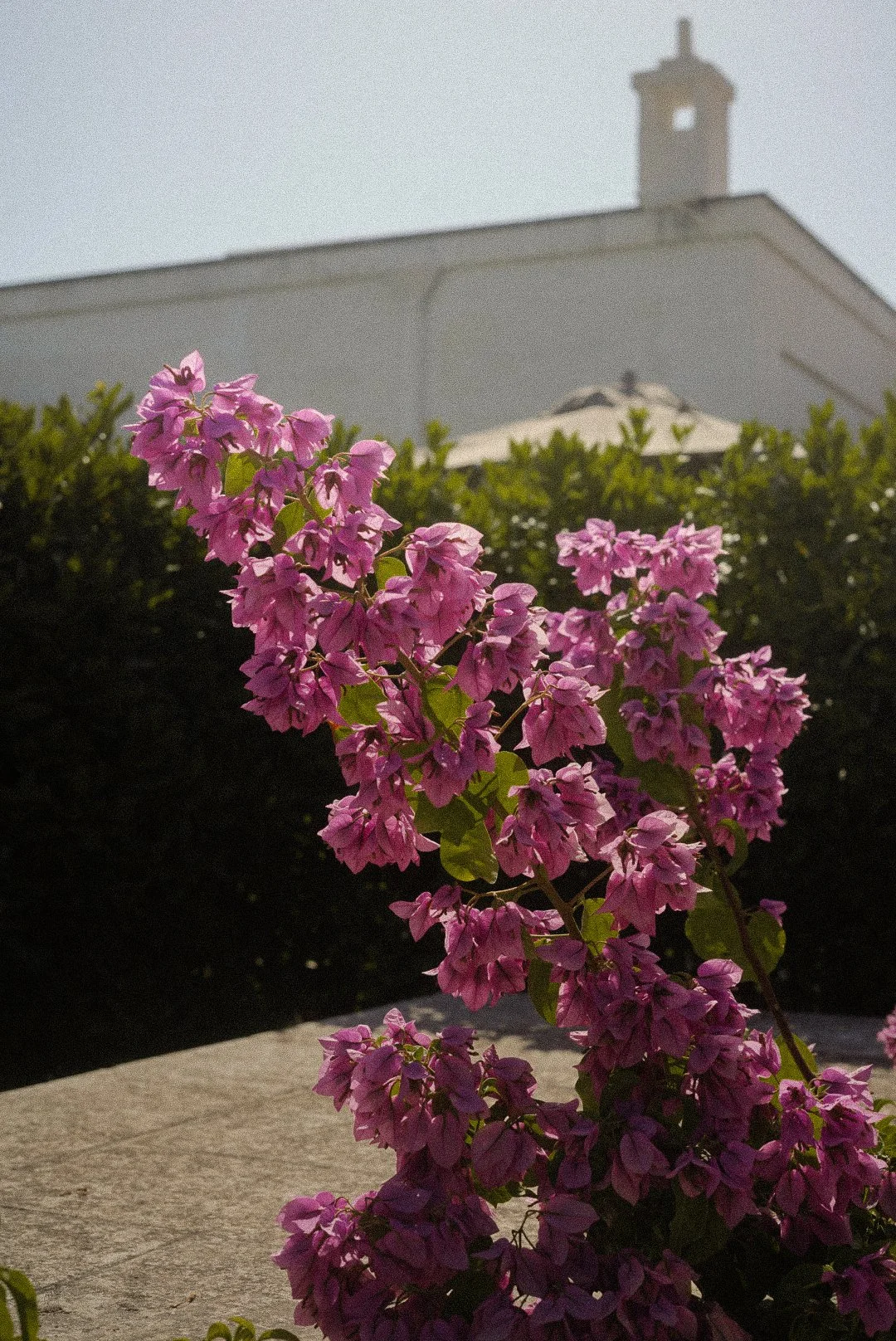
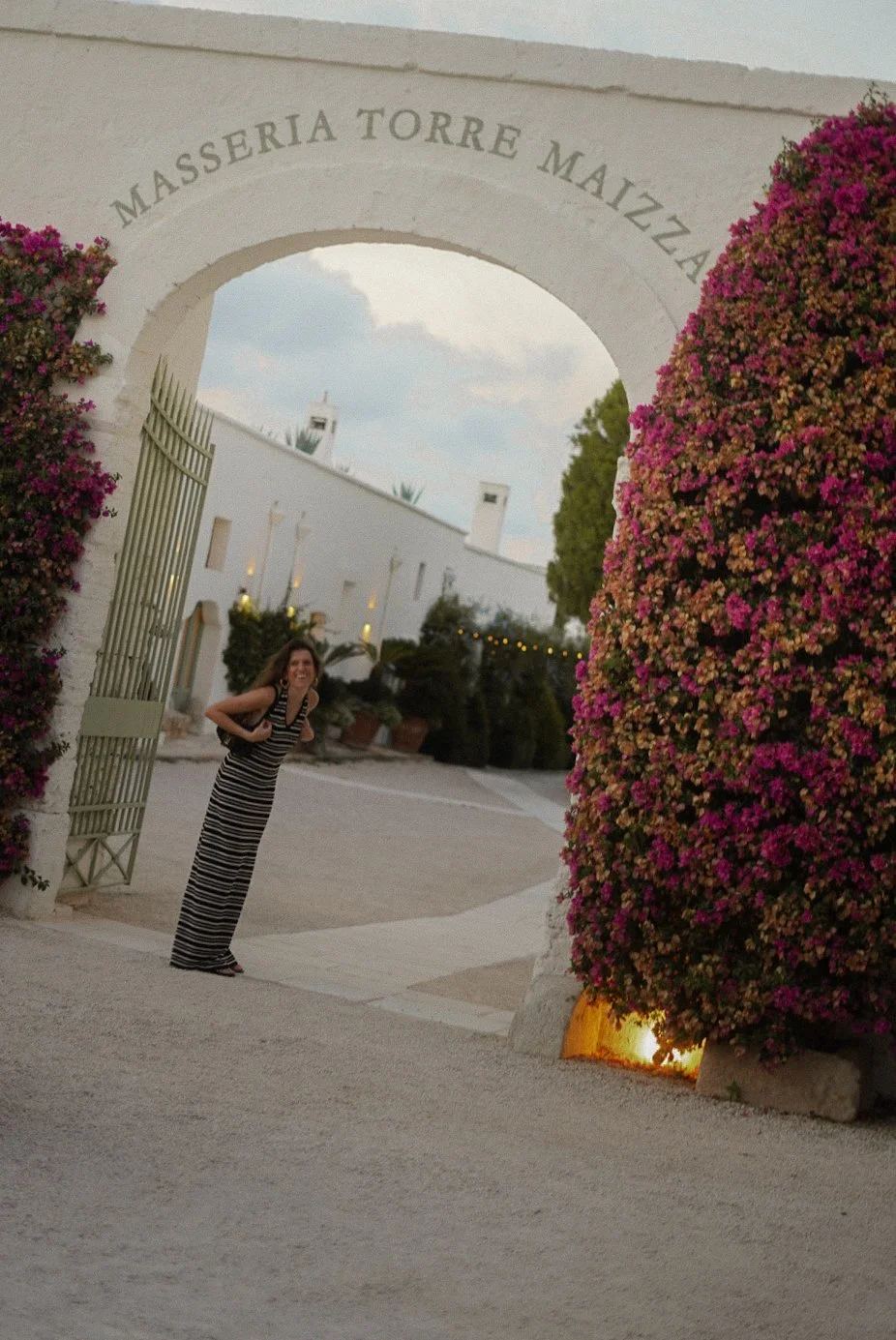
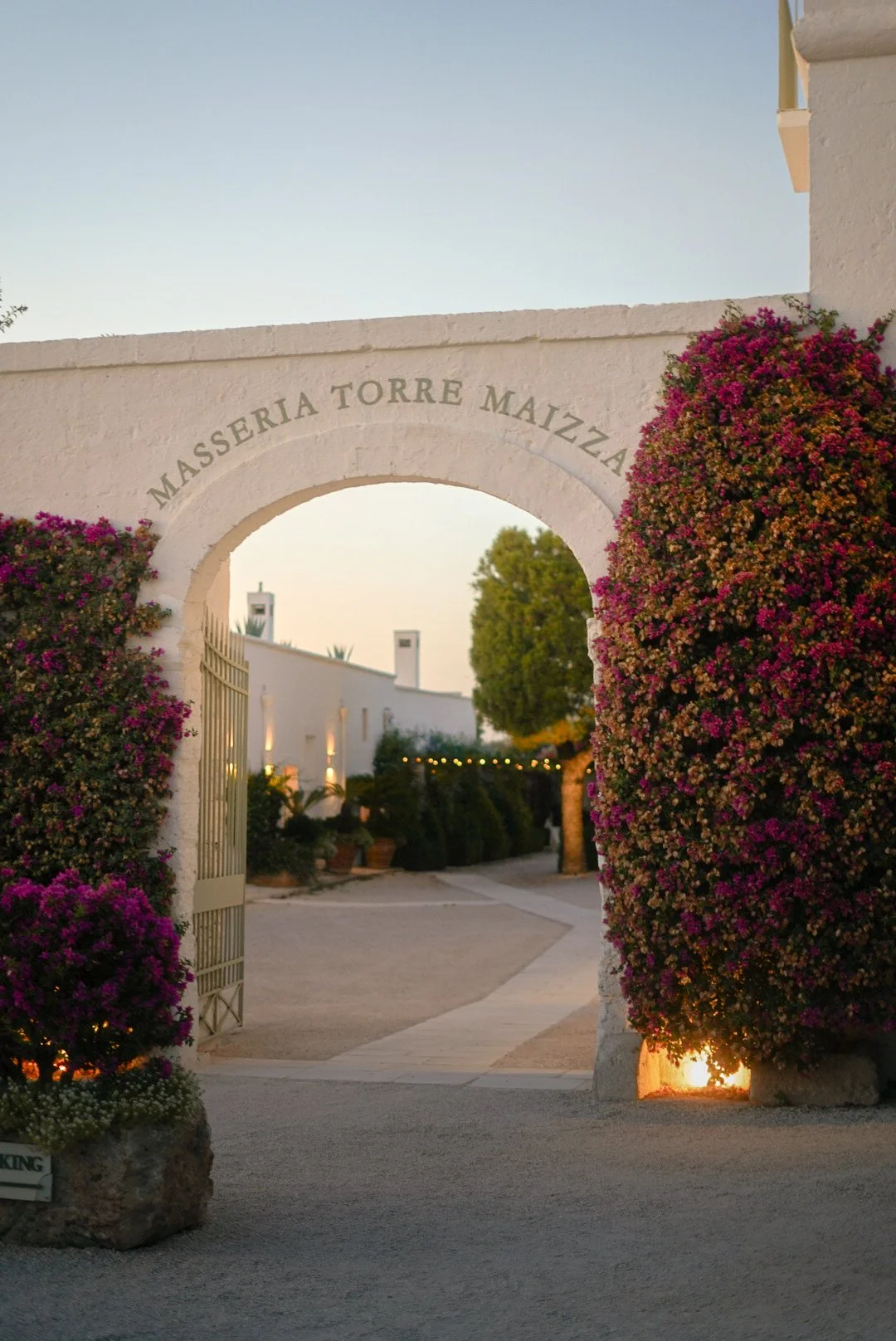
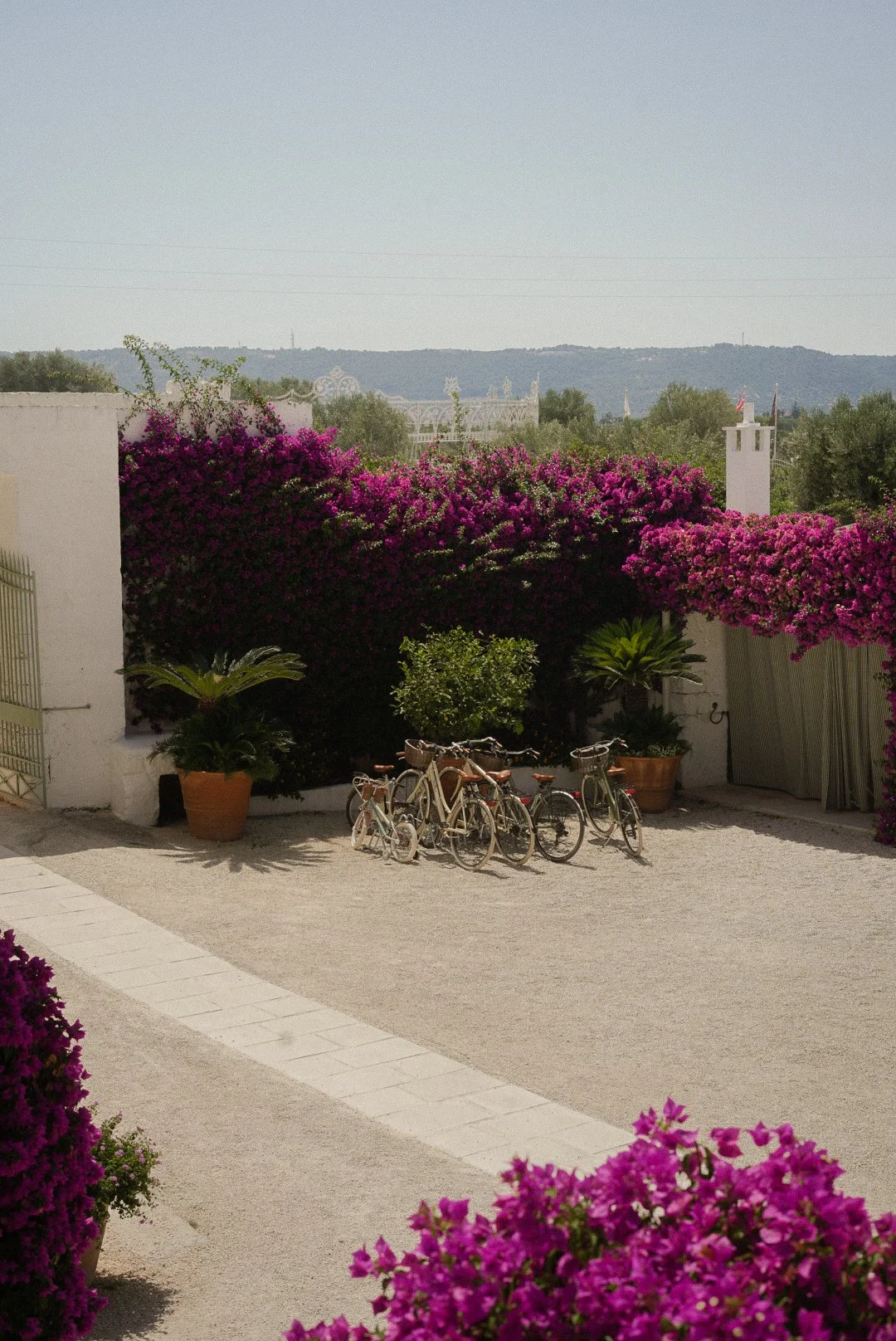
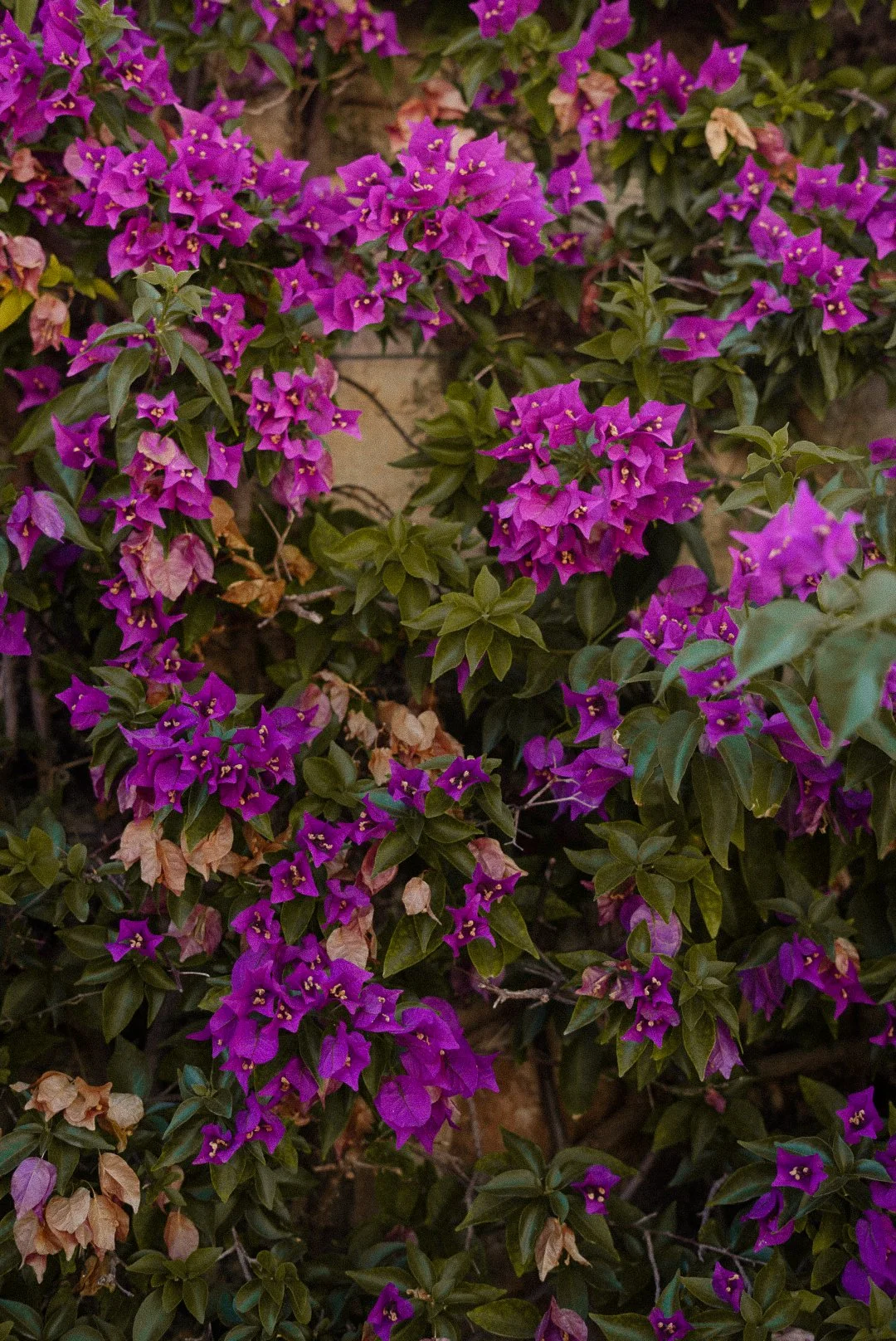
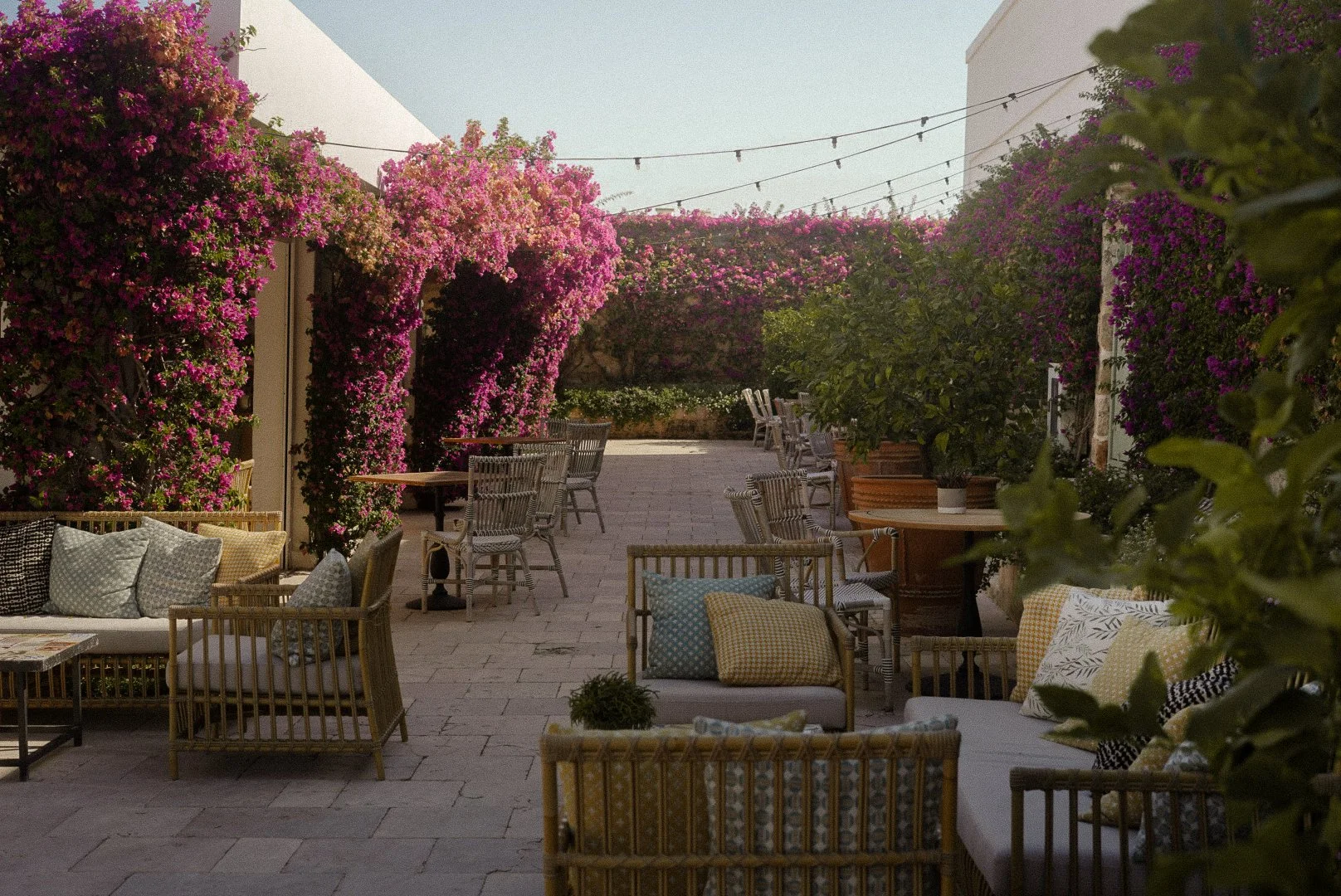
By the time summer settles over Puglia, the distinction between the architecture and the landscape around Torre Maizza begins to disappear. The walls are white against the dry earth, bougainvillea climbs over stone, and the olive trees extend well beyond the edges of the property. Citrus grows in the gardens, the afternoon heat gathers on the paths, and somewhere beyond the fields the Adriatic begins.
The setting is unmistakably Puglian, but Torre Maizza does not feel like a hotel that has been designed around an idea of Puglia. The building was here first.
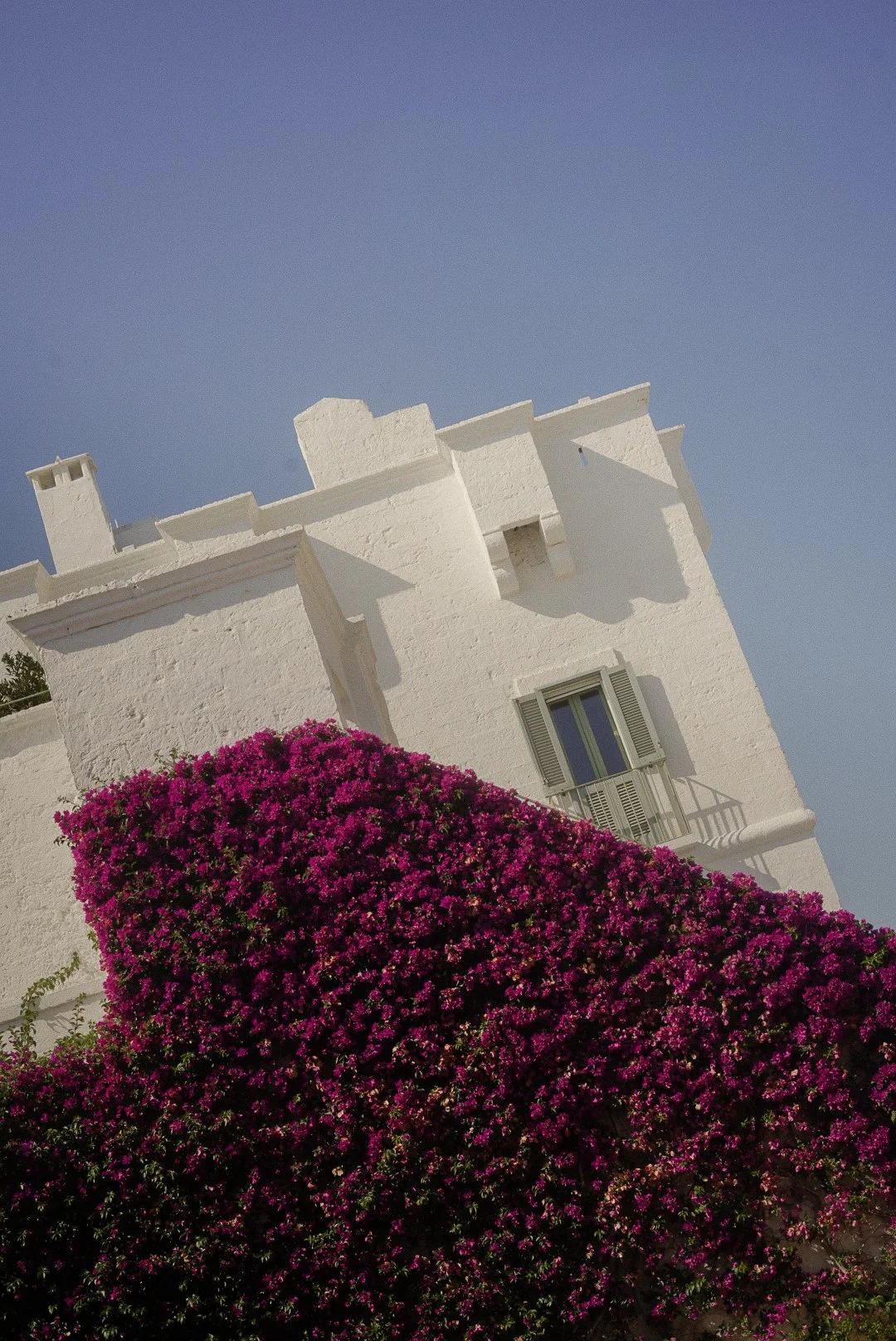
Its story goes back to the sixteenth century, when the original structure was built as a watchtower along the coast. The tower later became part of a working masseria, with the surrounding land used for olive trees, vineyards and fruit. At different points, the property also provided shelter to pilgrims traveling through the region. Its life was practical and closely tied to the land: a place to work, to store what had been produced, to eat, to rest, and to protect those who passed through.
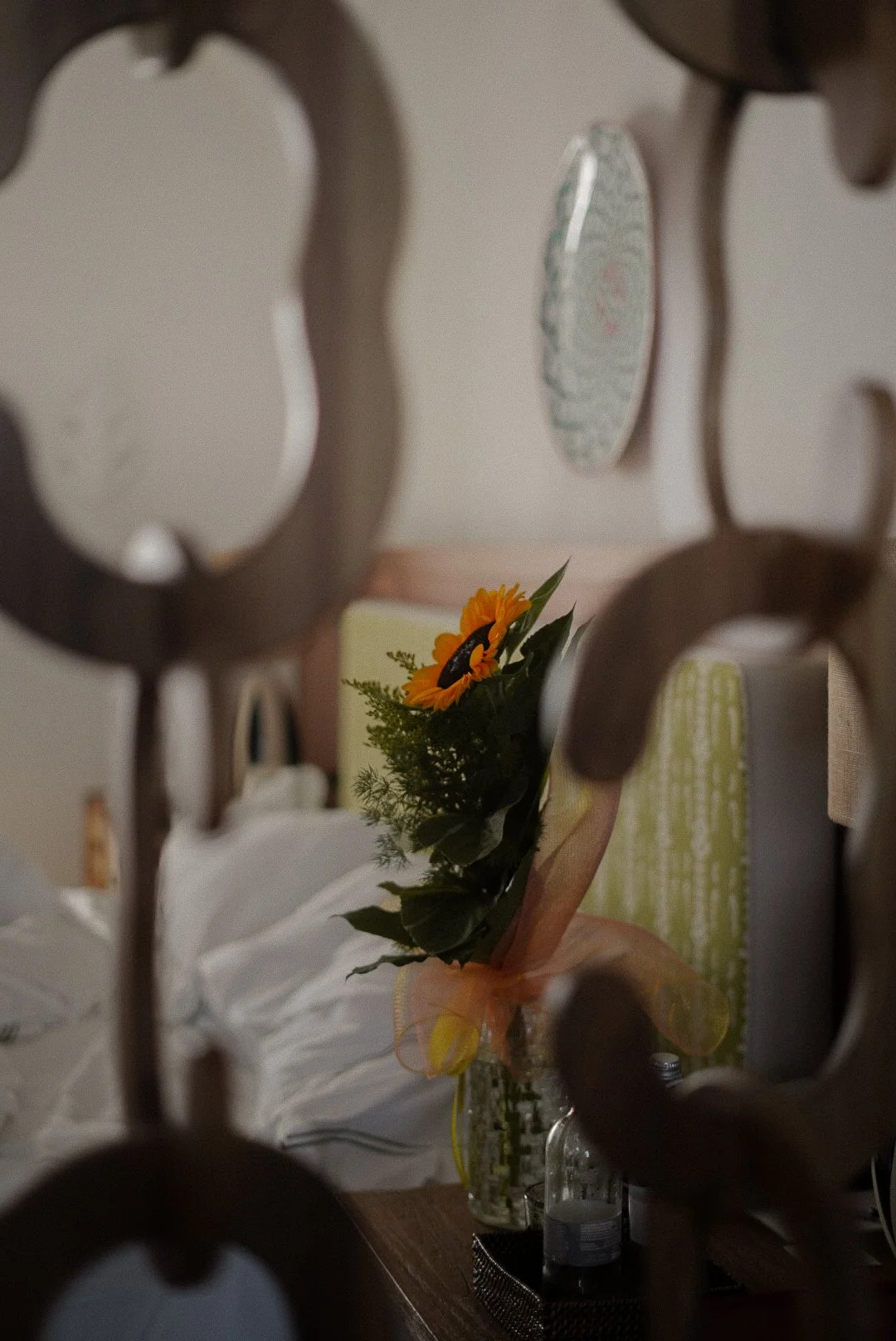
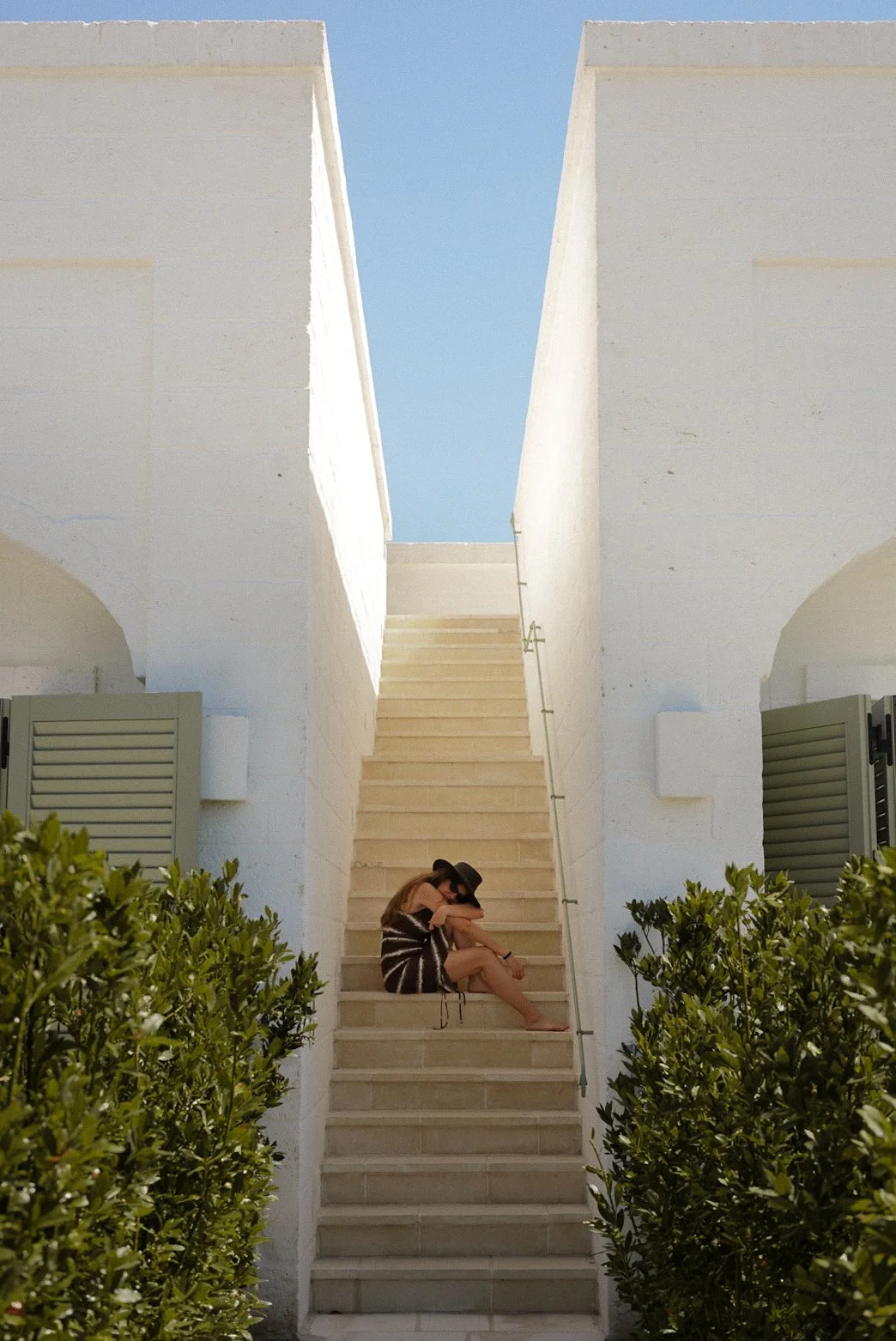
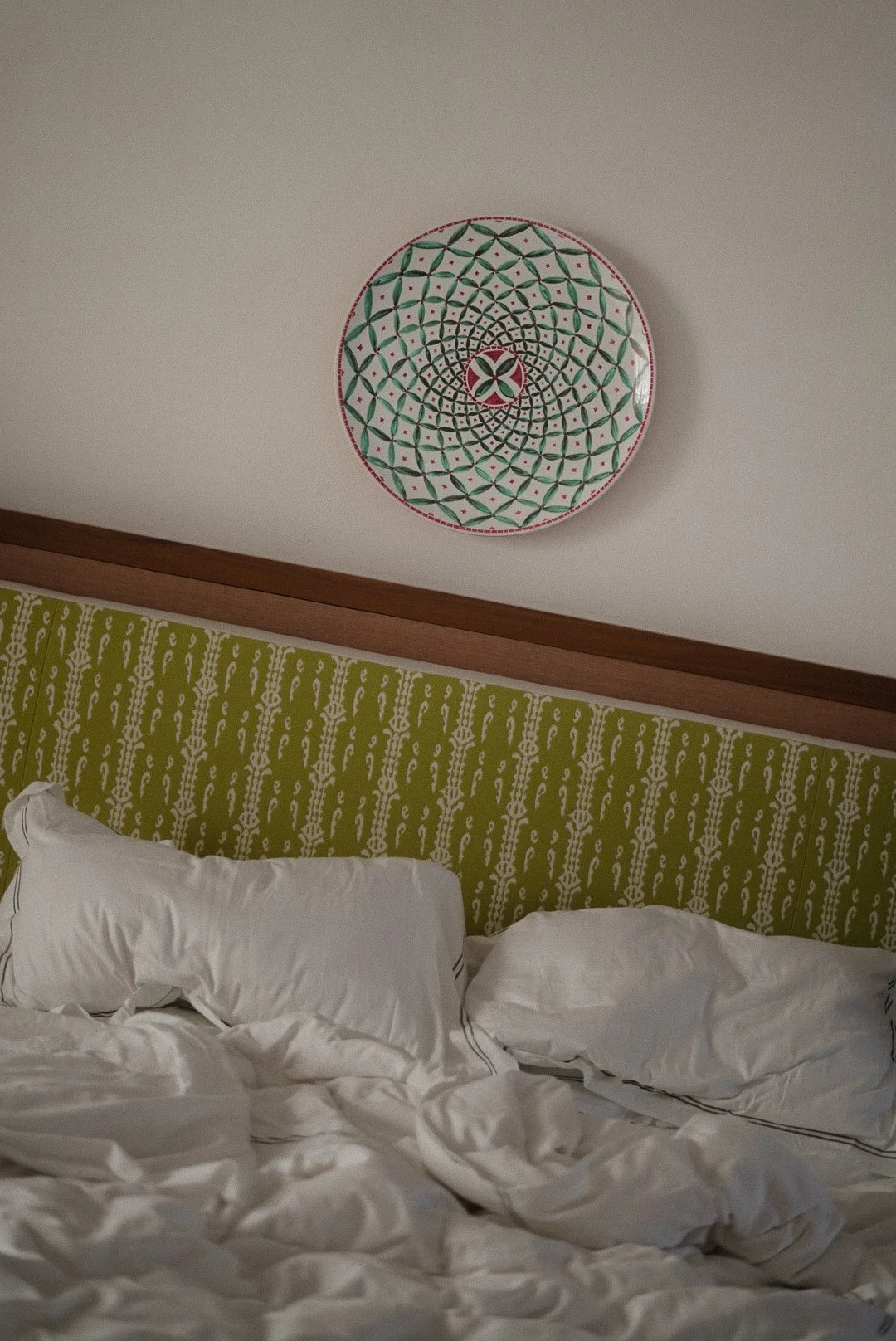
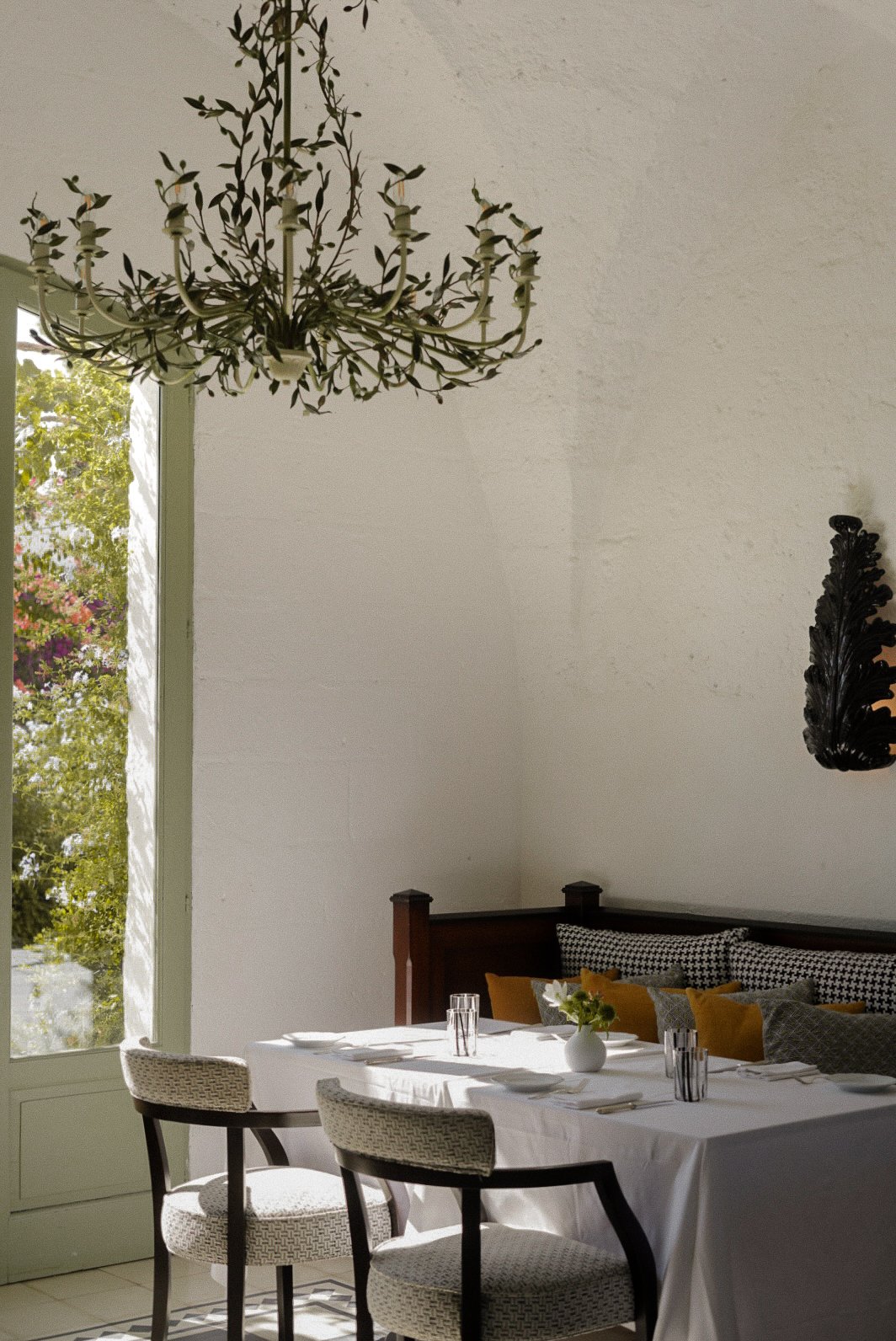
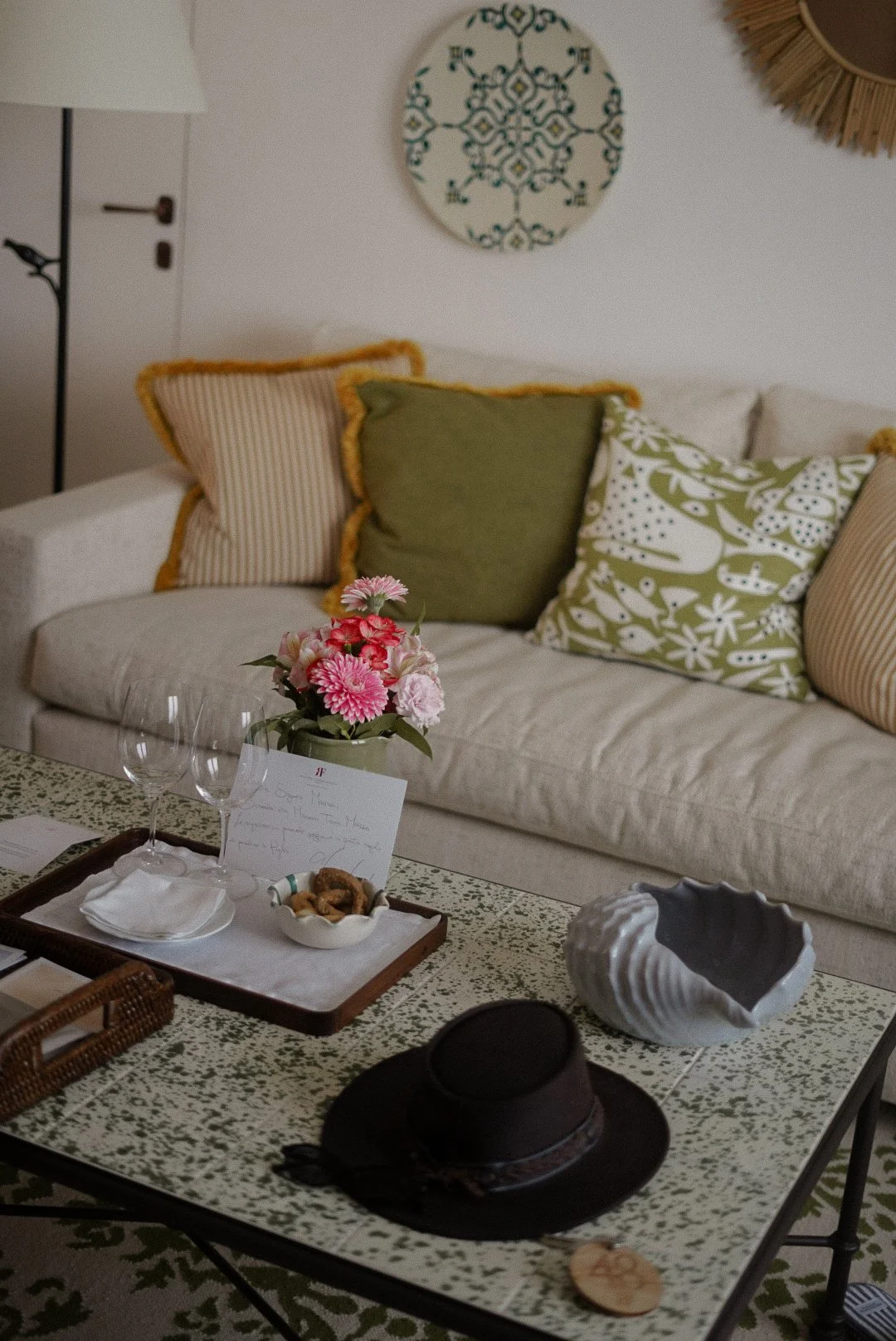
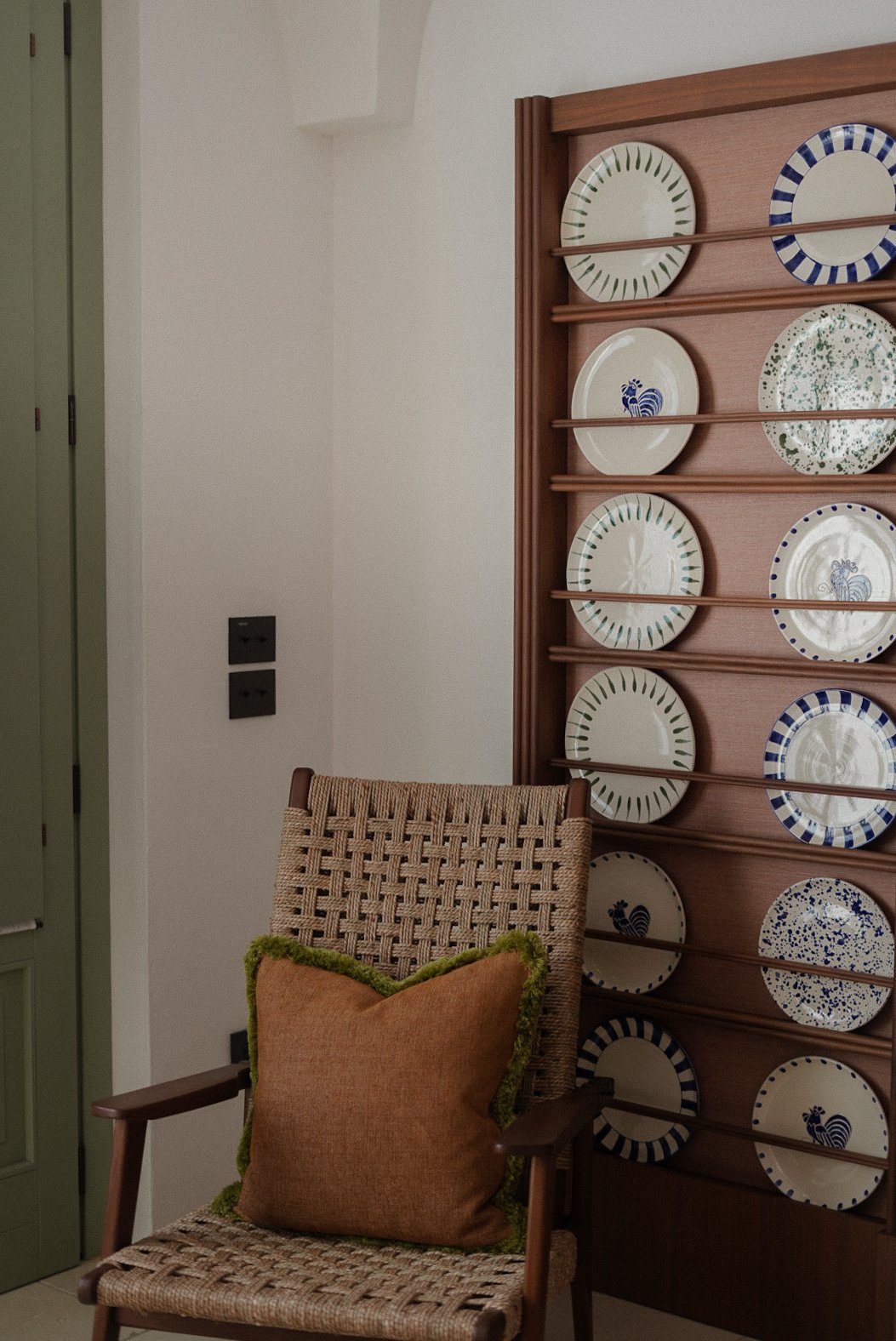
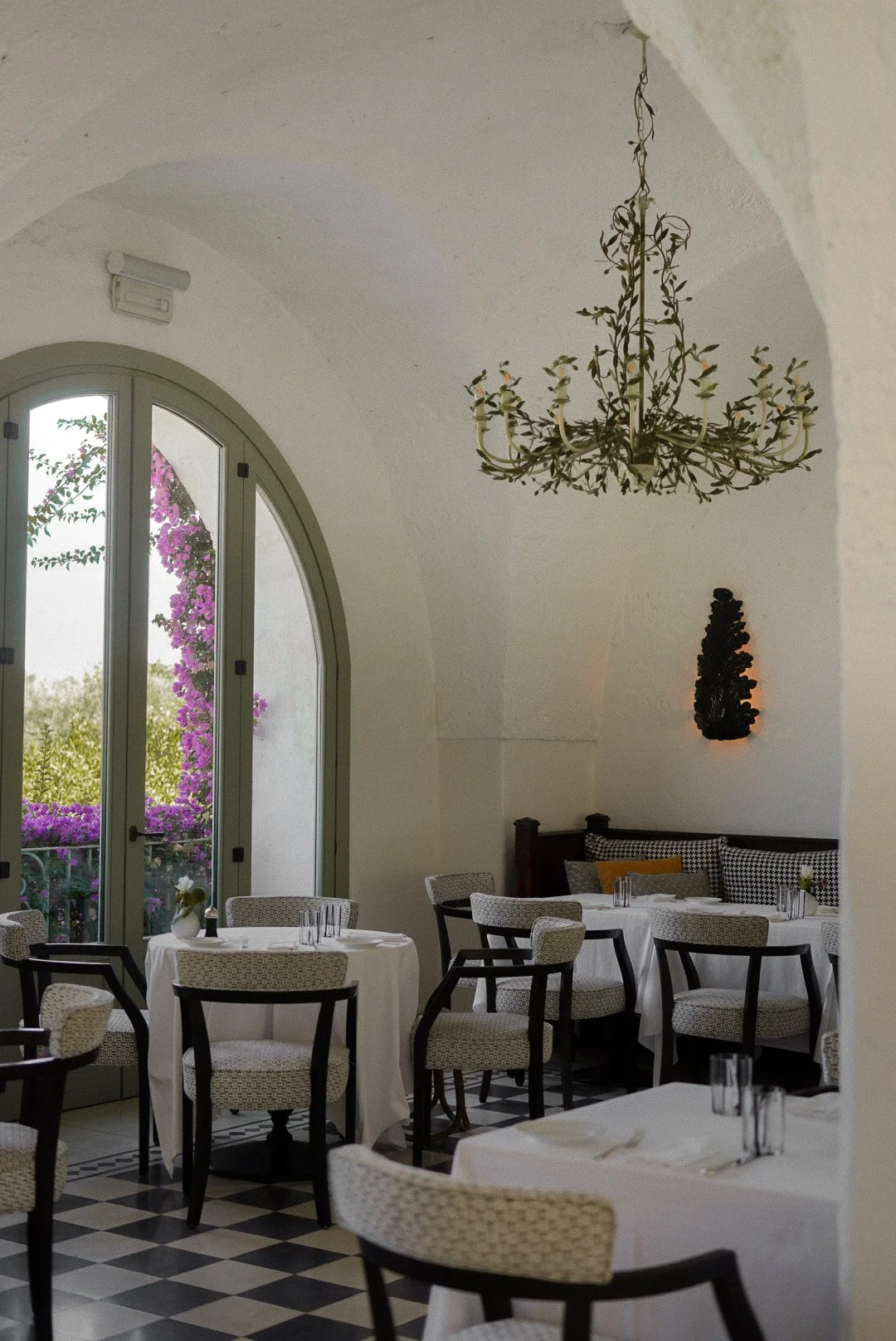
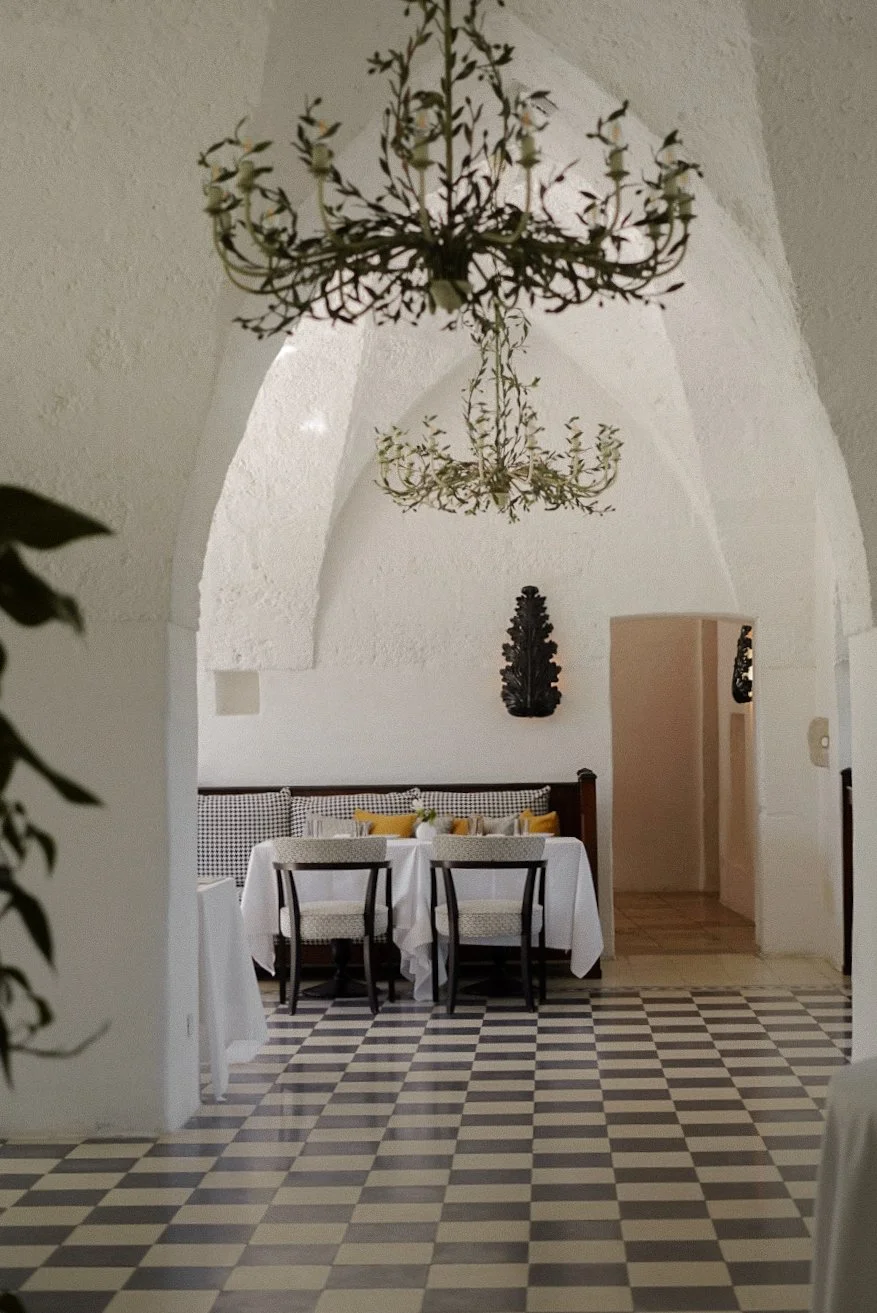
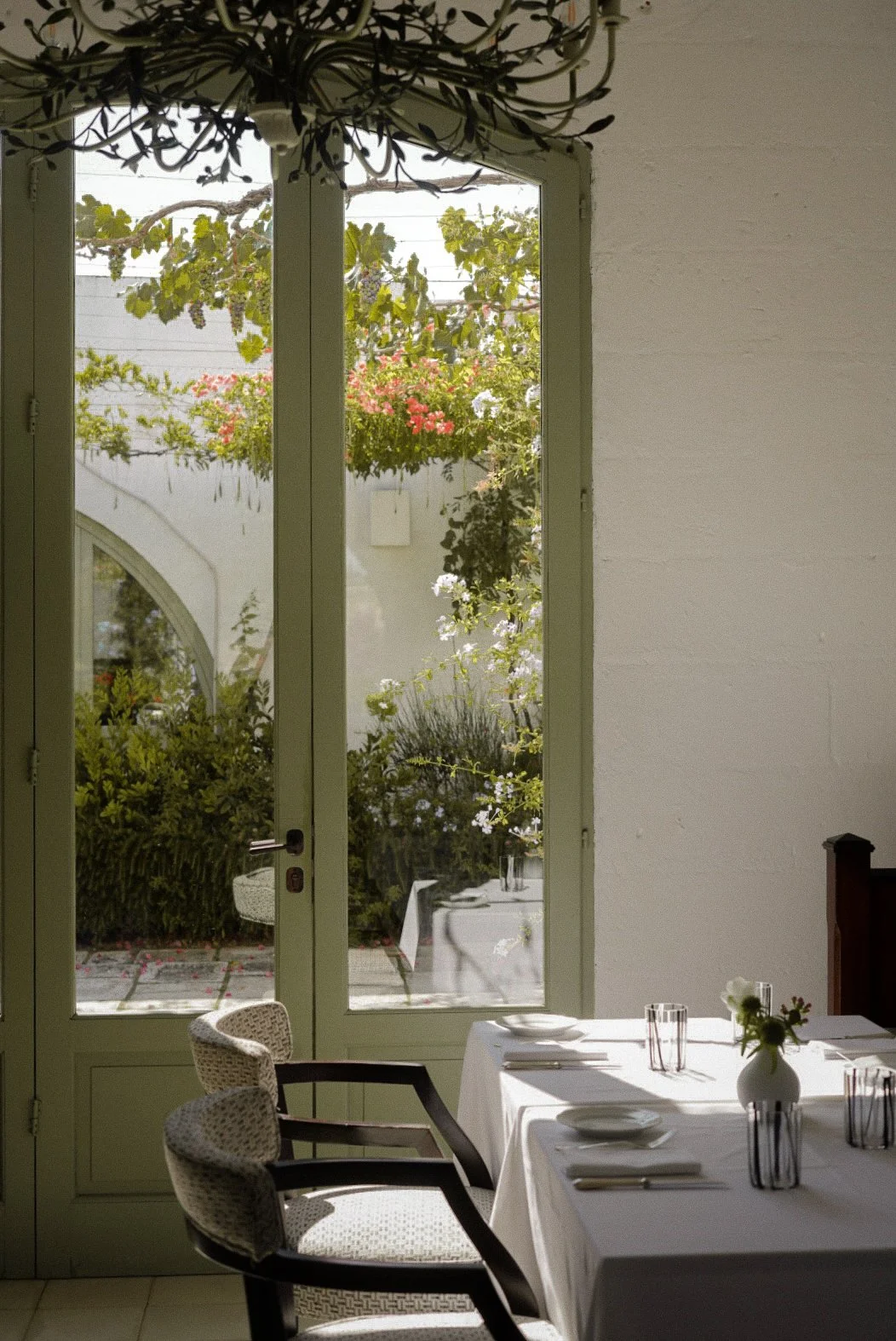
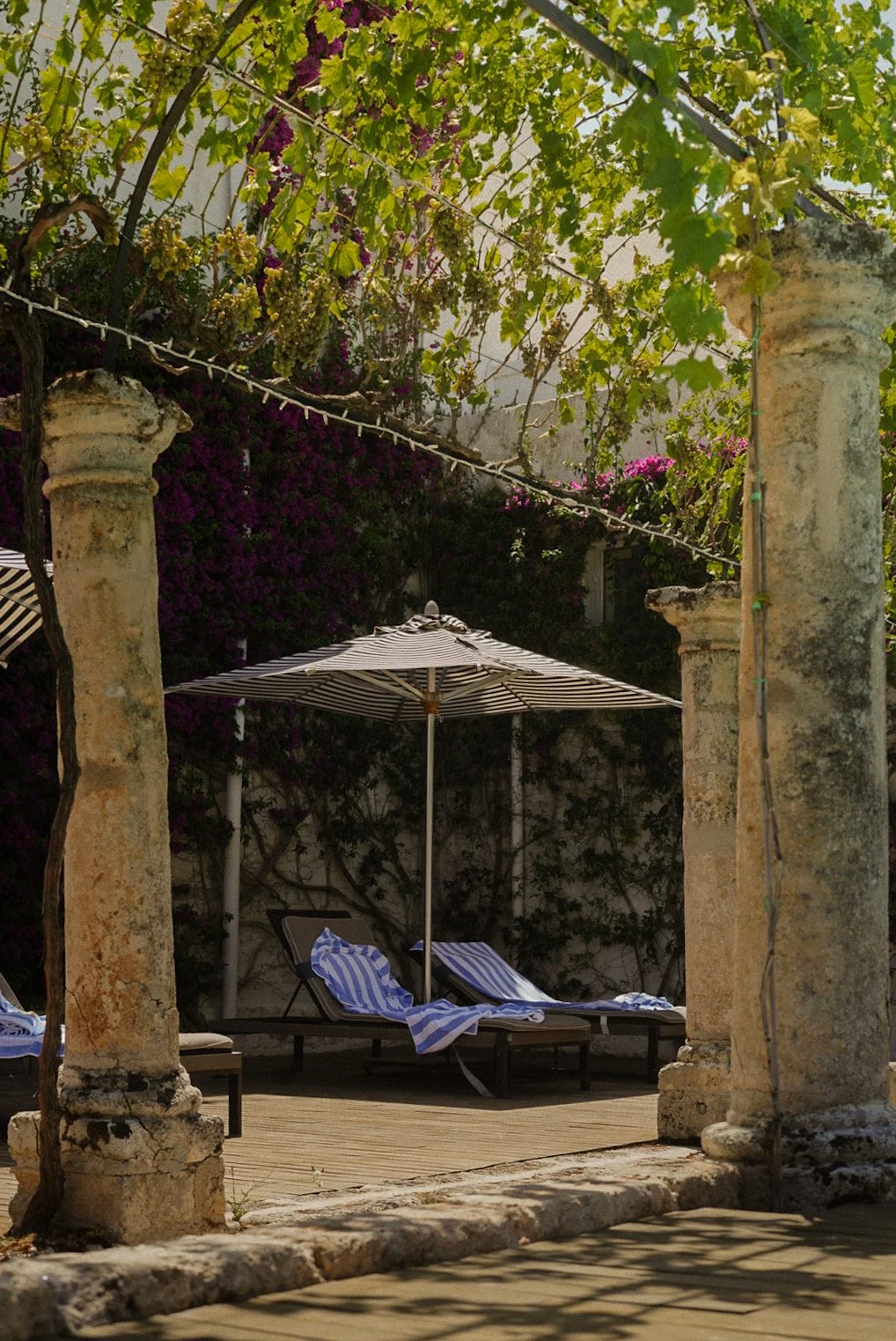
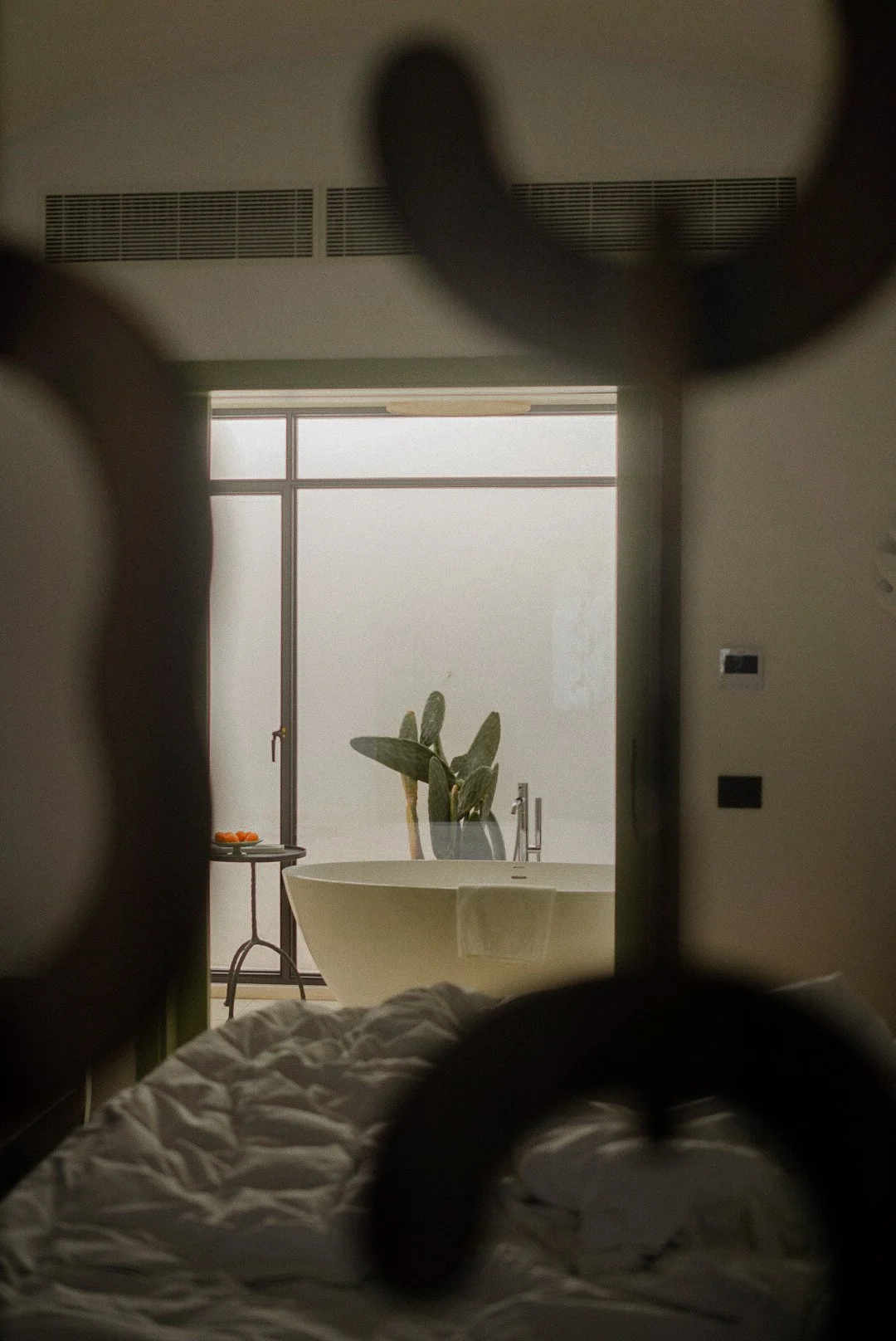
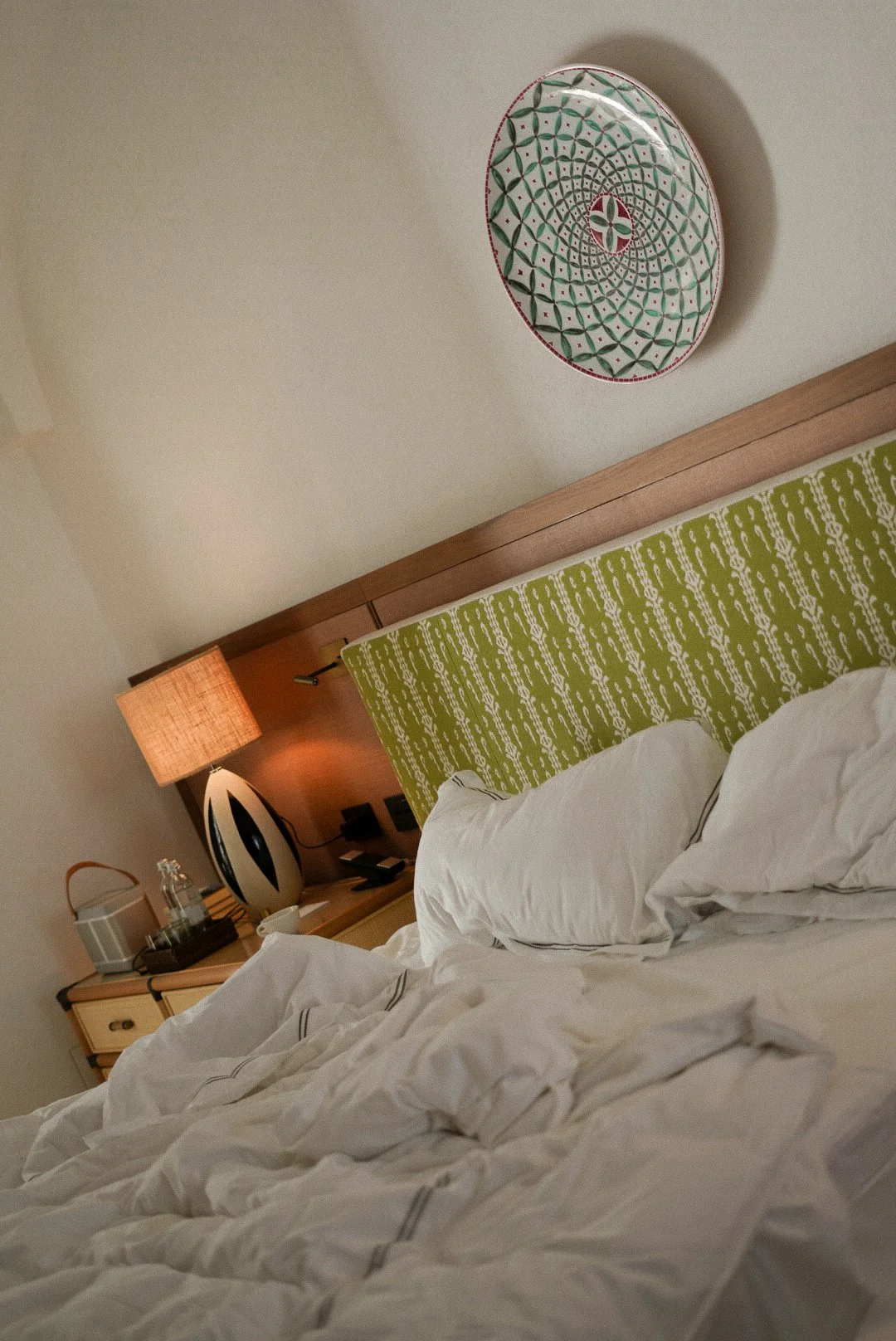
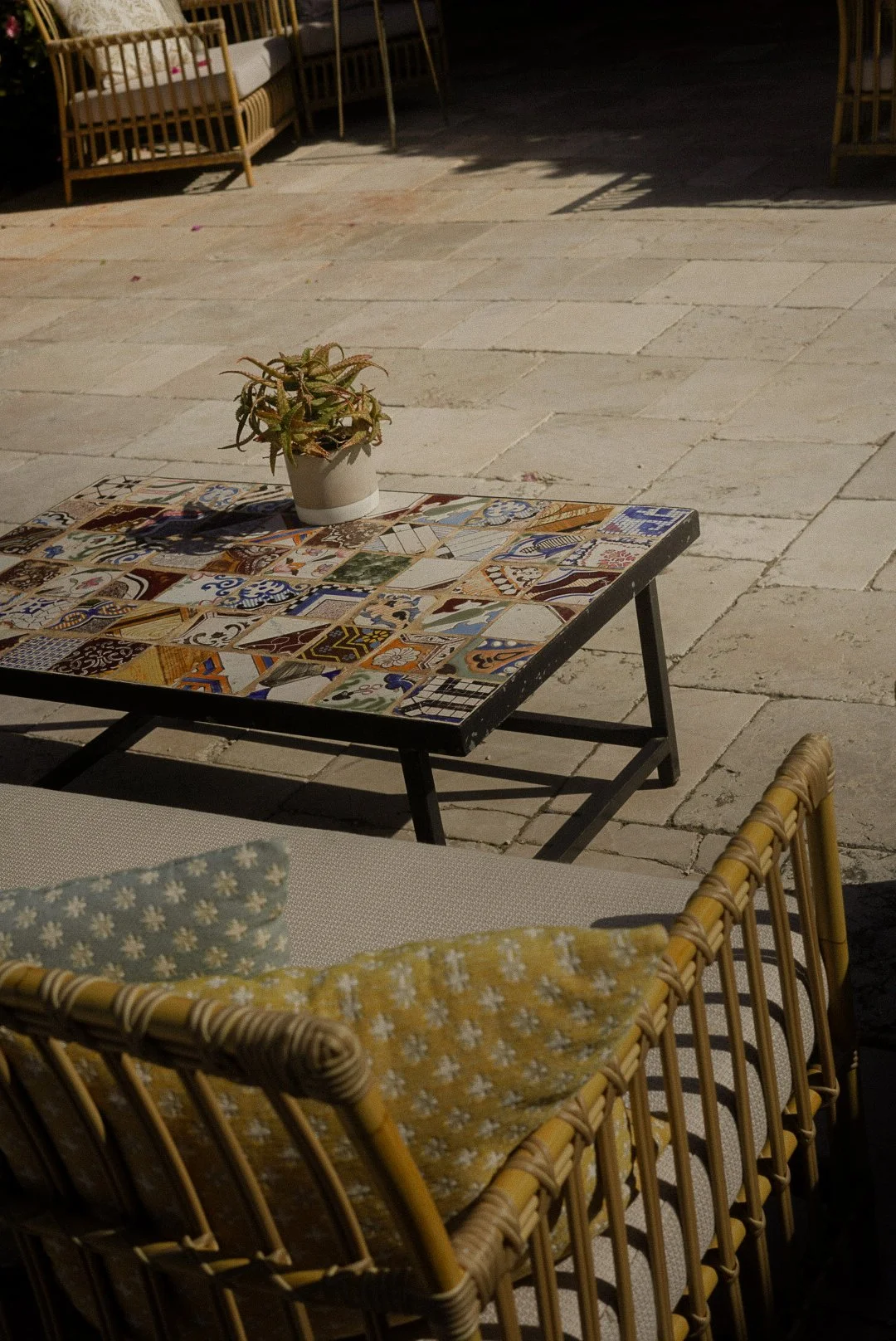
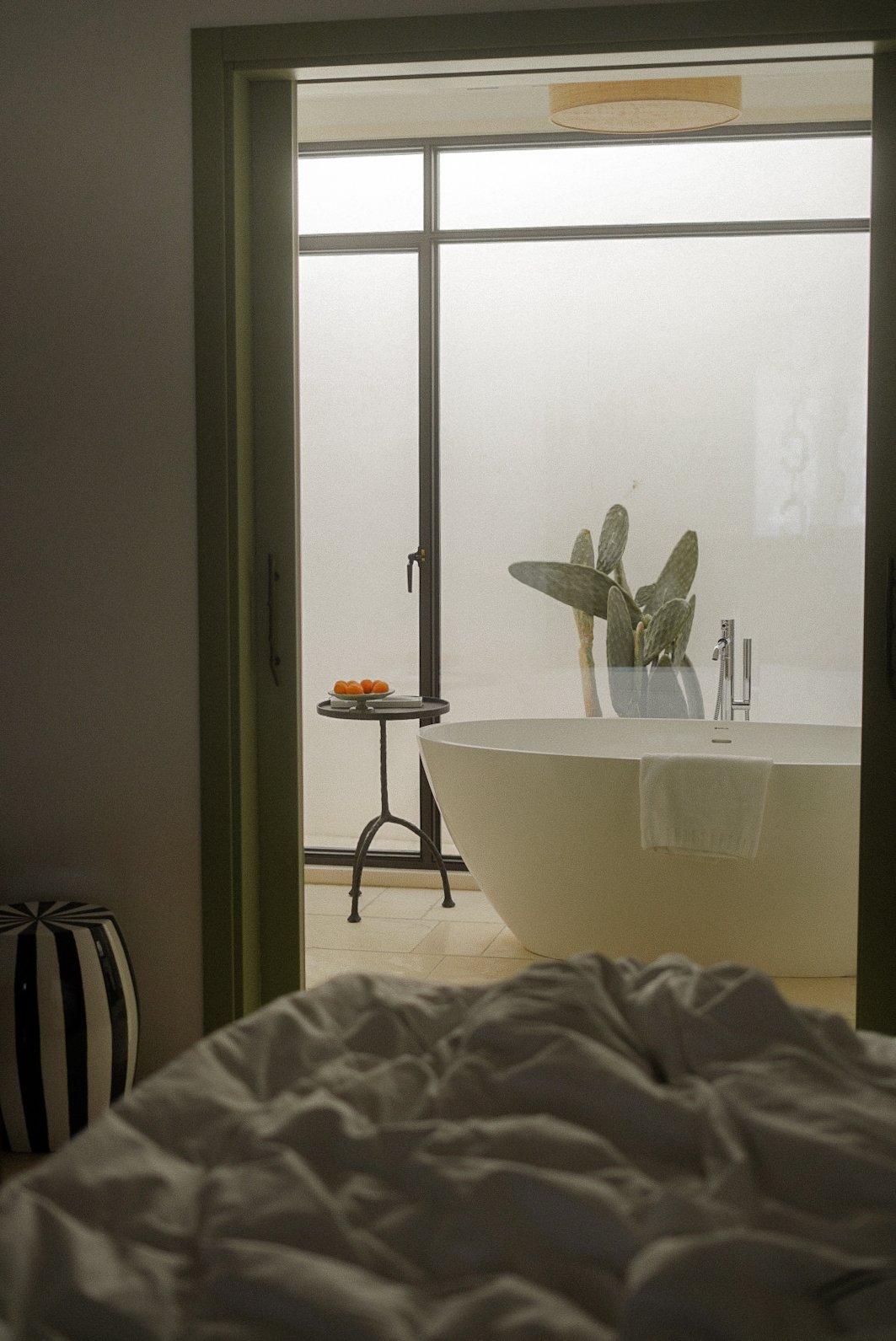
Five centuries have left their marks, but not all of them need to be visible to be felt. The architecture still has the proportions of a building that was made for purposes other than hospitality. Vaulted ceilings run through the interiors, thick whitewashed walls hold back the heat, and doors open directly towards the gardens. Olga Polizzi's interiors introduce handmade ceramics, local stone and fabrics in shades of green, terracotta and cream, but the decoration remains secondary to the building itself. Nothing is trying to make the masseria look older than it is, or to turn its history into a theme.
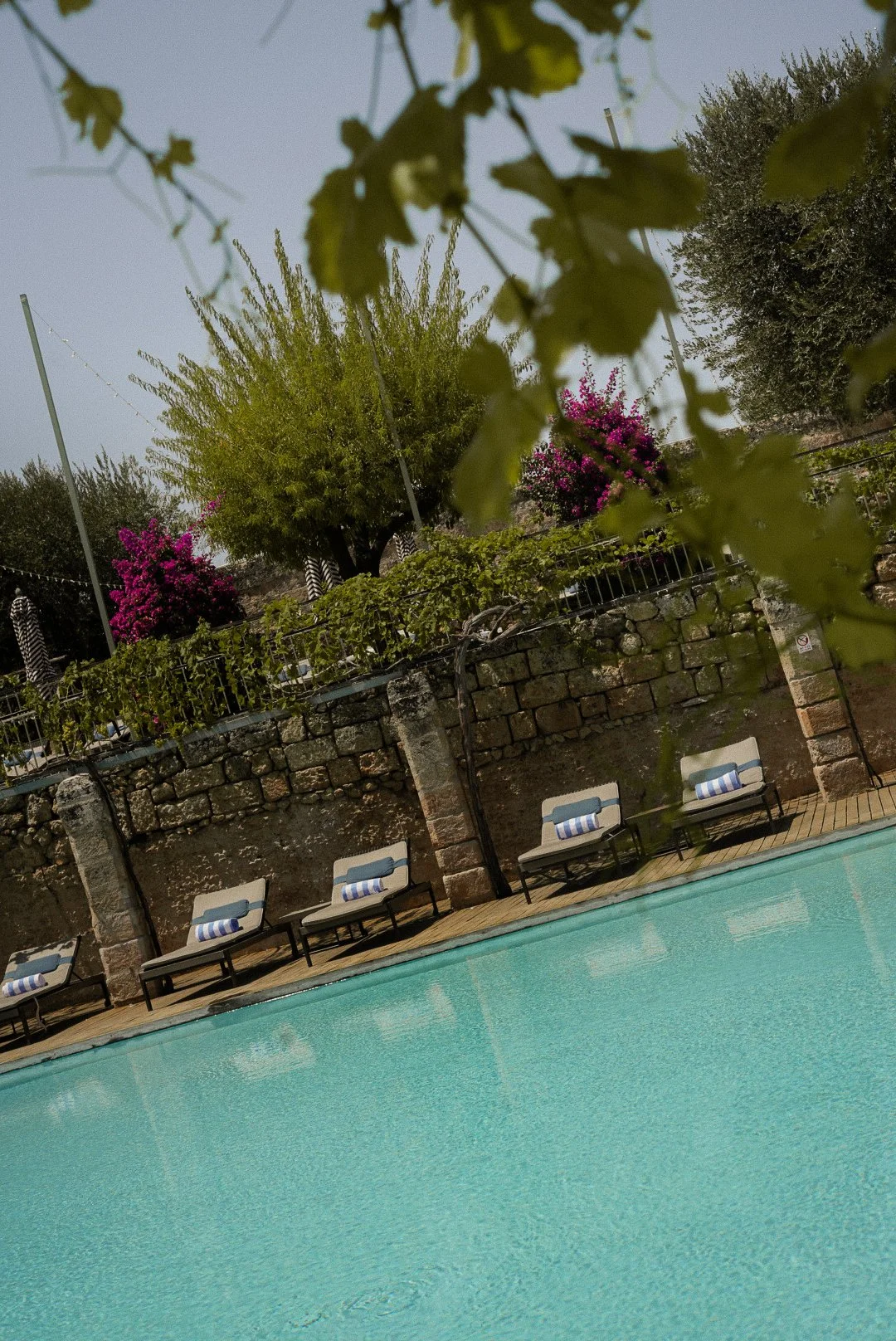
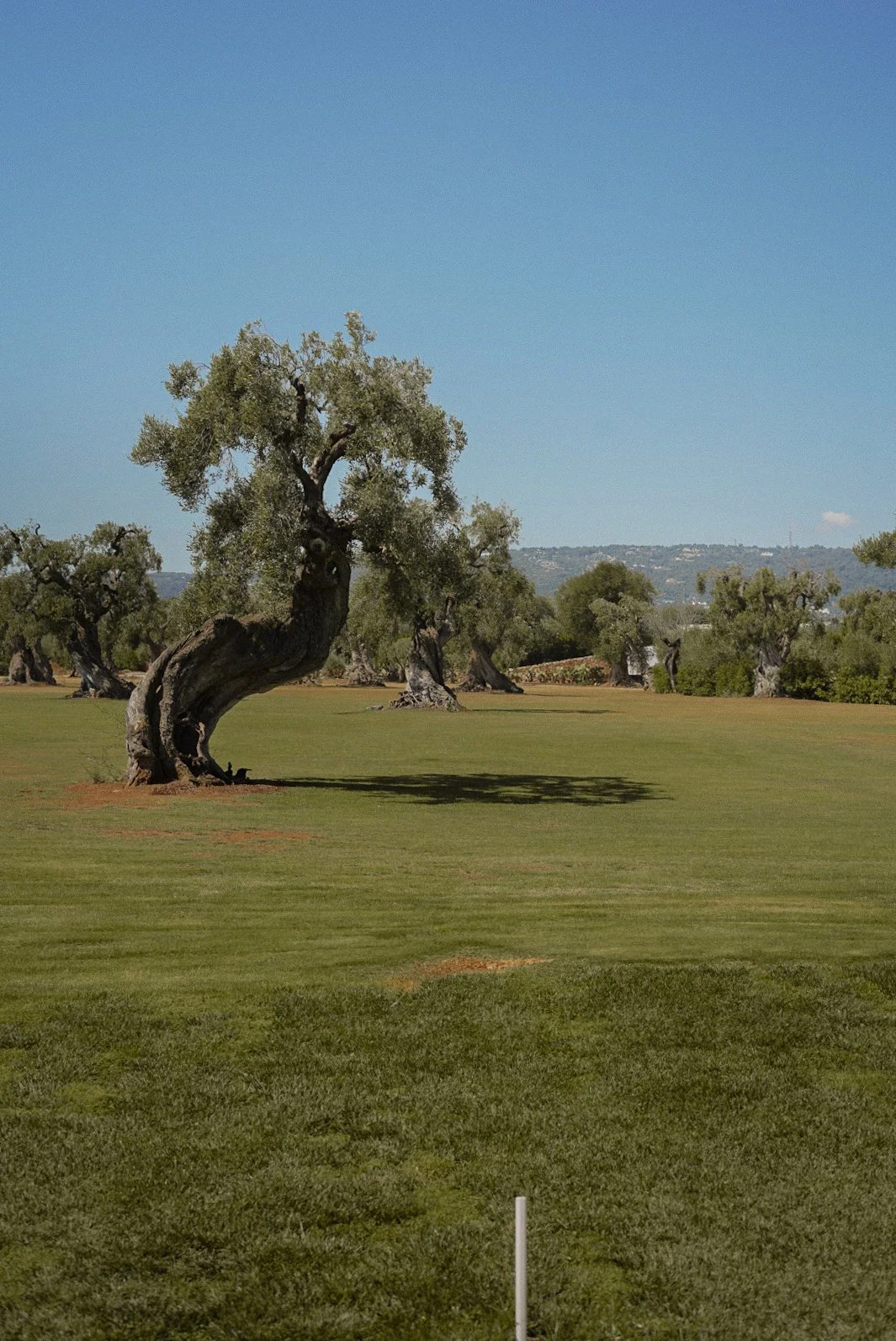
The most beautiful details are often the least deliberate ones: the irregularity of an old wall, the depth of a doorway, the shadow cast by an arch in the middle of the afternoon. And then there are the olive trees. They are impossible to separate from the experience of the property. Some are centuries old, their trunks split and twisted into shapes that look almost carved. They stand between the rooms and restaurants, beside the paths and beyond the gardens, carrying on with the same work they have done for generations. The estate still produces its own olive oil, so the trees are not simply part of the scenery. They remain part of the life of the place. And this changes the way the hotel is experienced, as the garden is not something viewed from a terrace after breakfast, it is the space through which the day unfolds.
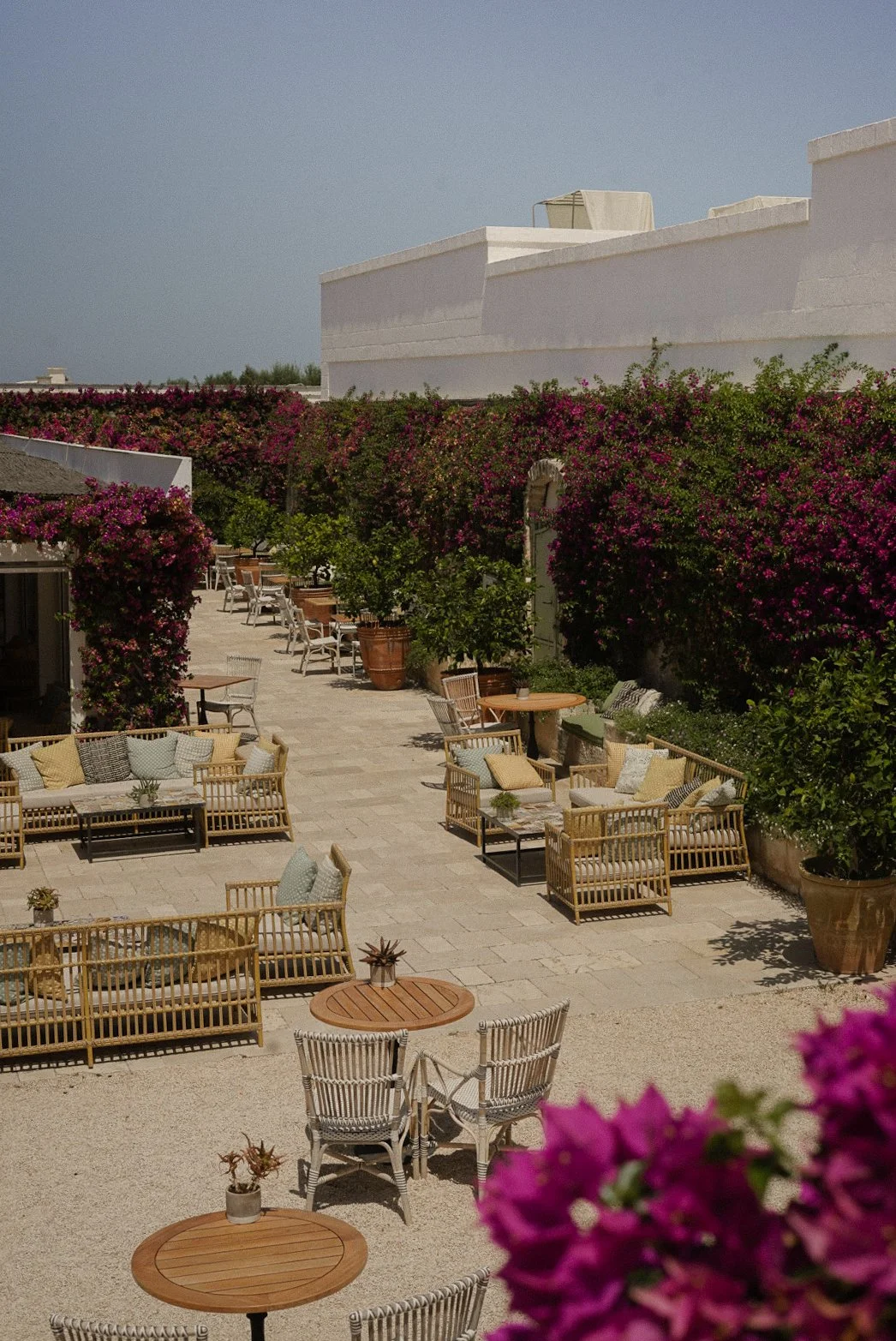

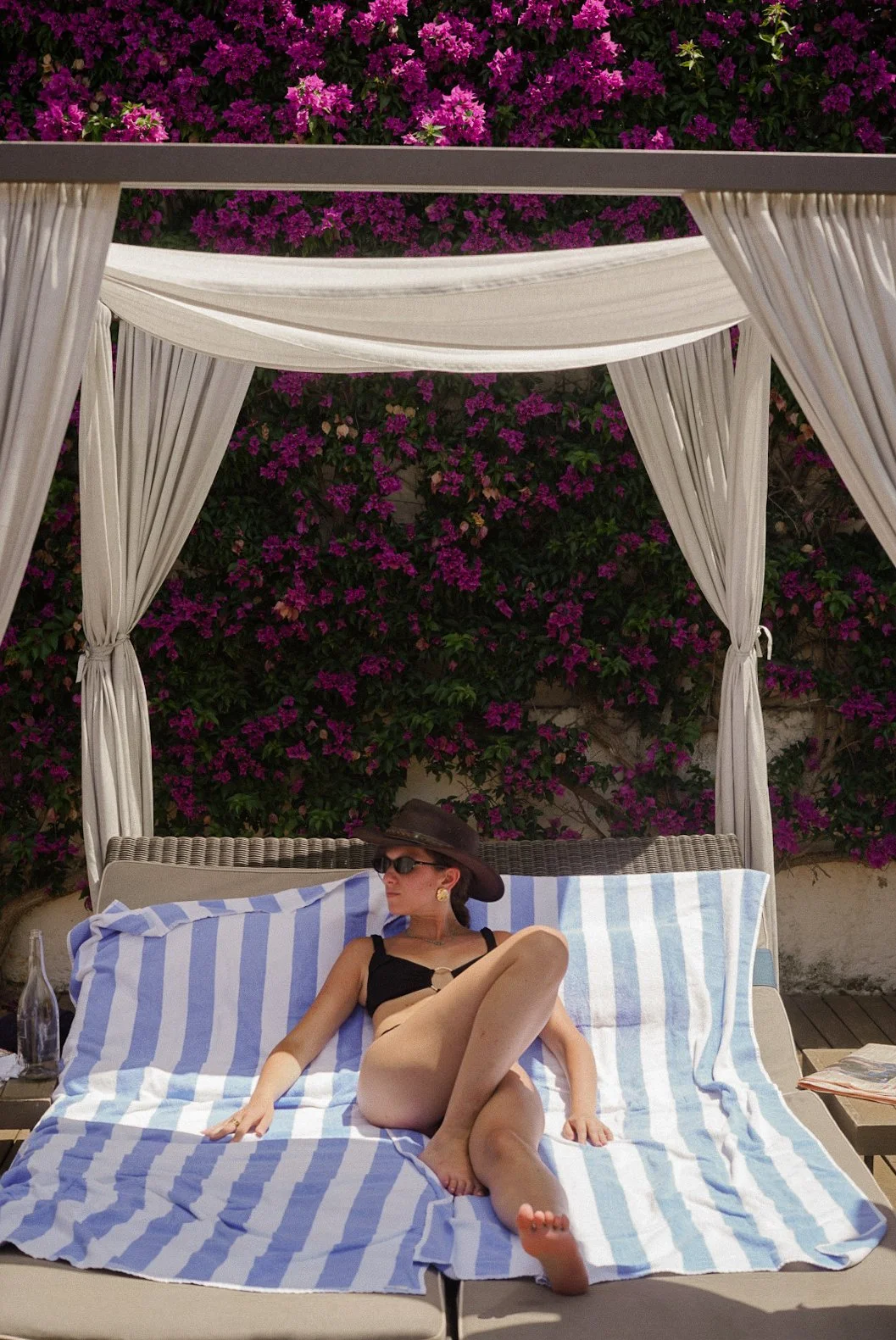
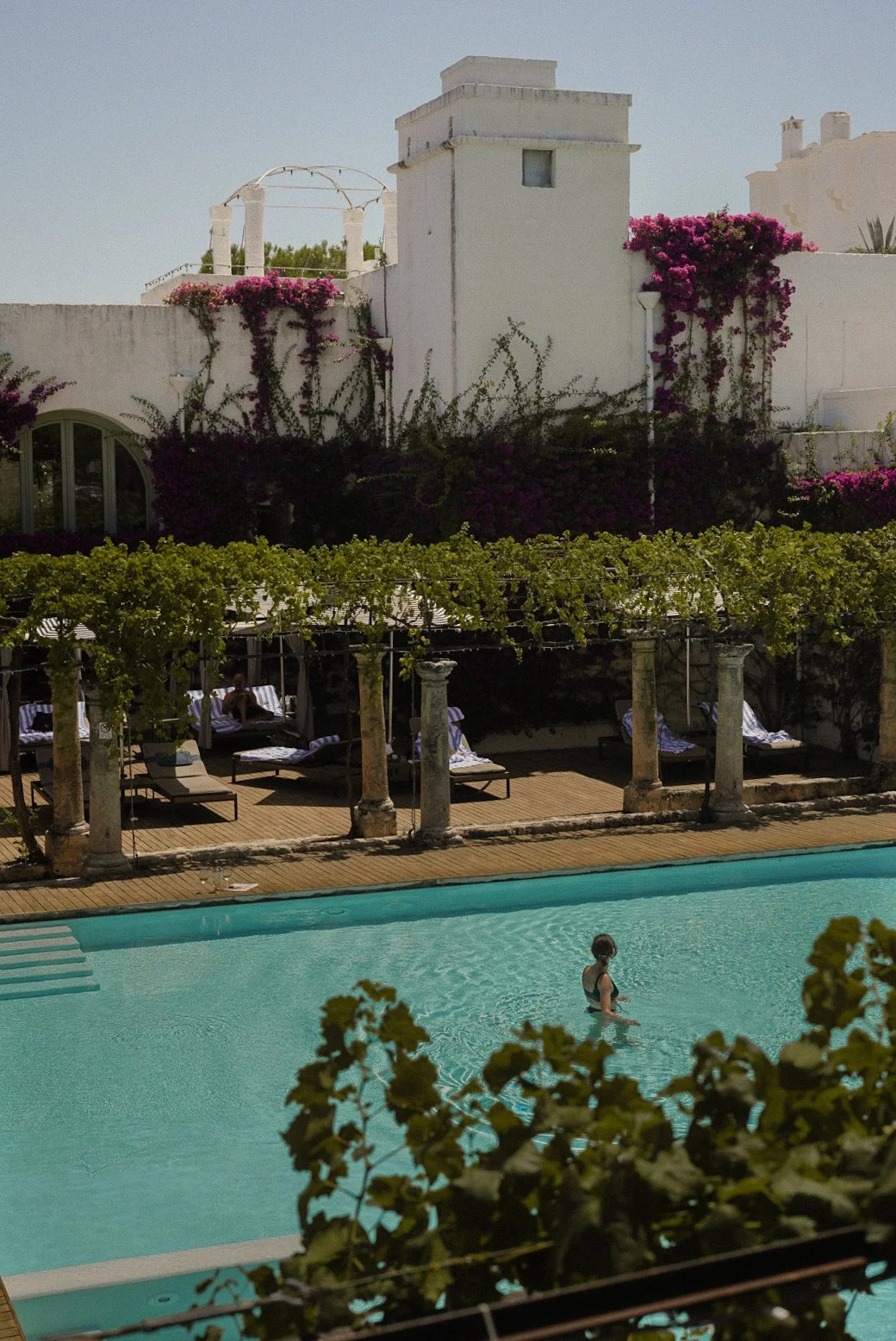
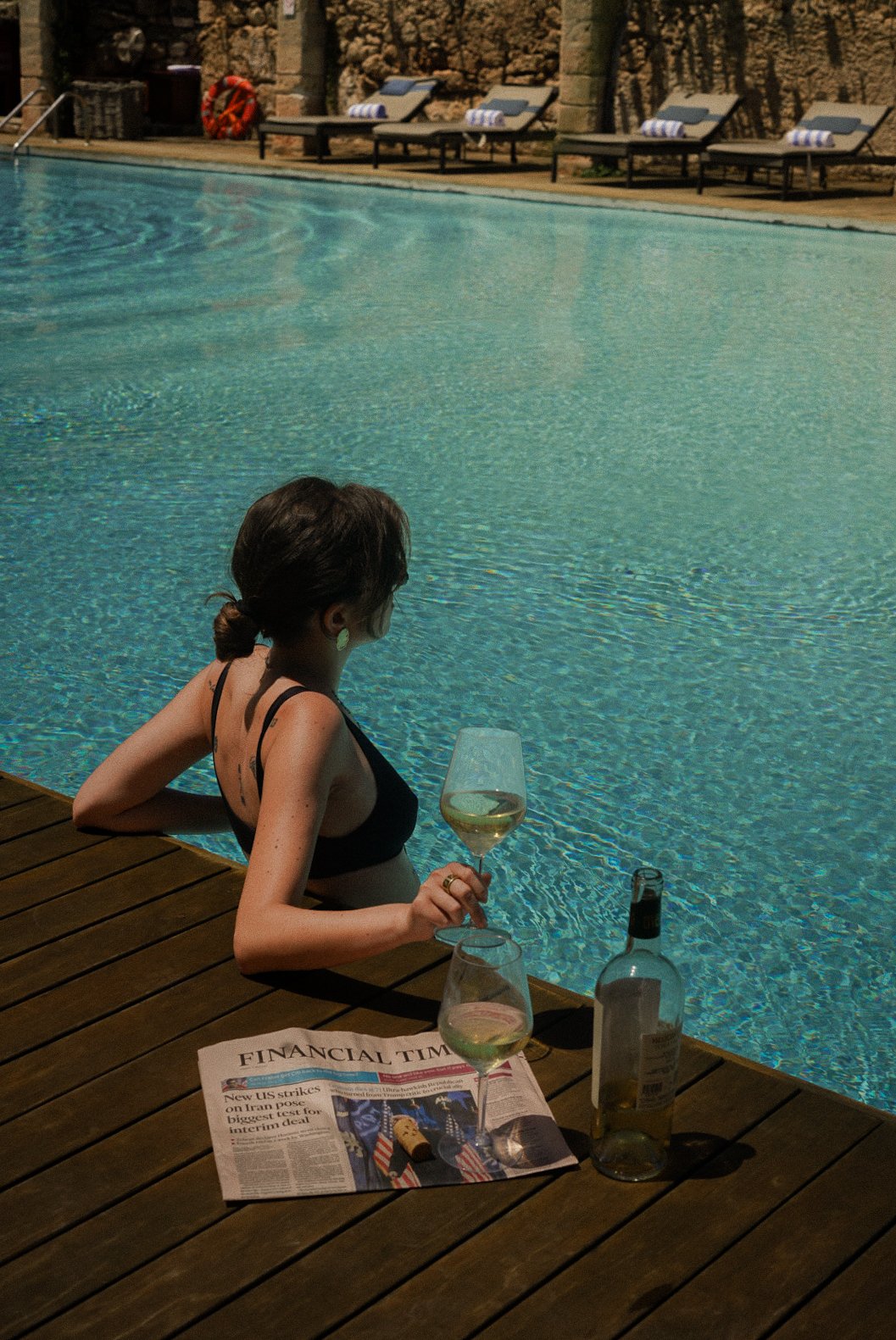
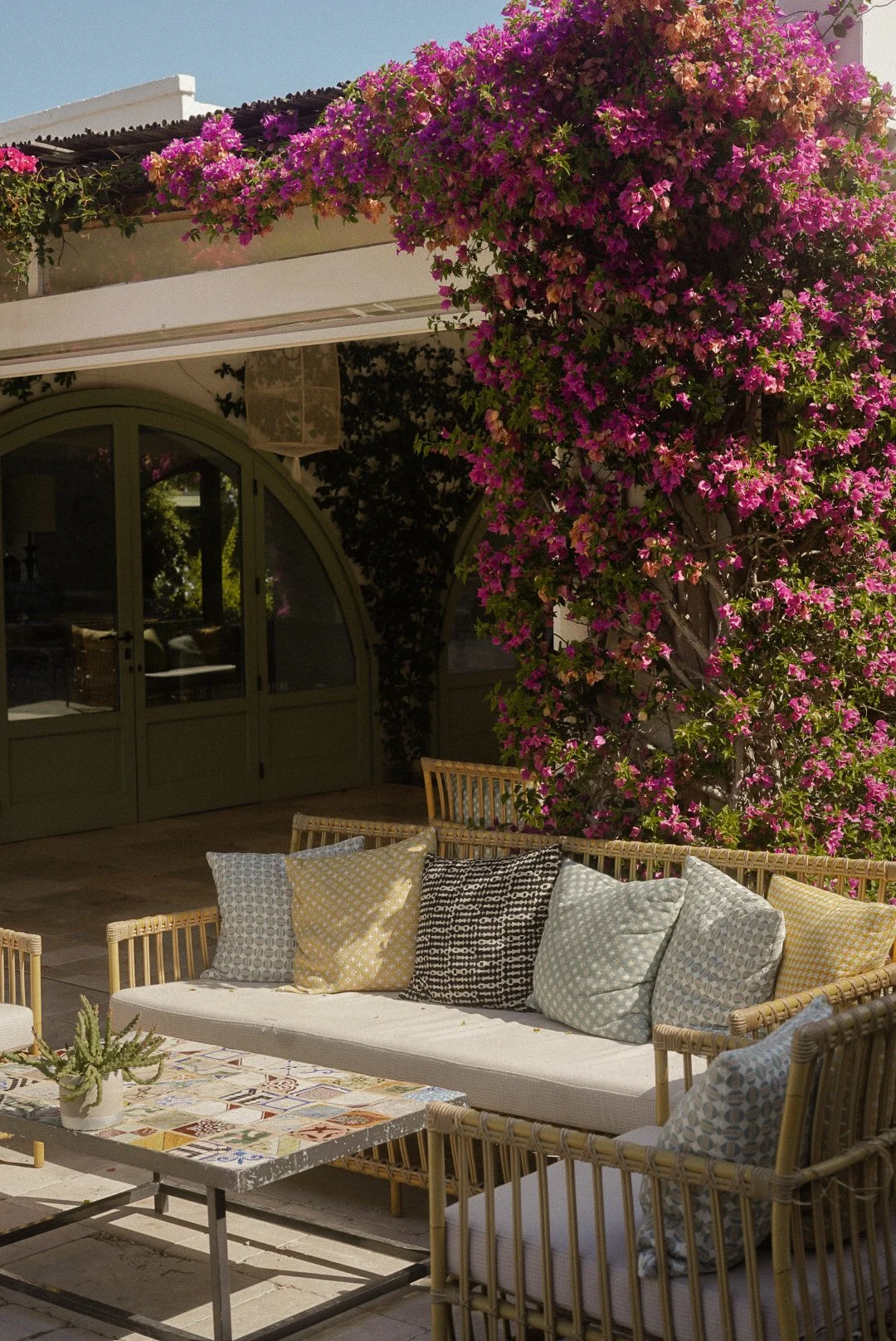
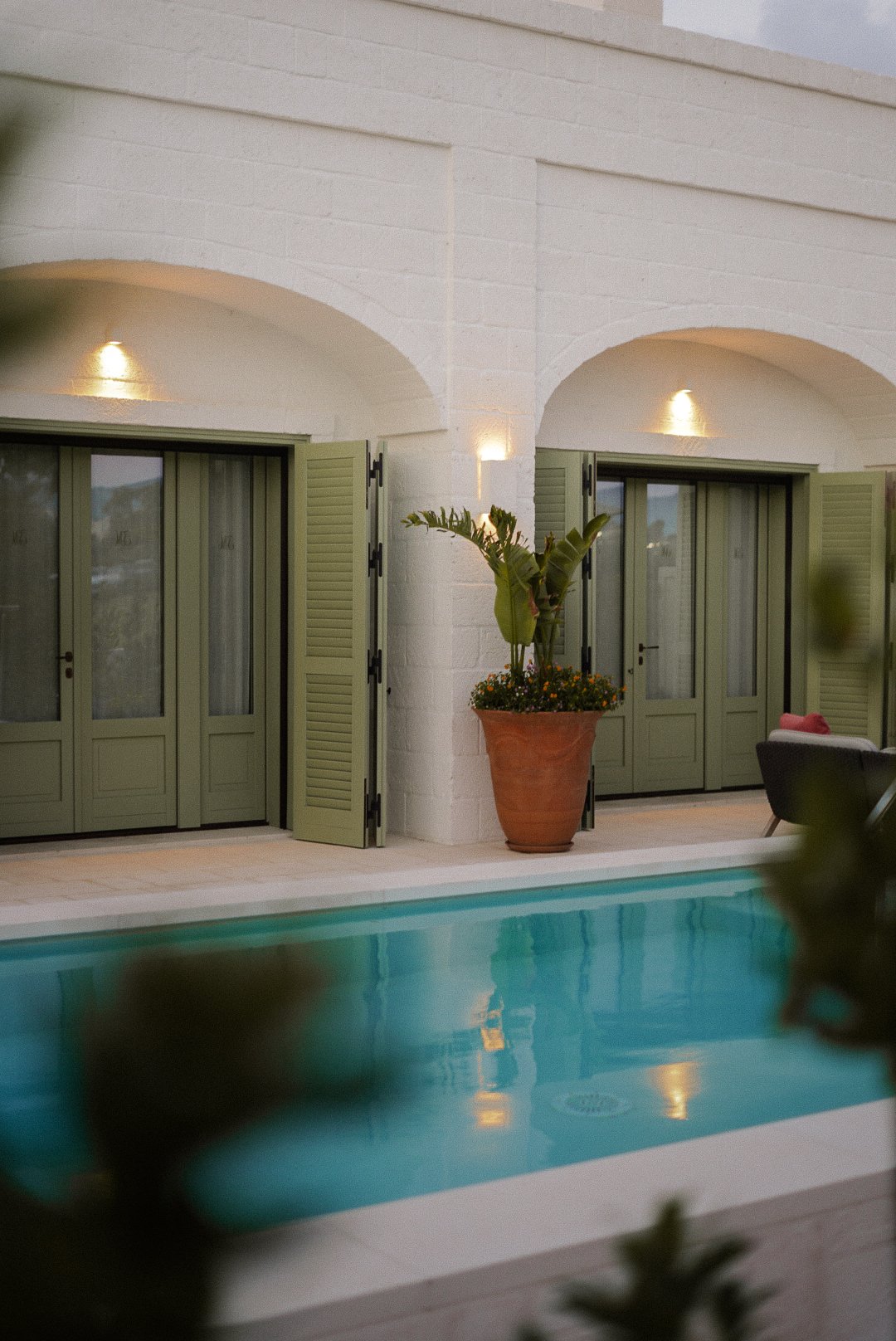
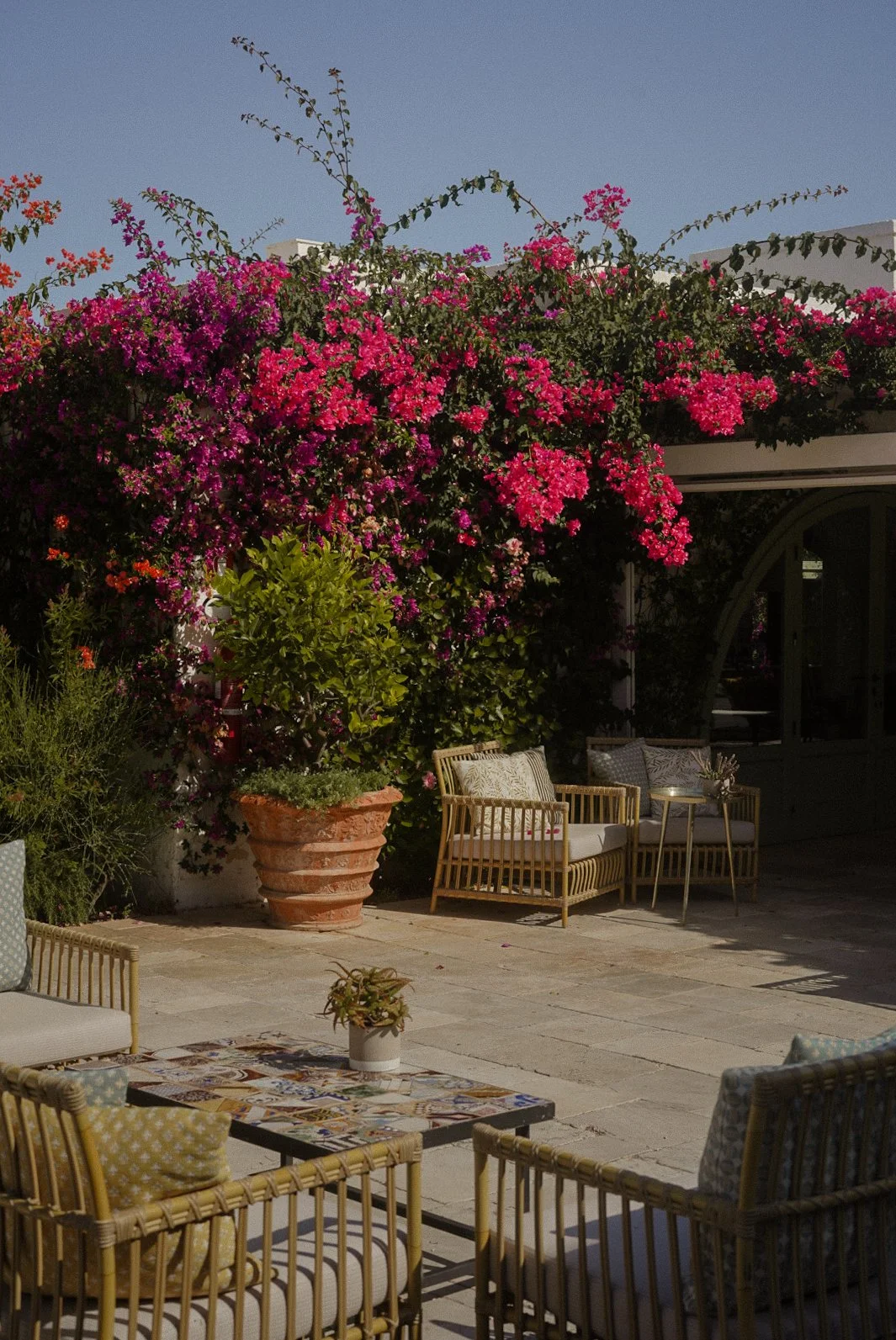
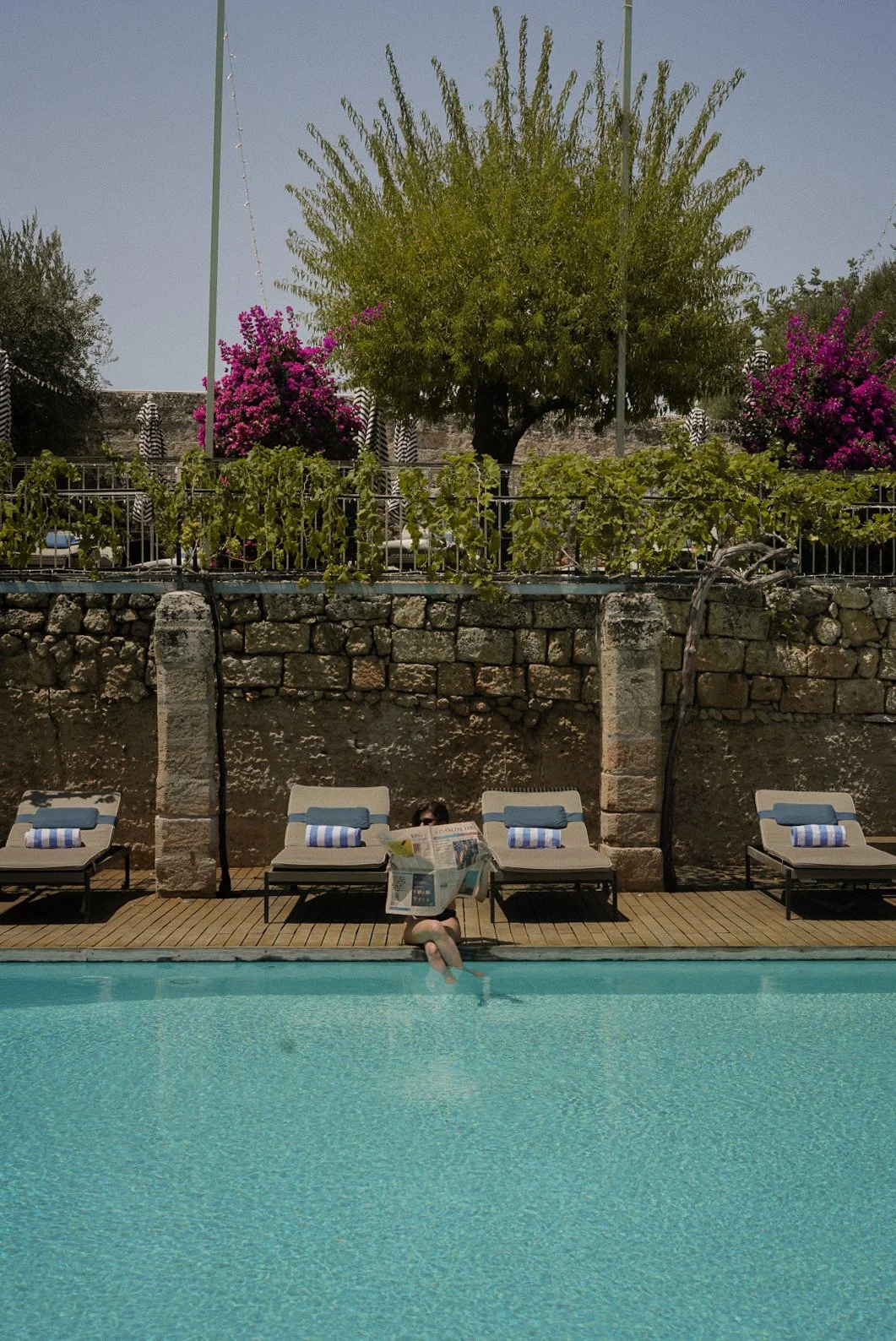
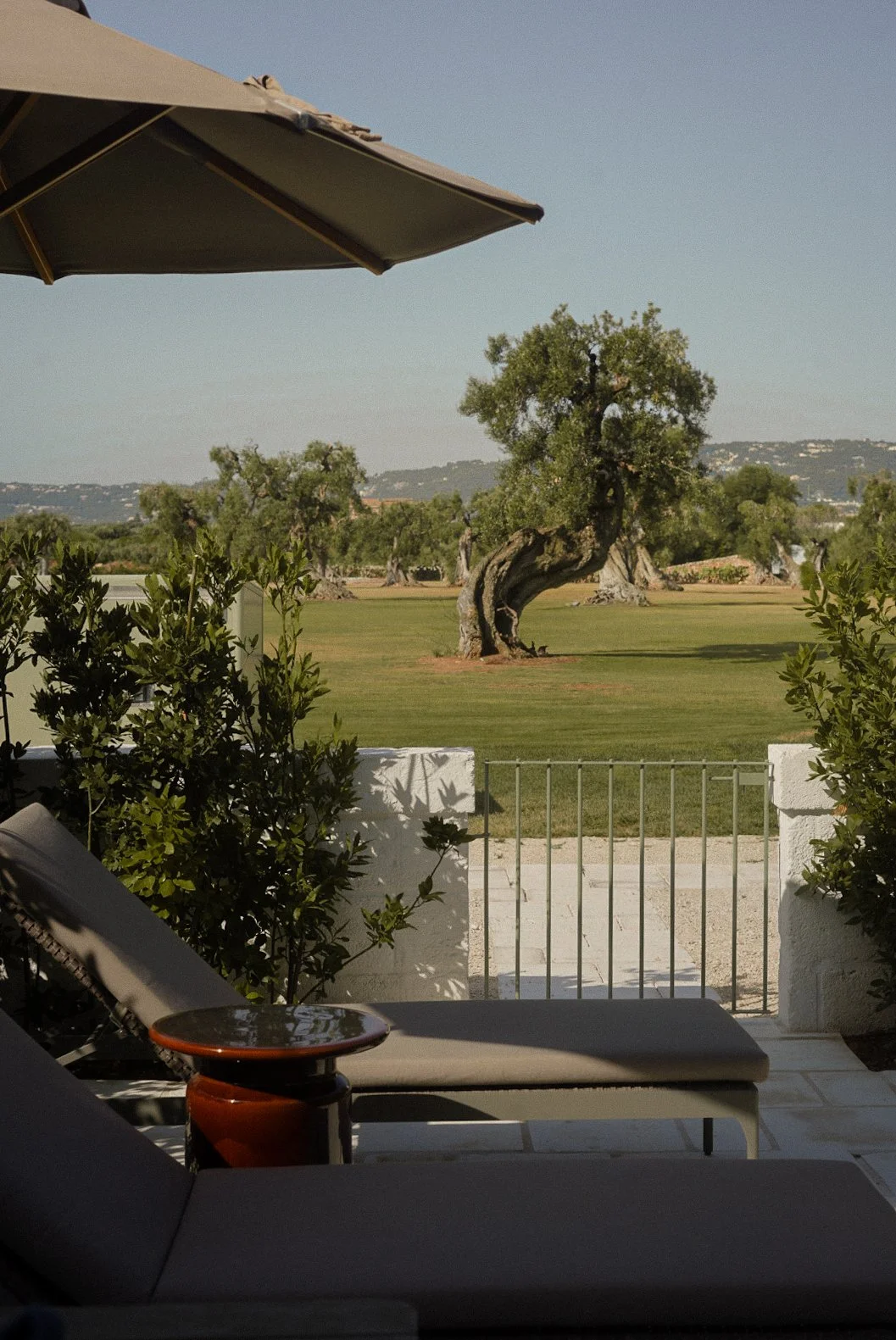
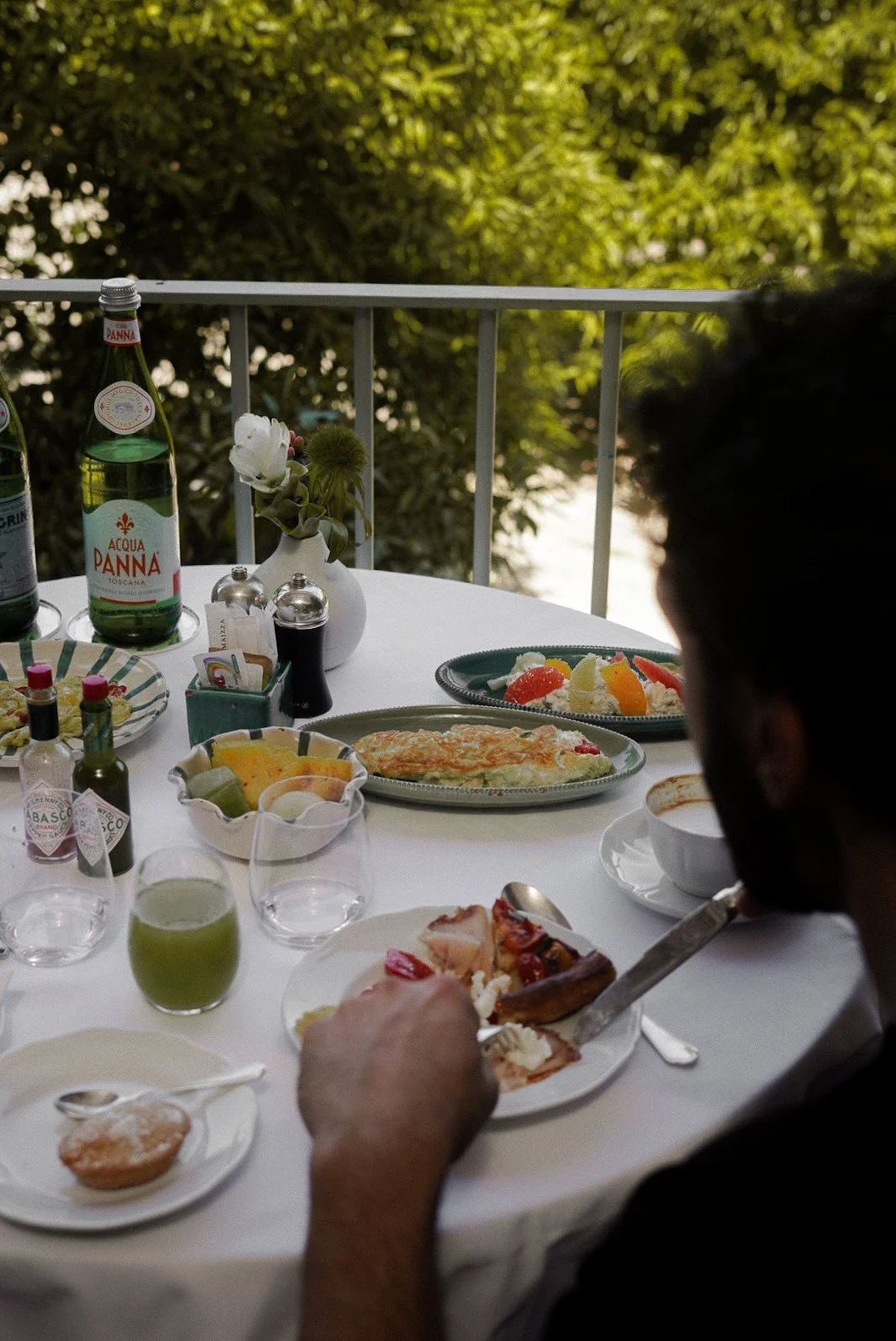
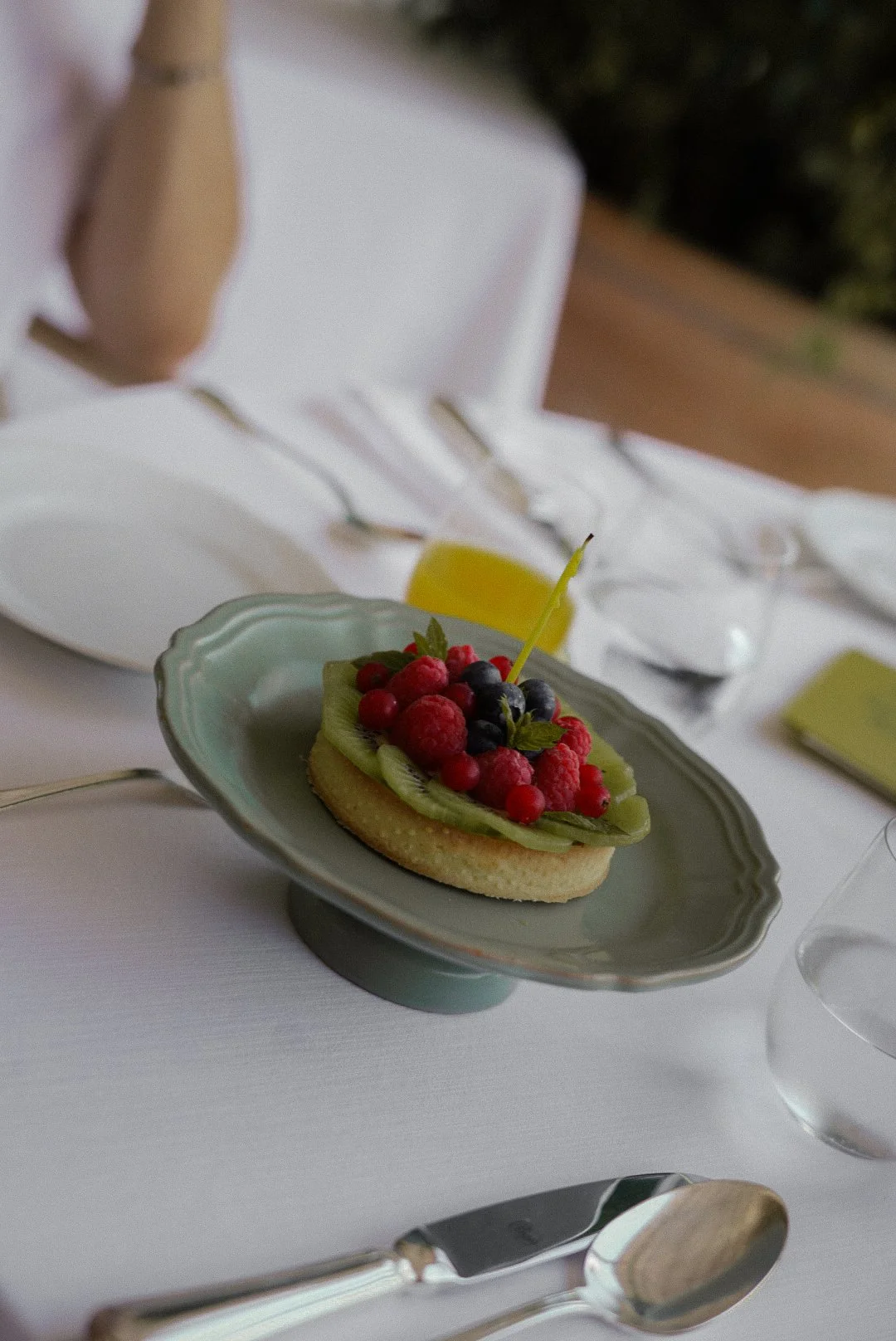
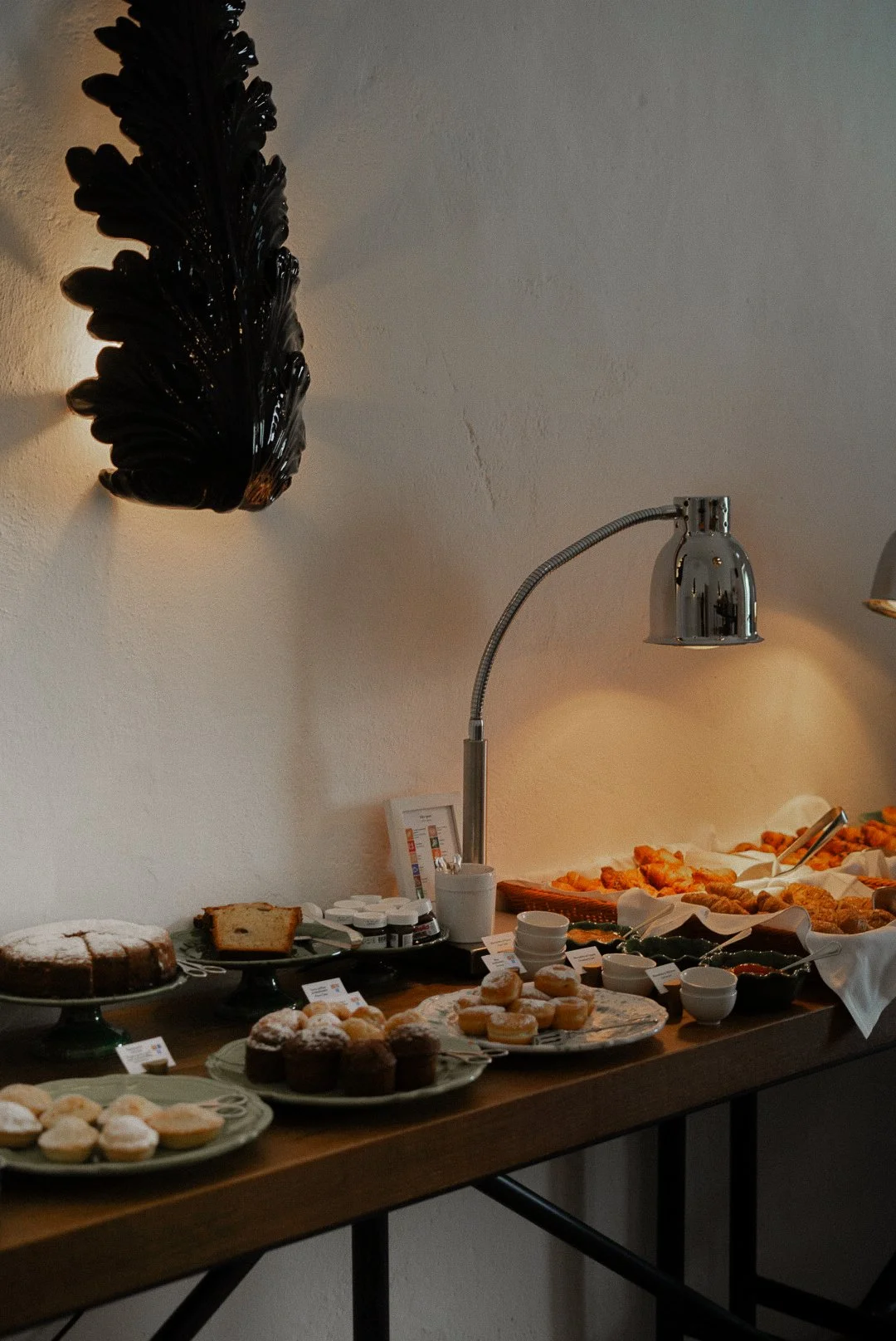
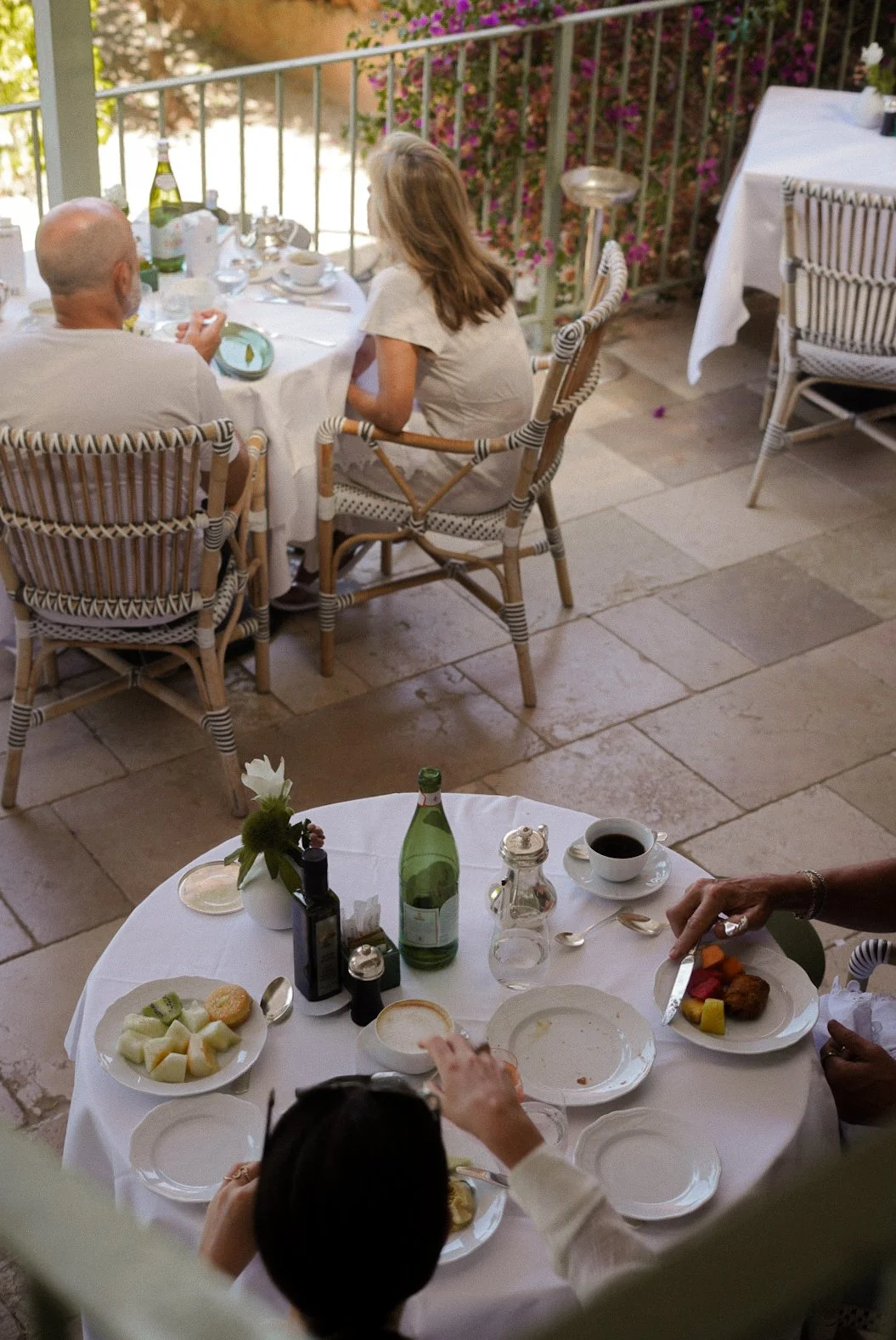
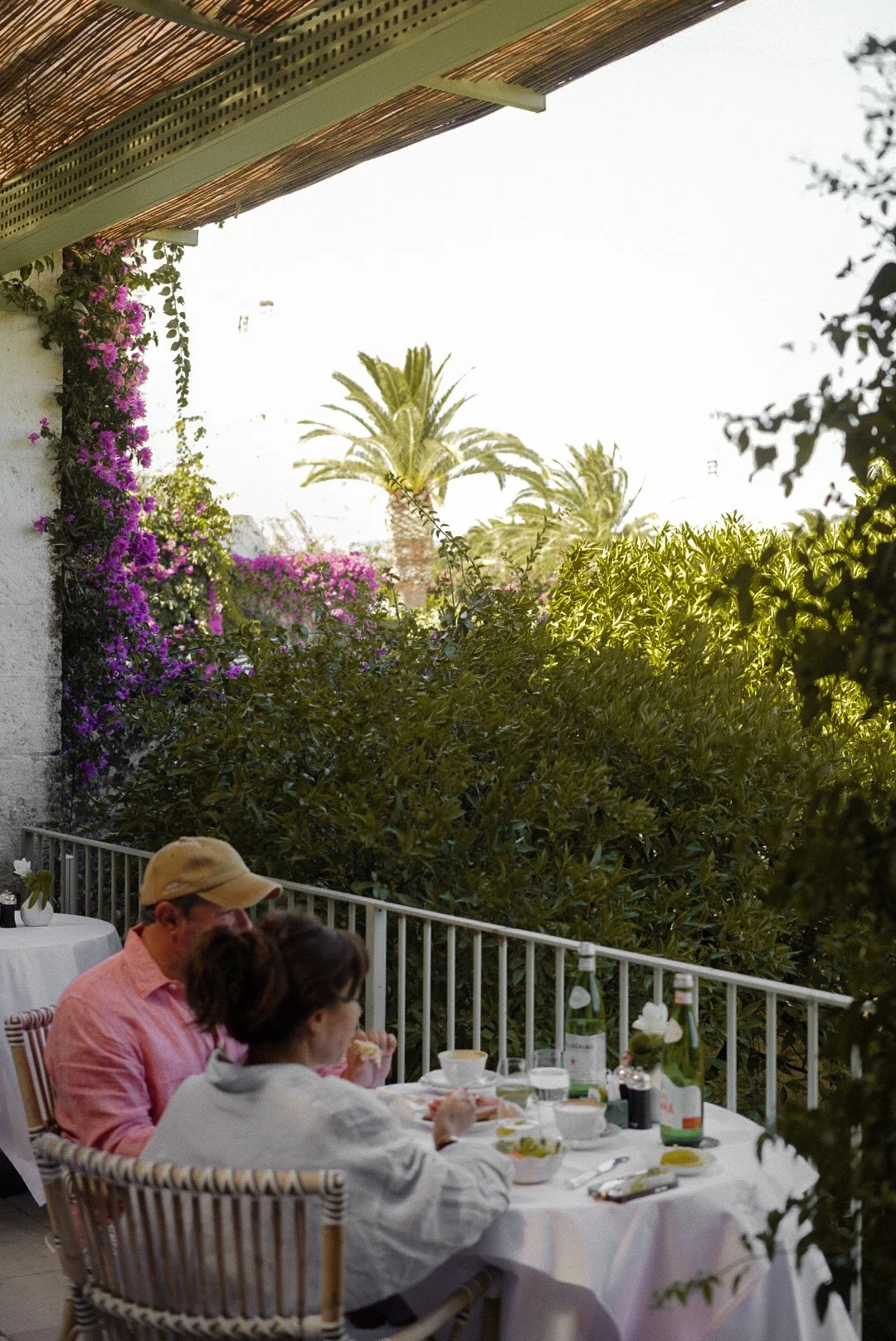
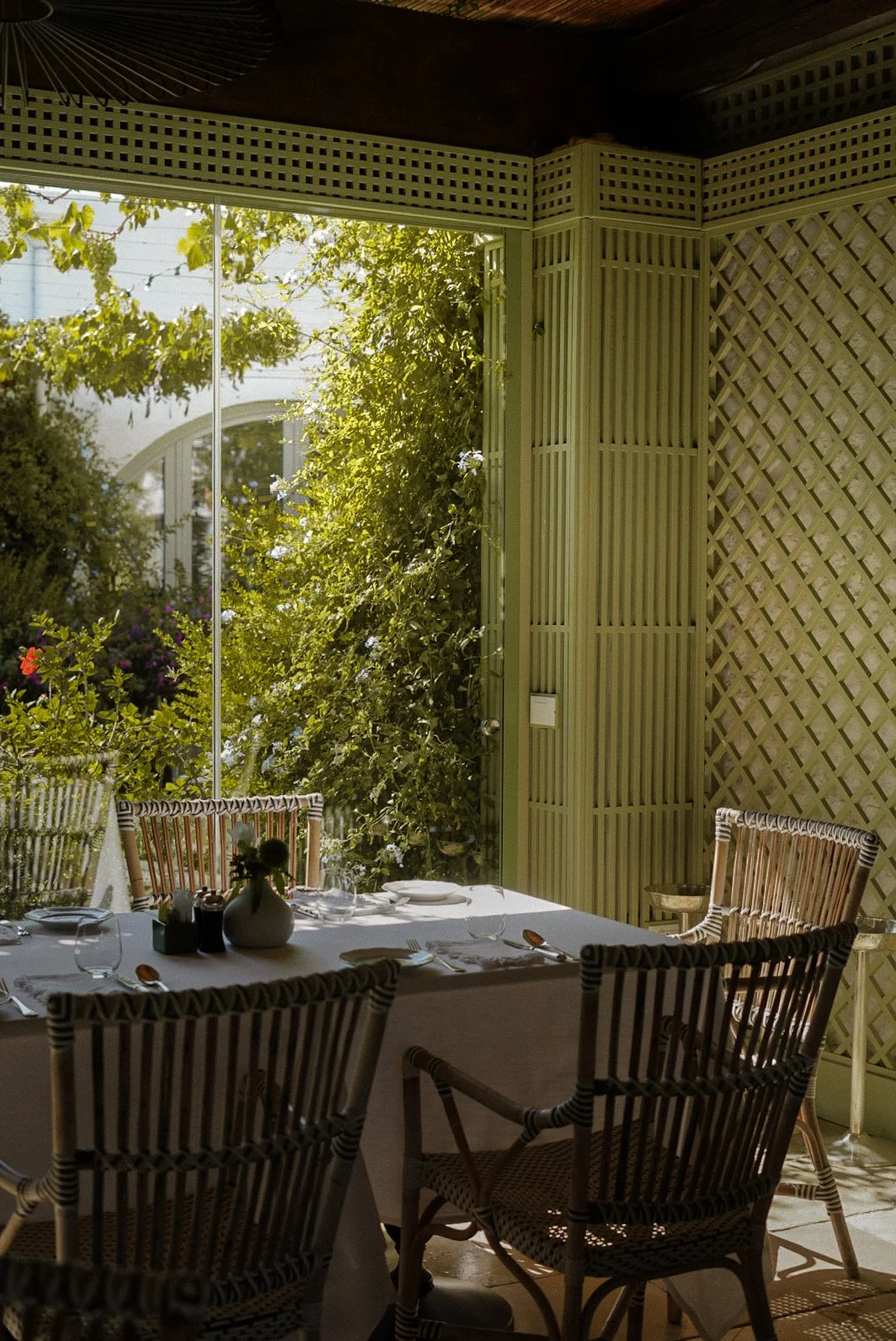
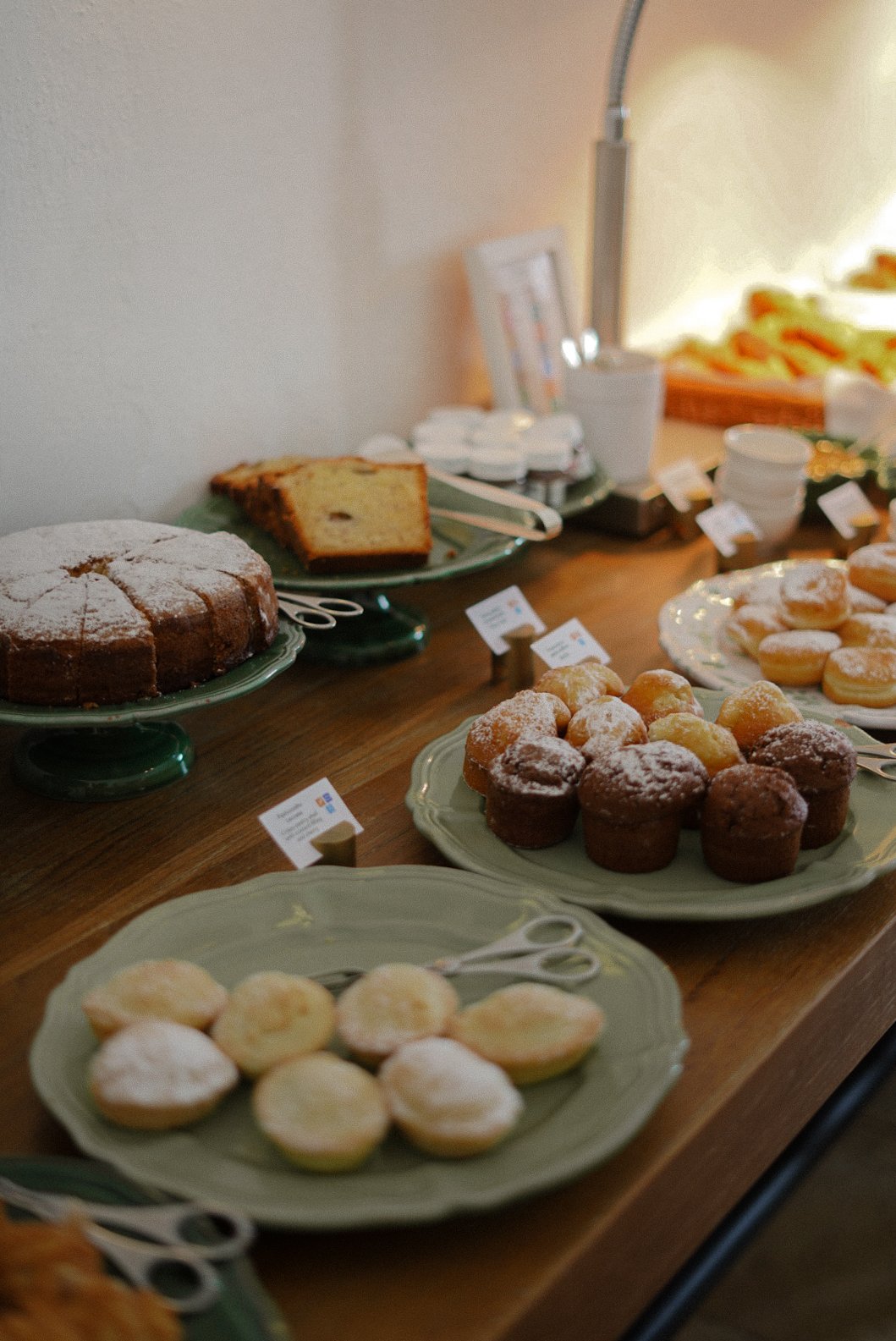
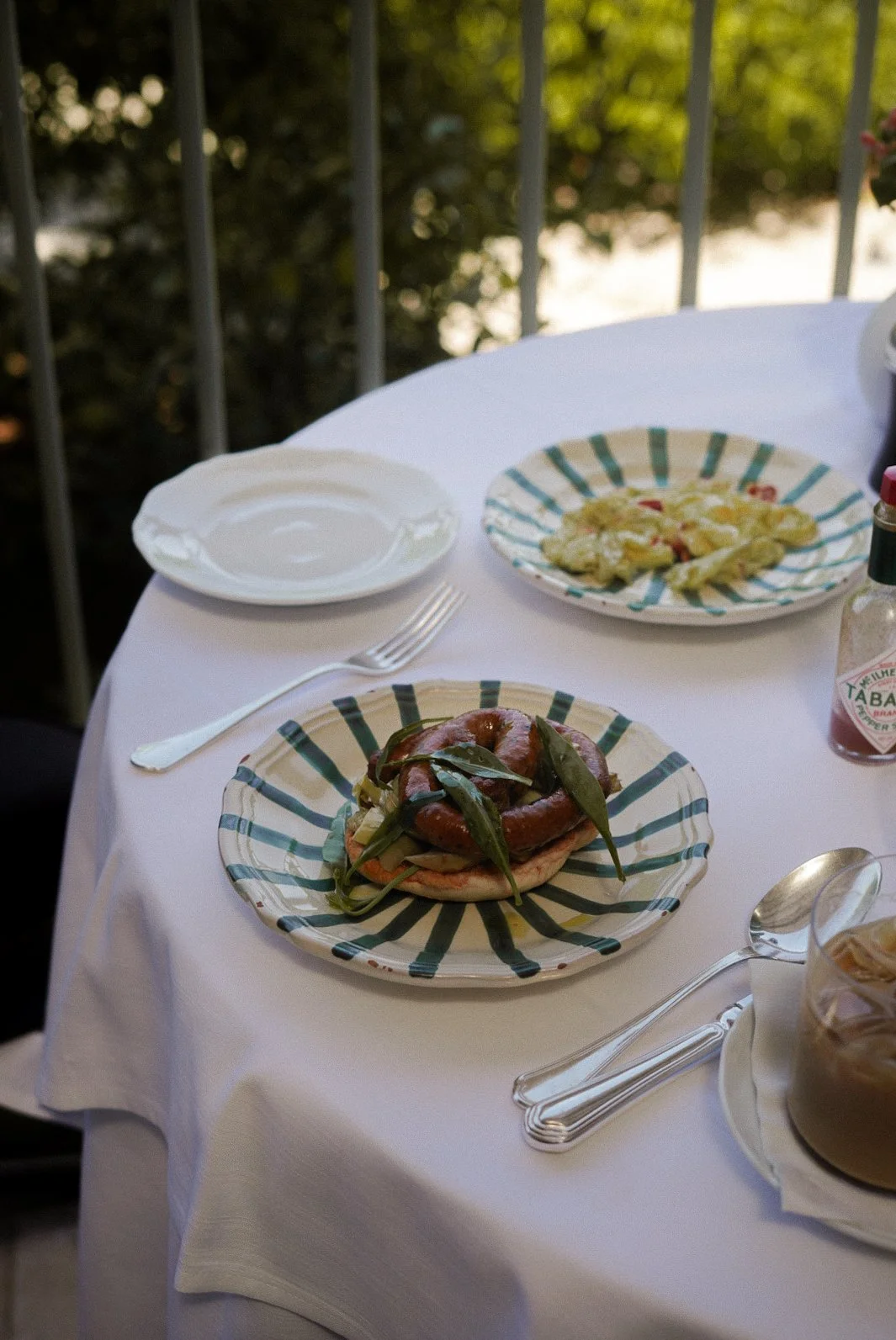
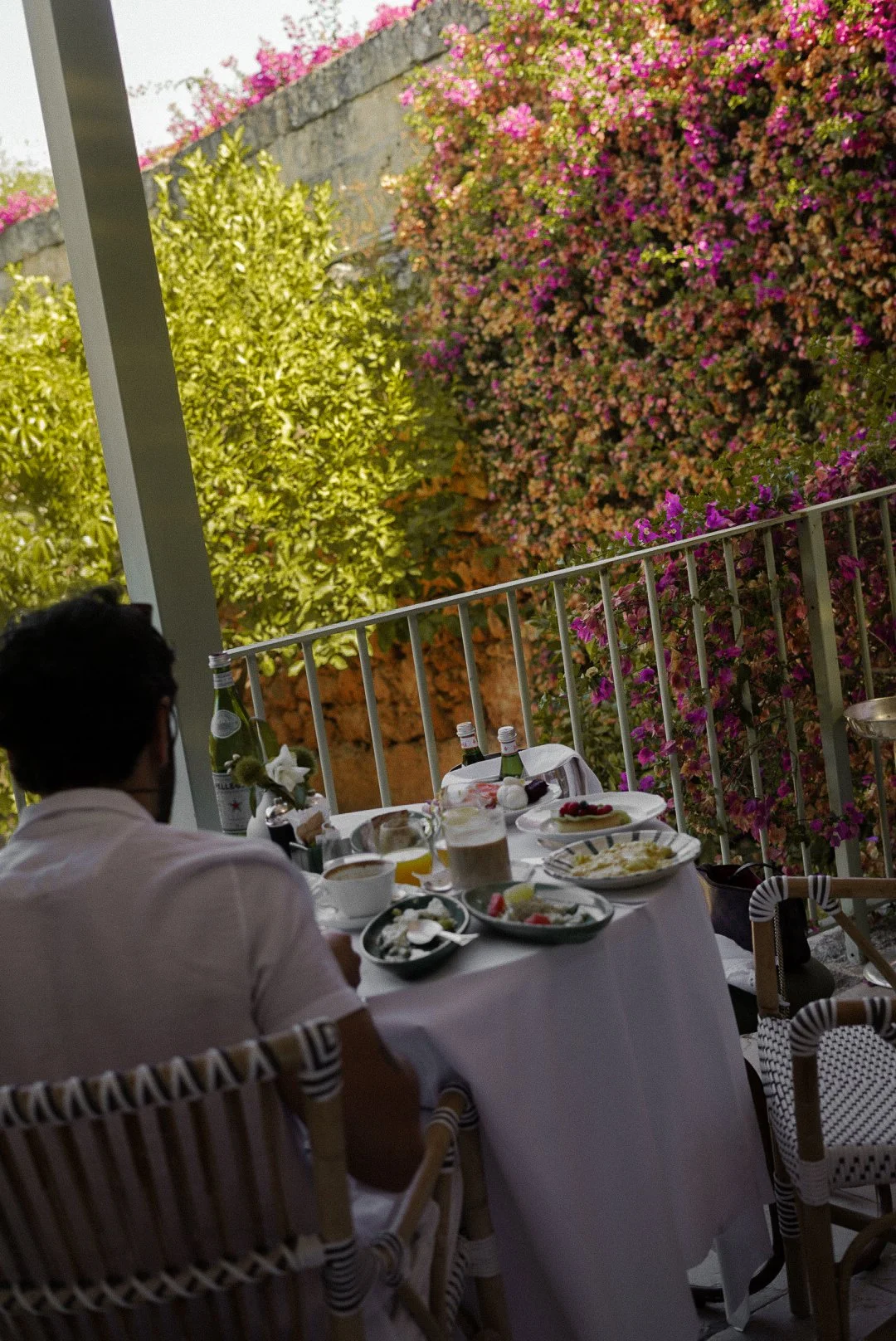
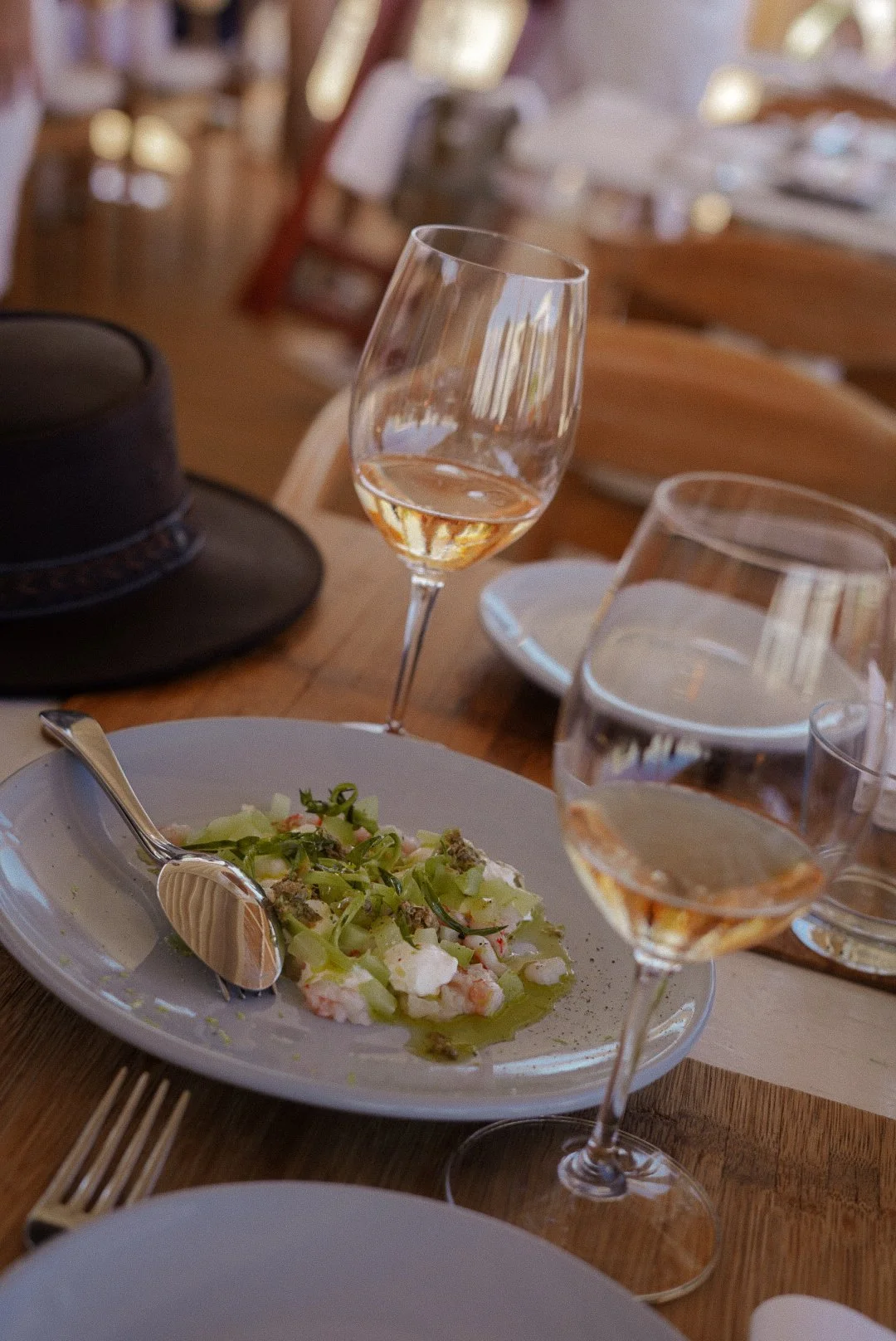
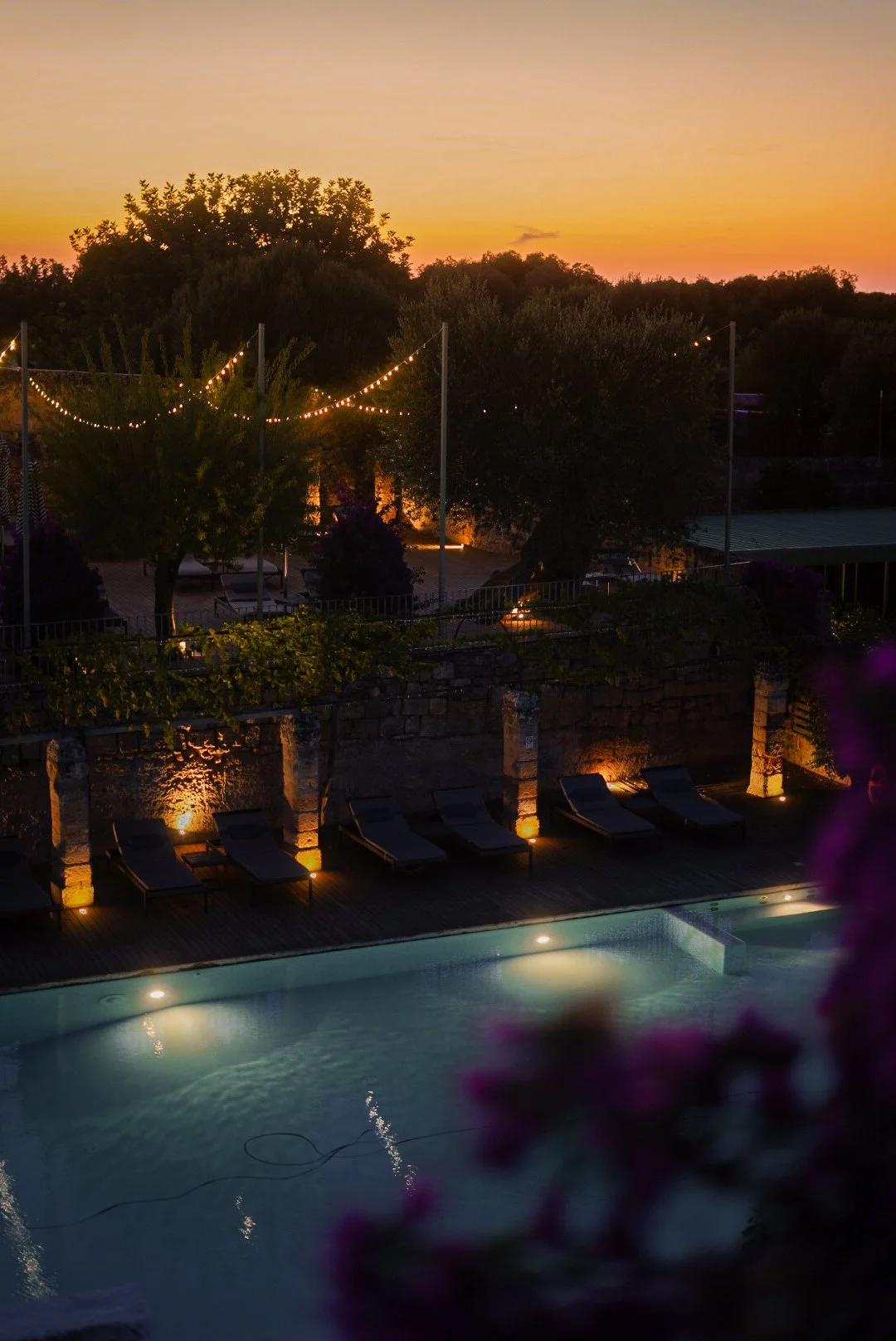
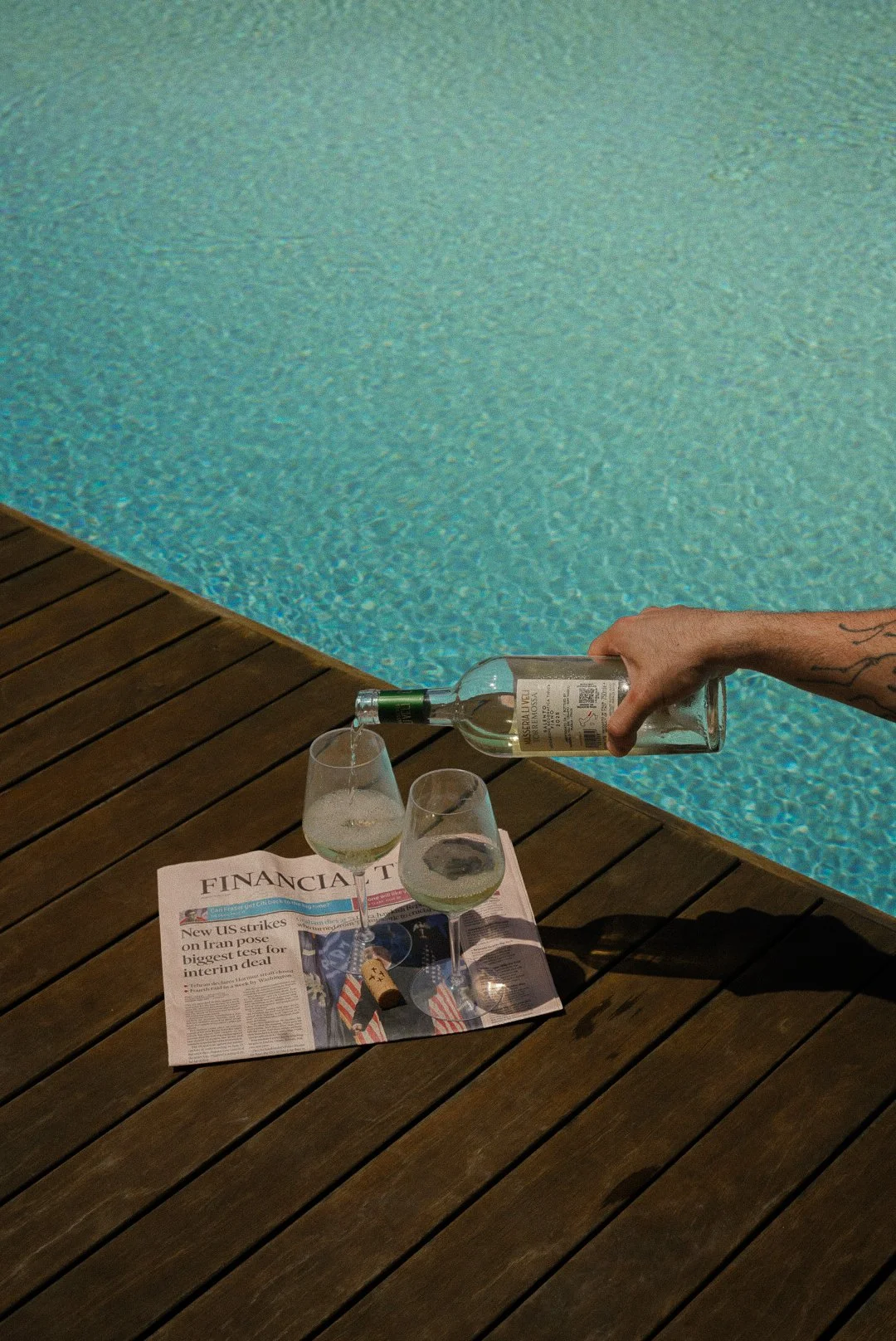
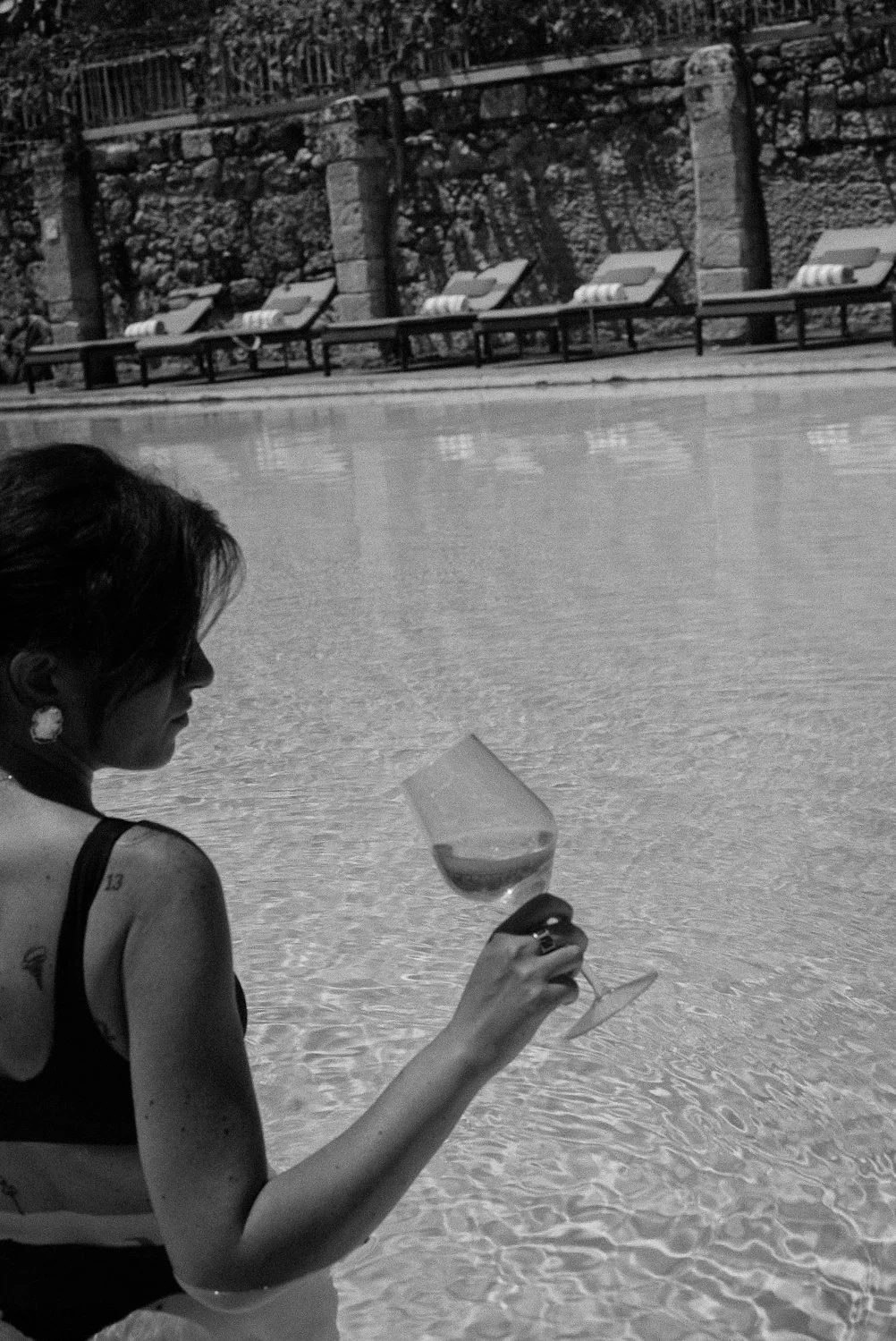
Breakfast takes place among the trees, with citrus and flowering plants close by. The heat rises slowly from the stone, and by late morning the pool has become the centre of the property. Lunch at Violetta follows the mood of the season, with handmade pasta, vegetables and ingredients from the region served in a setting that feels deliberately informal. The hours in between have very little structure. A swim, a book, a walk through the gardens, a table beneath a pergola.
The rhythm is determined more by the weather than by the clock. This is one of the things that Puglia does particularly well. The landscape dictates the pace without needing to announce it. A long lunch can become an afternoon; an afternoon by the pool can extend towards the time when the heat finally begins to leave the stone.
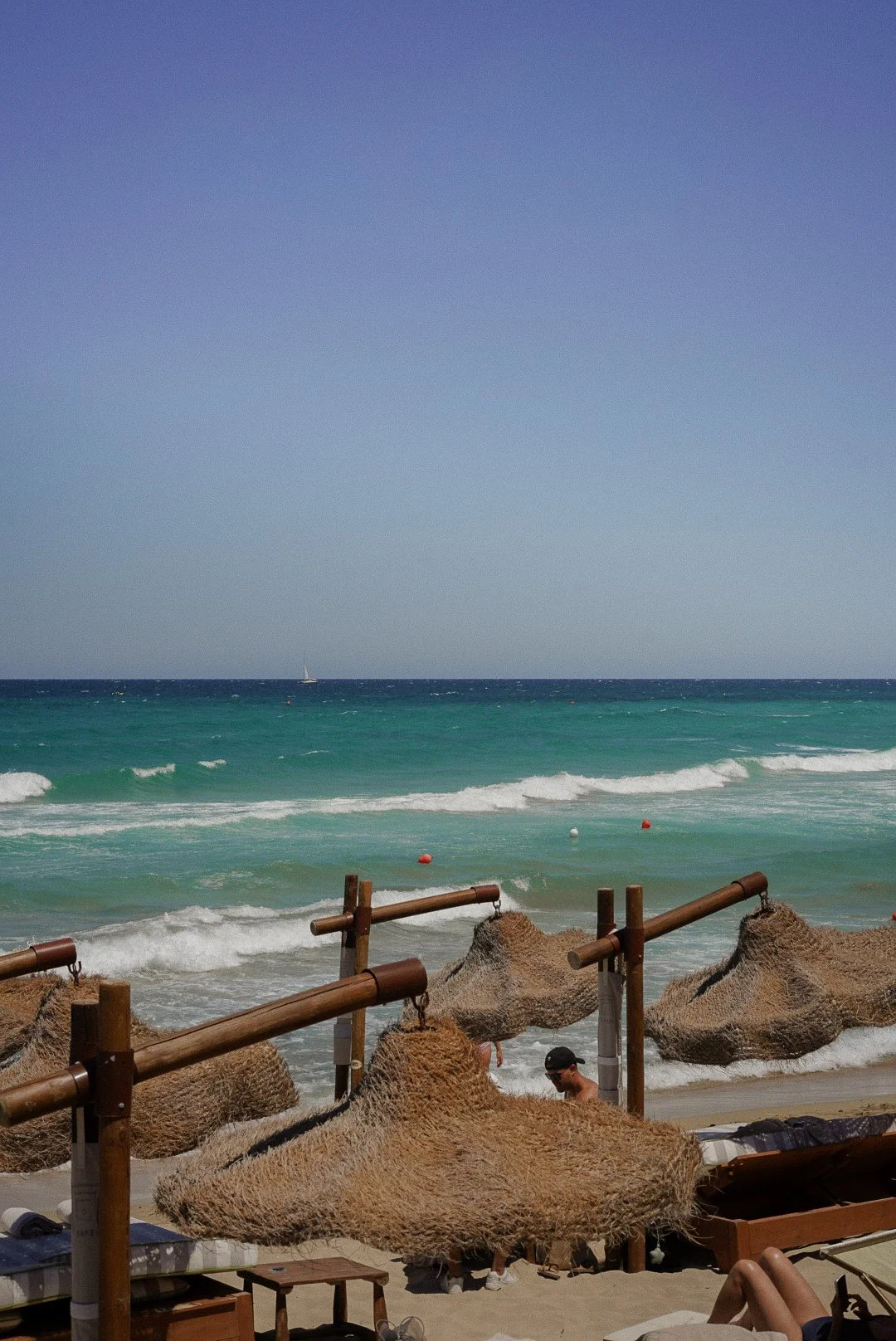
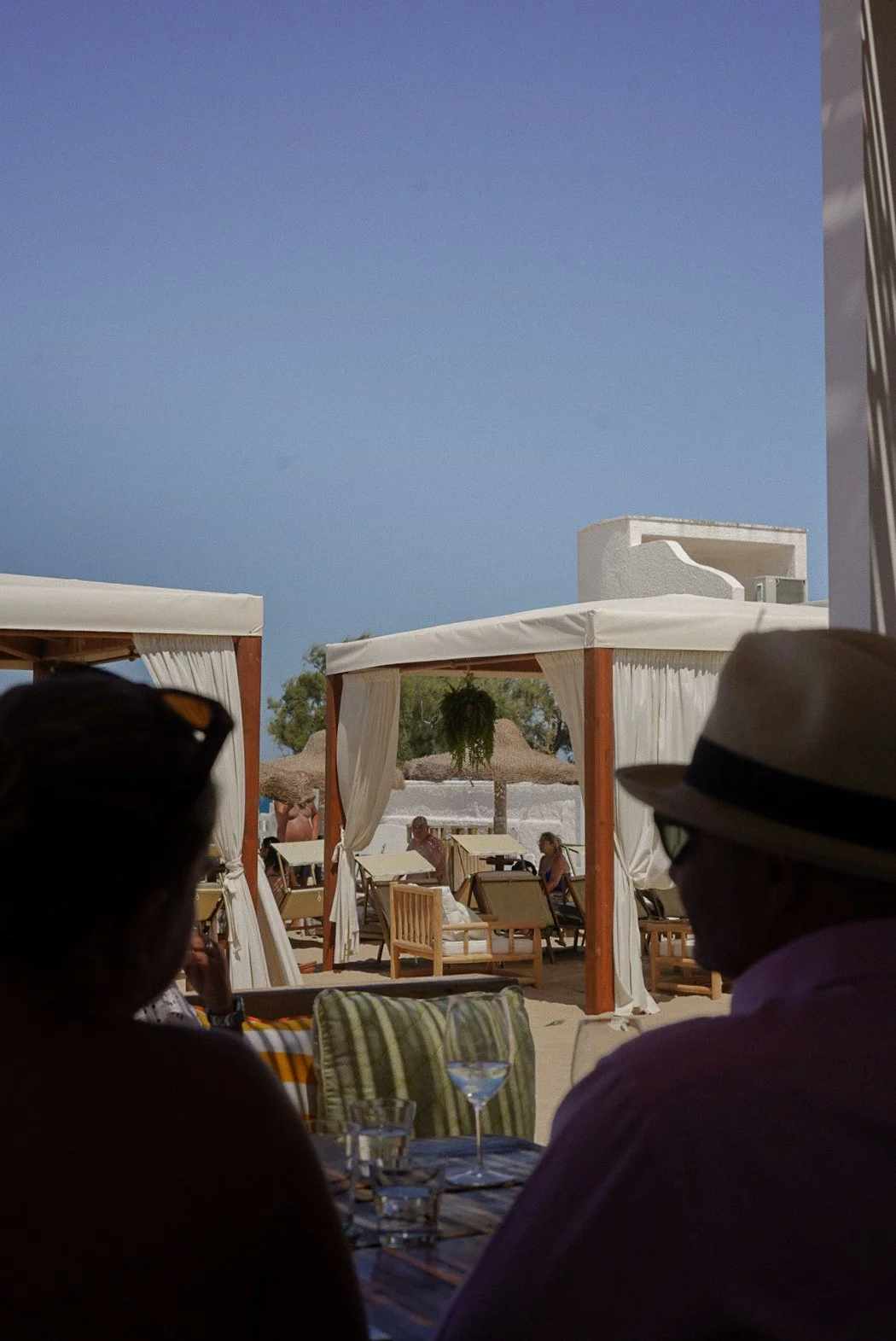
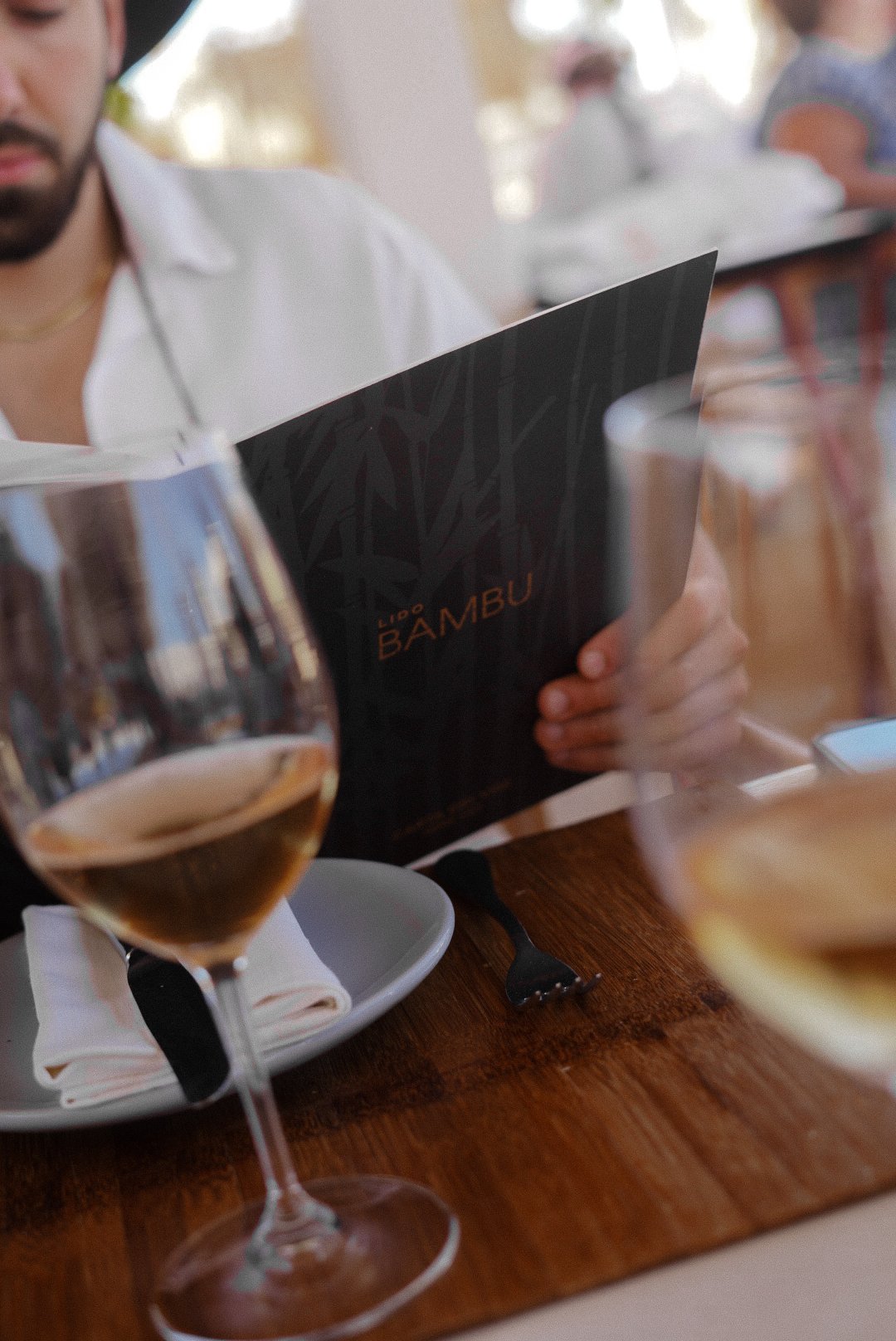
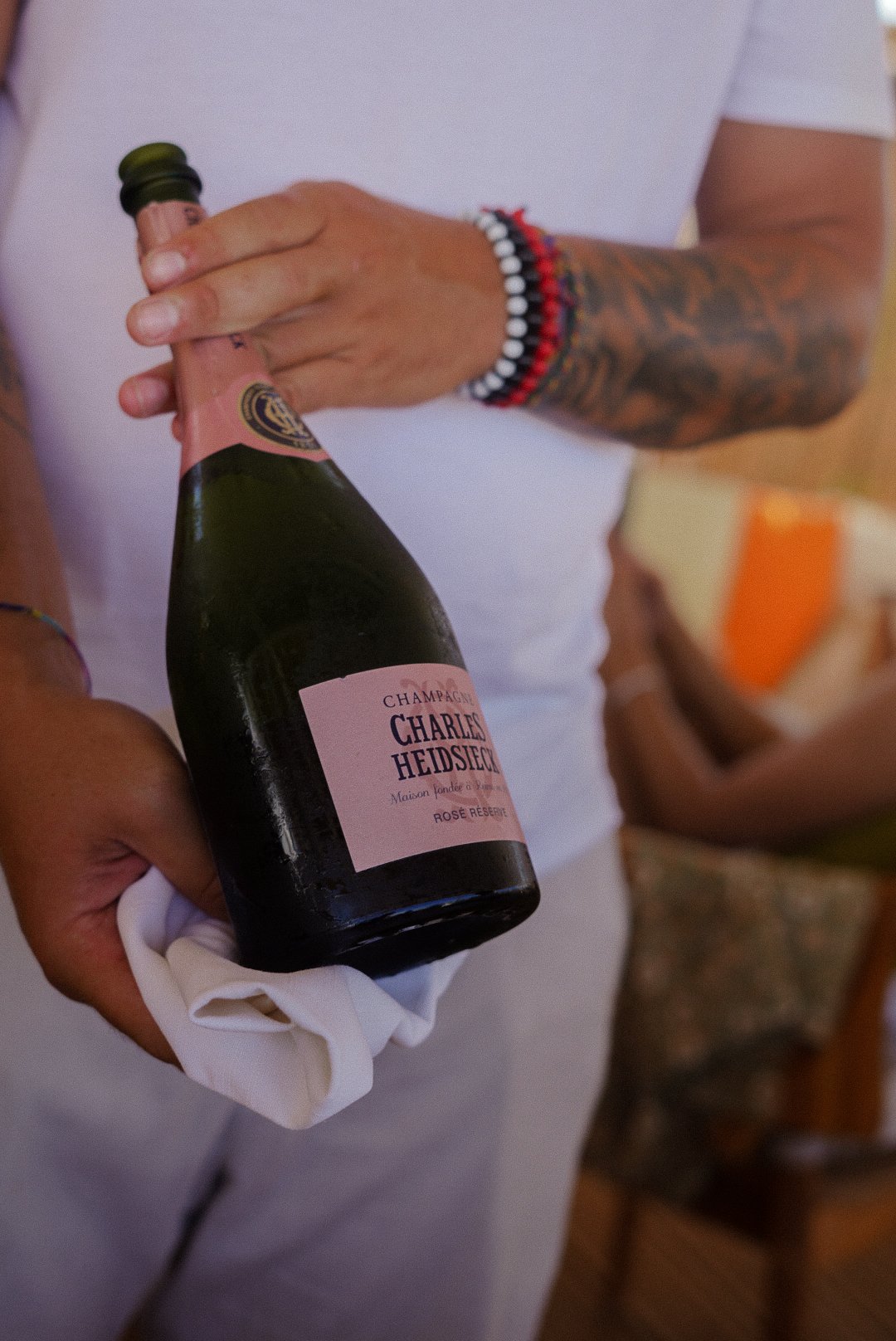
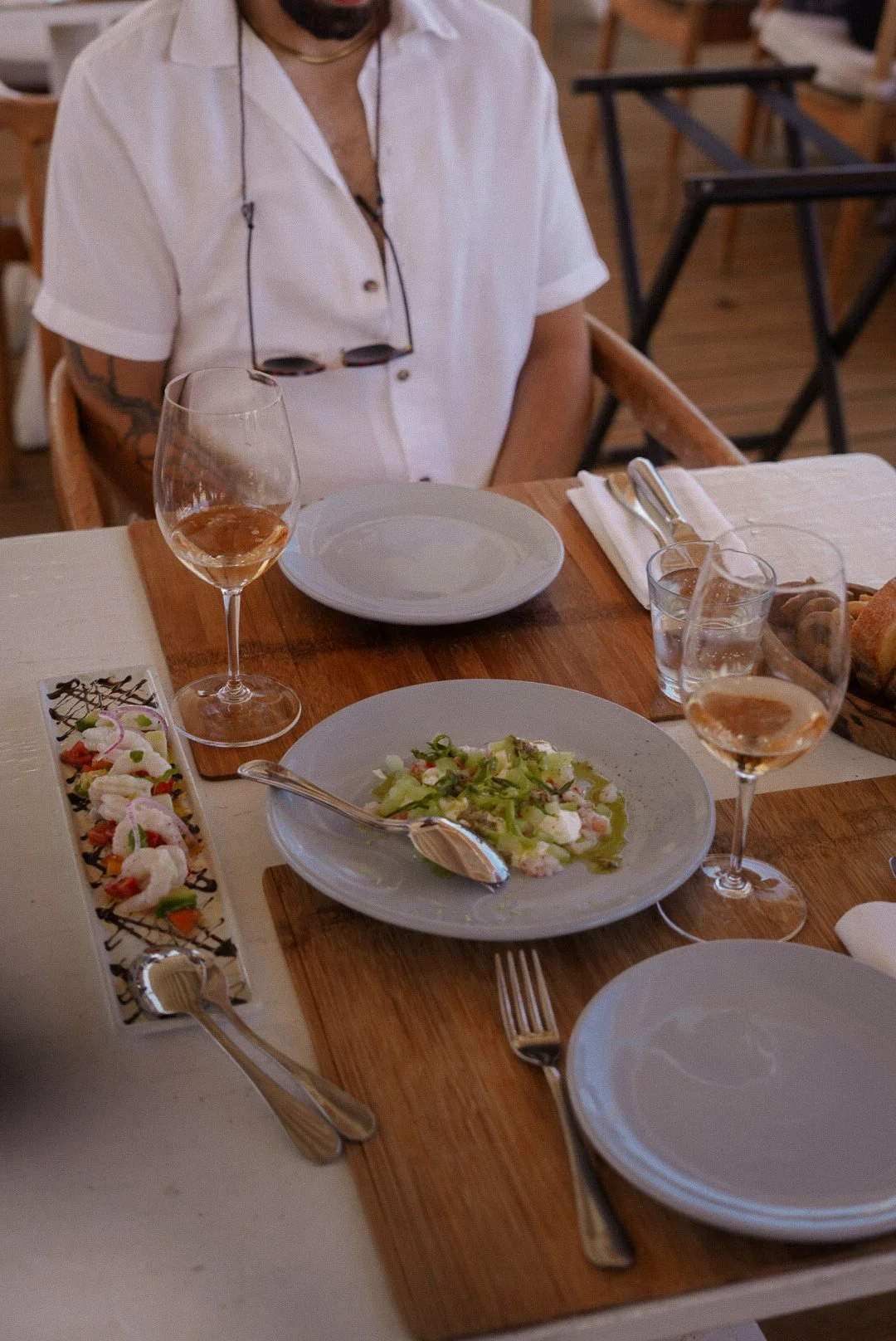
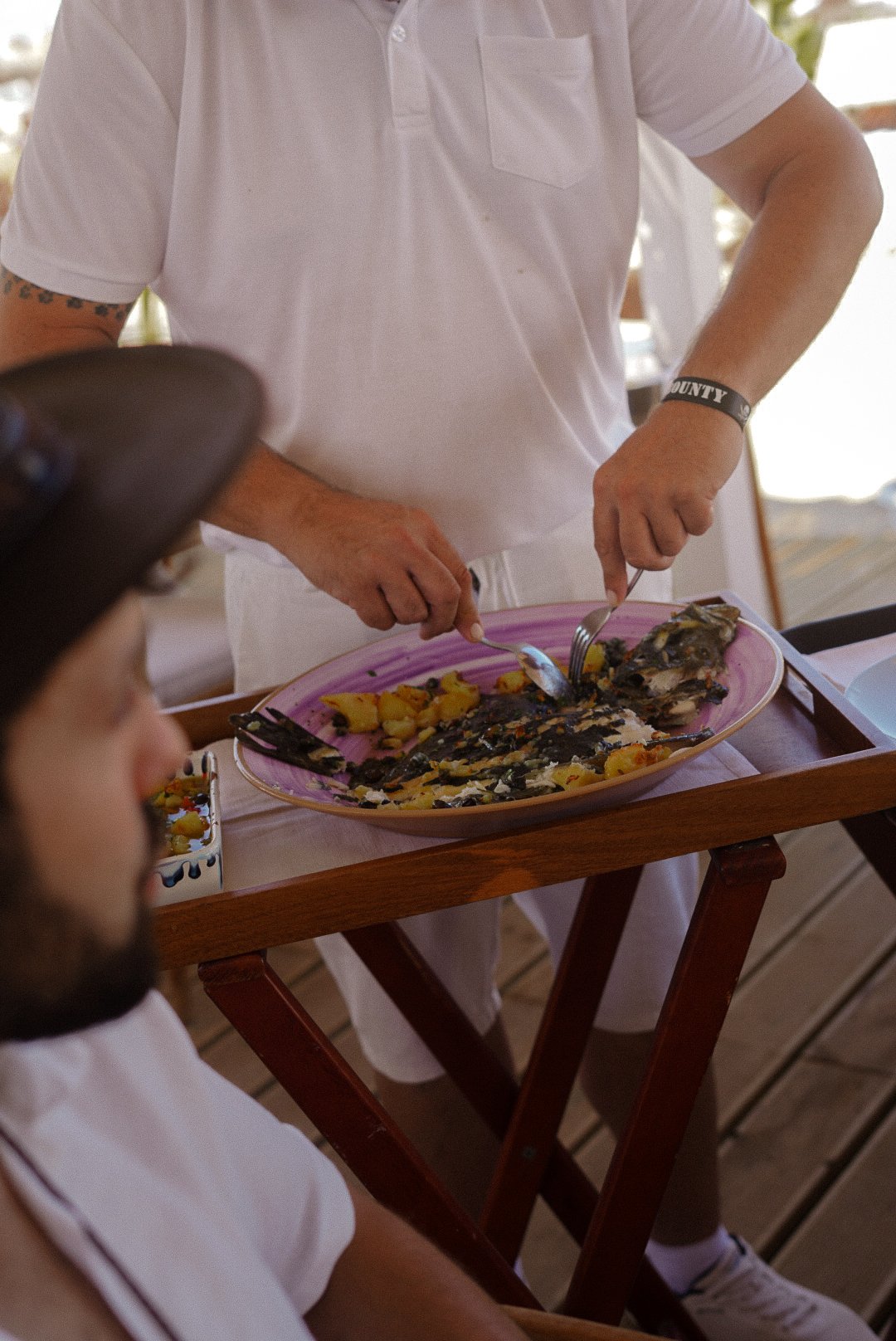
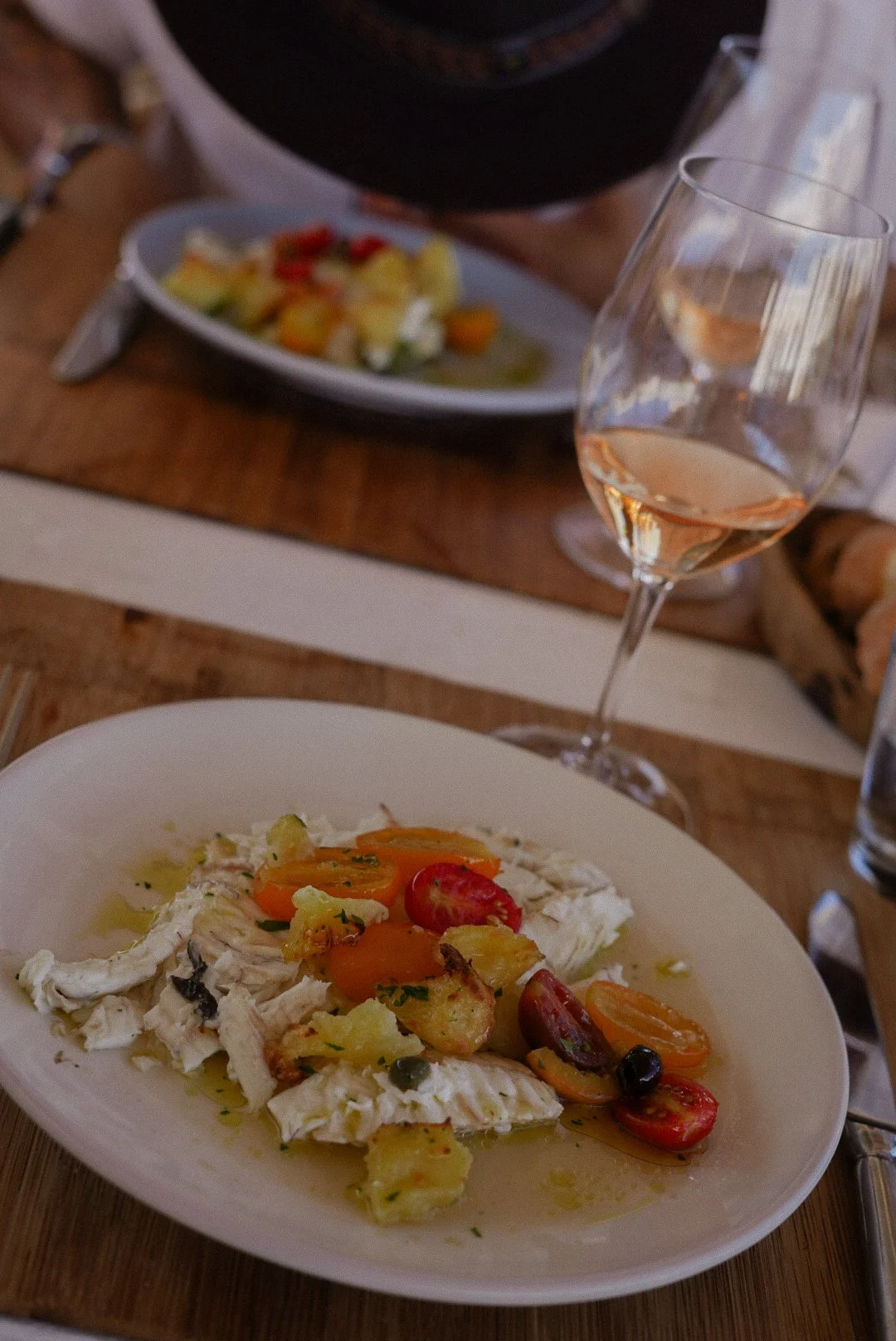
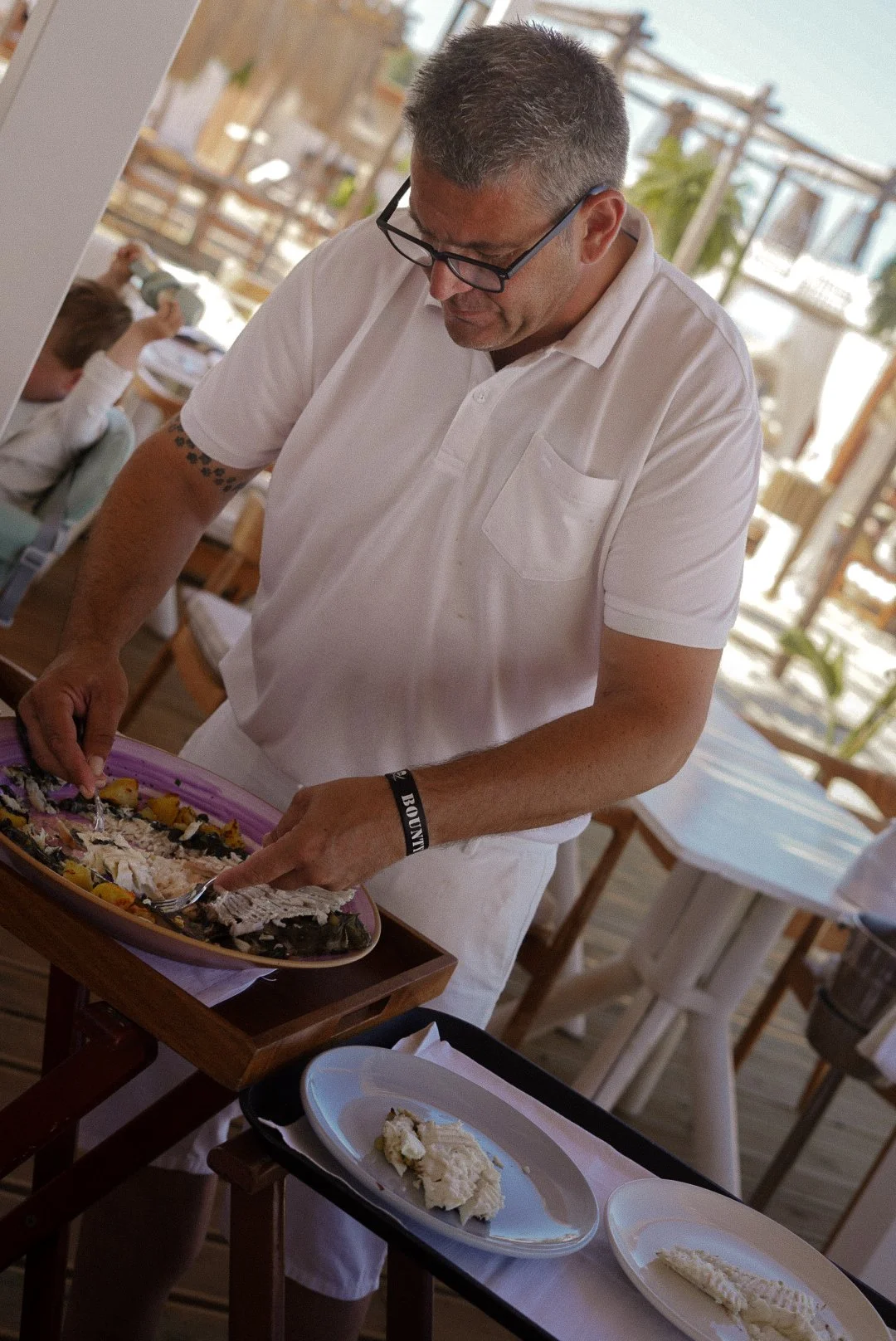
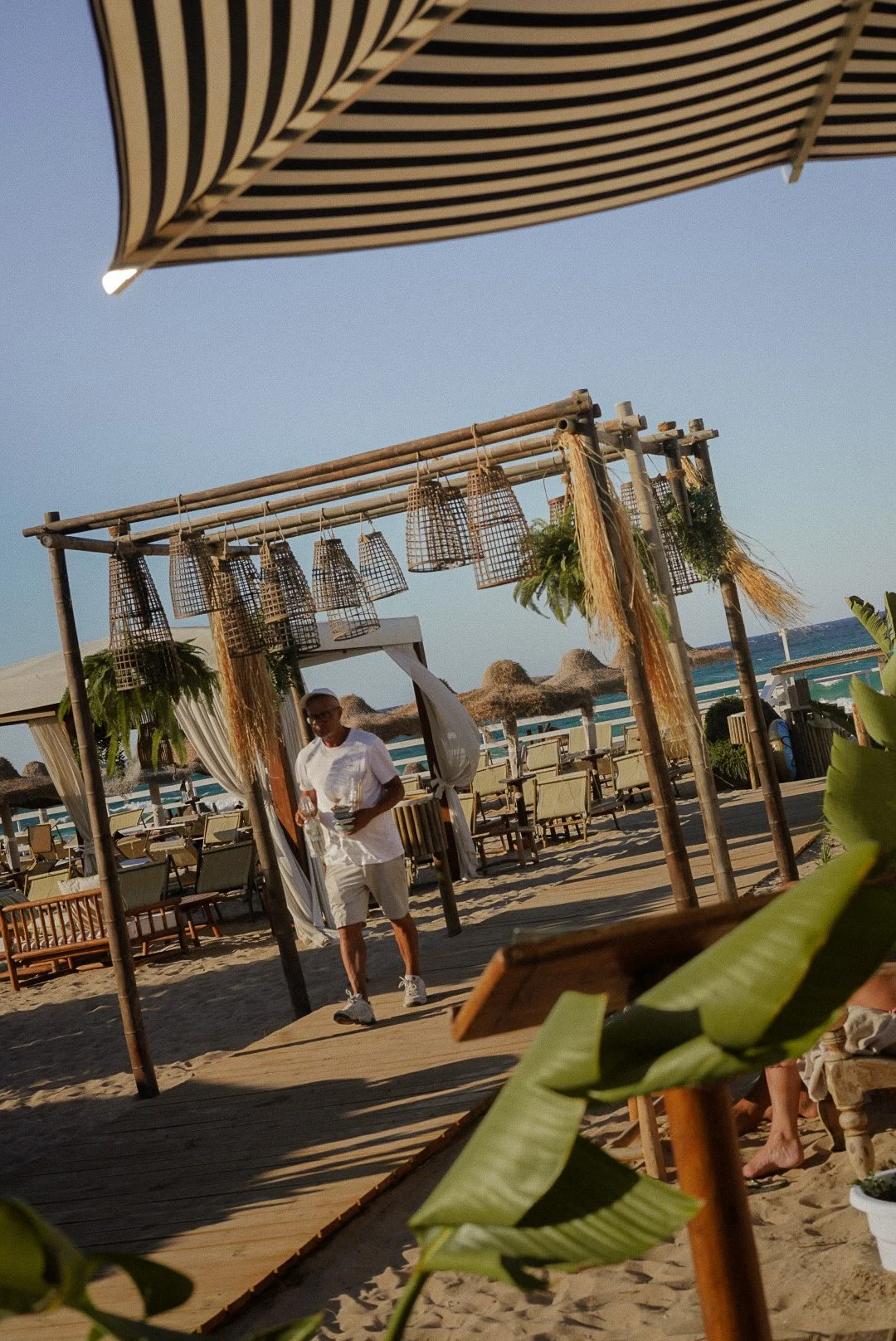
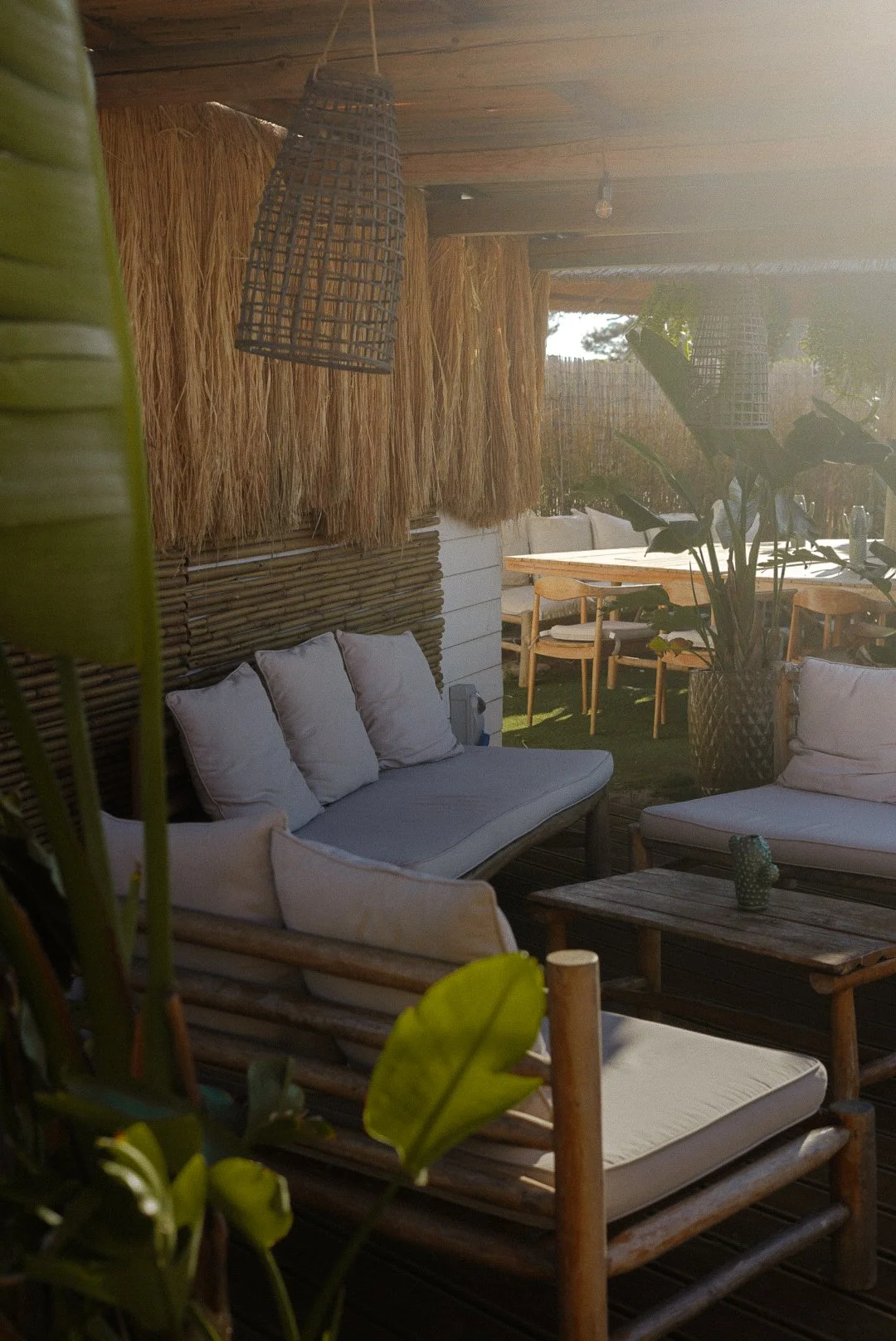
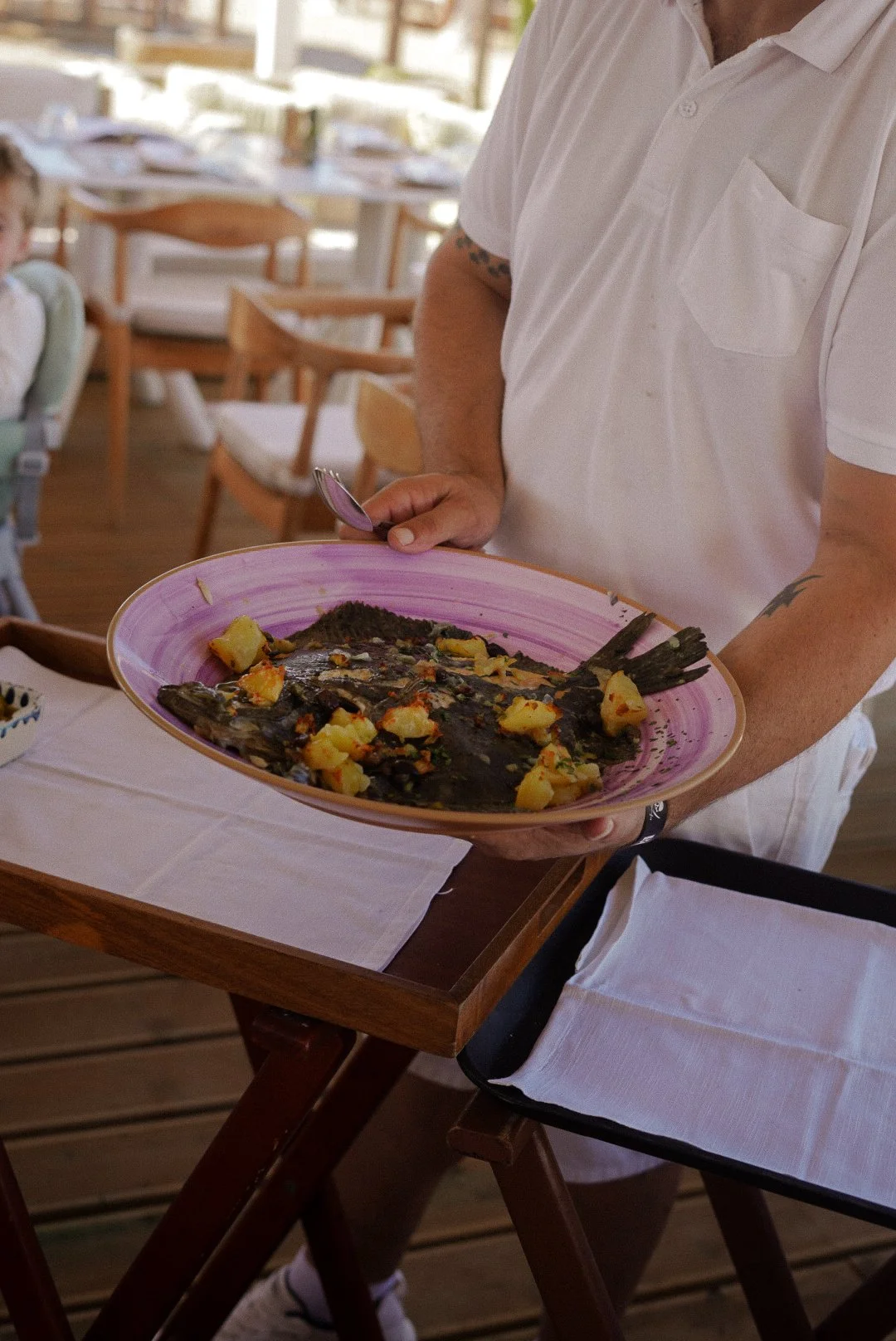
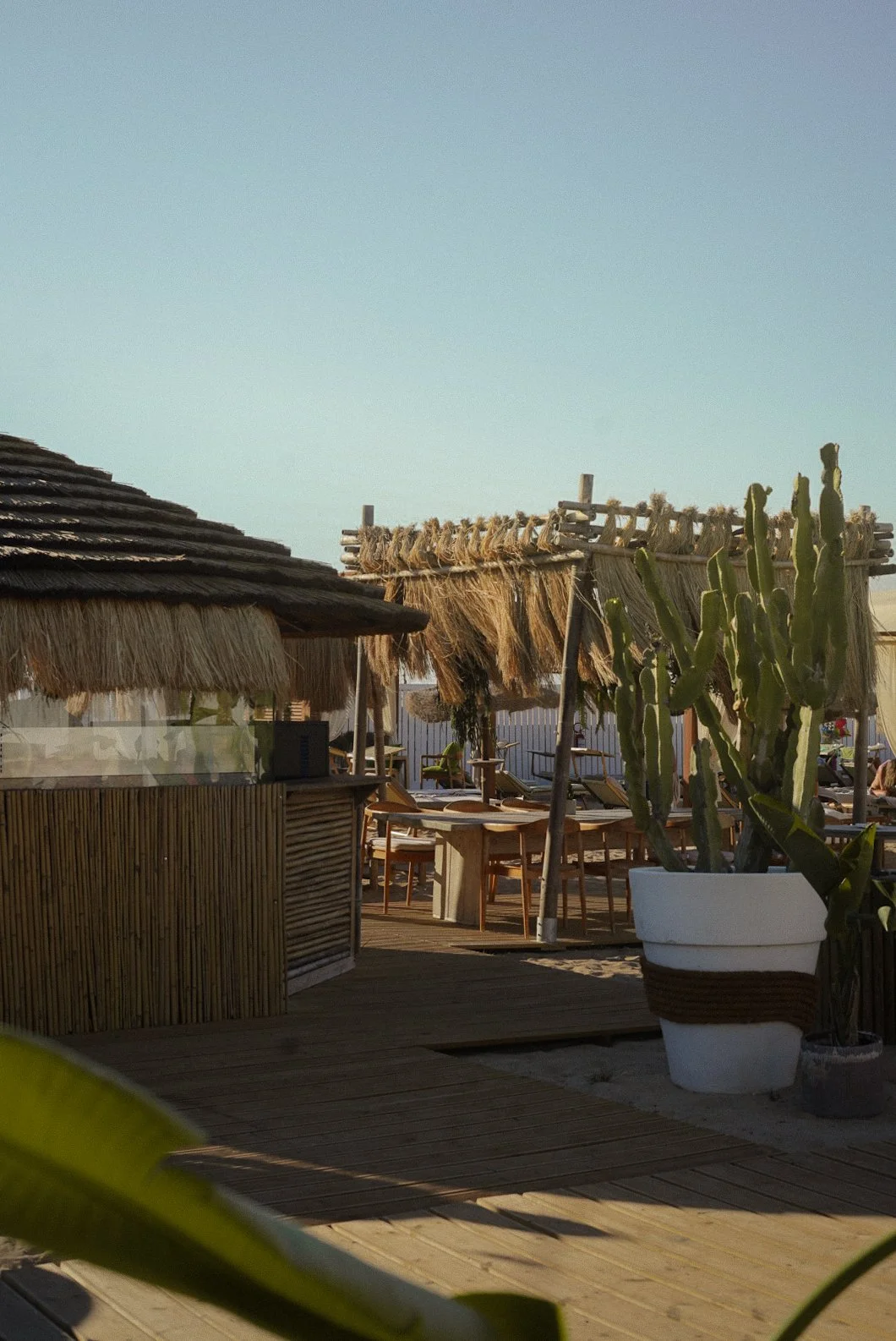
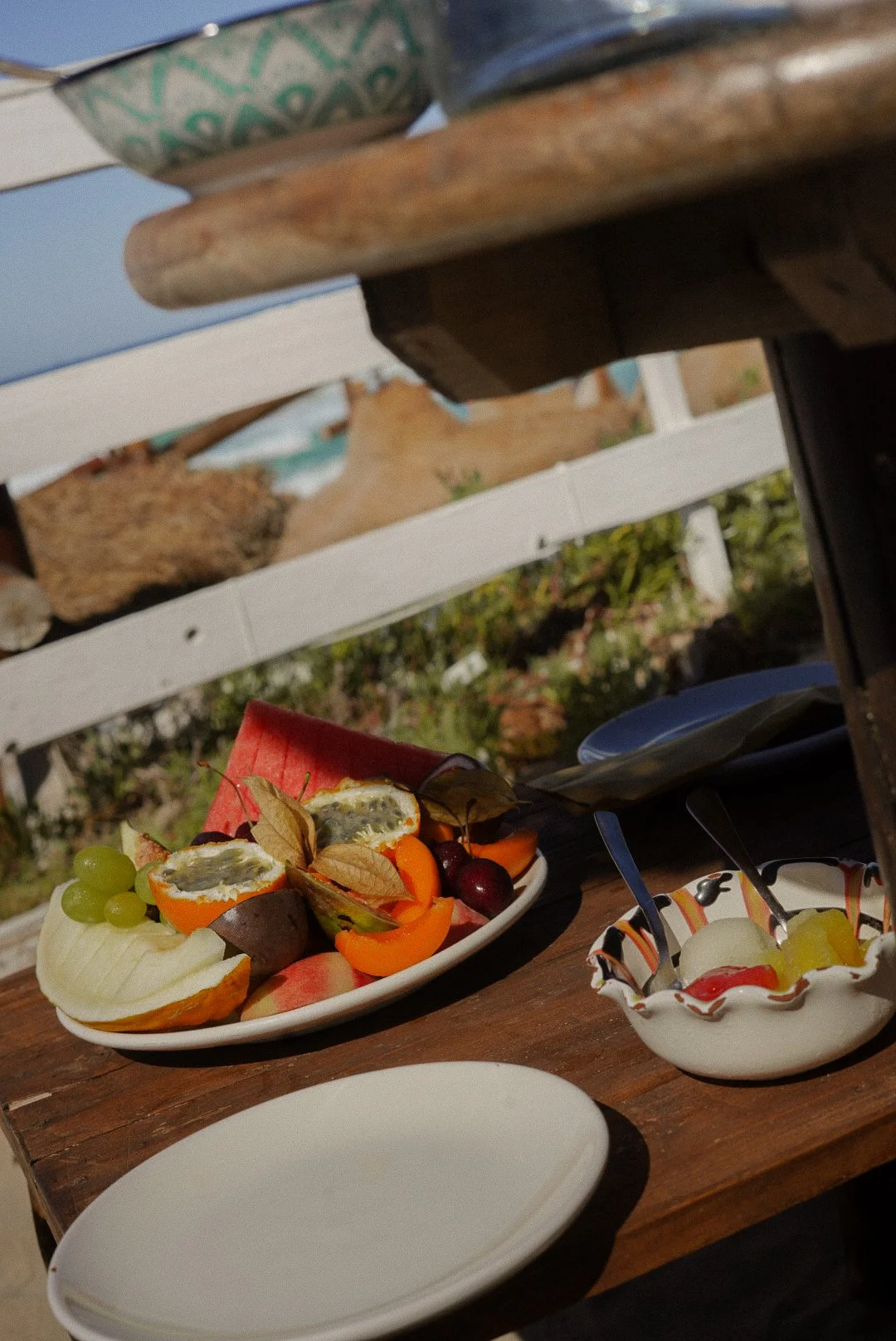
Then the sea enters the picture. From Torre Maizza, the Adriatic is close enough to become part of the same day. The road from the masseria towards Lido Bambù passes through the countryside before opening onto the coast, and the change in landscape is immediate: olive groves and pale stone give way to sand, salt and the uninterrupted blue of the horizon. Lido Bambù has a different energy from the masseria. It belongs to summer in another way, with lunch by the water, swims between courses and the particular laziness that comes from having nowhere else to be. Yet it does not feel like an escape from Torre Maizza. The two belong to the same geography. One is rooted in the land; the other faces the sea.

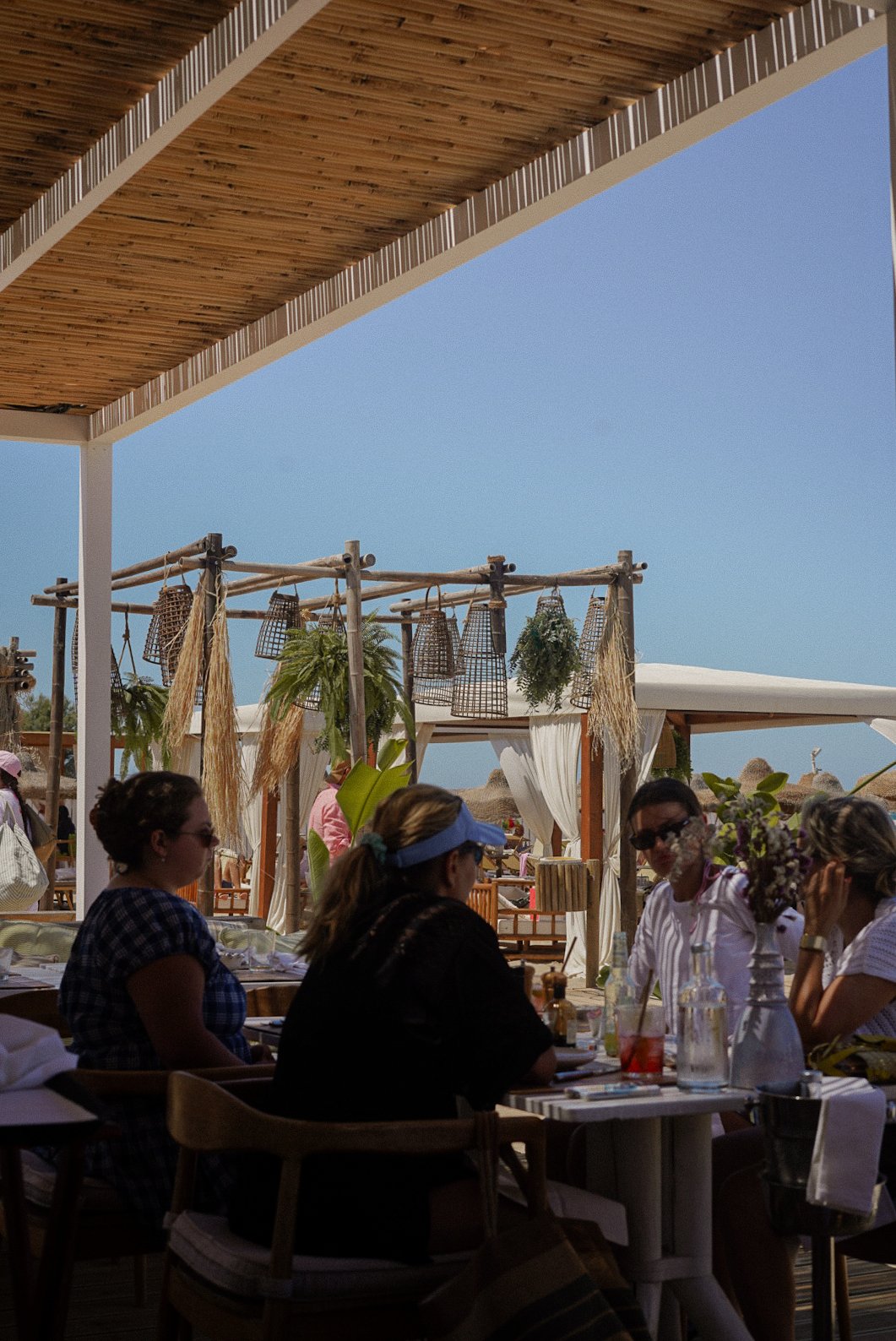
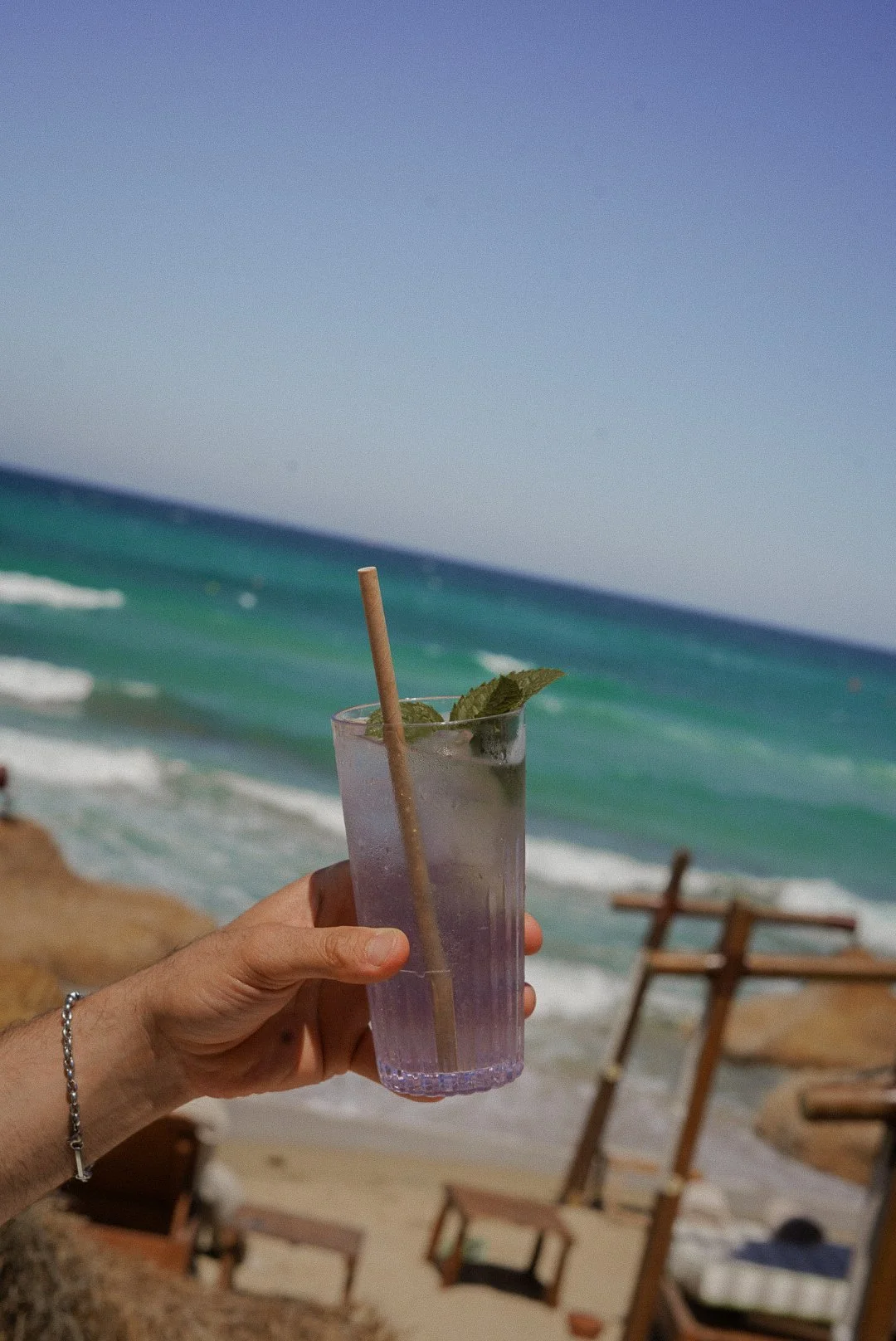
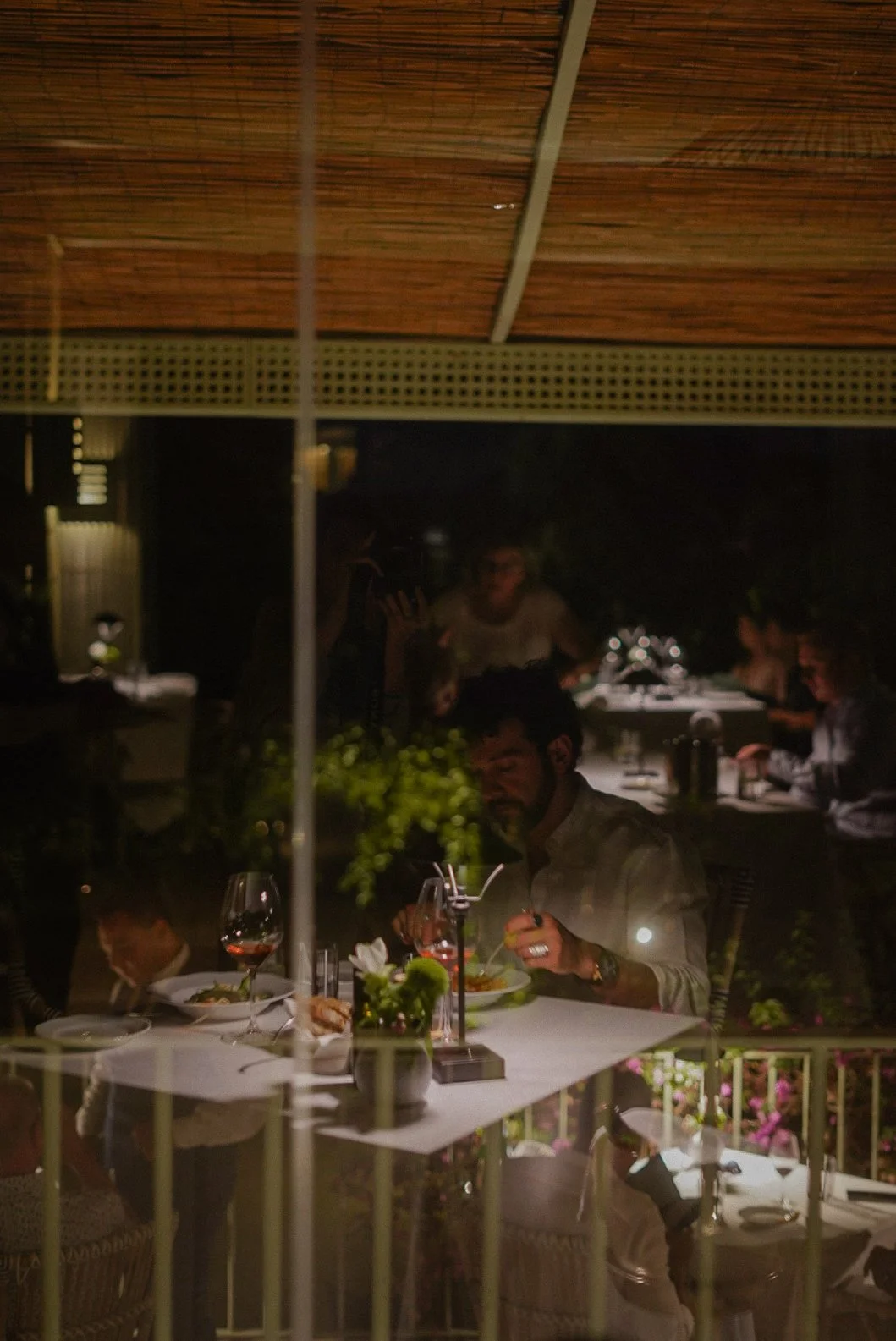
By the time you return to the masseria, the light has changed again. The property becomes quieter in the evening, though I would not use the word quiet to describe it. It is more that the daytime movement has dispersed. Guests drift towards dinner, tables begin to fill, and the white walls start to hold the last warmth of the day.
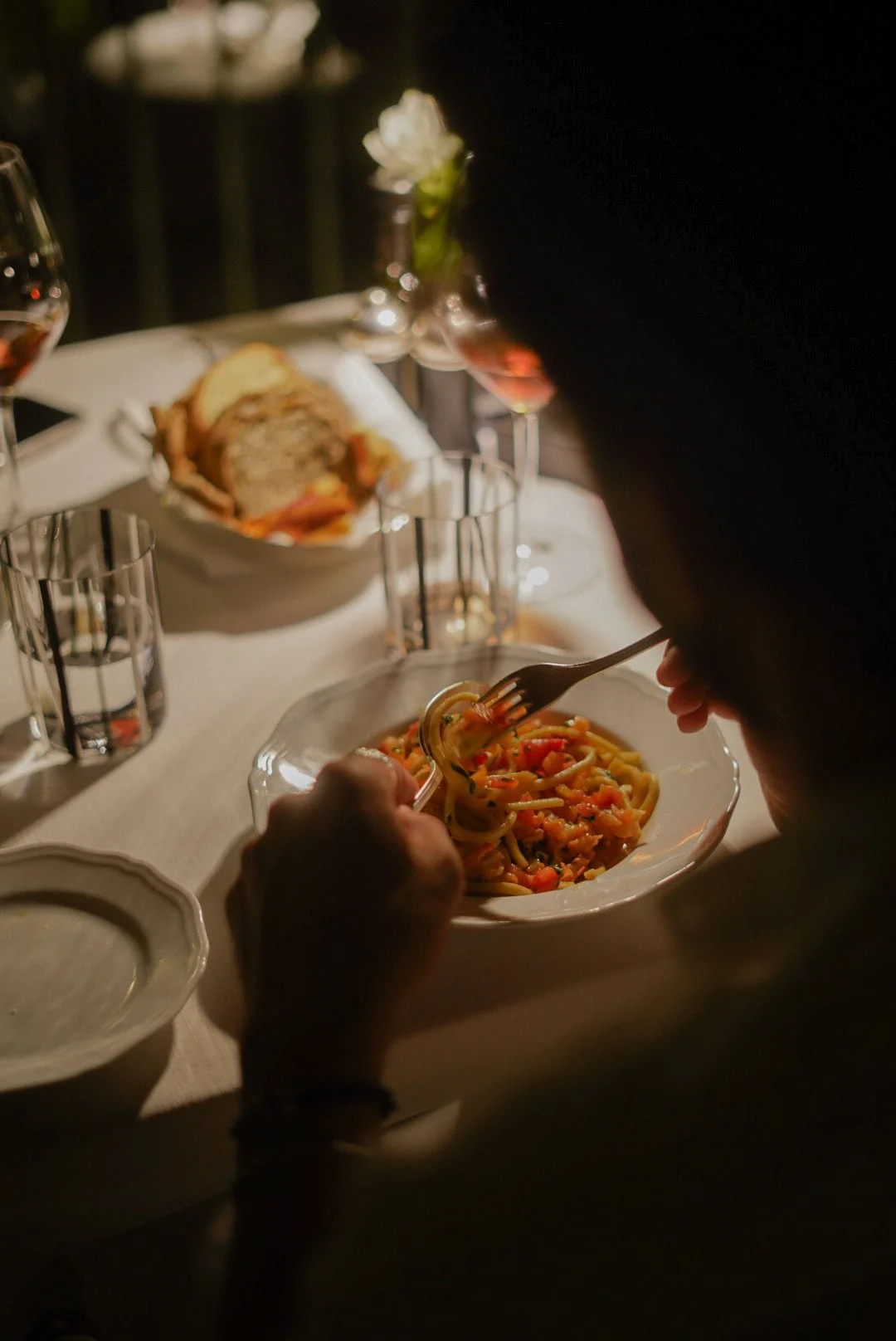
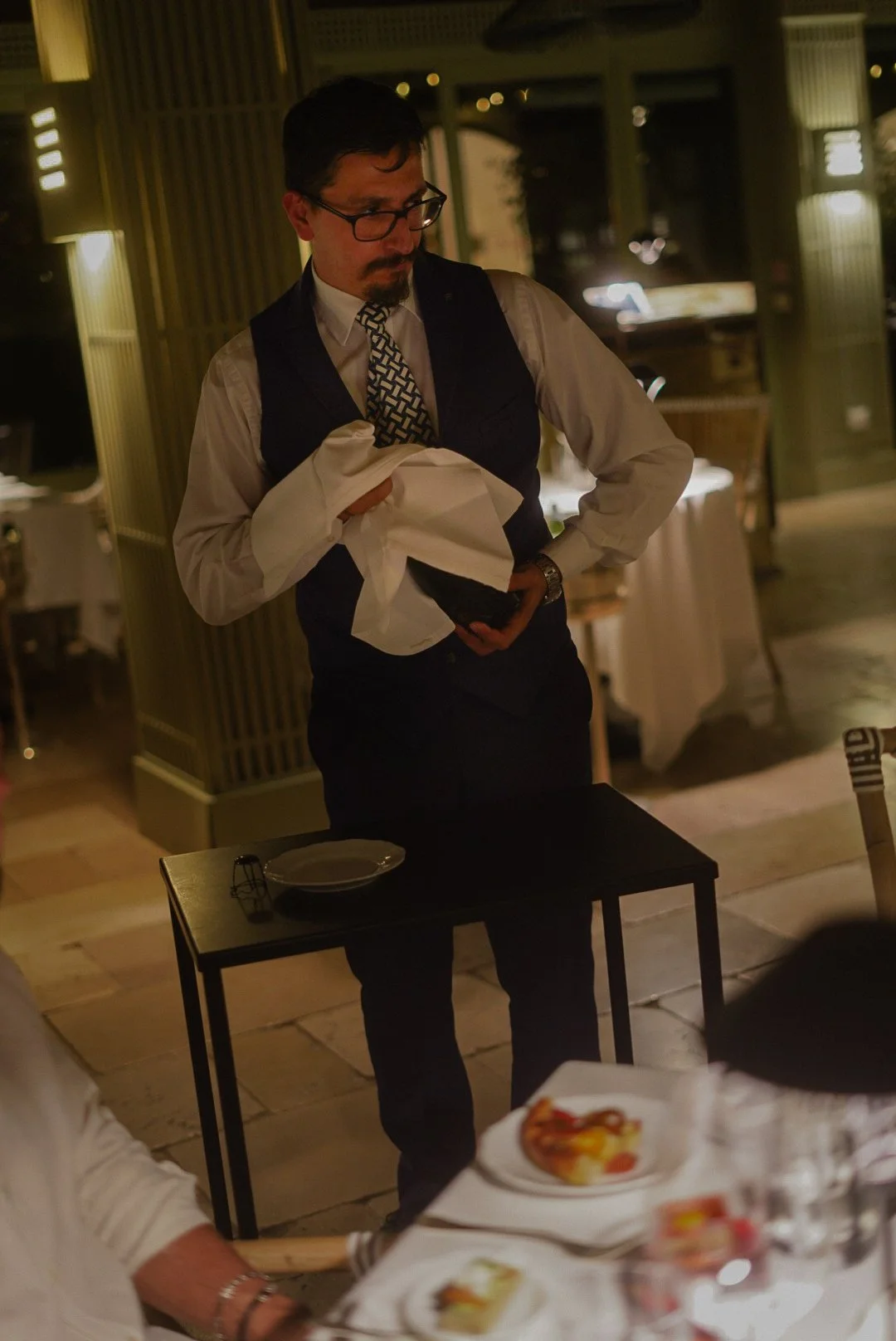
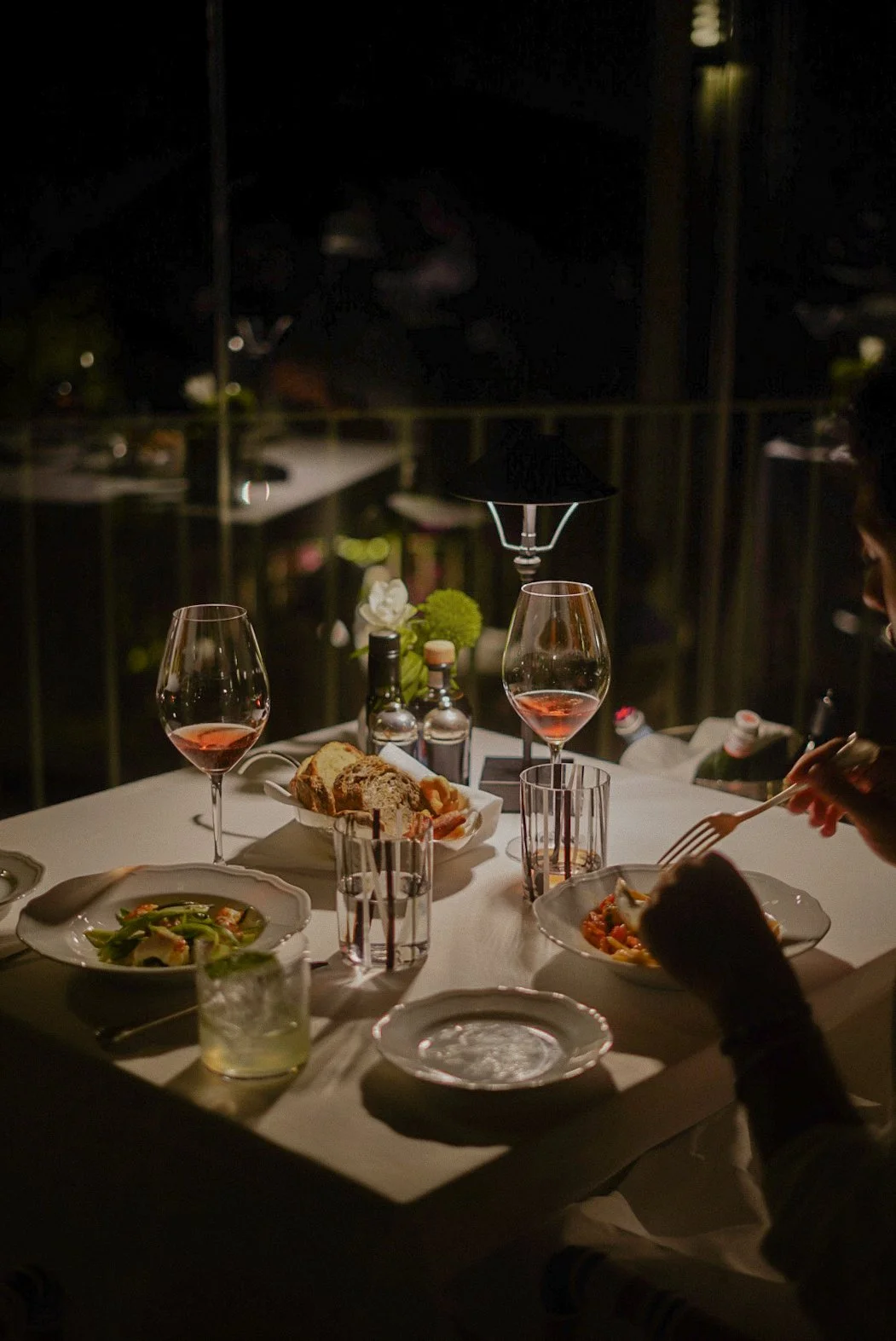
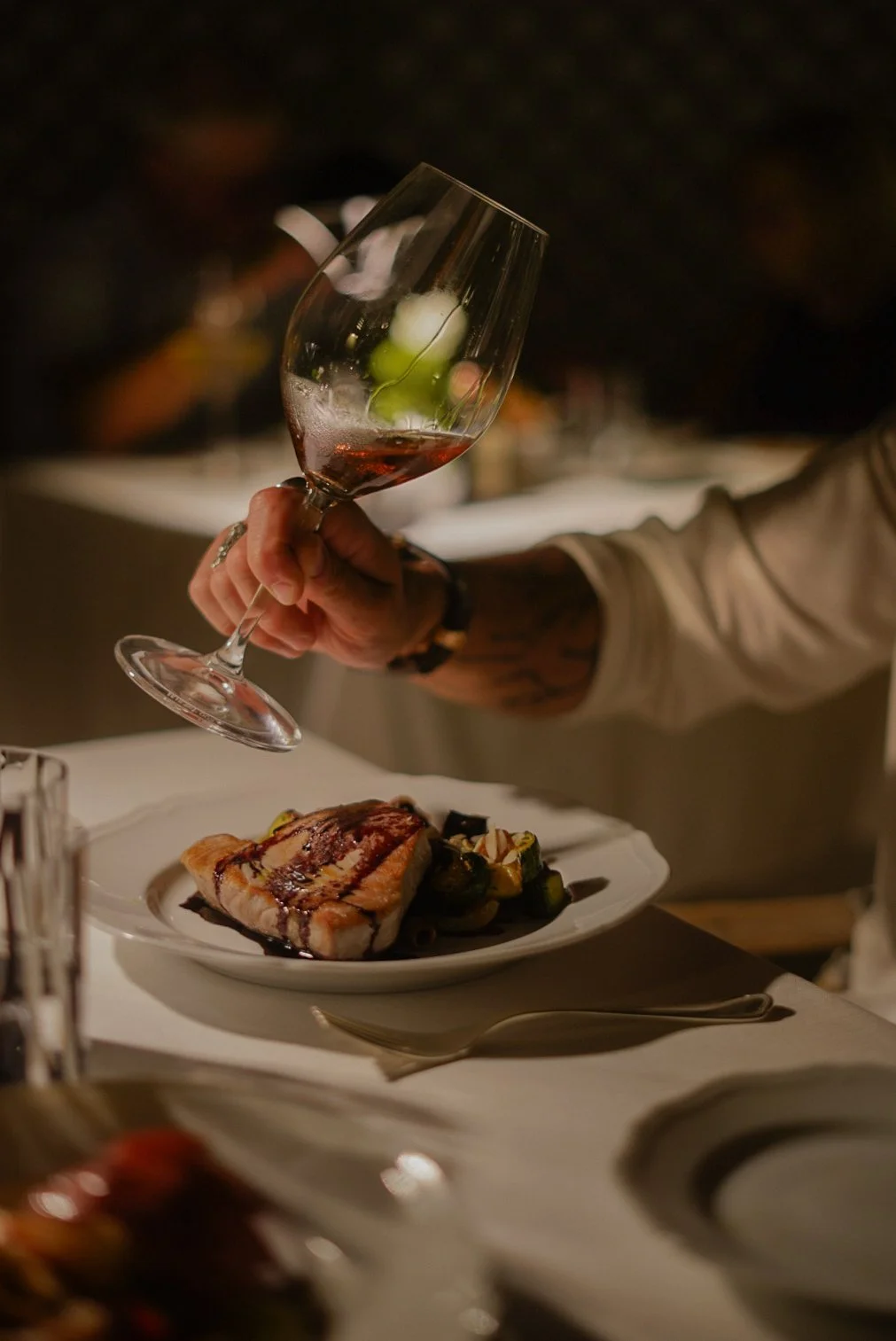
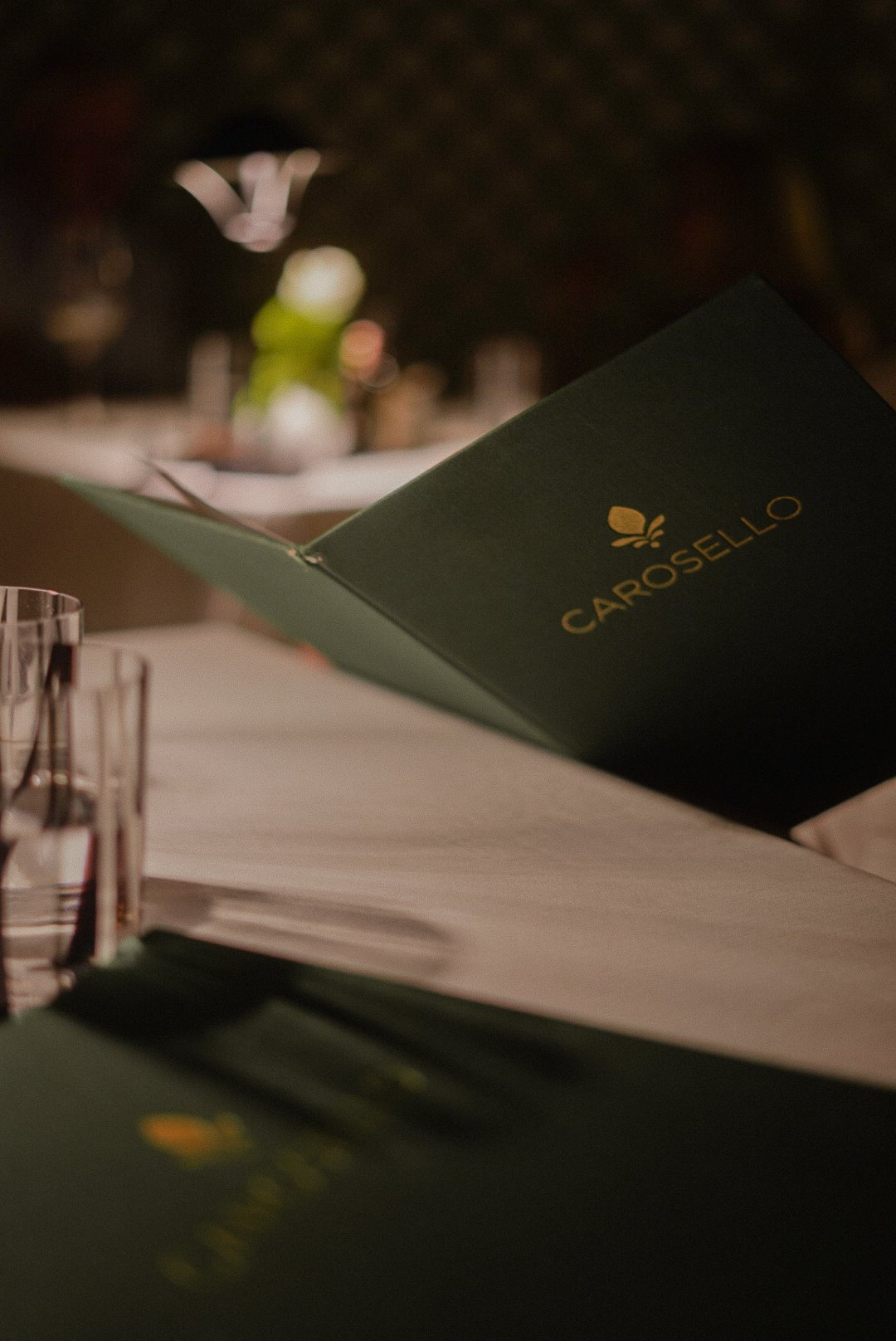
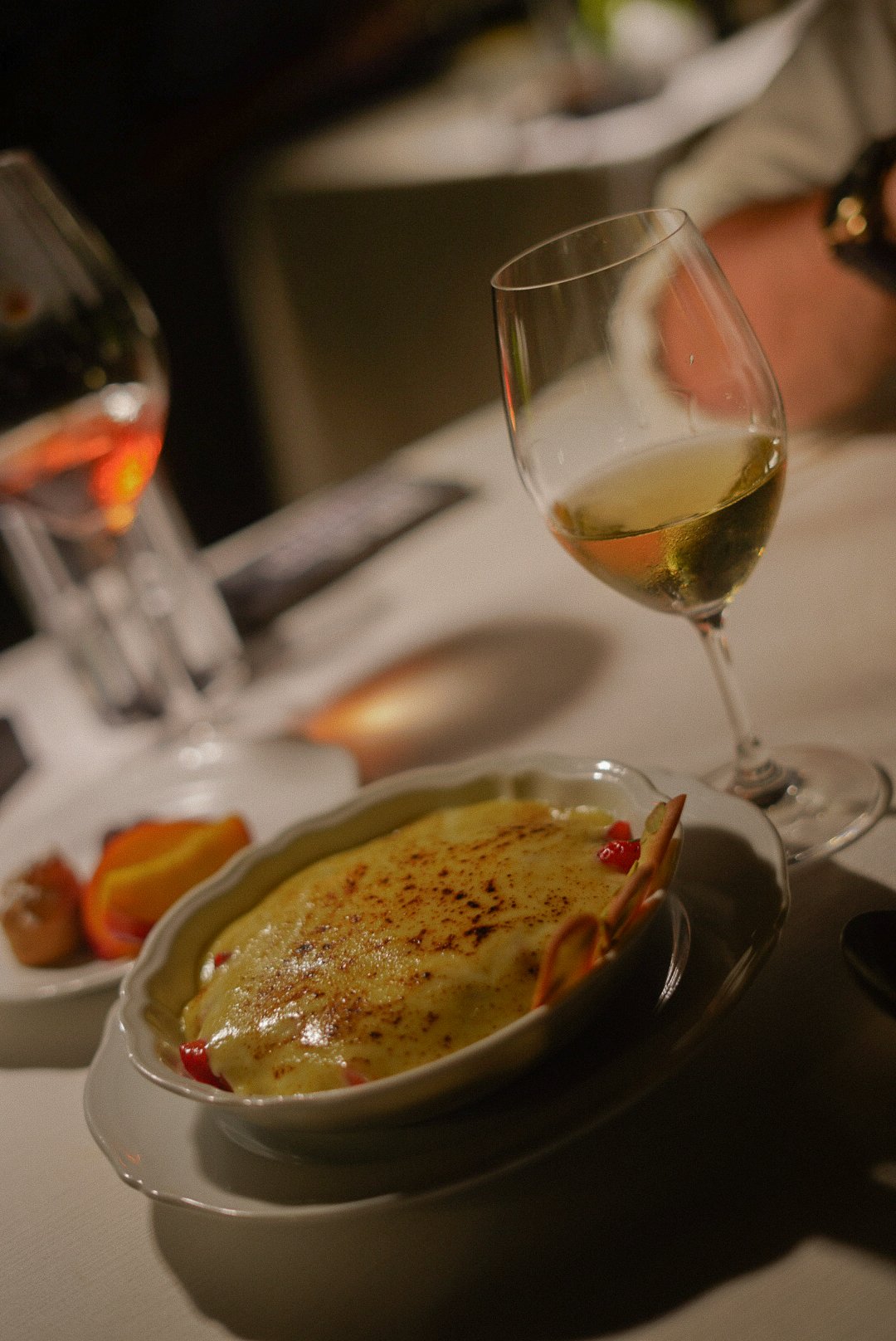
Carosello occupies the former stables, and the setting gives the restaurant much of its character. The vaulted ceiling and old proportions remain, while the agricultural building has been given another purpose. Under the creative direction of Fulvio Pierangelini, the cooking is closely tied to Puglia, its produce and its traditions, with the menu following the seasons rather than trying to fix the region into a single idea. Eating here, the connection between the kitchen and the estate feels almost physical.
The masseria was once organised around what the land could provide. Olive trees, fruit, vegetables and vineyards were not decorative features; they were part of the economy of the house. Today, many of those same ingredients appear at the table, only now within a more elaborate form of dining. It is a small distinction, yet crucial. Local produce is often used by hotels as a way of signaling place. At Torre Maizza, the relationship is older than the hotel, and the kitchen is simply continuing something the masseria was already doing.
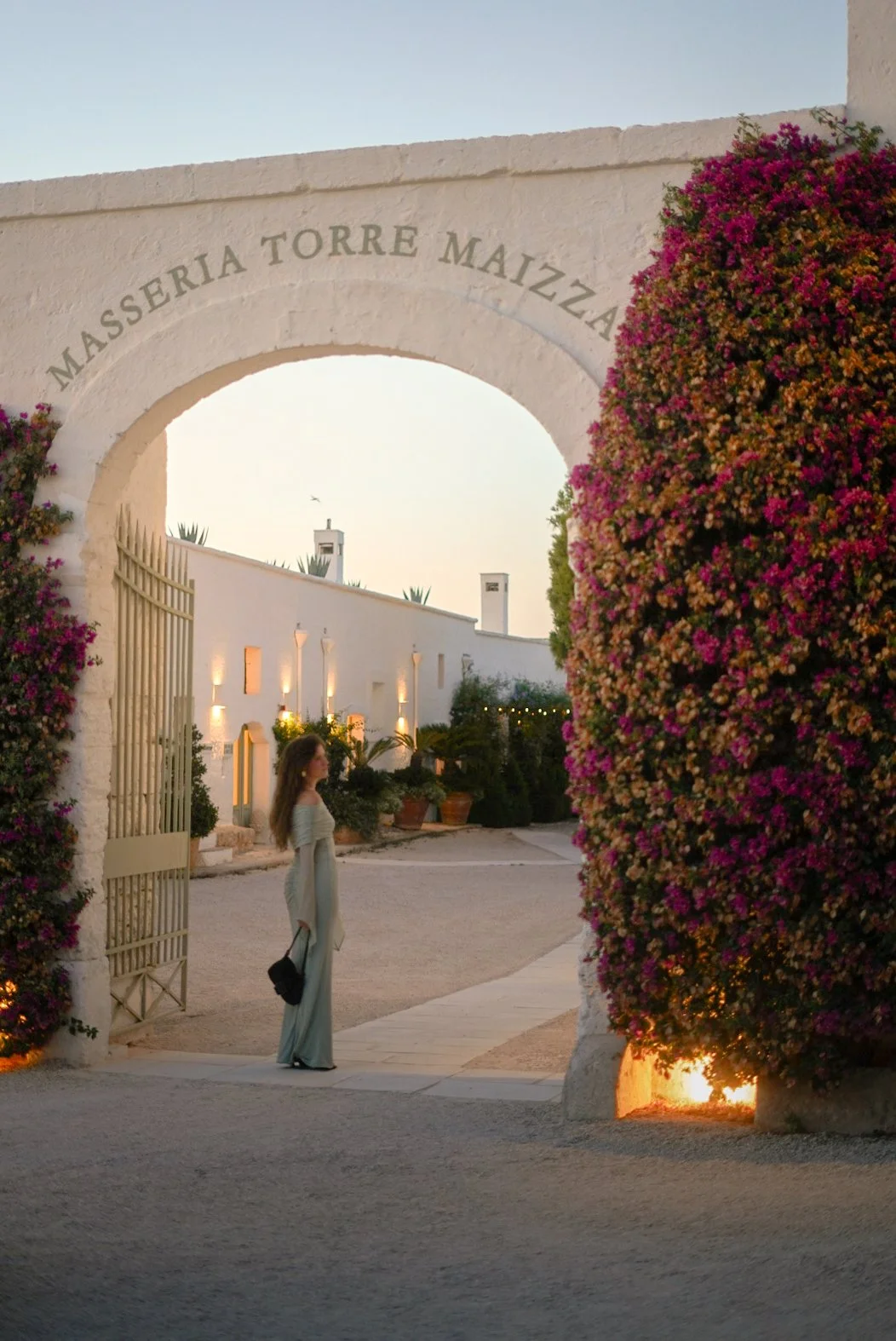
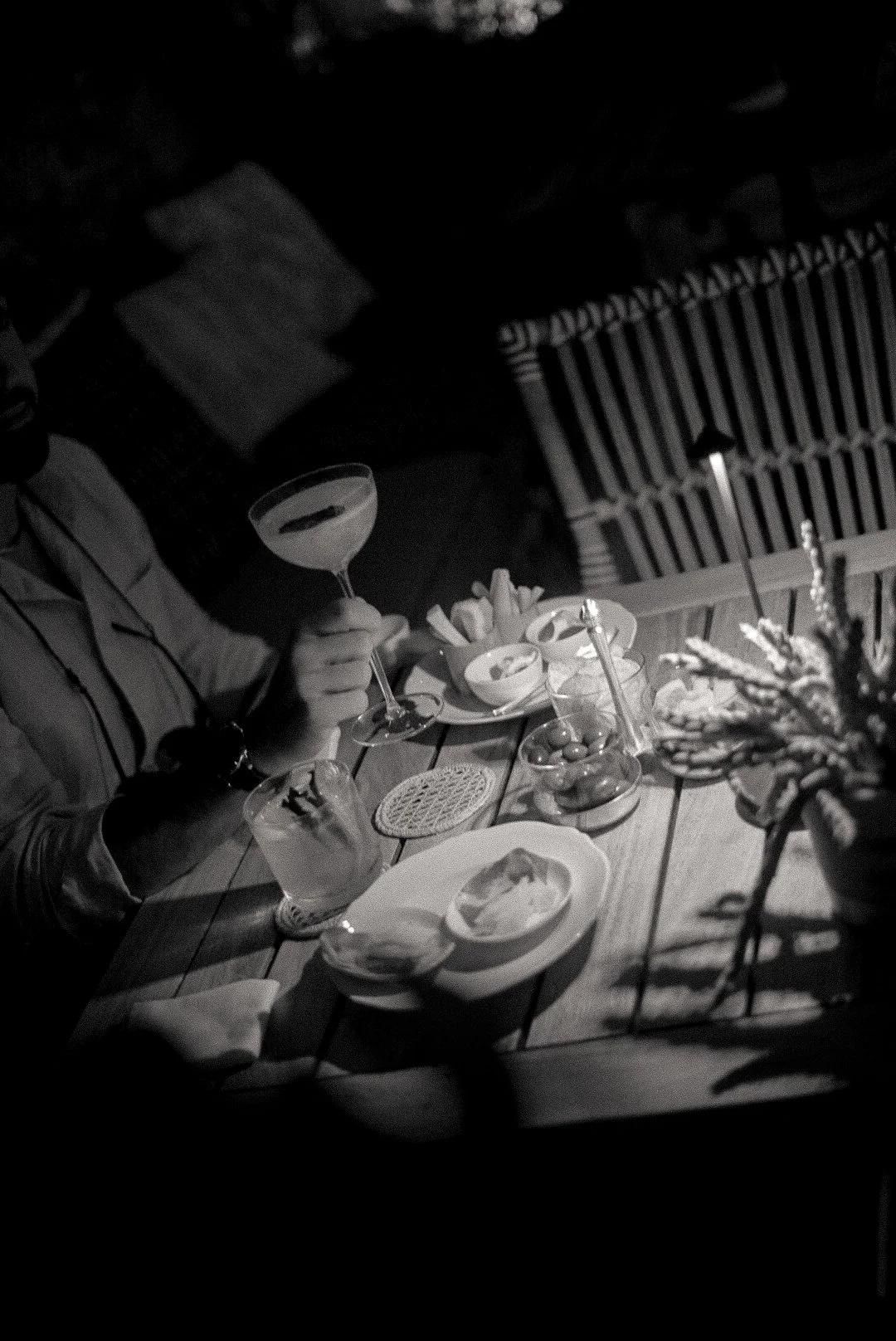
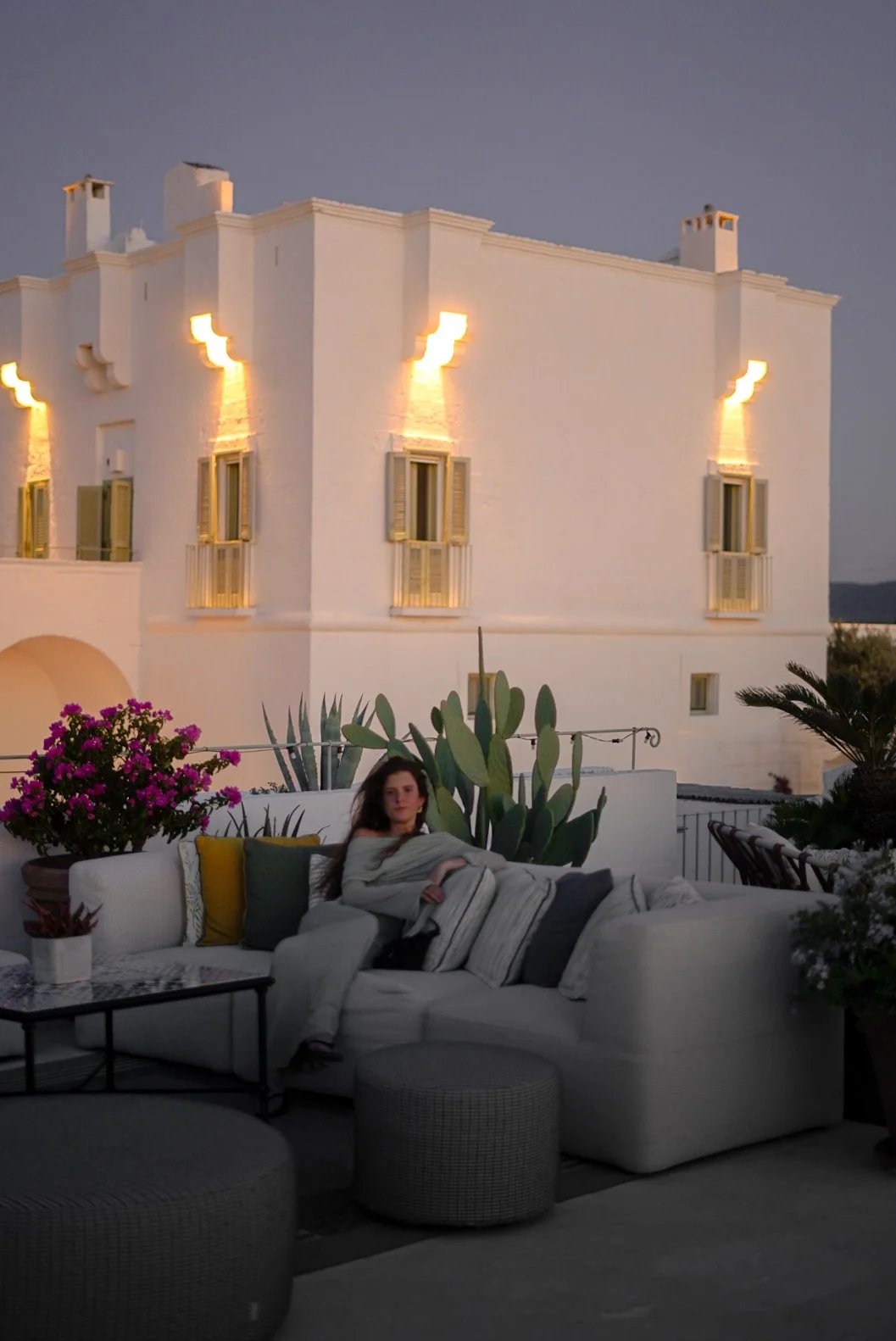
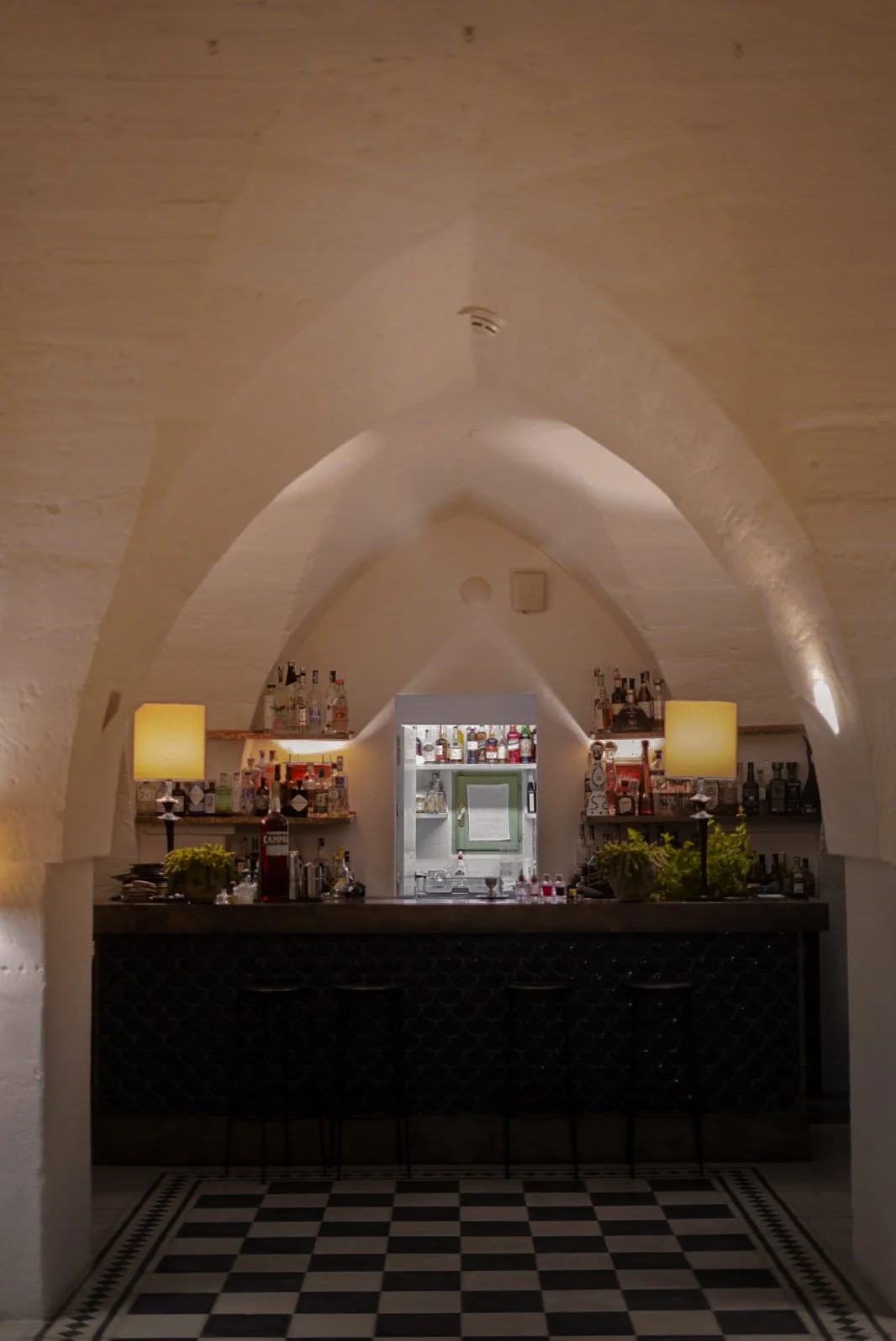
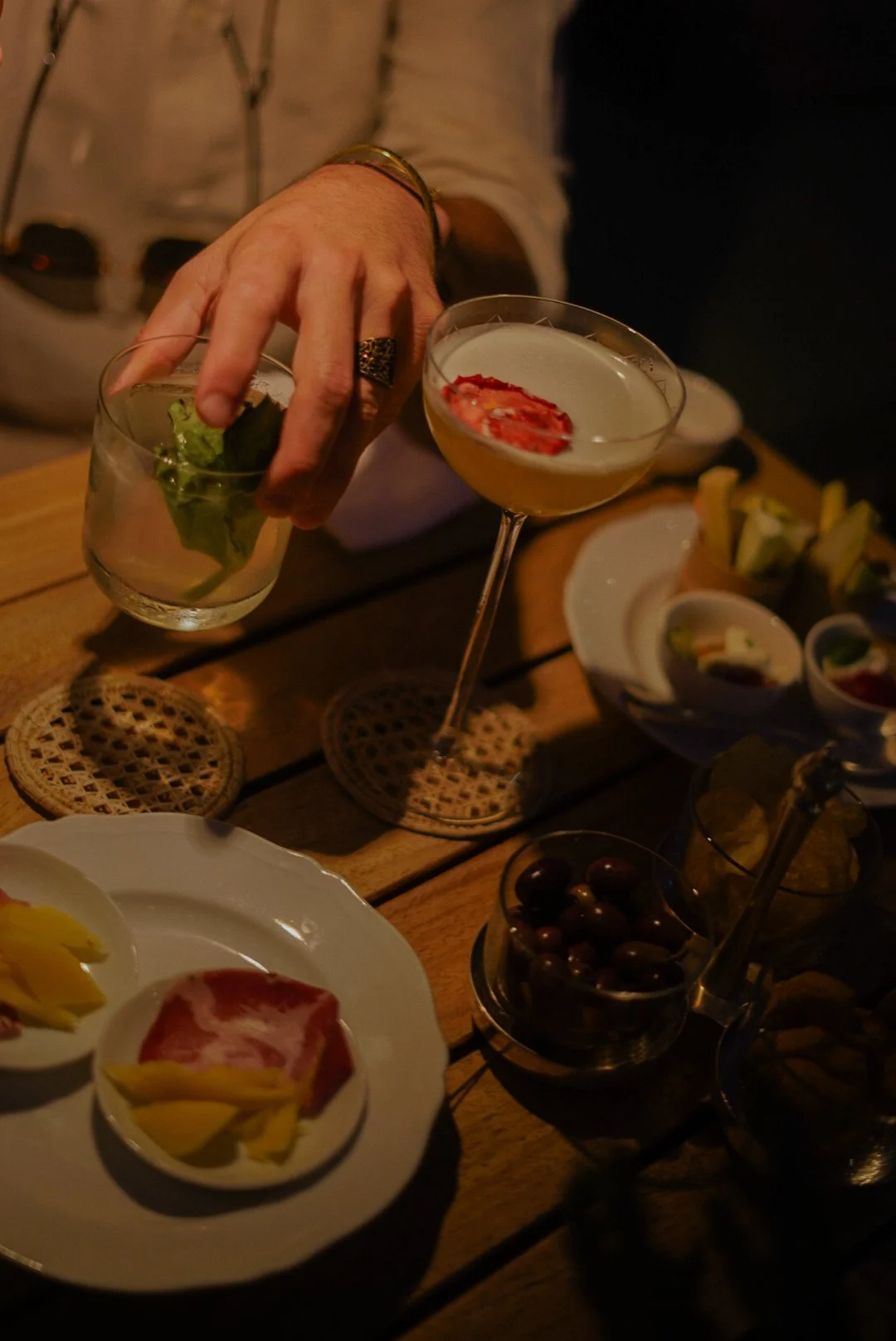
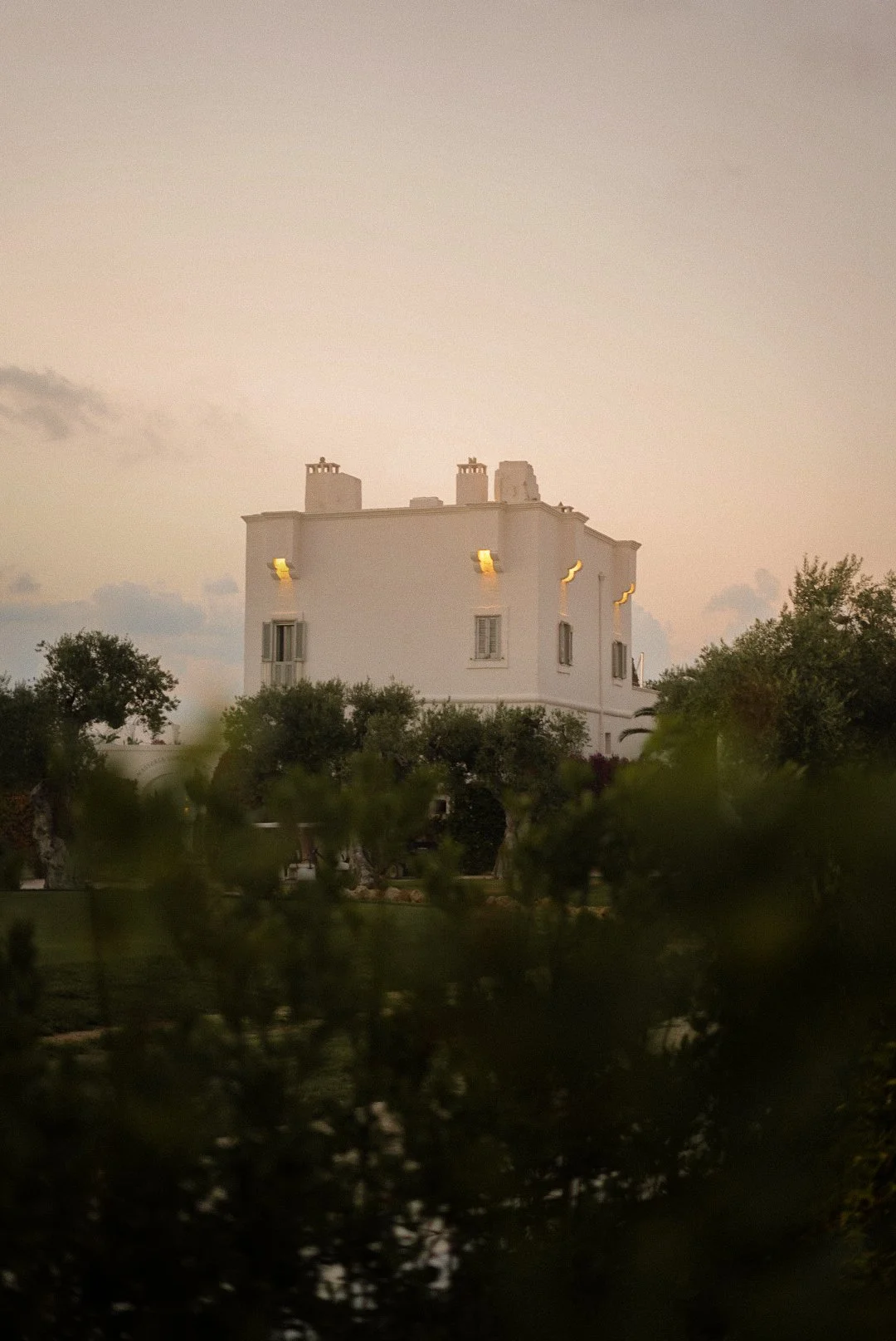
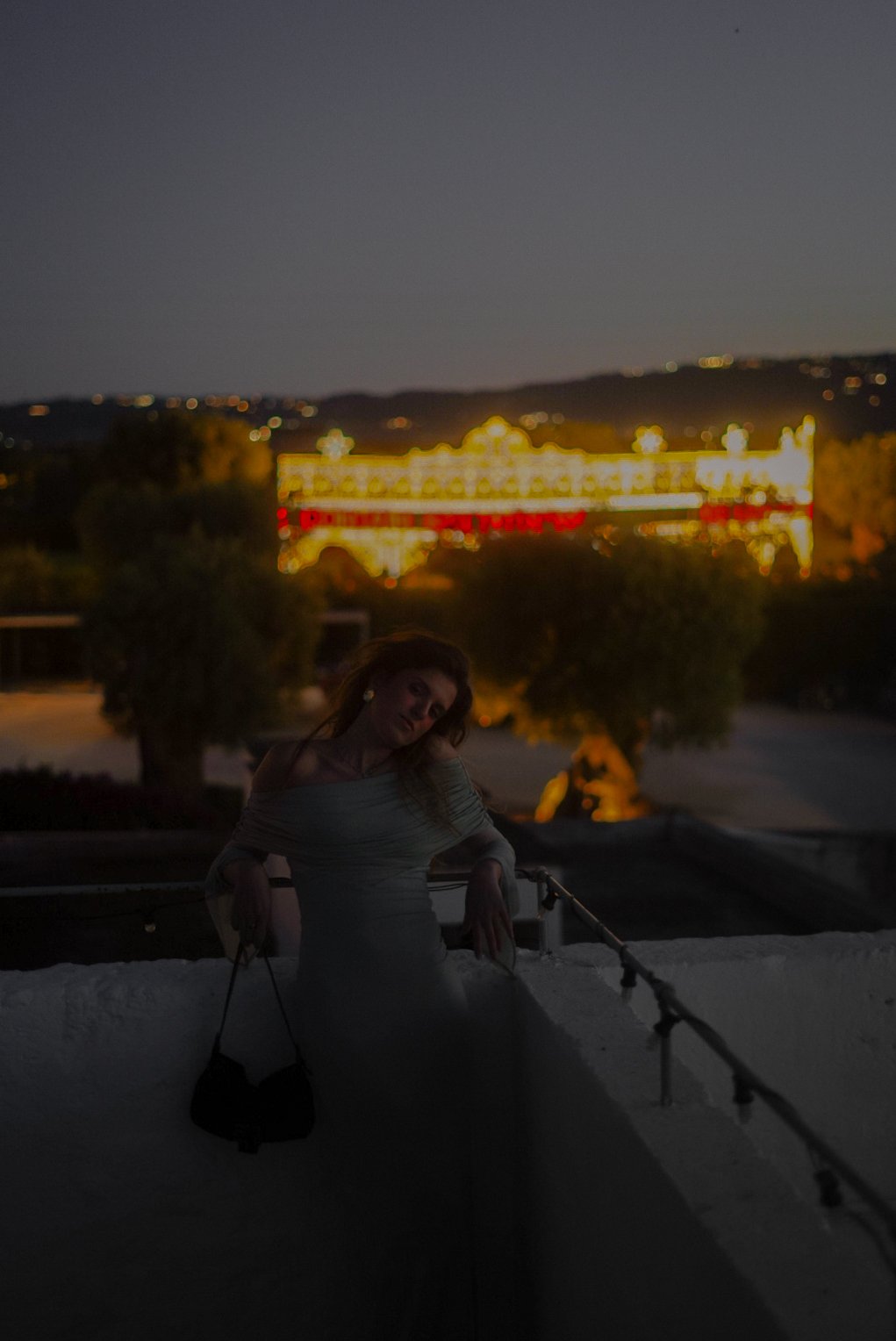
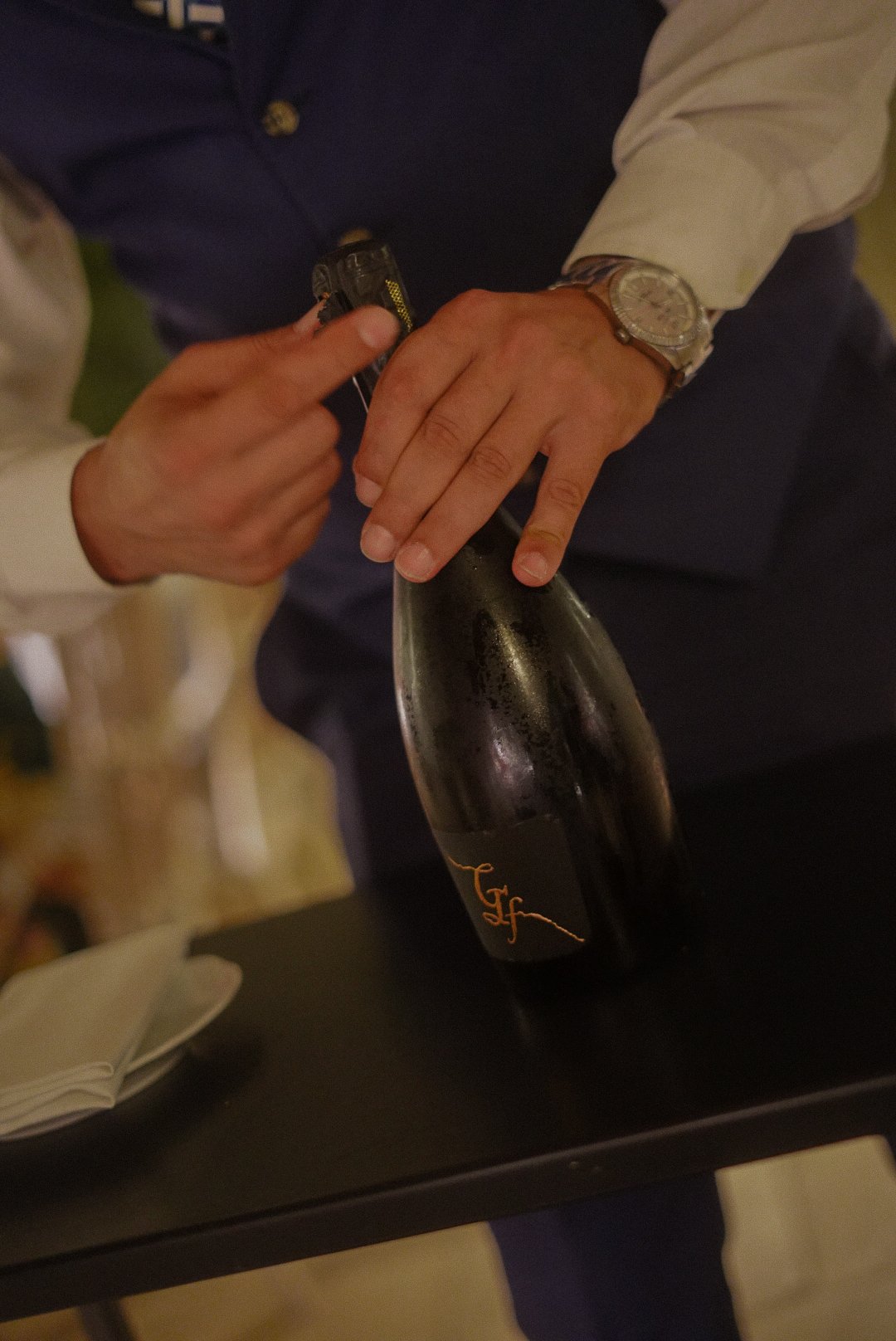
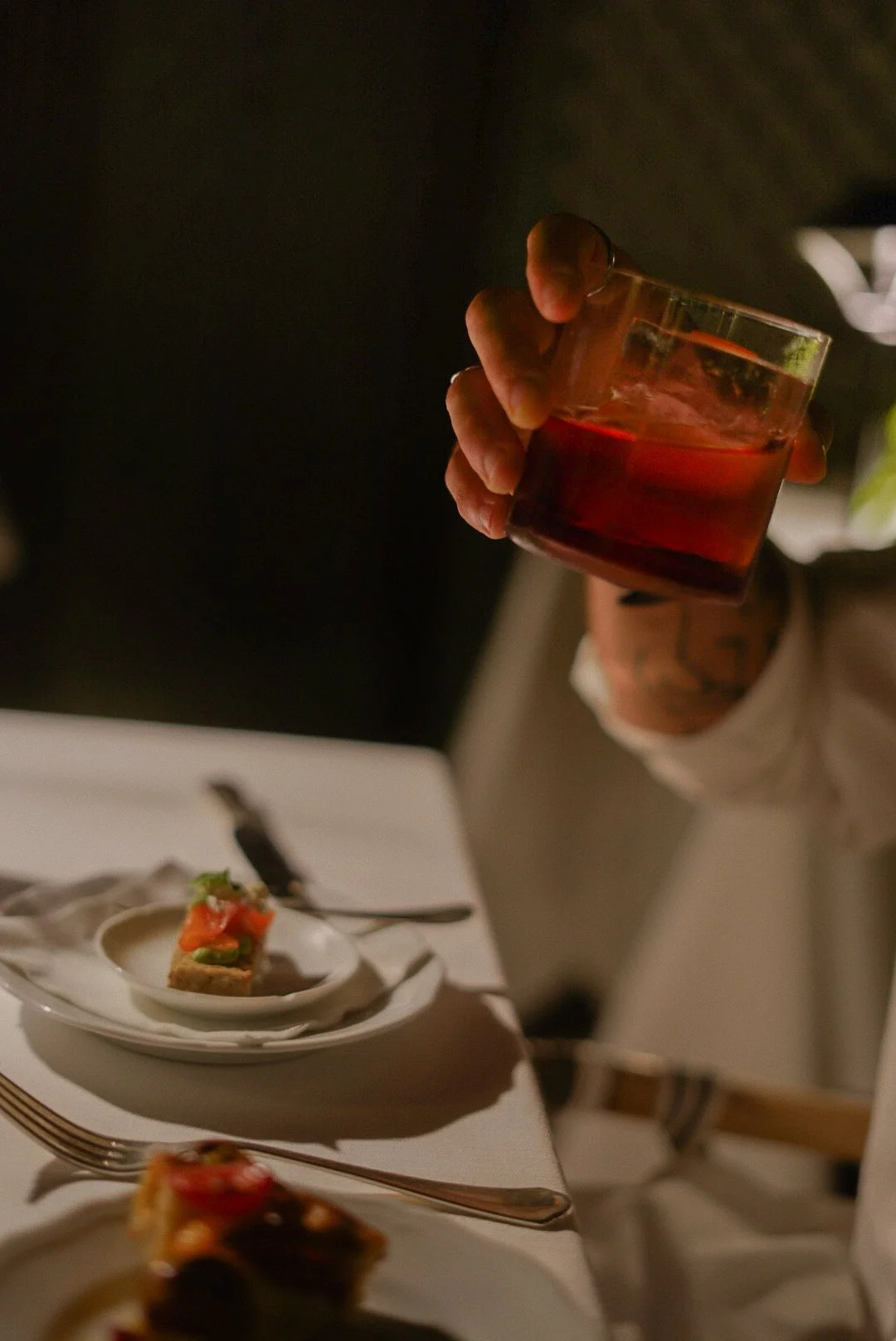
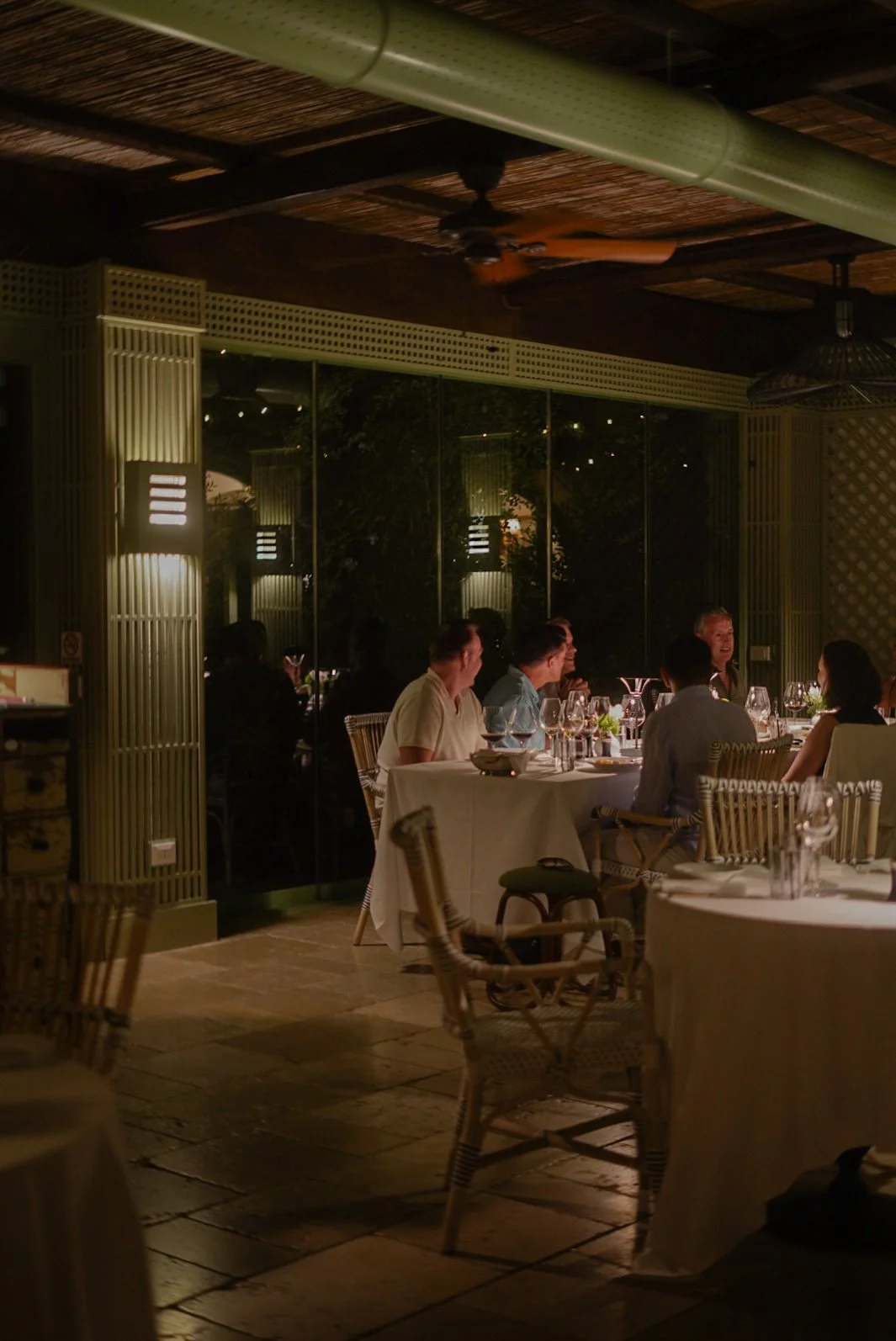
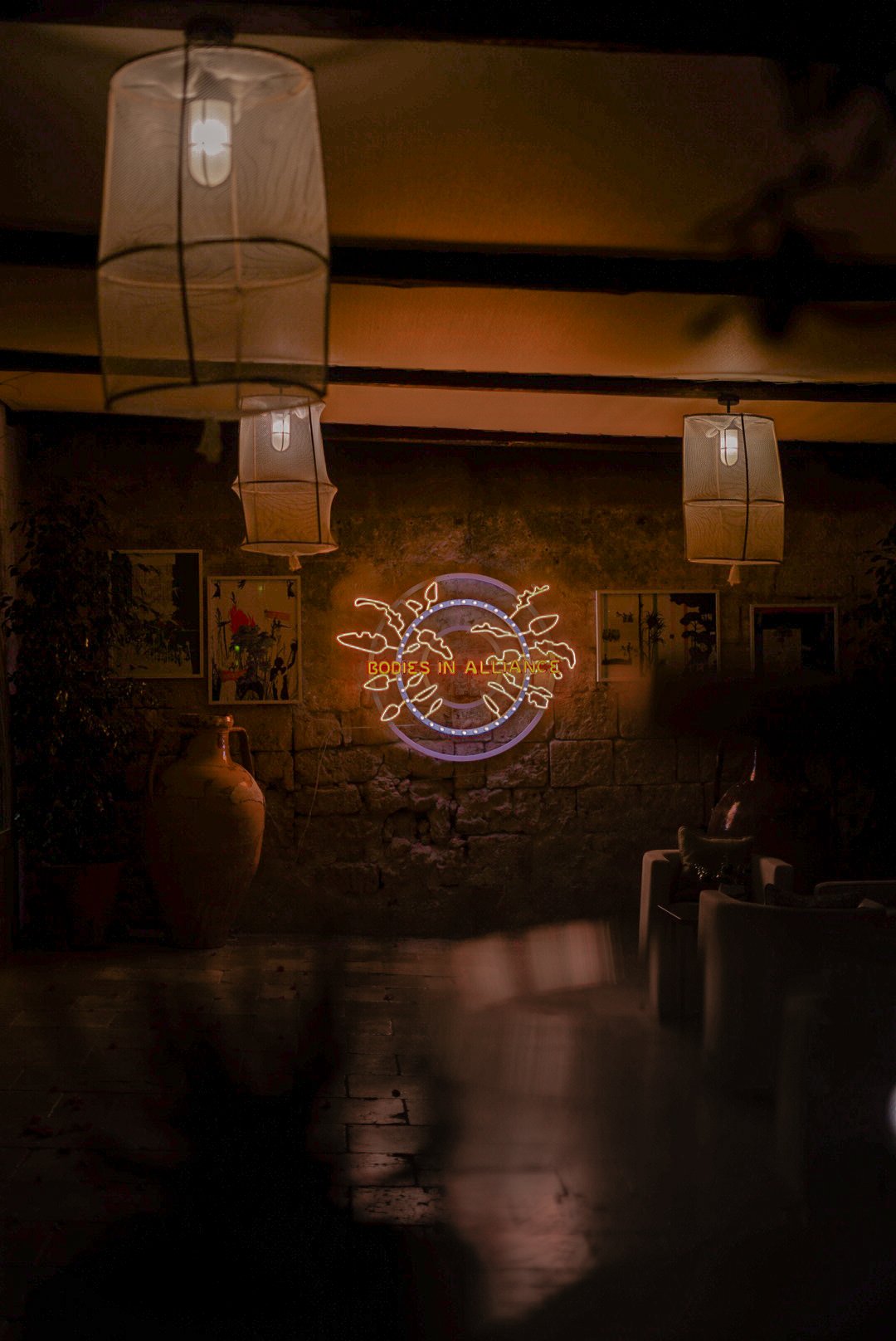
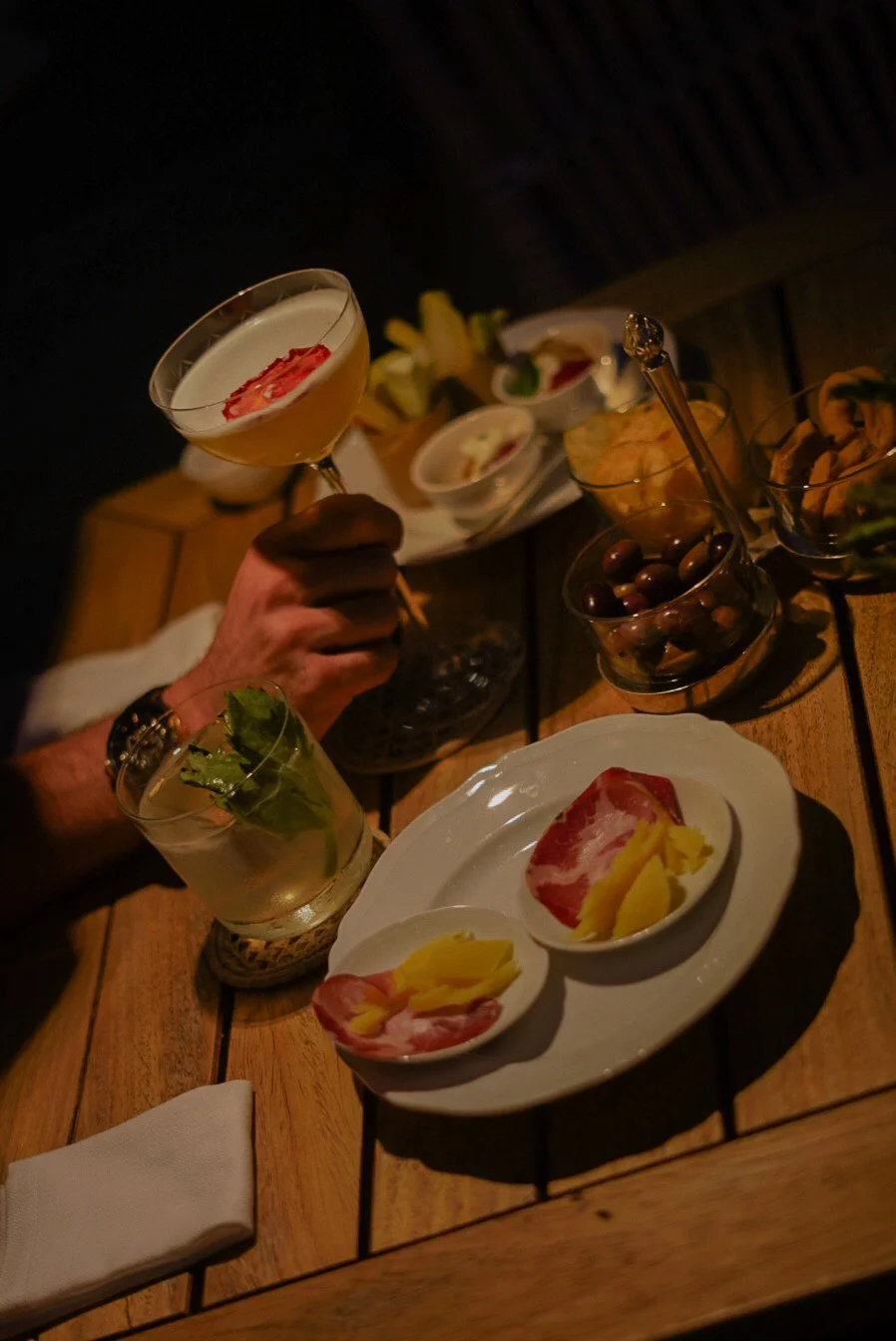
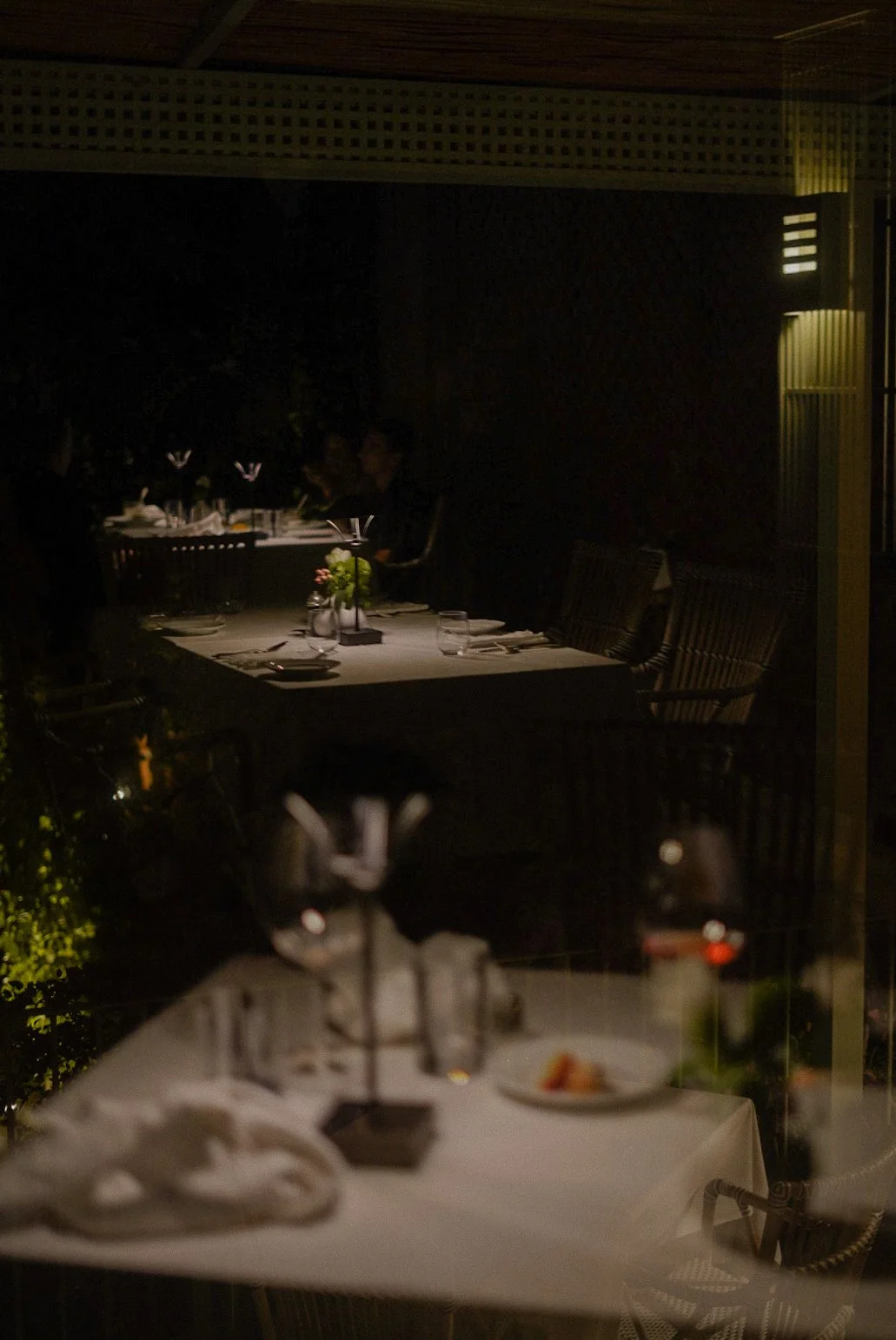
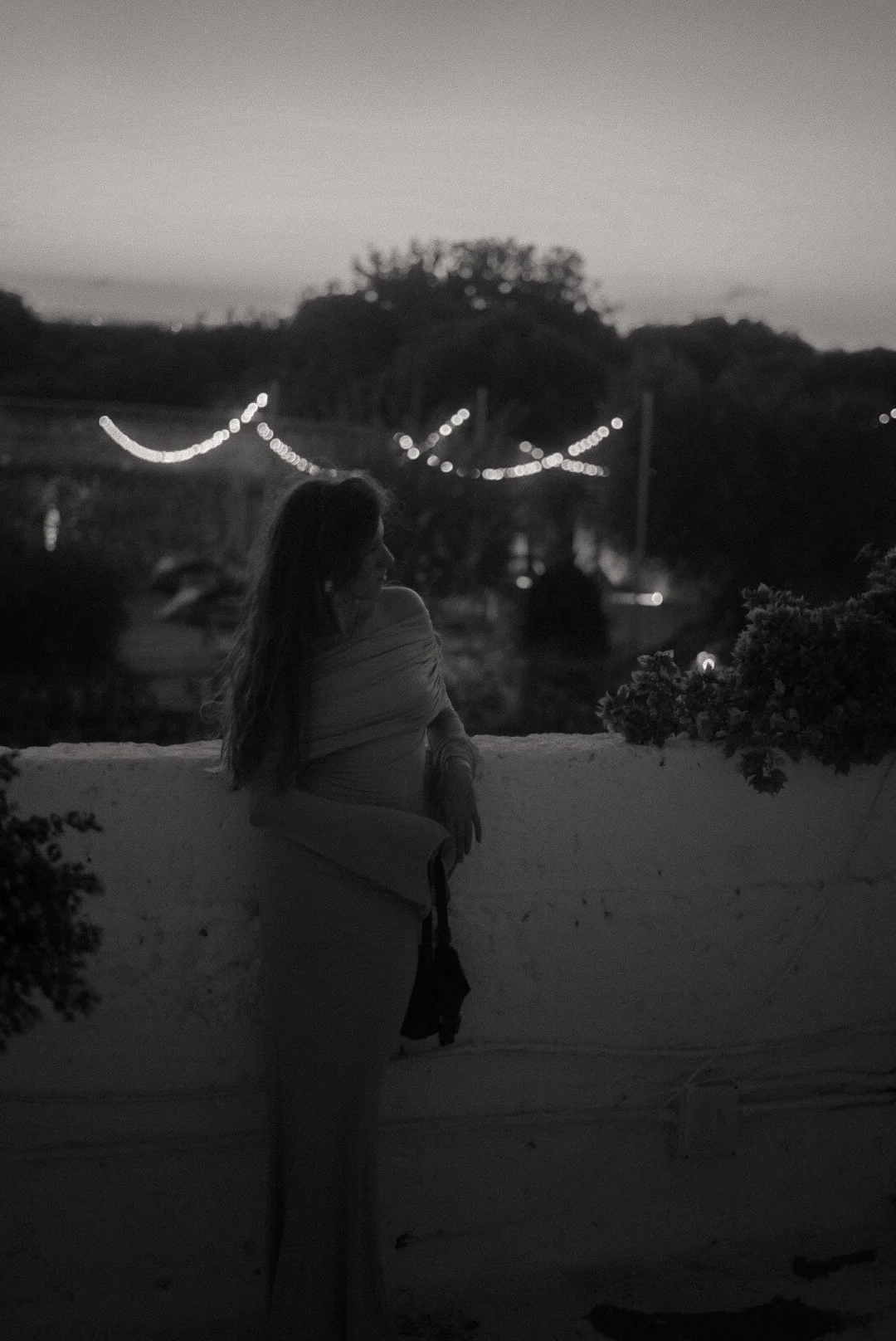
The same can be said of the buildings themselves. The former barn is now Bougainvillea, the bar beneath its sixteenth-century arches. The old frantoio, once used for olive-oil production, houses the Irene Forte Spa. Rooms that once served the agricultural life of the estate have been adapted to accommodate another kind of daily routine. The transformation is visible, but it does not feel theatrical. A former oil mill becoming a spa could easily become one of those details included in a hotel brochure and forgotten five minutes later. Here, the history is harder to separate from the present because the old structure remains around it. The walls have not been replaced by a polished replica of what might once have stood there. They are the same walls, doing different work.
This seems to be the more interesting approach to restoration: allowing a building to change without asking it to become a monument to itself. The temptation with historic properties is to preserve a particular moment and make everything around it conform. Torre Maizza has taken the opposite route. Its history remains visible precisely because the building has continued to evolve. A watchtower became a masseria. The masseria became a hotel. The stables became a restaurant, the frantoio a spa, the barn a bar. The land that once supported the agricultural life of the property now supports a different kind of hospitality.
The changes are considerable, but the underlying relationship between house and landscape remains. This is also why the word masseria feels more precise than simply calling Torre Maizza a luxury country hotel. A masseria was never only a residence. It was a system: a place where cultivation, storage, work, food and domestic life existed together. The architecture was shaped by those needs, which is why its beauty tends to feel unforced. The thick walls had a purpose. The courtyards had a purpose. The proximity of the kitchen to the land had a purpose.
What survives today is the physical expression of that way of life, even though its original function has largely disappeared. The difference between old and new is especially clear when you move through the property at different times of day. In the morning, the gardens belong to breakfast and the first light. By midday, the pool and its surrounding terraces take over. Later, the road to the coast brings another landscape into the day. In the evening, the old agricultural buildings become places for dinner and drinks.
The estate keeps changing character without ever needing to change its setting. That is perhaps why the property feels more convincing when you stop looking at its individual components. The rooms, the restaurants, the spa, the pool and the beach are all attractive in their own right, but together they form a continuous landscape rather than a collection of hotel amenities. Consequently, the experience is less about moving between facilities than moving through a place.
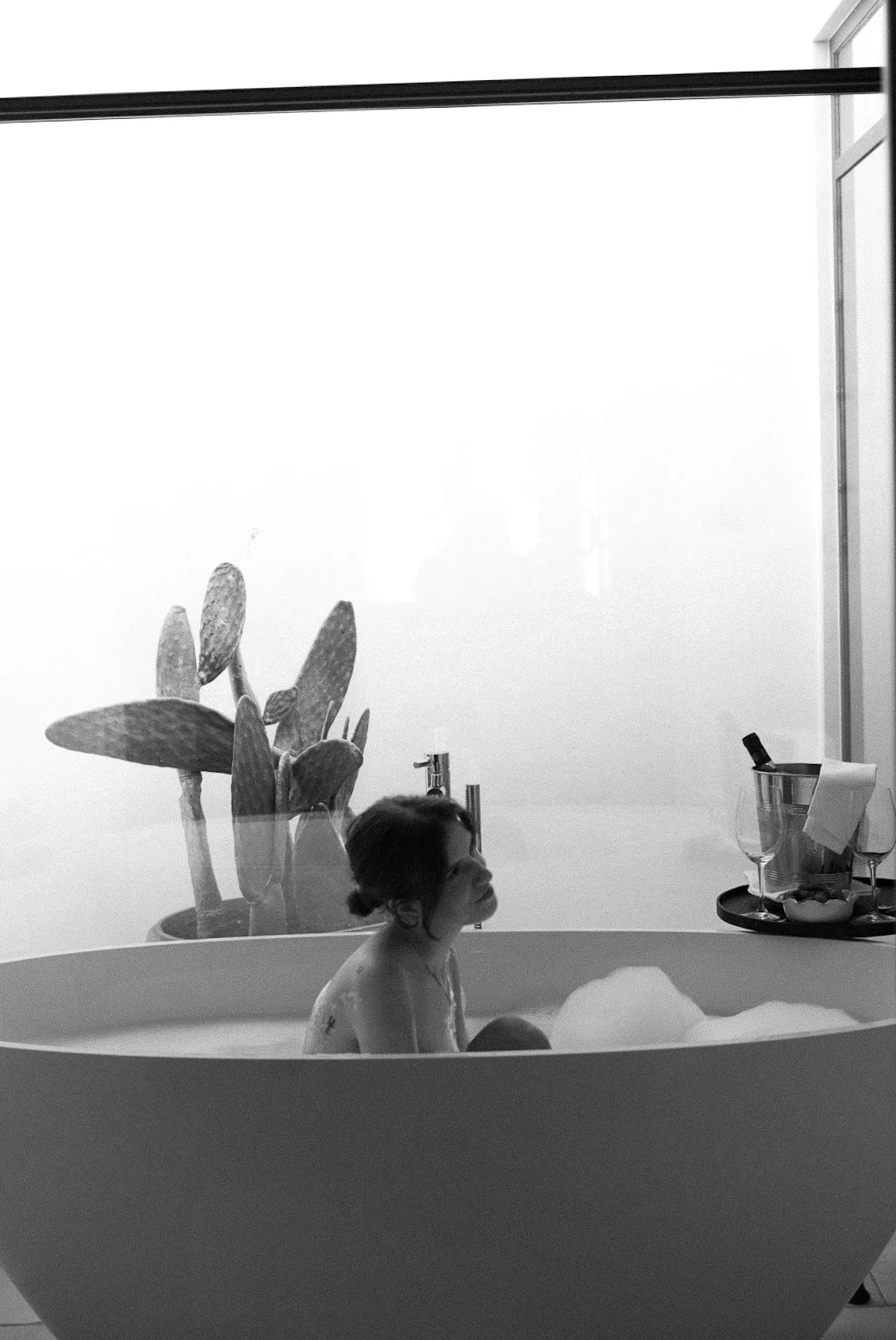
And Puglia itself has become so recognisable that this distinction matters. The whitewashed walls, ancient olive trees, handmade ceramics, long lunches and blue Adriatic have become an international shorthand for the region. They are beautiful, but they can also flatten a place into an image.
Torre Maizza has another story underneath the image. Before the olive trees became symbols of Puglia, they were crops. Before the masseria became a destination, it was a workplace. Before the old walls became part of an interior, they were protection from the heat and, at times, from something much more serious. The landscape was not designed to be photographed. It was lived from.
Perhaps that is what gives the property its sense of permanence: not that everything has remained the same, because almost nothing has. The purpose of the buildings has changed, the people have changed, and the reasons for coming here have changed completely. What has remained is the relationship between the house and what surrounds it. The olive trees still belong to the land. The garden still reaches the kitchen. The sea is still there beyond the fields.
And the building continues to receive people; that last part may be the simplest, but it is also the oldest. A masseria was a place where people arrived from elsewhere and found shelter, food, shade and a room for the night. Today, the reasons are different and the expectations considerably more elaborate, but the basic gesture has survived.
Perhaps the most interesting thing about Torre Maizza is not that a historic building has become a beautiful hotel, it is that, after five centuries, the house is still being asked to do what it has always done: take what the landscape gives it, make a life around it, and leave the door open.
Thank you to Rocco Forte Hotels & all the Masseria Torre Maizza team.
