What Remains When You Take the City Apart - On Stone, Memory and the Art of Staying
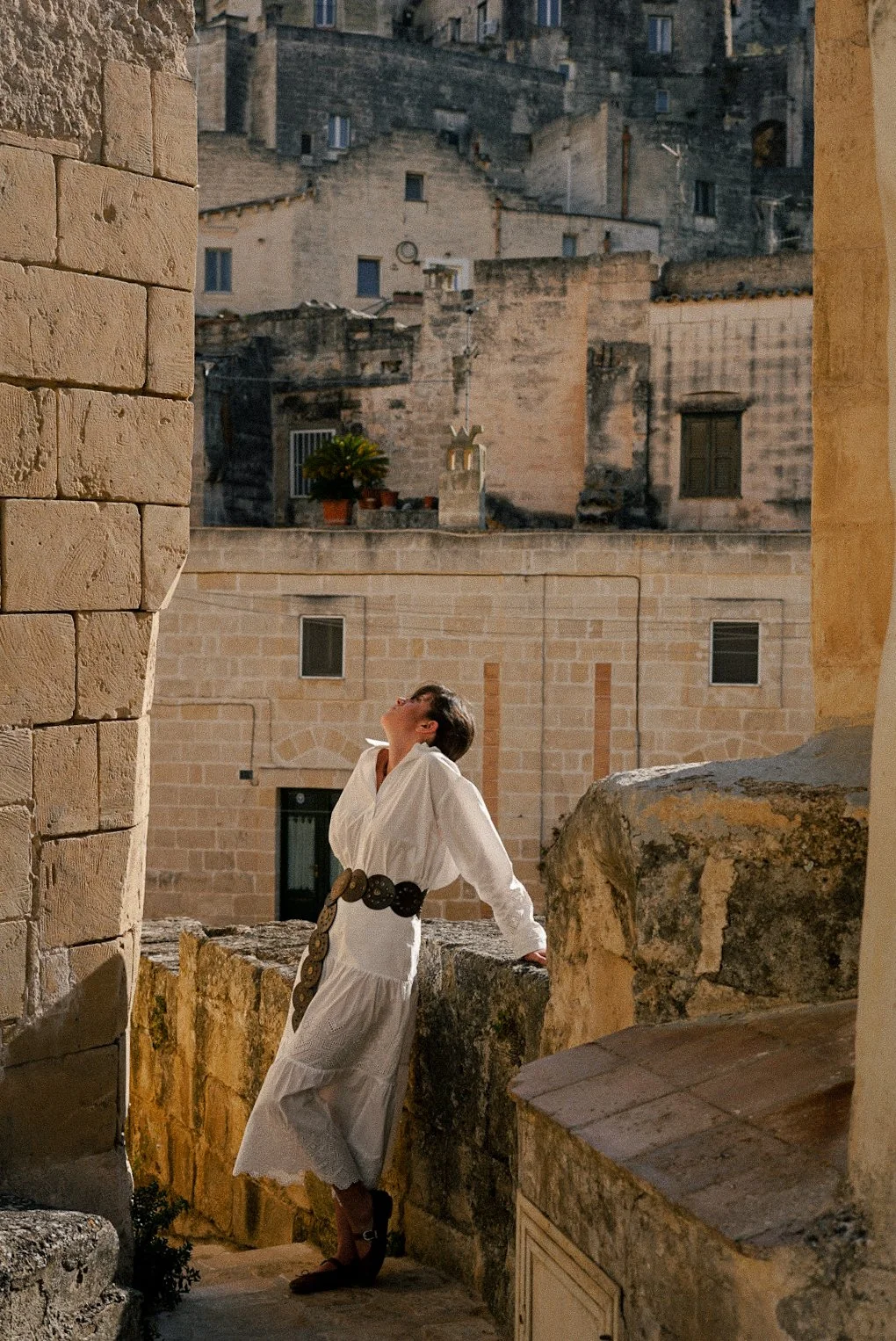
Three days at Vetera Matera, excavating the stone, the stories and the people behind one of Italy's most photographed cities.
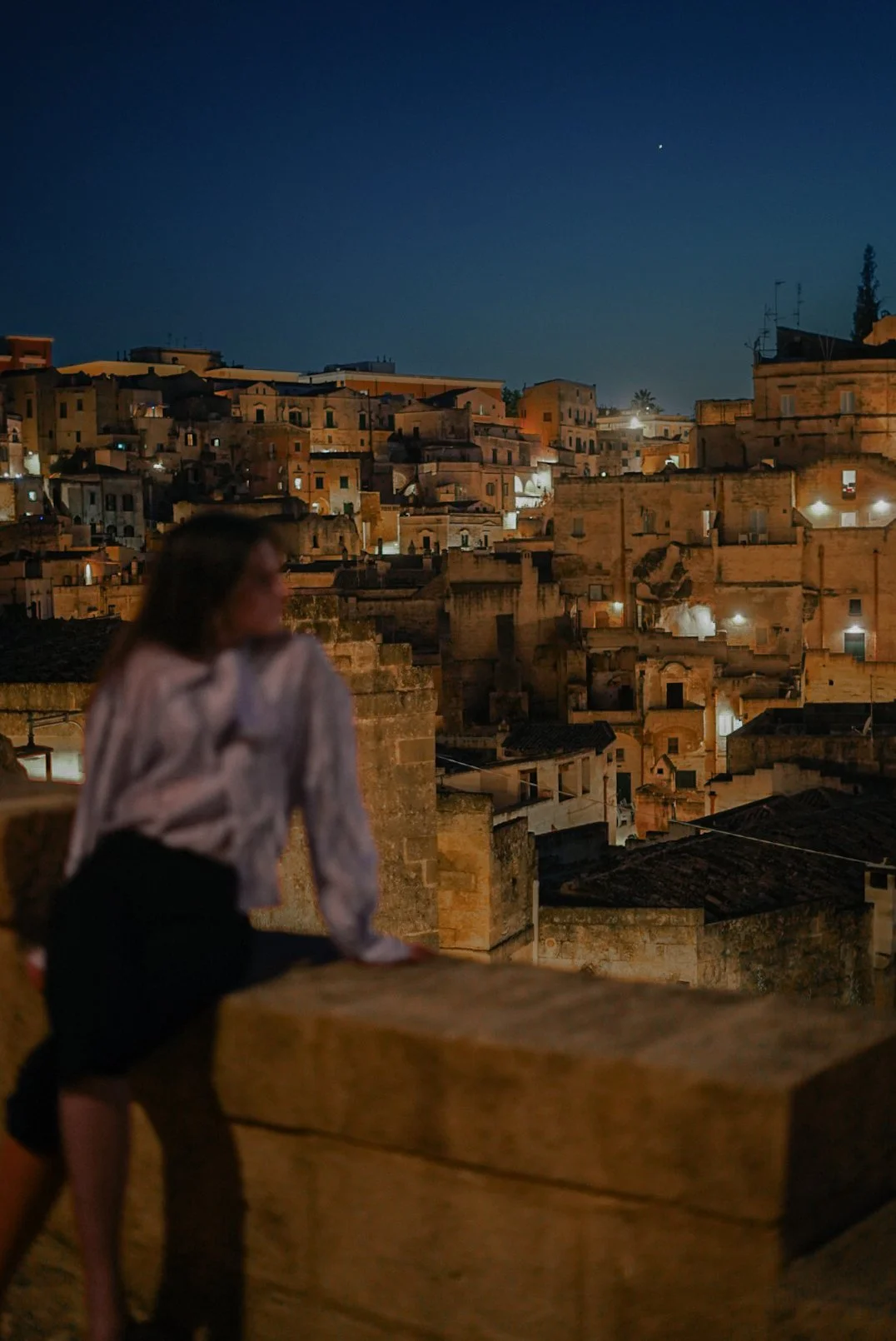
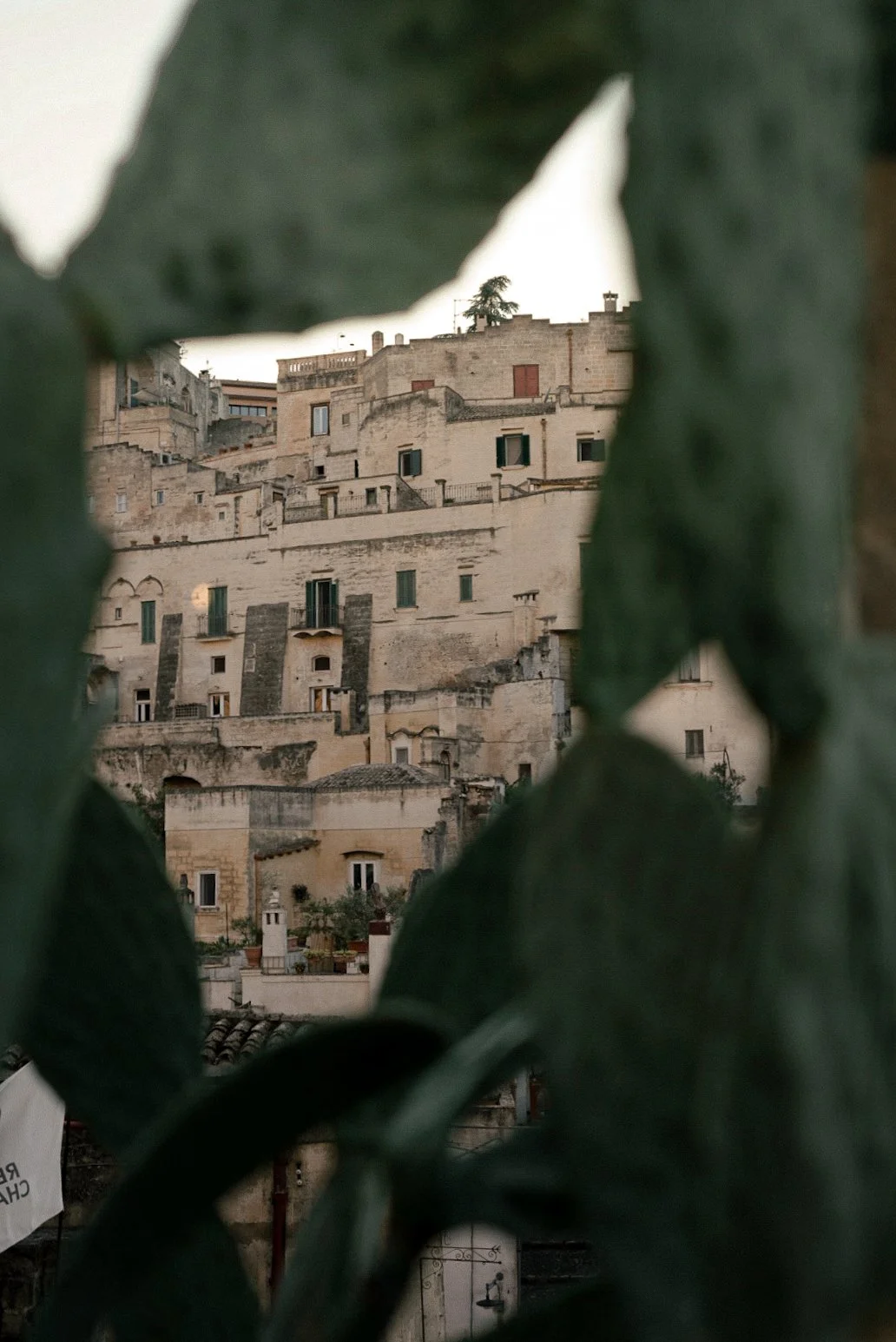
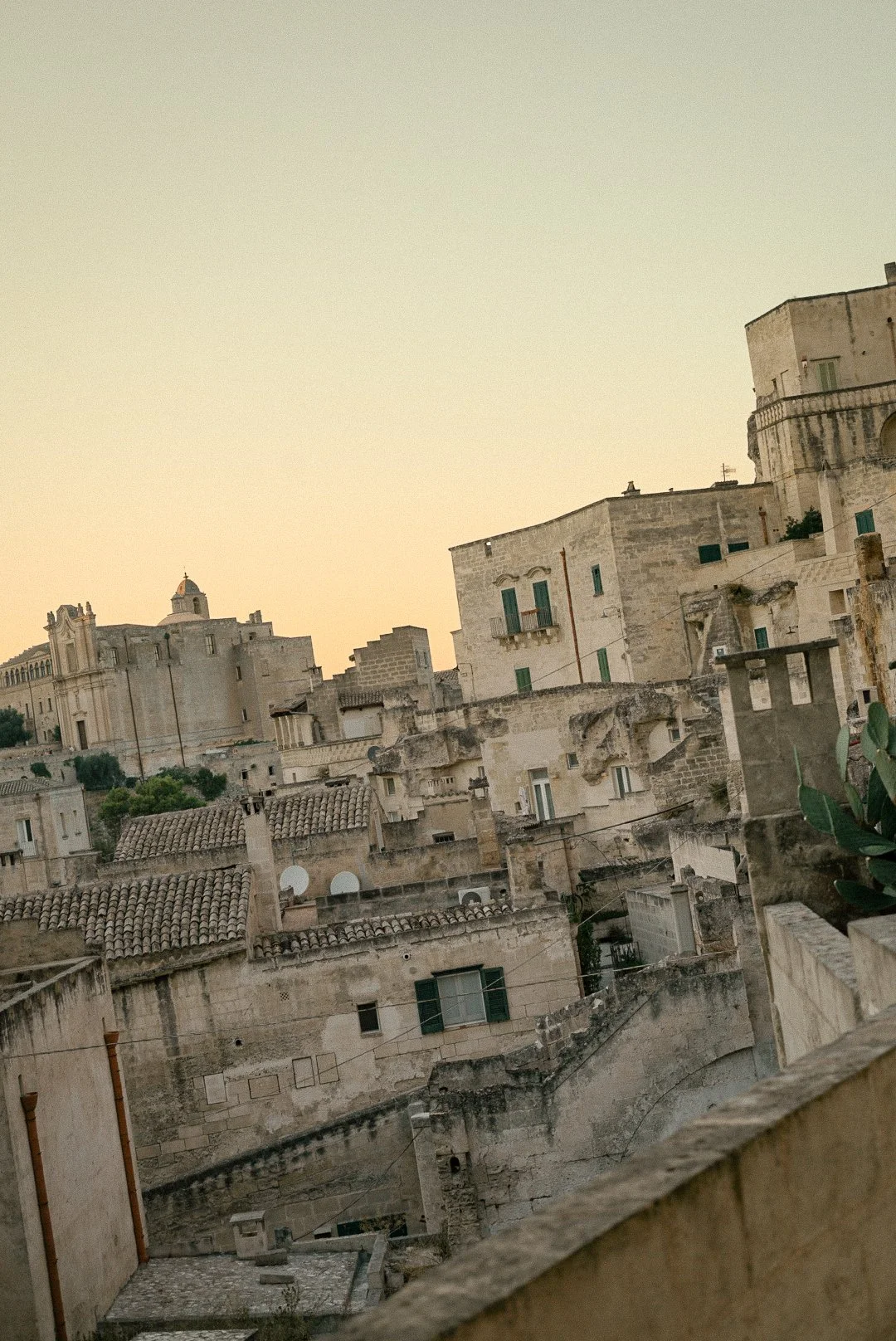
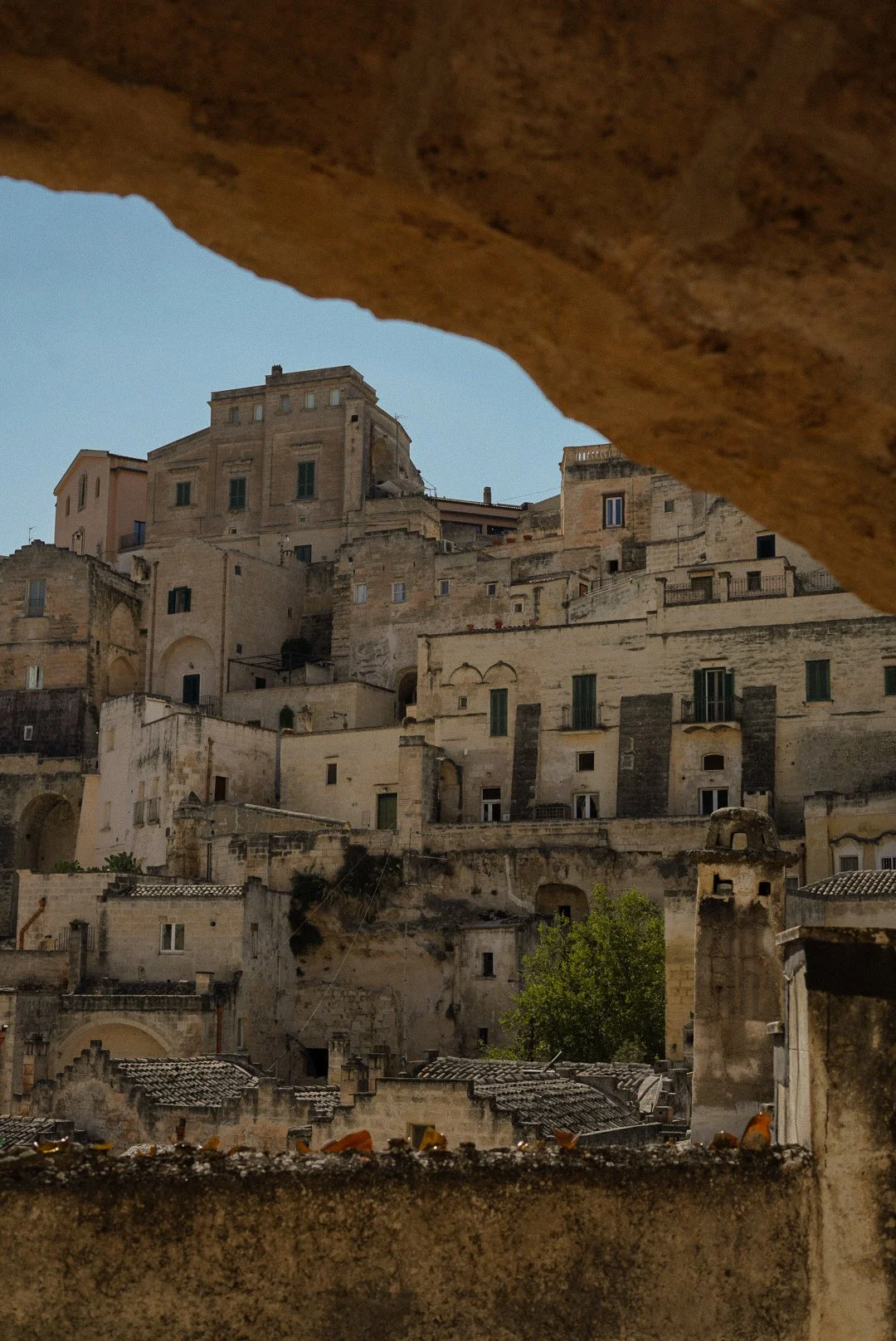
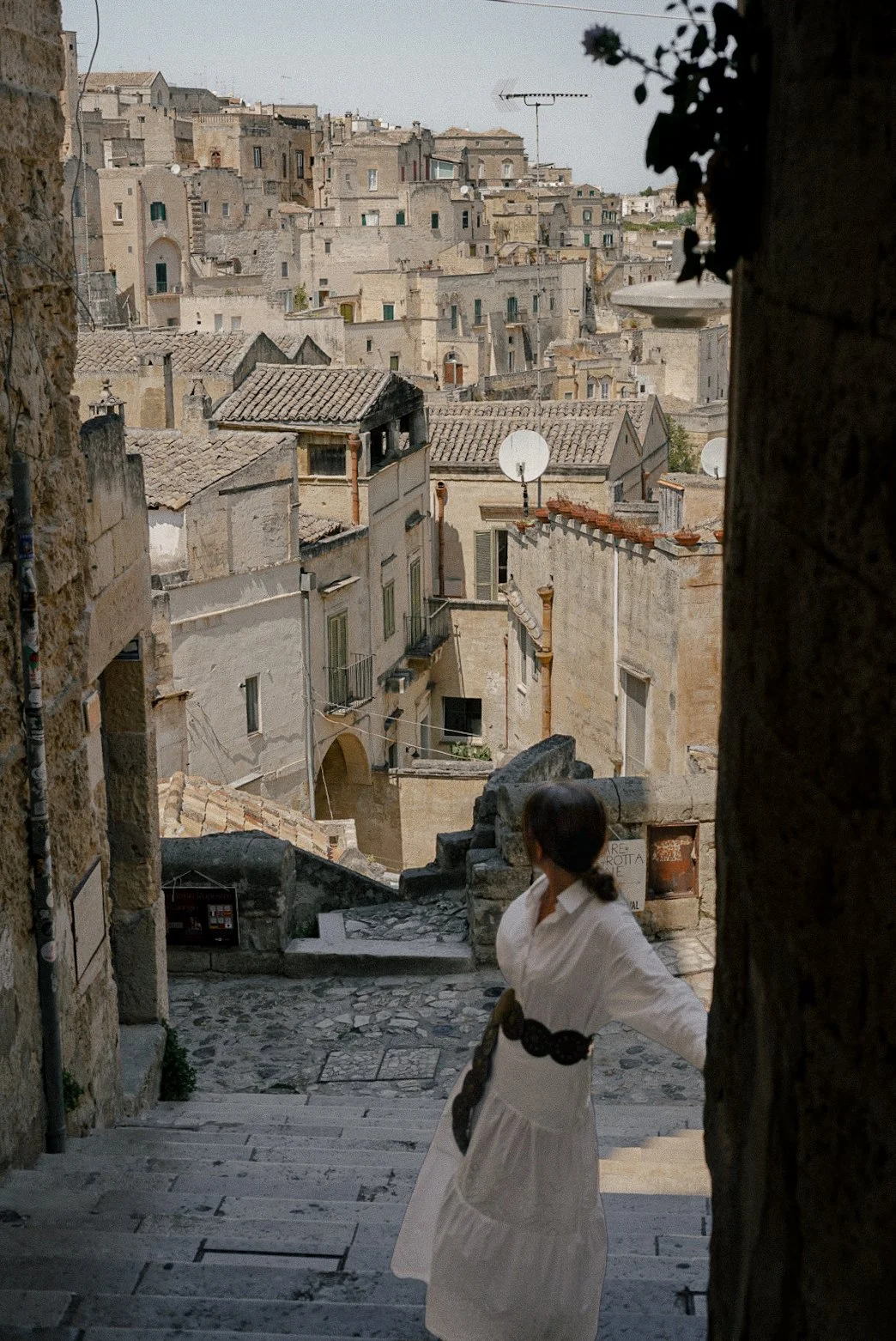
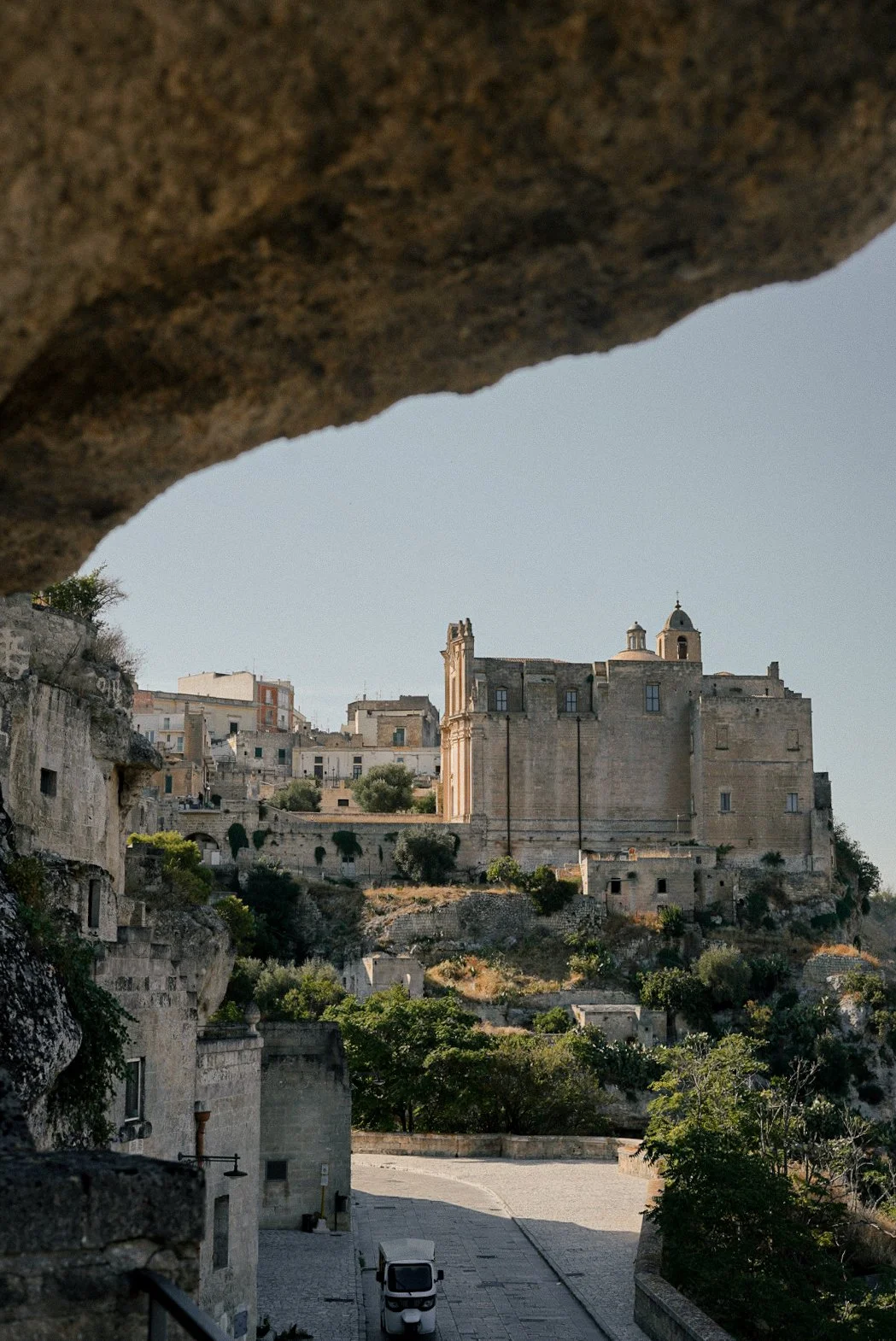
I arrived in Matera with the slight disadvantage of having already seen it multiple times. Not only in person when I was younger, but also through photographs: from the Sassi suspended in the evening light, to the honey-coloured stone, the churches carved into the rock, and the narrow streets disappearing between one façade and another. Matera has become so visually recognisable that arriving there can feel almost like entering a place you have already visited, because the image precedes the city.
Then I entered Vetera and touched the walls.
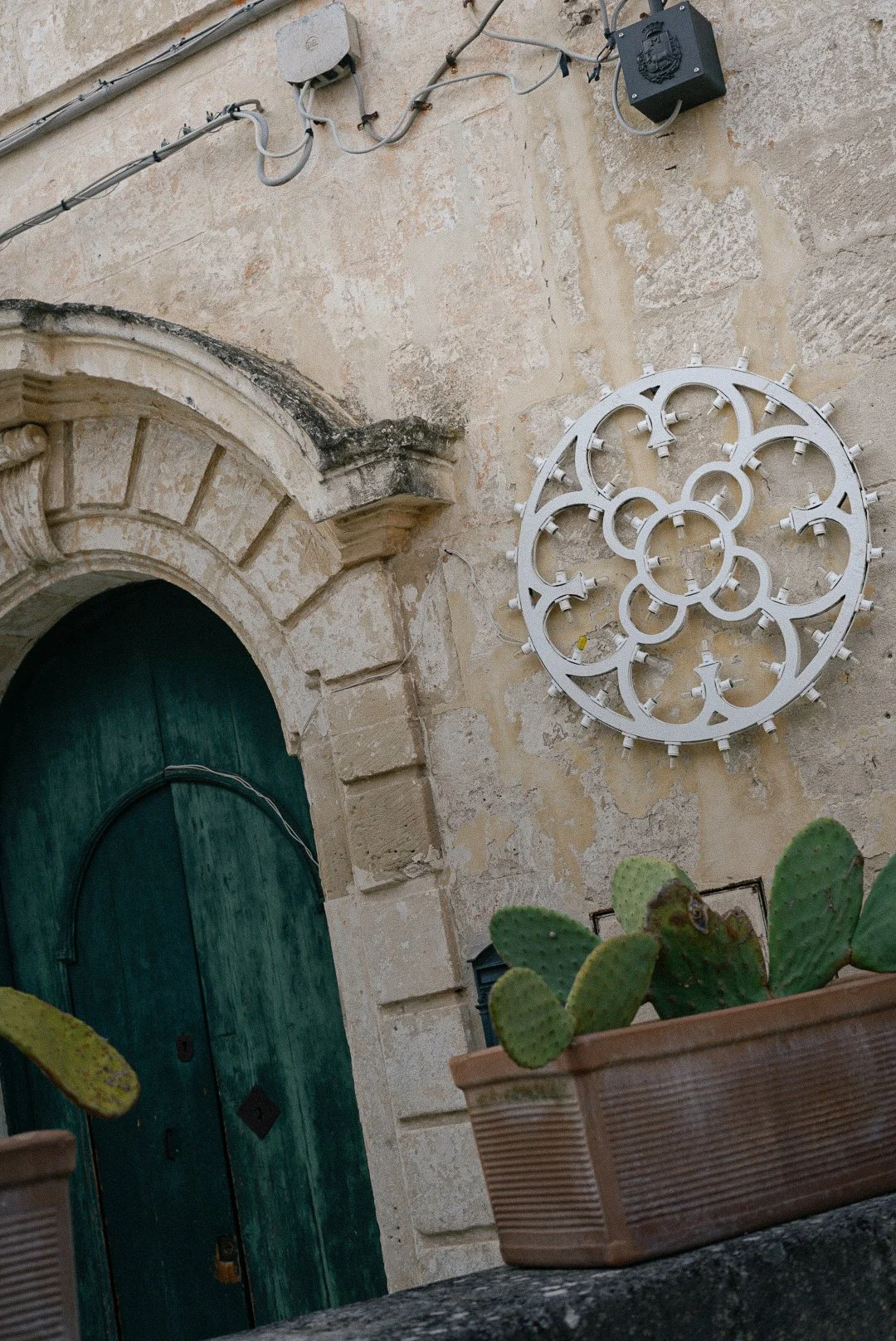
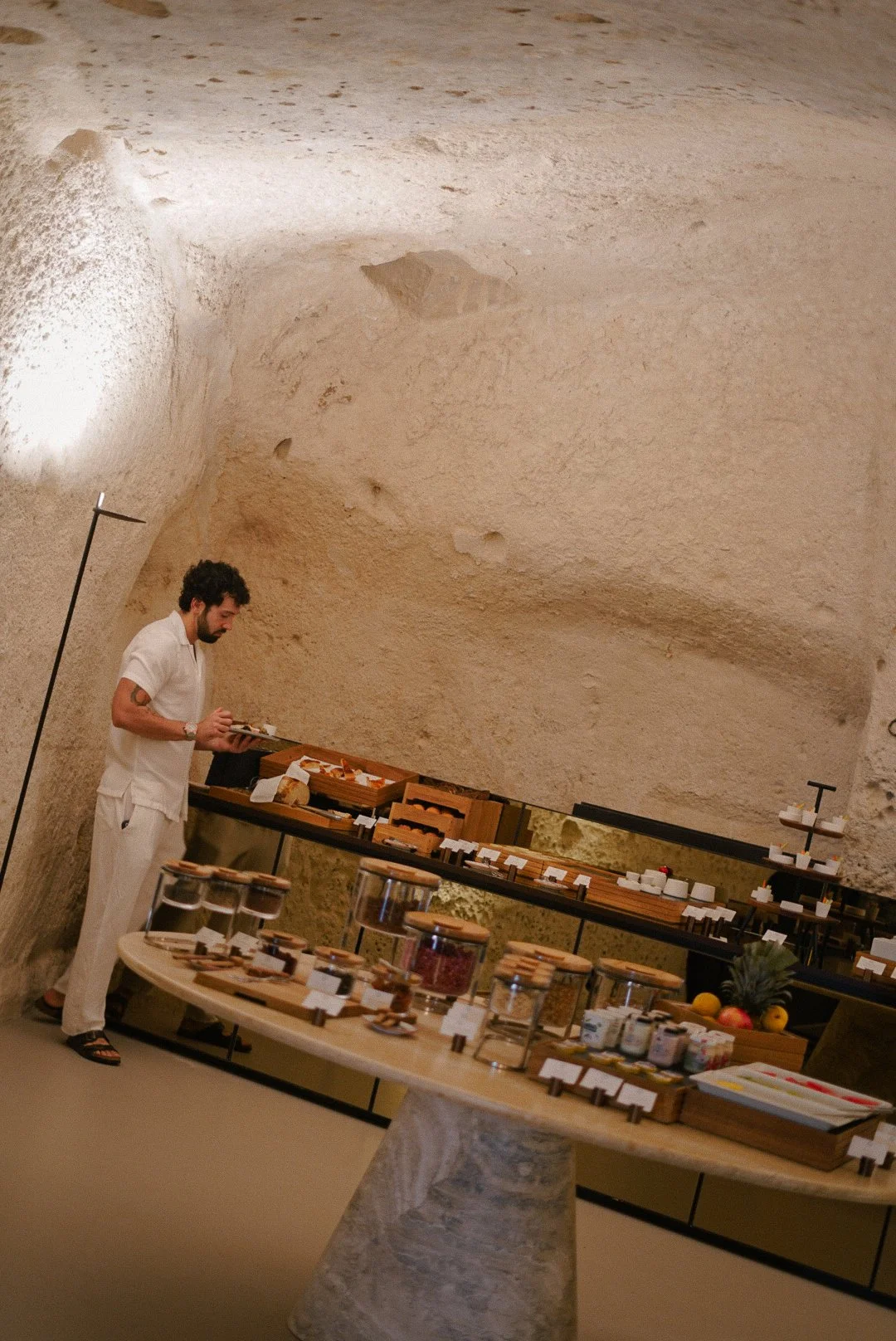
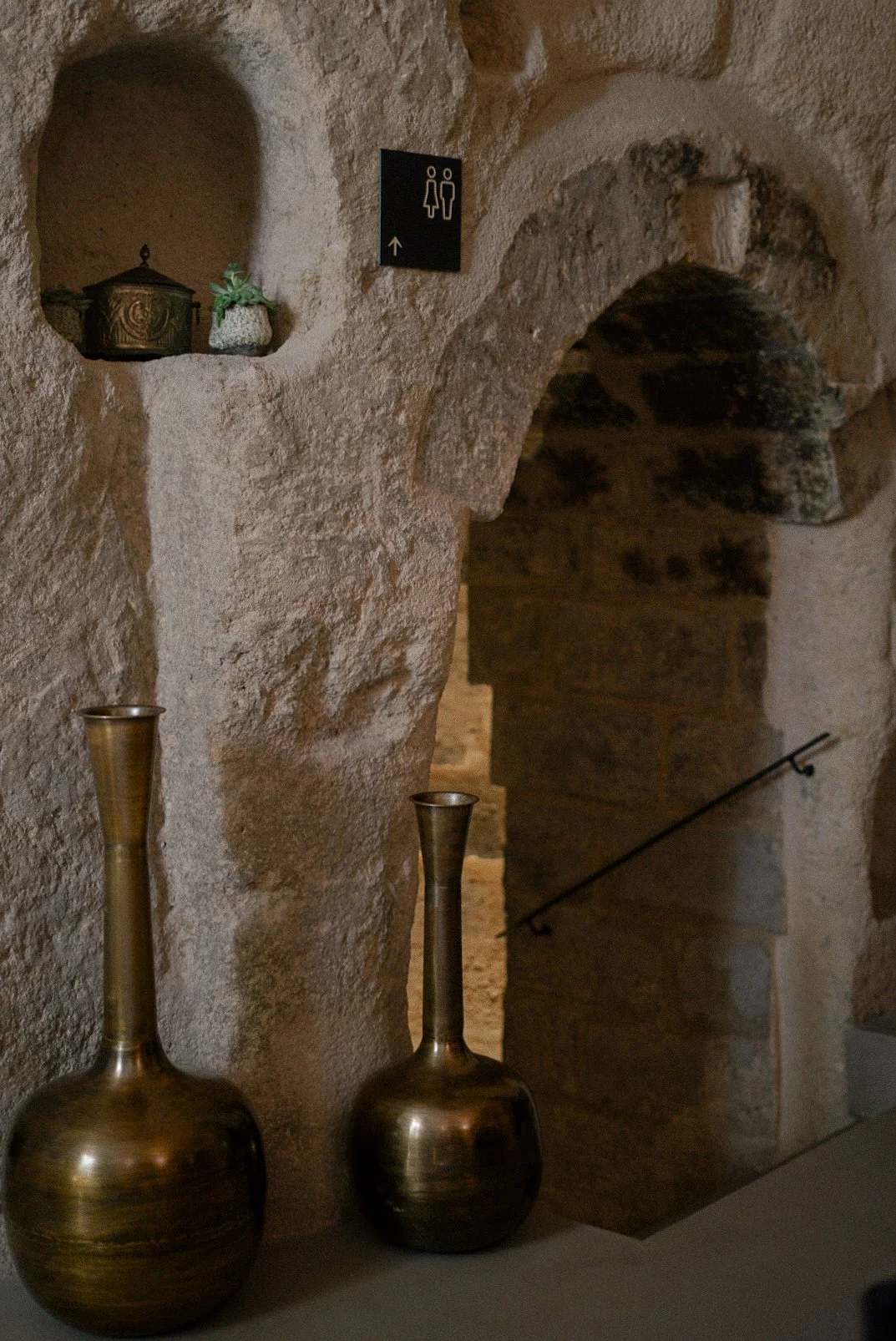
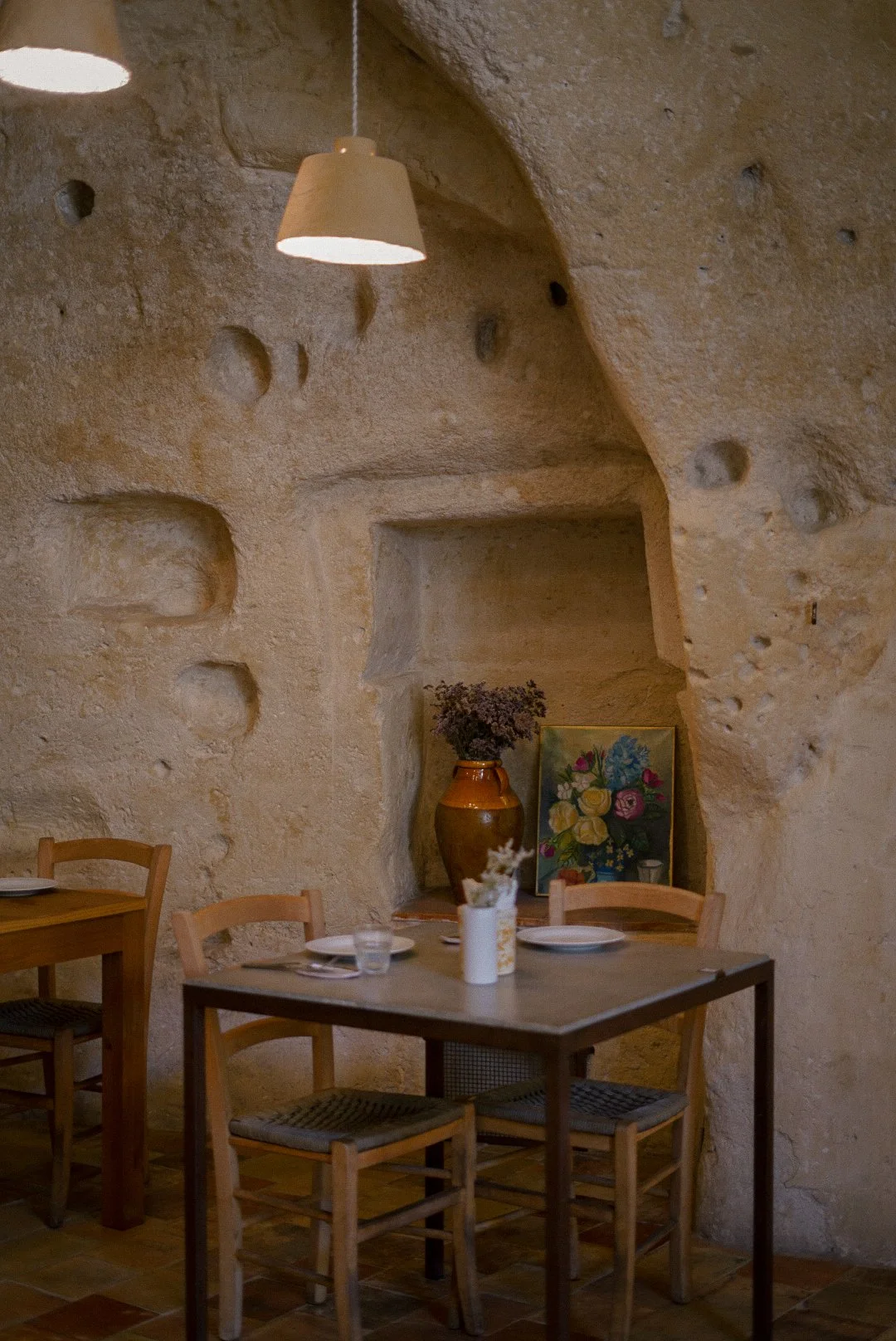
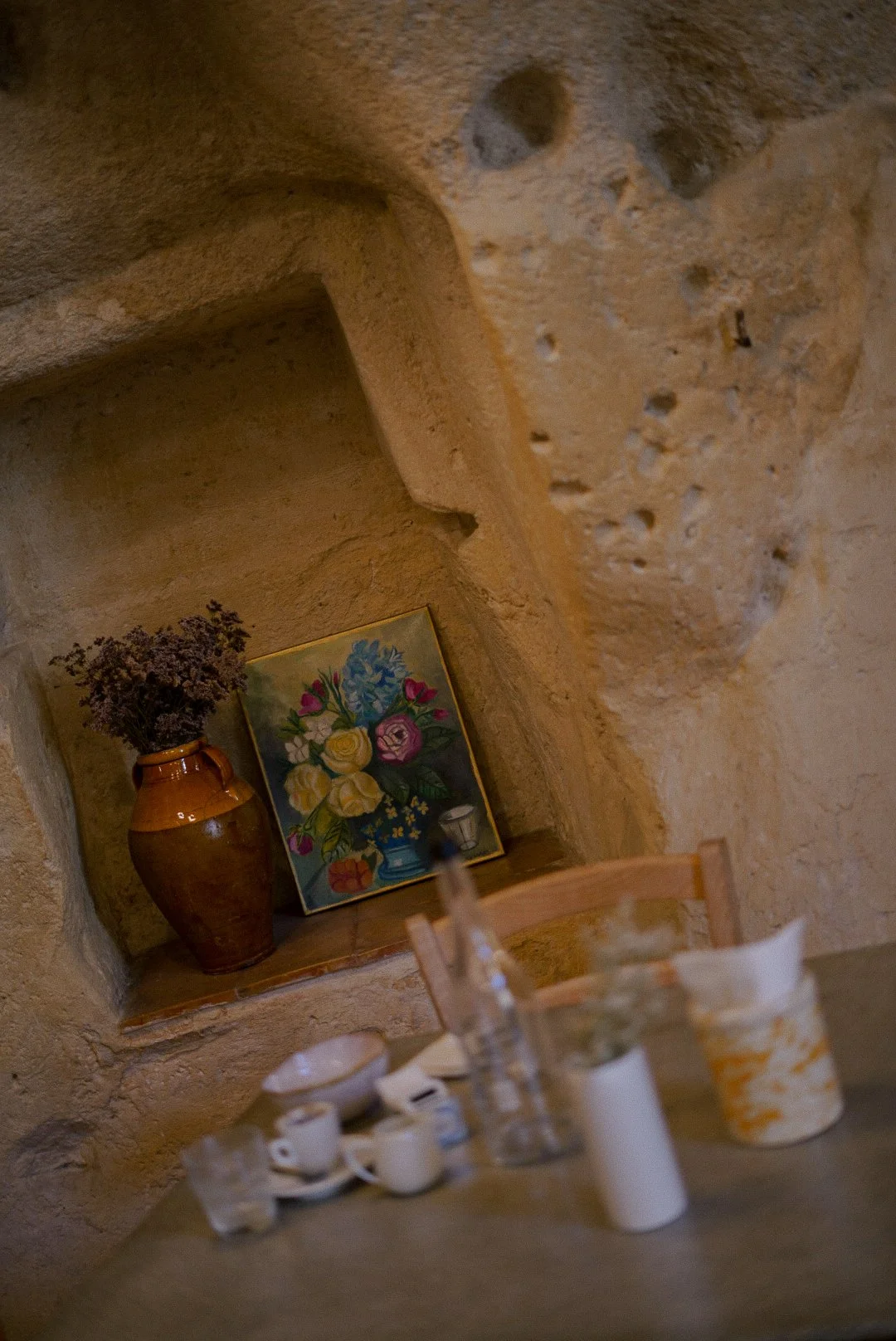
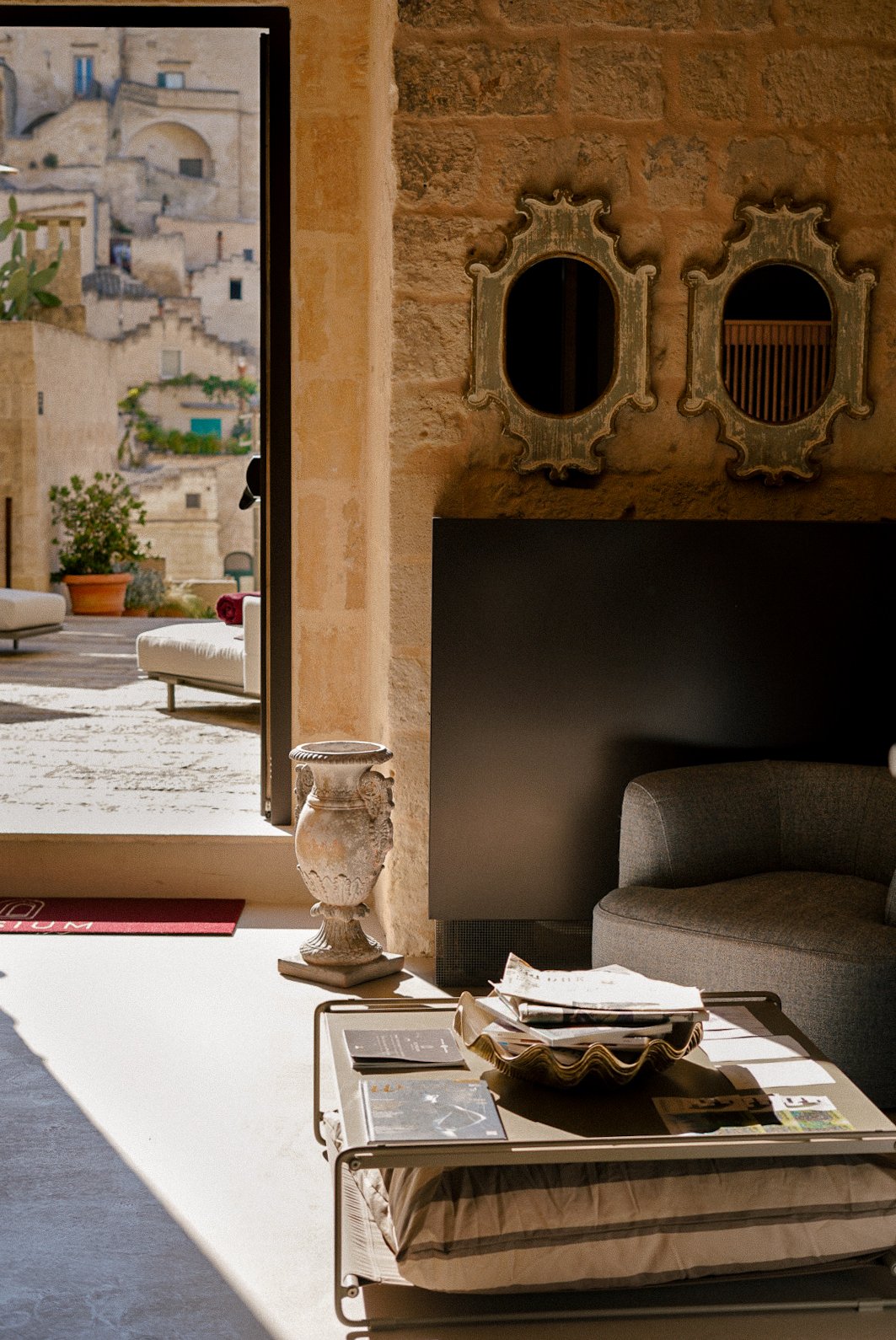
It was a small, almost insignificant gesture, but it changed the way I began to look at everything that followed. The surface was pale, irregular, warm beneath my hand; there were no decorative references added to make it feel authentically Materan because the material did not need to perform authenticity. It simply was. This was not stone brought into a hotel to recreate the atmosphere of the city. It was the city itself, carrying the marks of the people who had worked it, the centuries that had passed over it and the lives that had once unfolded around it. I got the feeling that this is the first thing Matera asks of you, to stop looking at the surface.
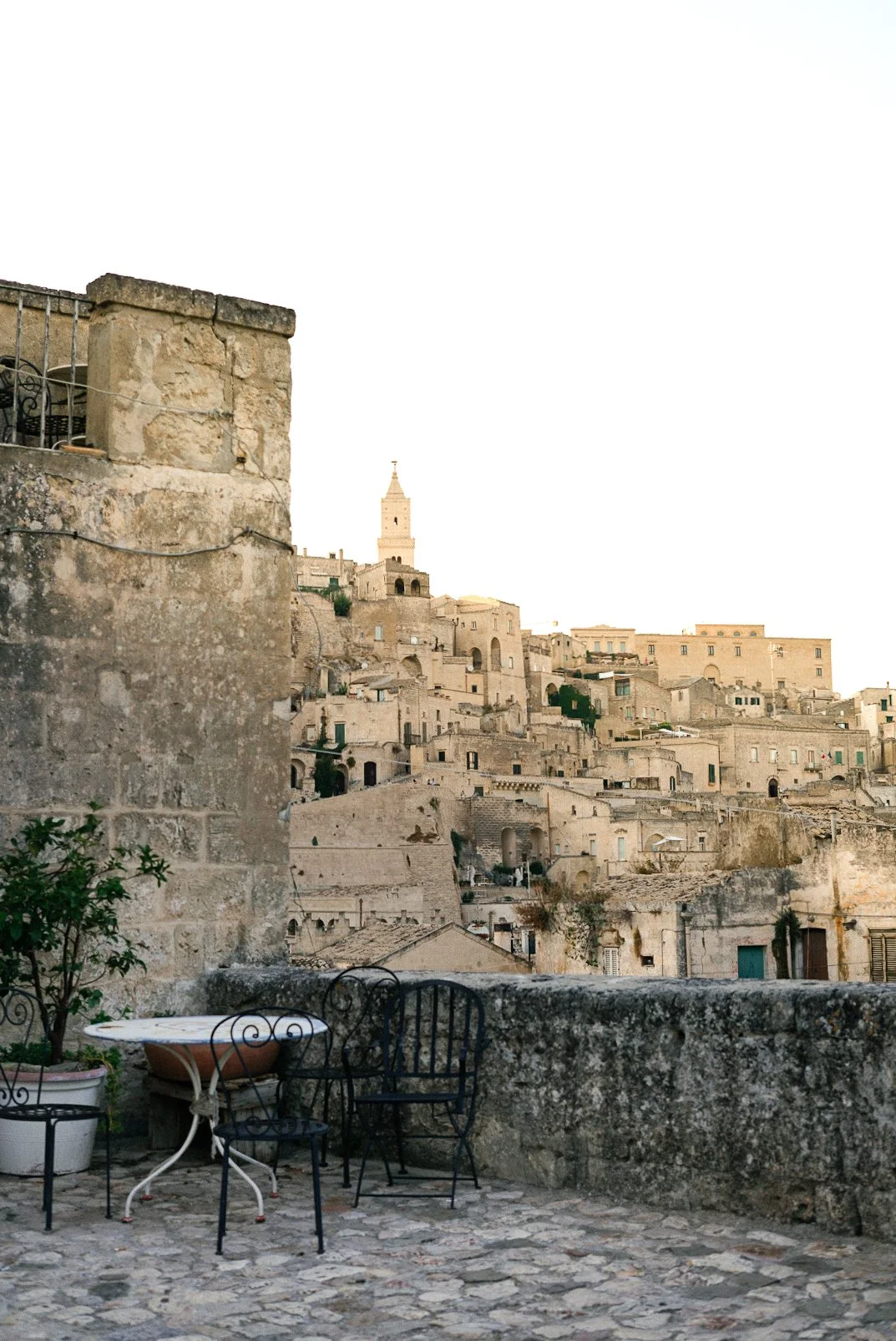
The city is often described through the expression architettura in negativo, and the more I understood what that meant, the more appropriate it seemed not only to the place but also to the journey I was beginning. Most architecture is an act of addition. A wall is built, a room is created, a façade rises. Matera developed through the opposite gesture: by taking away. Its houses, churches, workshops and subterranean spaces were excavated from the calcarenite of the Murgia, so that the distinction between what is natural and what is made by human hands becomes almost impossible to establish. Here, architecture does not sit upon the landscape. It is hidden inside it.
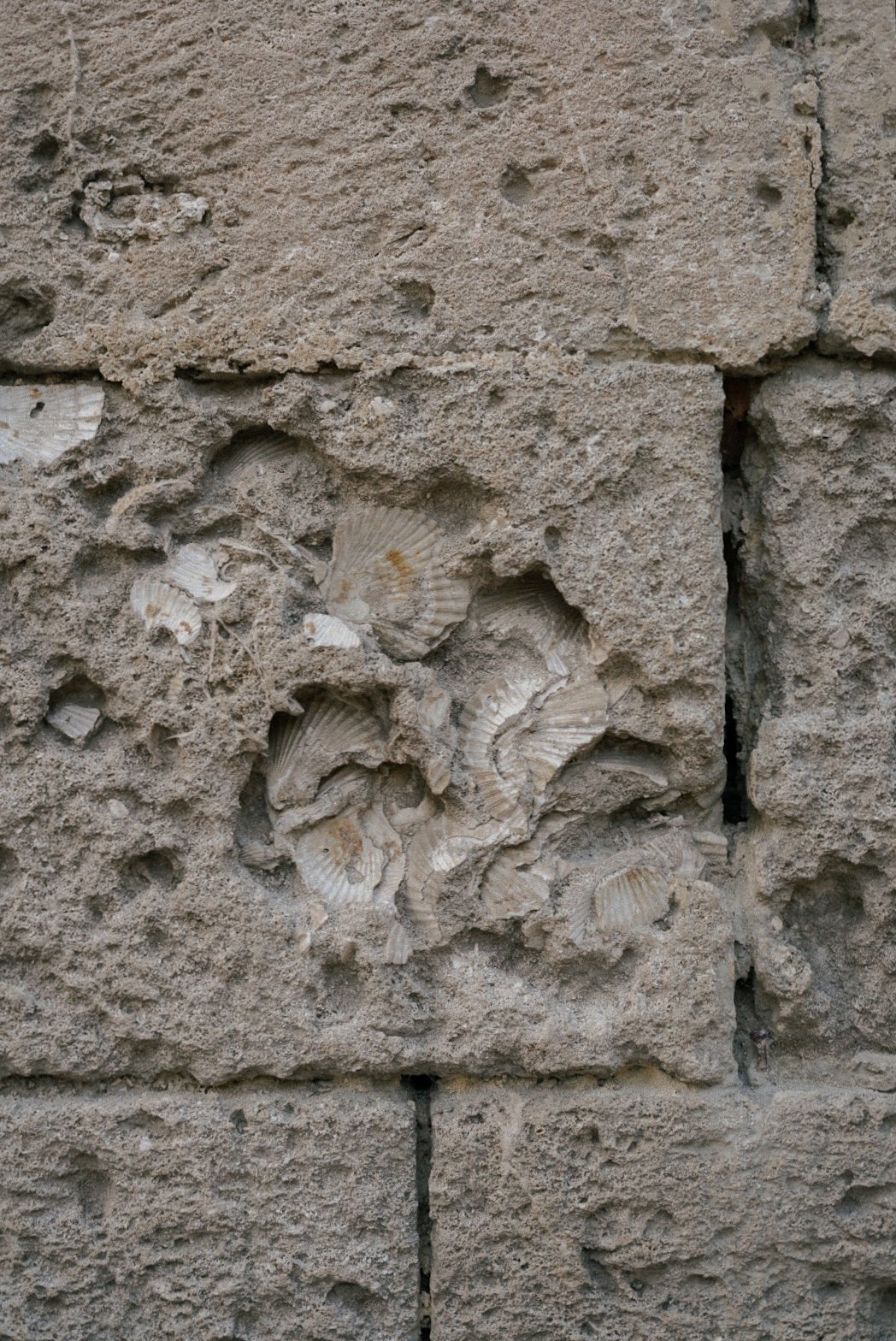
Even the stone carries a memory older than Matera itself. The calcarenite was formed from marine sediments millions of years ago, and traces of that ancient sea remain in the fossils embedded within the rock. Its porous structure later became part of the city's ingenious relationship with water: rain could be collected and channelled into underground cisterns - the biggest of all the Palombaro Lungo, right underneath the main square - transforming the same material that provided shelter into part of the infrastructure that made survival possible.
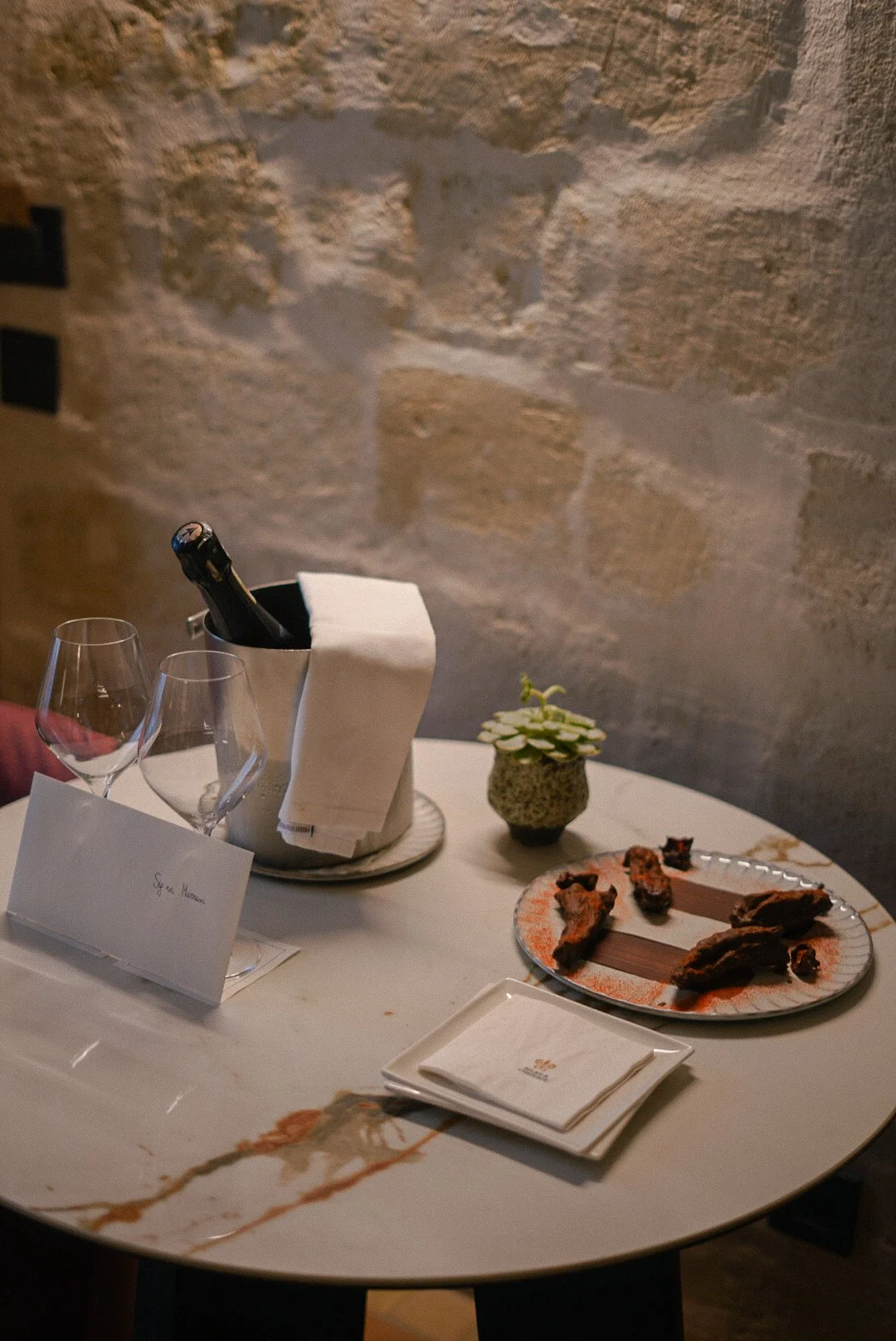
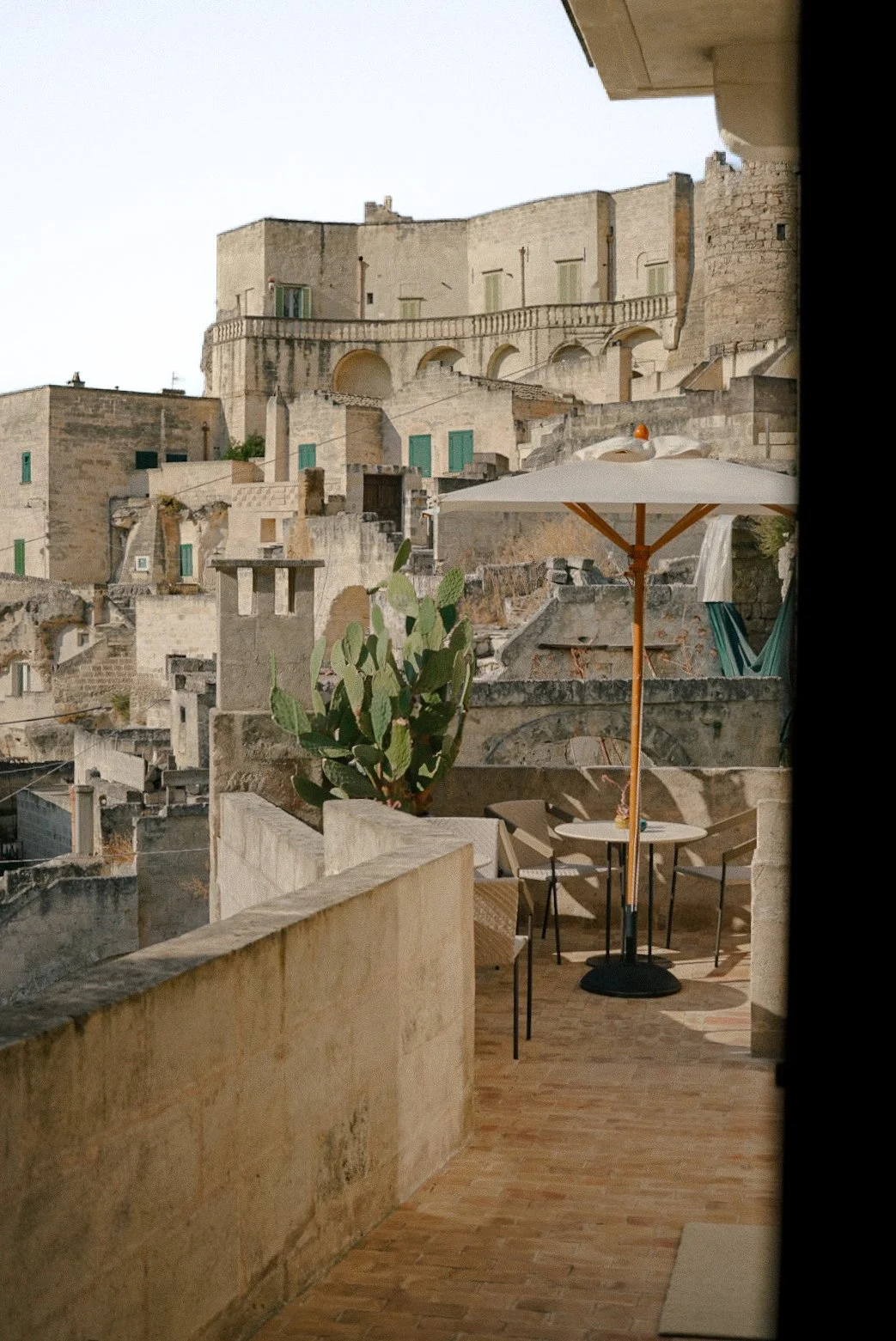
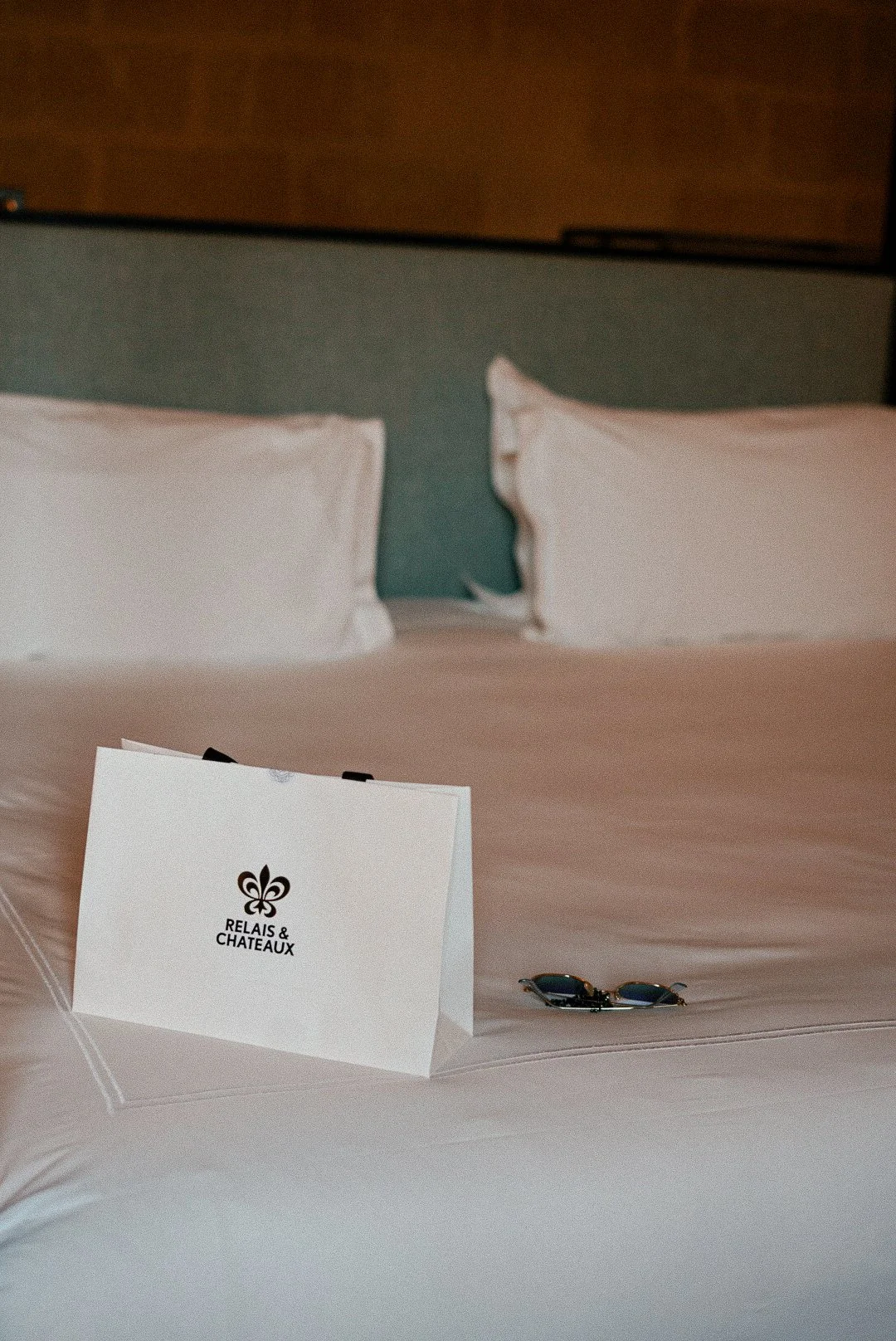
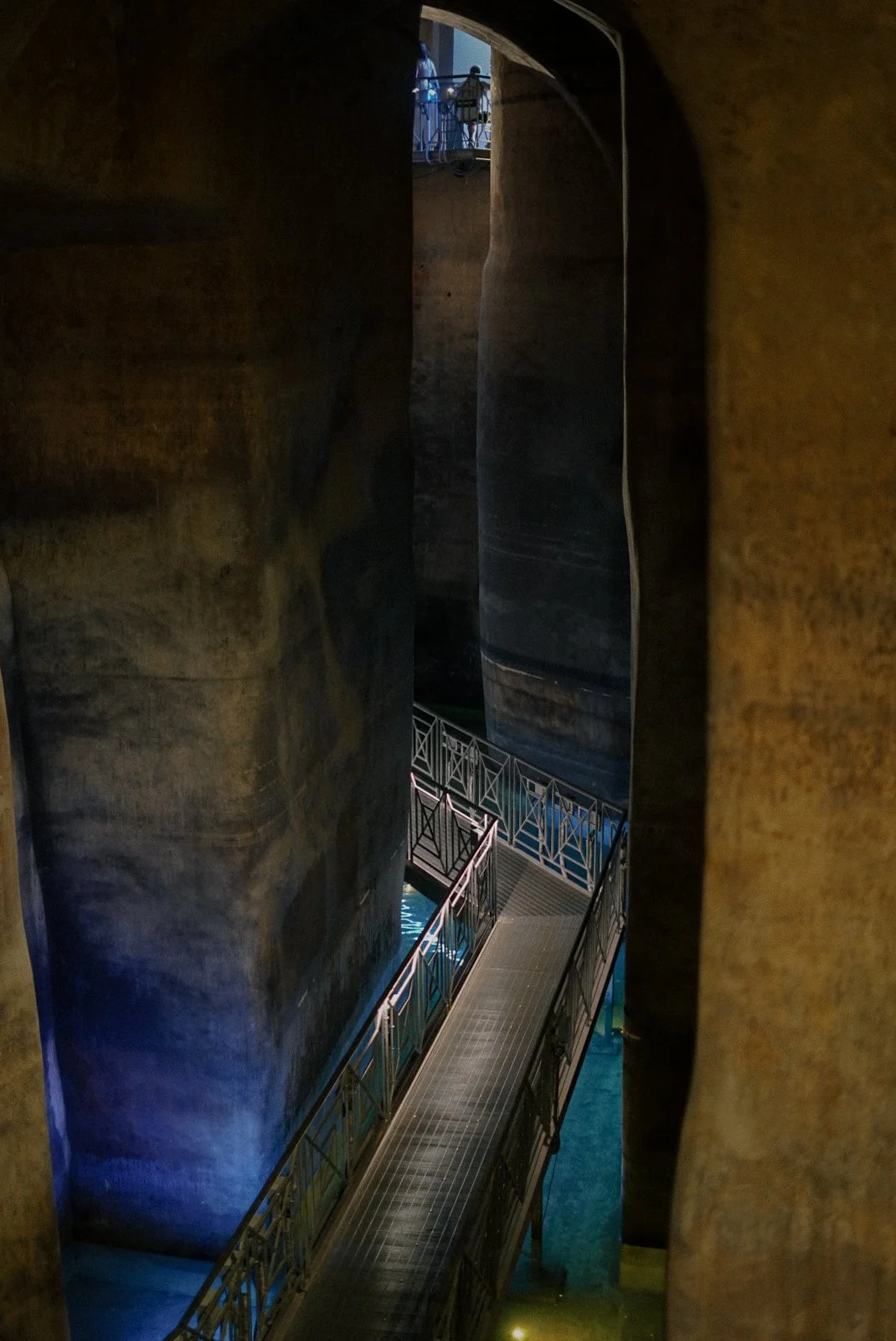
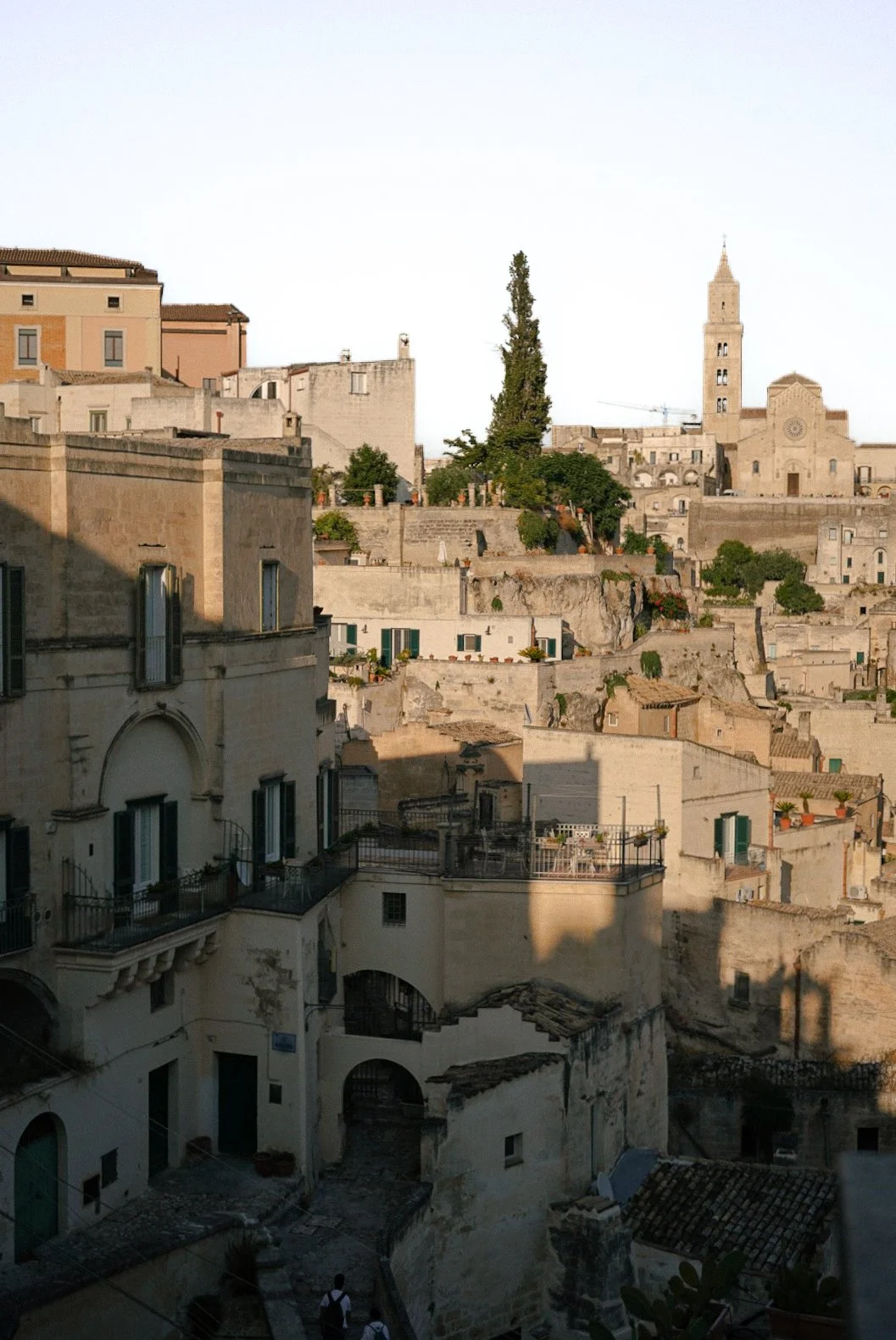
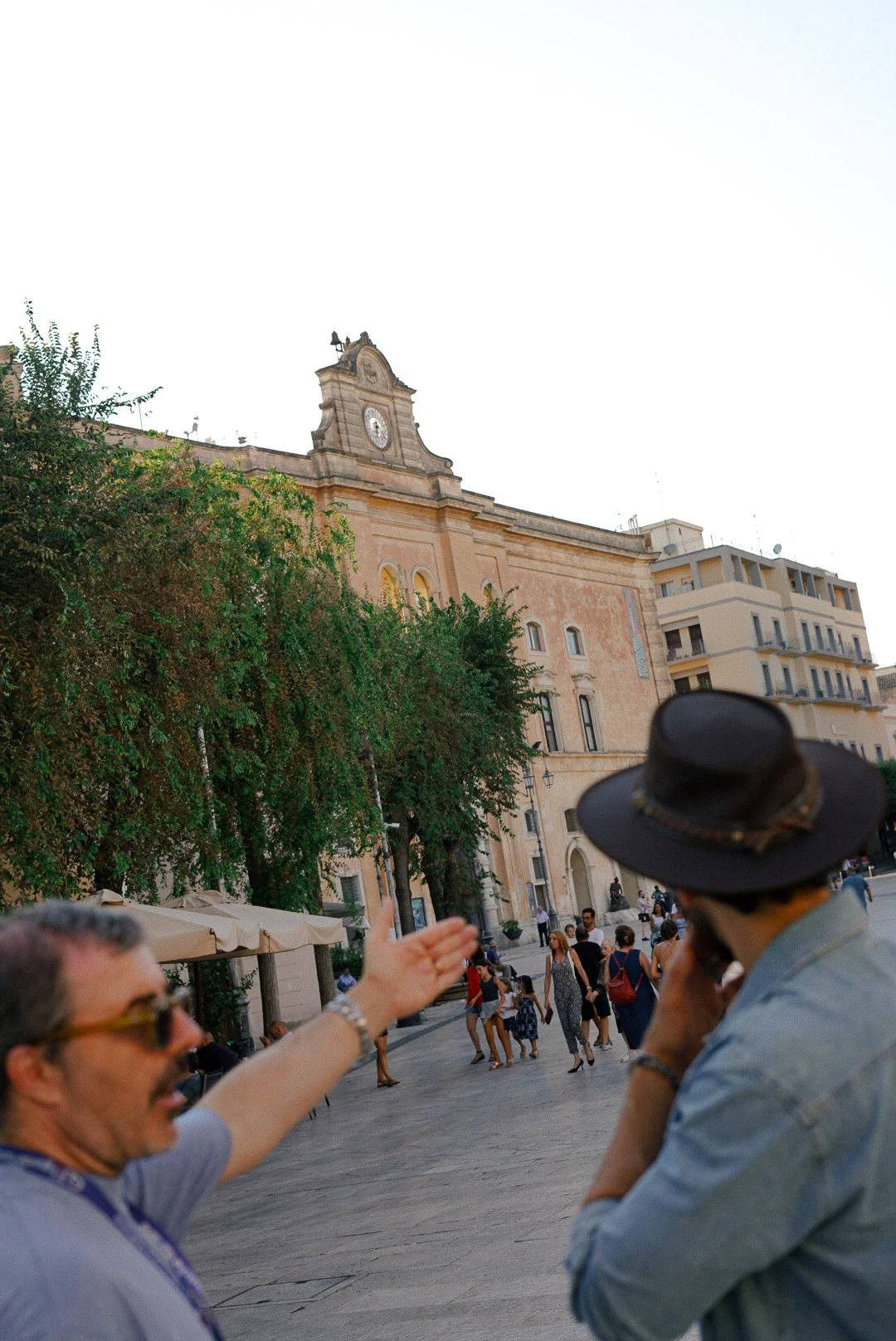
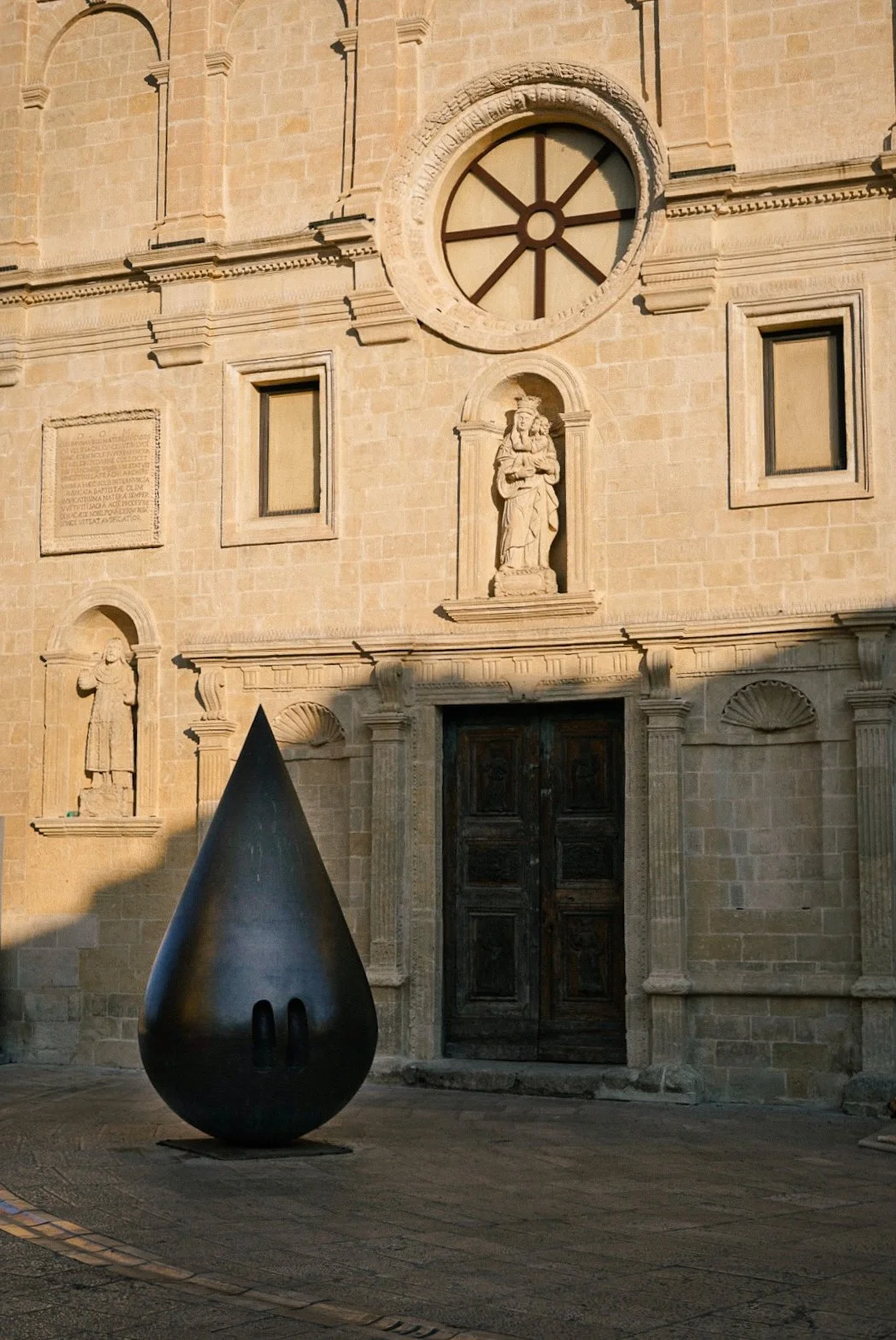
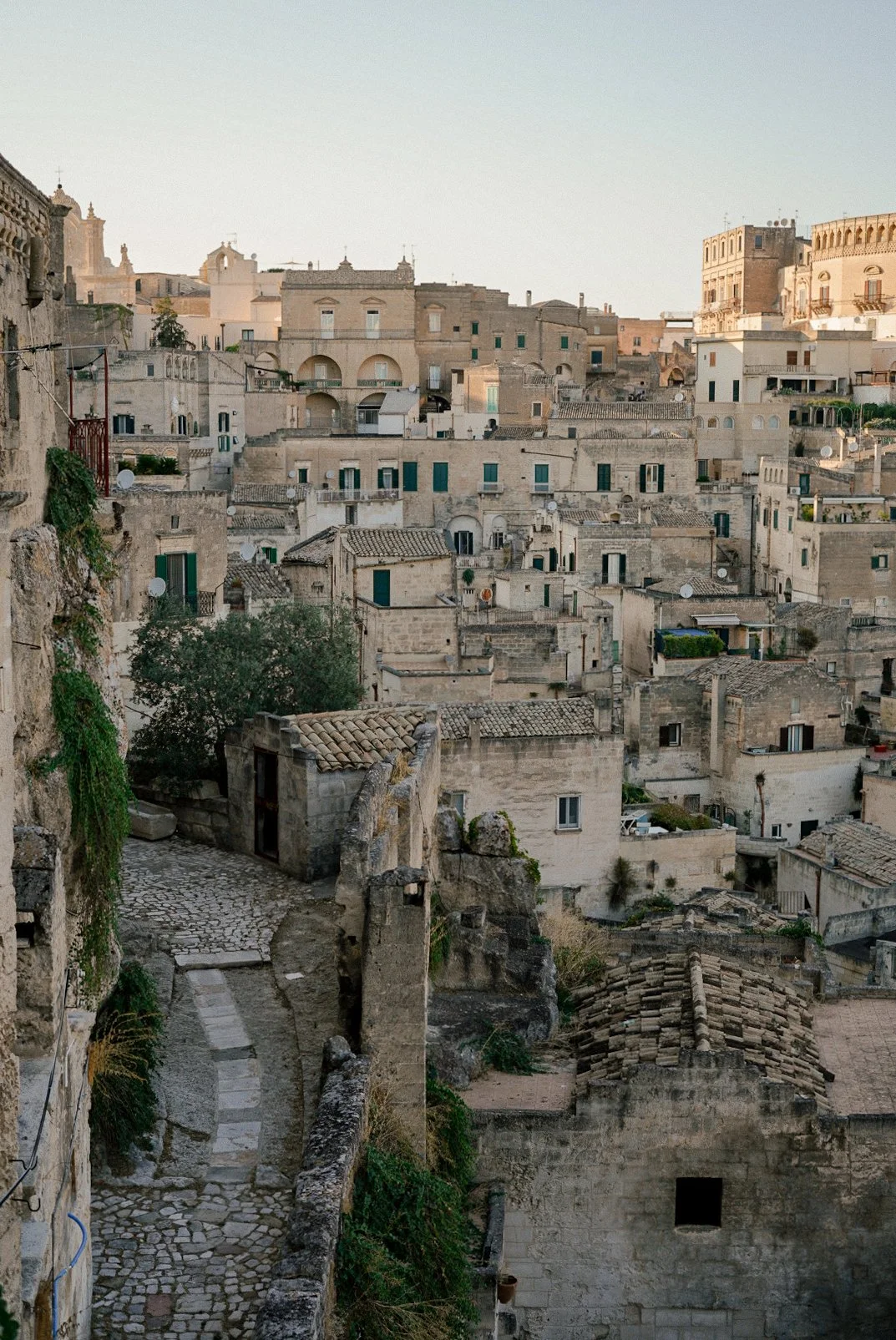
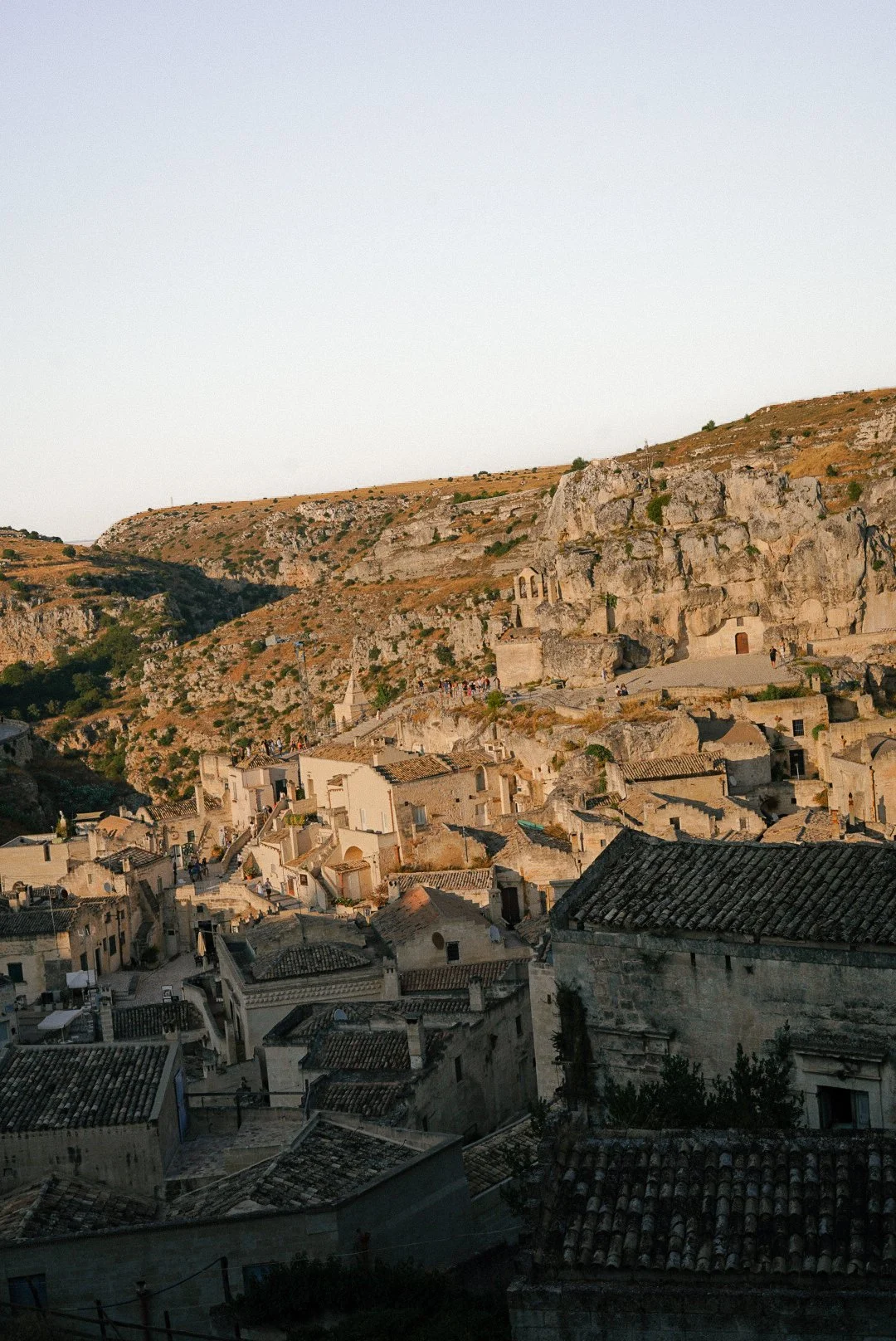
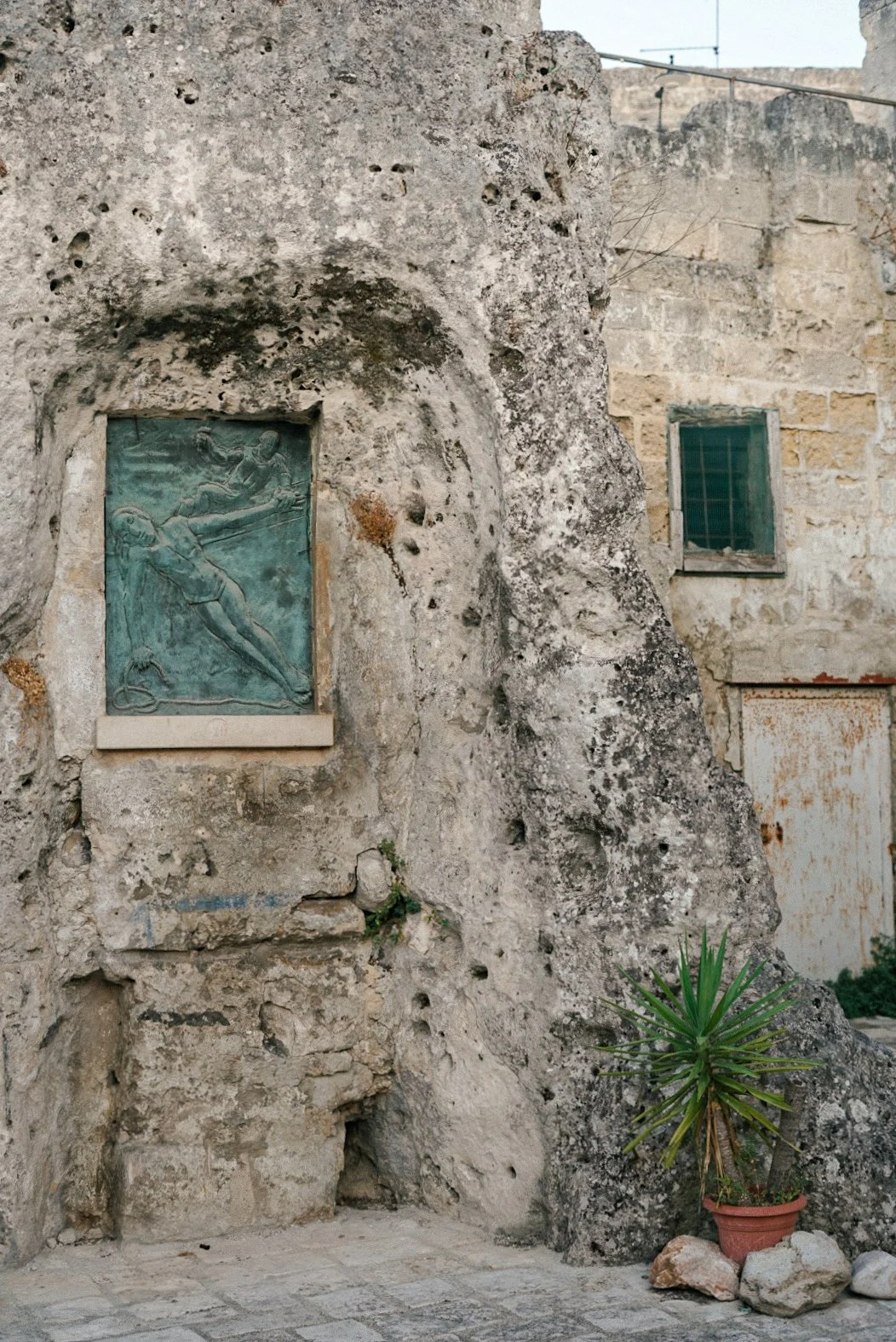
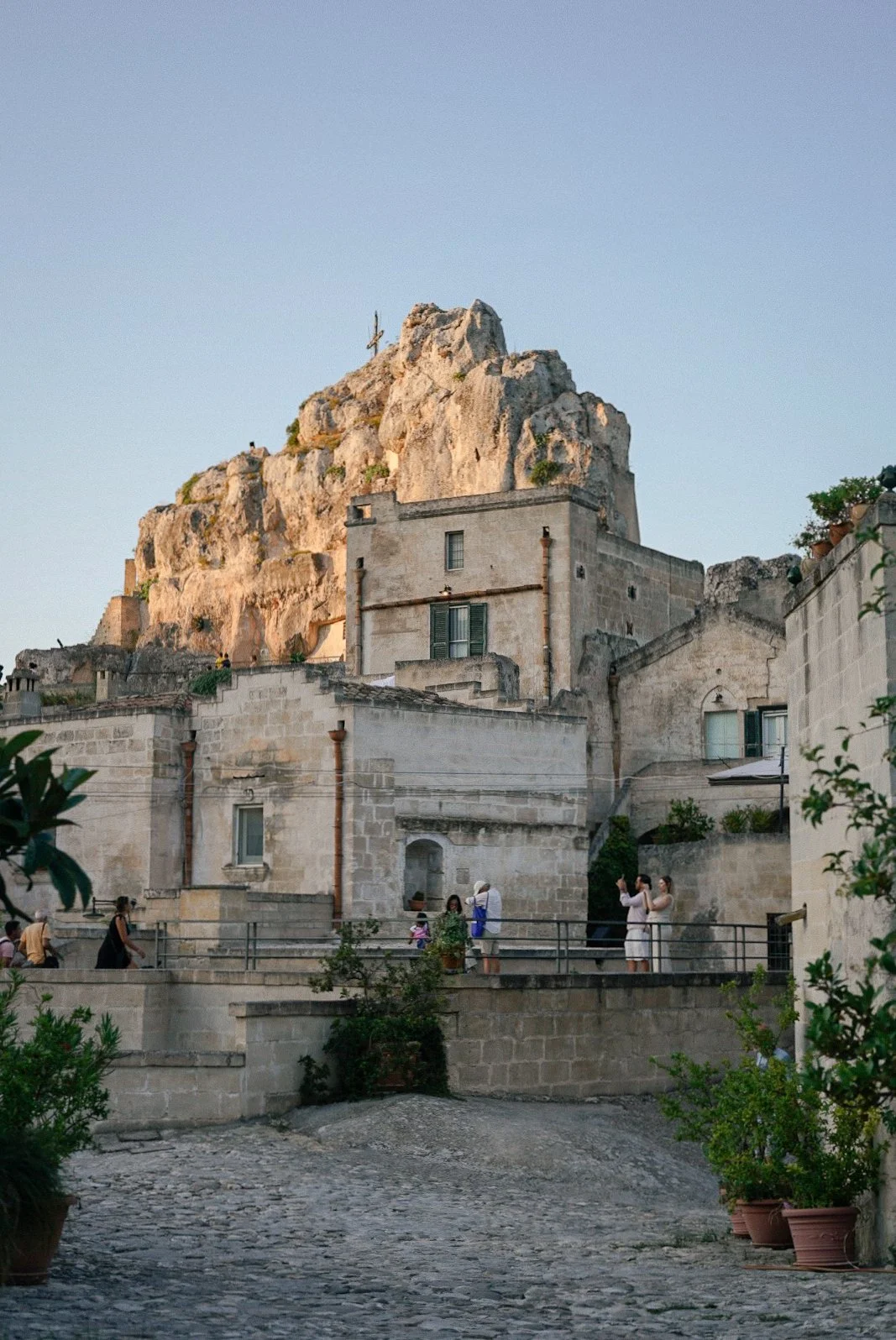
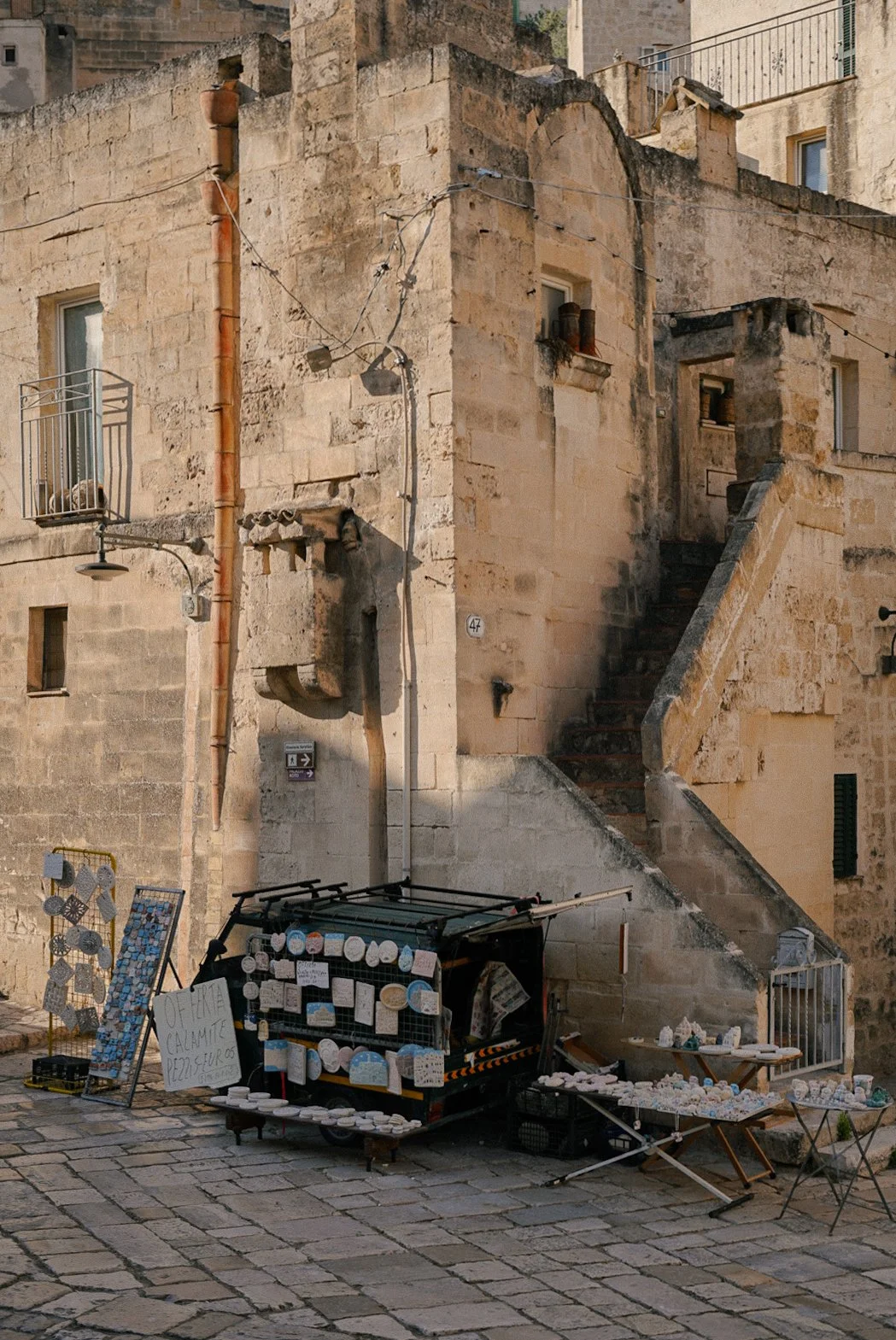
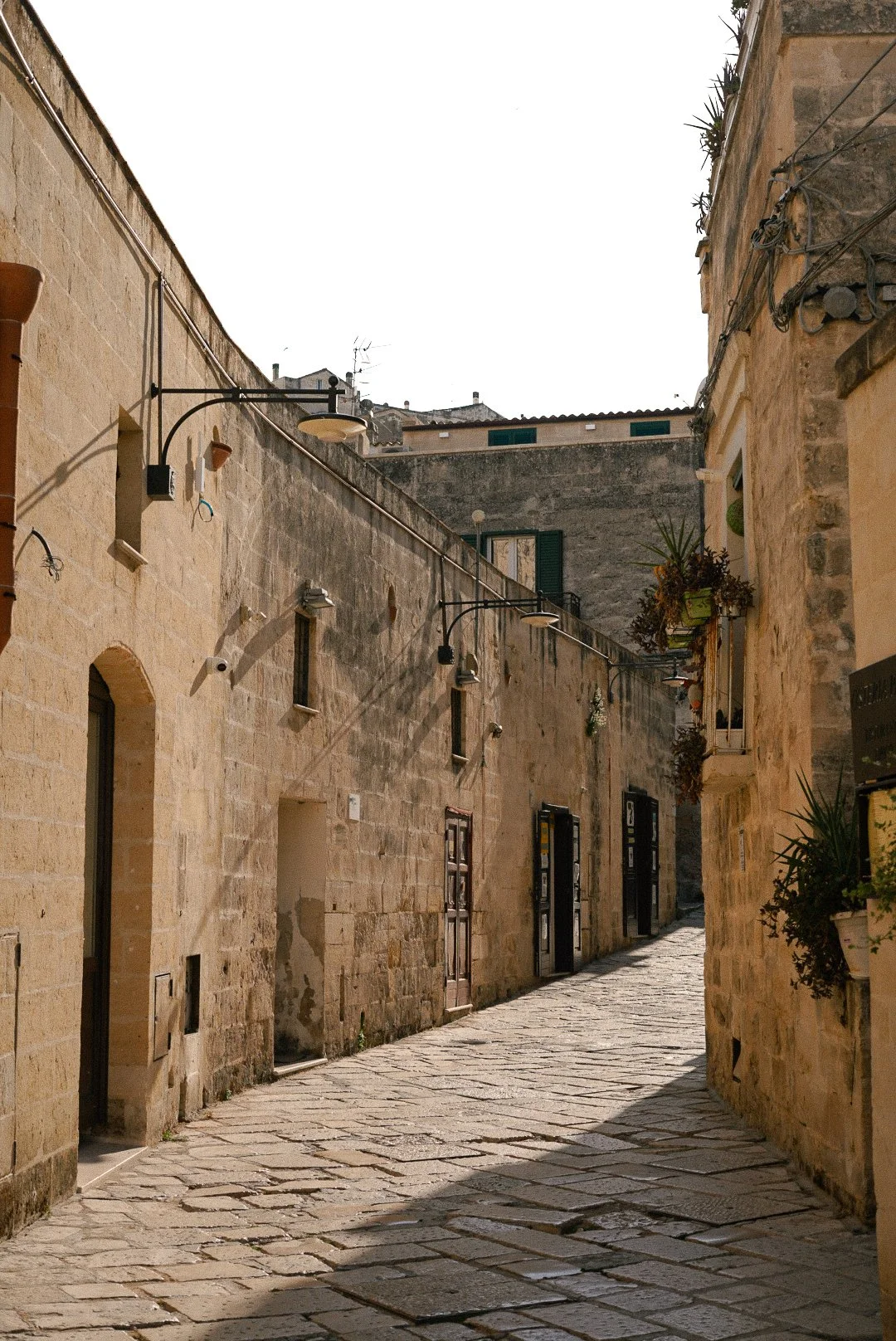
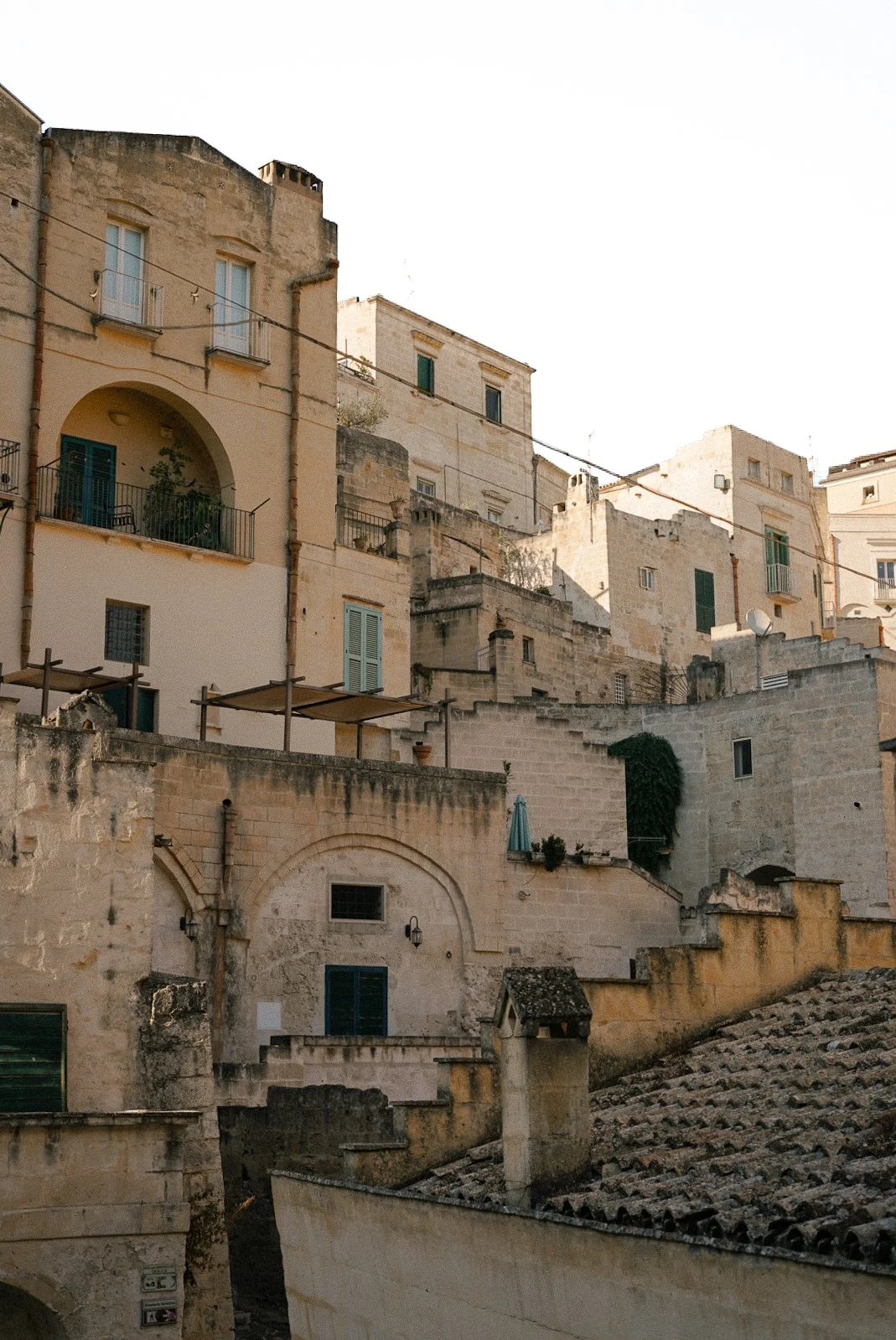
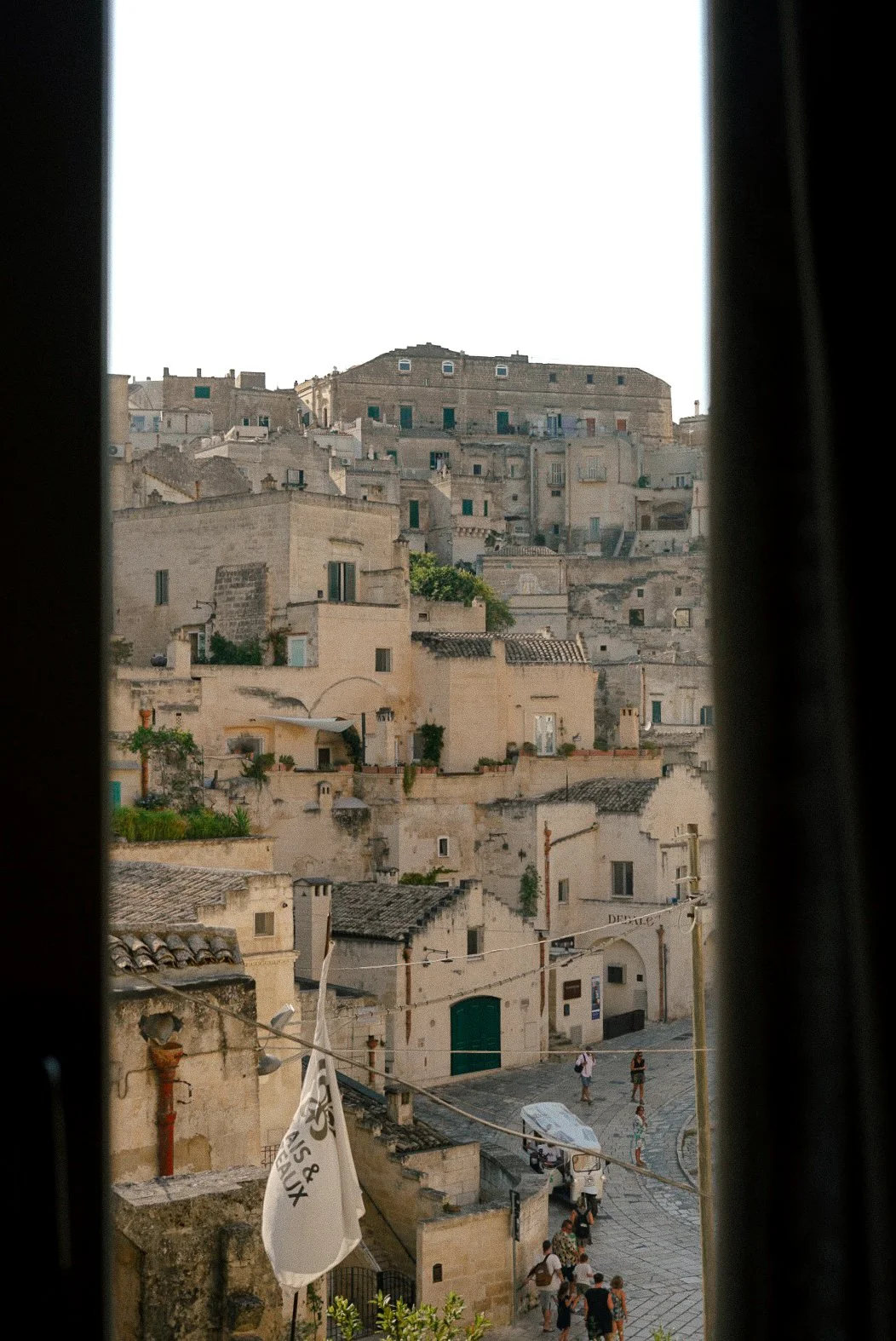
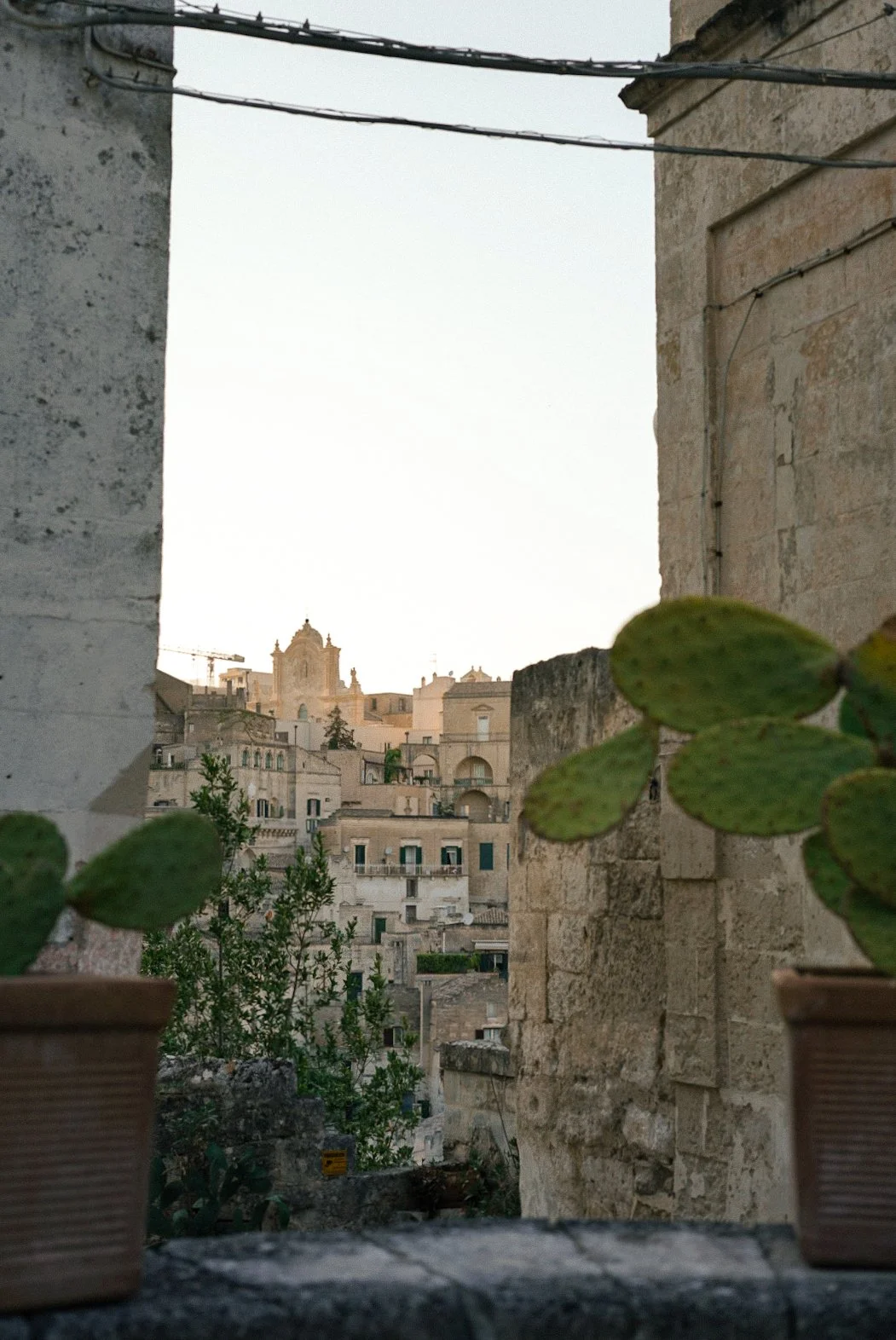
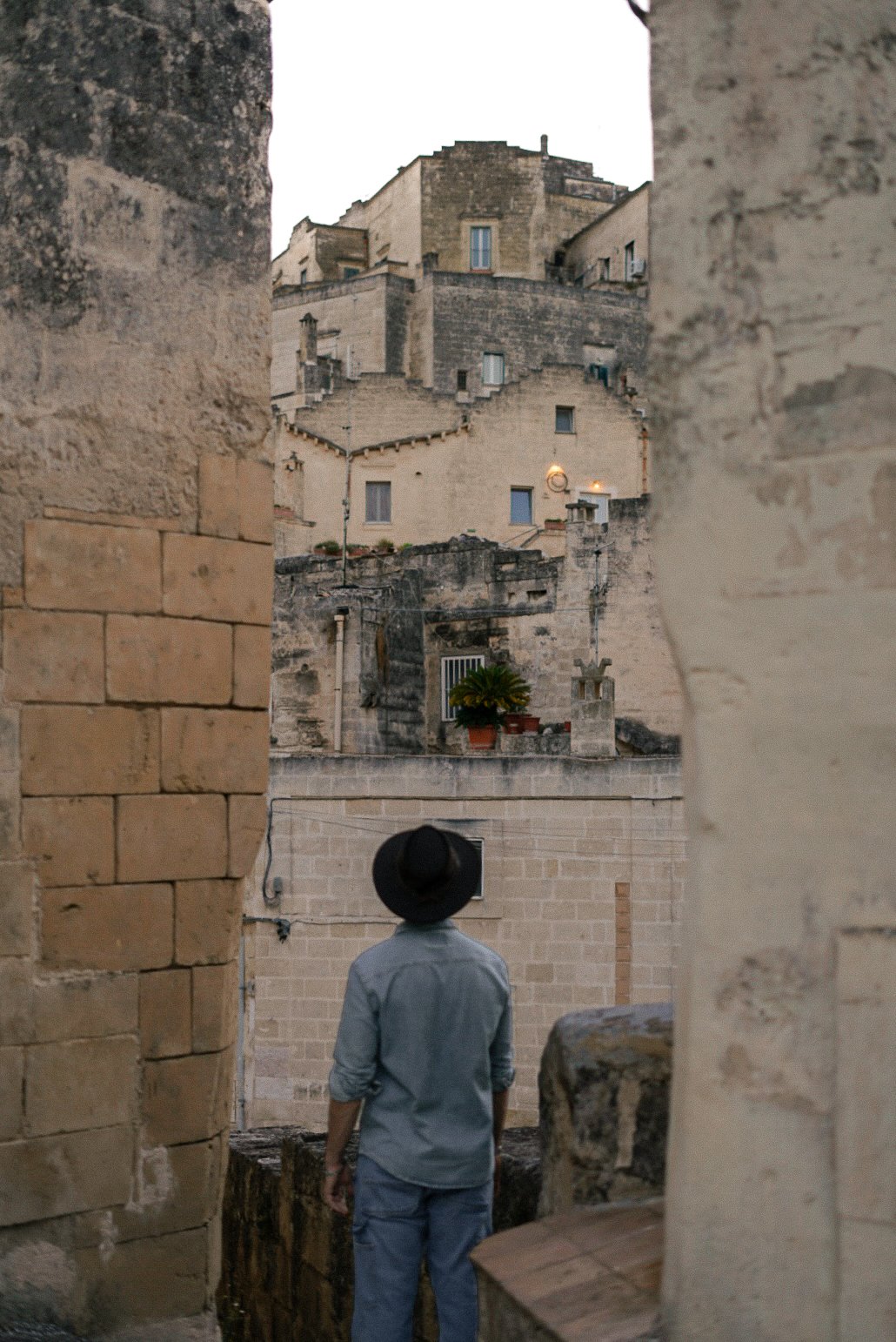
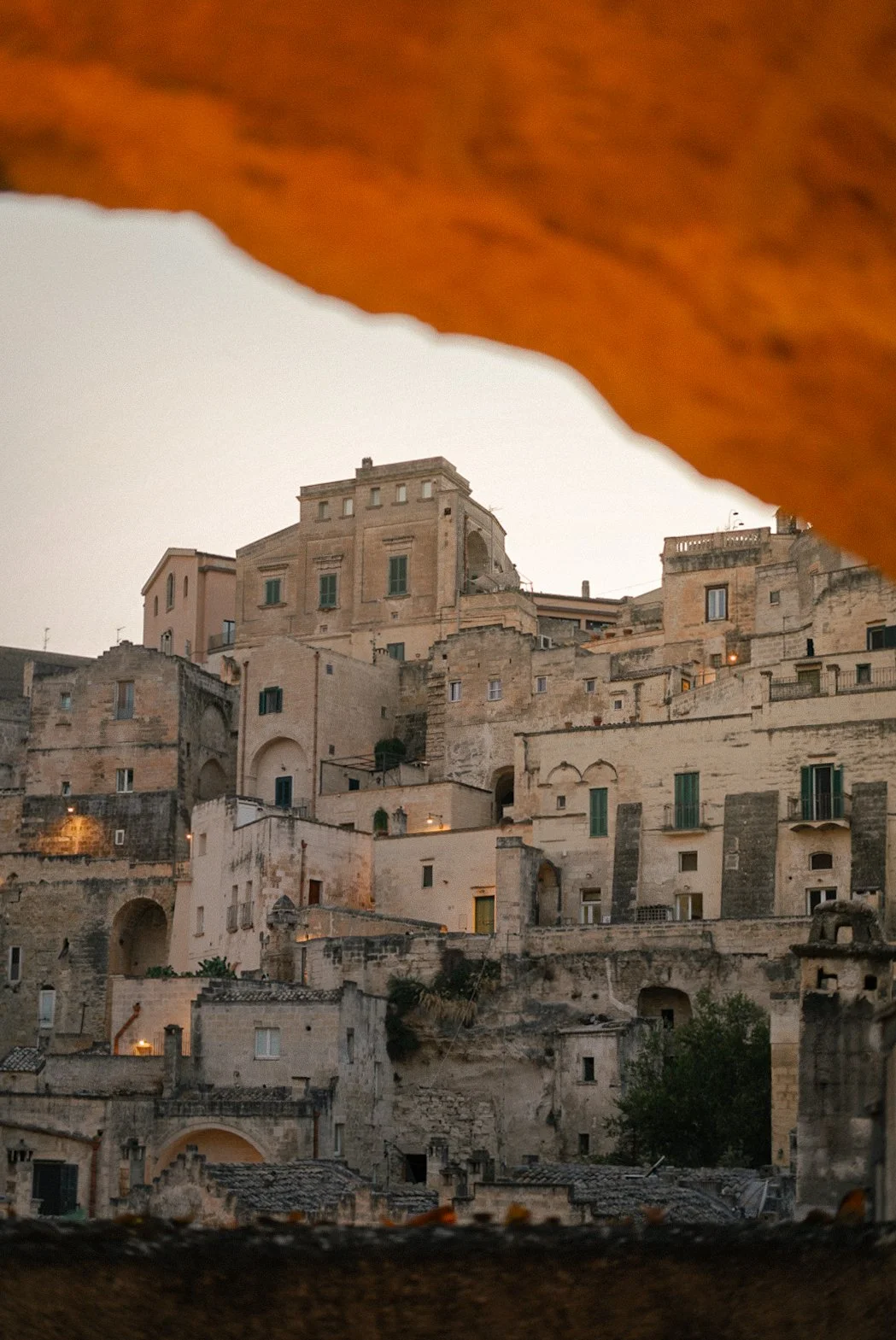
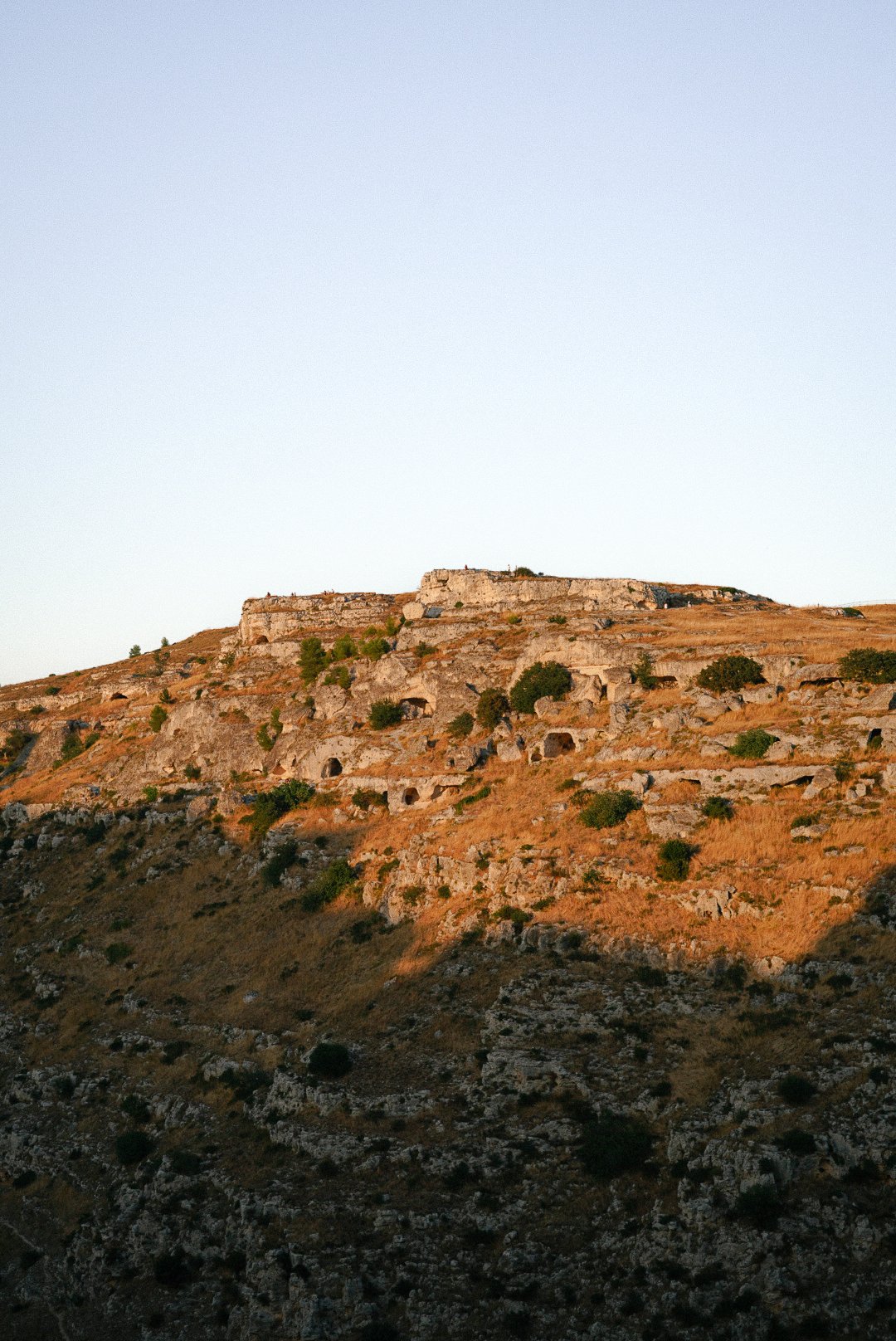
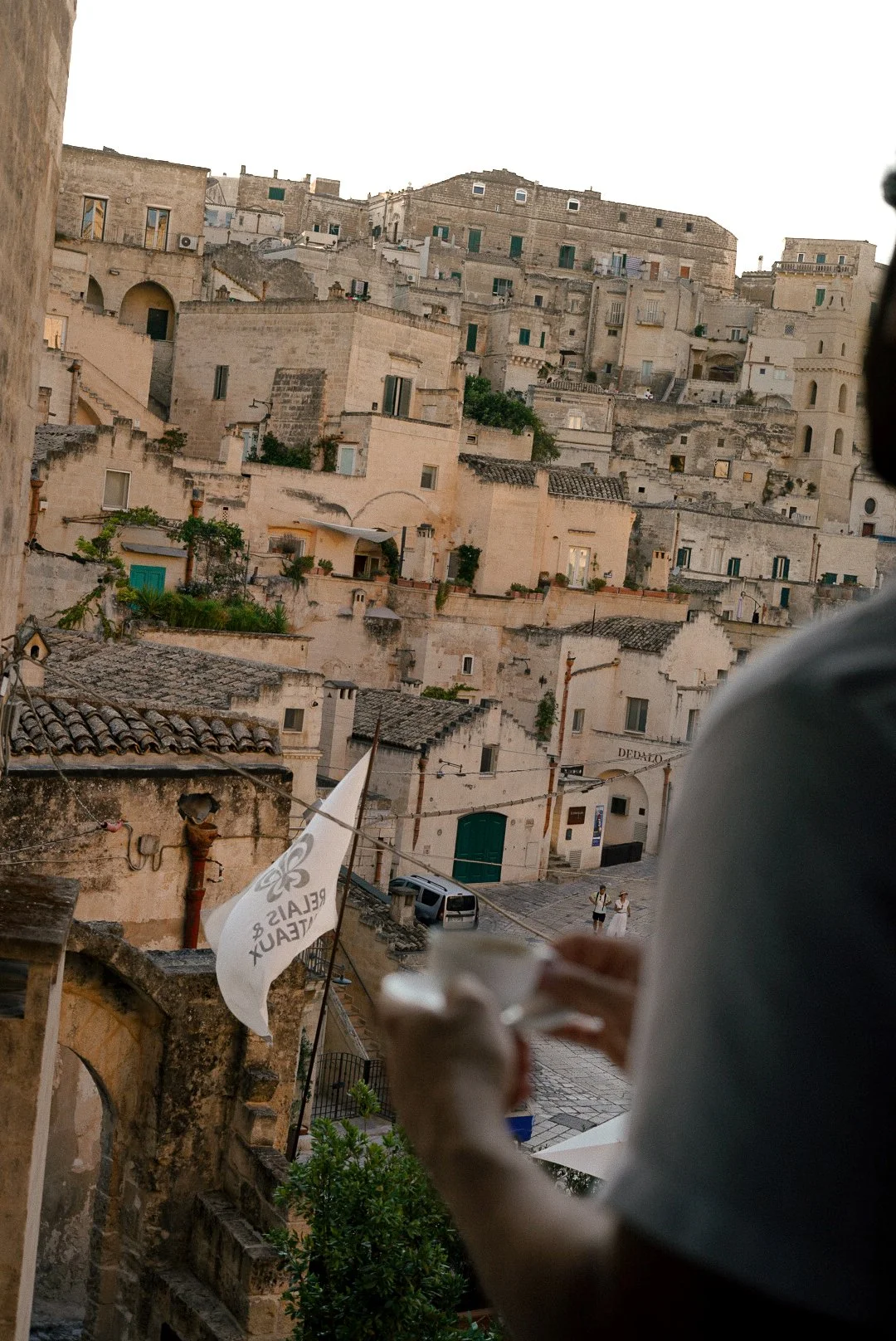
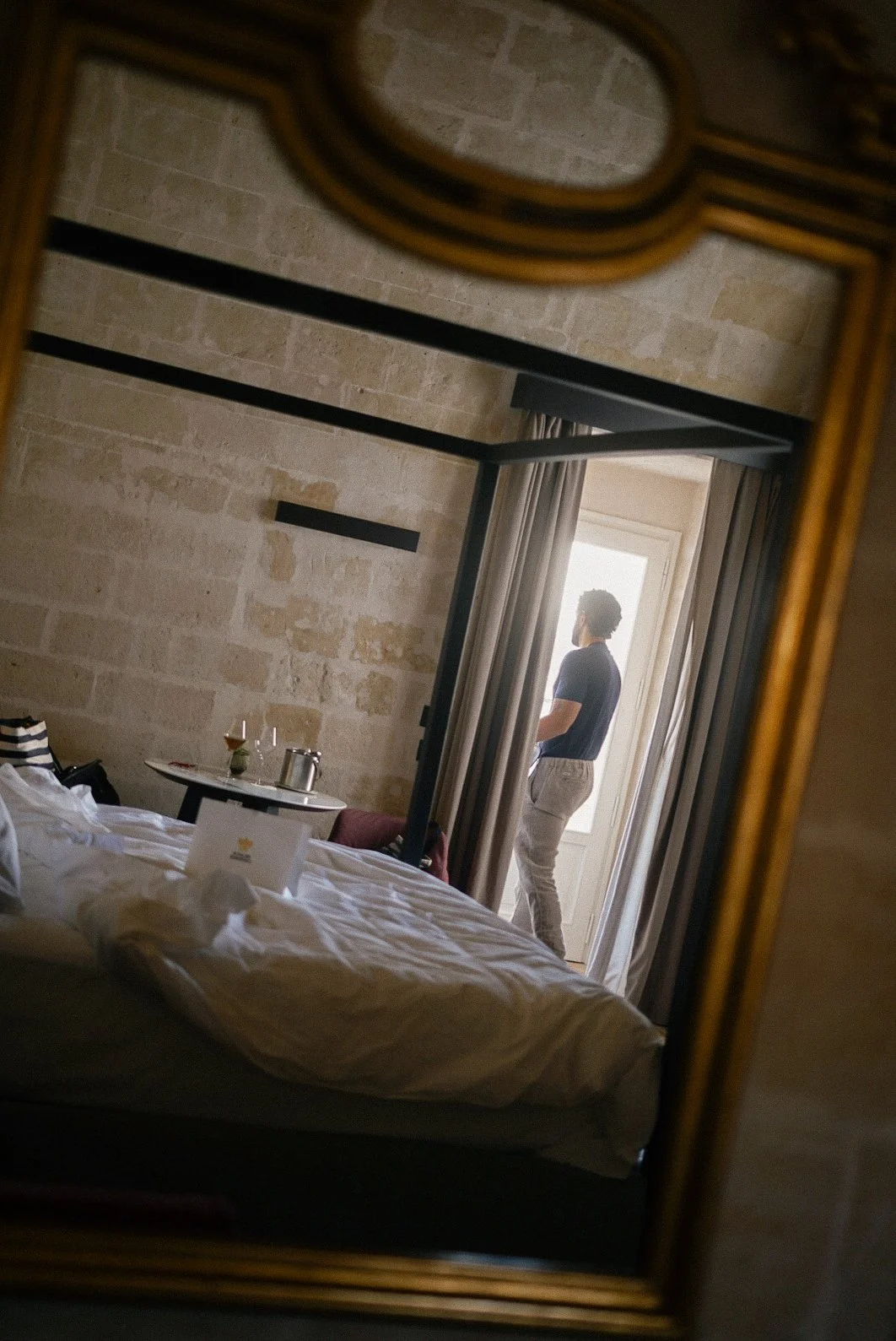
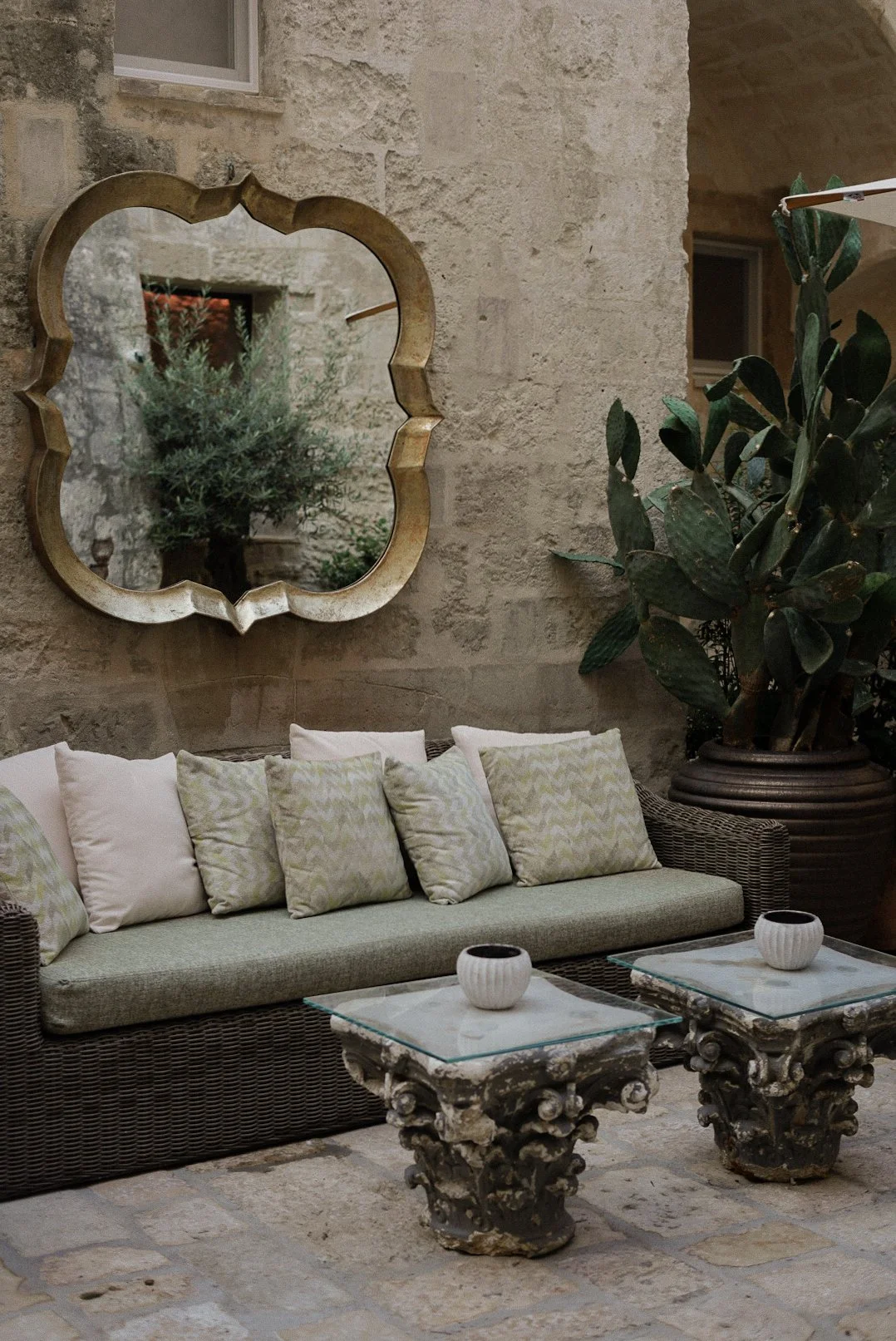
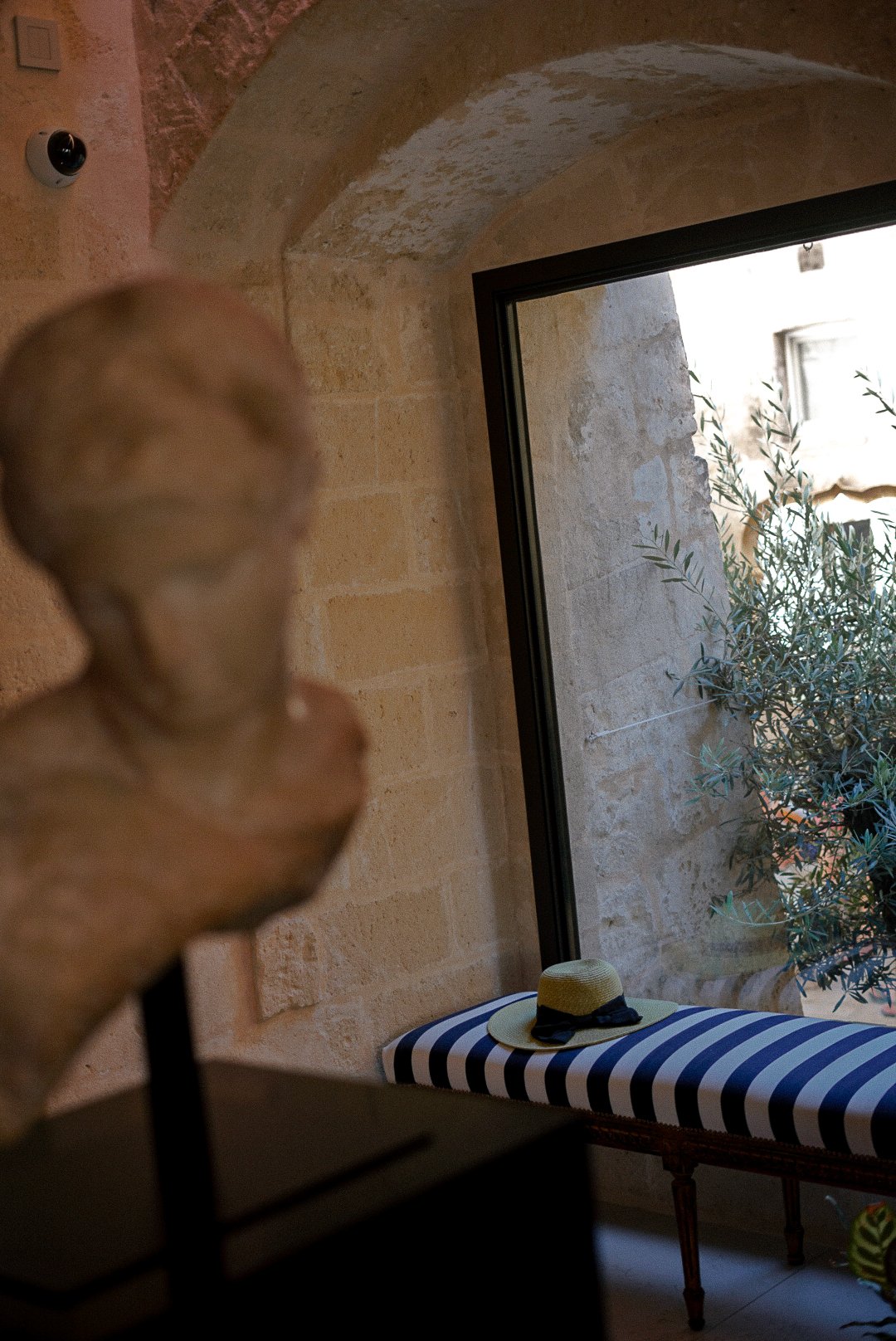
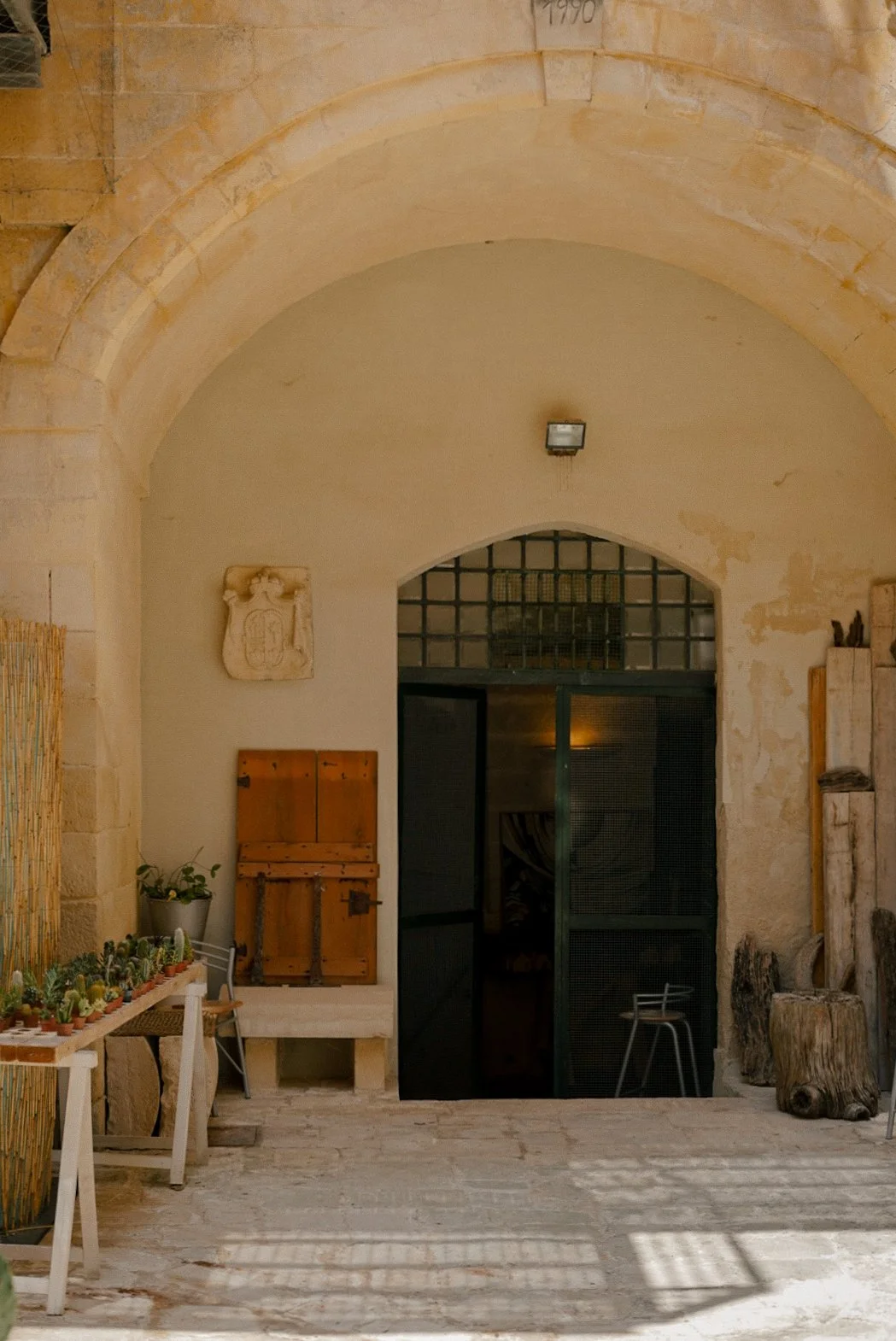
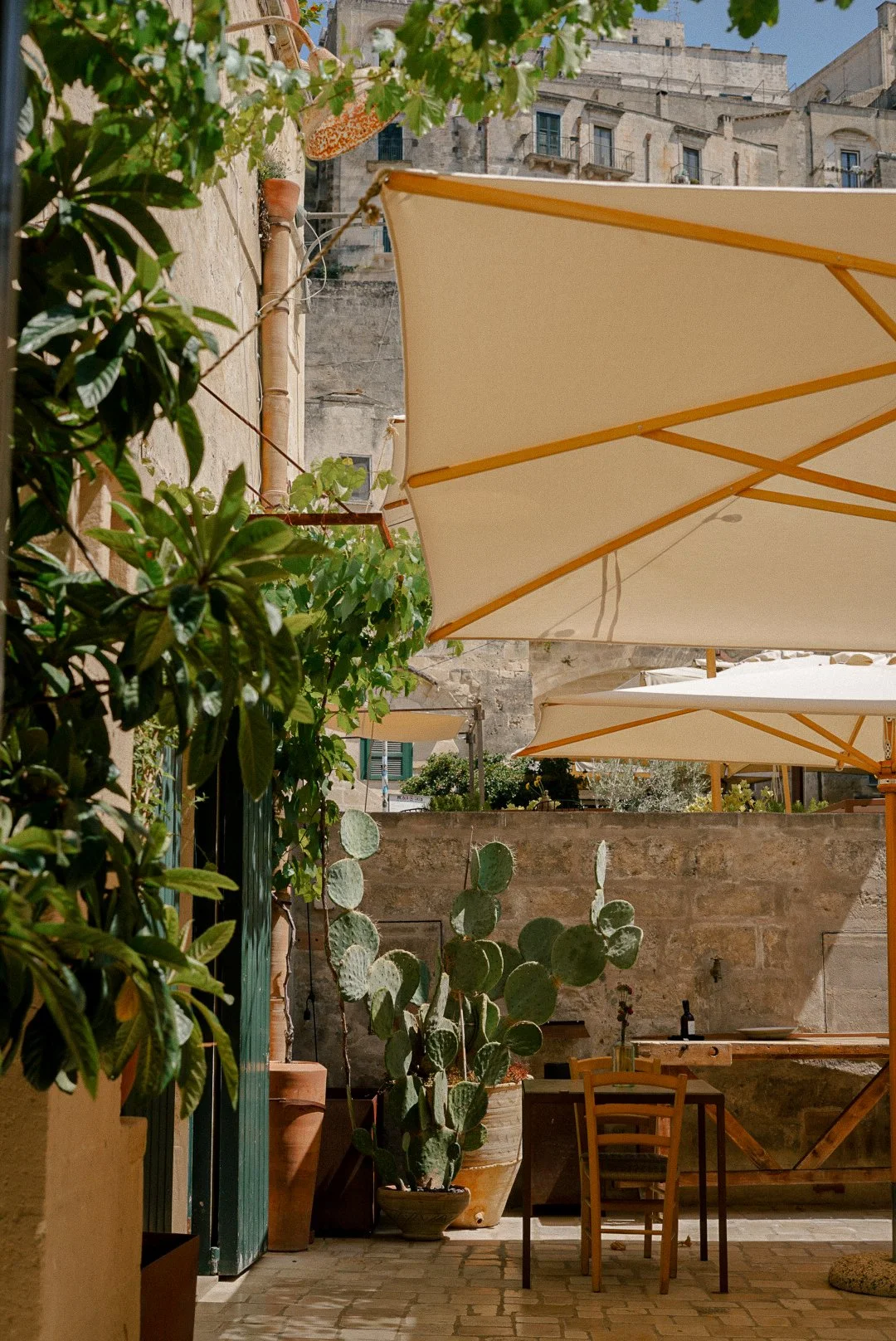
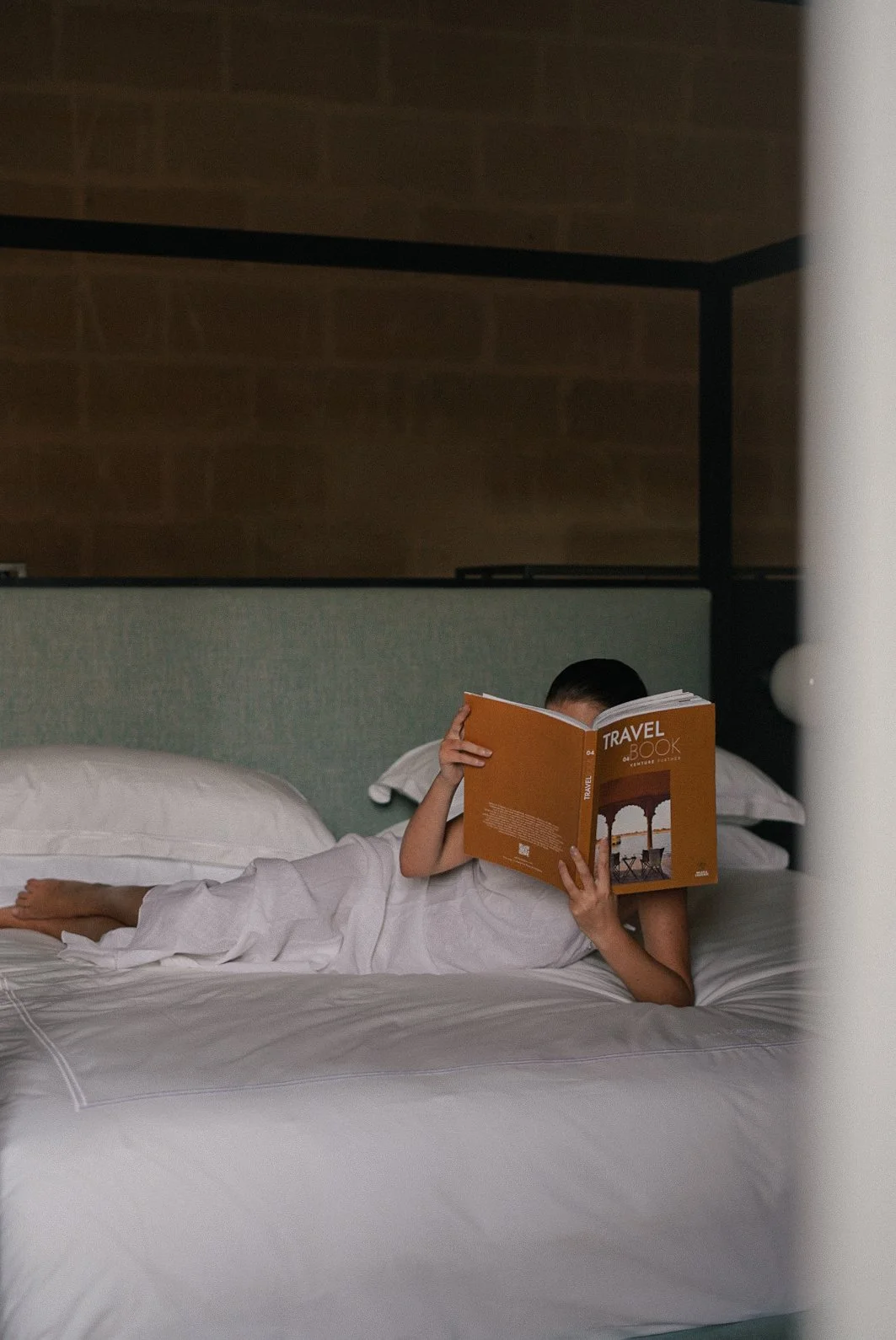
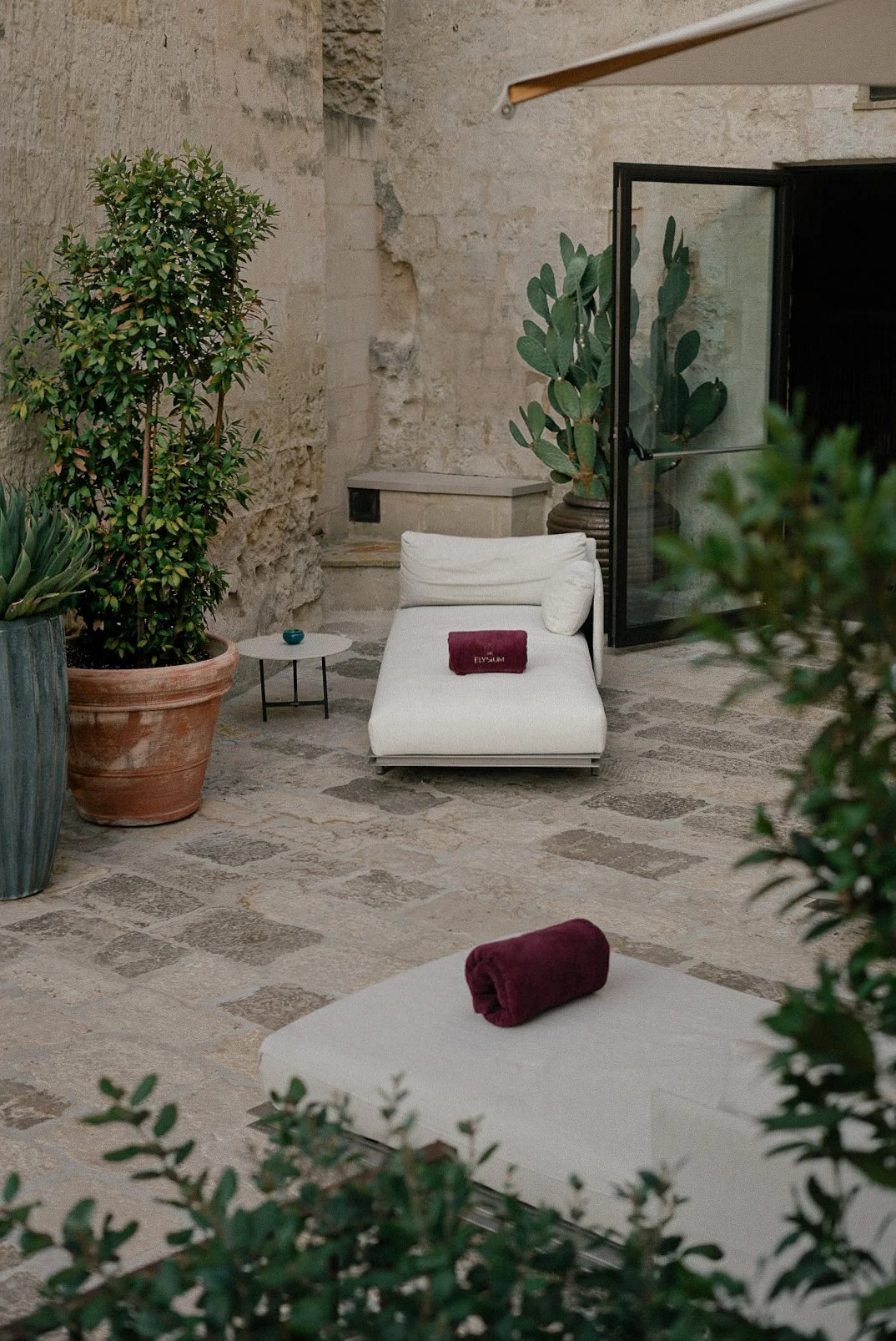
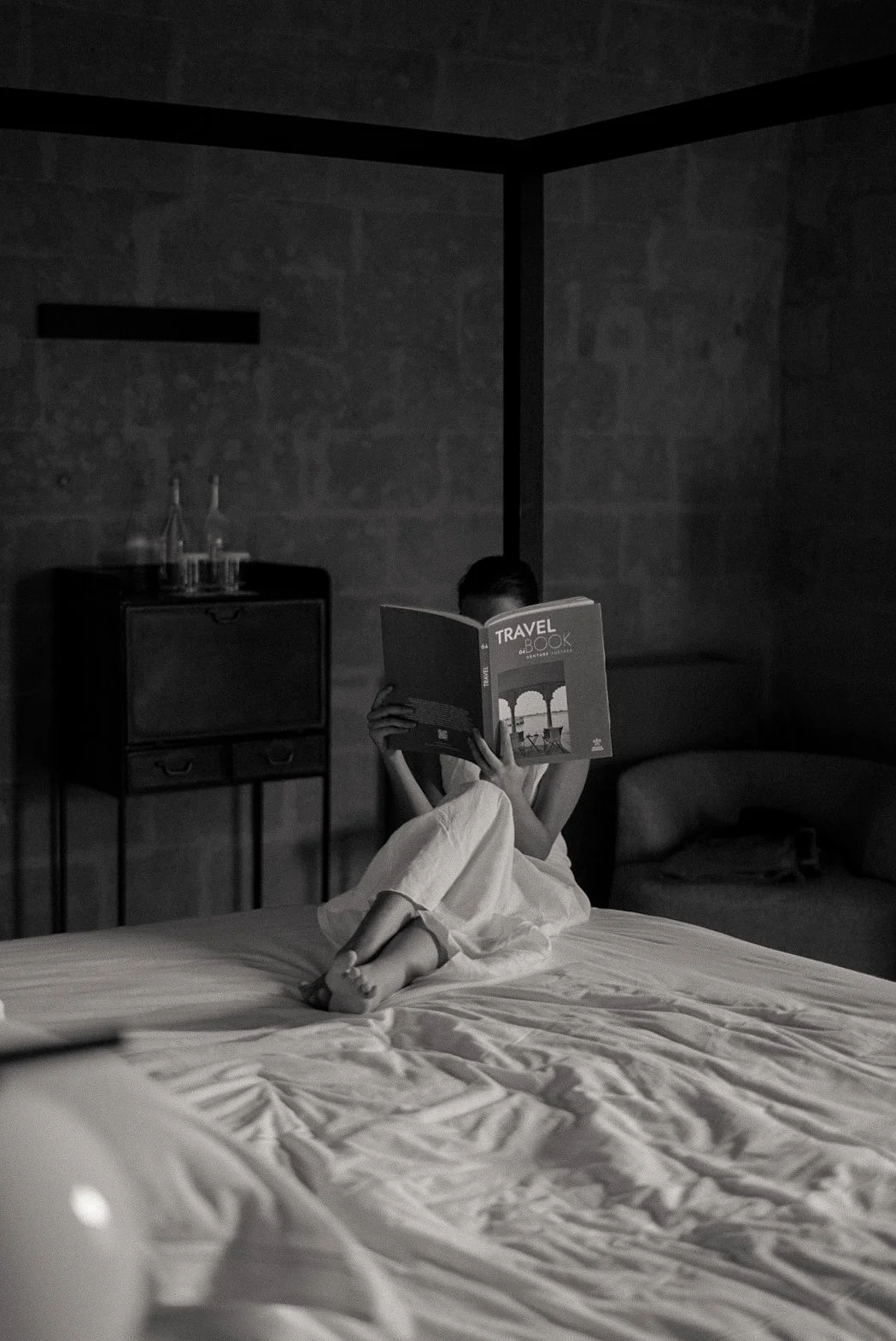
Stone was never merely scenery here. It was roof, wall, reservoir, workshop, home, allowing Vetera to feel so convincing. The hotel does not attempt to explain Matera through decoration because it has something much more valuable: proximity. Occupying the historic Rione Vetera, its rooms, suites and shared spaces unfold through the existing architecture of the Sassi, creating an experience in which staying at the hotel and moving through the city often become almost indistinguishable. You cross a stone passage and find yourself in a bedroom; you follow a vaulted corridor and arrive at a courtyard; you move towards the light and suddenly the landscape opens in front of you.
The contemporary interiors are remarkably restrained. Natural materials, soft lighting and carefully considered furnishings do not compete with the architecture, and the original irregularities are allowed to remain visible. There is a sophistication in knowing when not to intervene, particularly at a time when luxury hospitality has become exceptionally good at manufacturing a sense of place. Local stone, handmade objects, regional fragrances, carefully sourced ingredients: authenticity can now be designed almost as easily as a lobby. At Vetera, it cannot: the authenticity is already there, and the hotel has simply learned how to live inside it.
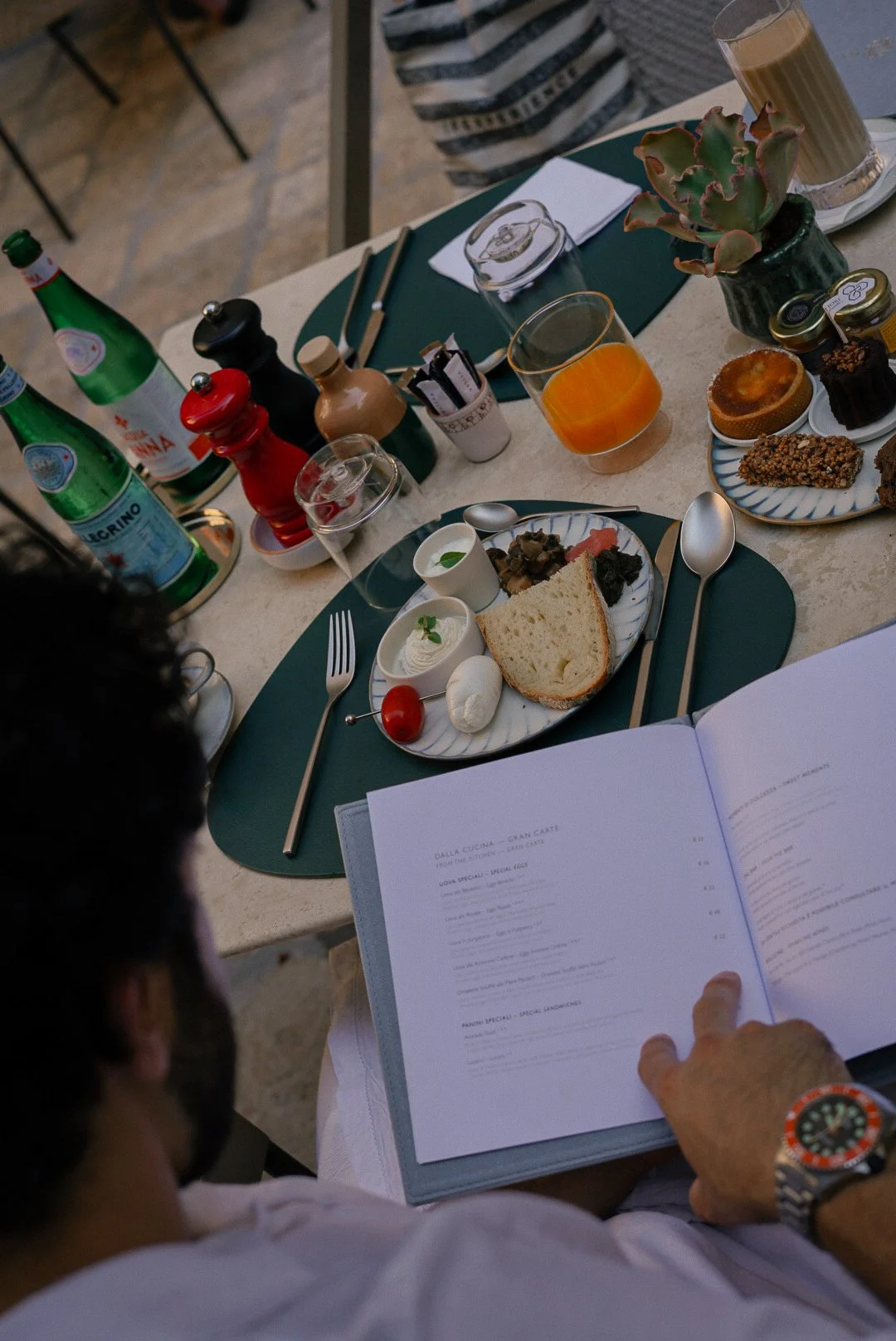
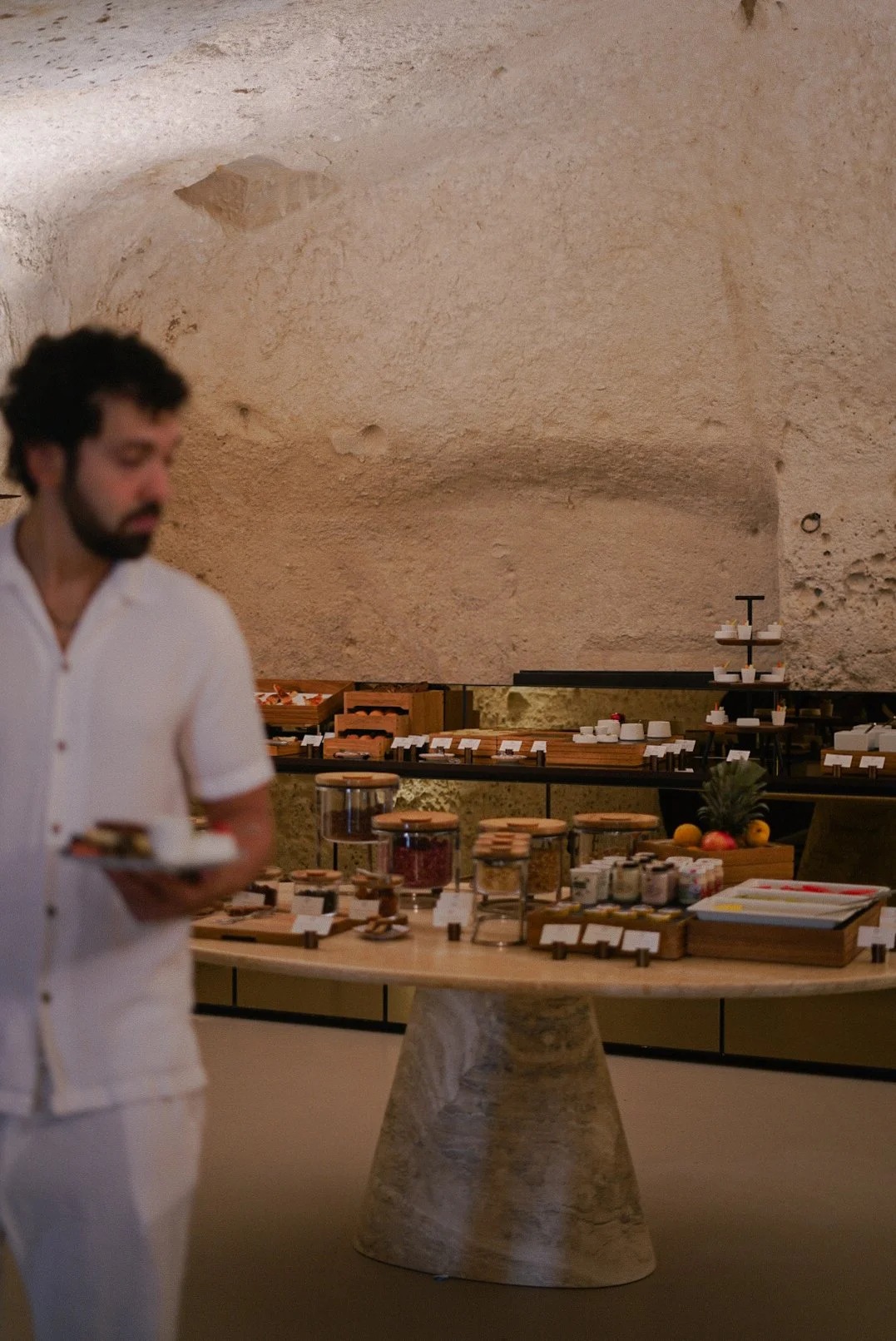
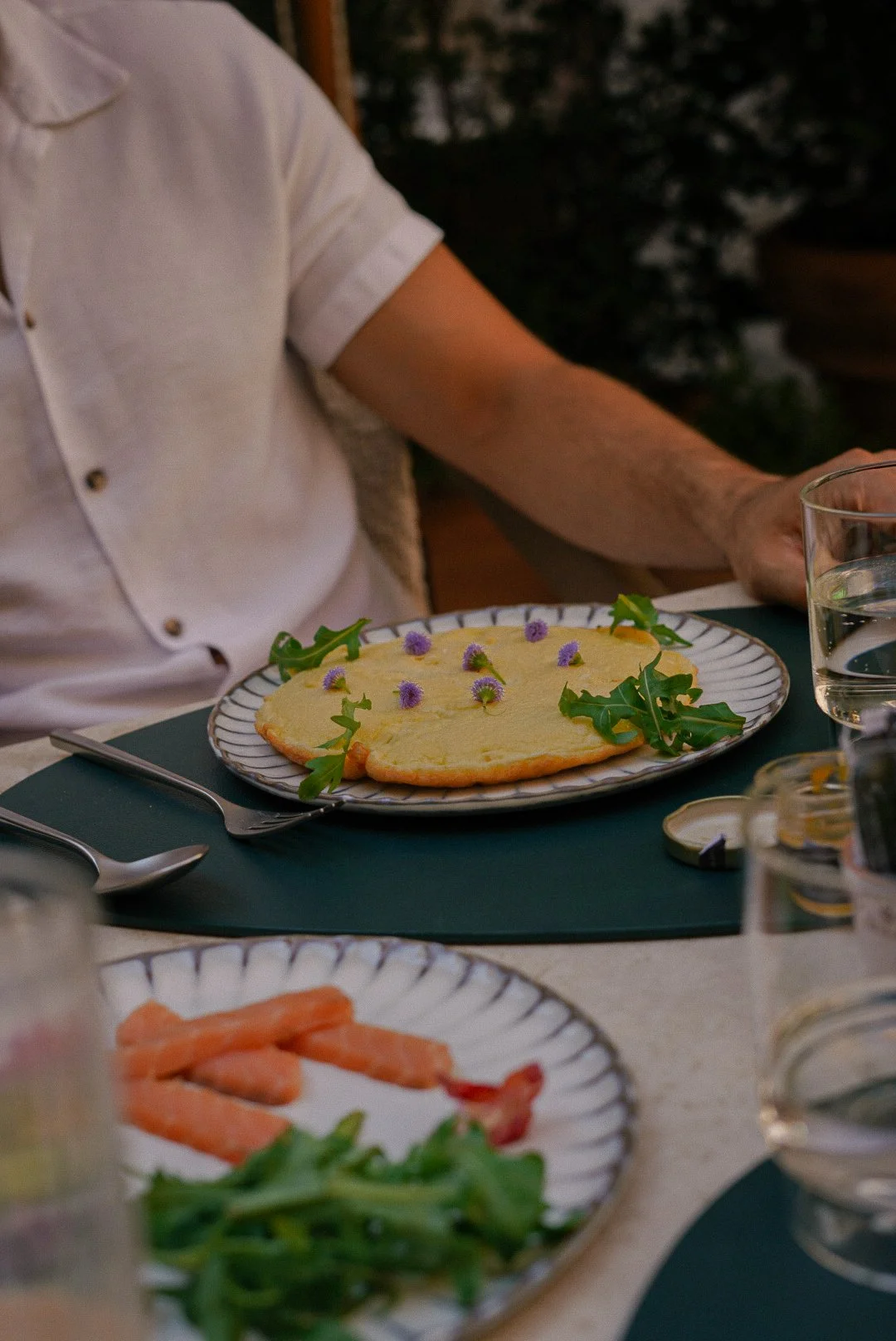
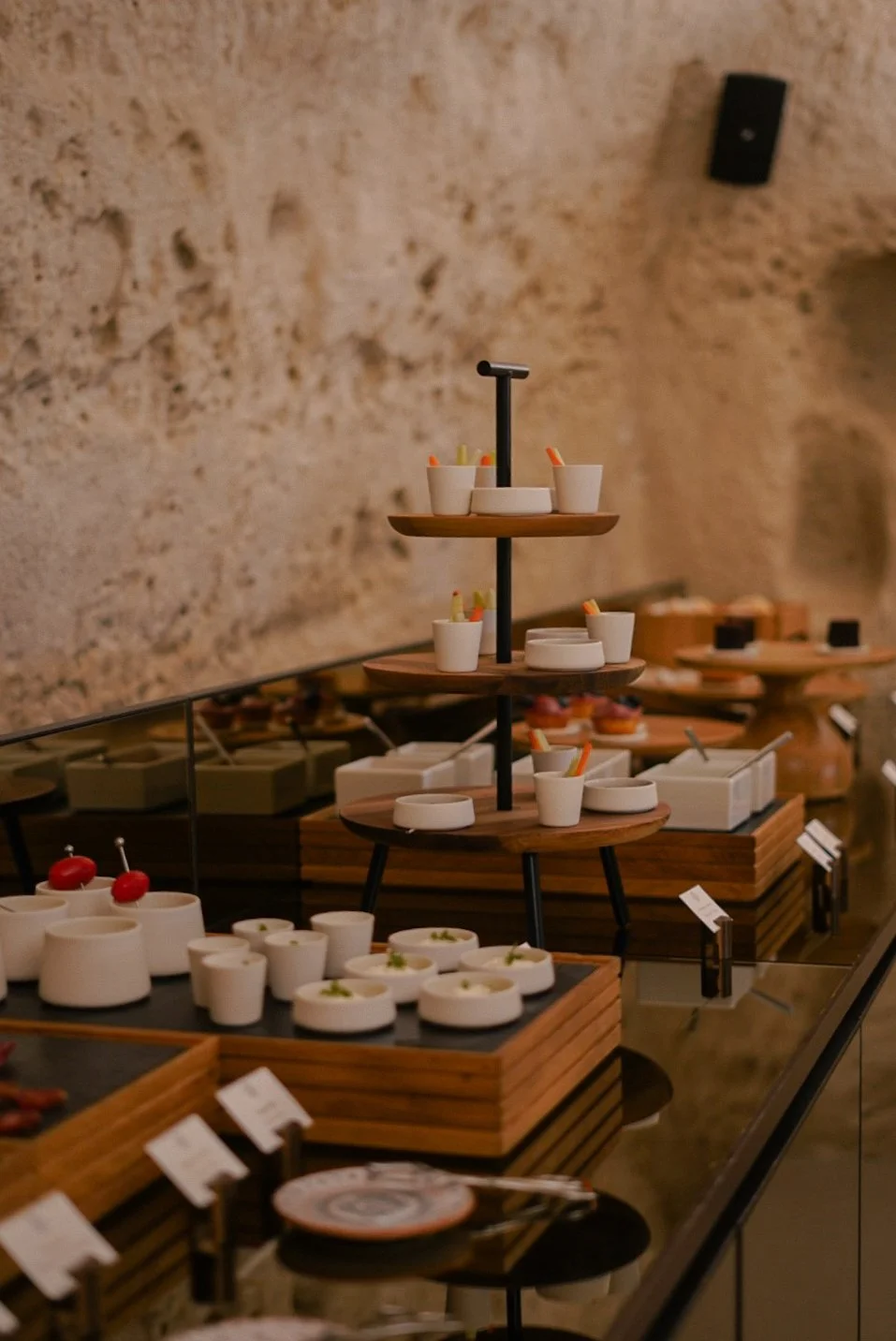
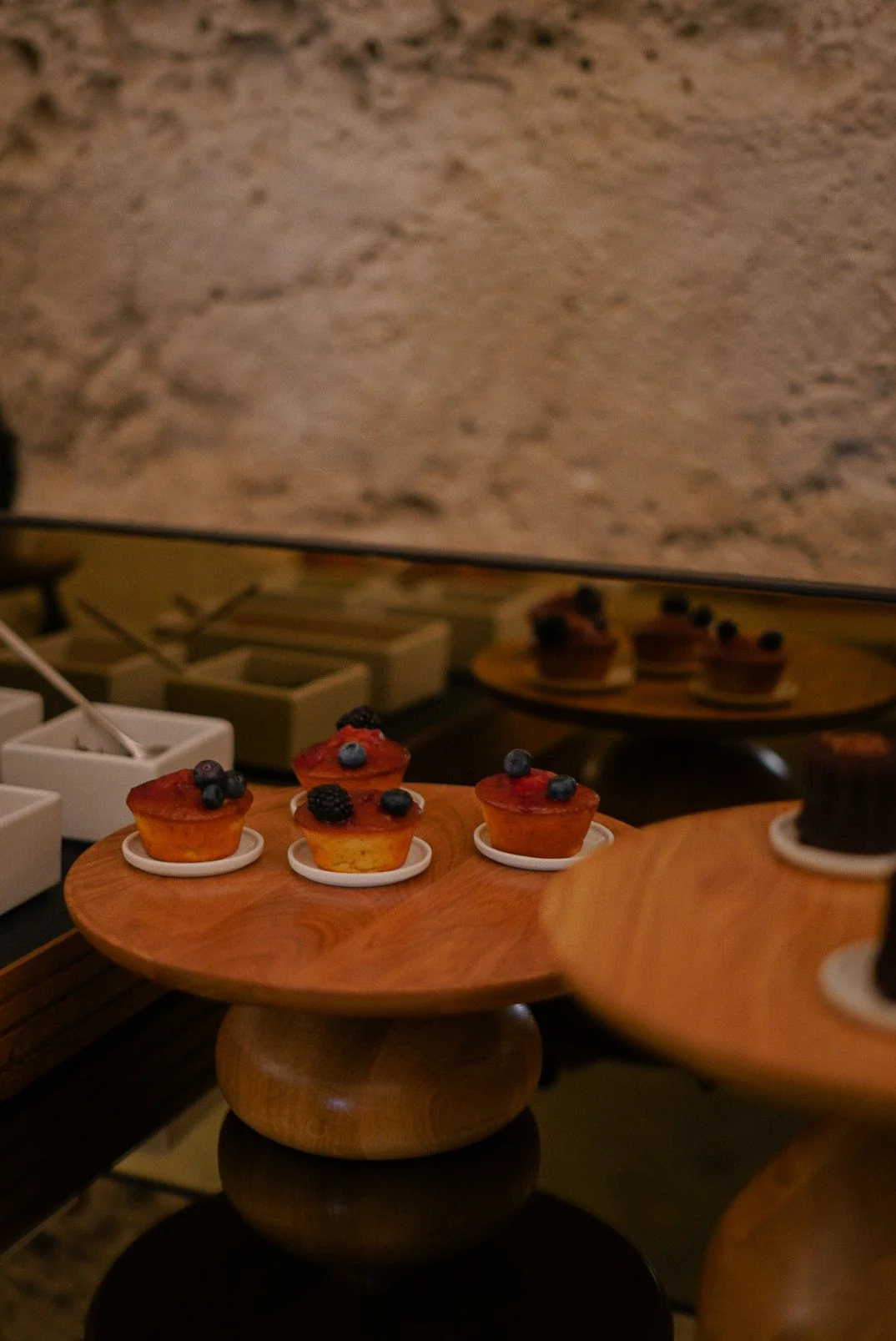
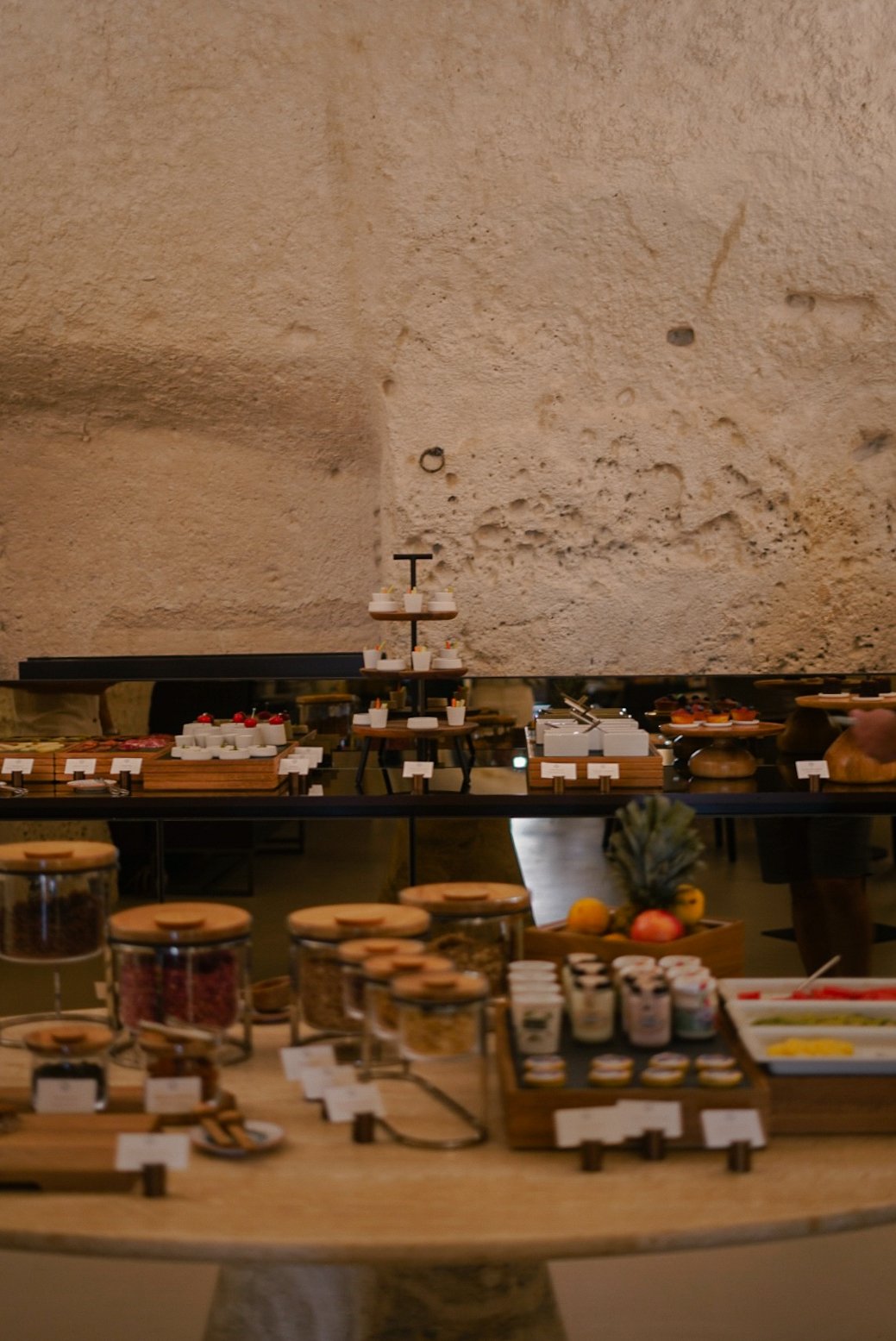
The same idea appears at breakfast: breads, cheeses, preserves, pastries and ingredients from Basilicata and the wider South create a table that feels geographically specific without becoming theatrical; as at Vetera, Matera was not something I had to go outside to find, it was already on the table.
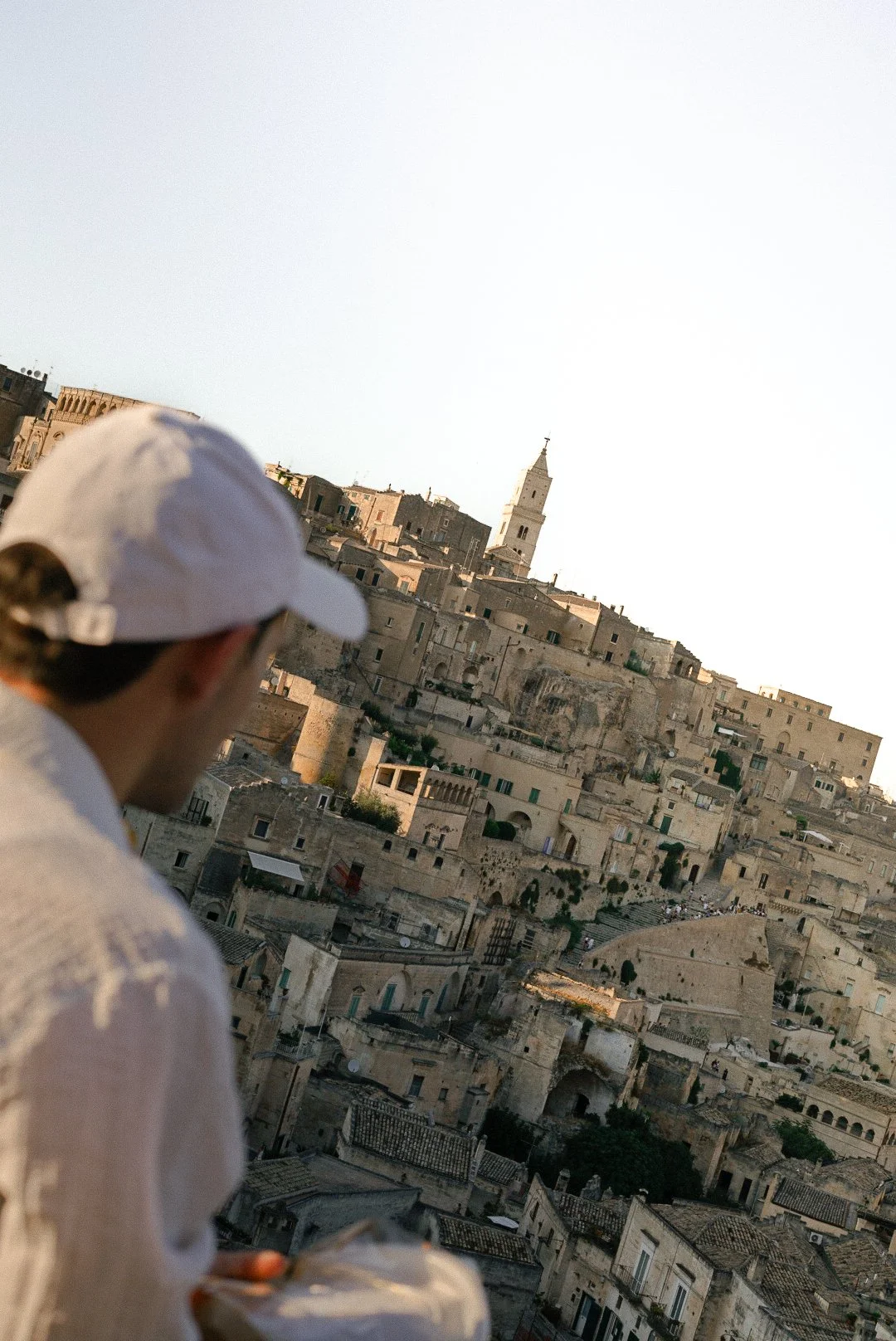
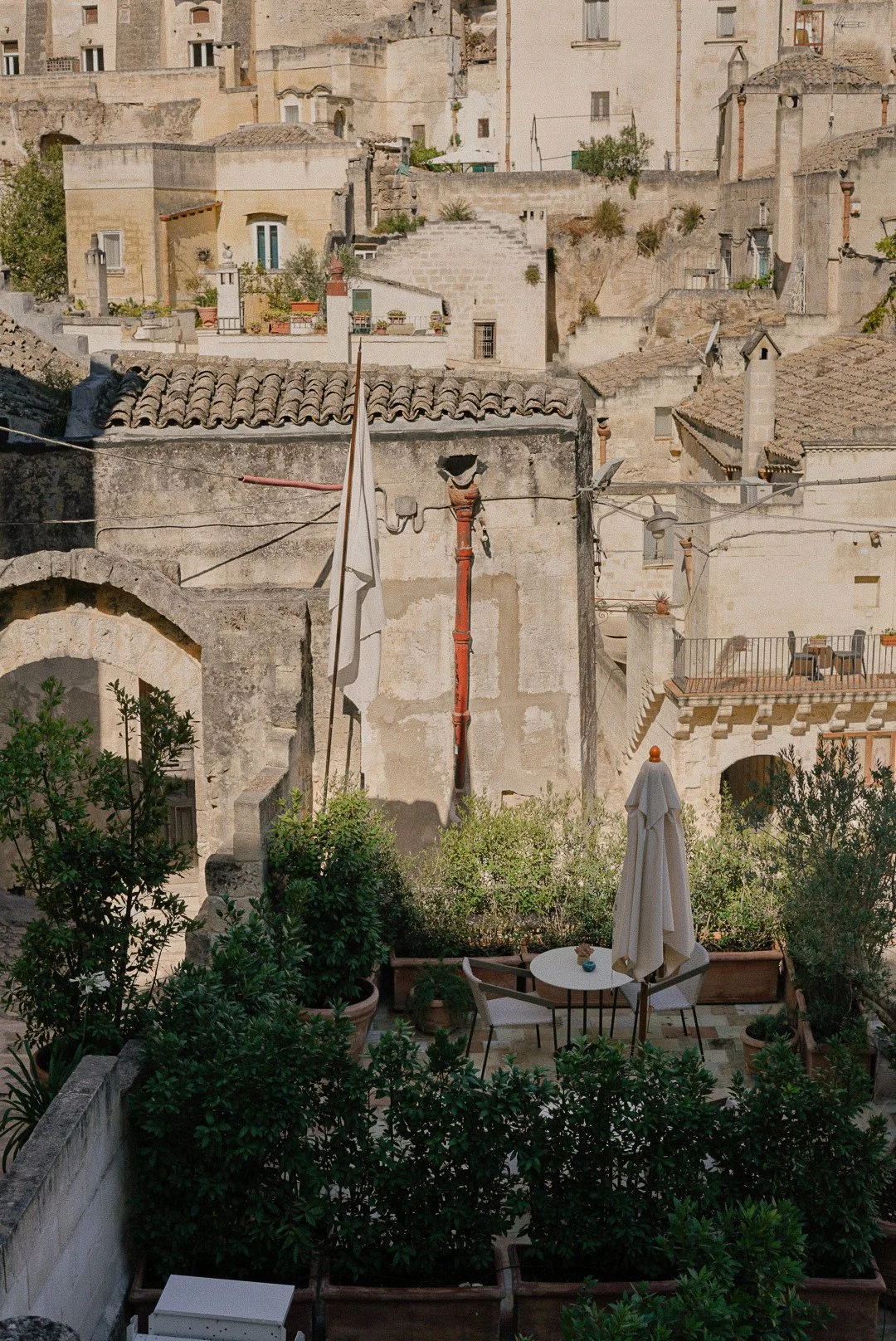
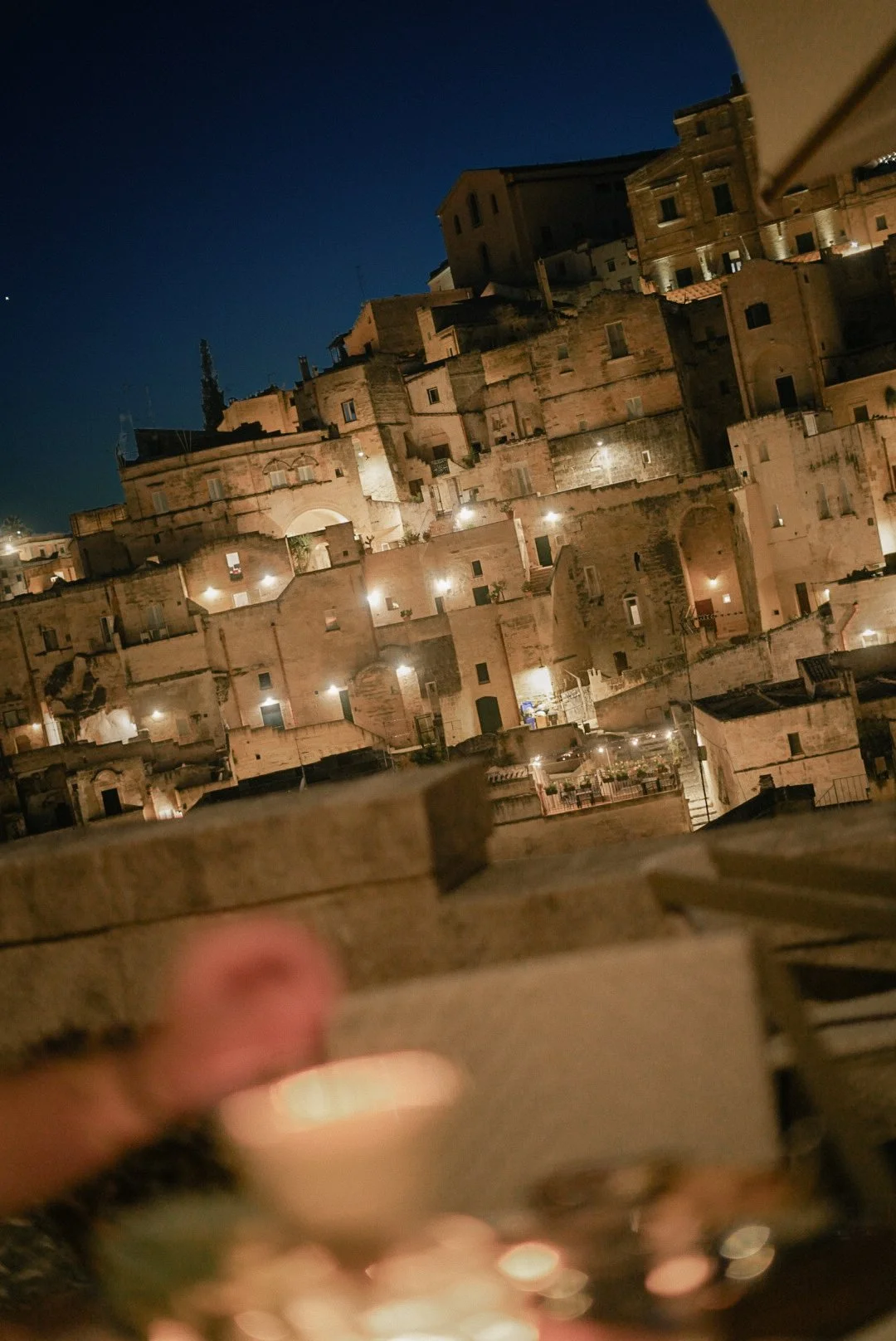
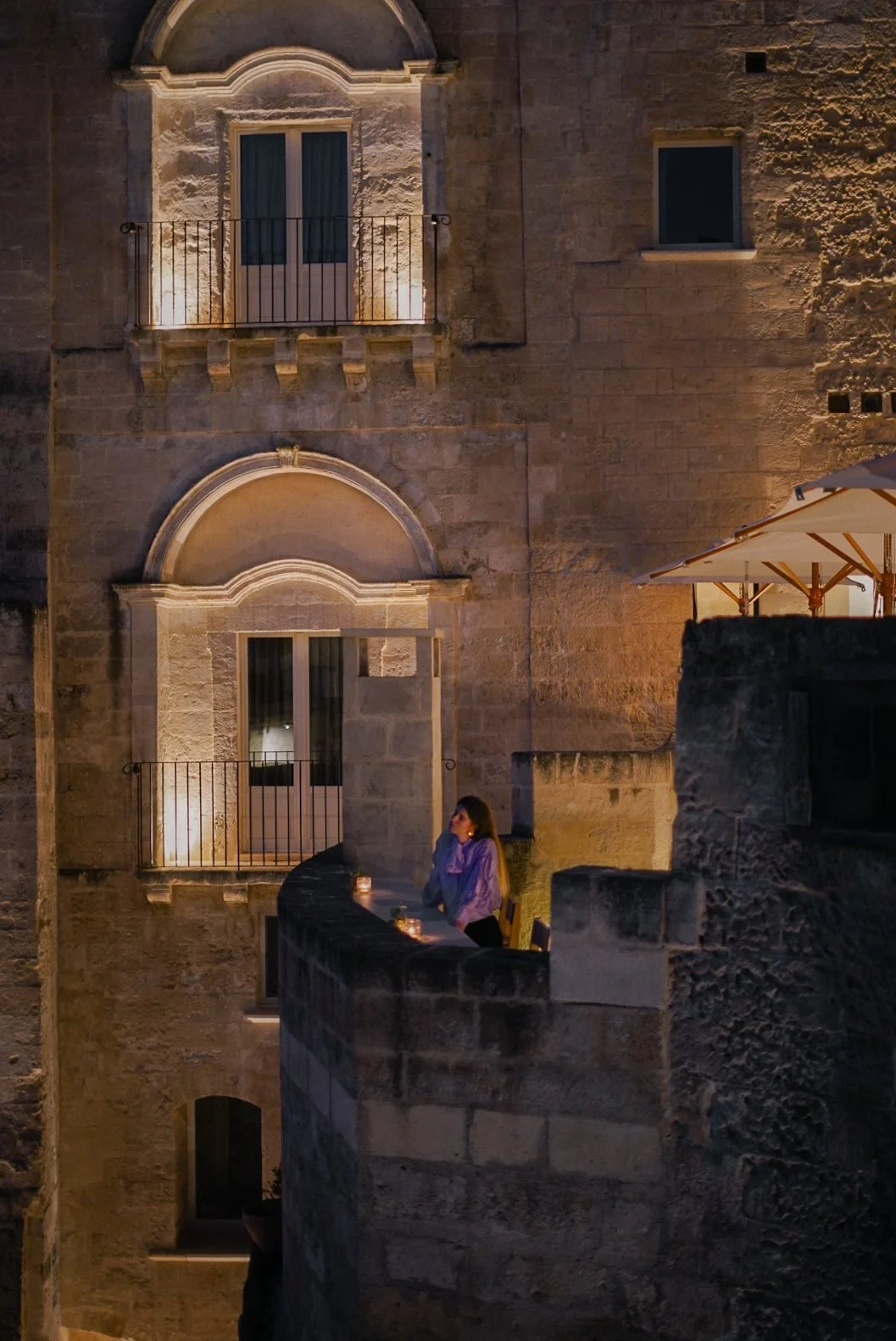
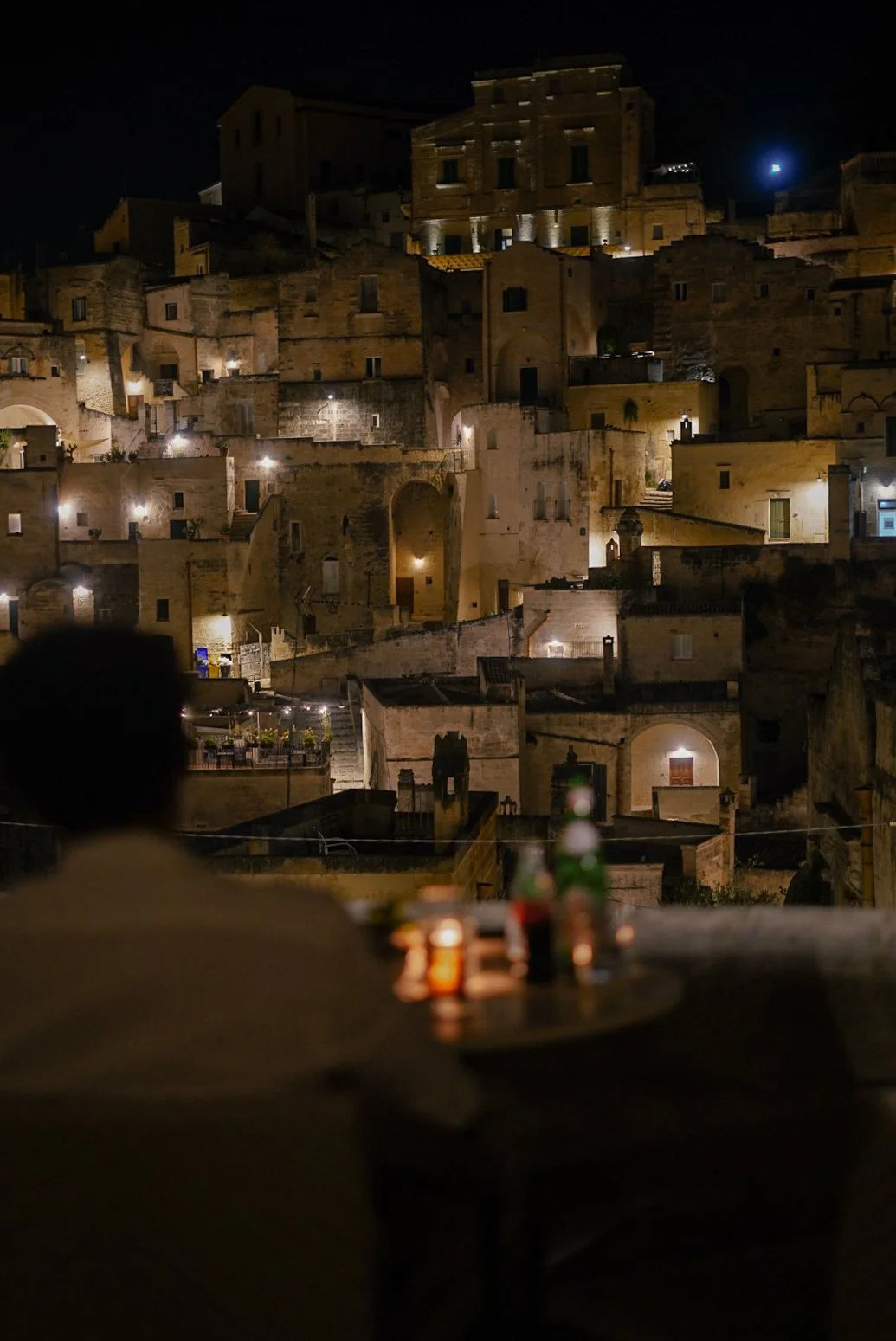
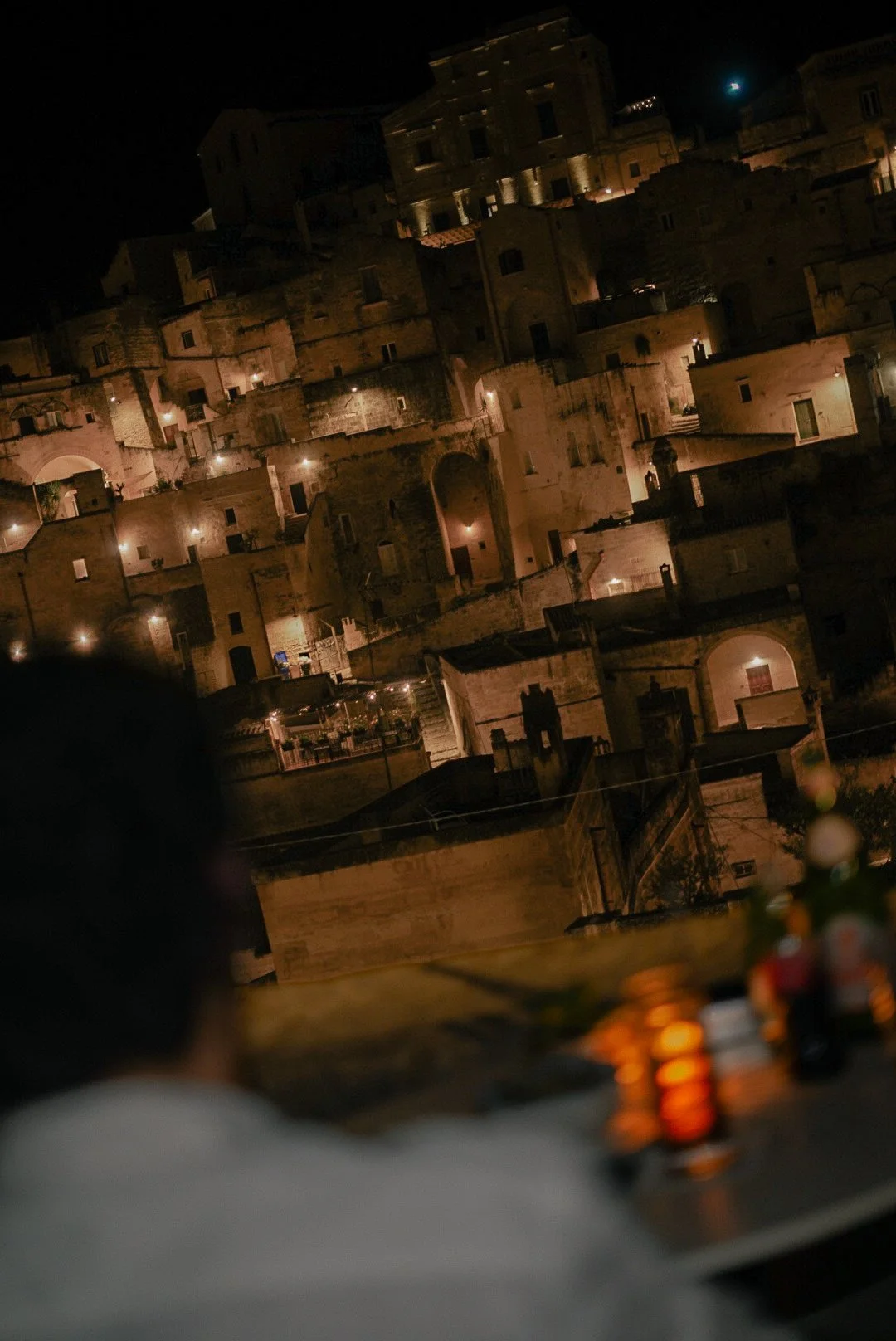
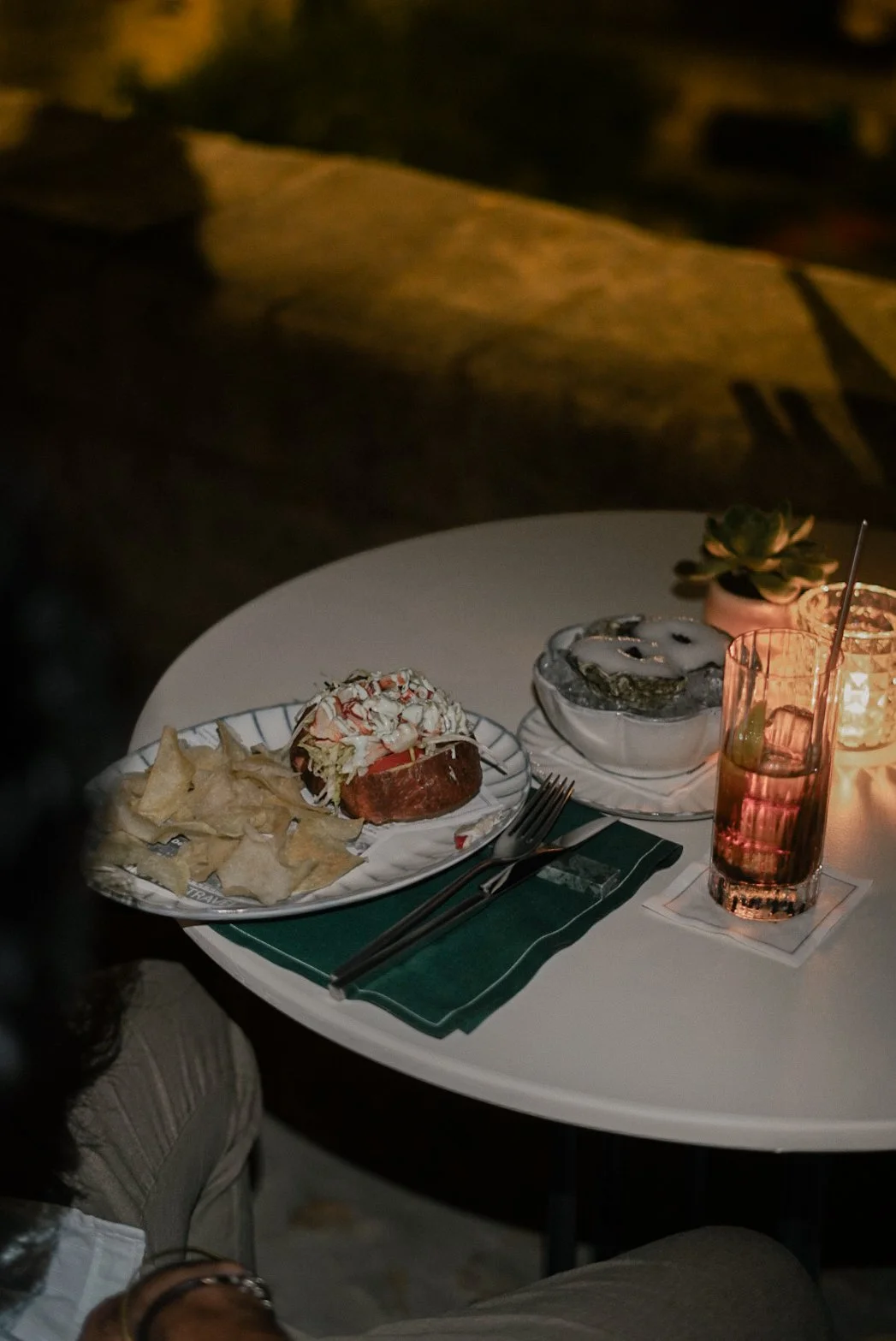
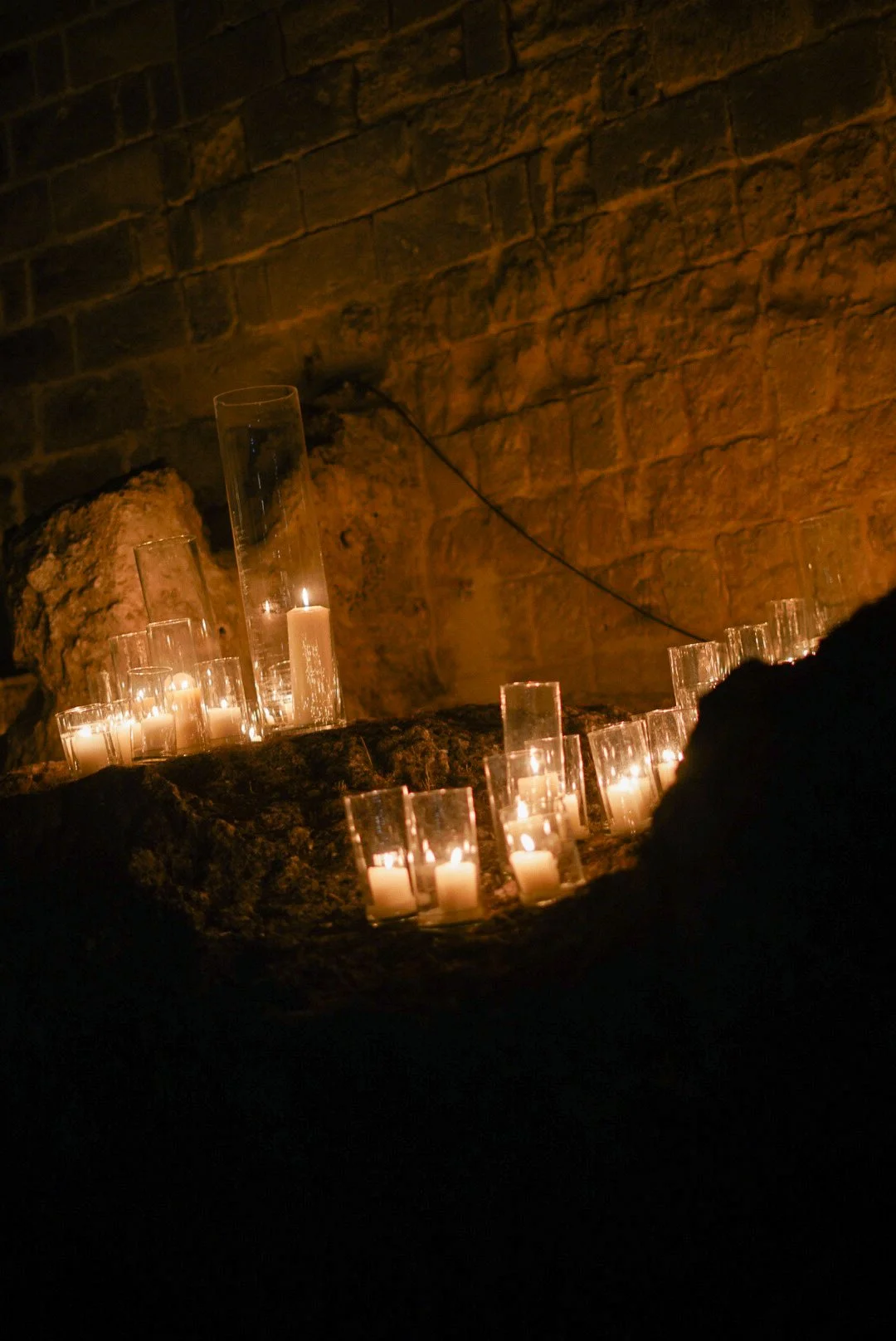
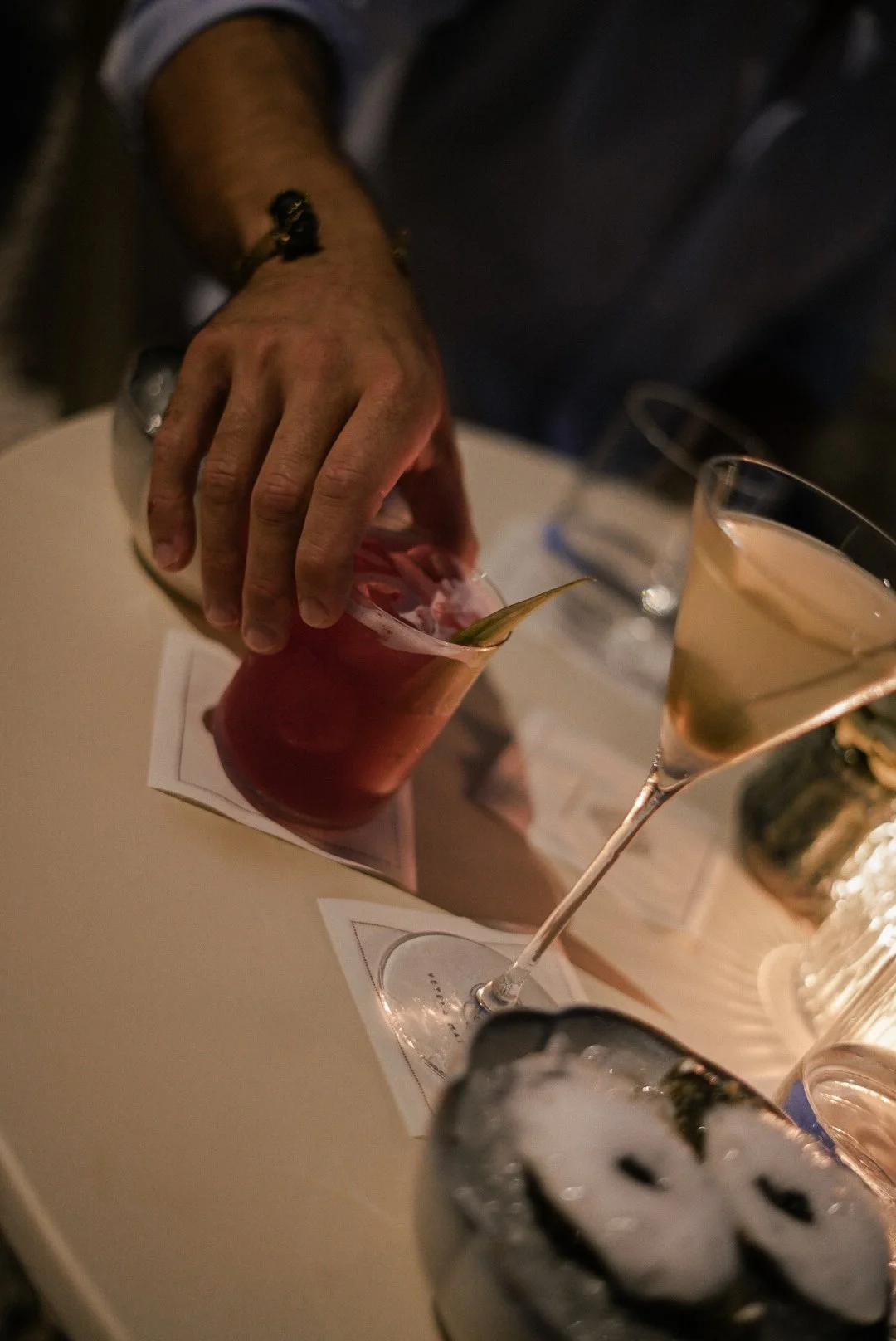
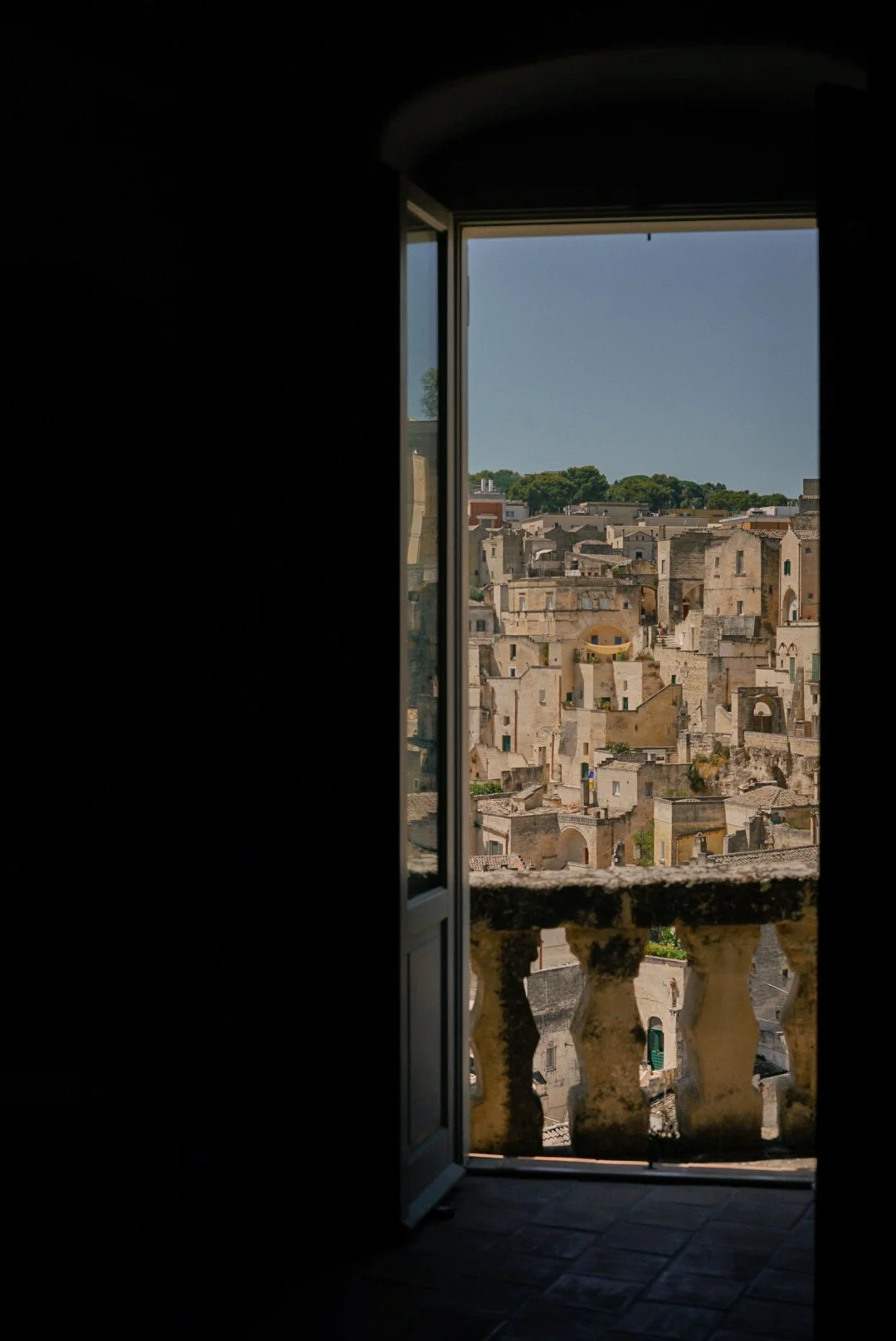
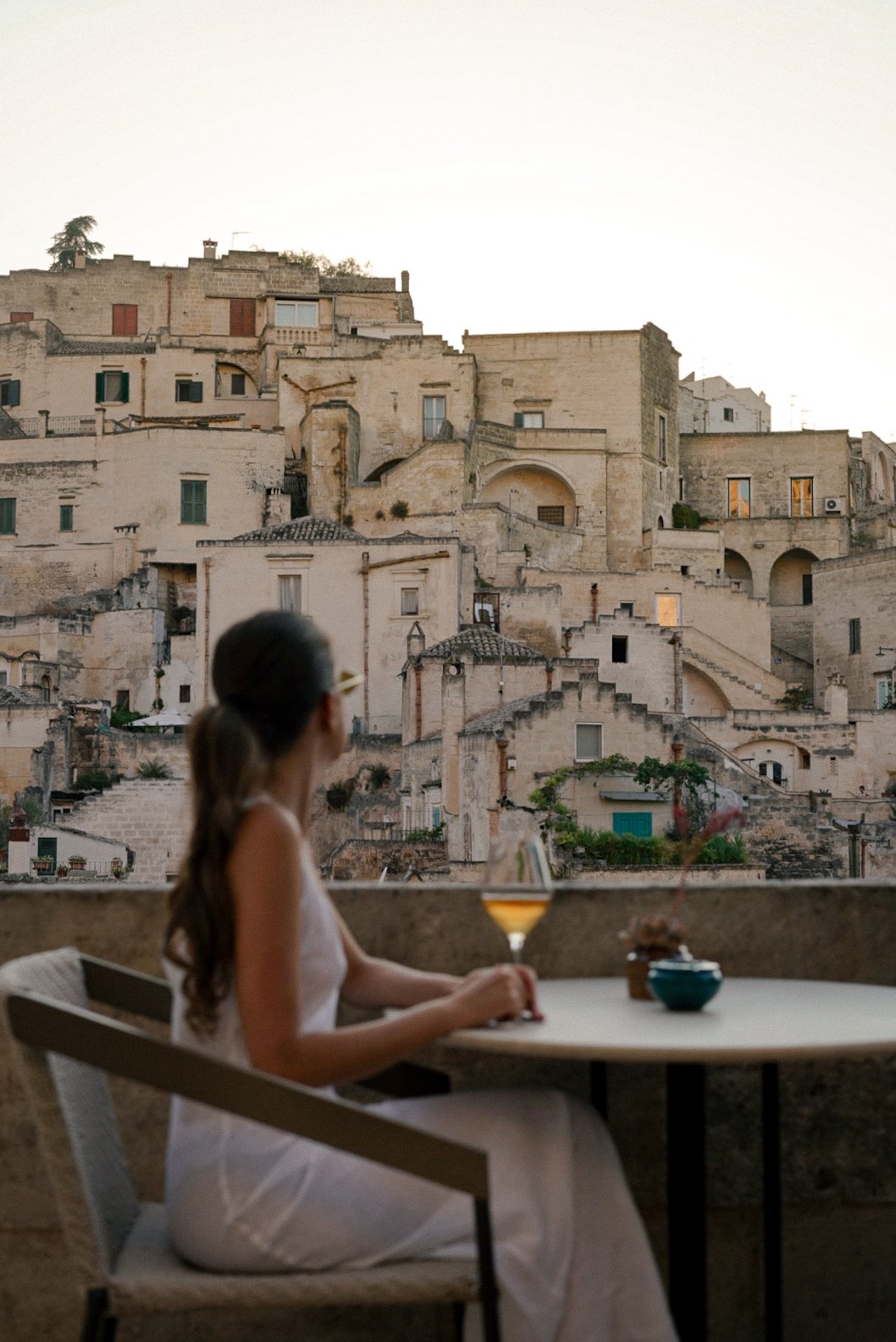
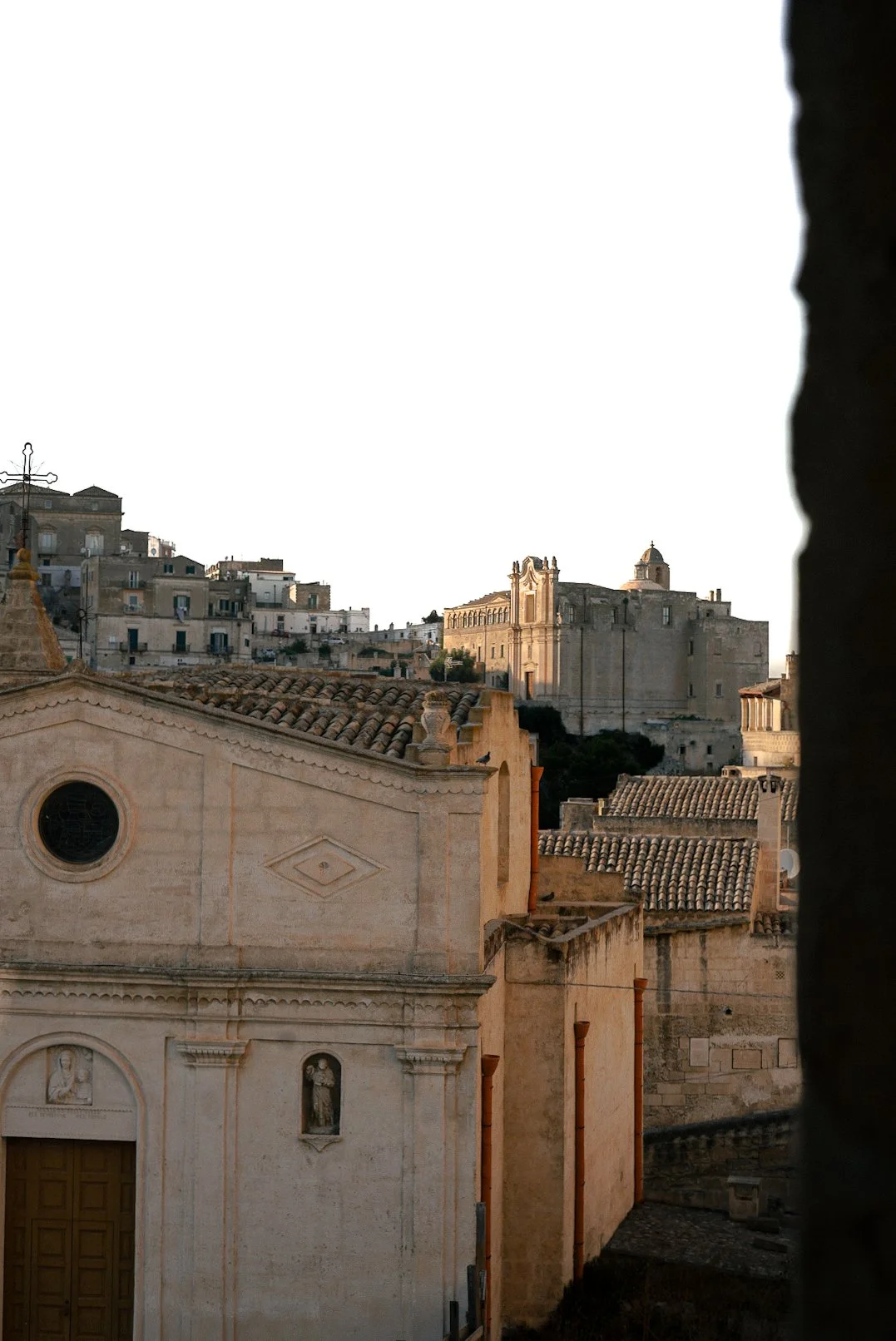
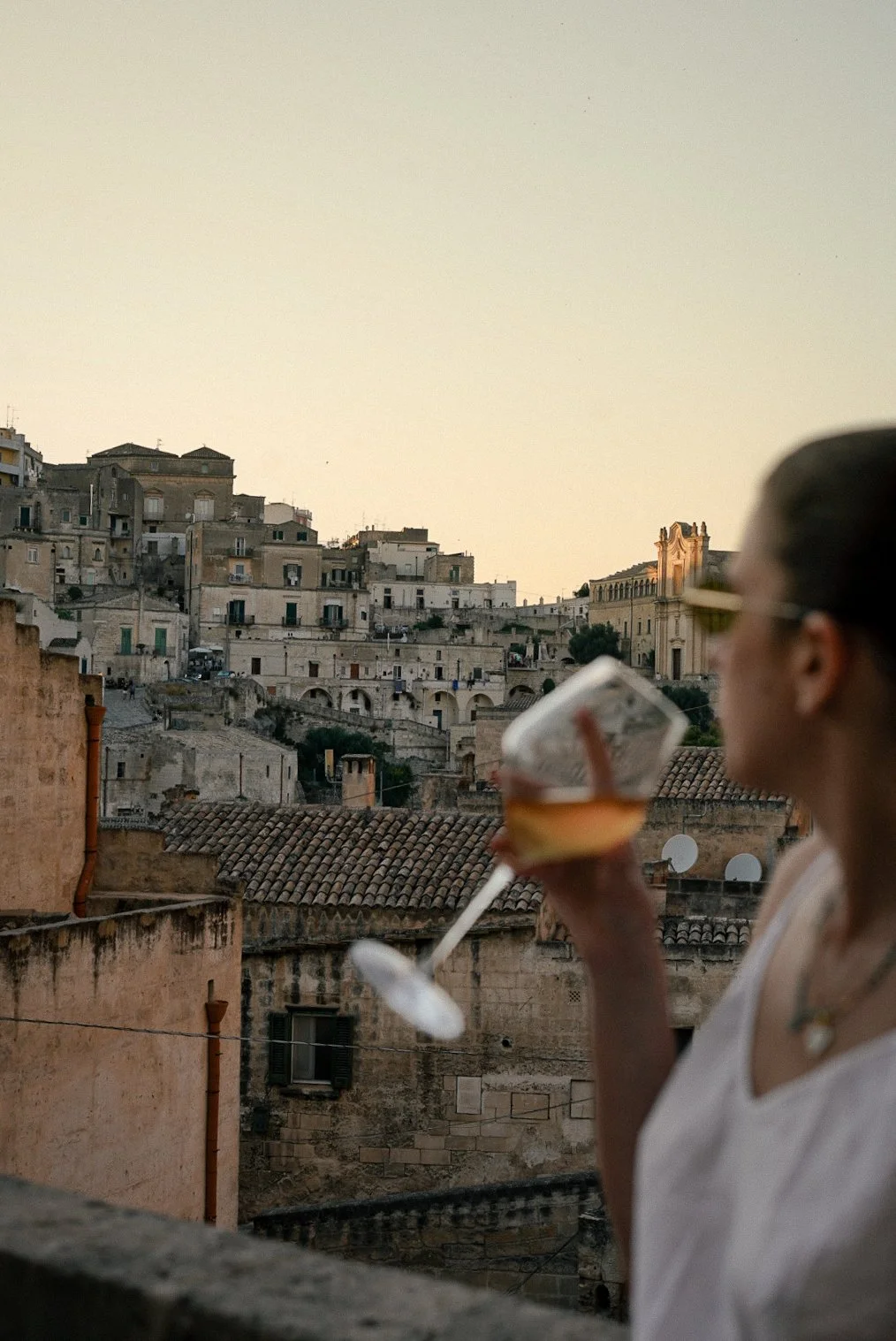
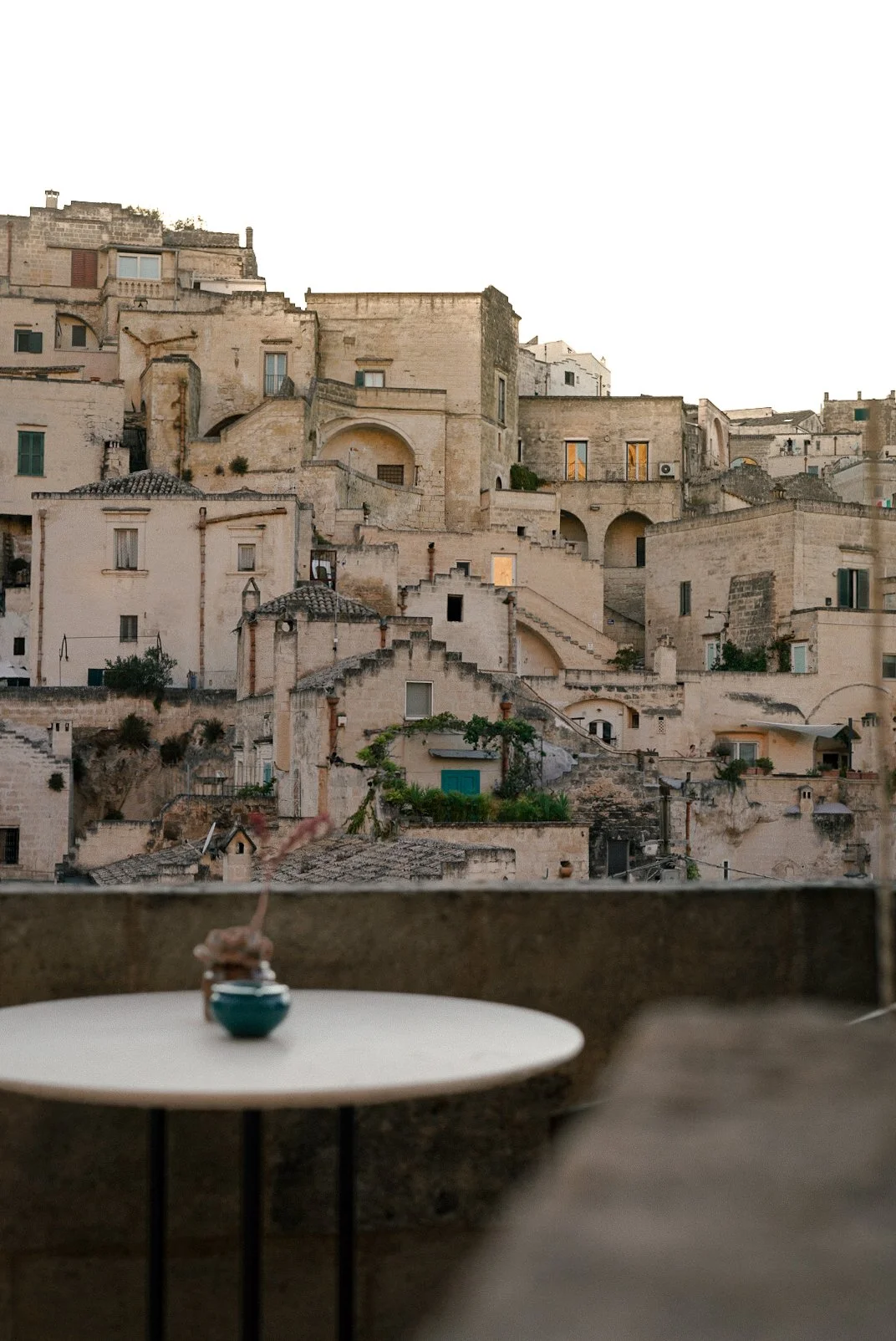
Amonì, the rooftop that had opened only days before my arrival, offered another way of looking at the same city. There was still something wonderfully unfinished about its atmosphere, that particular moment when a new place has not yet settled into a routine and its identity is being written almost in real time. The view, however, required no introduction. From above, the Sassi unfold towards the Murgia in layers of stone, rooftops, churches and ravines, changing colour almost imperceptibly as the afternoon moves towards evening. I have seen that landscape photographed countless times, yet from the rooftop terrace, it felt unexpectedly different, because at times, changing the height from which we look at something is sometimes enough to change what we understand about it. The postcard was still there, I was simply beginning to see what existed behind it; and that became the real rhythm of my stay, one layer after another.
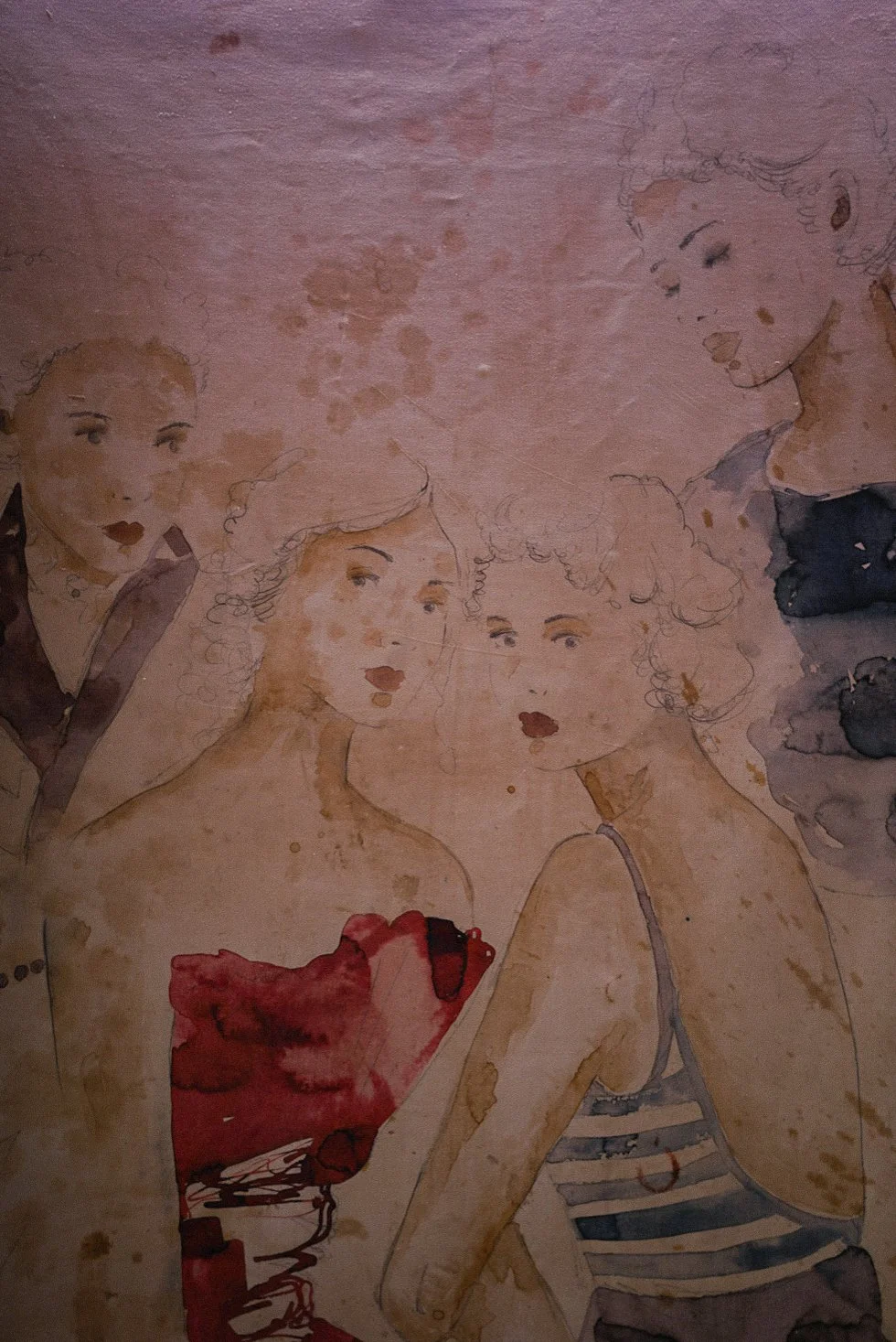
The next one was Casa Ortega, located in the Sasso Barisano.
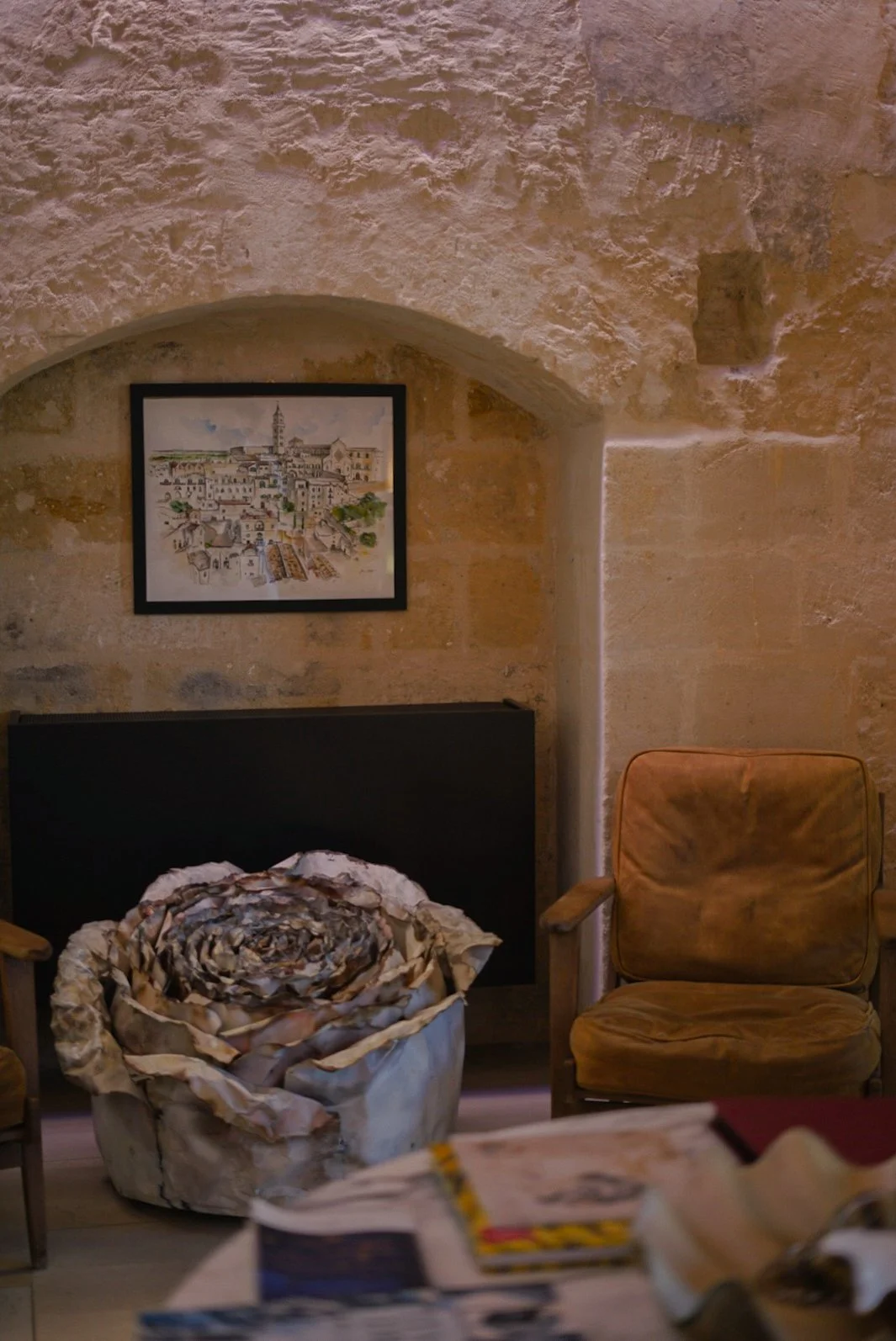
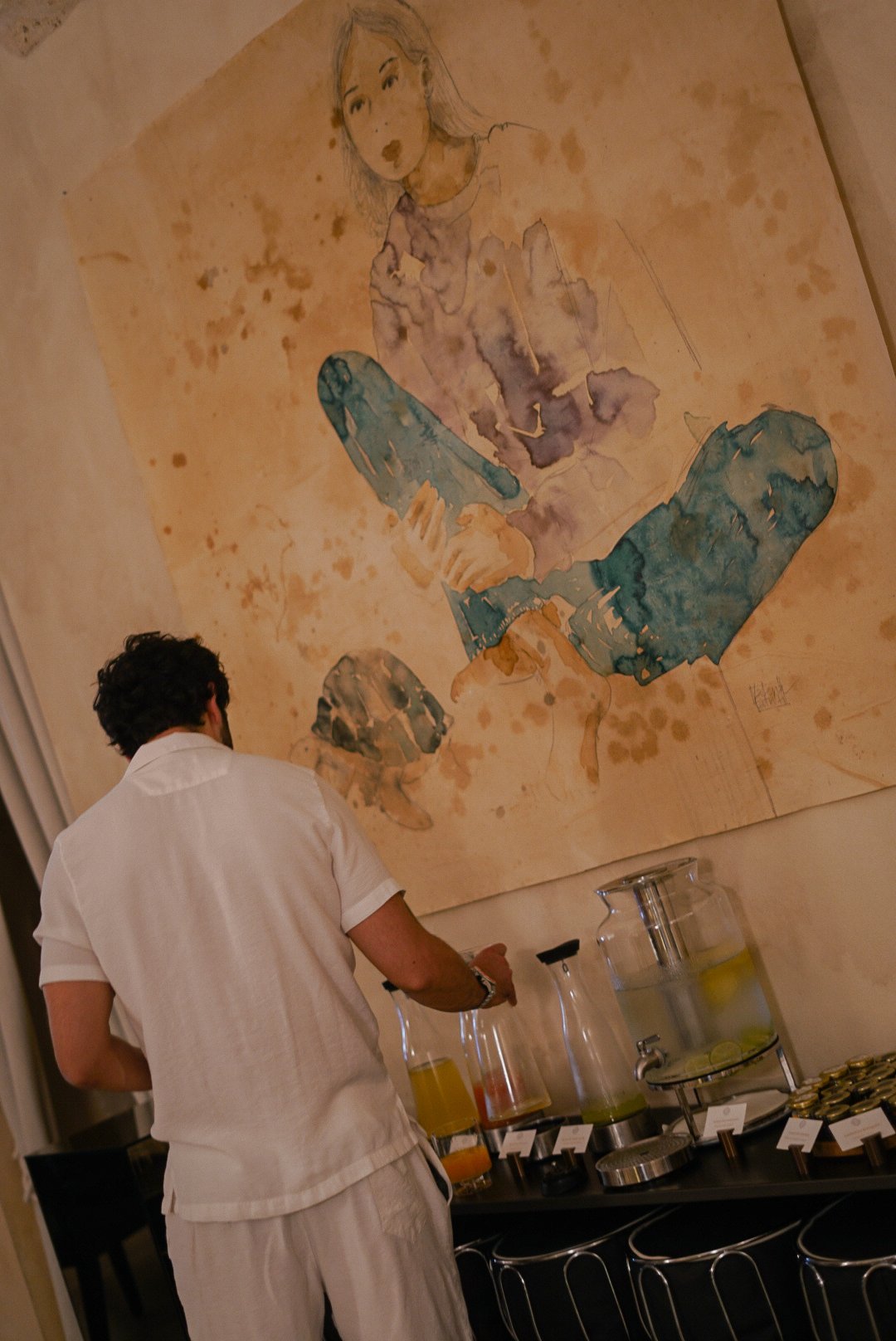
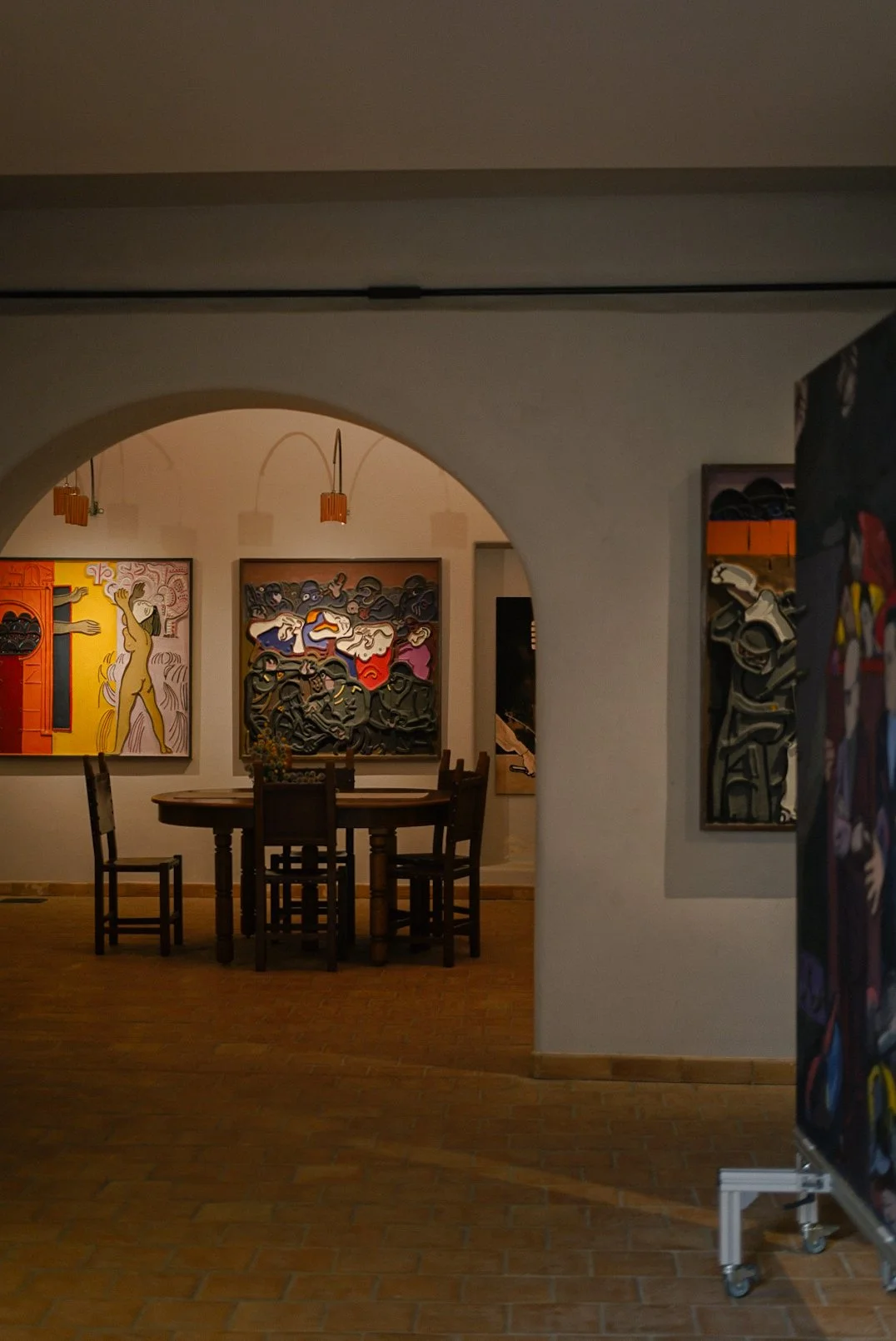
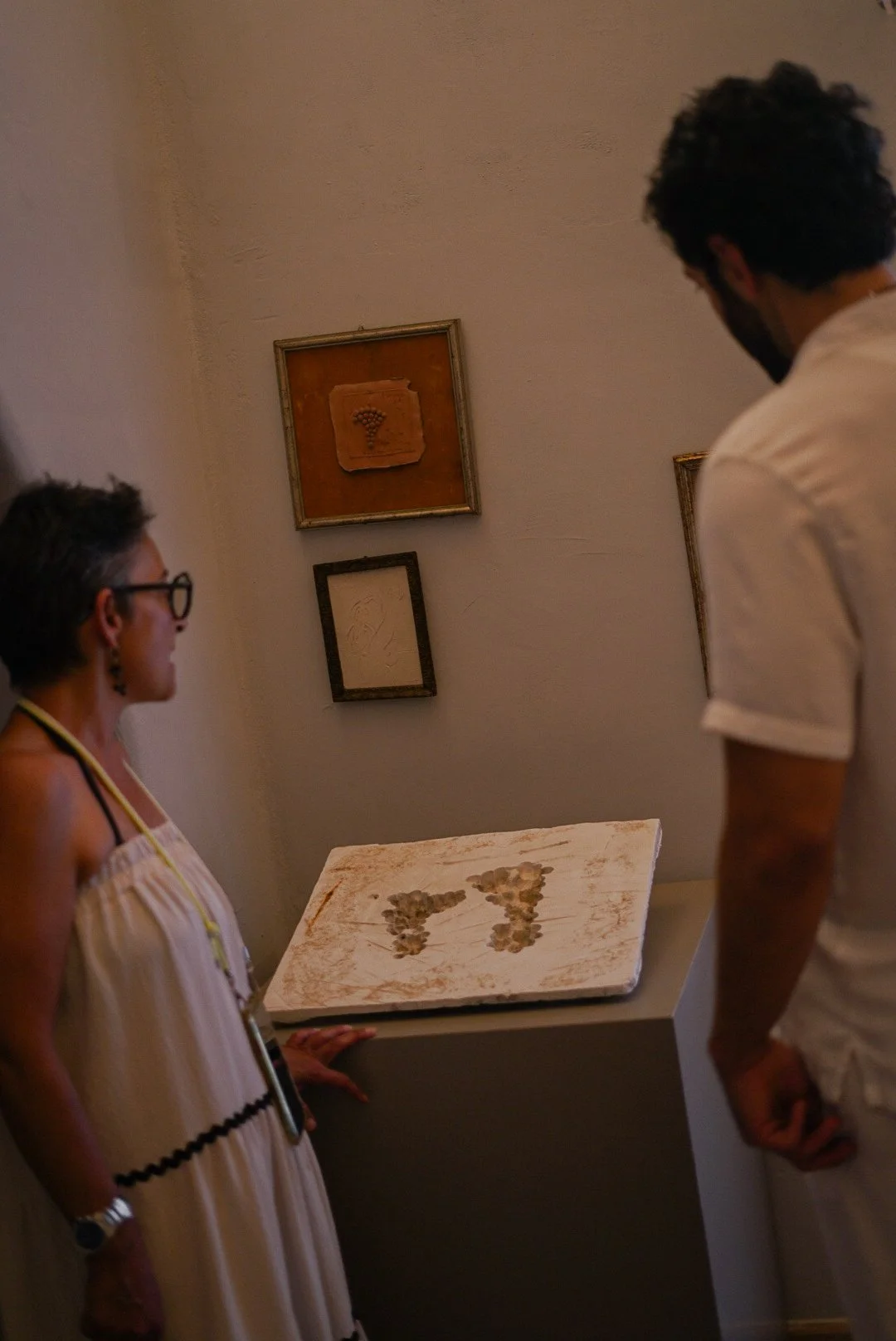
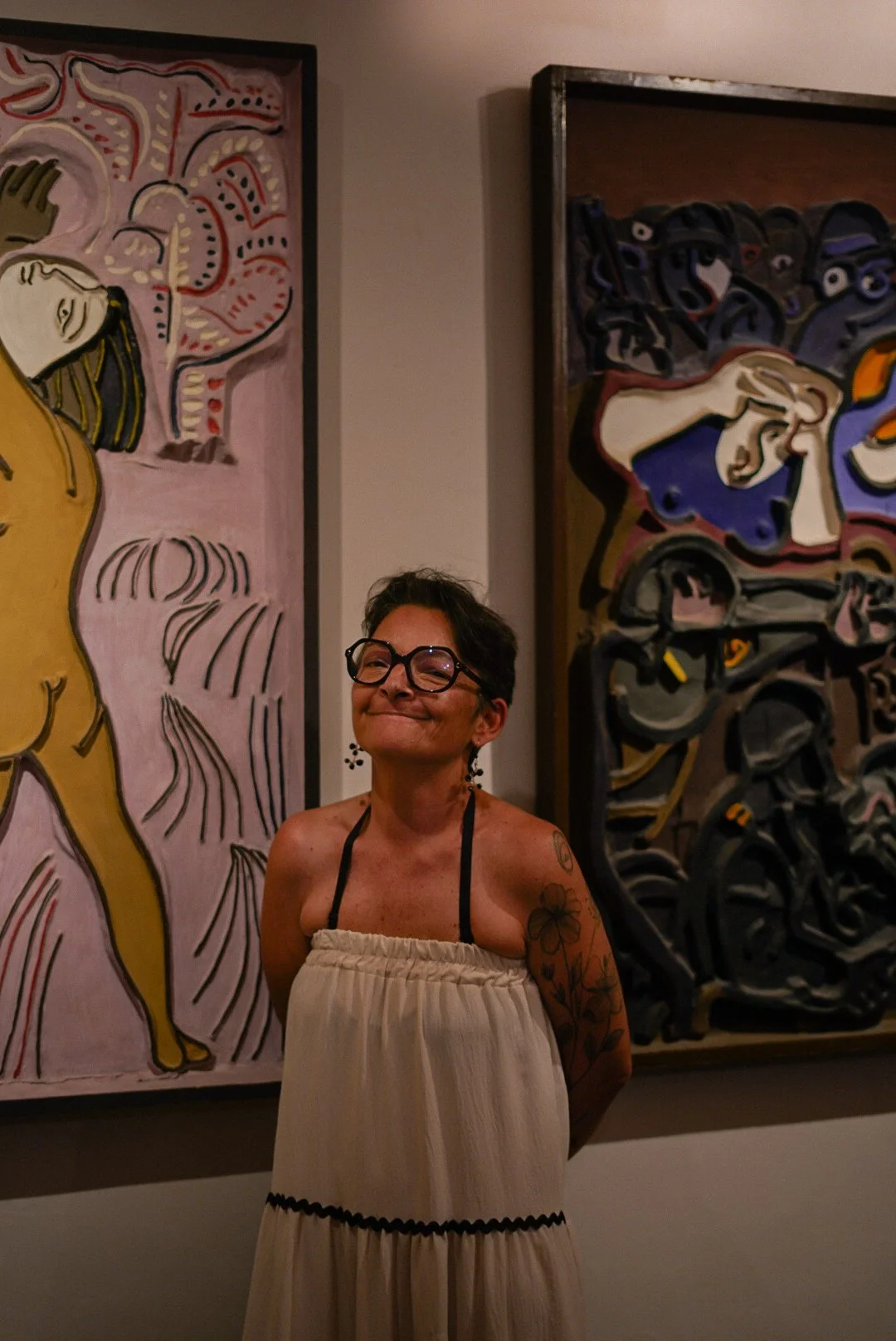
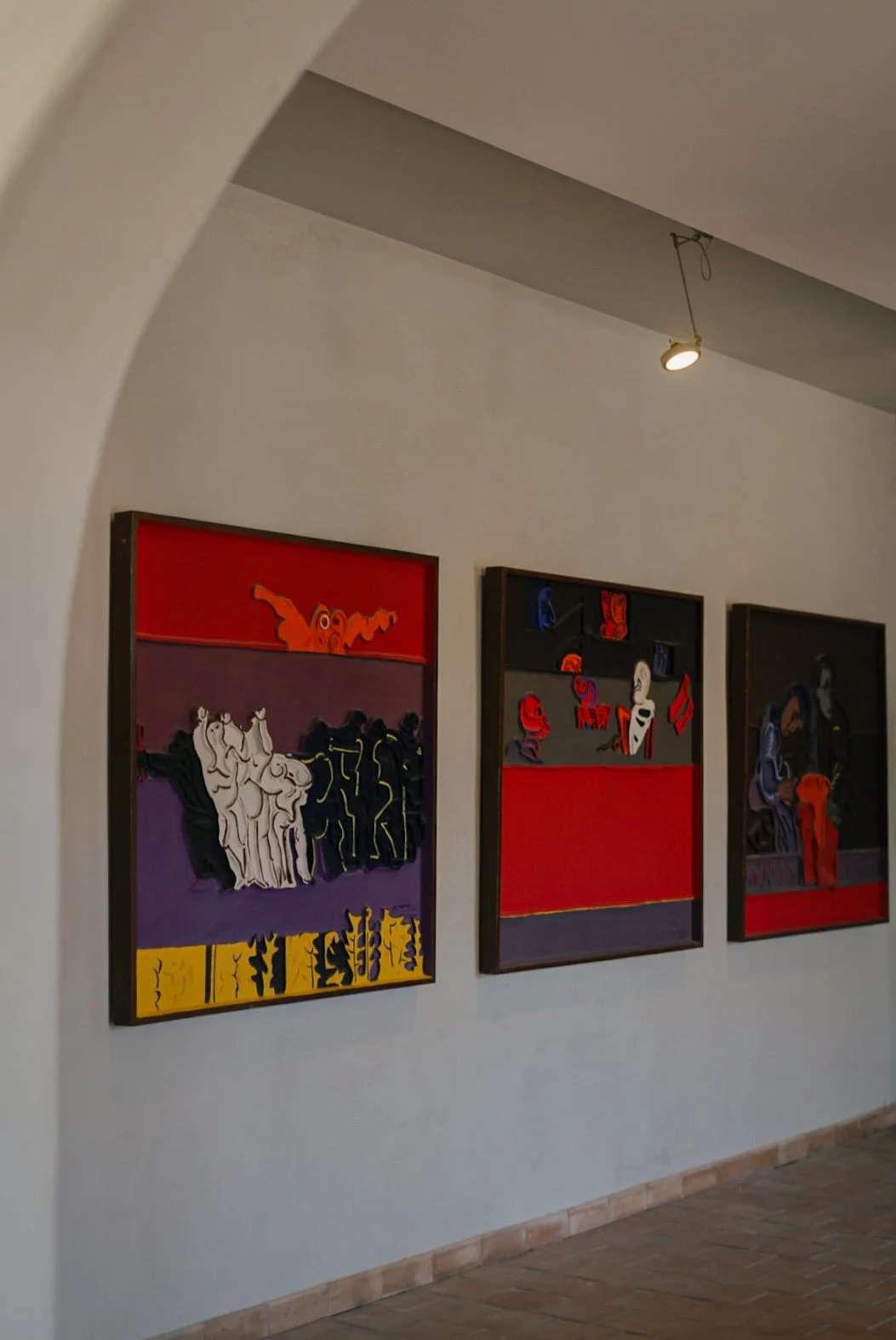
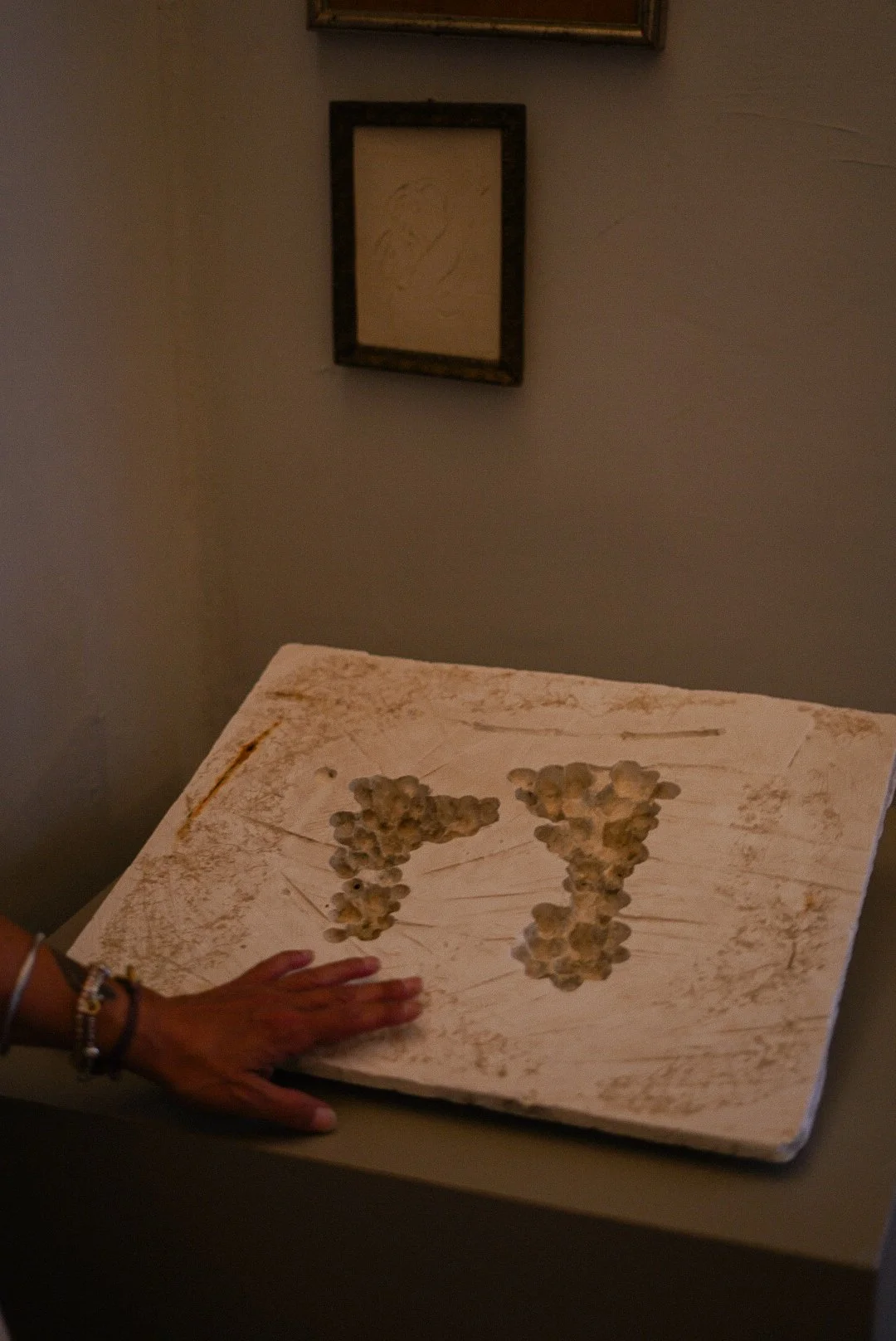
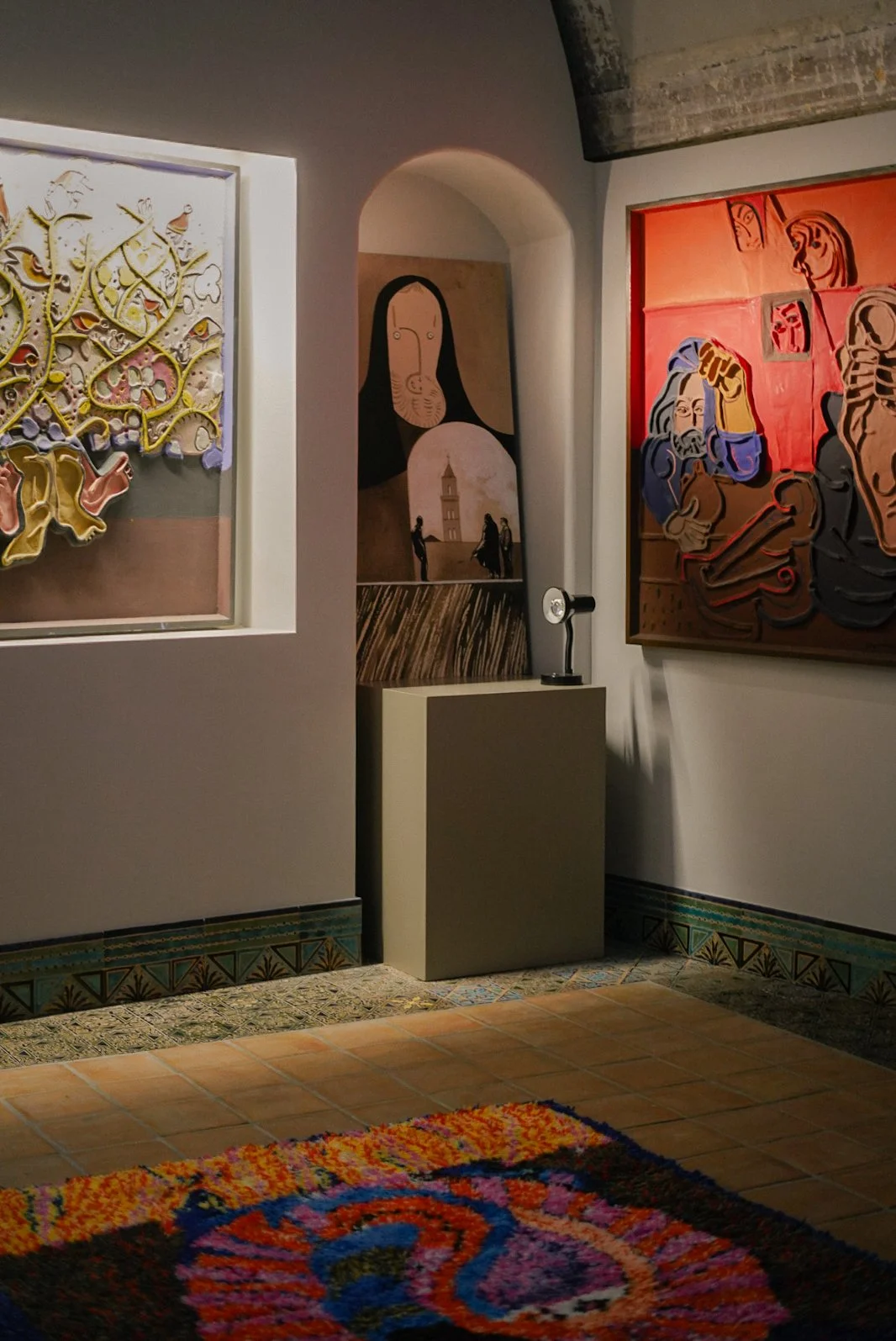
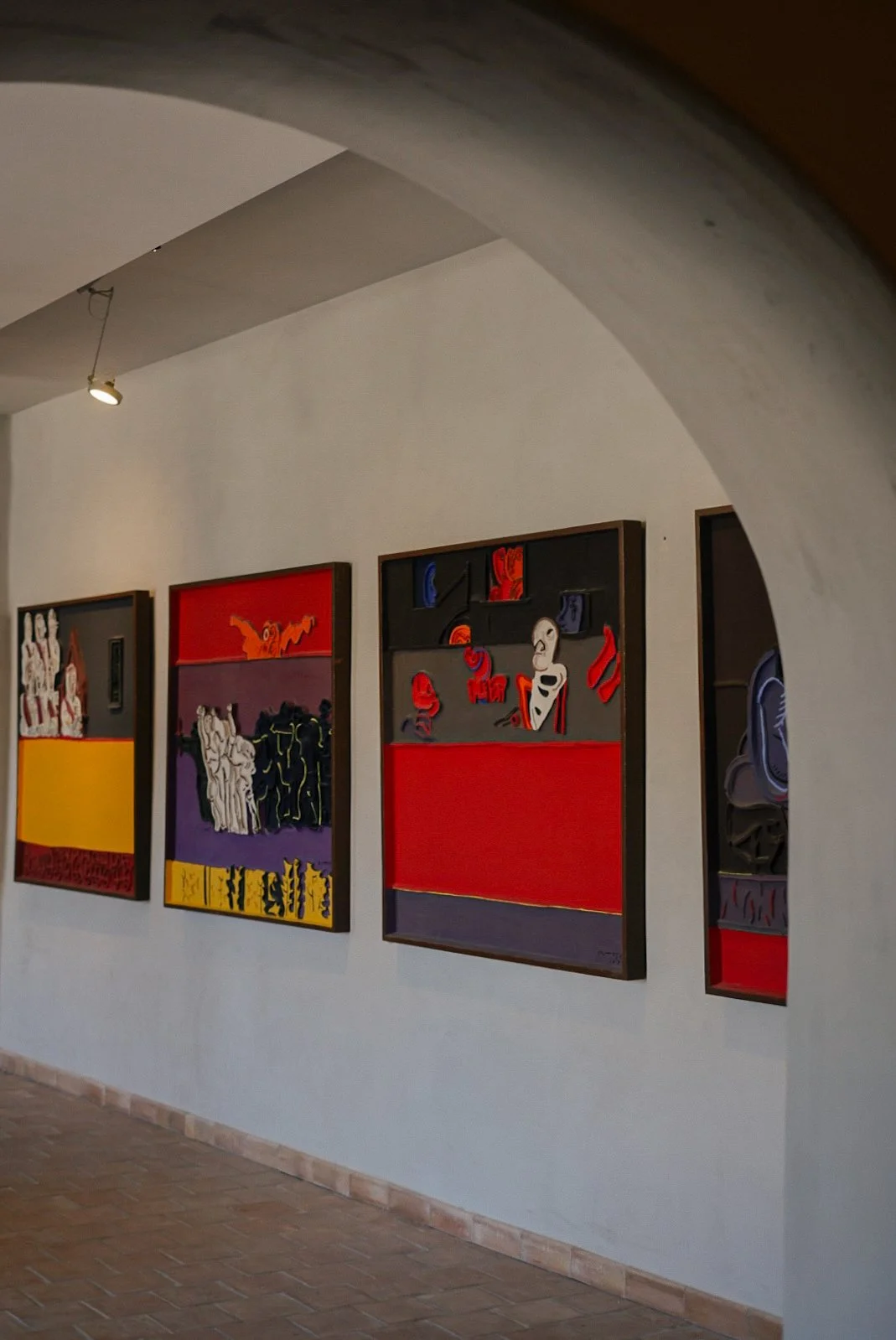
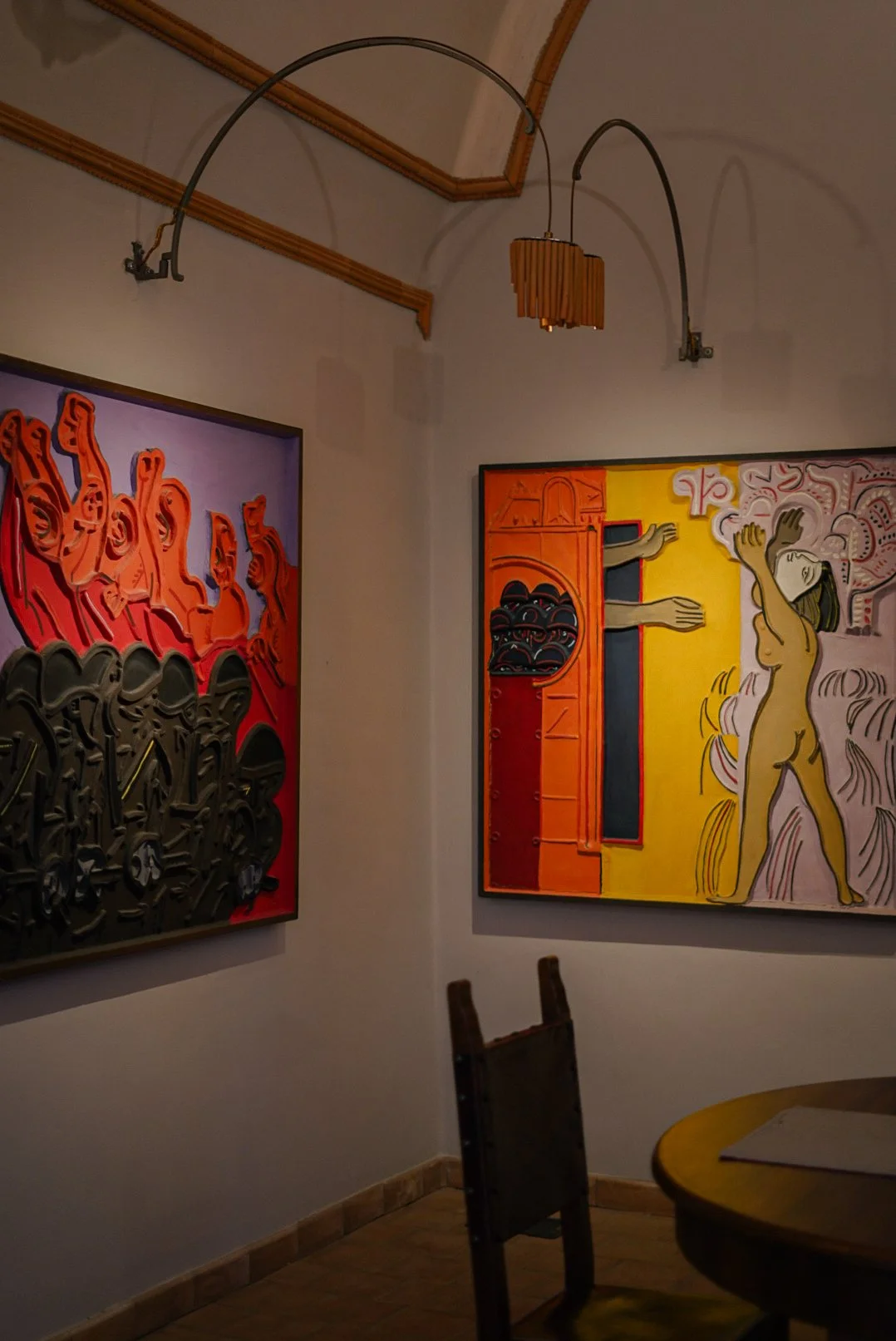
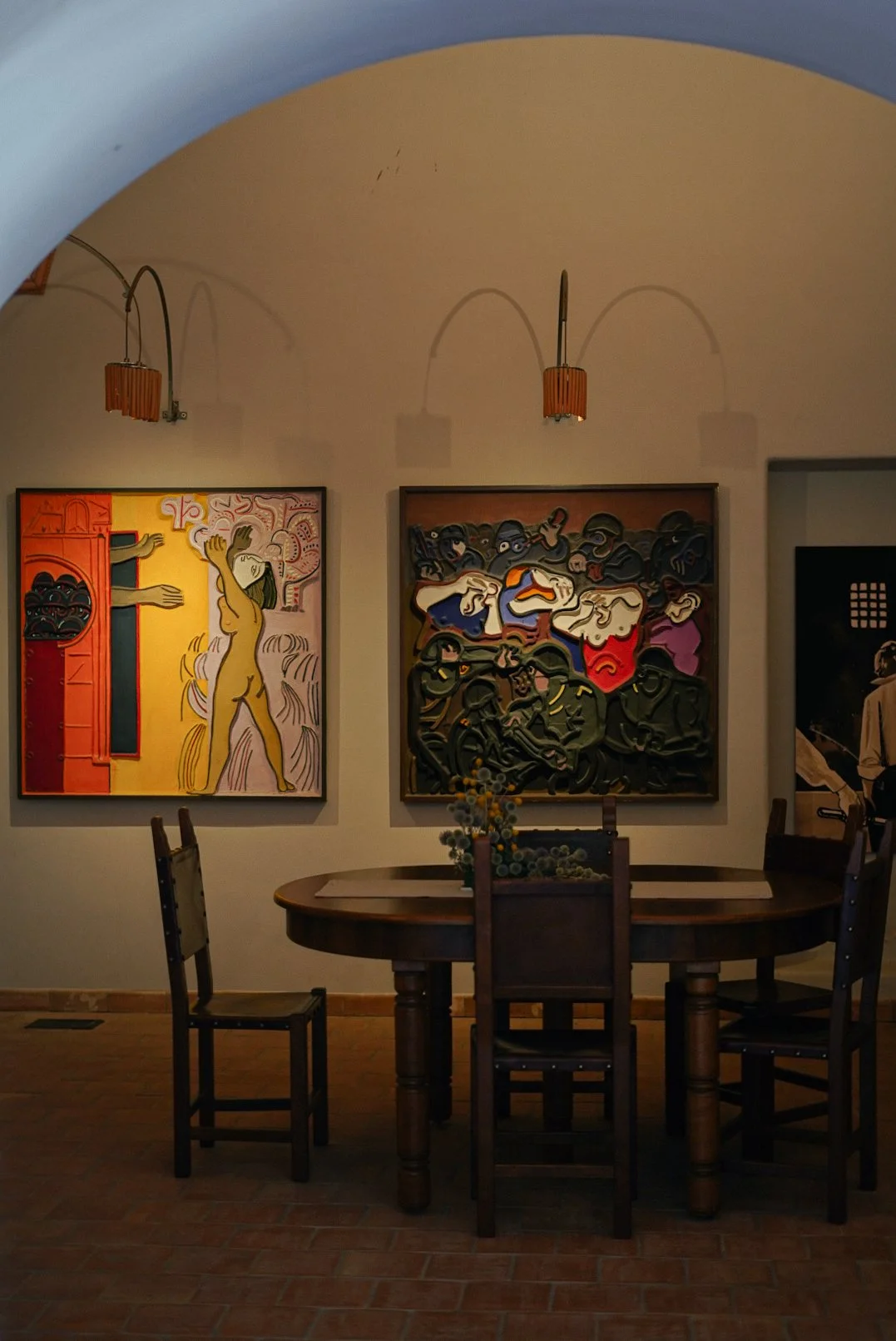
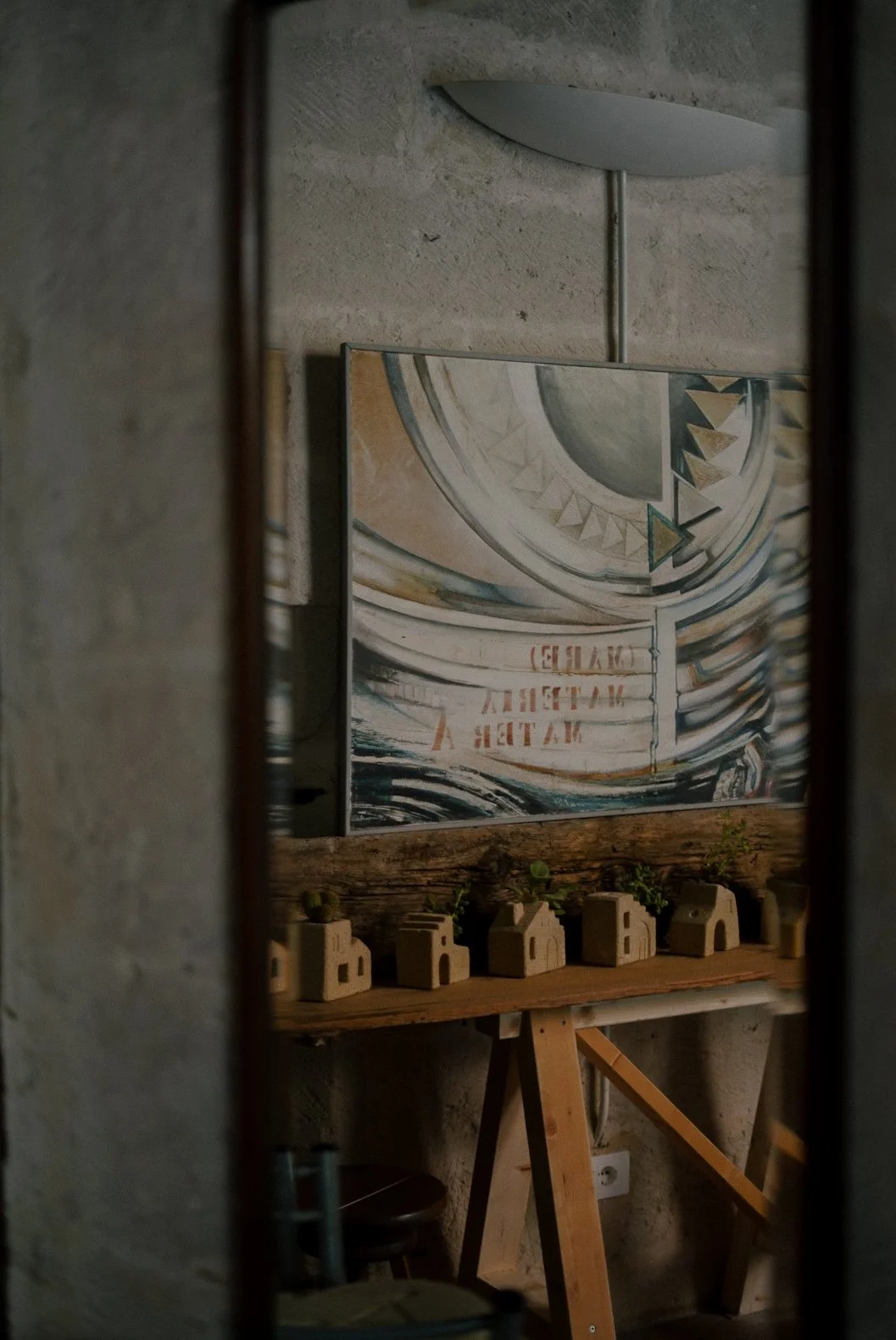
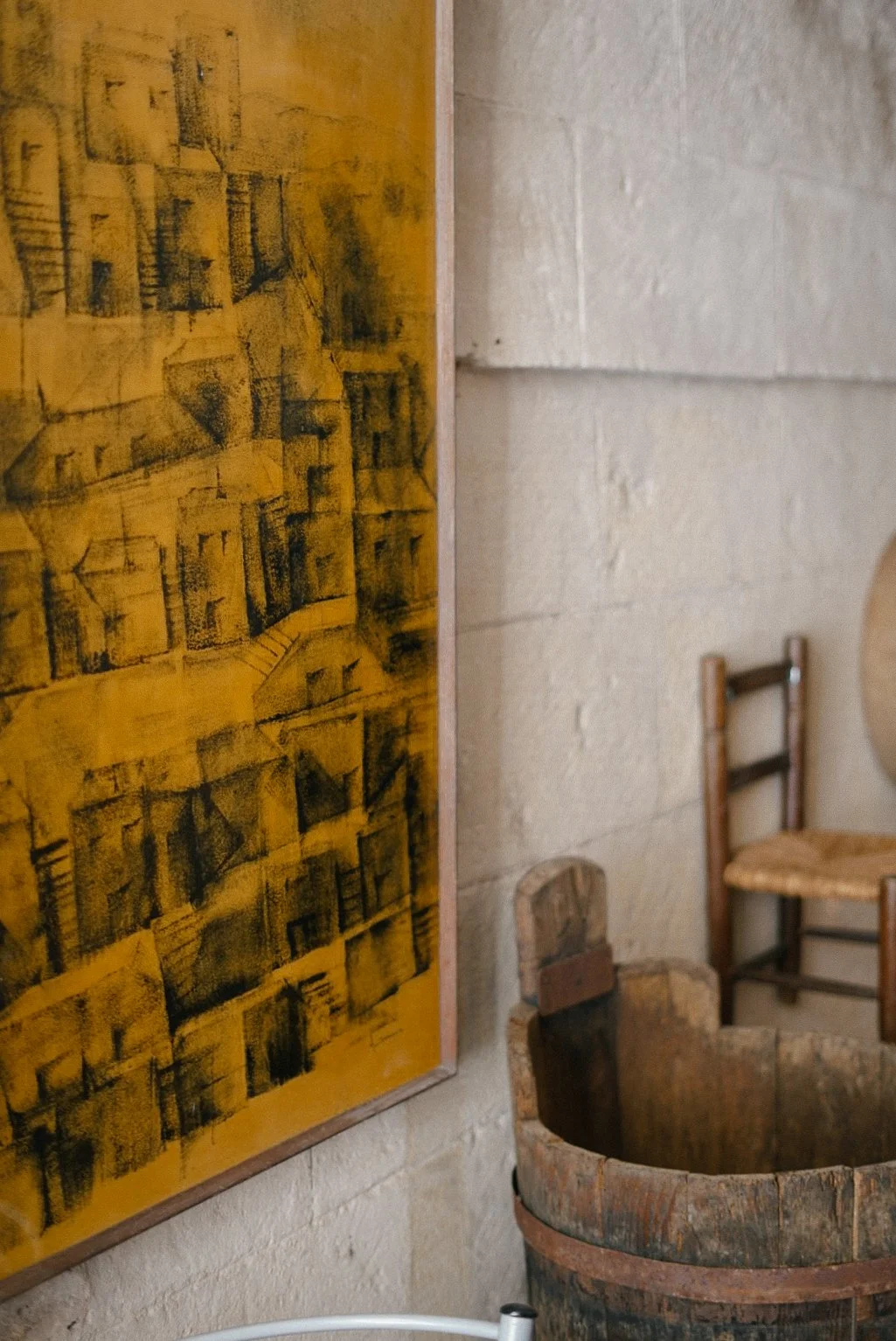
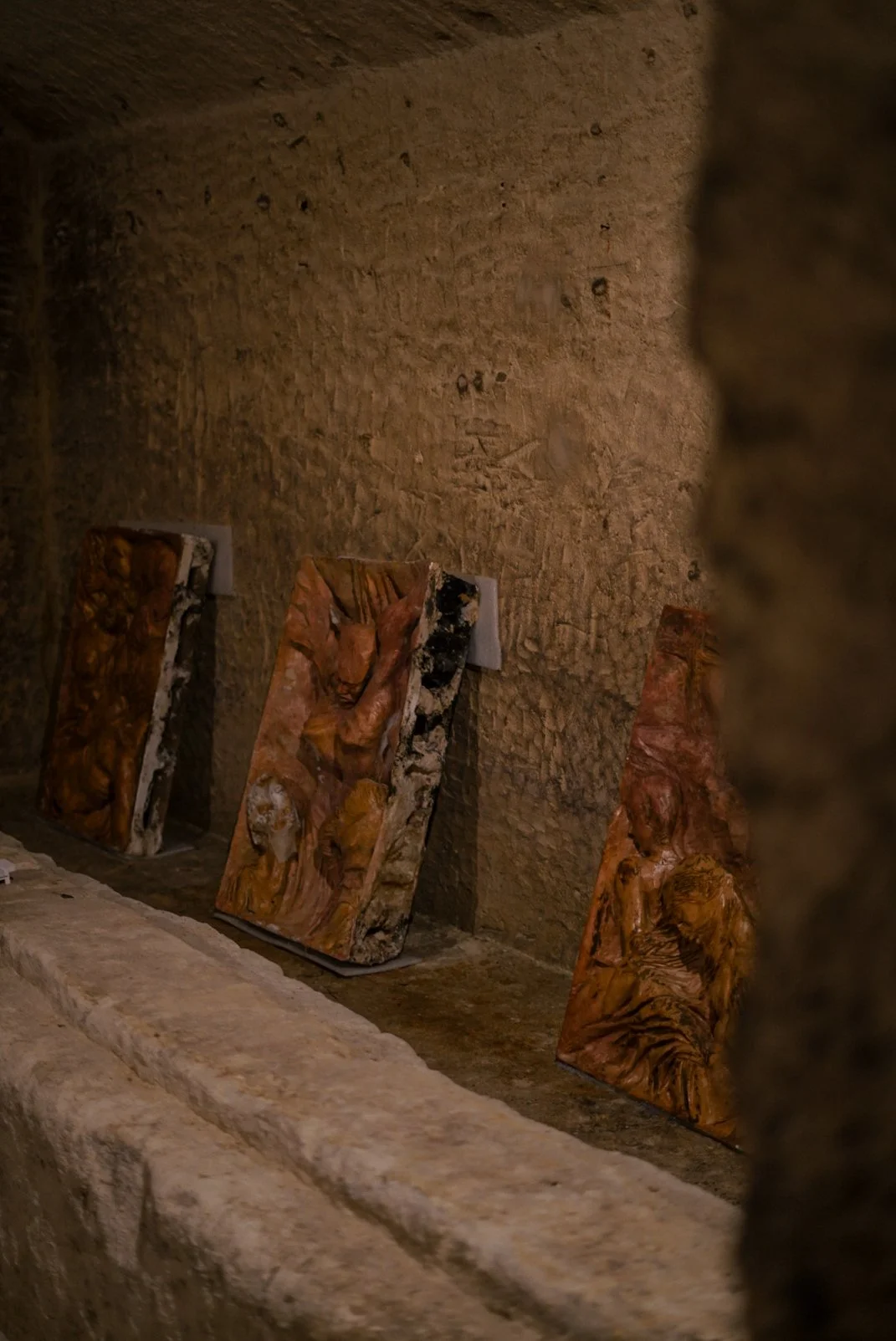
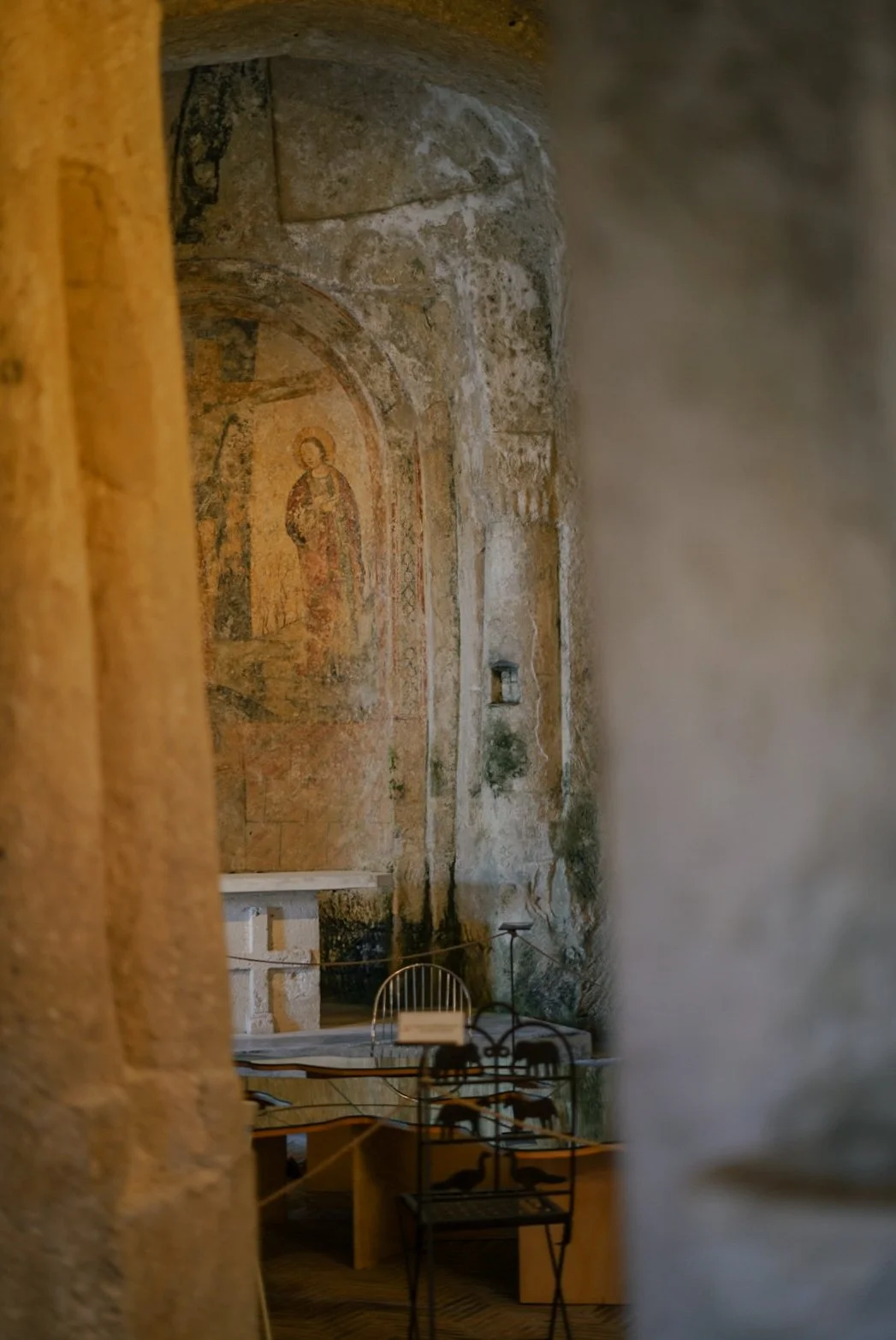
Working in the artistic field myself, I was particularly curious about the relationship between Vetera and the house of José Ortega, but I found the story of the artist's arrival in Matera more compelling than any institutional narrative could have been. It began, almost casually, through a barber and one of his clients, a Materan papier-mâché artist. A conversation led to another, and another eventually brought Ortega to the Sassi in the early 1970s, where he began an intense period of artistic research, working with local craftsmen and becoming increasingly fascinated by the city's material culture. It is difficult not to see something profoundly Materan in the story itself, as the city reached Ortega through people, and once he arrived, it entered his work. Papier-mâché, colour, bas-relief and craftsmanship became part of his artistic vocabulary, transforming a local tradition into something that could travel beyond the boundaries of the city.
His time in Matera was relatively brief, but the legacy was not. His family remains connected to the city, returning over the years, while Casa Ortega continues to preserve the memory of his work and his first home here. Today, that legacy is also being supported by young restoration students who are learning to care for the work and, in doing so, becoming part of its next chapter. I kept thinking about that idea, because heritage is ultimately a human relationship, someone has to care enough to continue it.
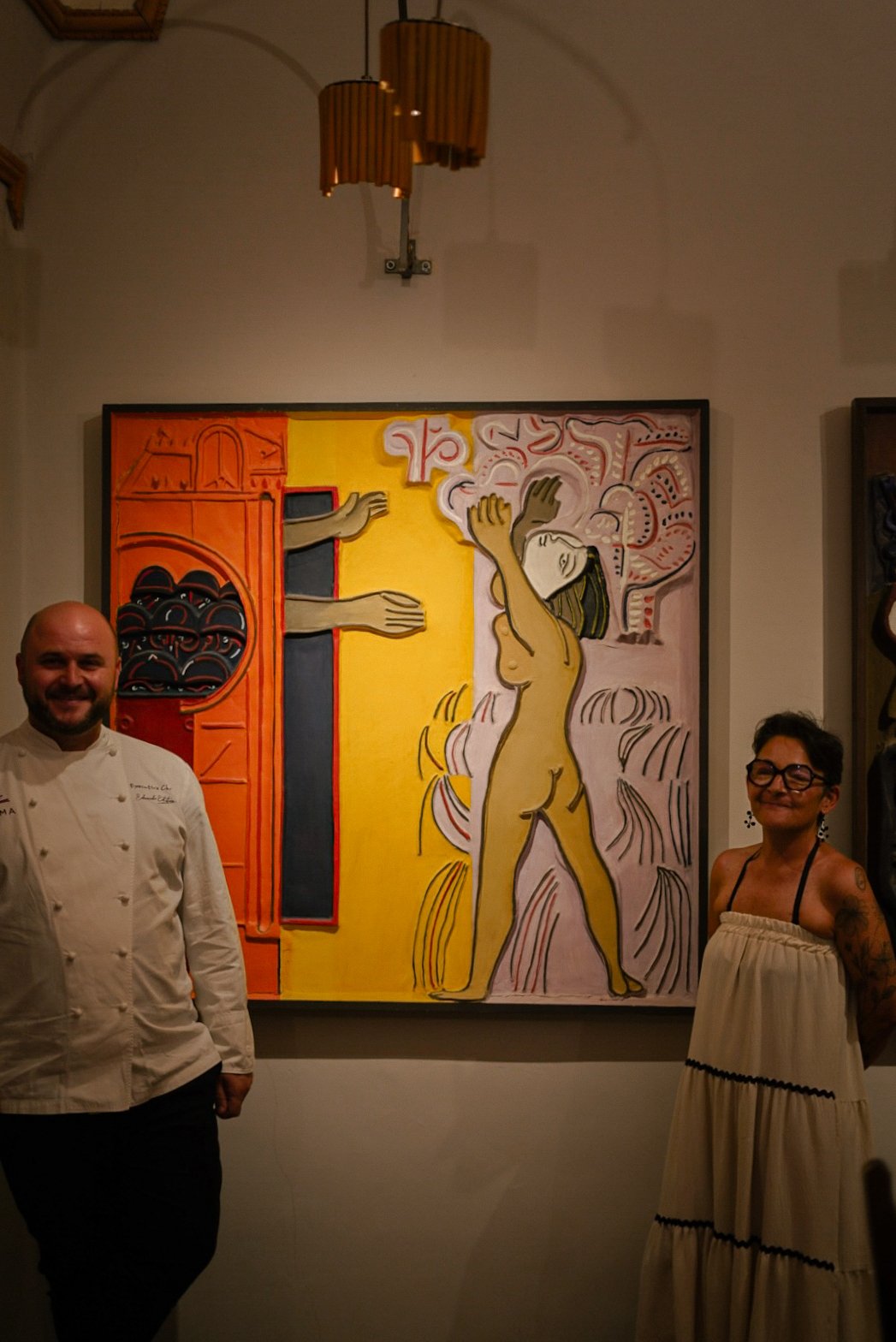
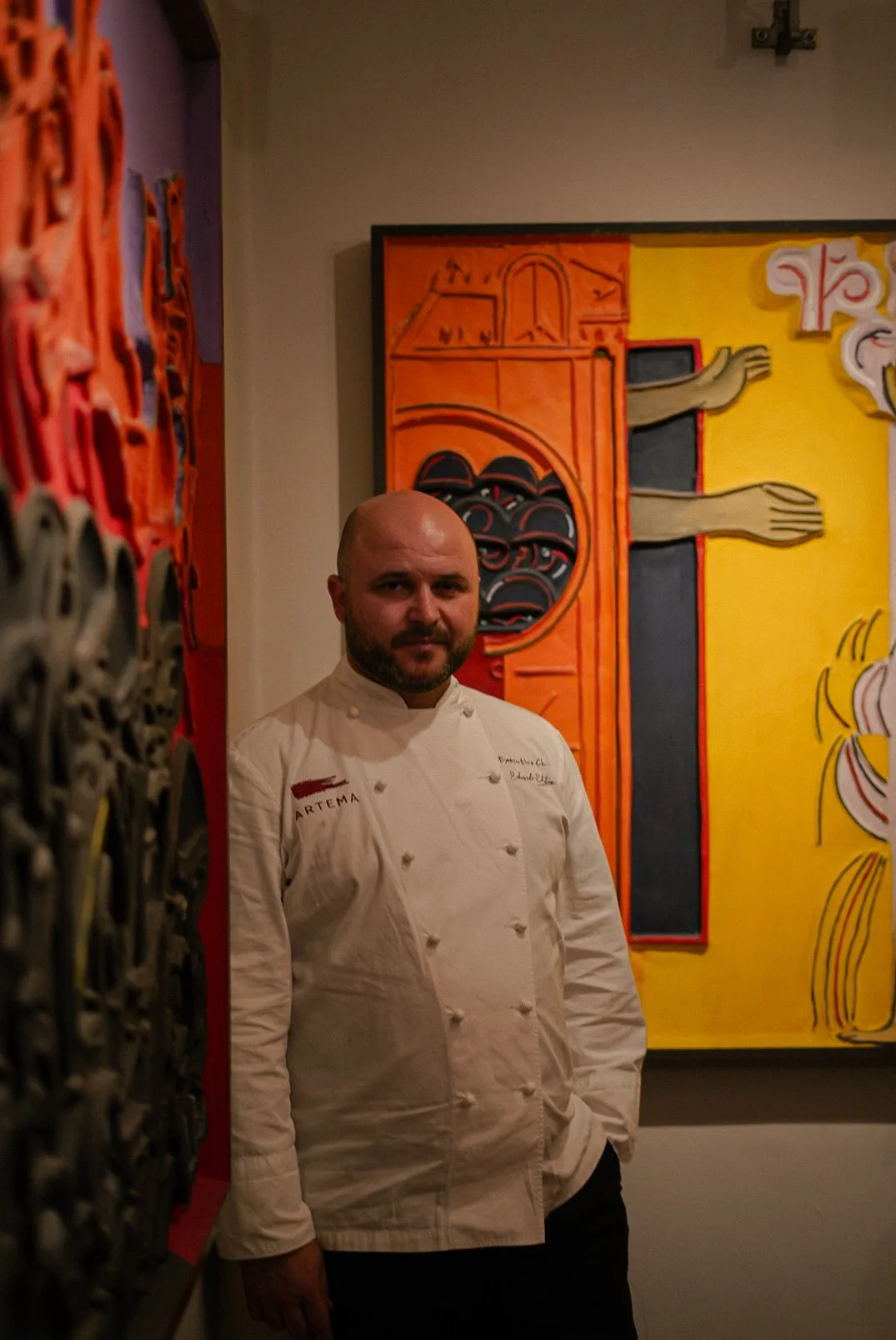
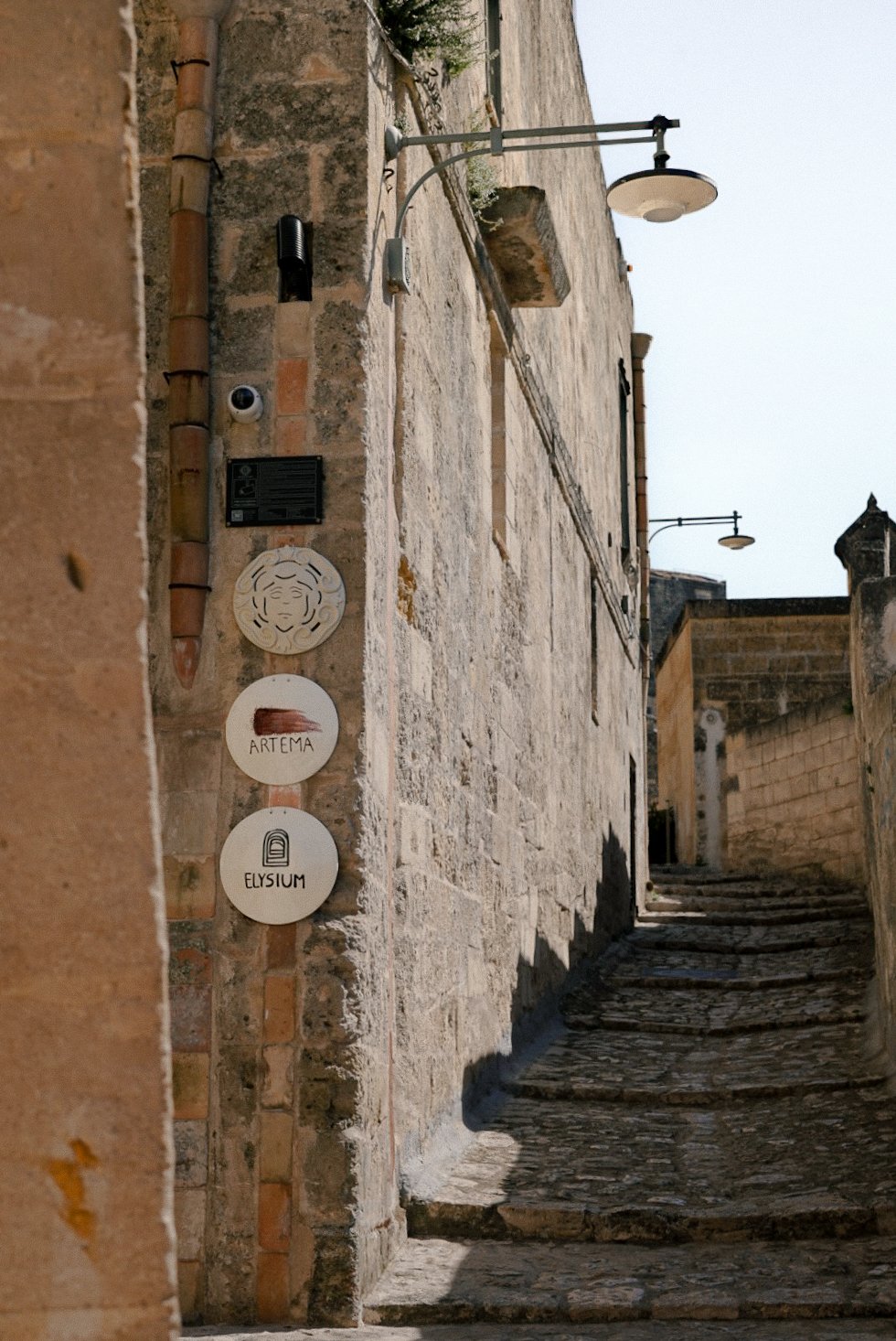
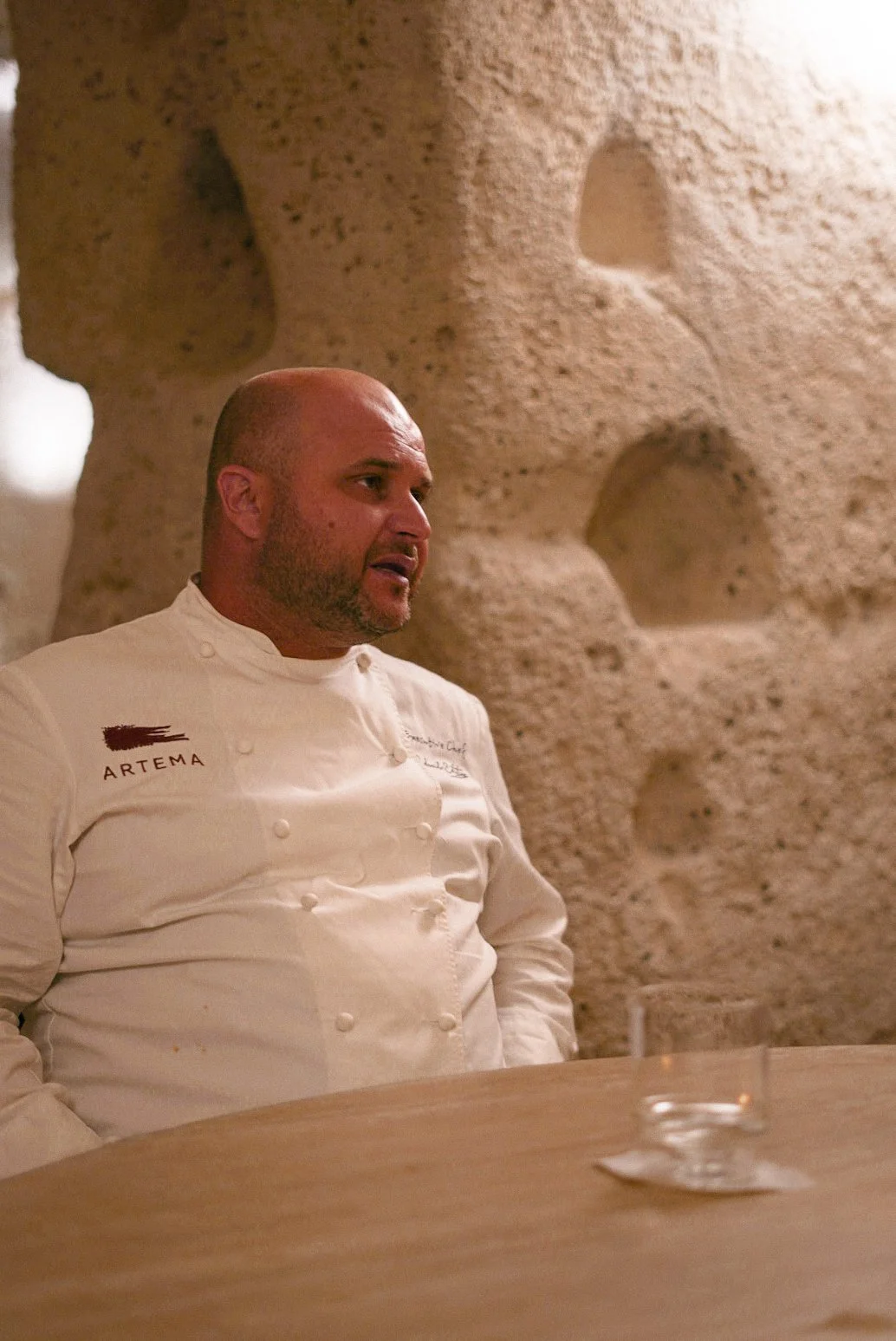
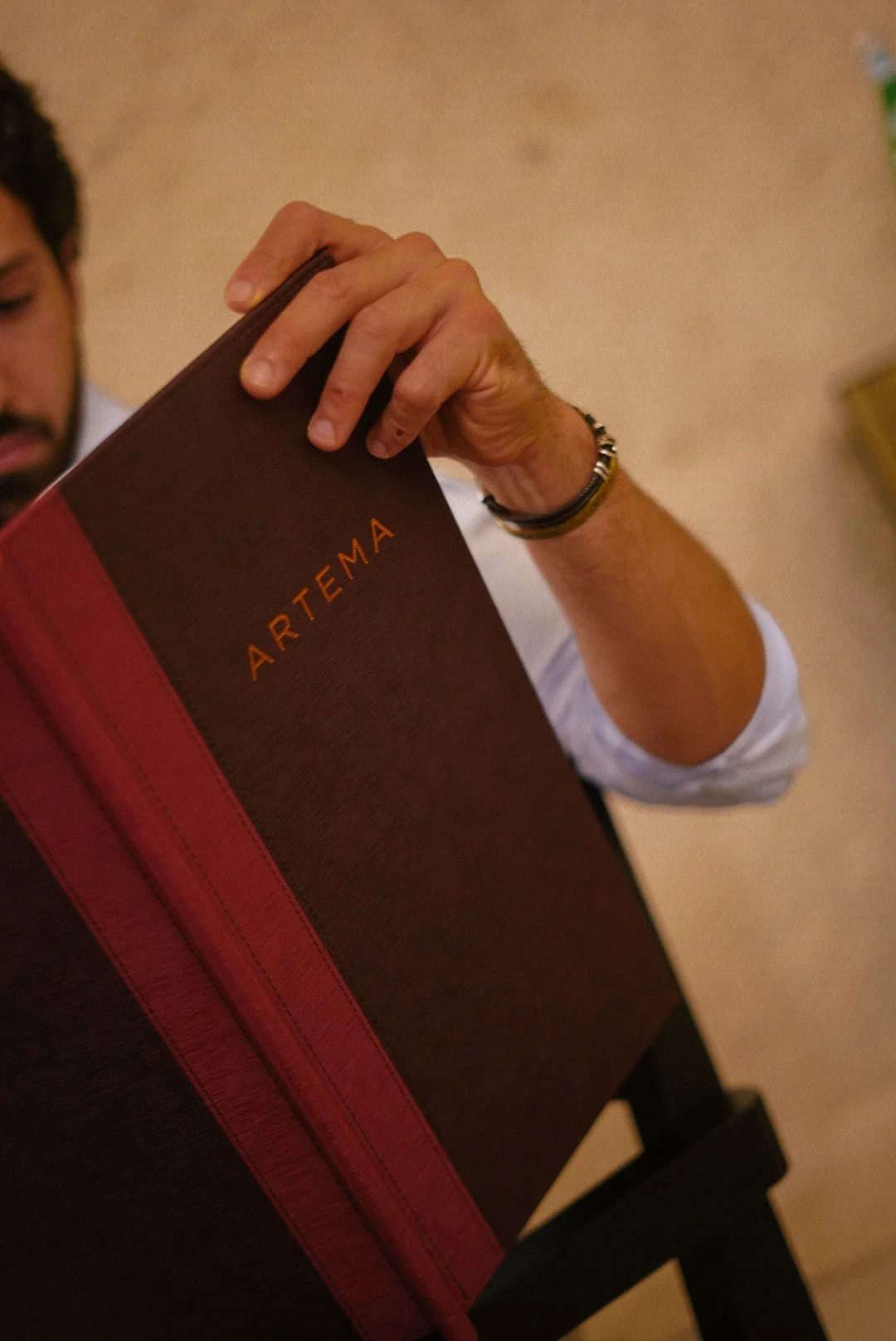
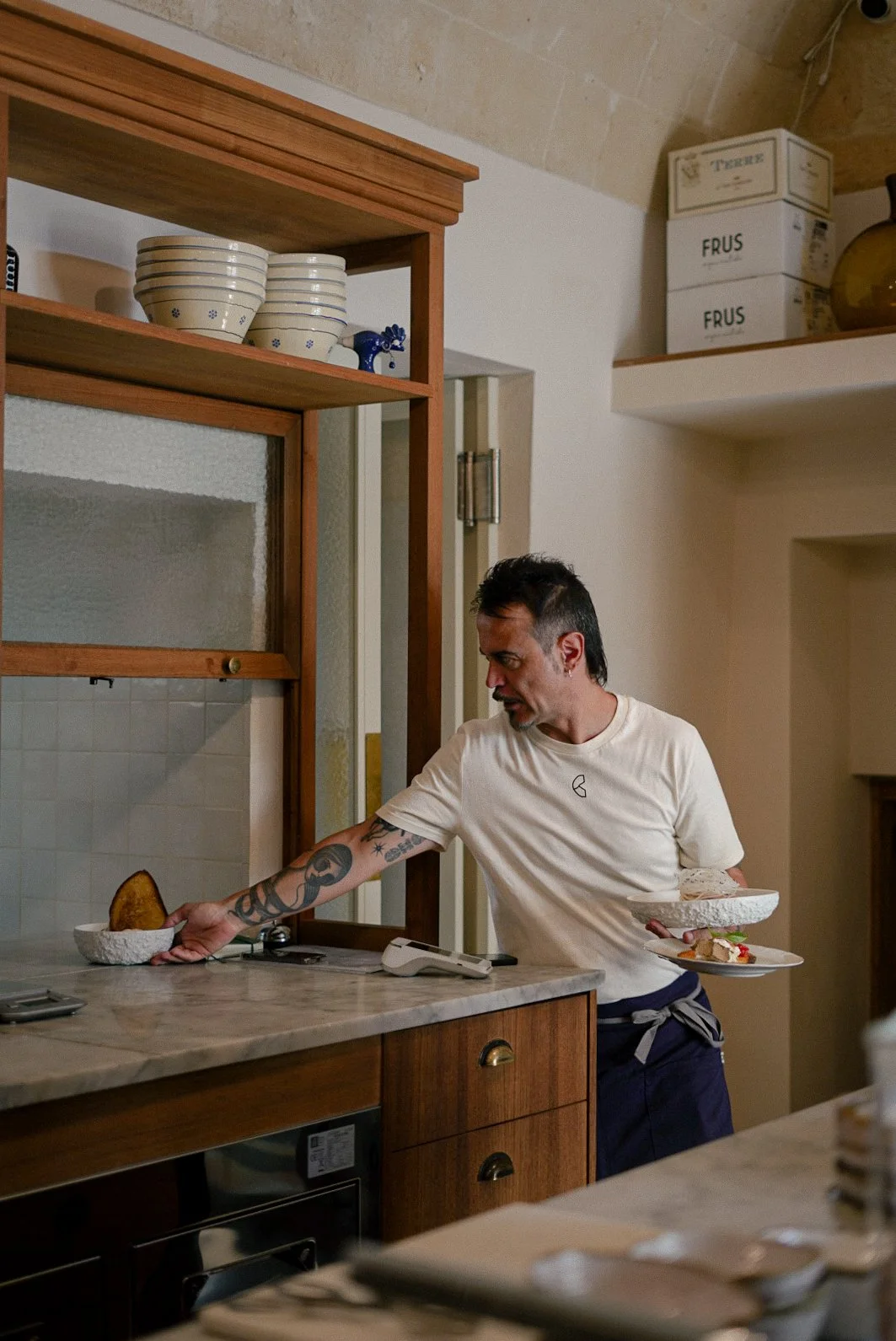
This is also the reason why the relationship between Casa Ortega and Chef Eduardo Estatico feels so relevant: it is not a connection I discovered and imposed upon the experience; it is part of Eduardo's own vision for Vetera and Artema. He has actively worked to valorise Casa Ortega, bringing his culinary art into the museum and allowing Ortega's work to become part of his own research. At the same time, the visual language of the house has informed the aesthetic and conceptual identity of Vetera and Artema. What emerges is not the predictable idea of food as art, but something more interesting: a conversation about material. Ortega worked with paper, pigment, relief and the hands of artisans.
Eduardo works with ingredients, texture, aroma, memory and technique. Both take something that already exists and transform it without necessarily erasing what it was; the materials are different, but the gesture is remarkably similar. And this is where Eduardo's idea of a chef's table becomes larger than gastronomy. It becomes a meeting point between art and cuisine, between Naples and Matera, between personal memory and contemporary research: a table with horizons that extend beyond the plate.
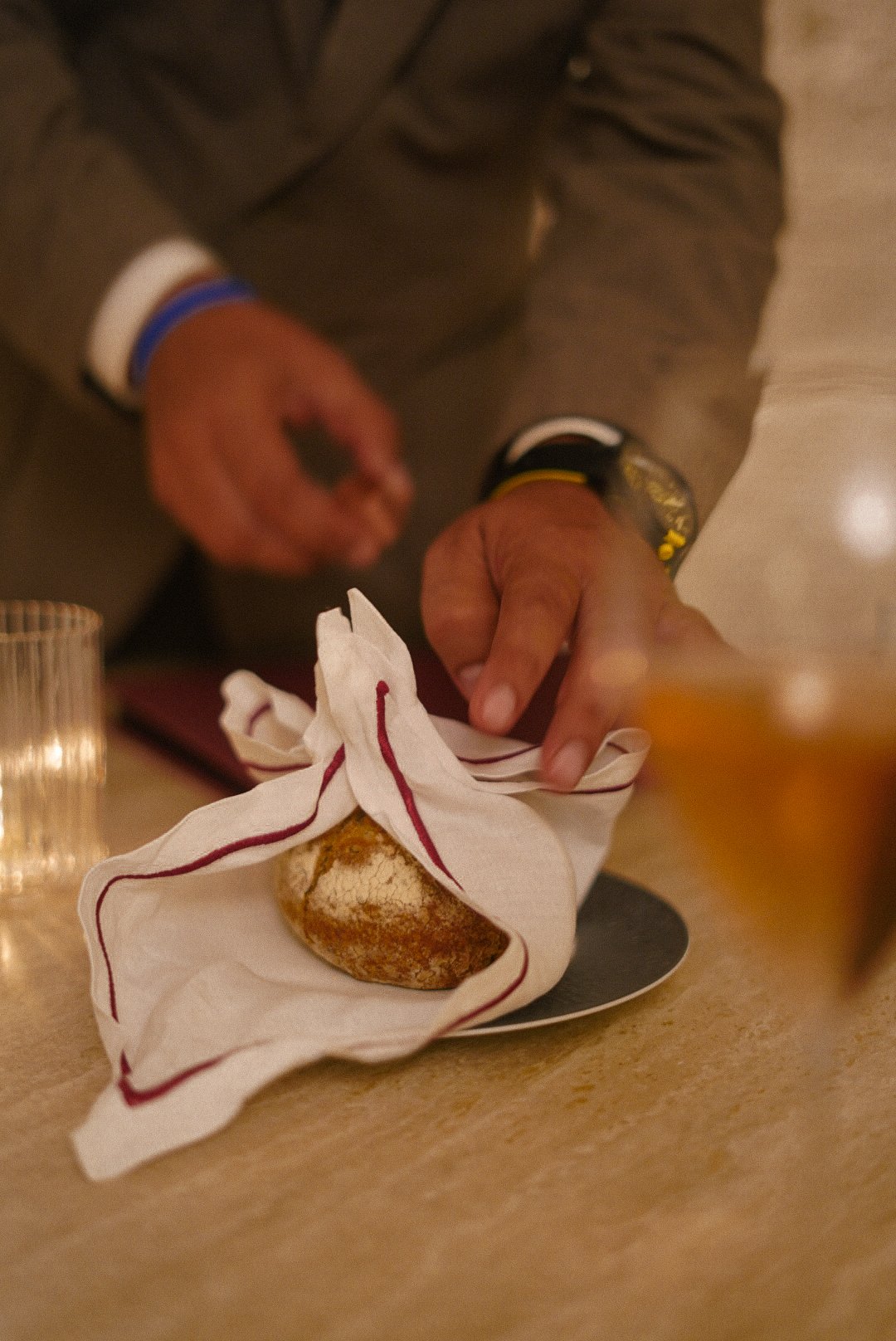
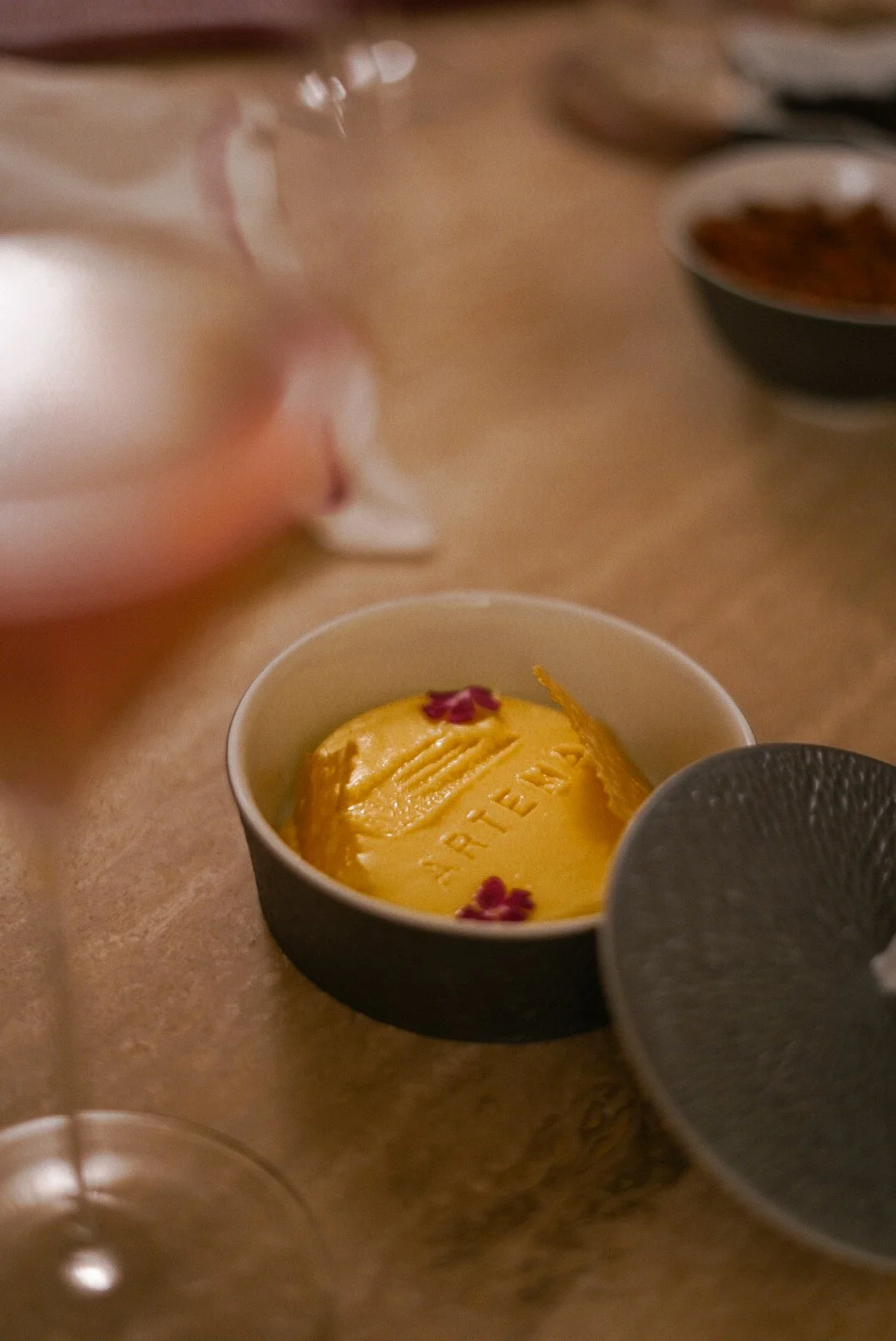
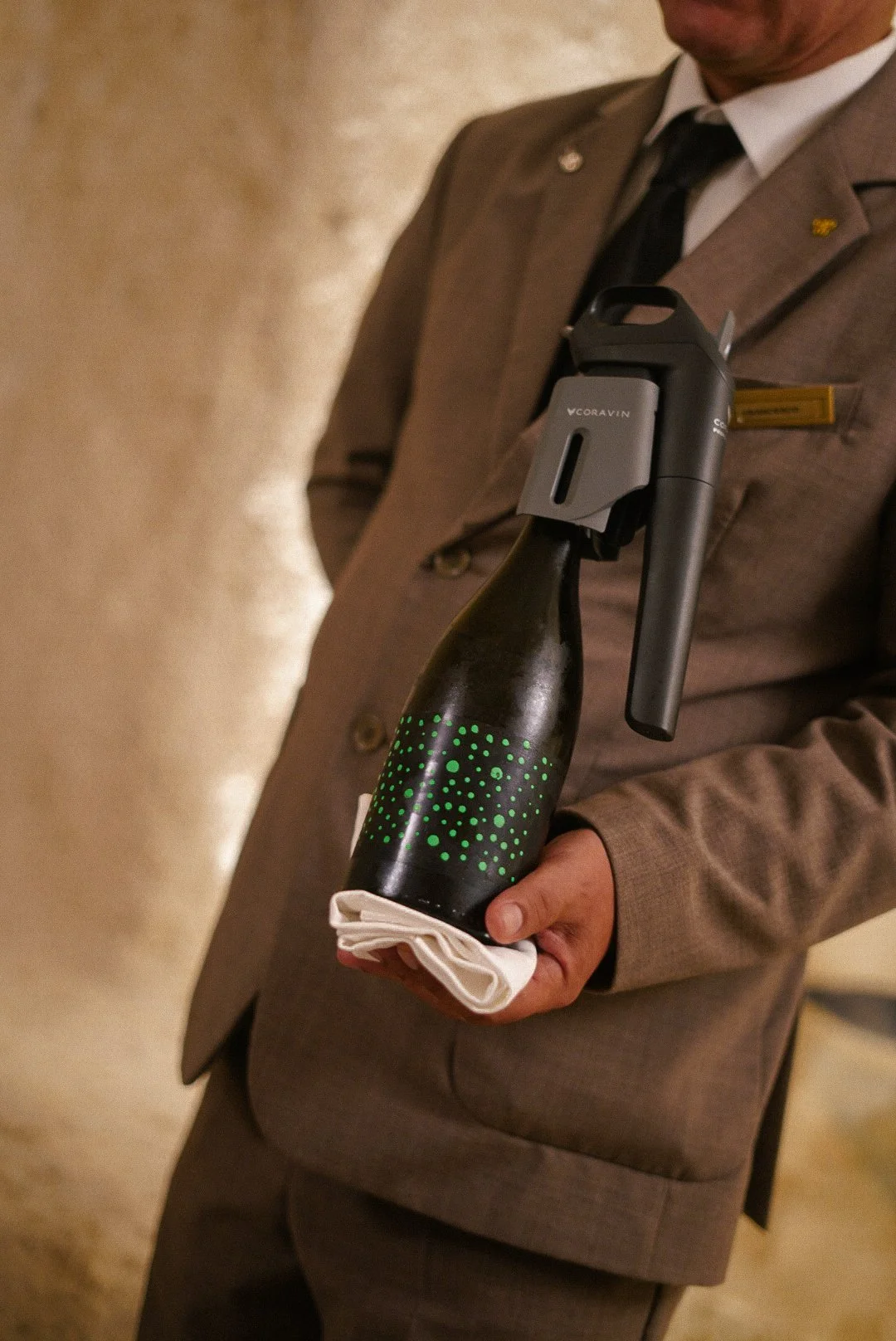
At Artema, I began to understand what that meant.
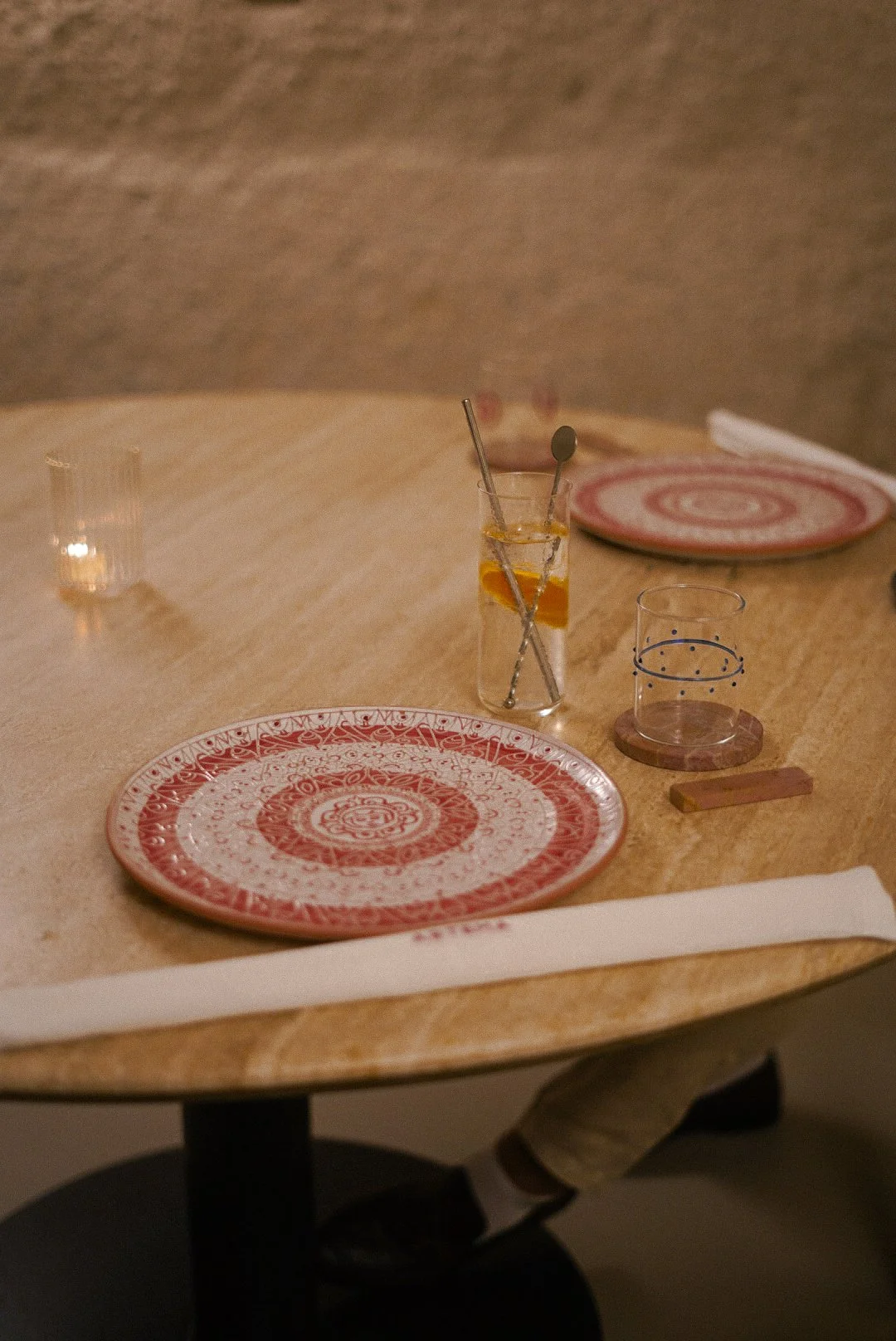
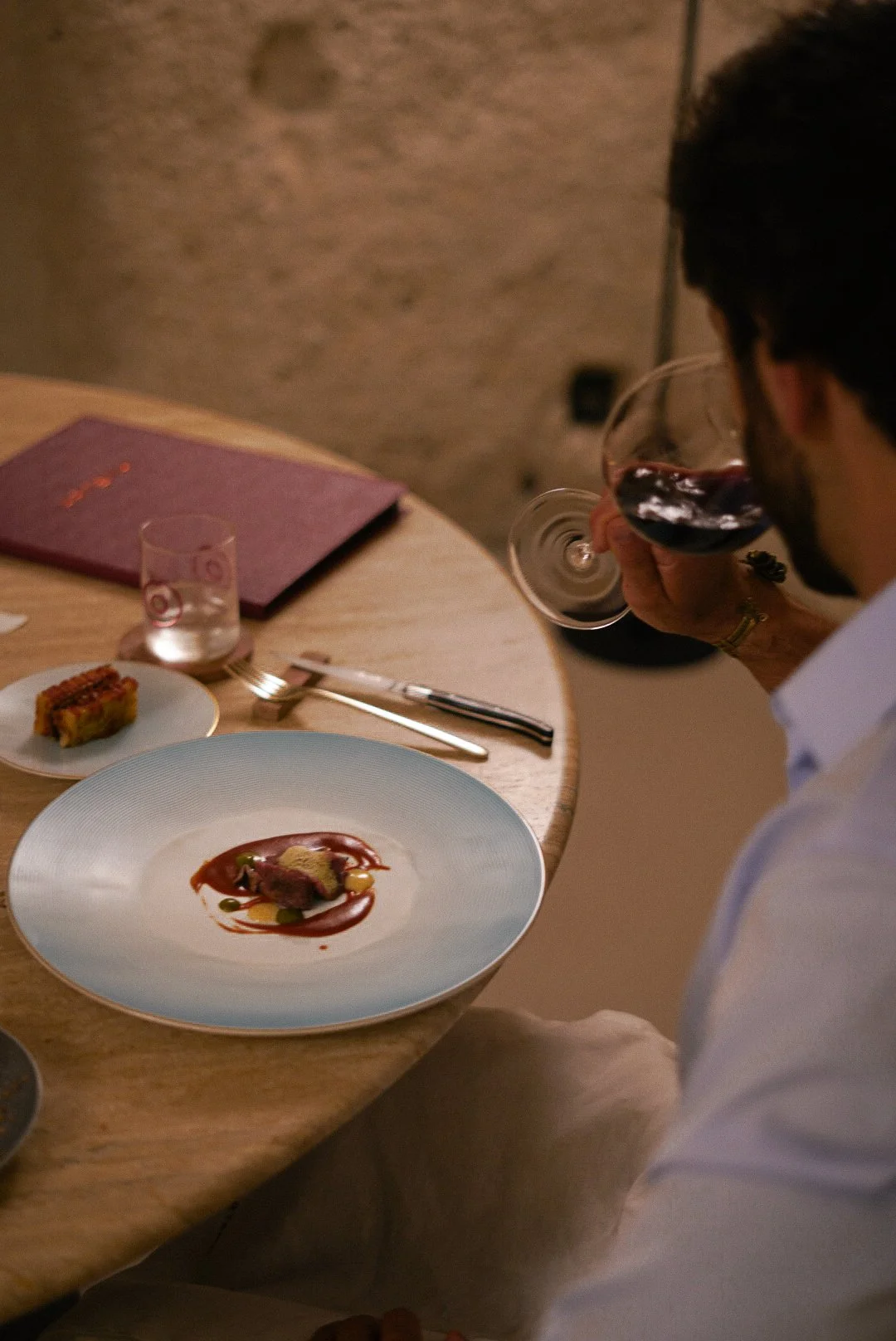
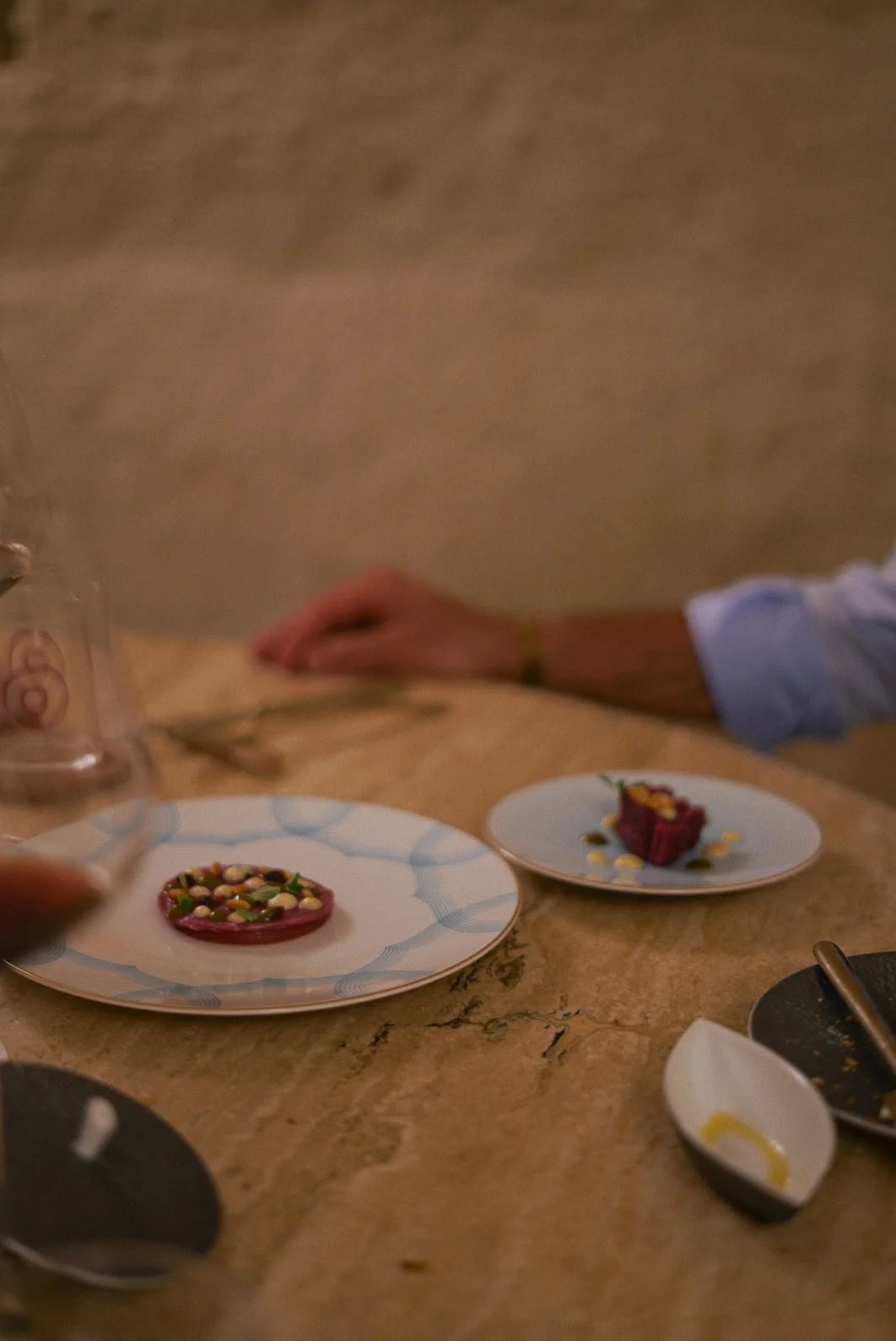
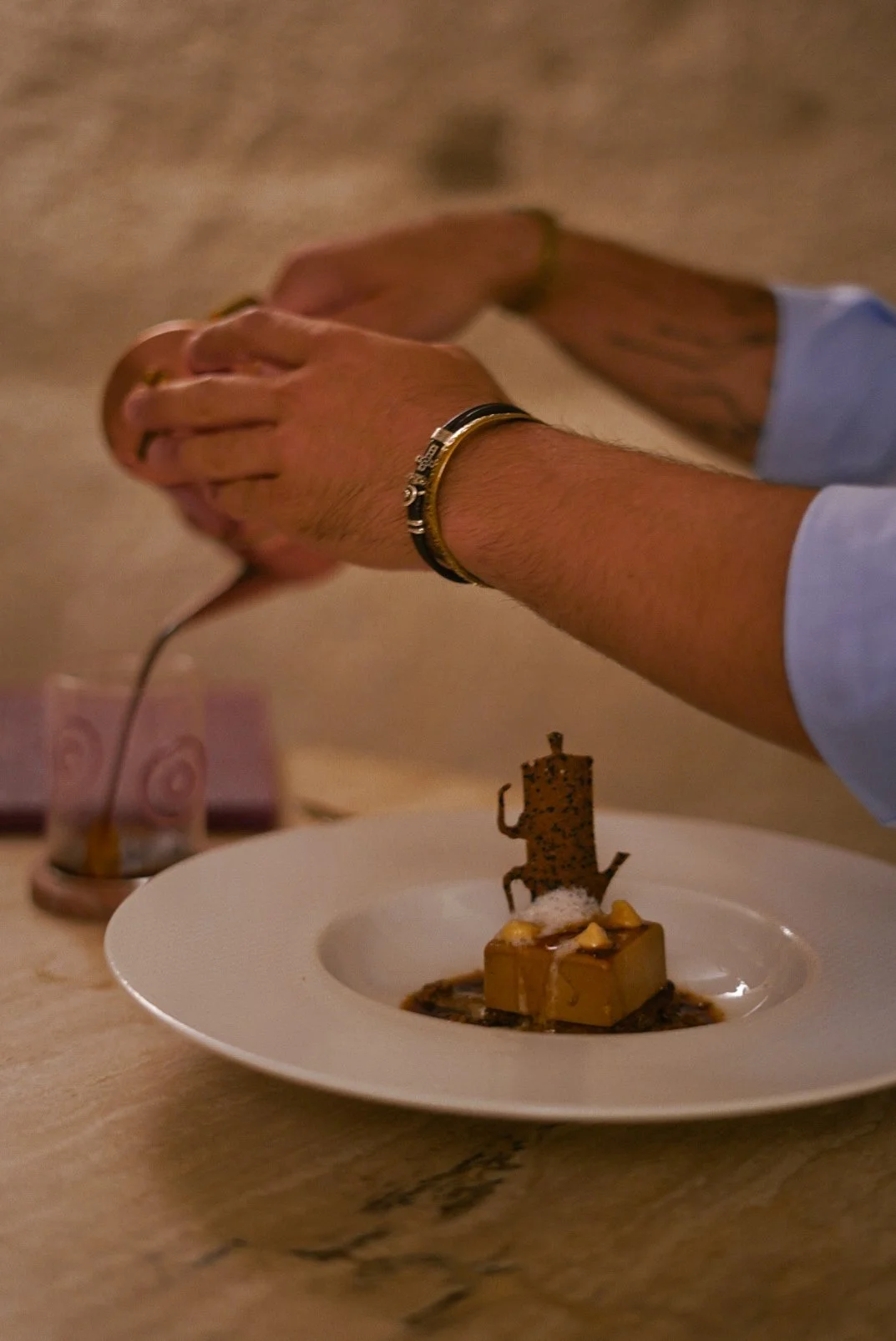
Eduardo calls his culinary journey In viaggio con Eduardo: a route beginning n Naples, with his grandmothers, childhood memories and his fascination with Eduardo De Filippo, travelling through Campania, Capri and the Sorrento Peninsula before reaching the Sassi. Reading the menu, I felt that geography before tasting it.
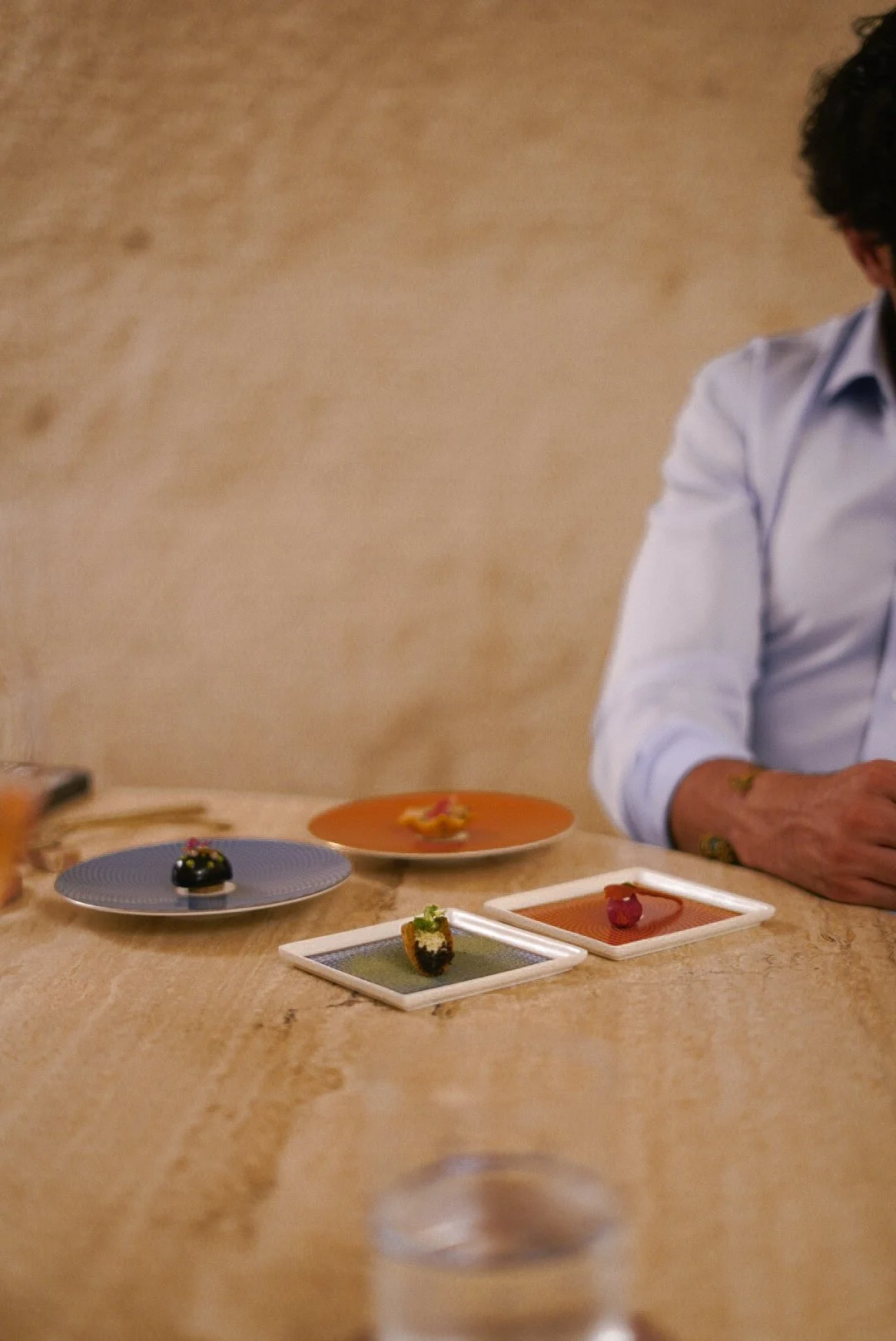
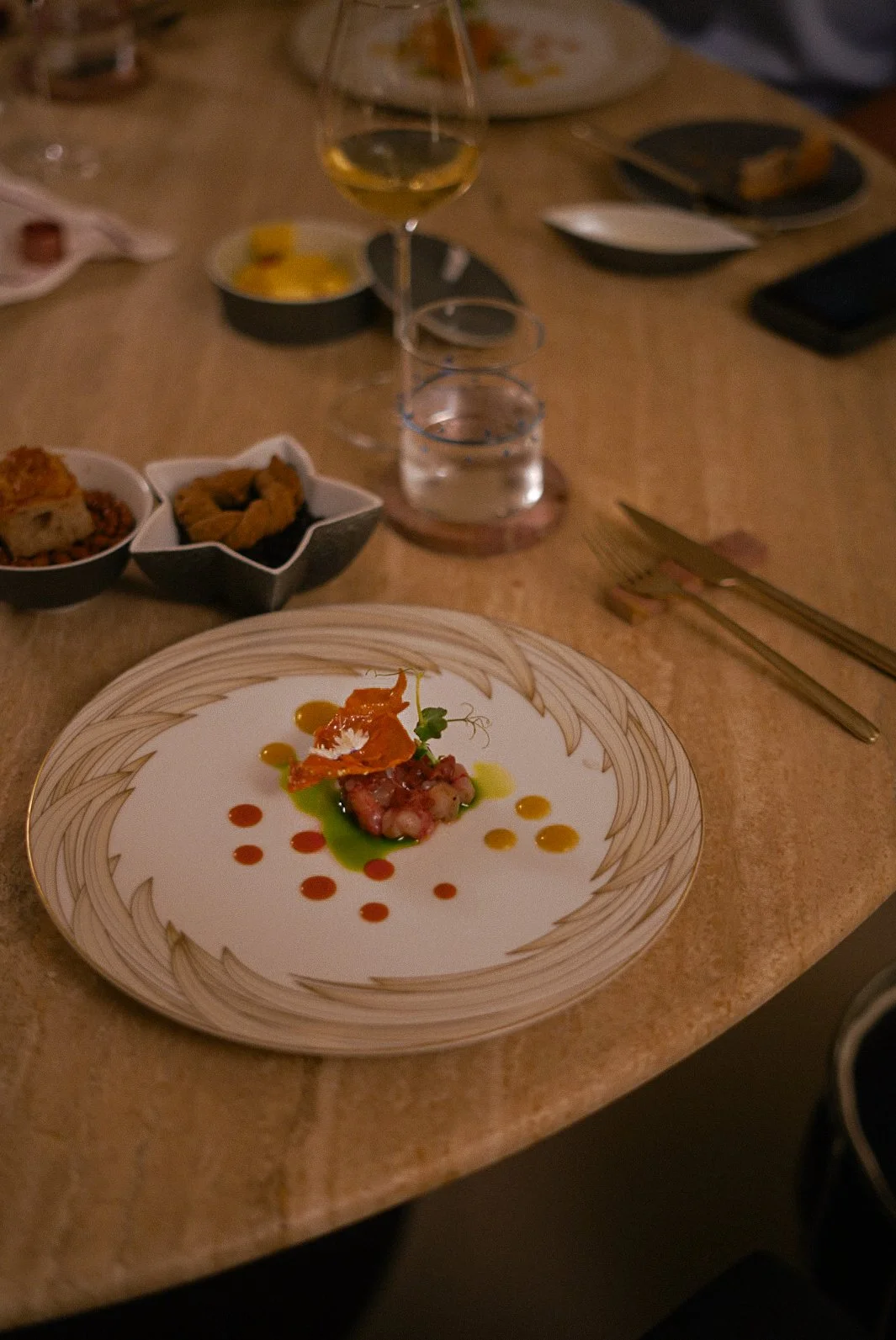
Santo Spirito brought smoked red prawns together with umeboshi, plum, verbena and coral tapioca.
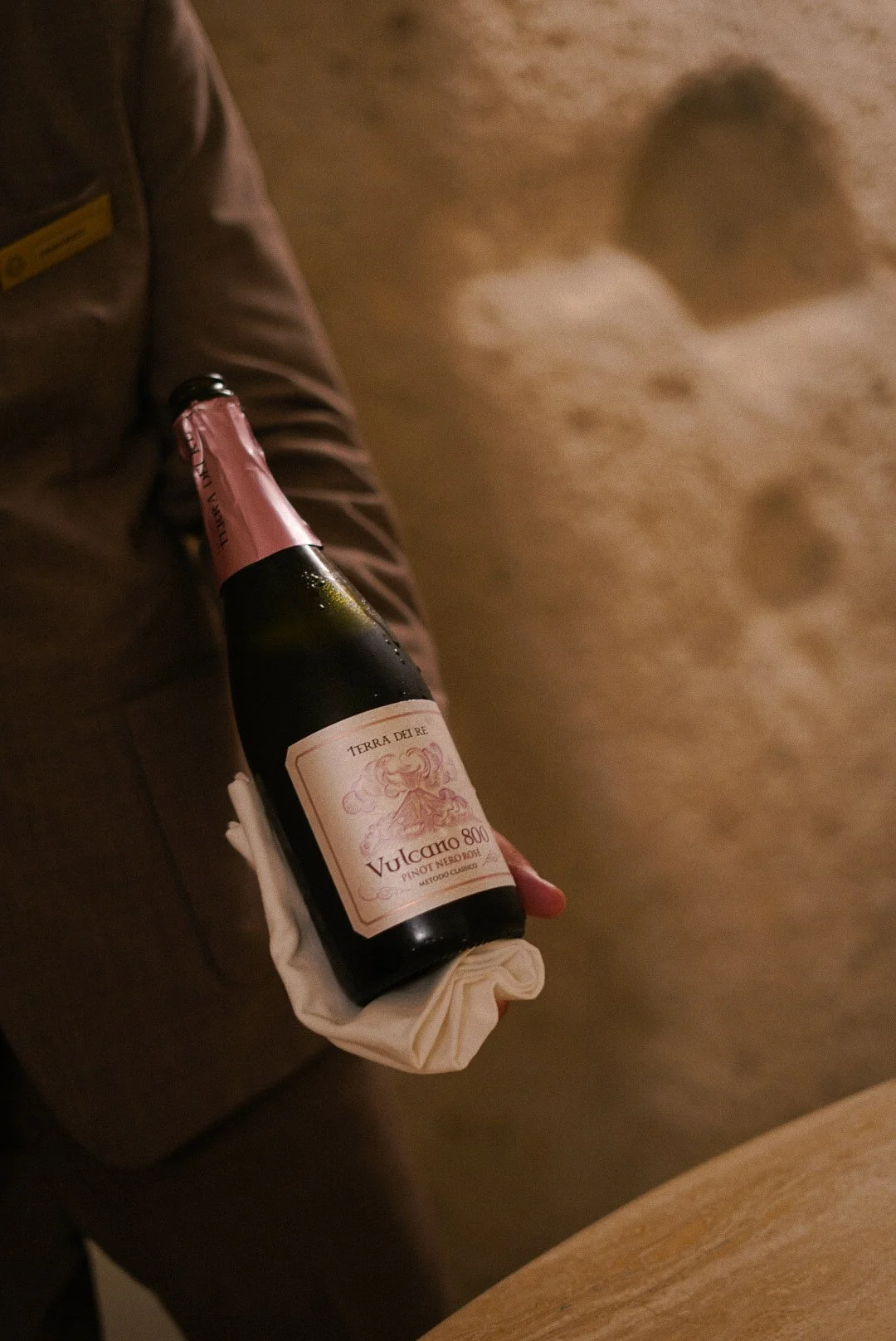
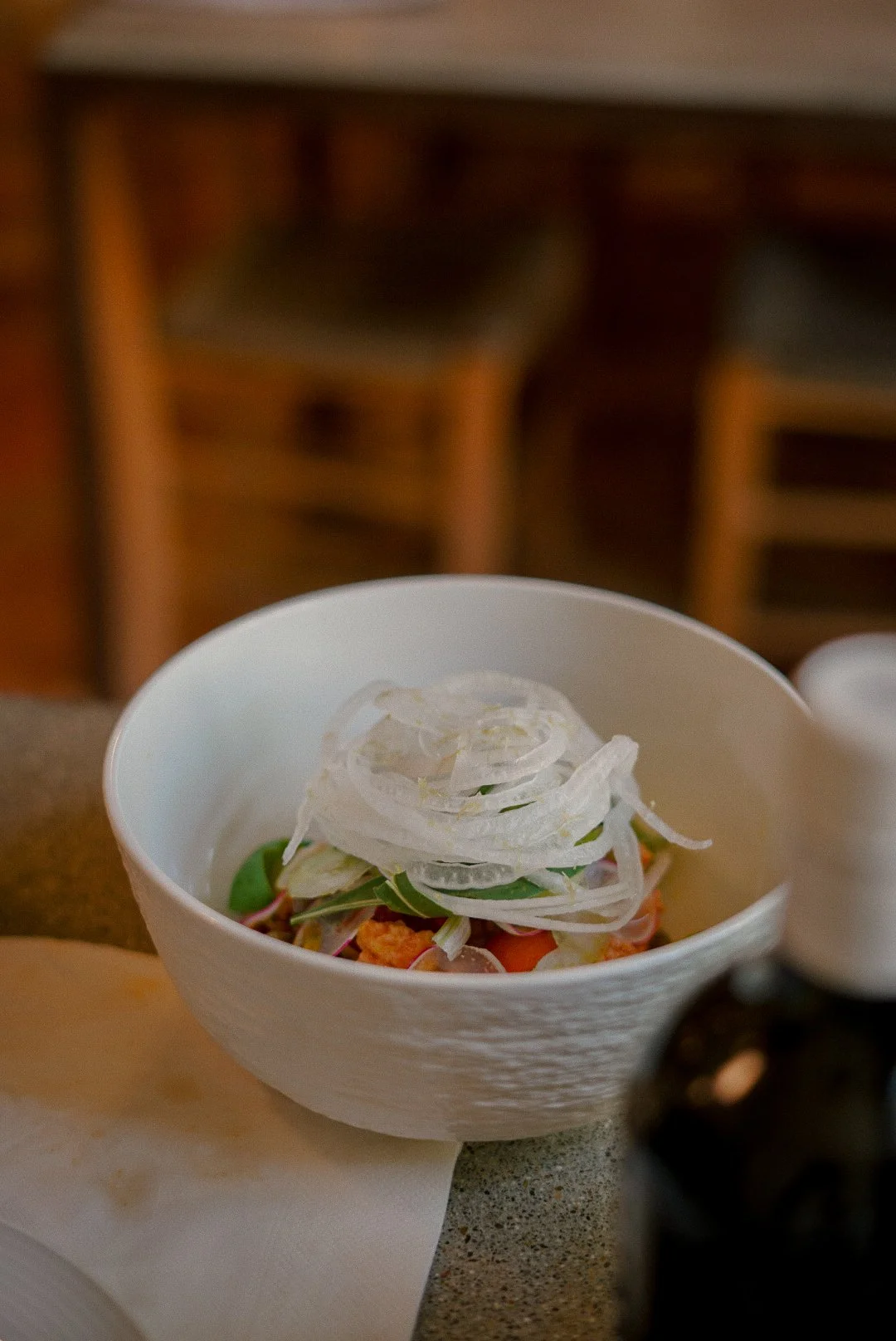
Seppia Velata placed cuttlefish grilled in fig leaf alongside goat's milk, cherry and rosehip from the Vulture.
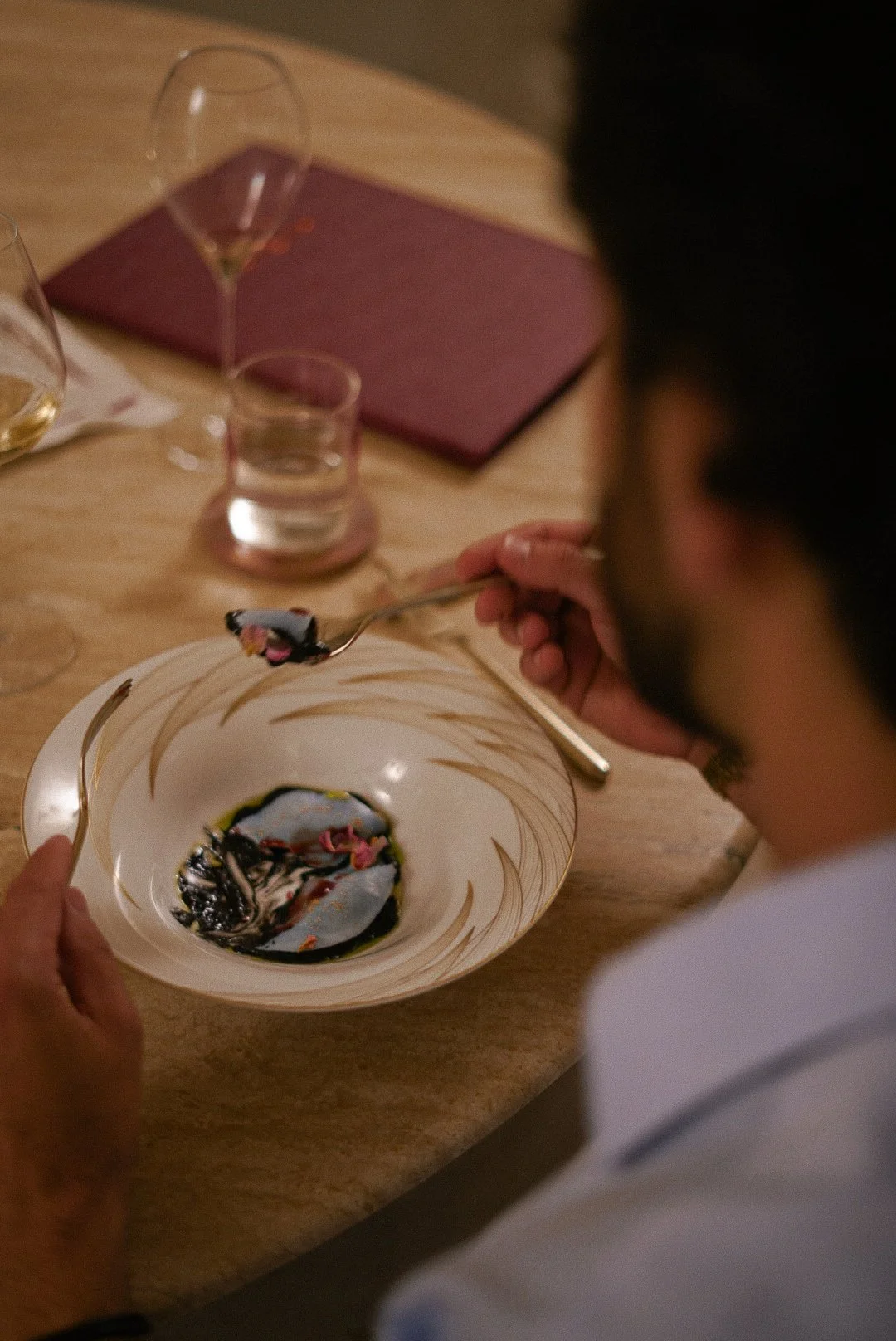
Spaghettoni Evergreen travelled towards the Adriatic through razor clams, green peppers, marine plankton and finger lime
Fieno di Murgia brought together pezzente from the Materan mountains, hay peppers, Pallone di Gravina and wild fennel.
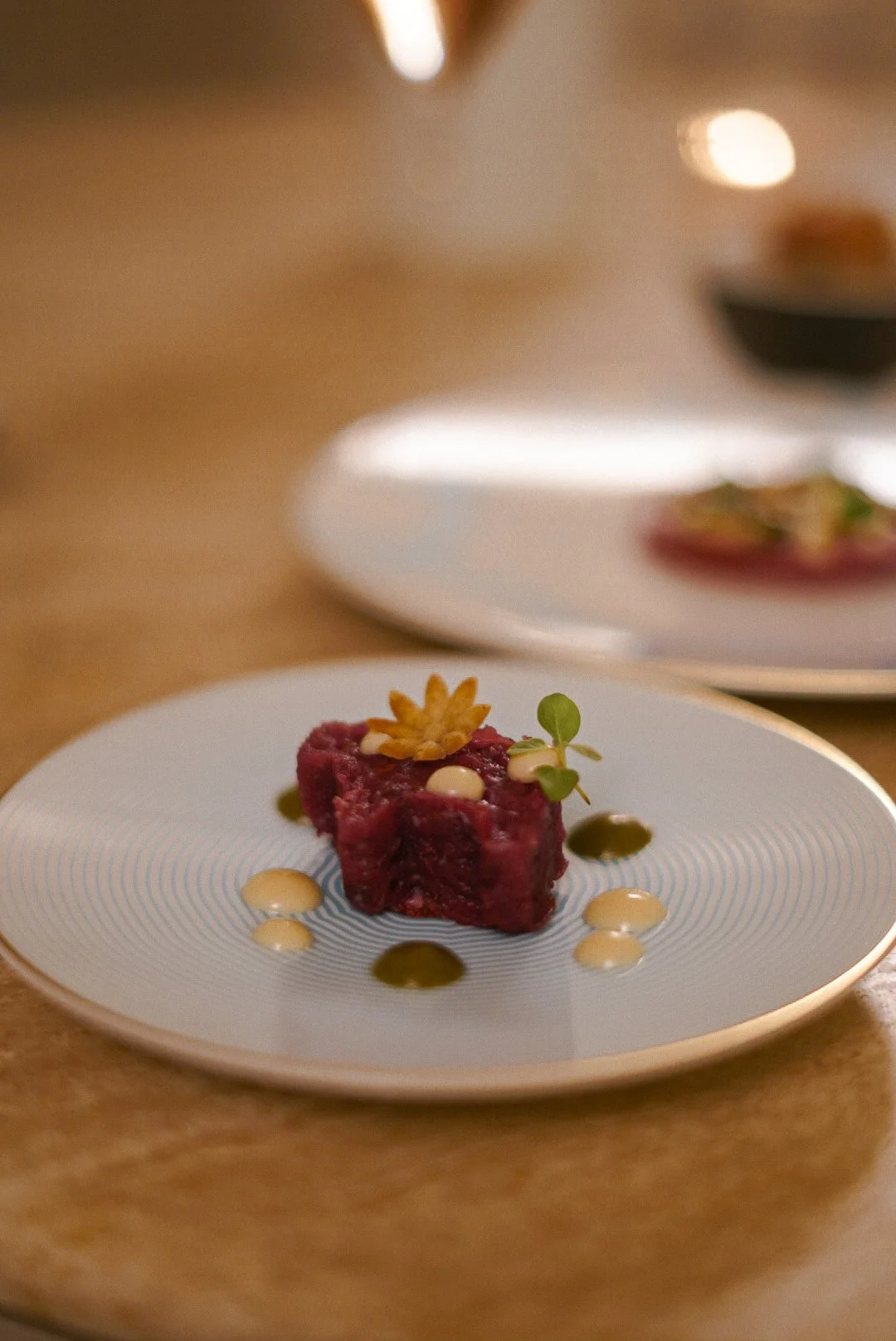
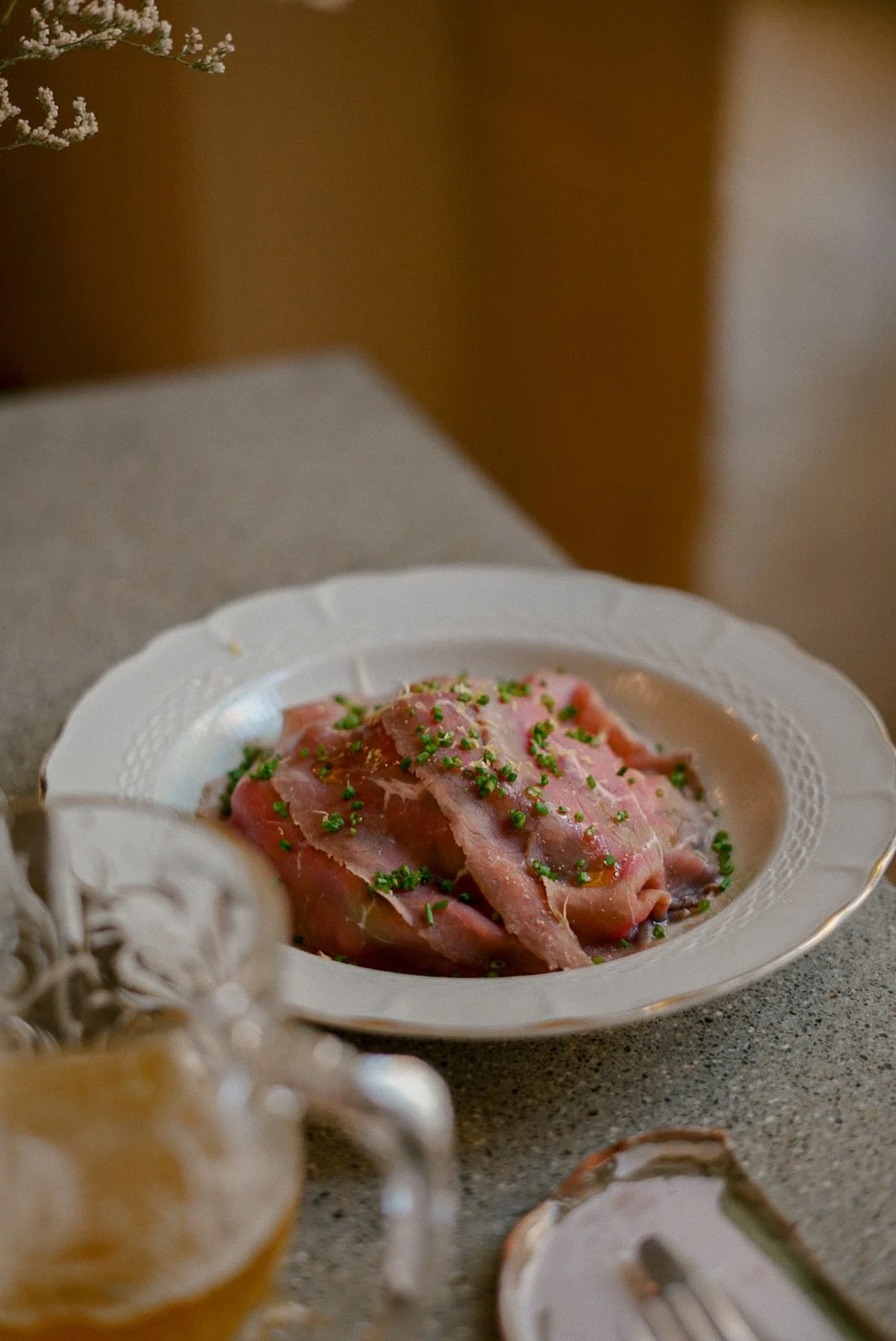
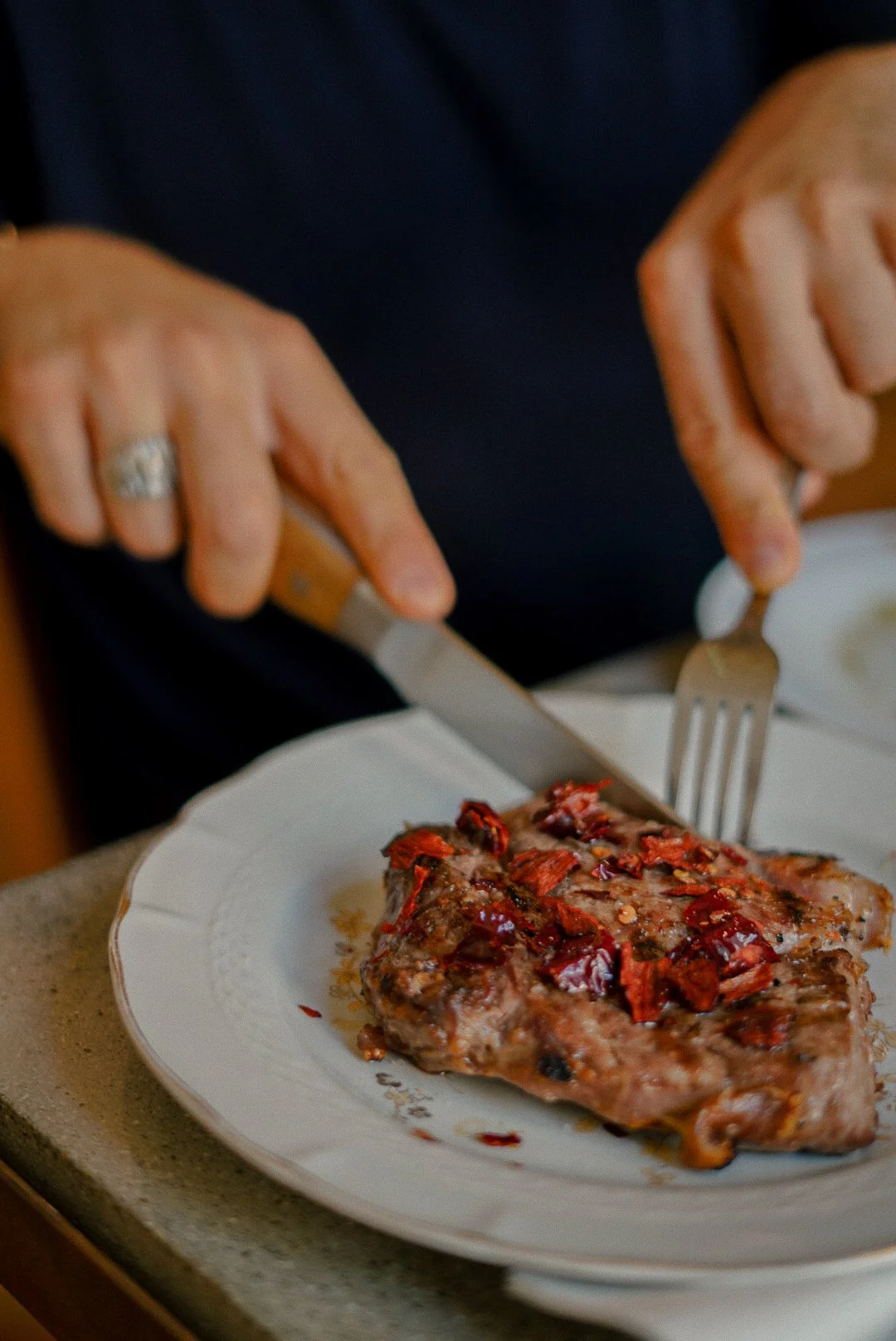
Then came Transumanza Podolica alla Pizzaiola, unfolding through two services, from a carpaccio imagined as a braciola to lacquered beef, pastrami, tomato miso and Lucanian scamorza.
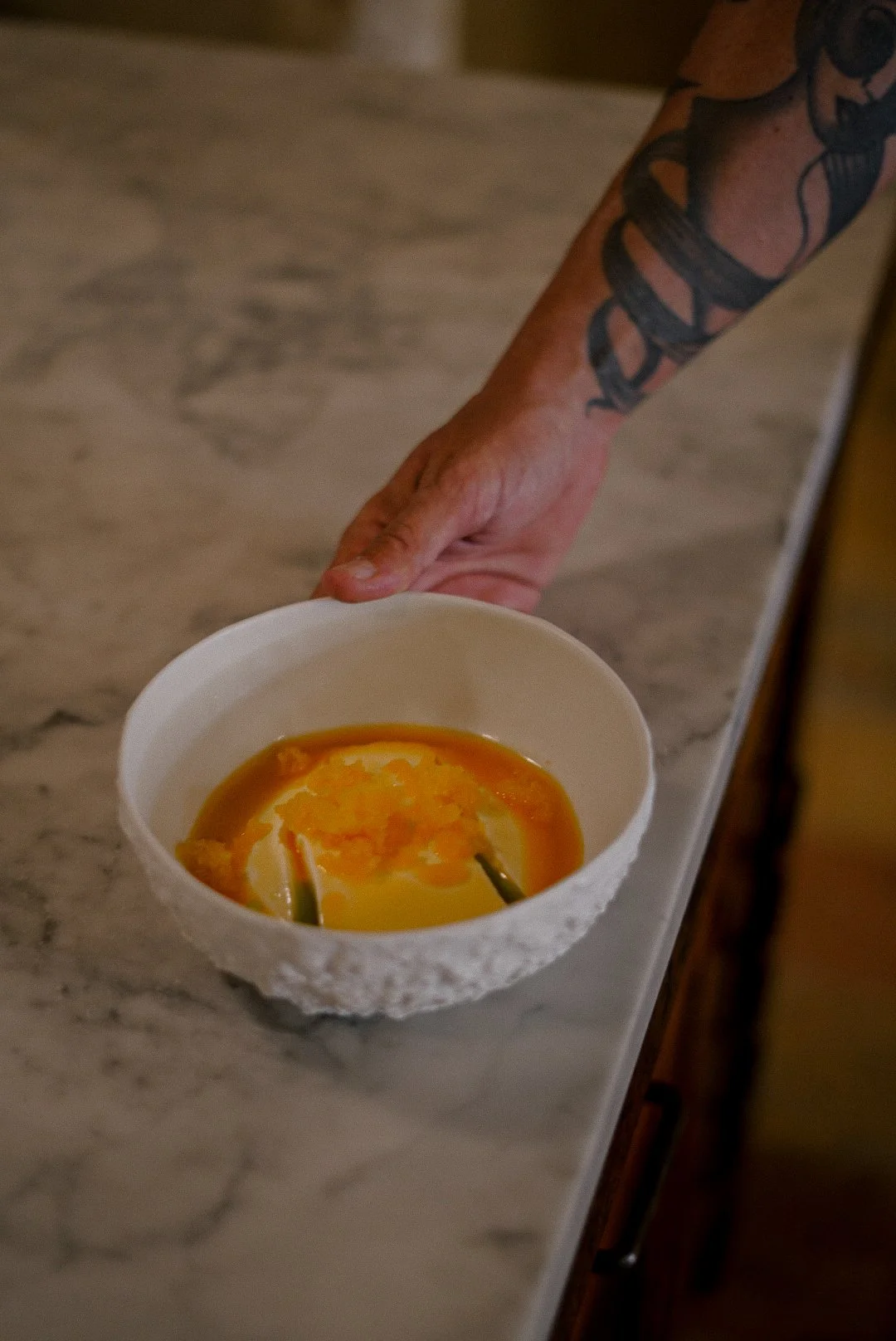
The menu is rooted in tradition, but it does not behave like a museum, and that distinction is important, as Eduardo is not reproducing memory, he is cooking with it. I found myself thinking about Casa Ortega again while tasting Seppia Velata. The chromaticity, the layers, the surface, the relationship between texture and volume made me think of the bas-reliefs I had seen earlier that day. It was entirely my own association, not Eduardo's interpretation, but I liked that the dish had left enough space for me to make one. Perhaps this is where art and food genuinely meet: not when one attempts to imitate the other, but when both leave something unresolved enough for the person experiencing them to complete.
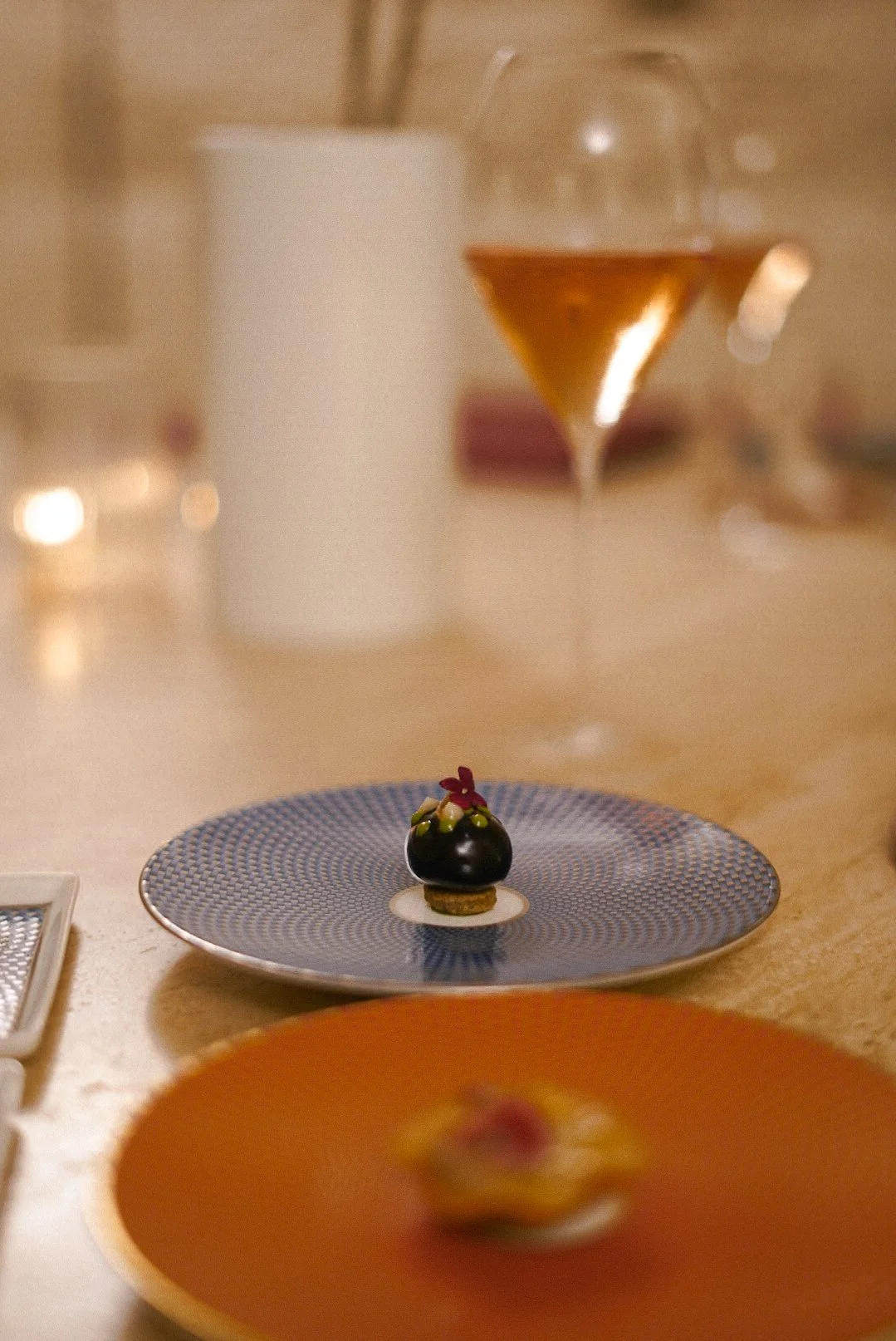
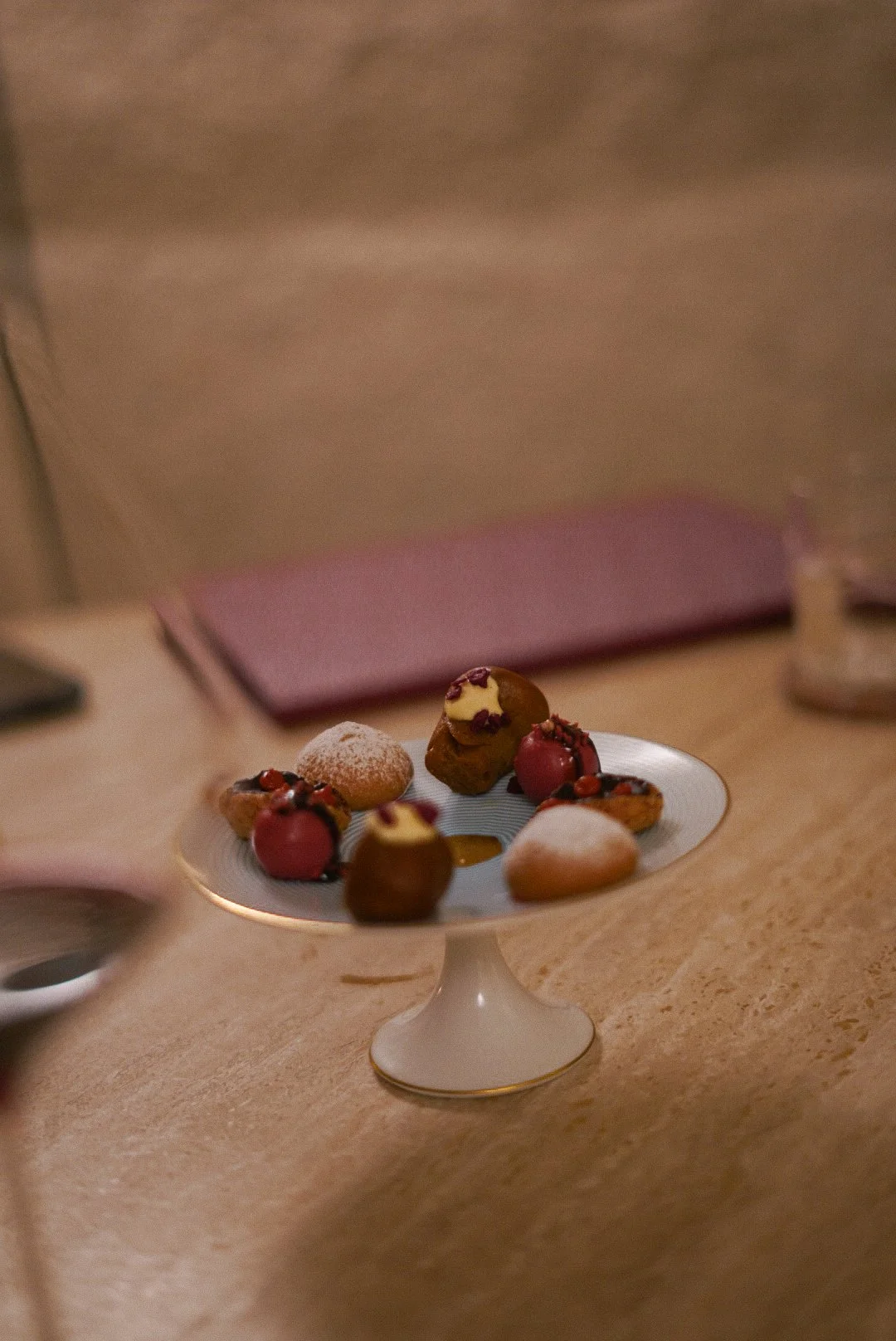
Macchia Mediterranea, figs and leaves from Miglionico, Toritto almond and lavender, felt almost like a fragment of the landscape translated into flavour.
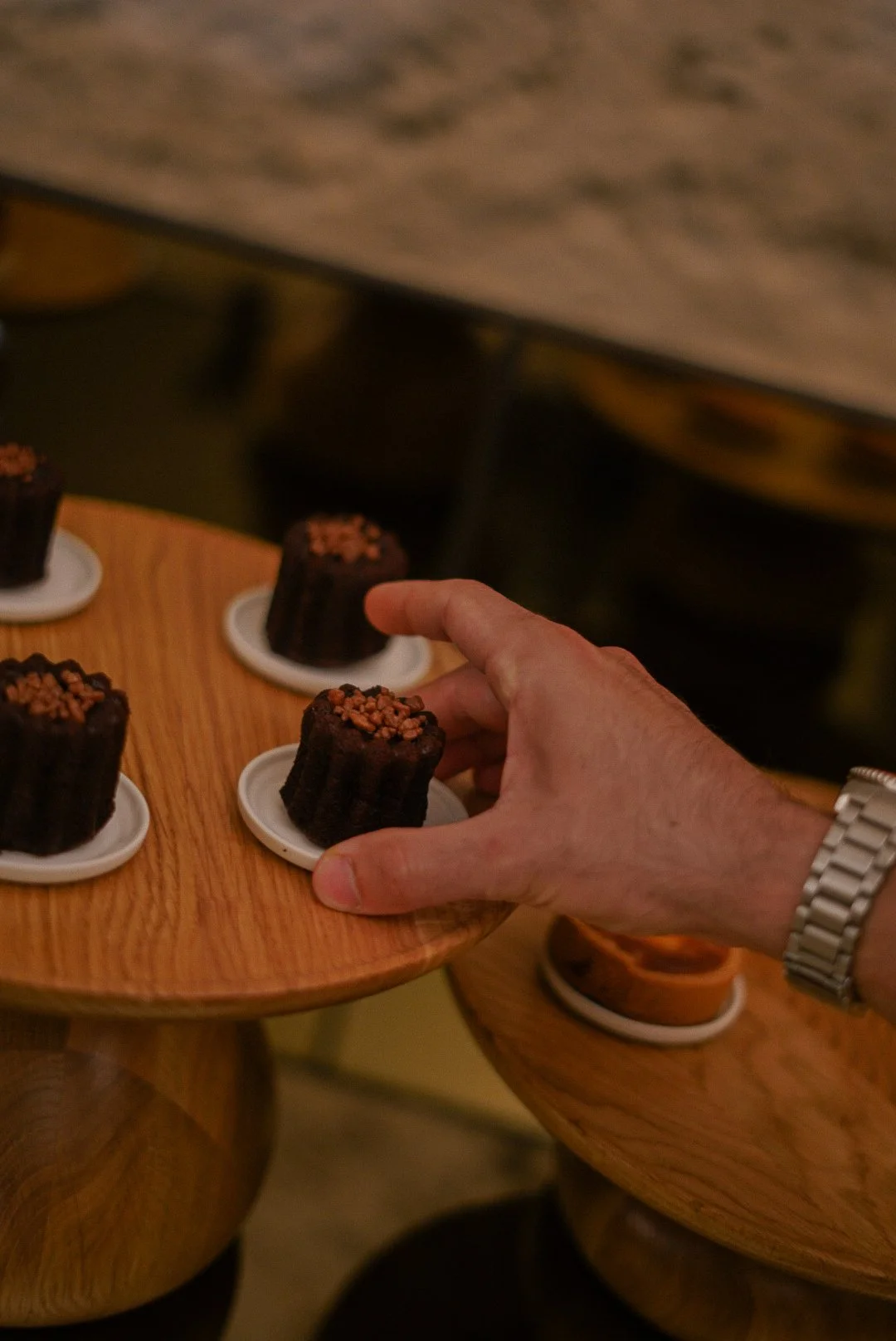
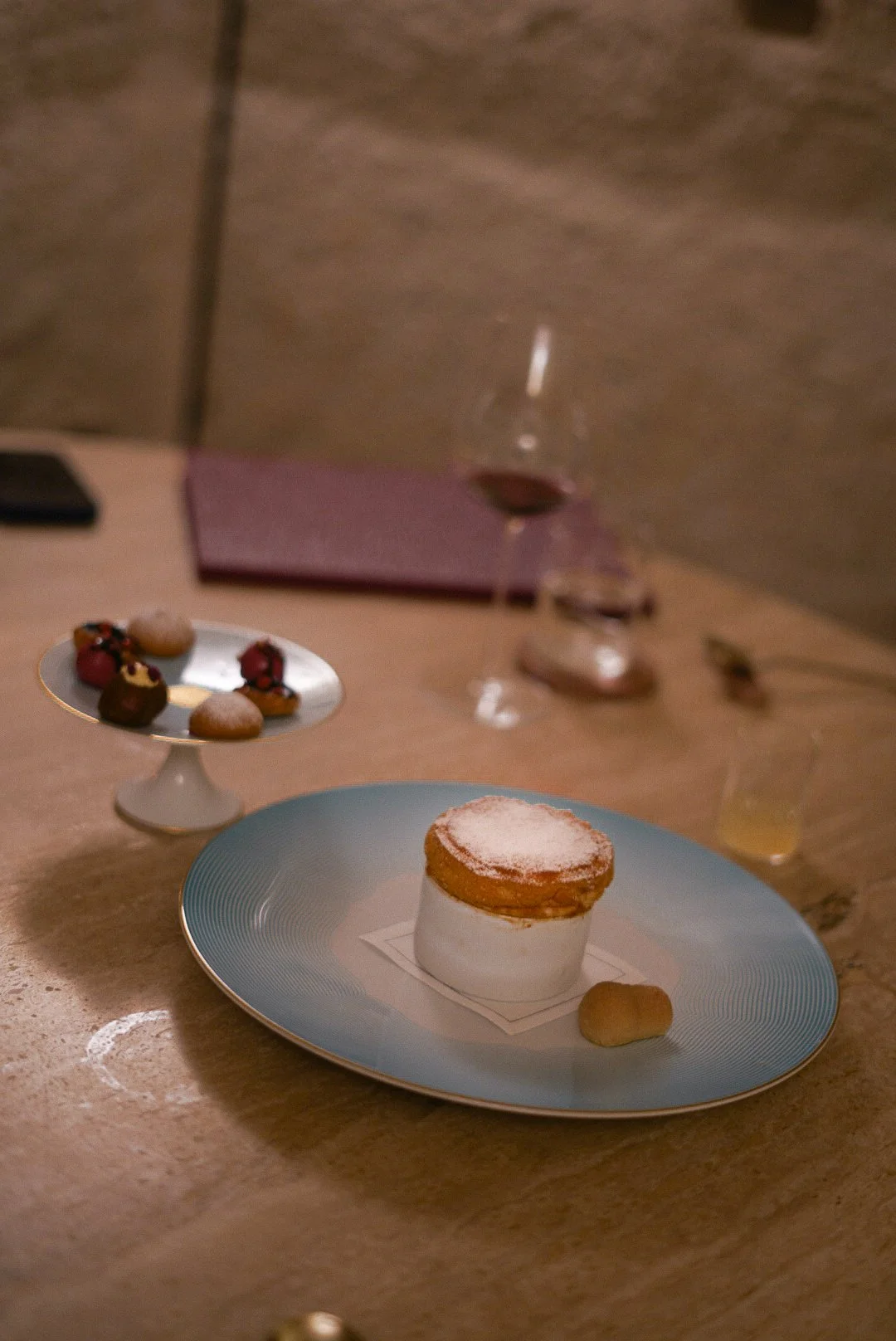
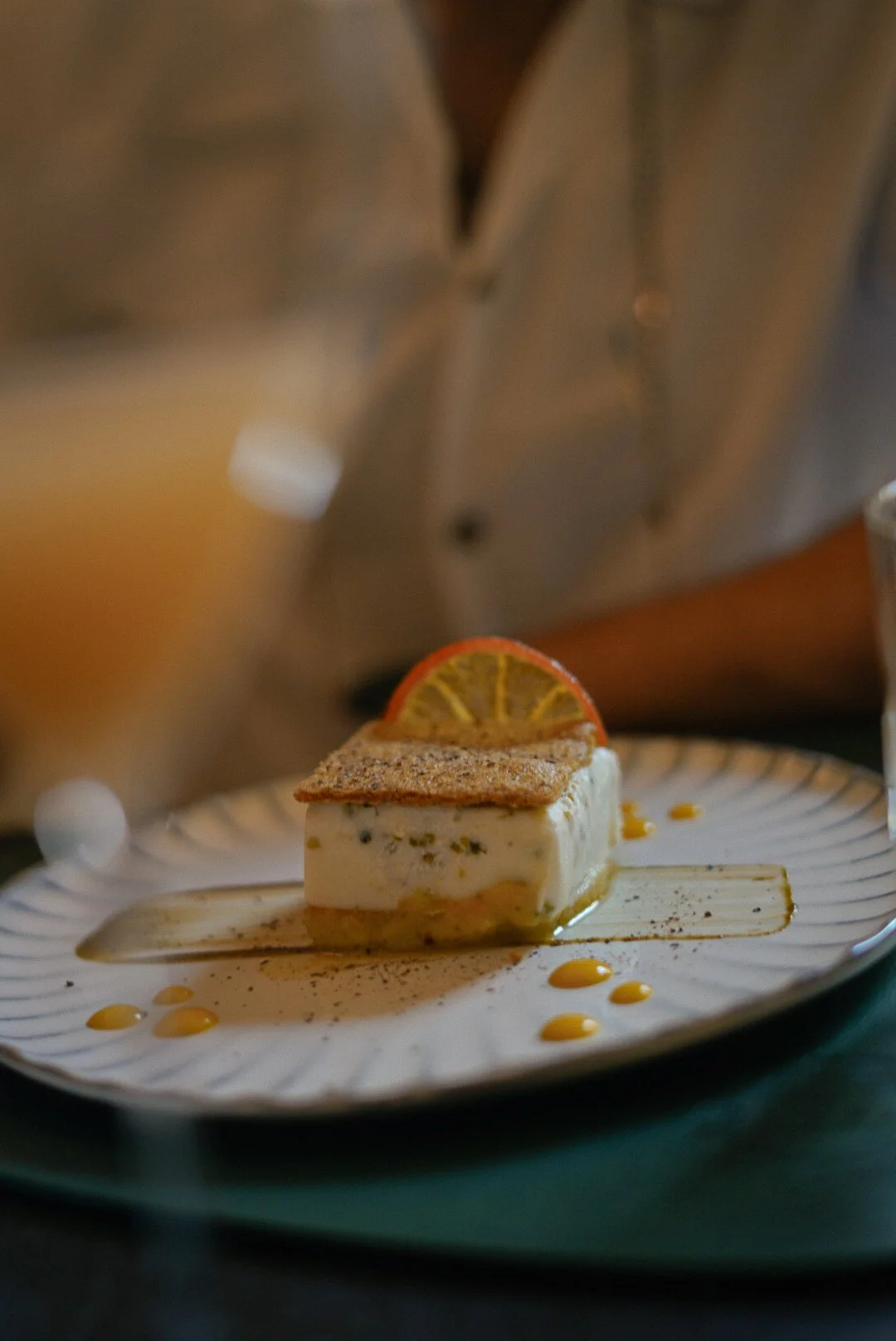
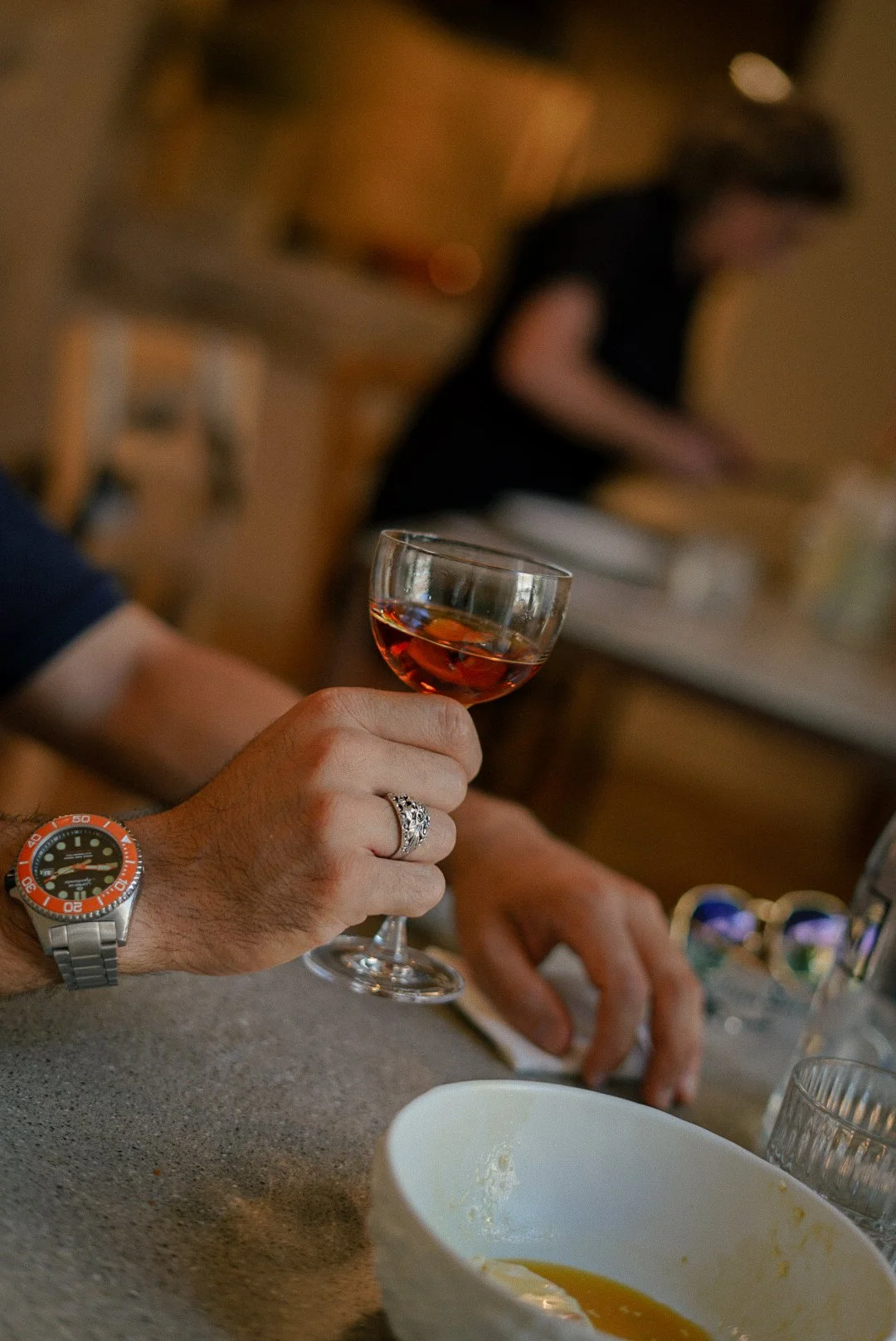
Il Re Babà, with Sorrento lemon, agricole rum and Staccia orange from Tursi, travelled somewhere else entirely, between Campania and Basilicata, childhood and technique. The menu ultimately becomes autobiographical, and you are not simply being told where the ingredients are sourced, you are being told where Eduardo comes from.
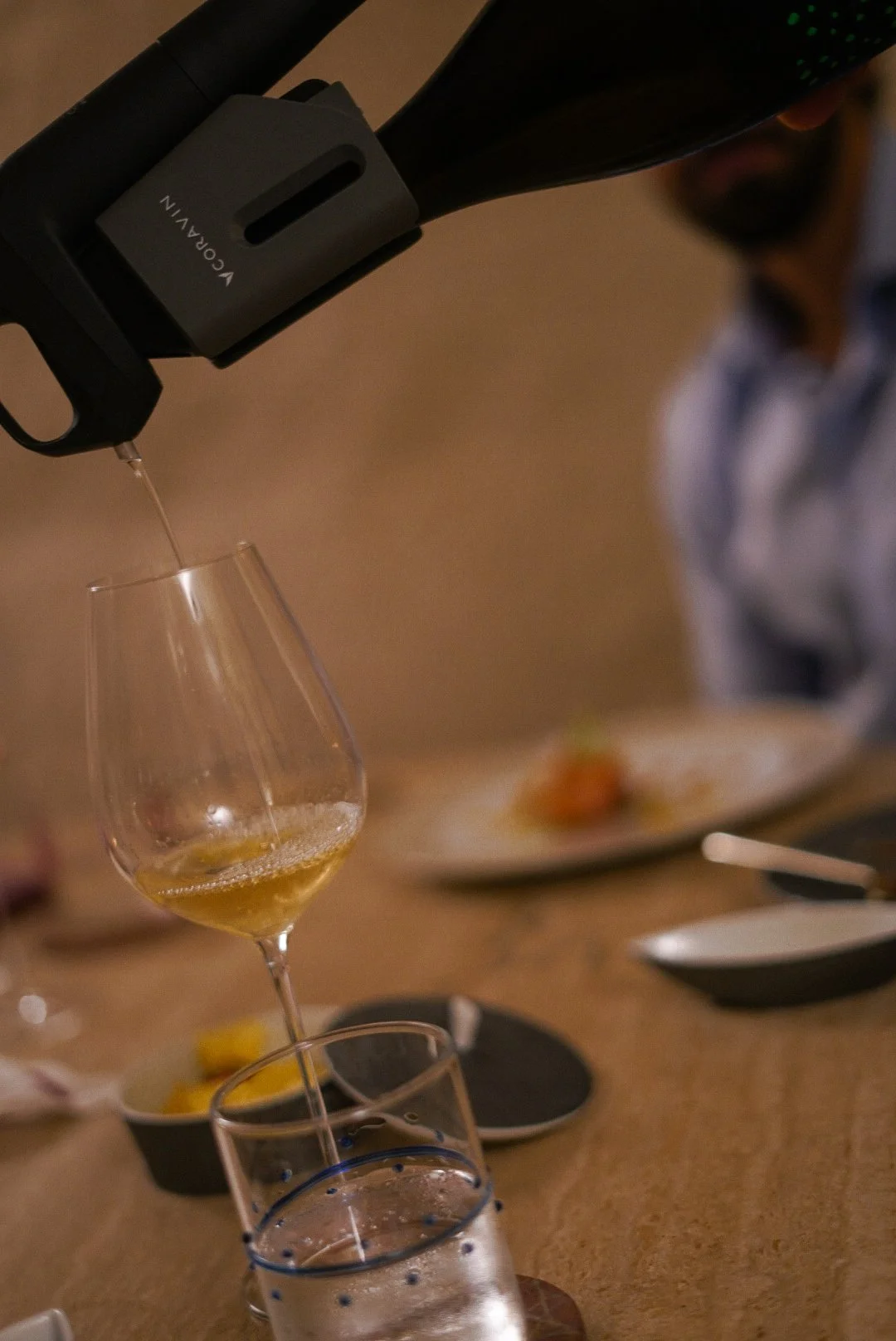
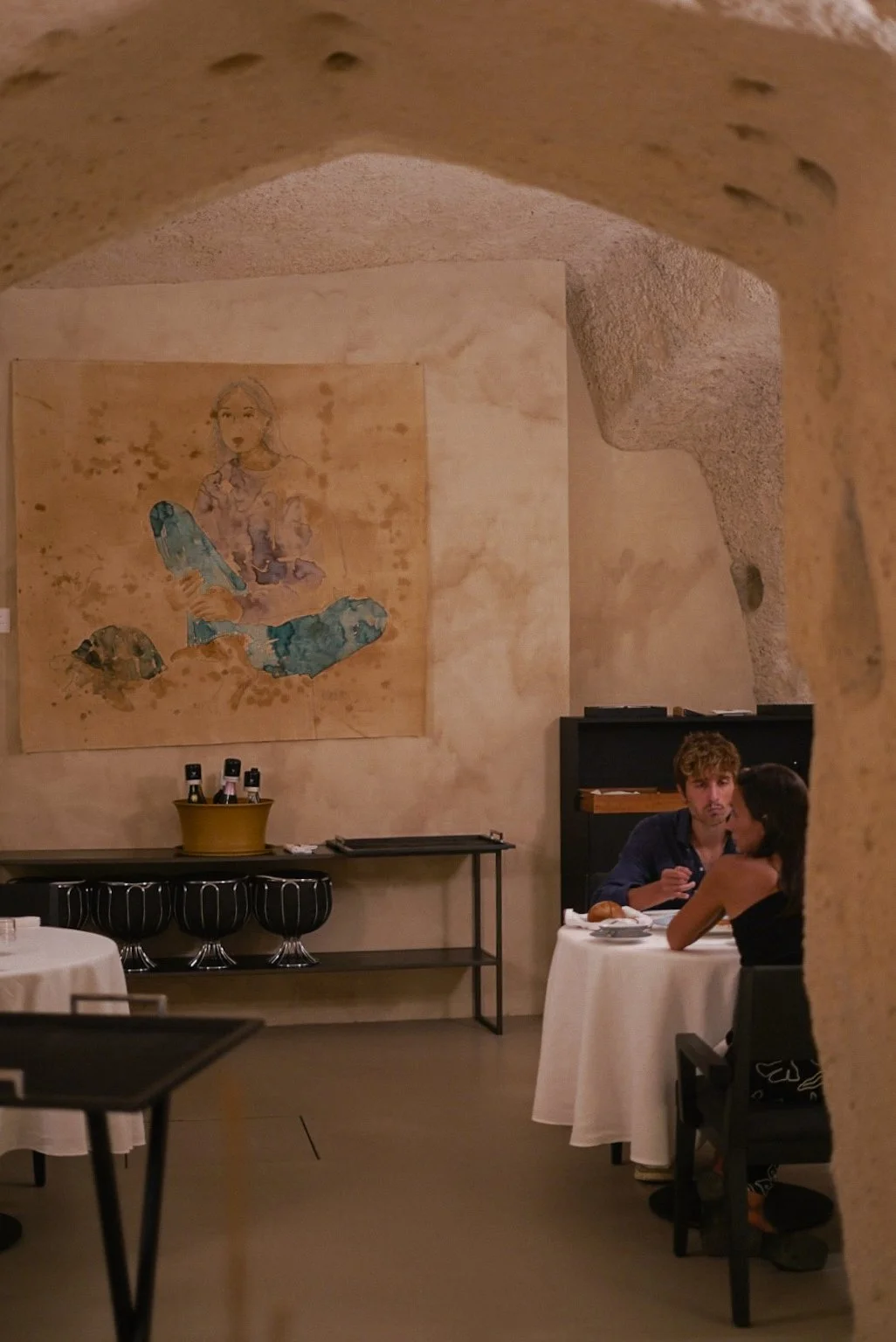
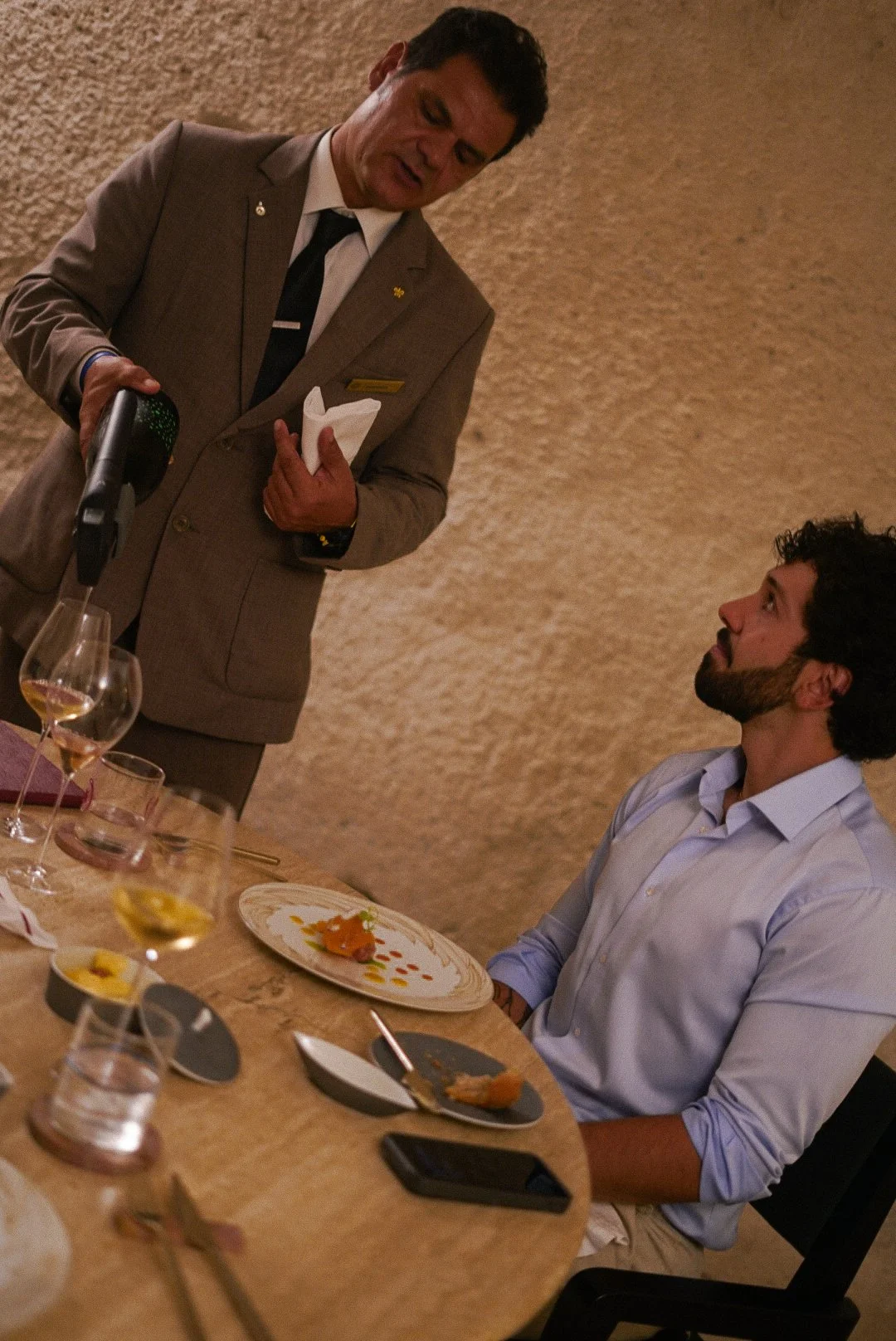
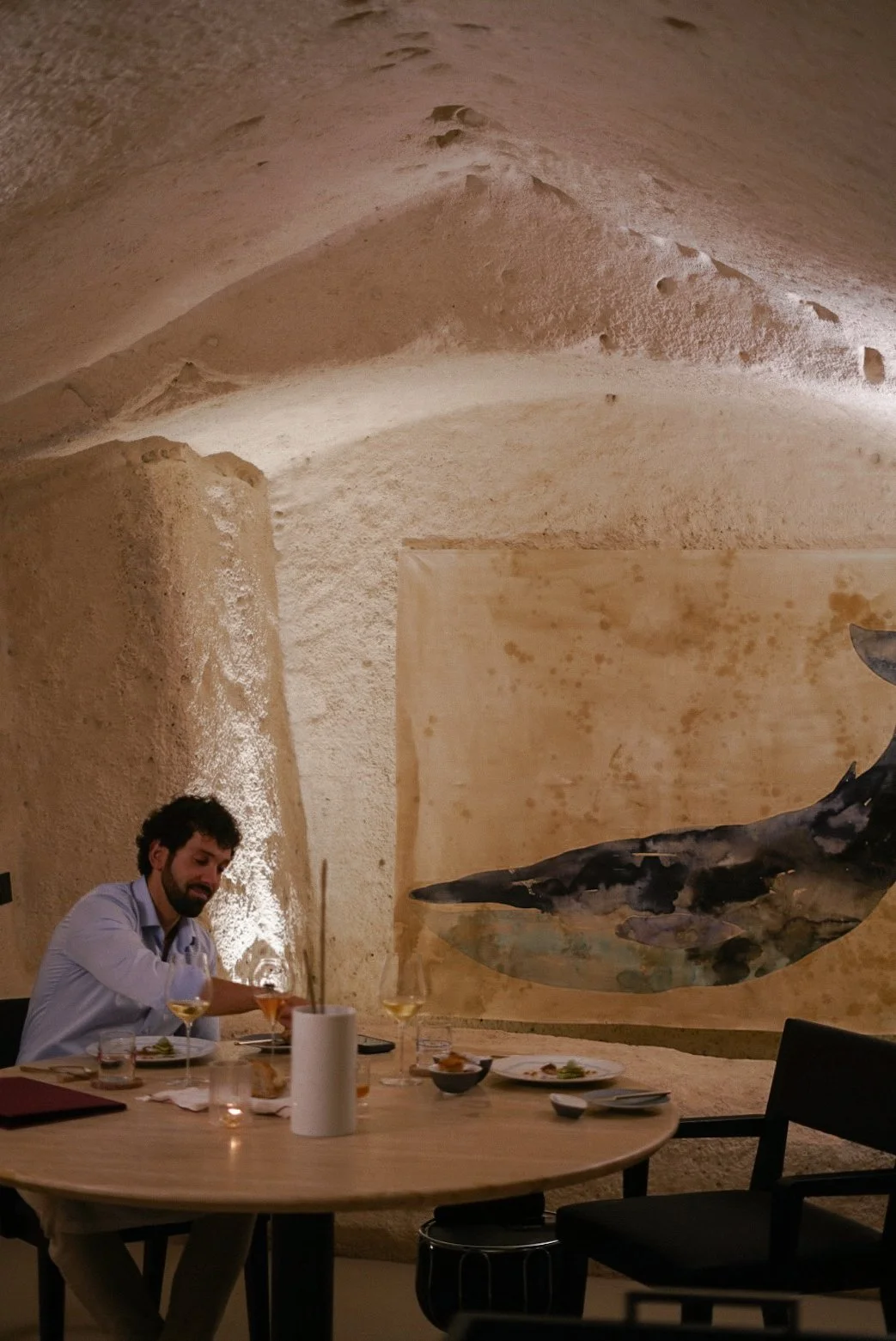
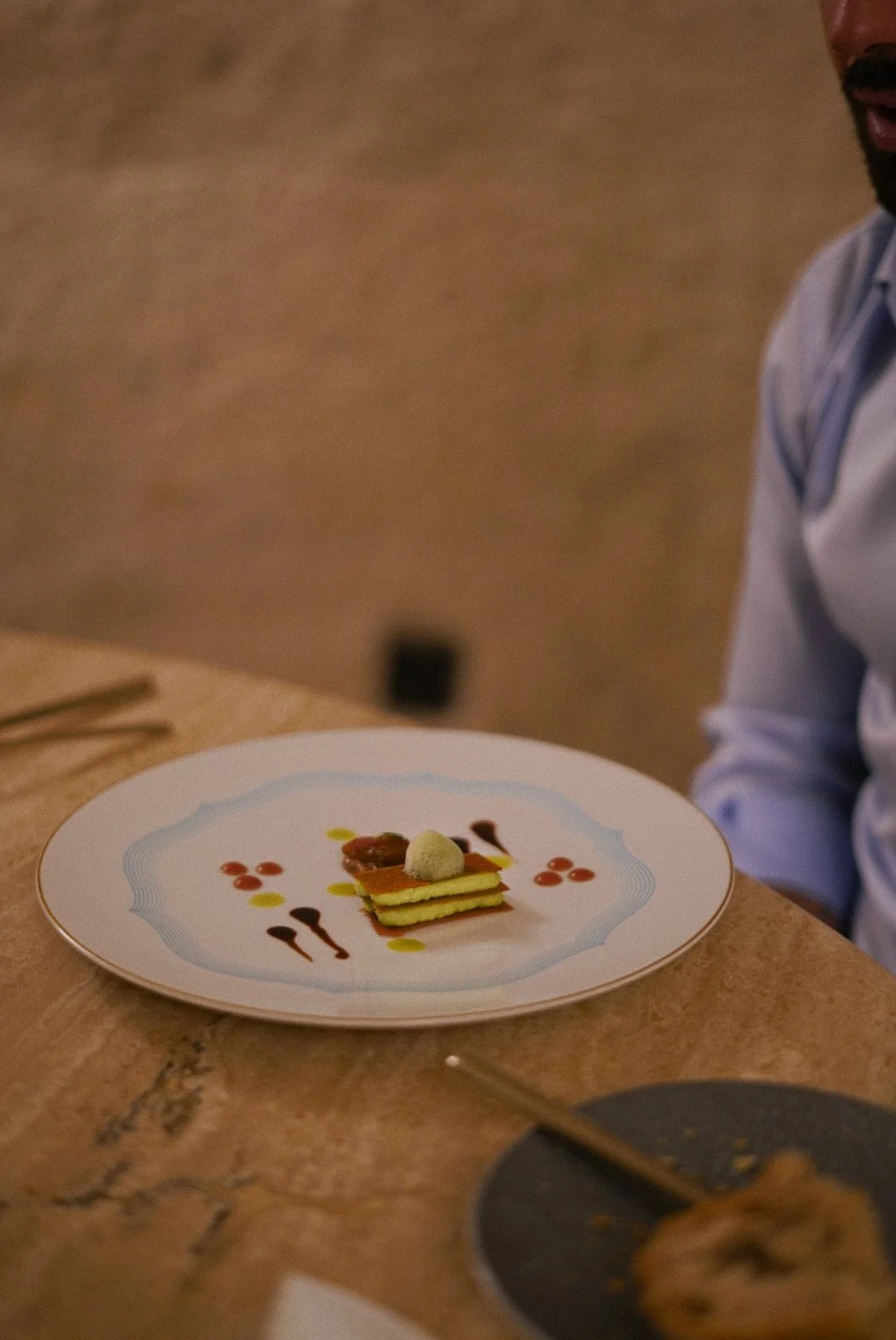
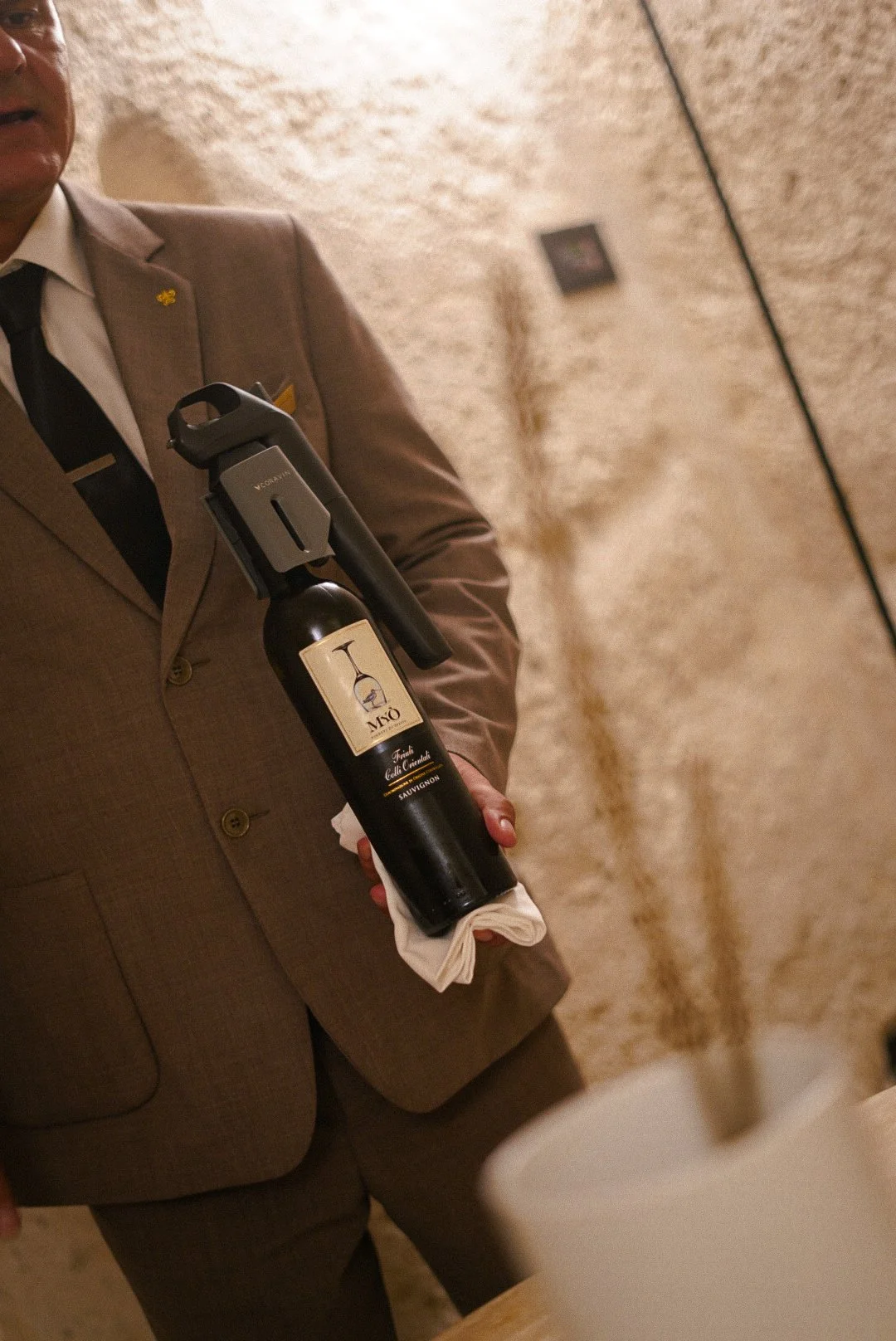
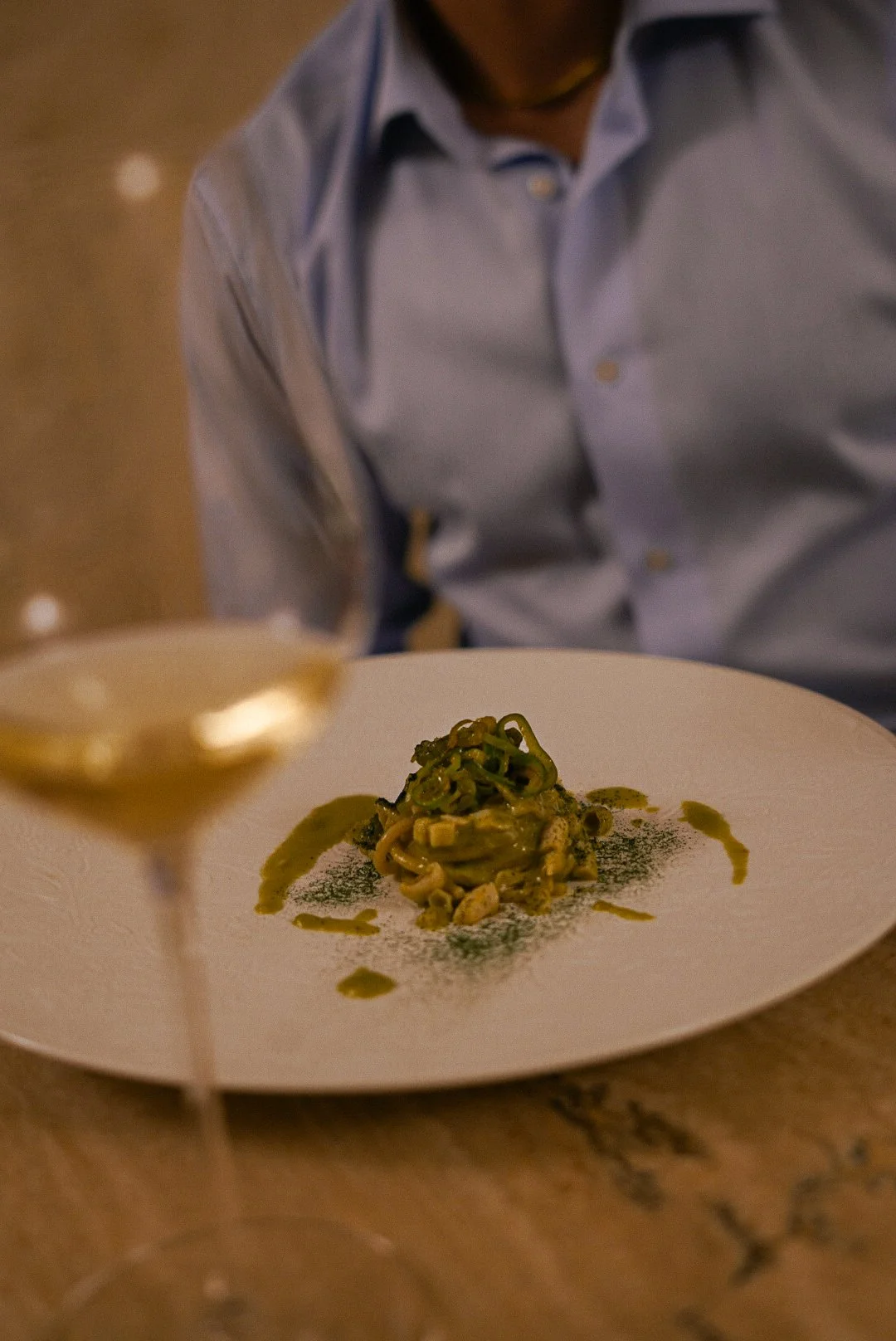
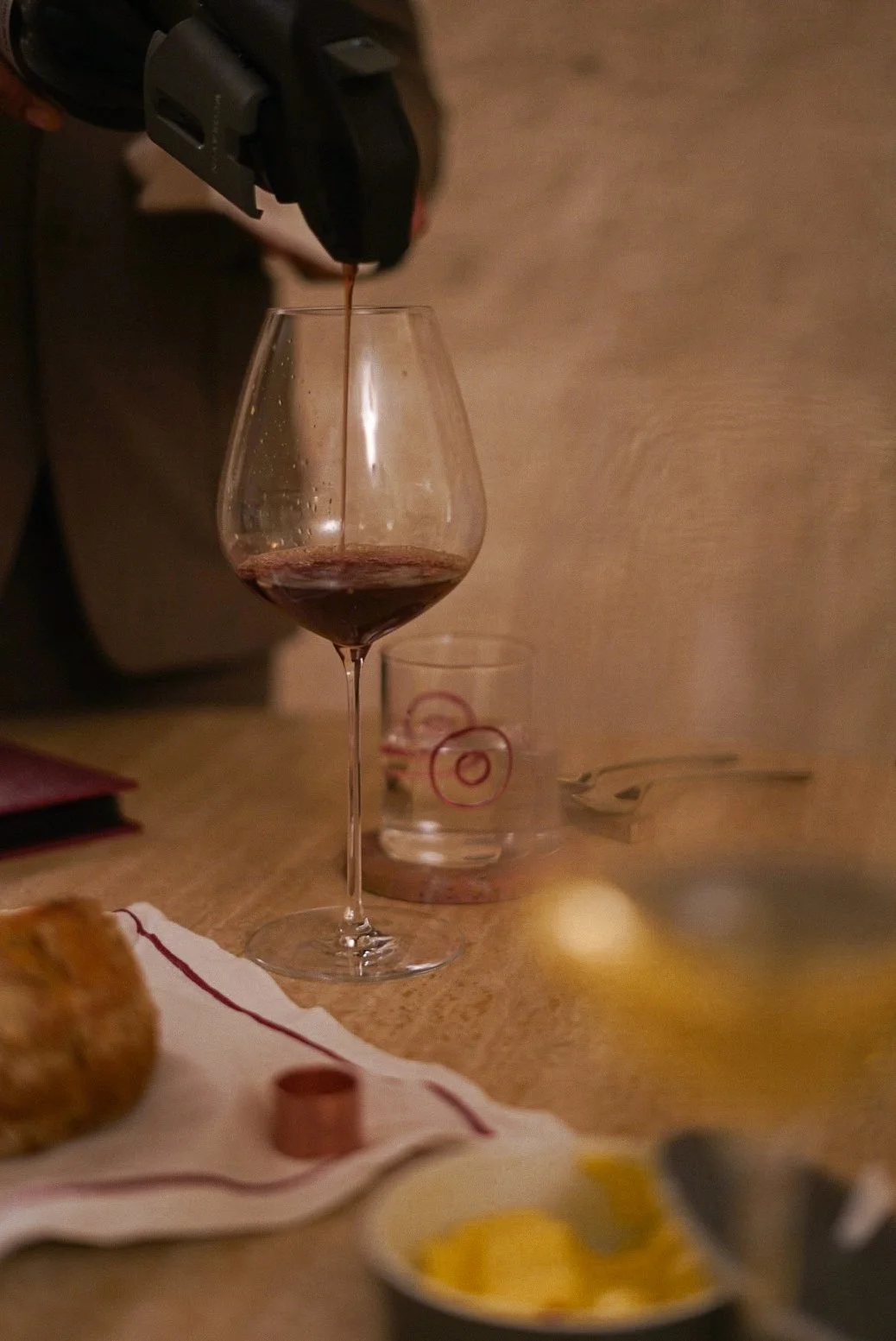
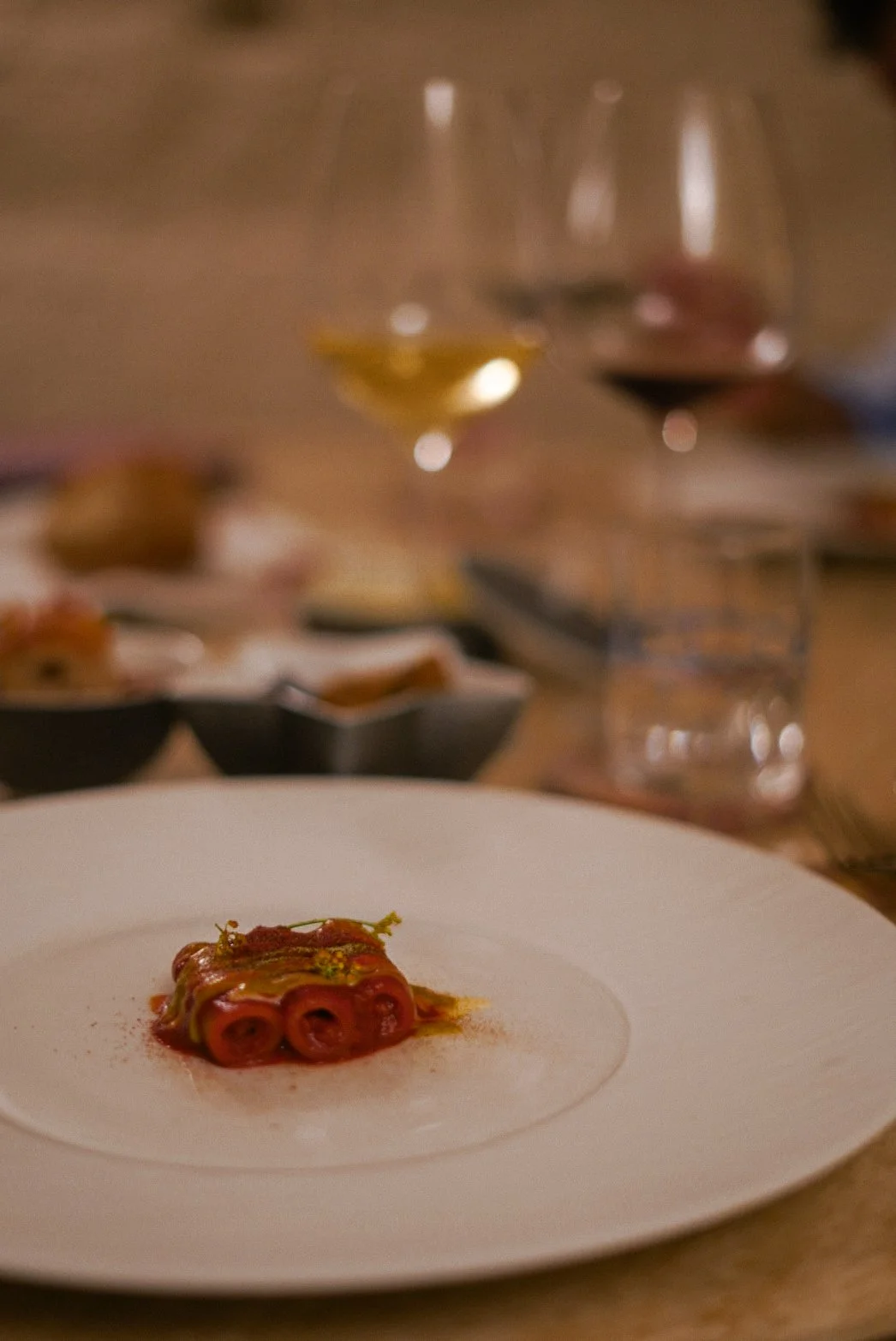
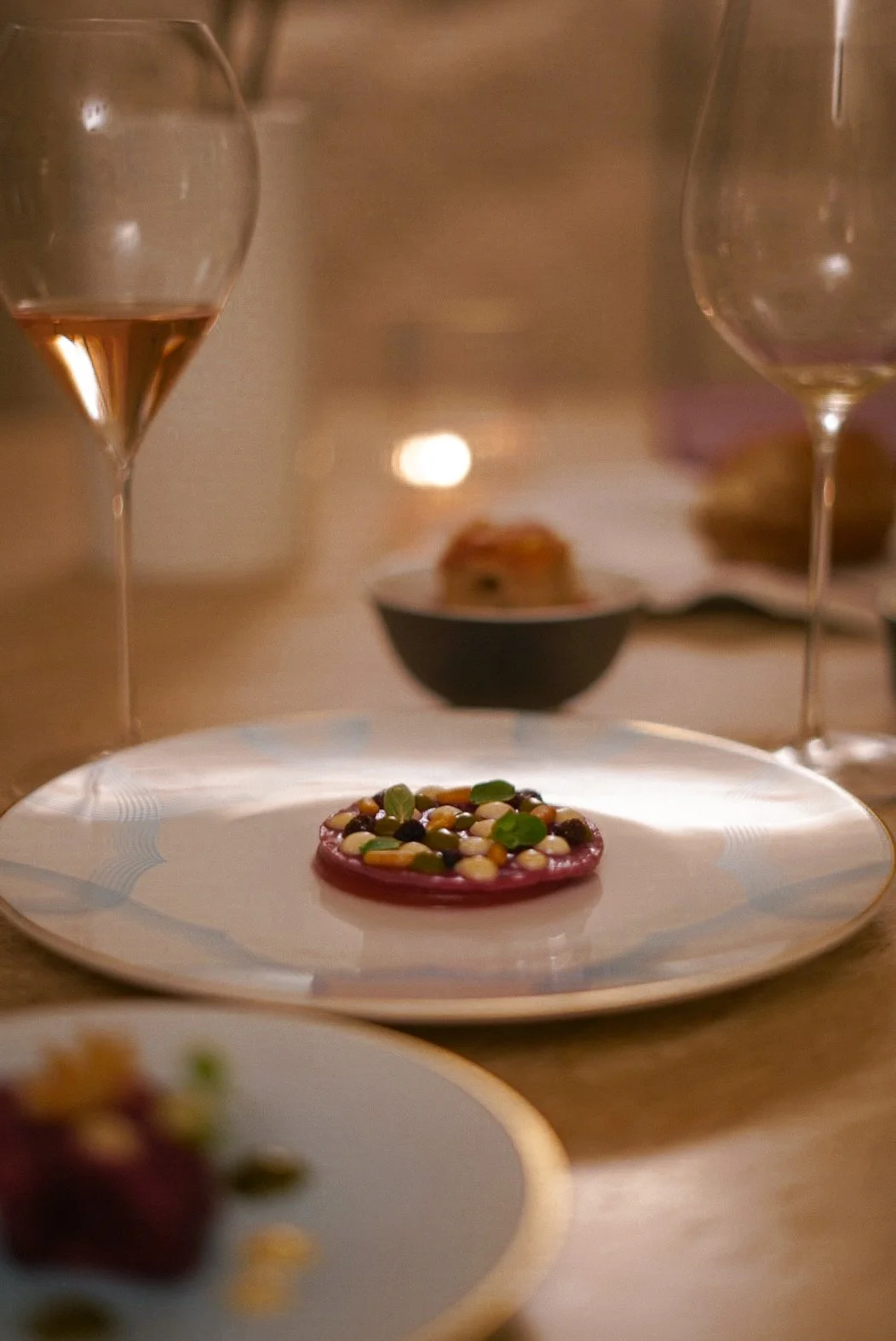
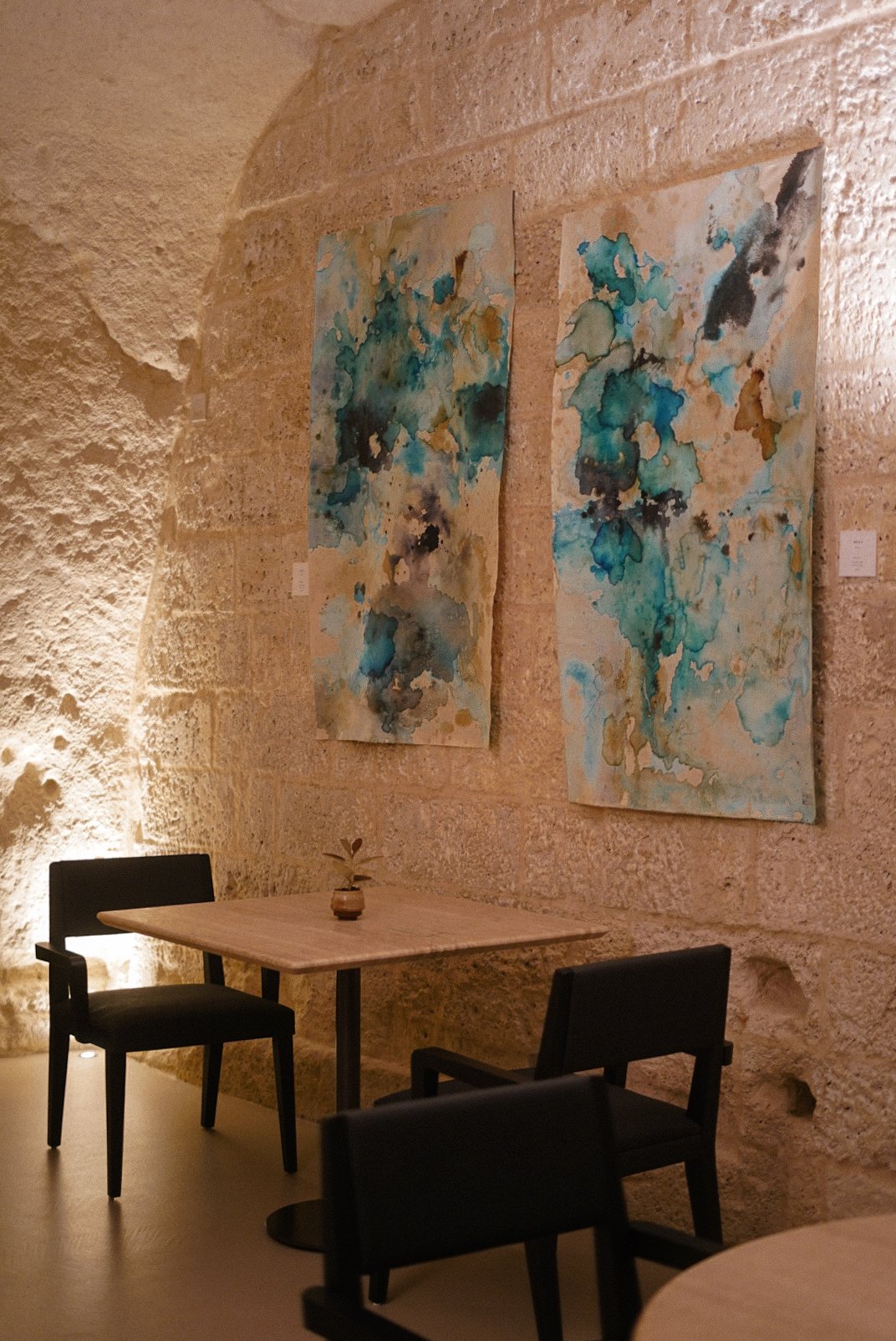
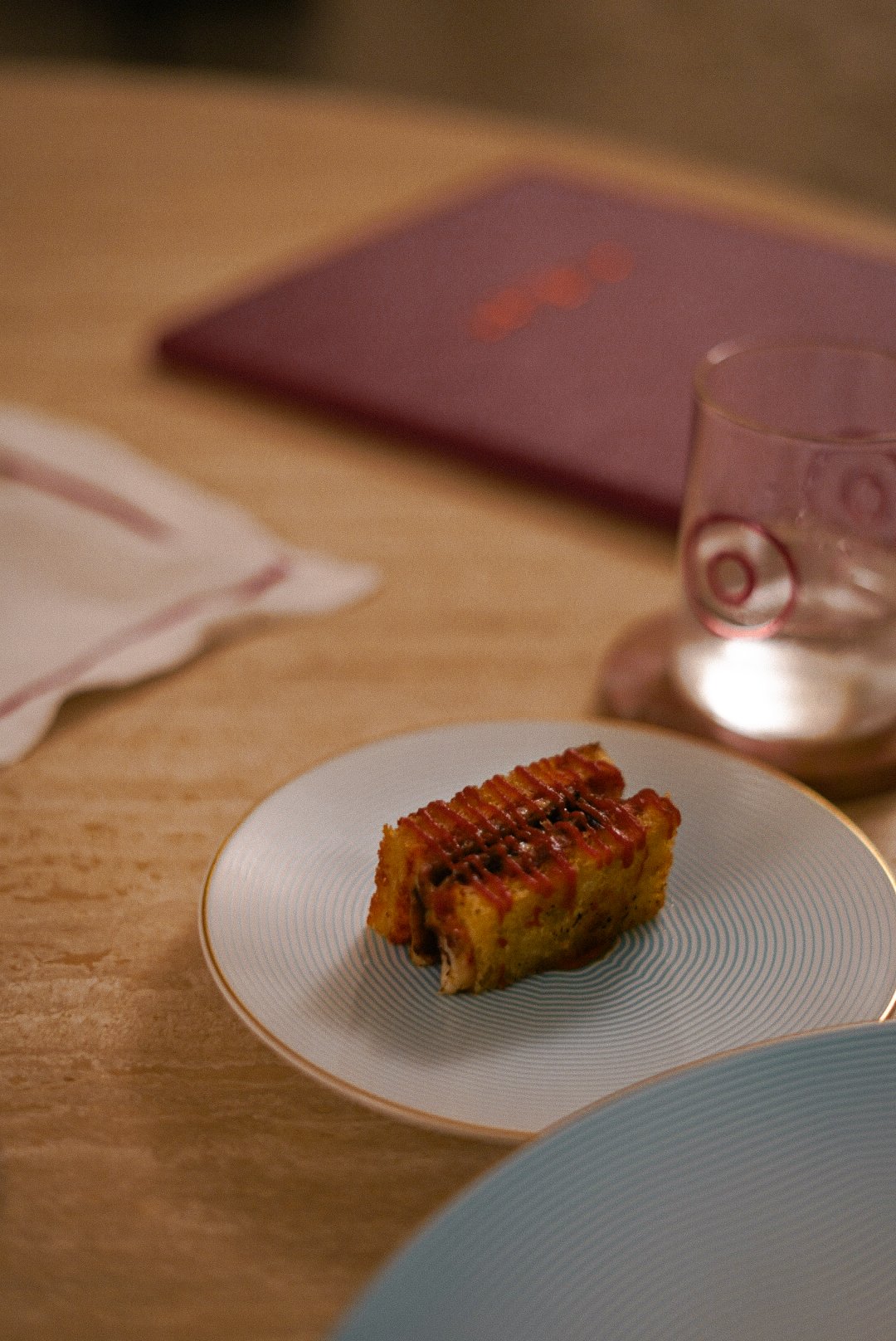
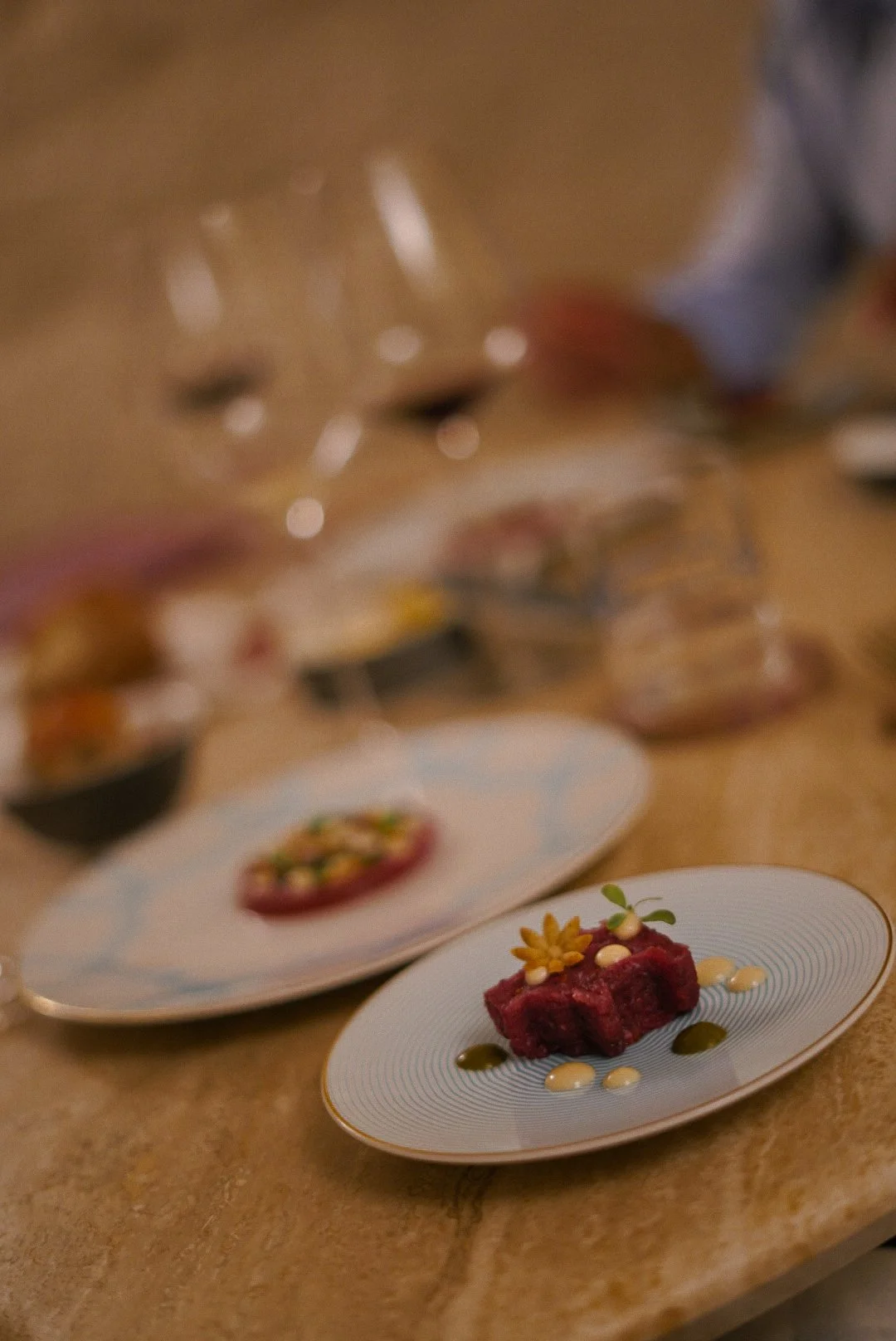
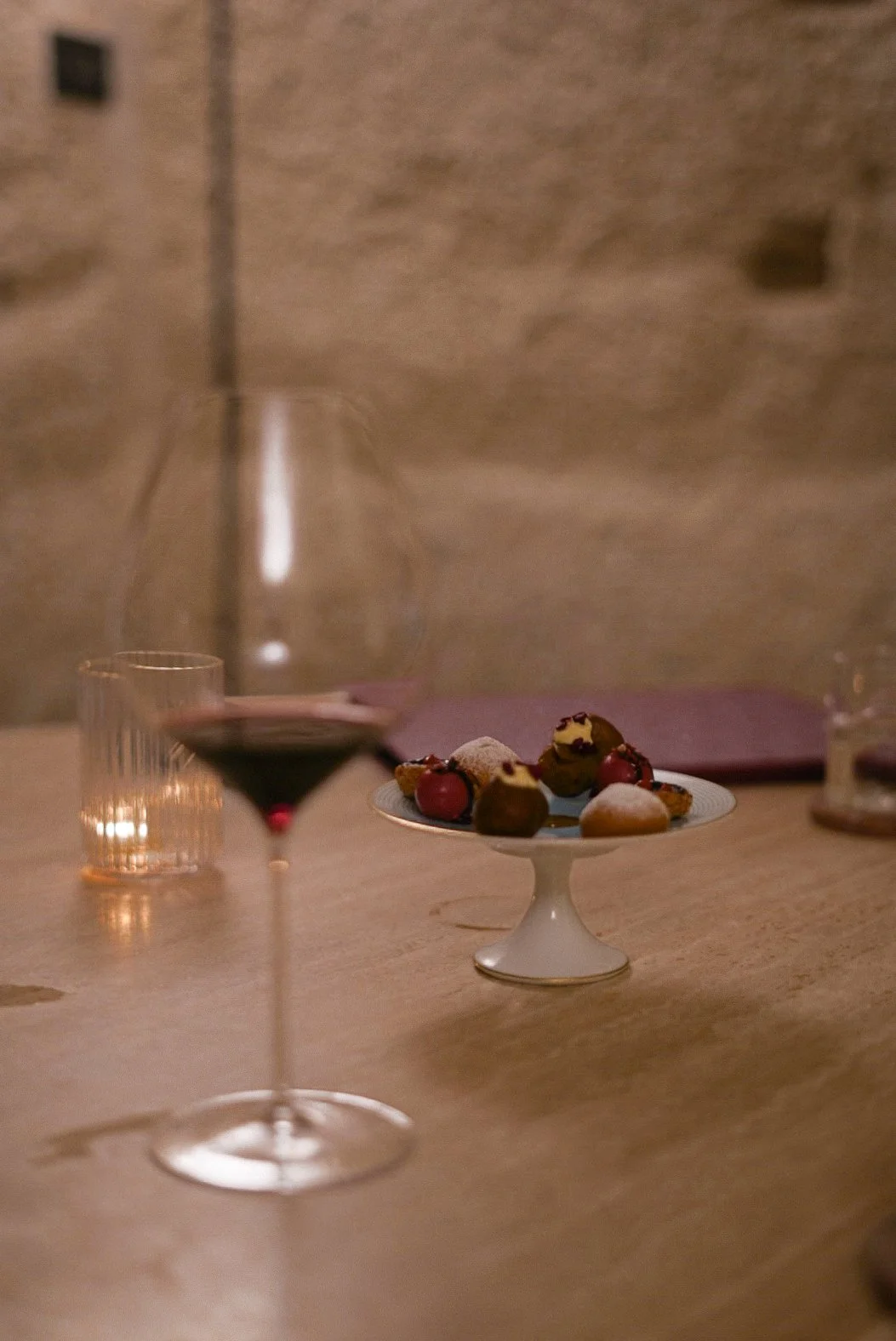
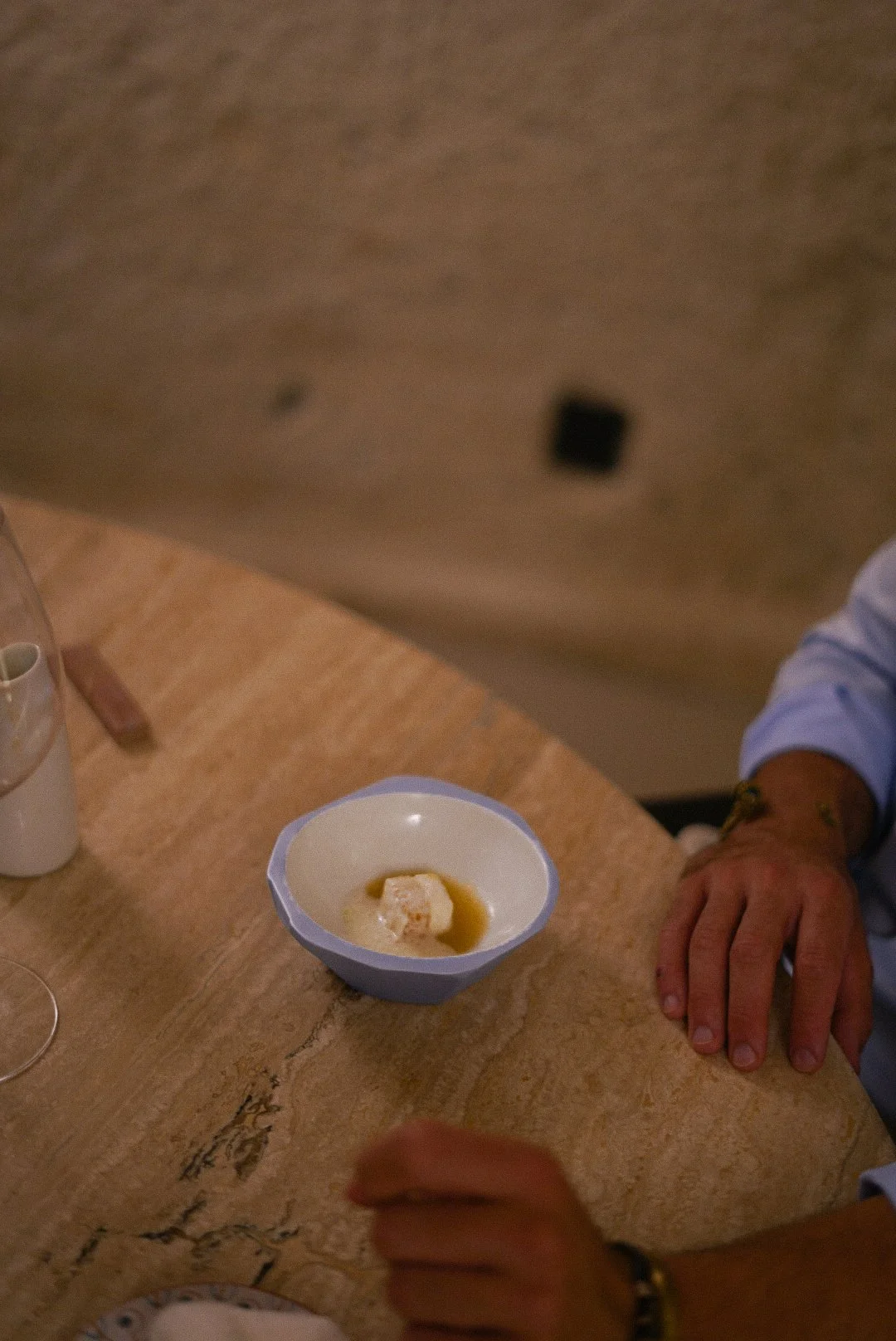
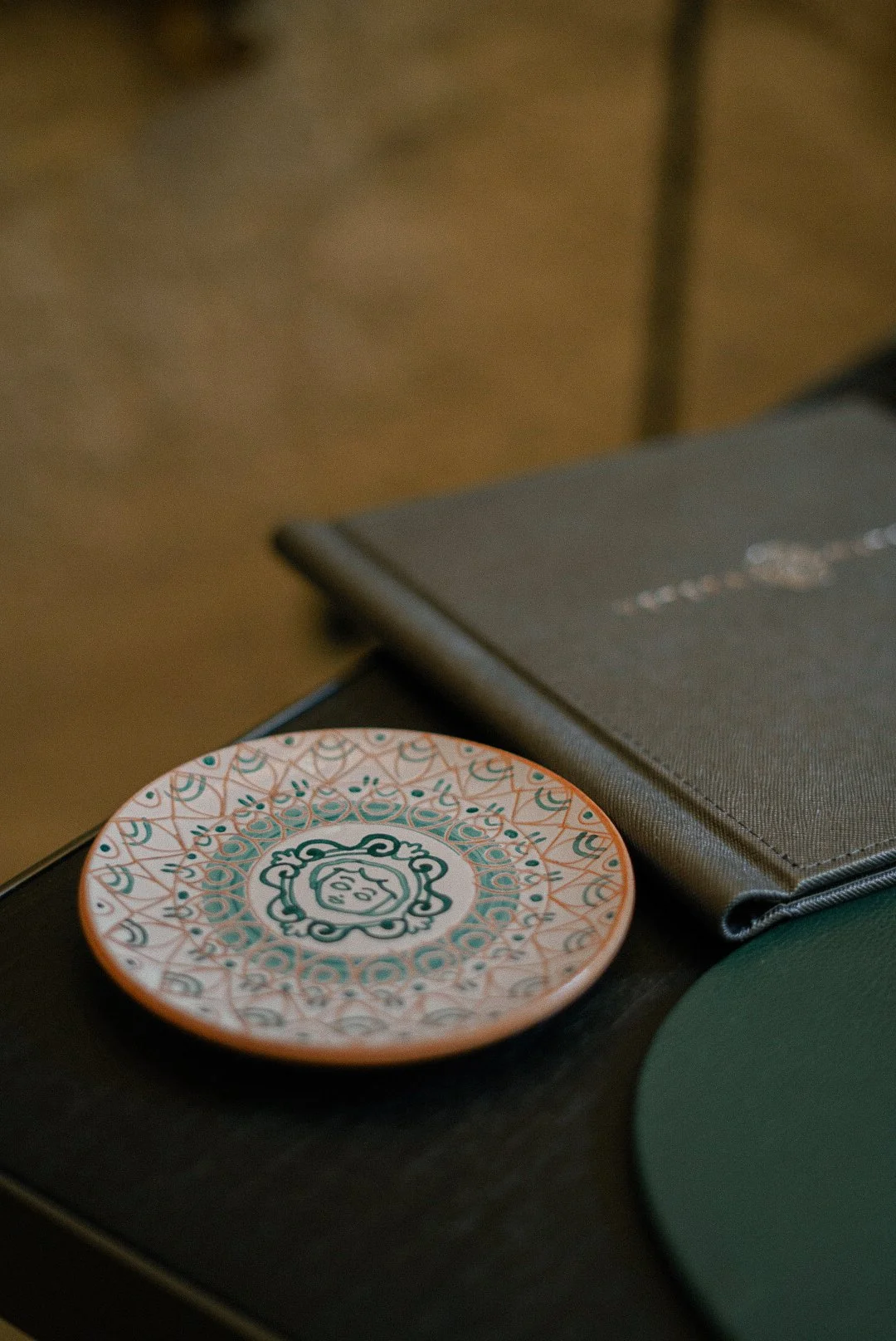
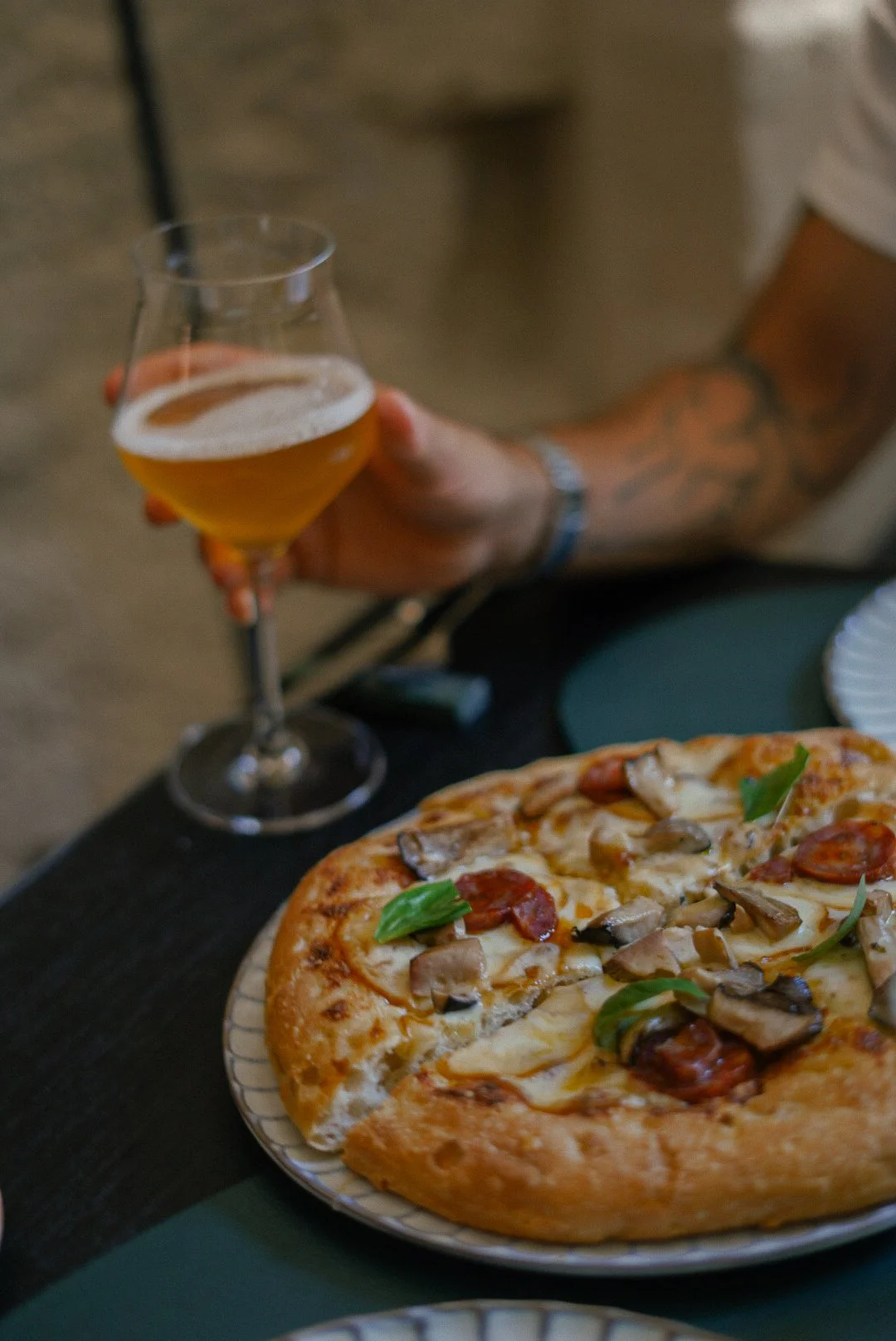
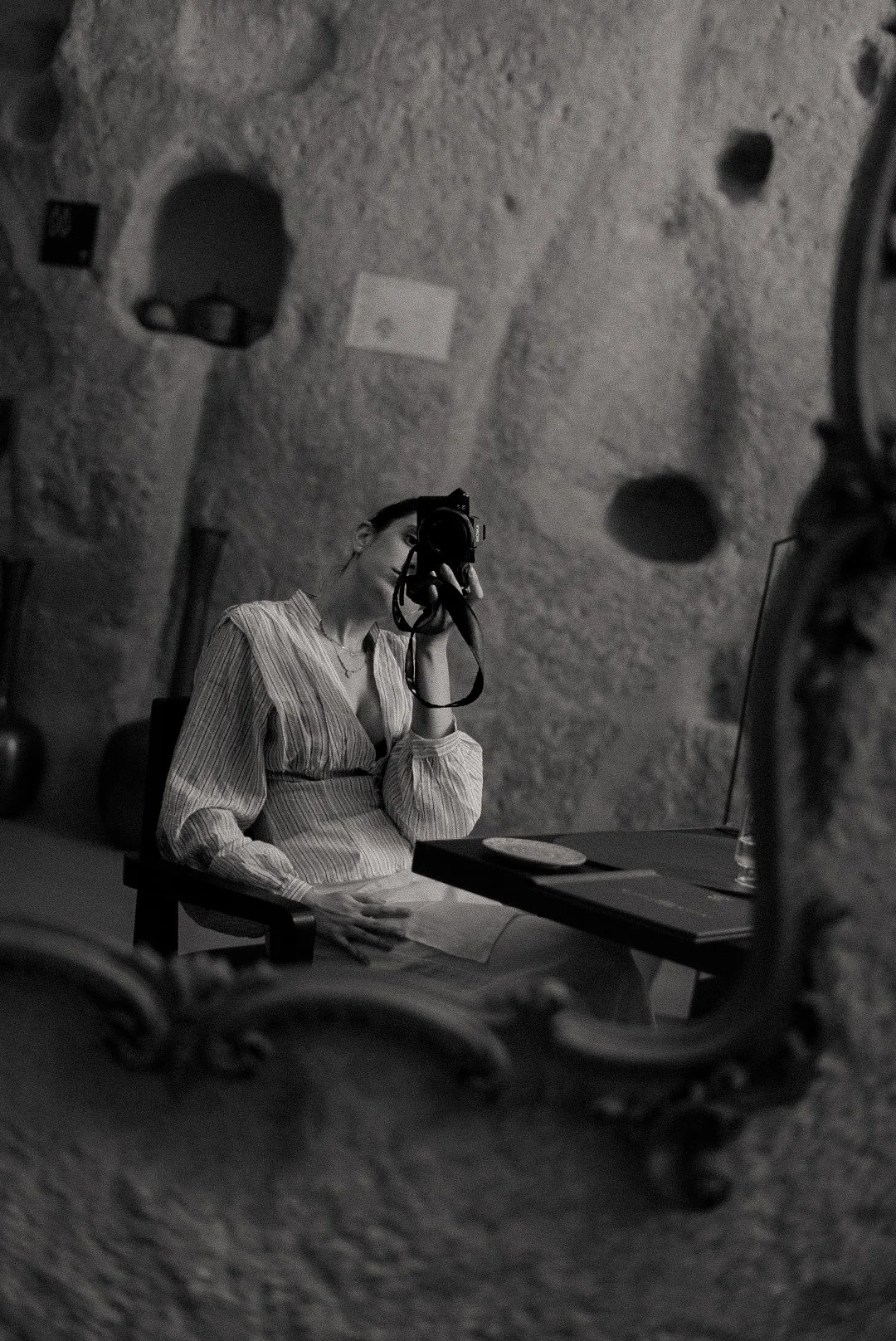
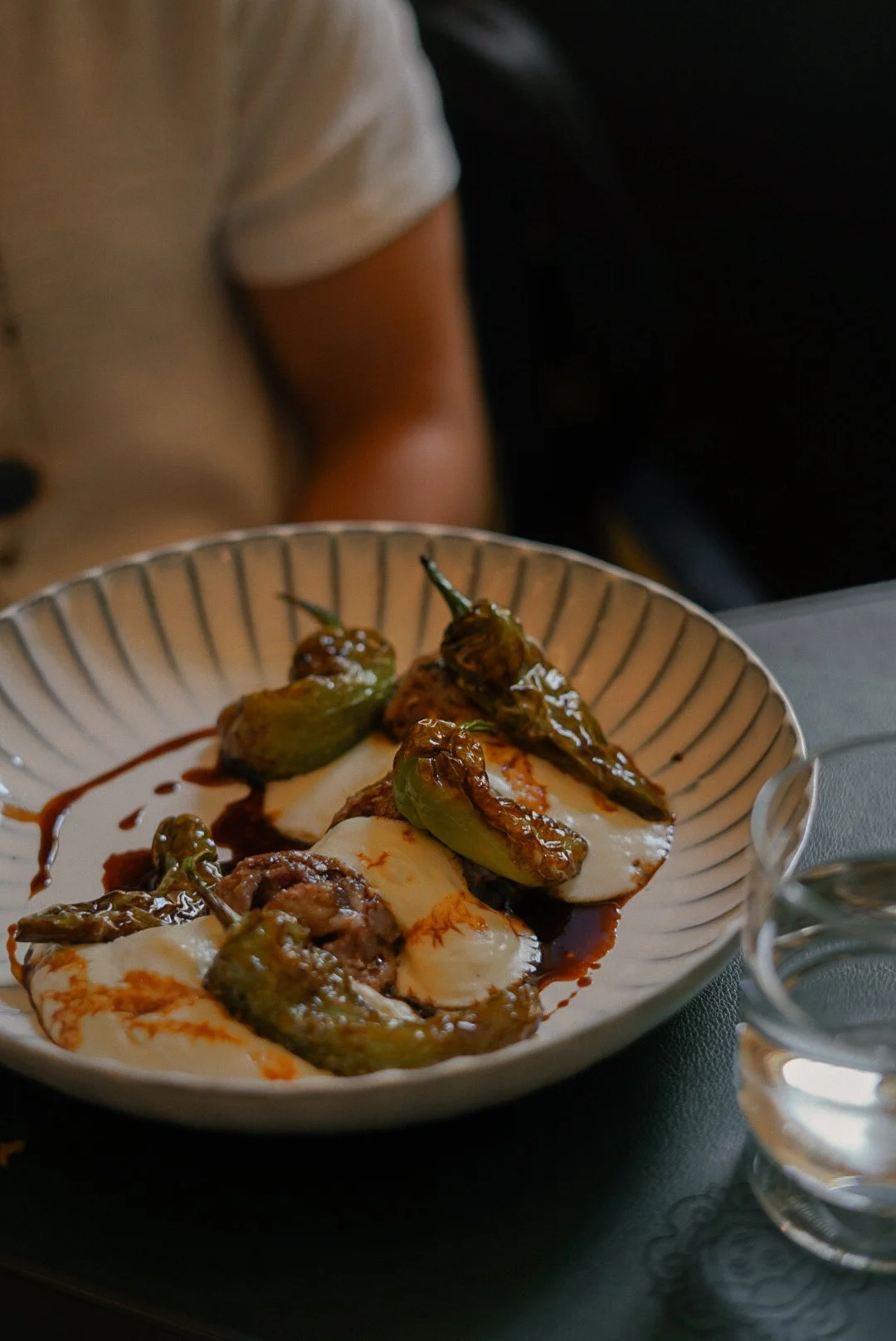
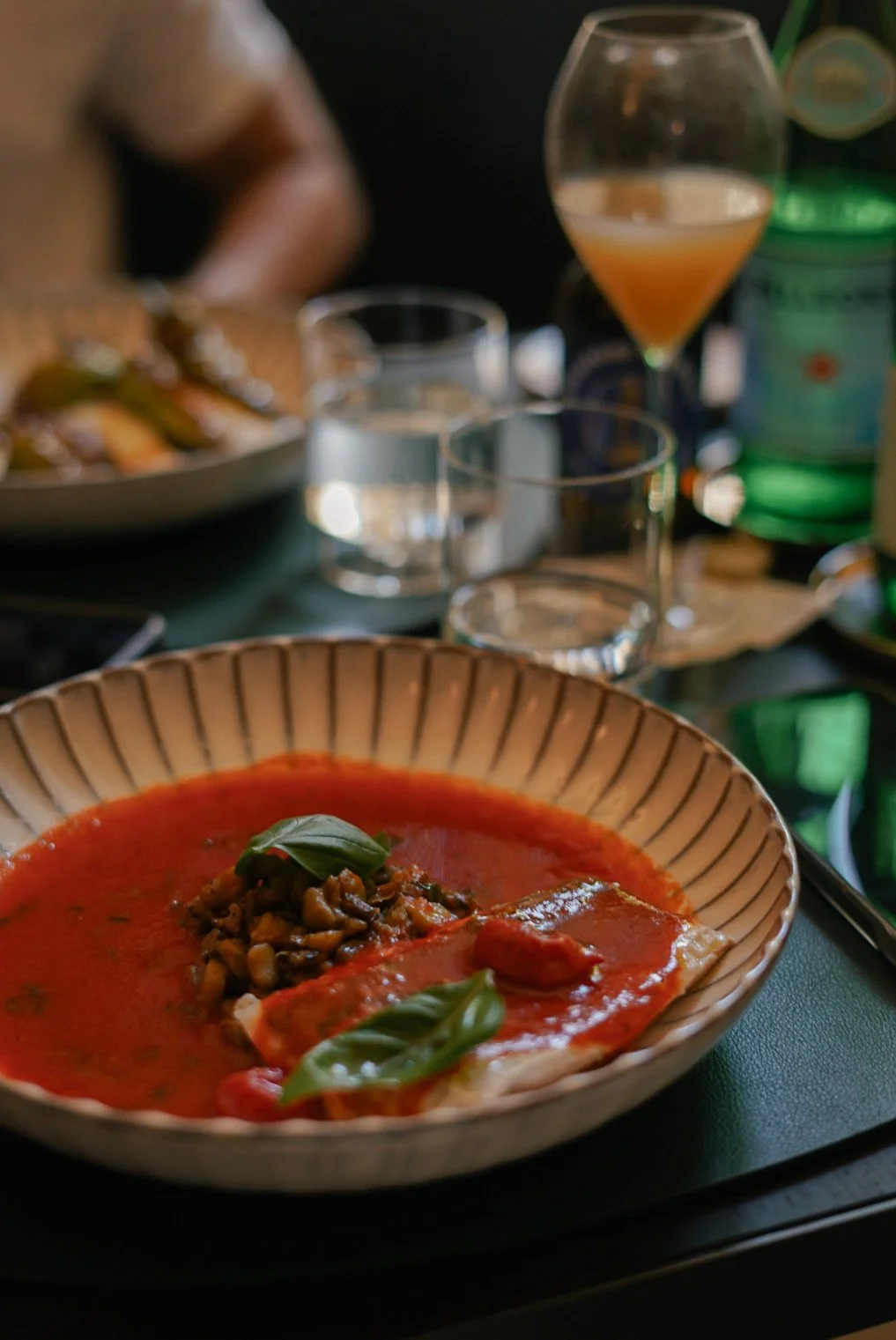
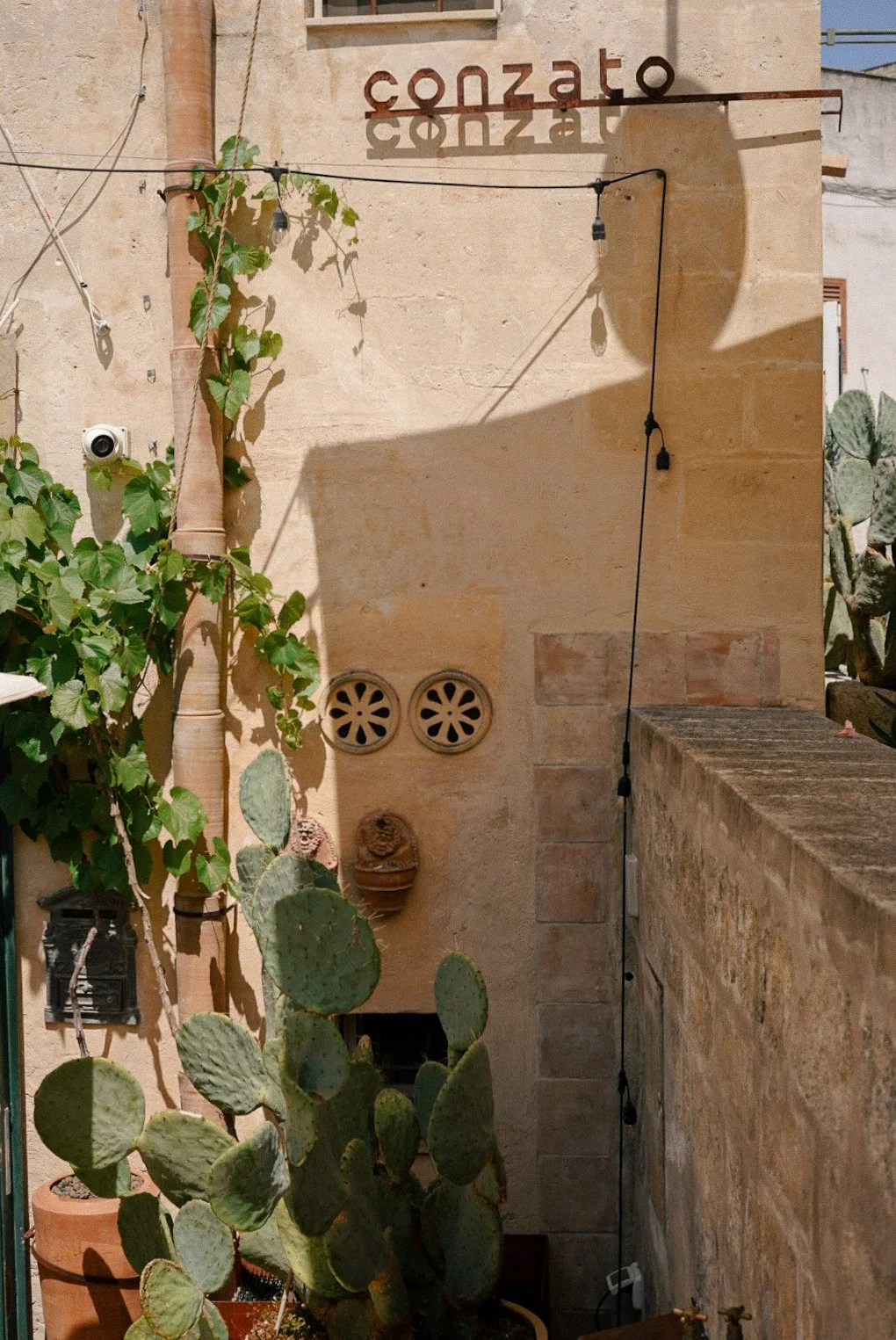
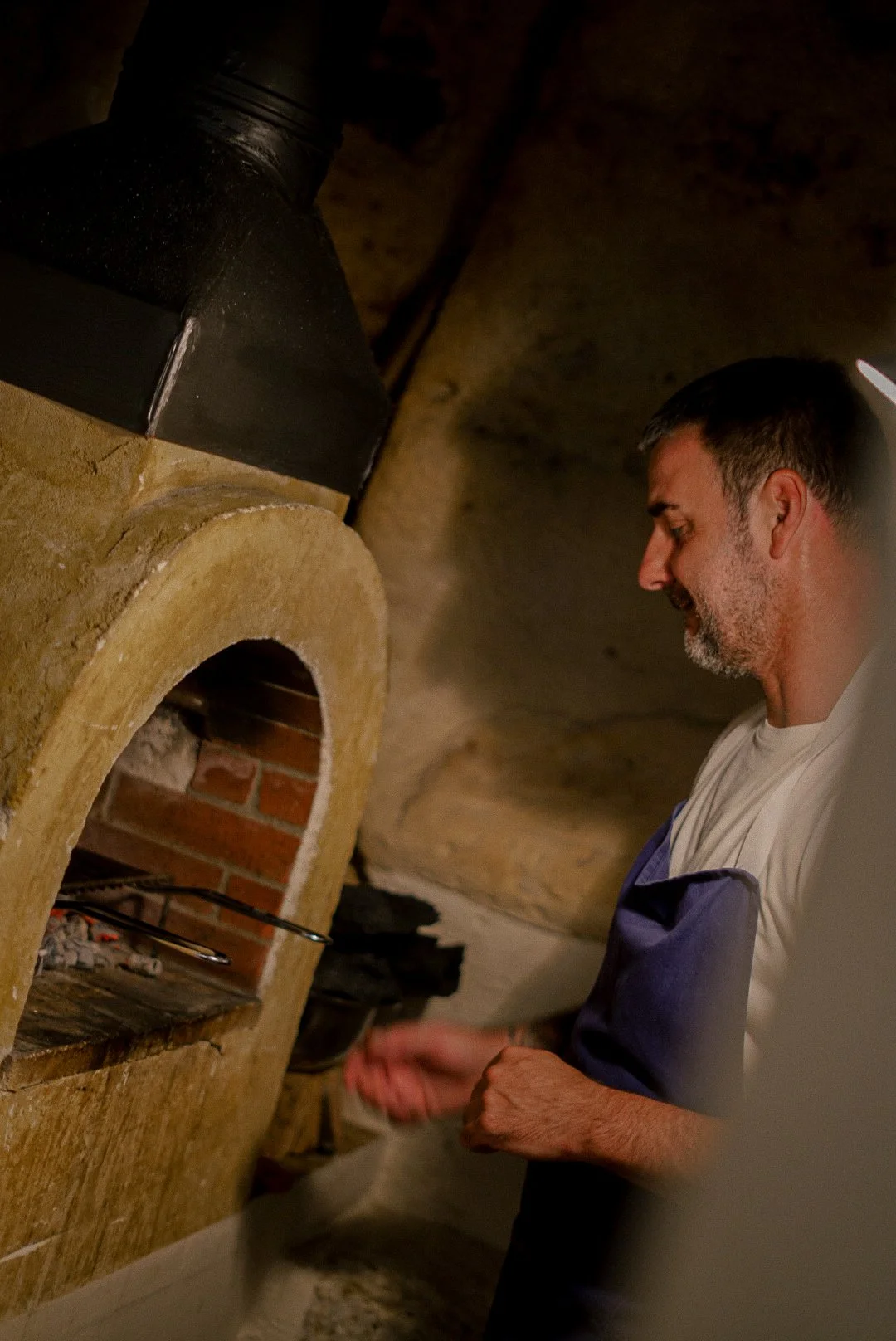
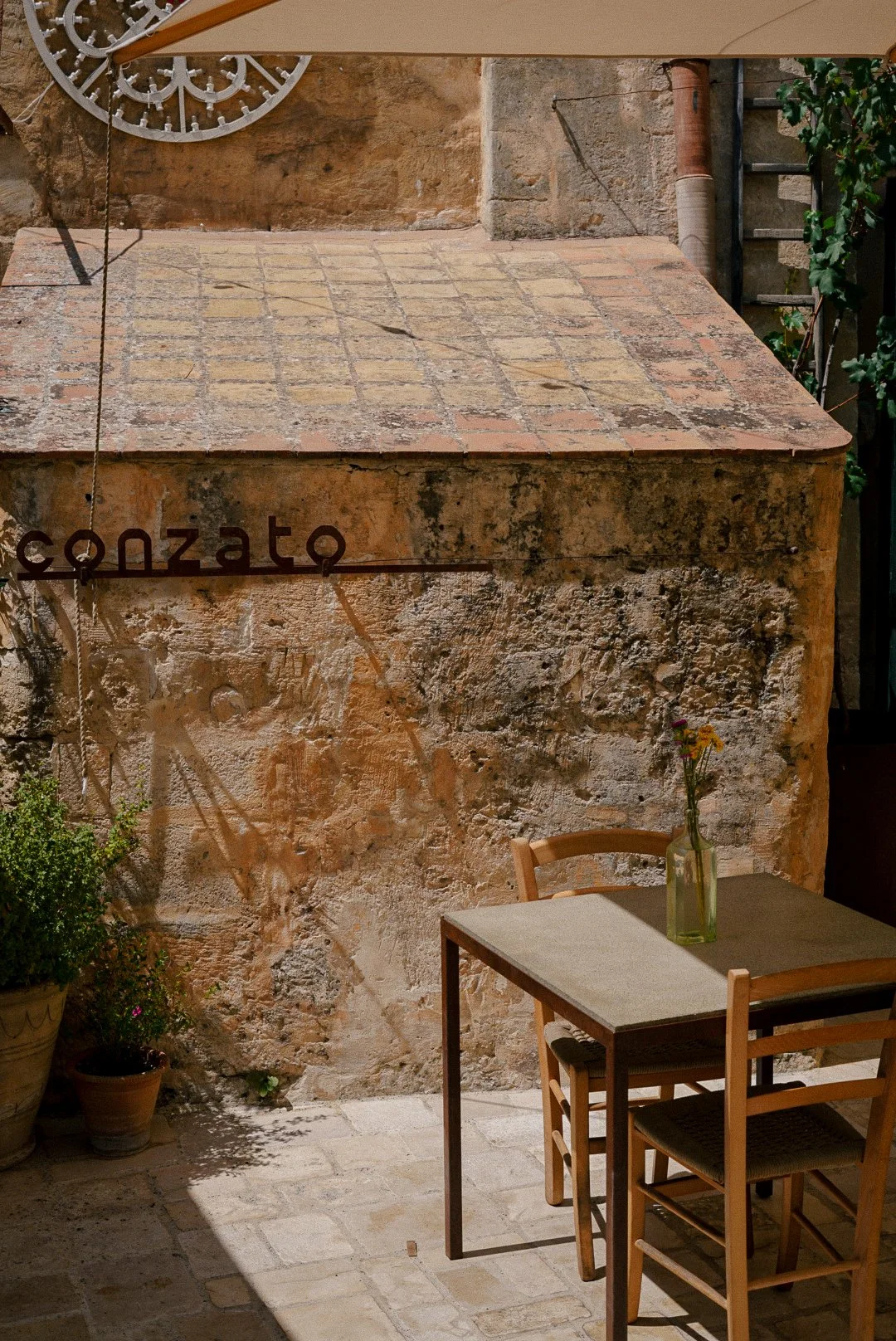
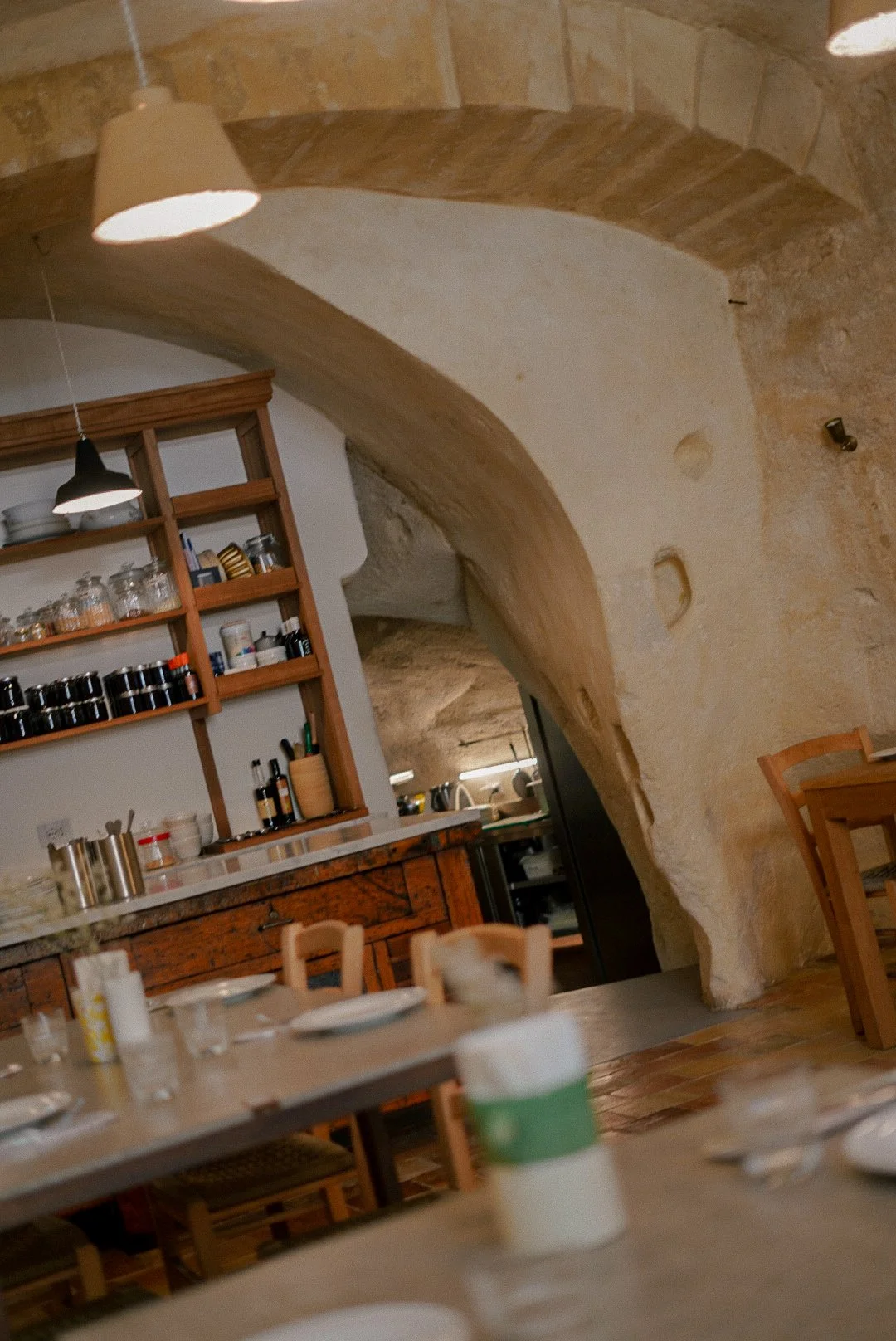
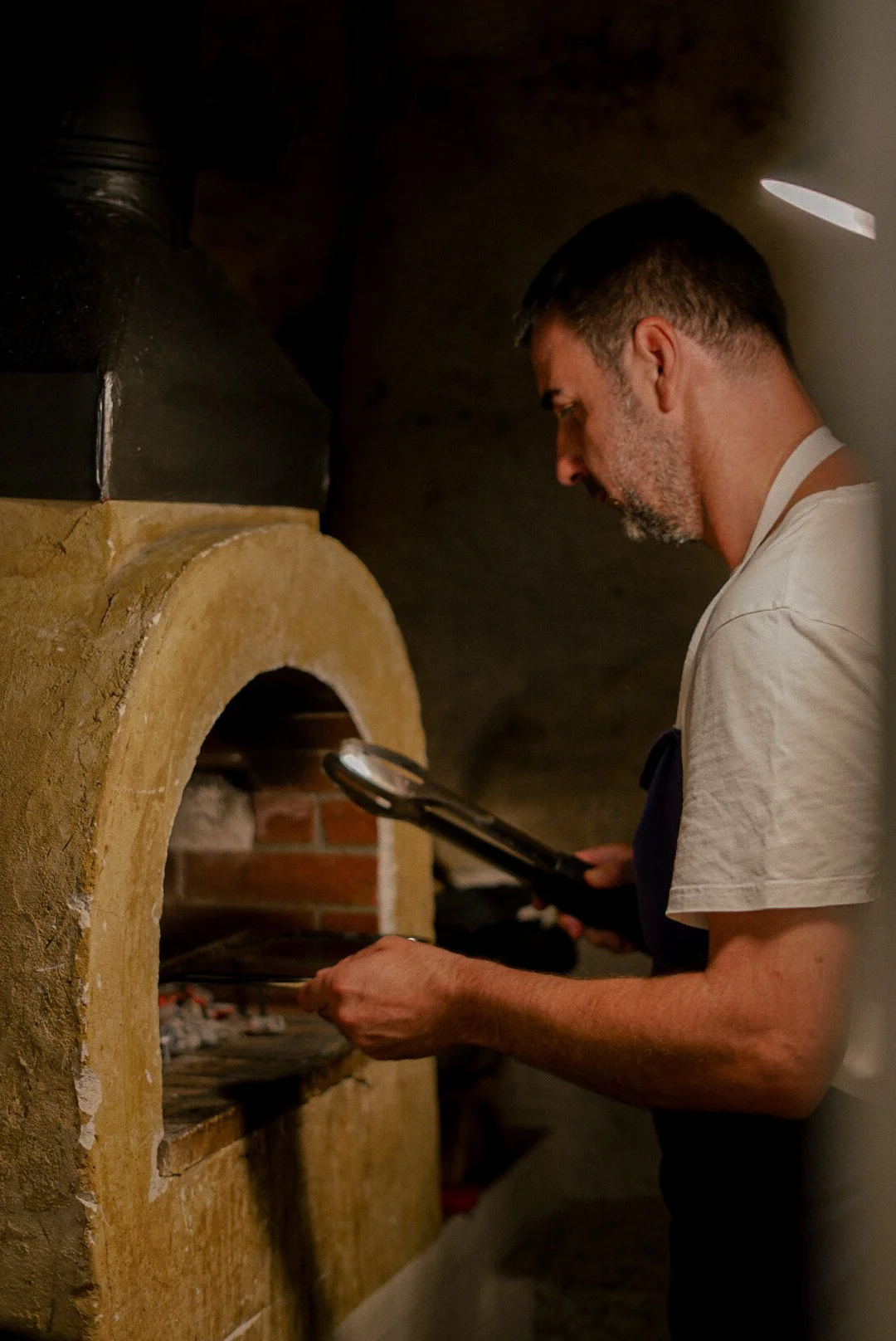
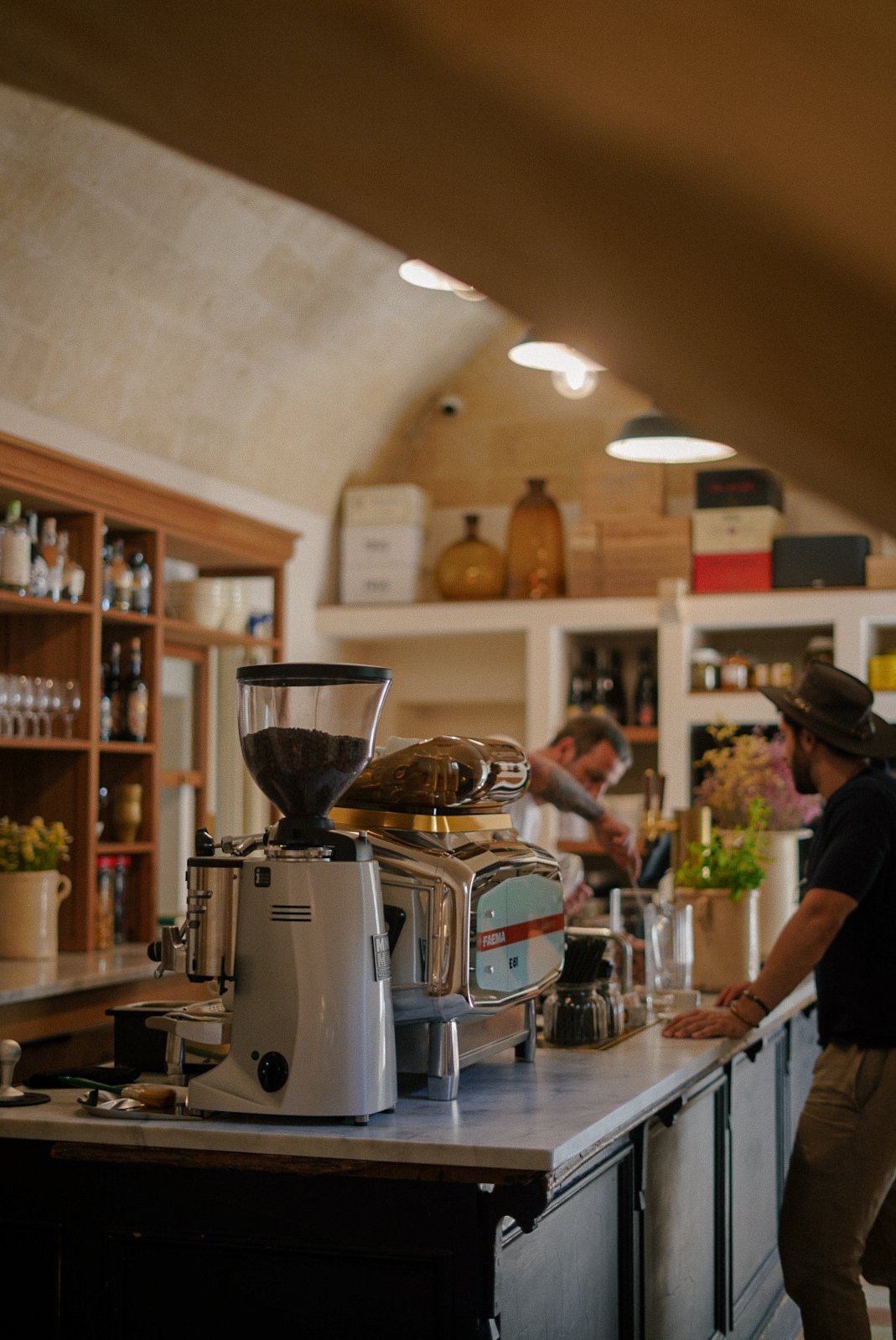
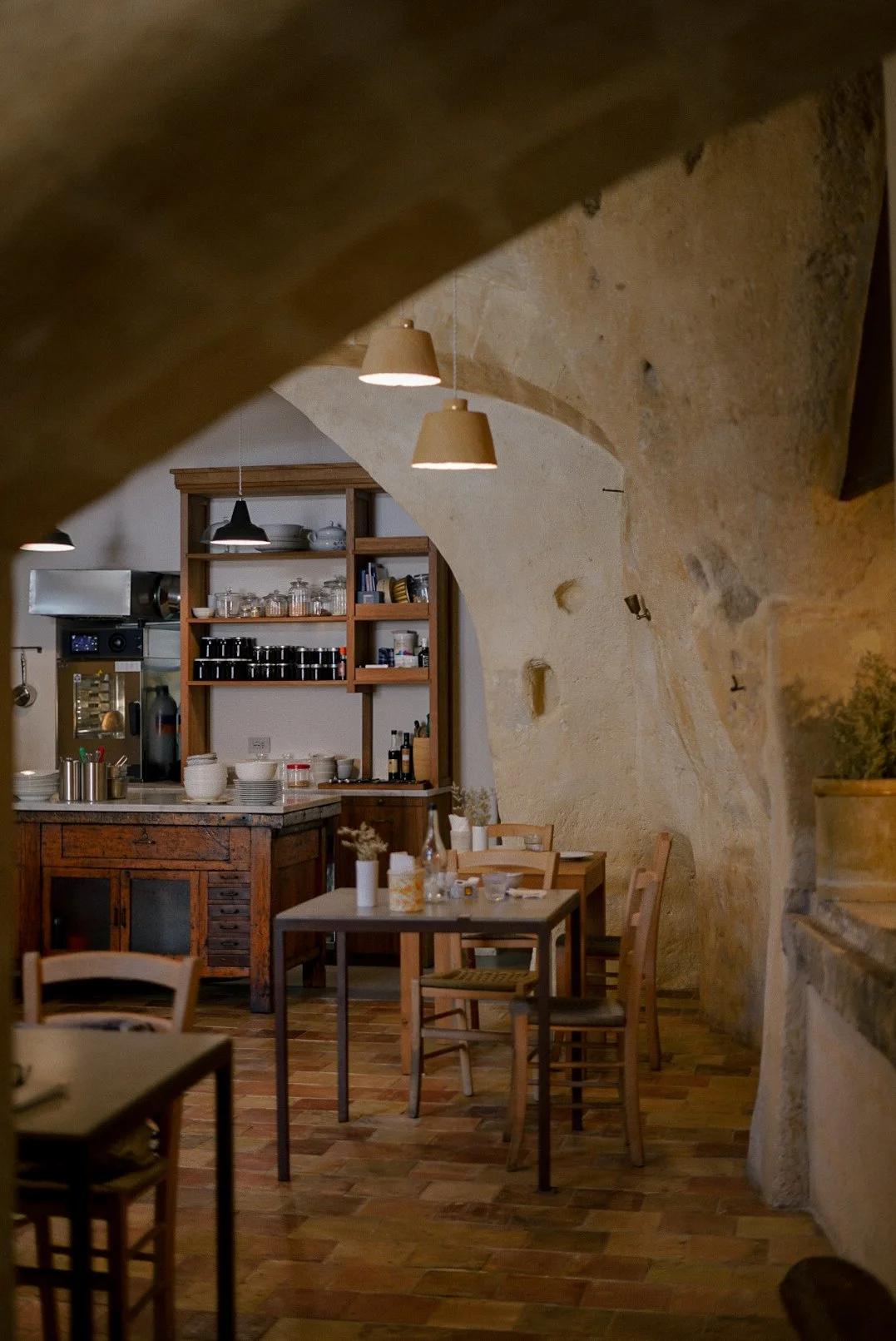
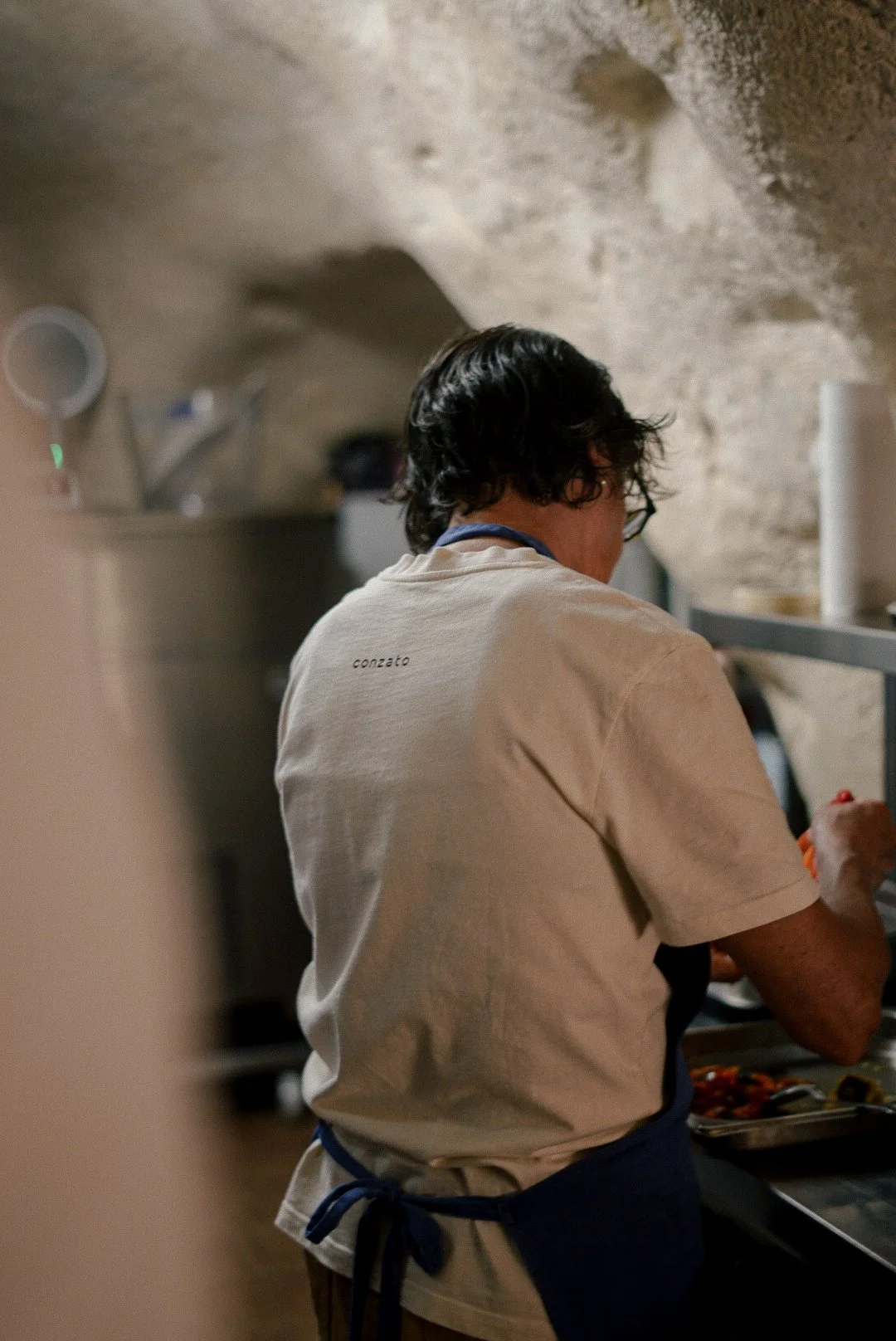
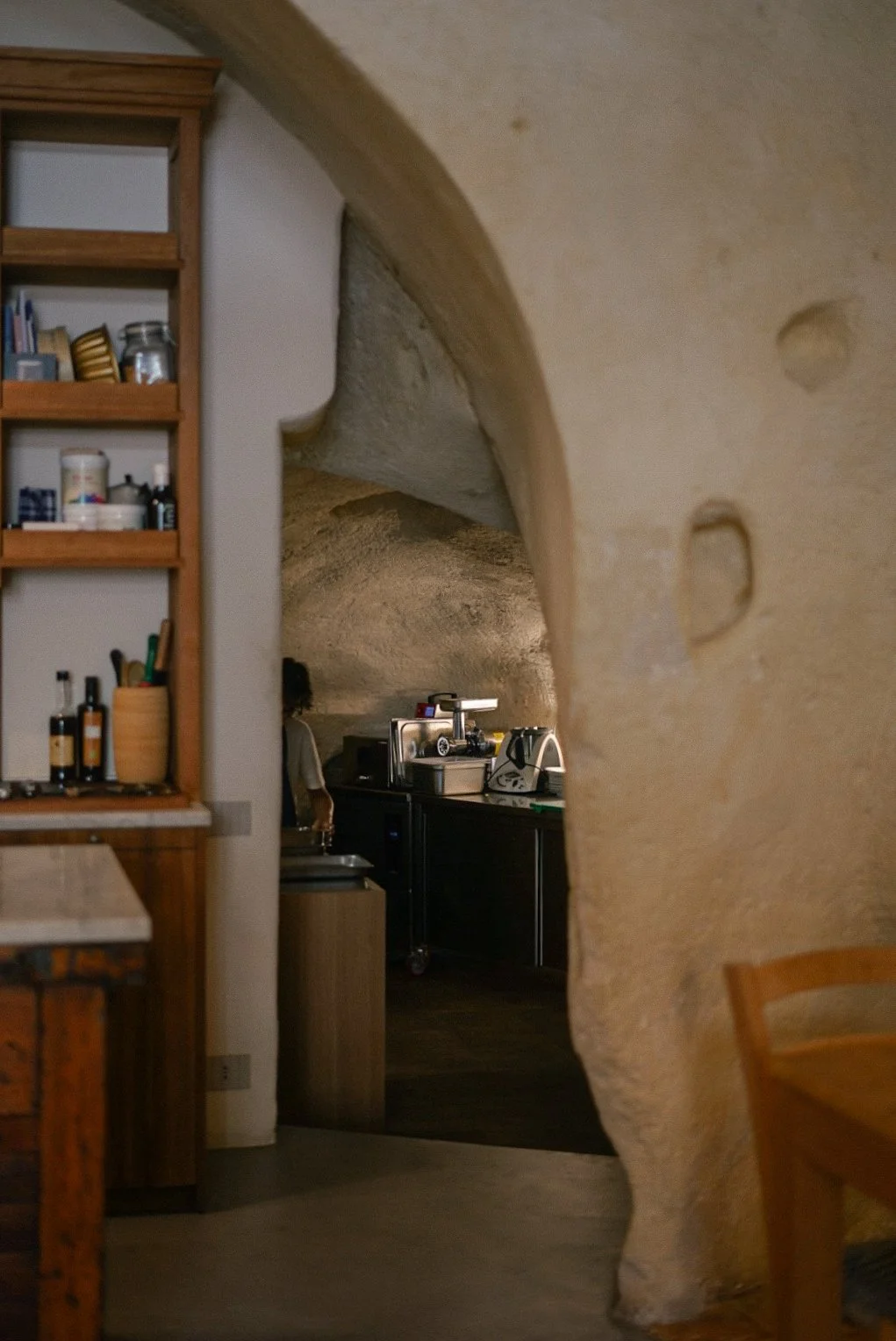
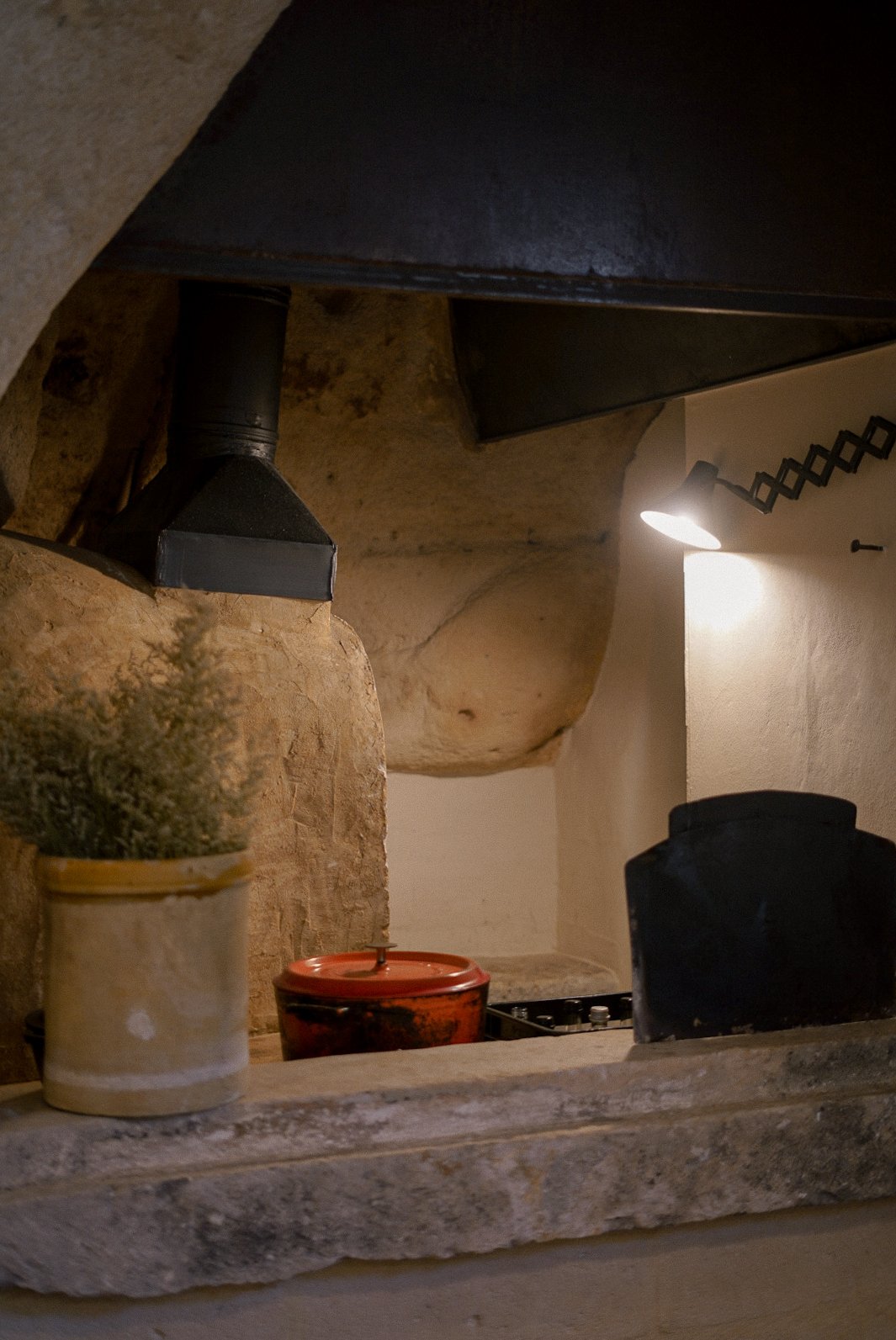
I continued my culinary journey at Conzato, where Matera offered another lesson in adaptation. The restaurant exists inside the original cave architecture, where the space itself makes a conventional kitchen impossible. Instead, a wood-fired oven becomes the heart of the cooking. What could have been treated as an architectural limitation has become the restaurant's identity: here the cave does not have to change in order for the restaurant to exist, it is the restaurant that changes instead. Again, Matera seemed to suggest that the most interesting forms of contemporary creativity do not necessarily begin by overcoming constraints. Sometimes they begin by accepting them closely enough to discover what they make possible.
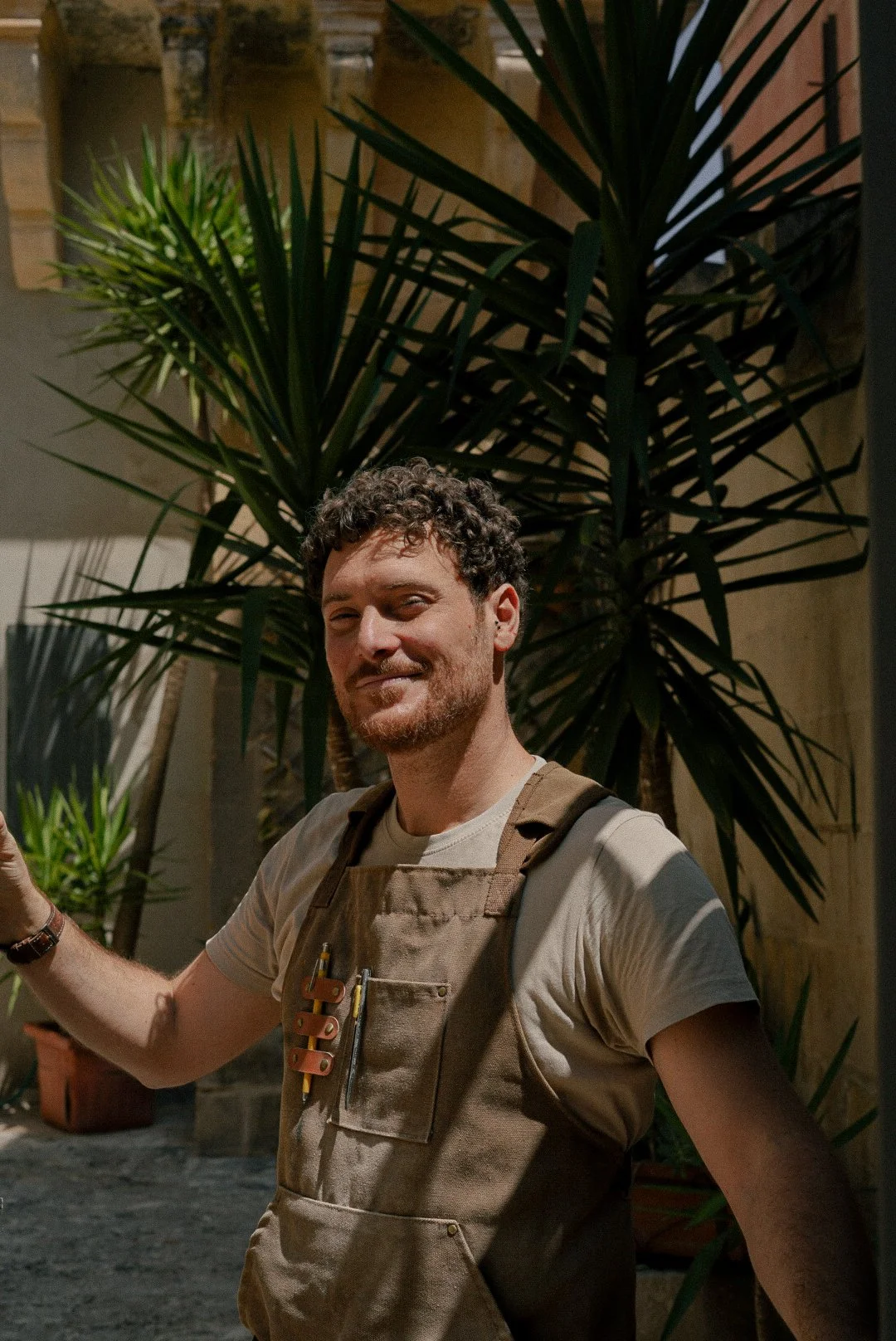
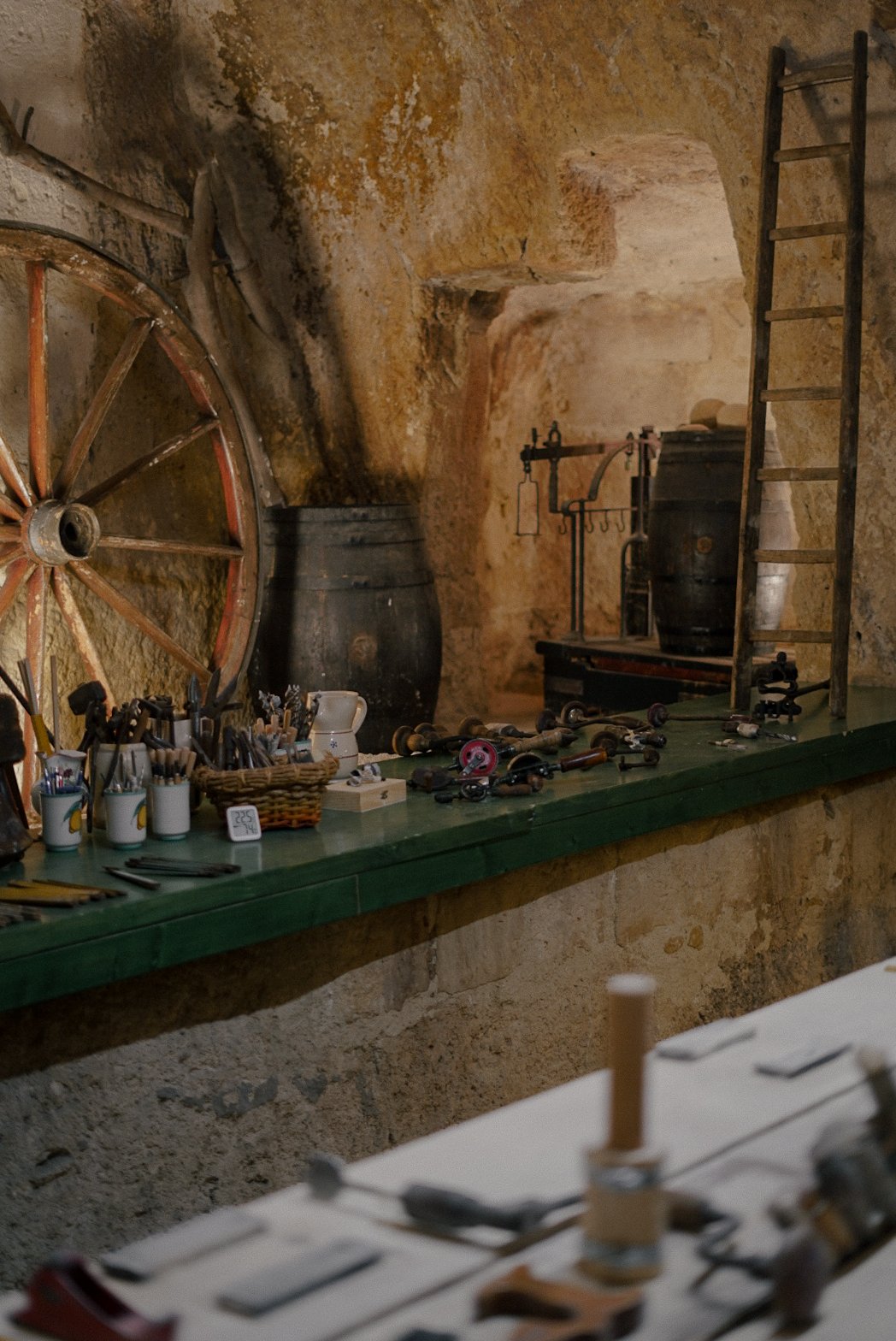
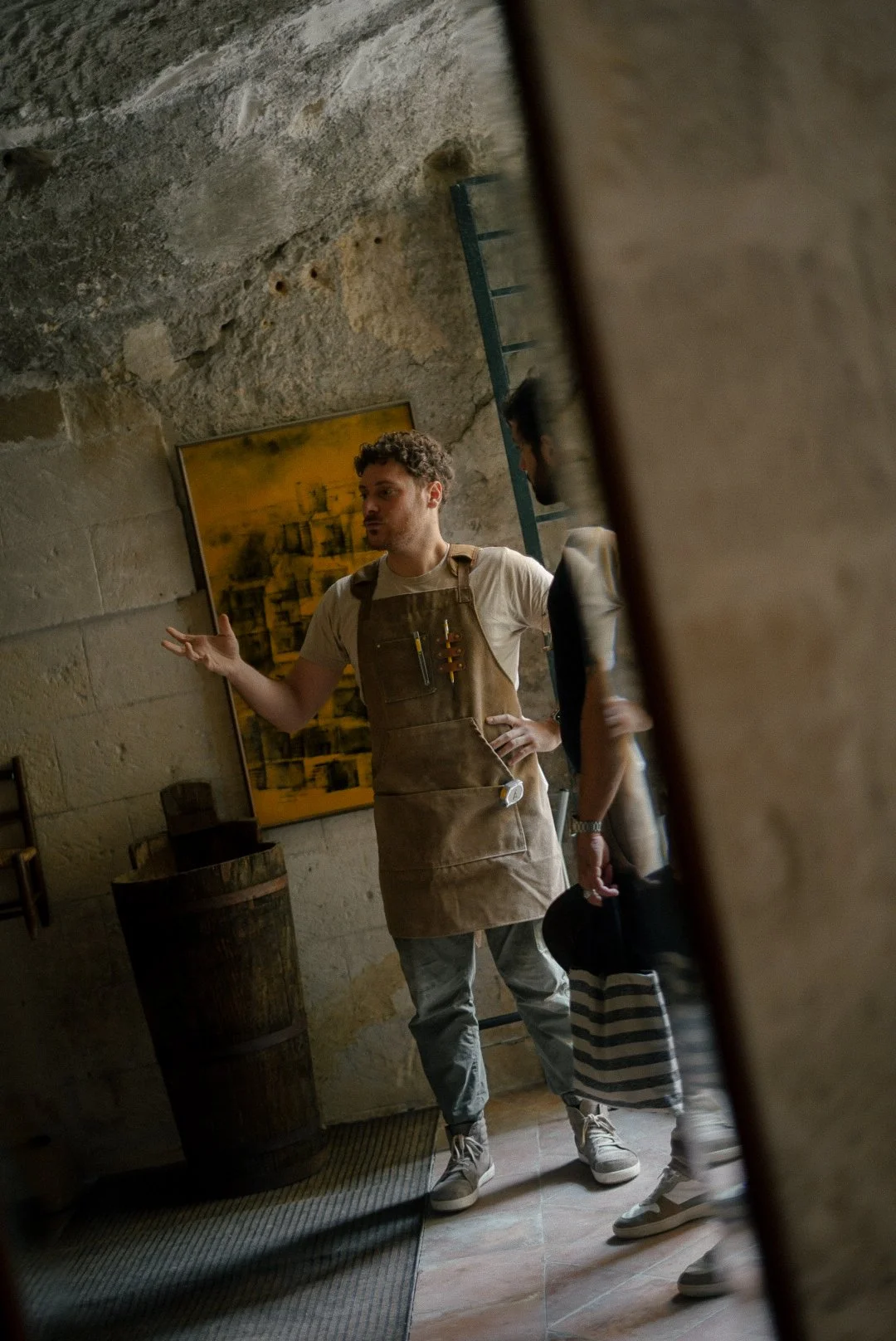
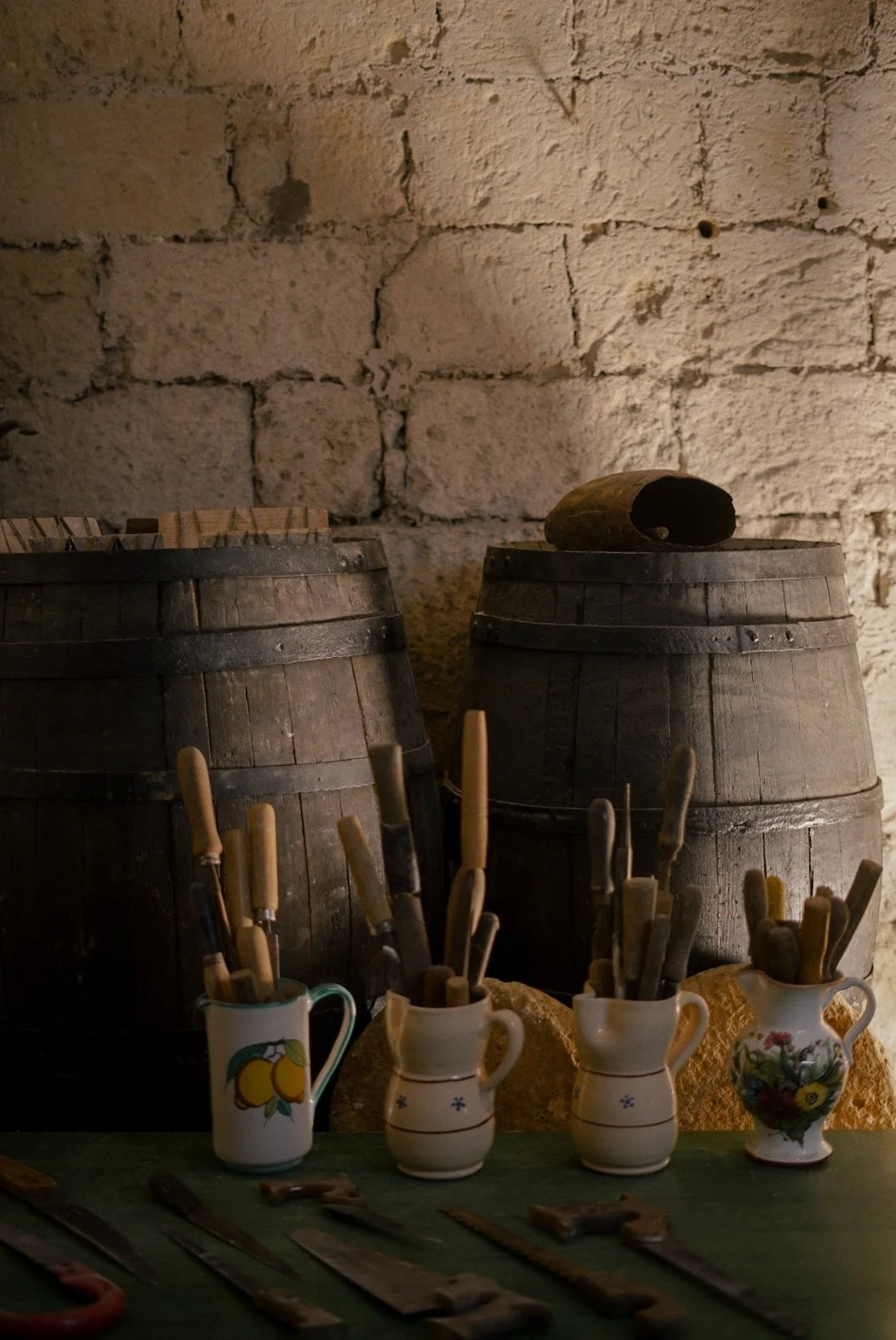
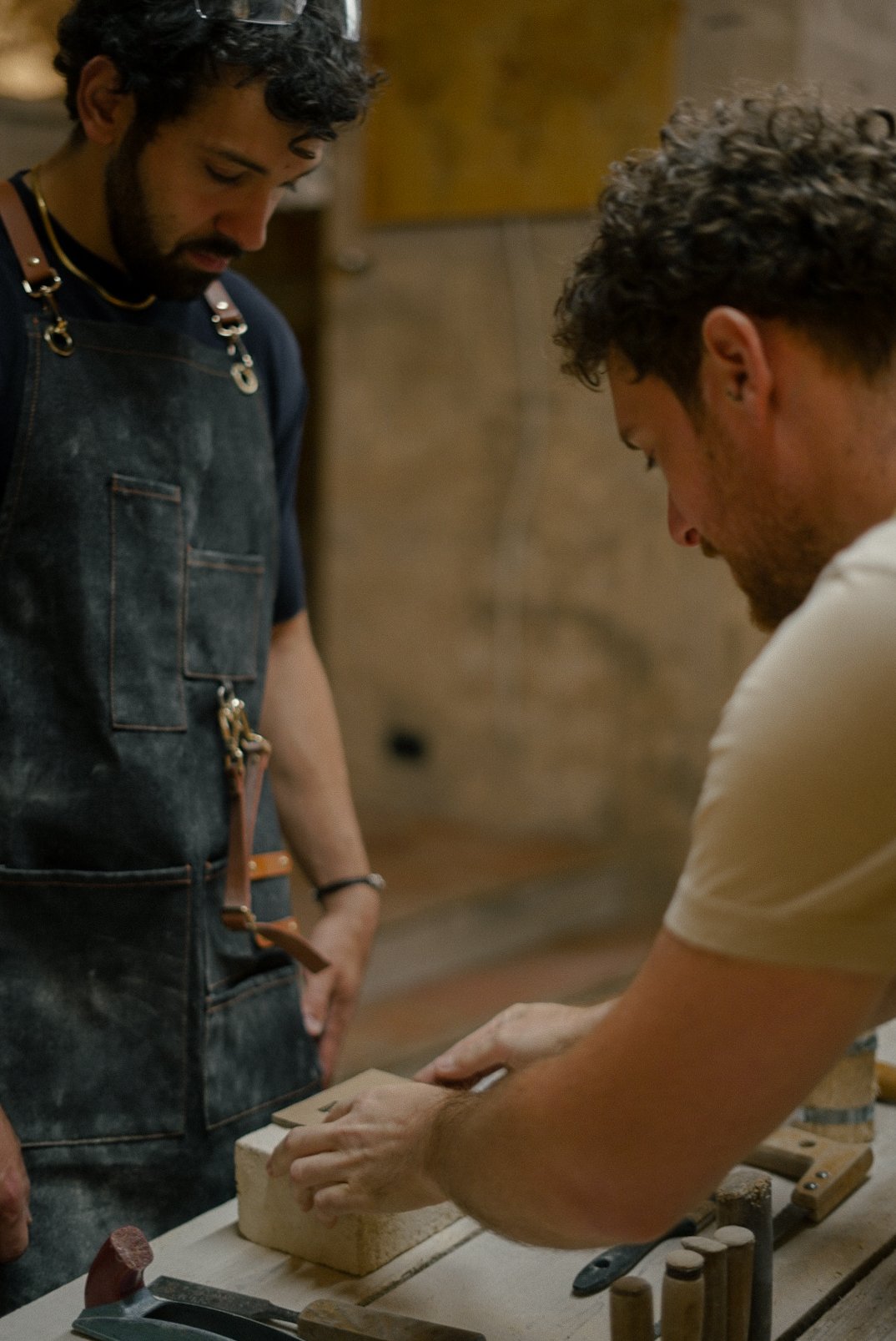
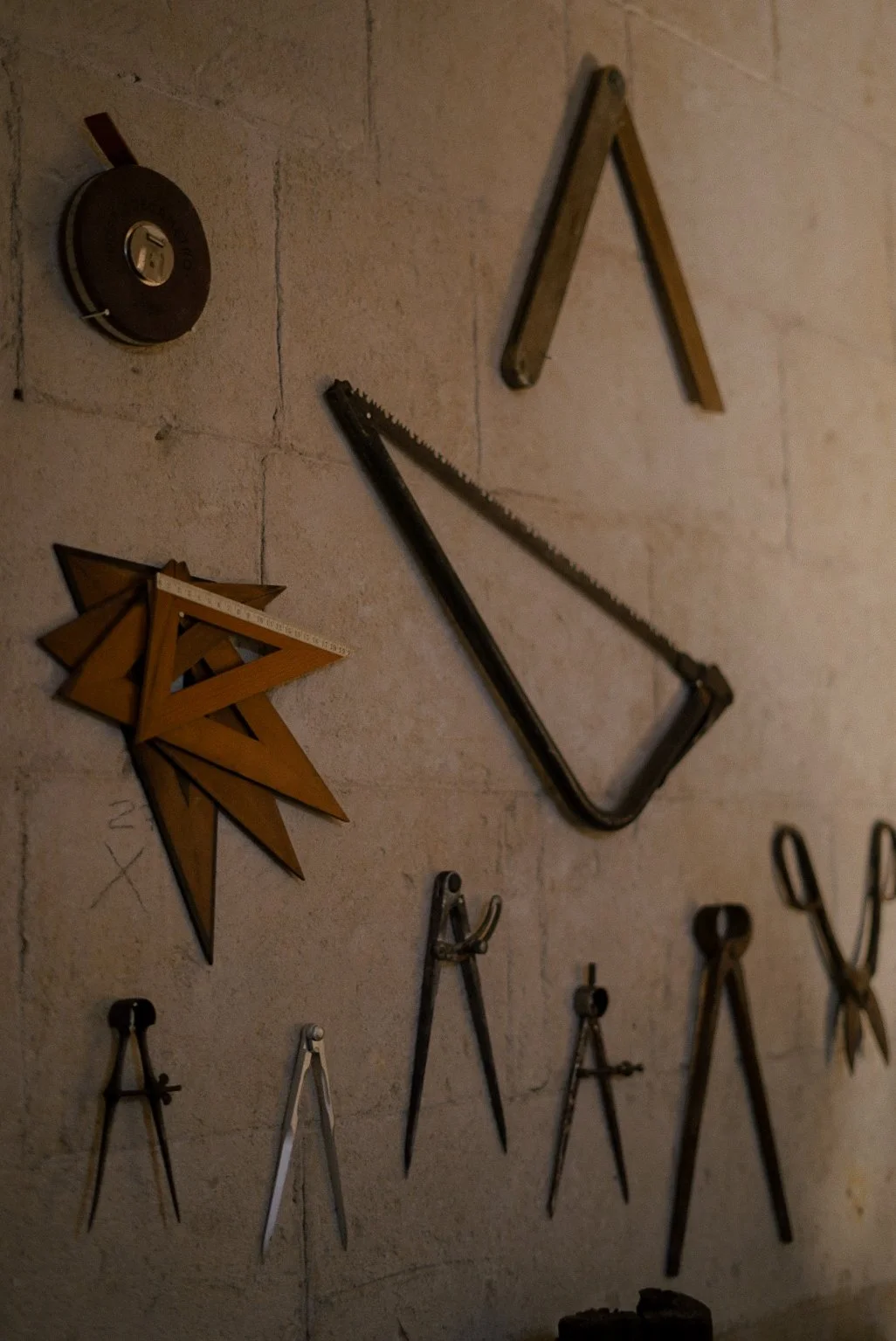
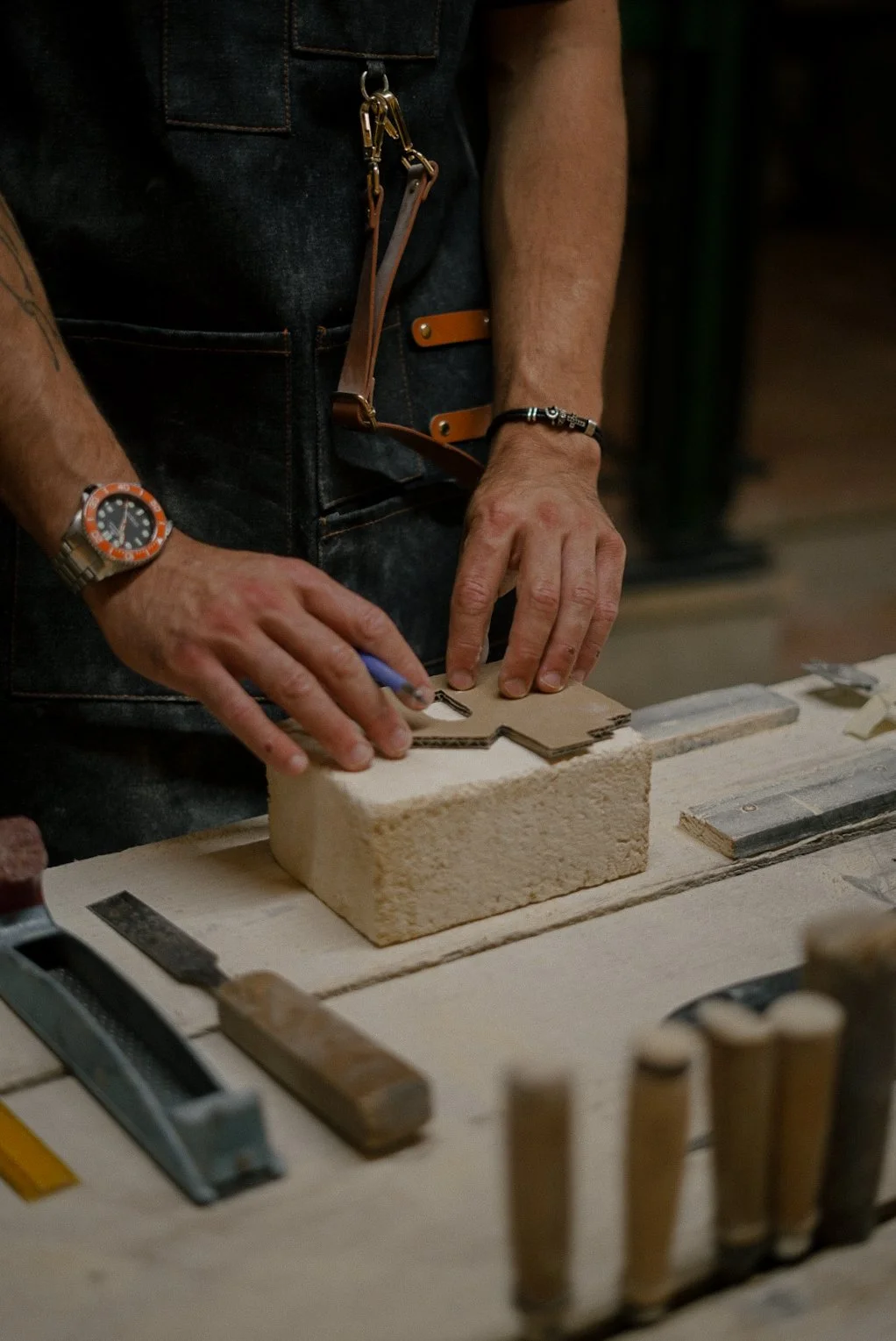
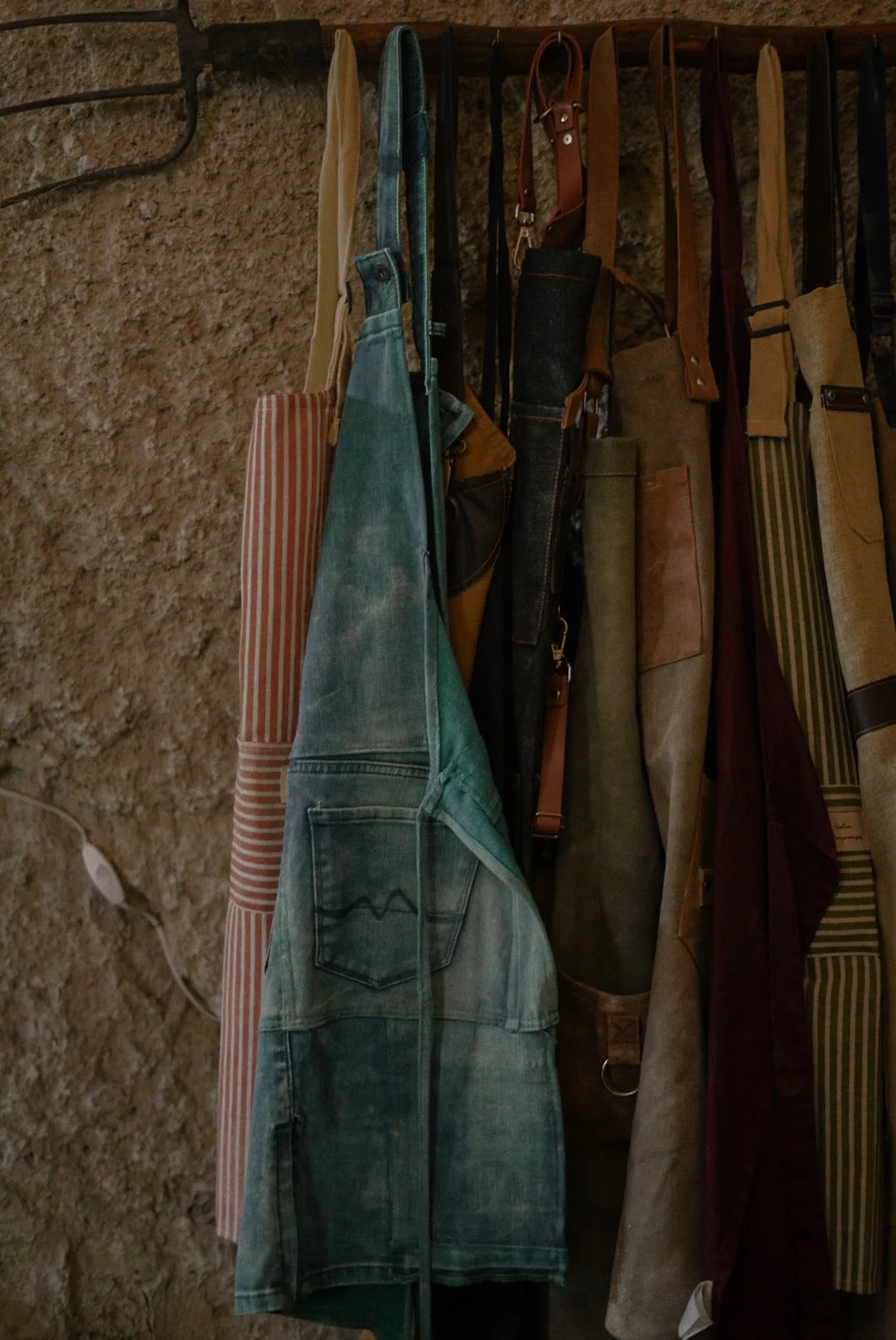
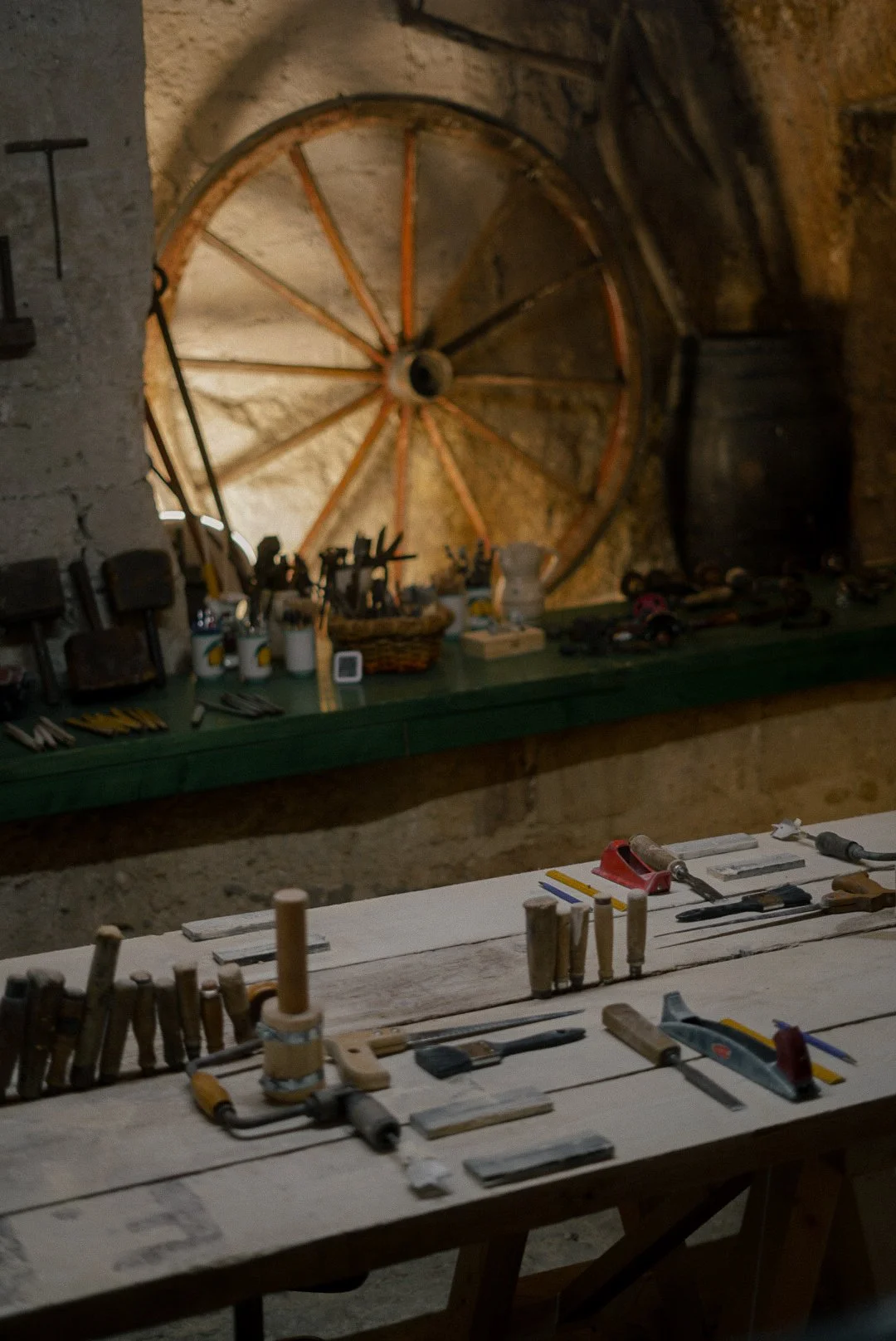
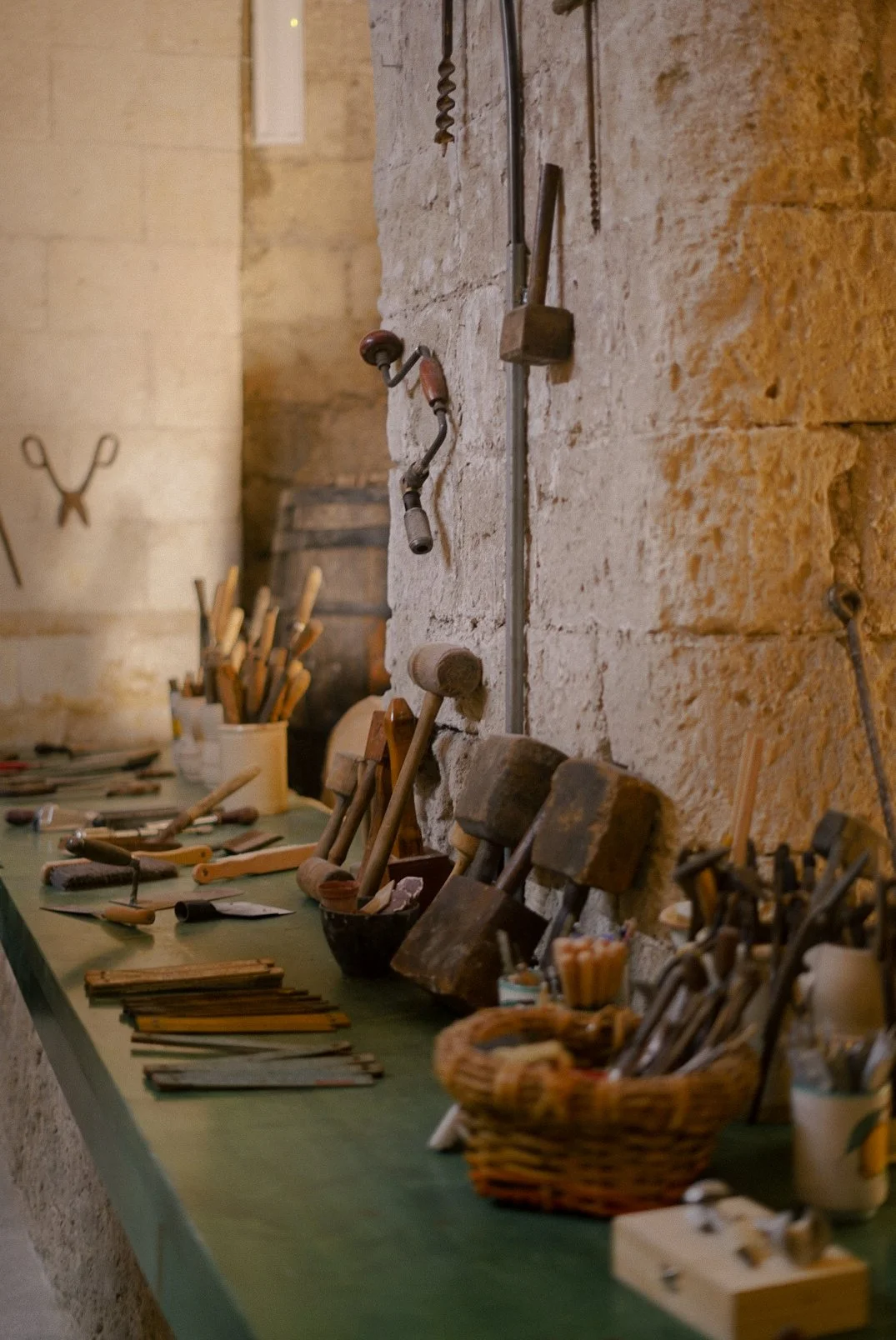
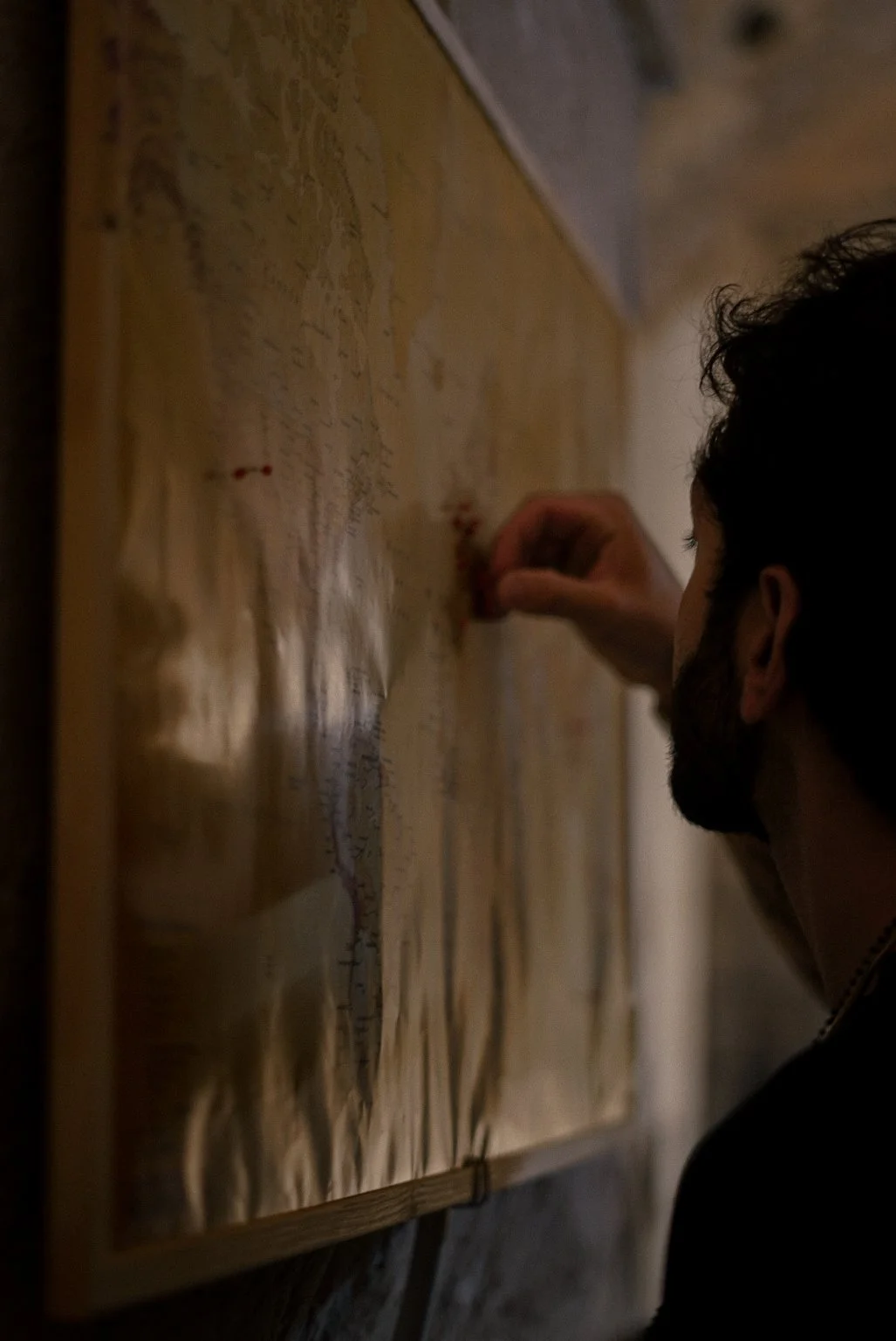
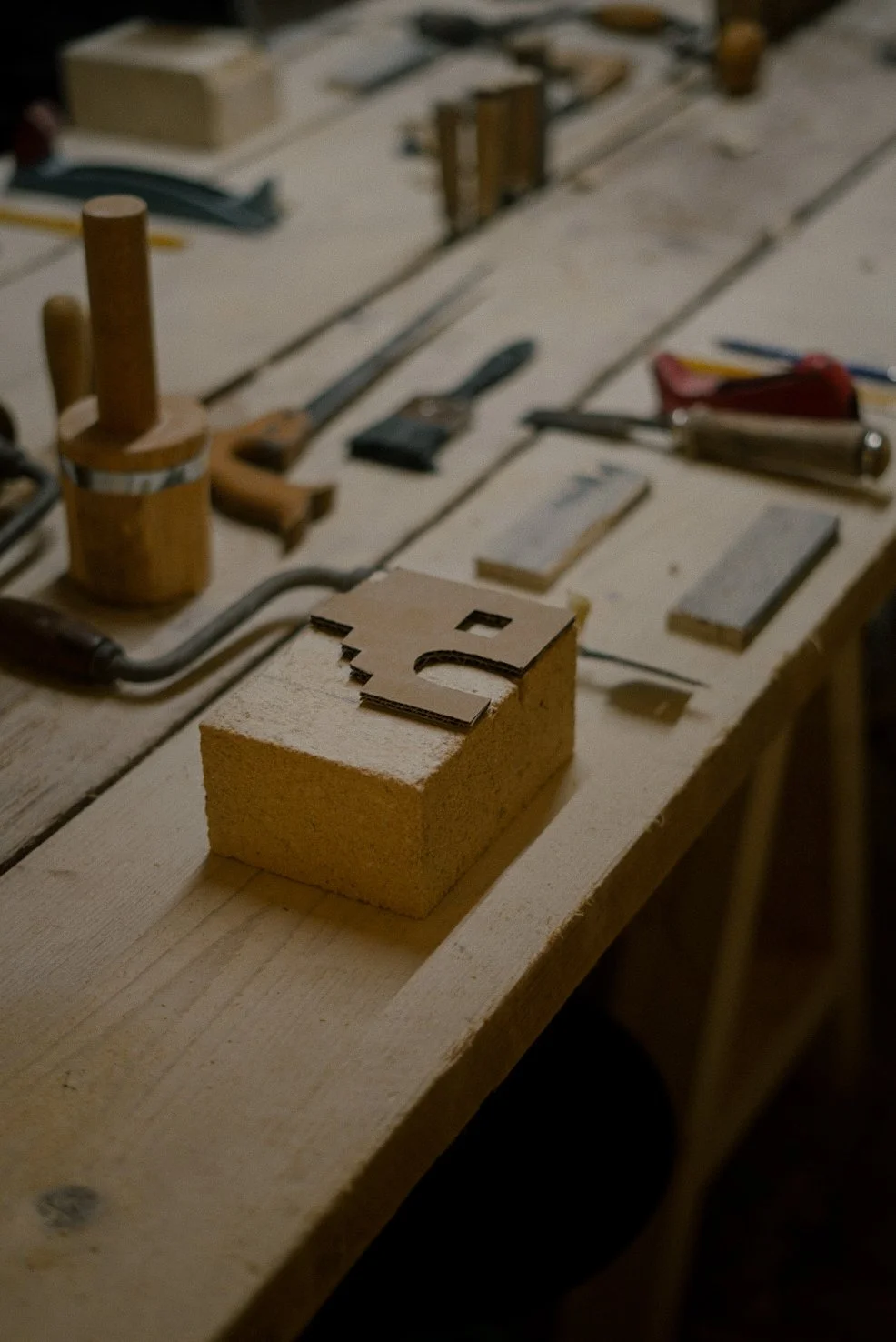
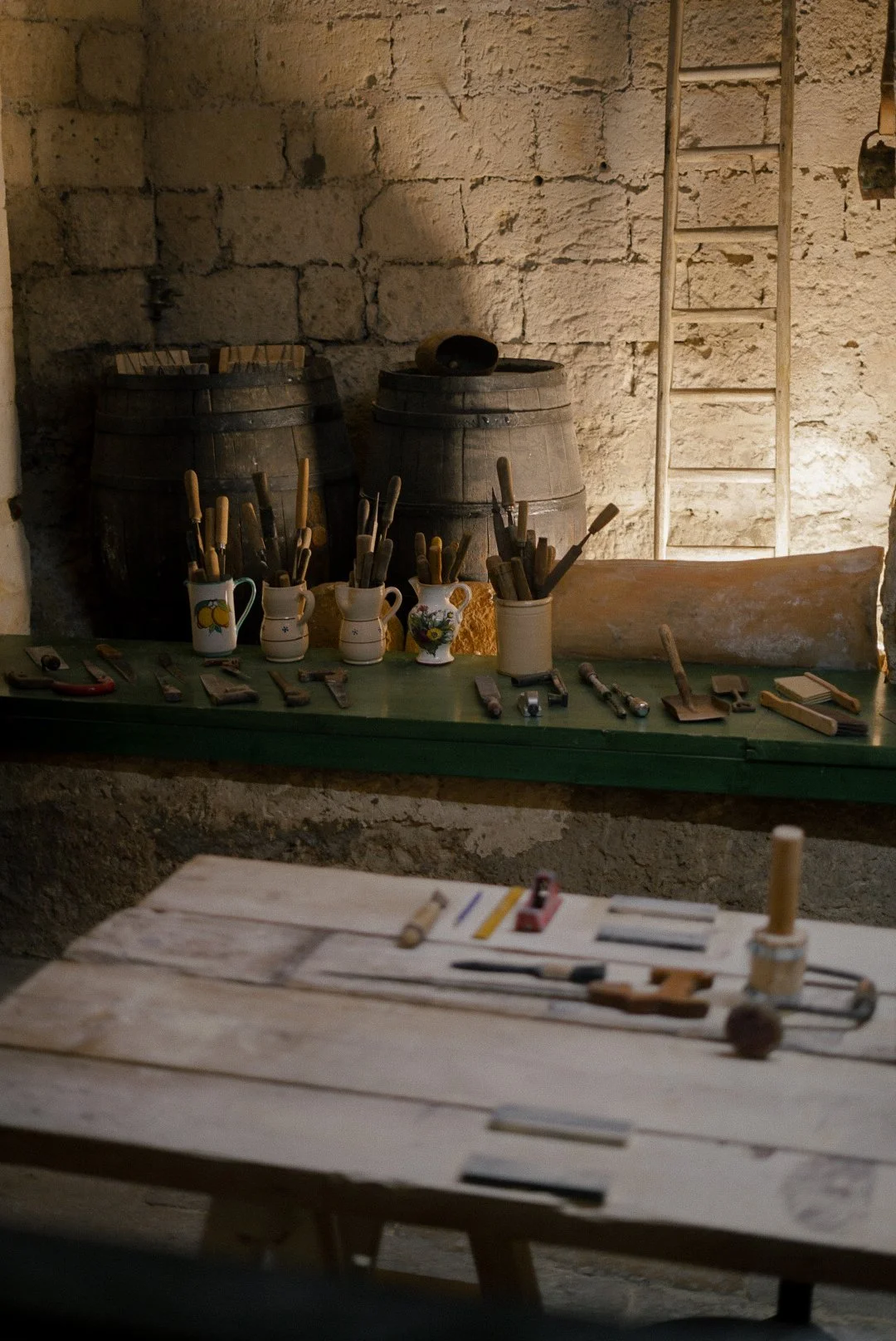
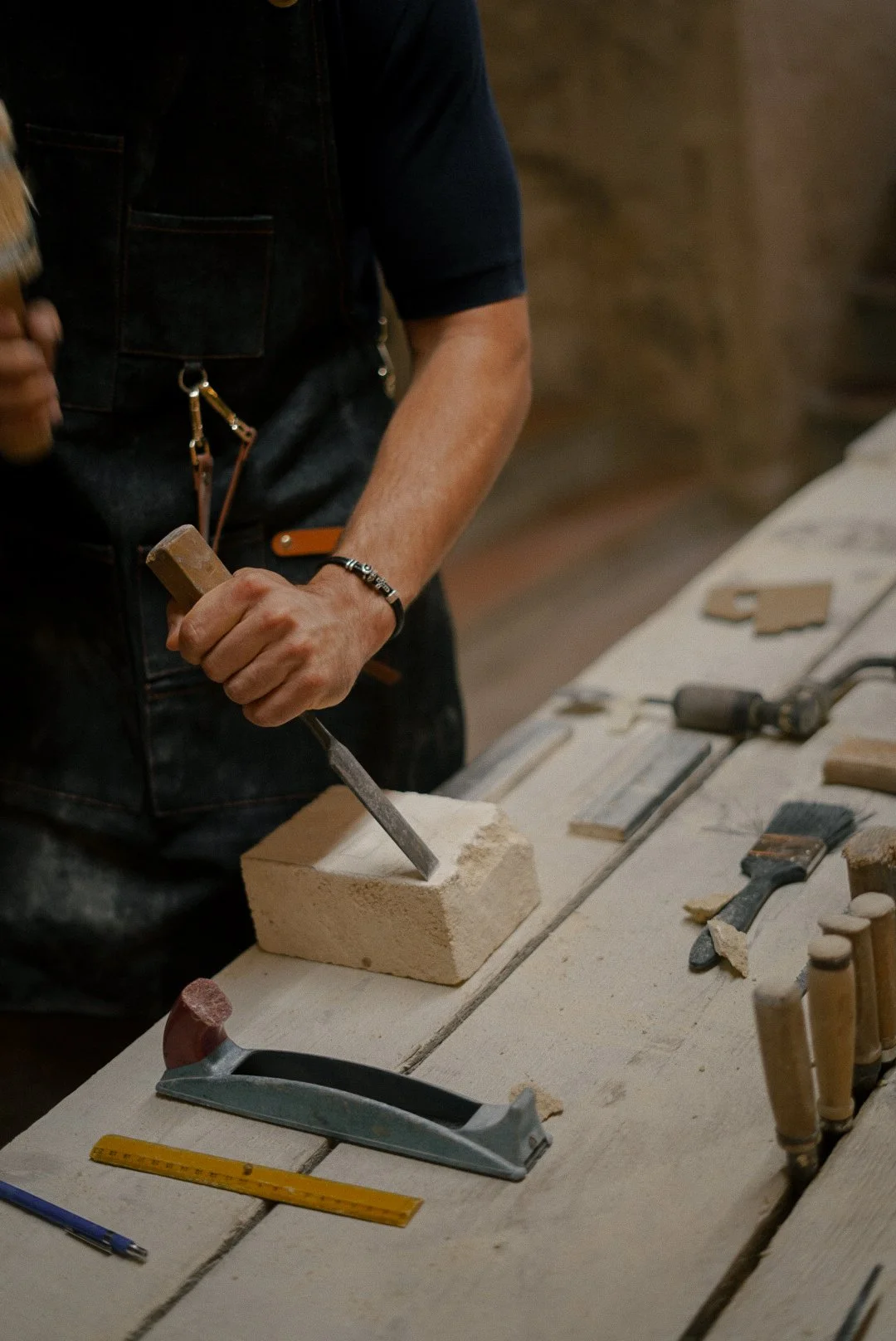
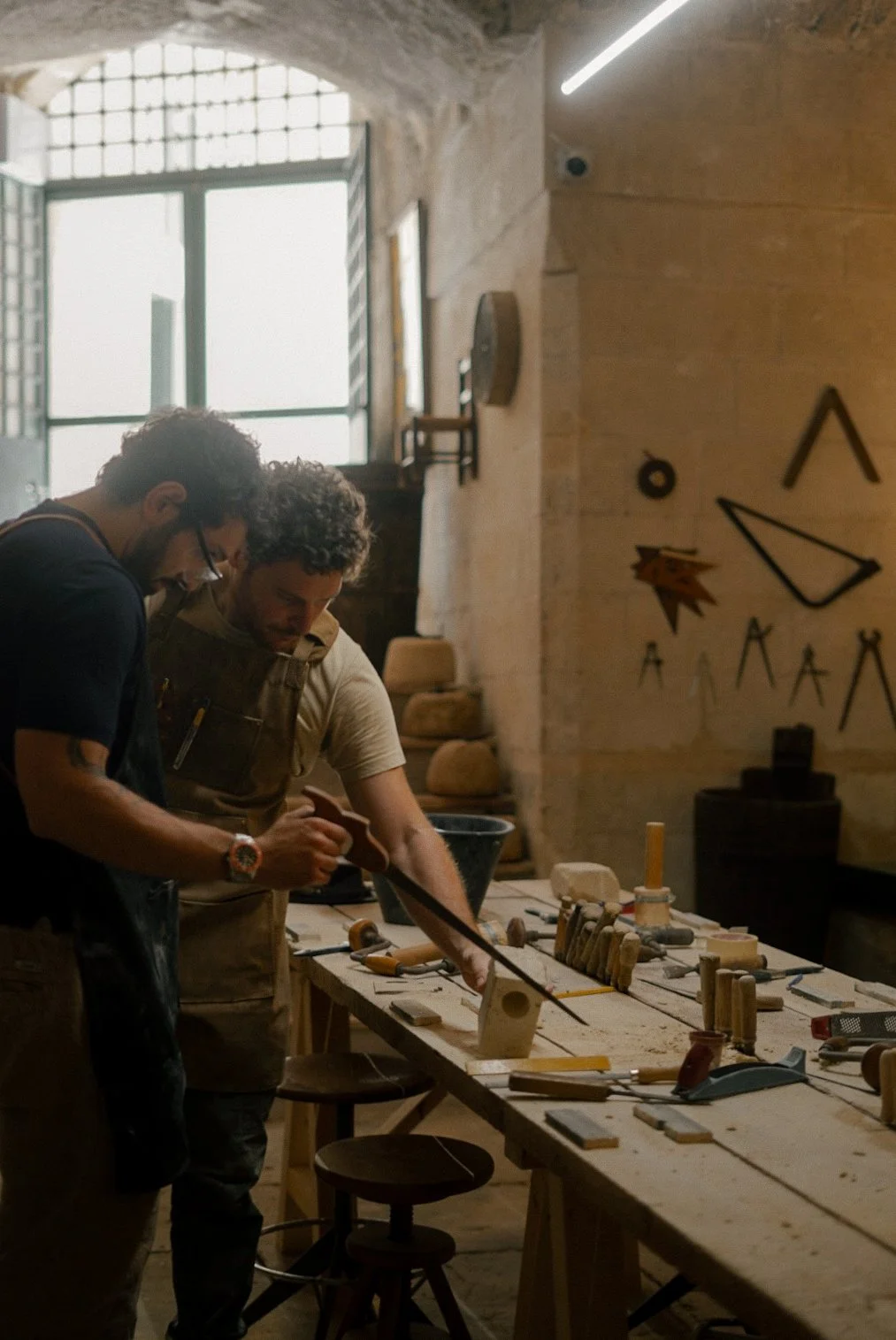
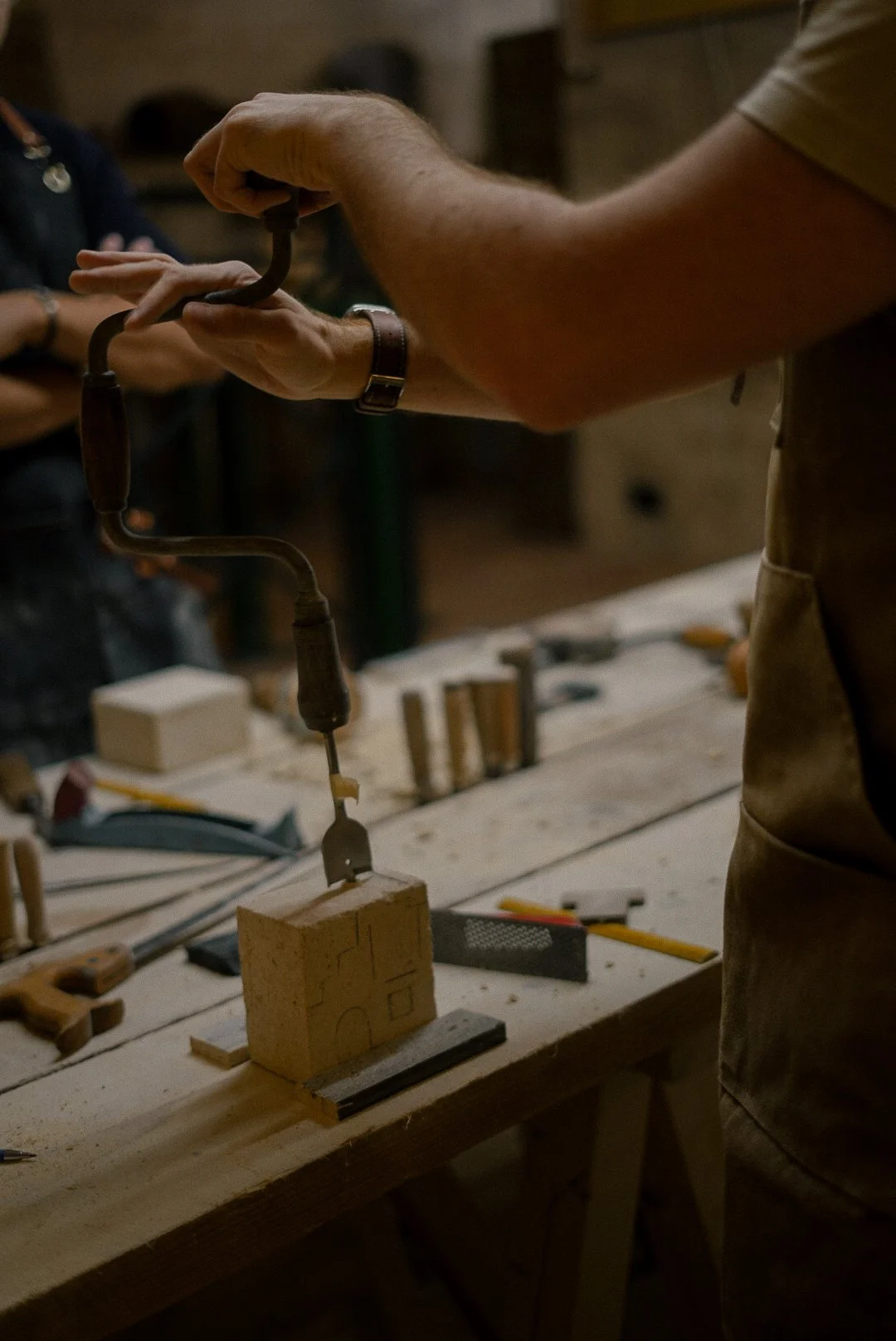
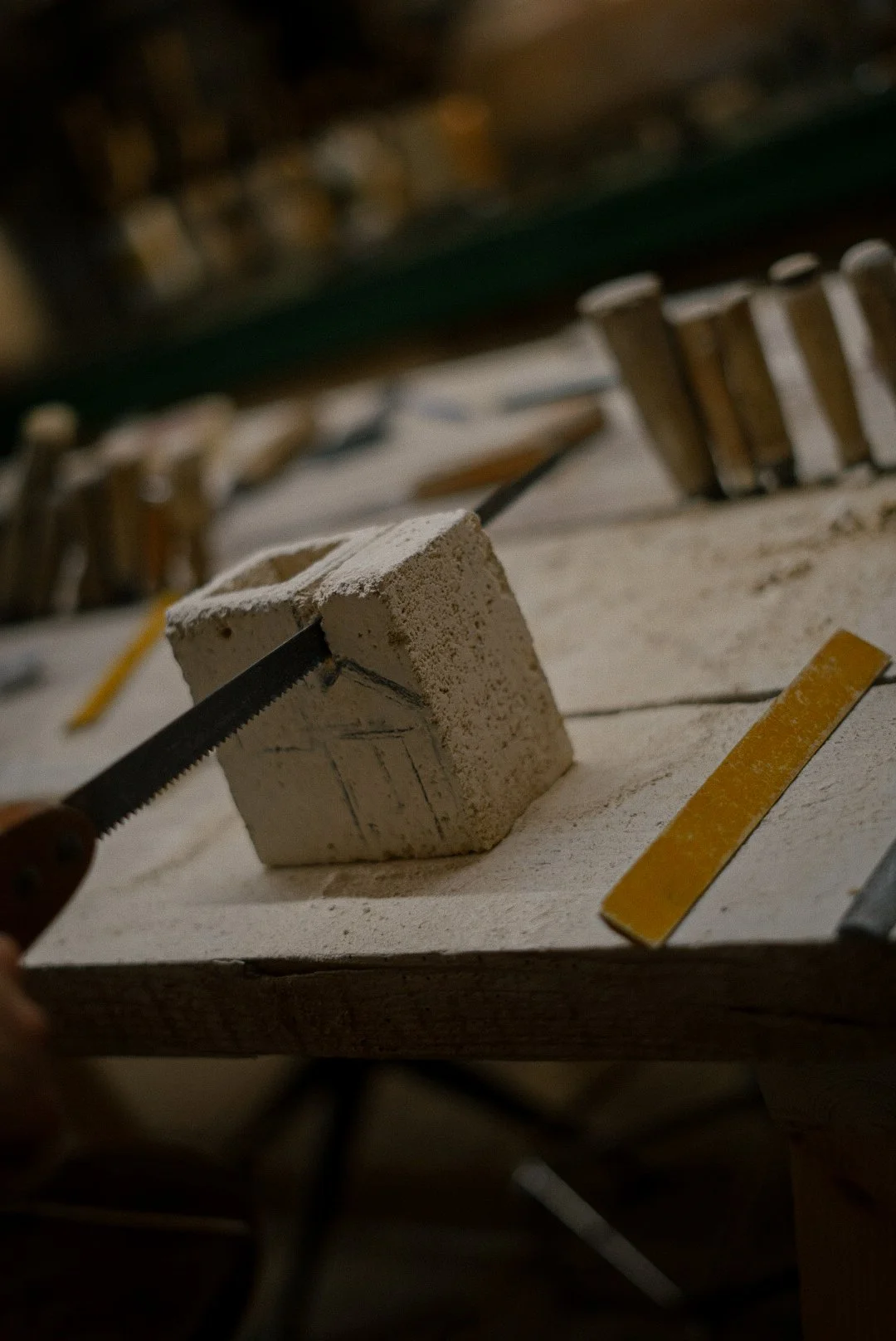
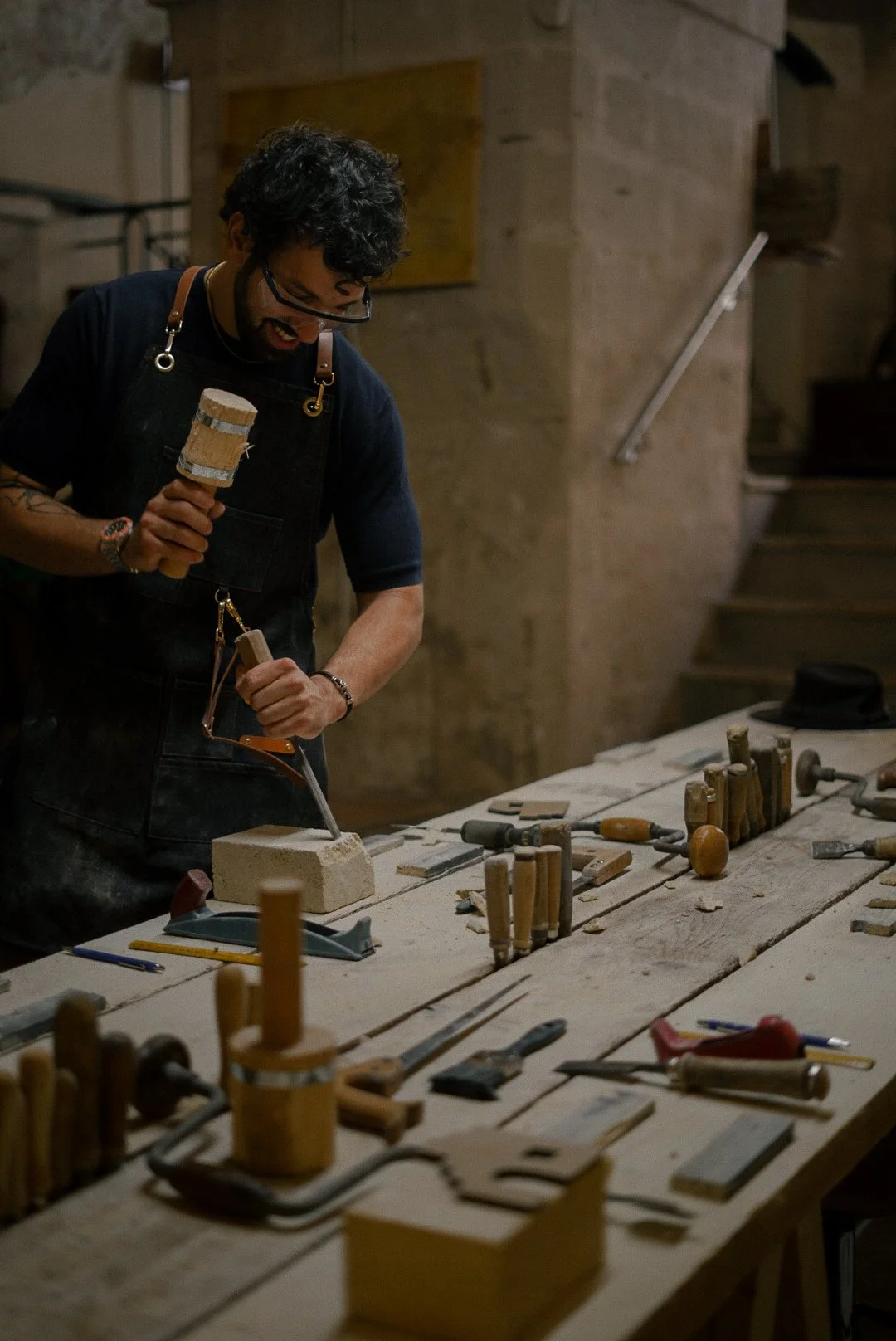
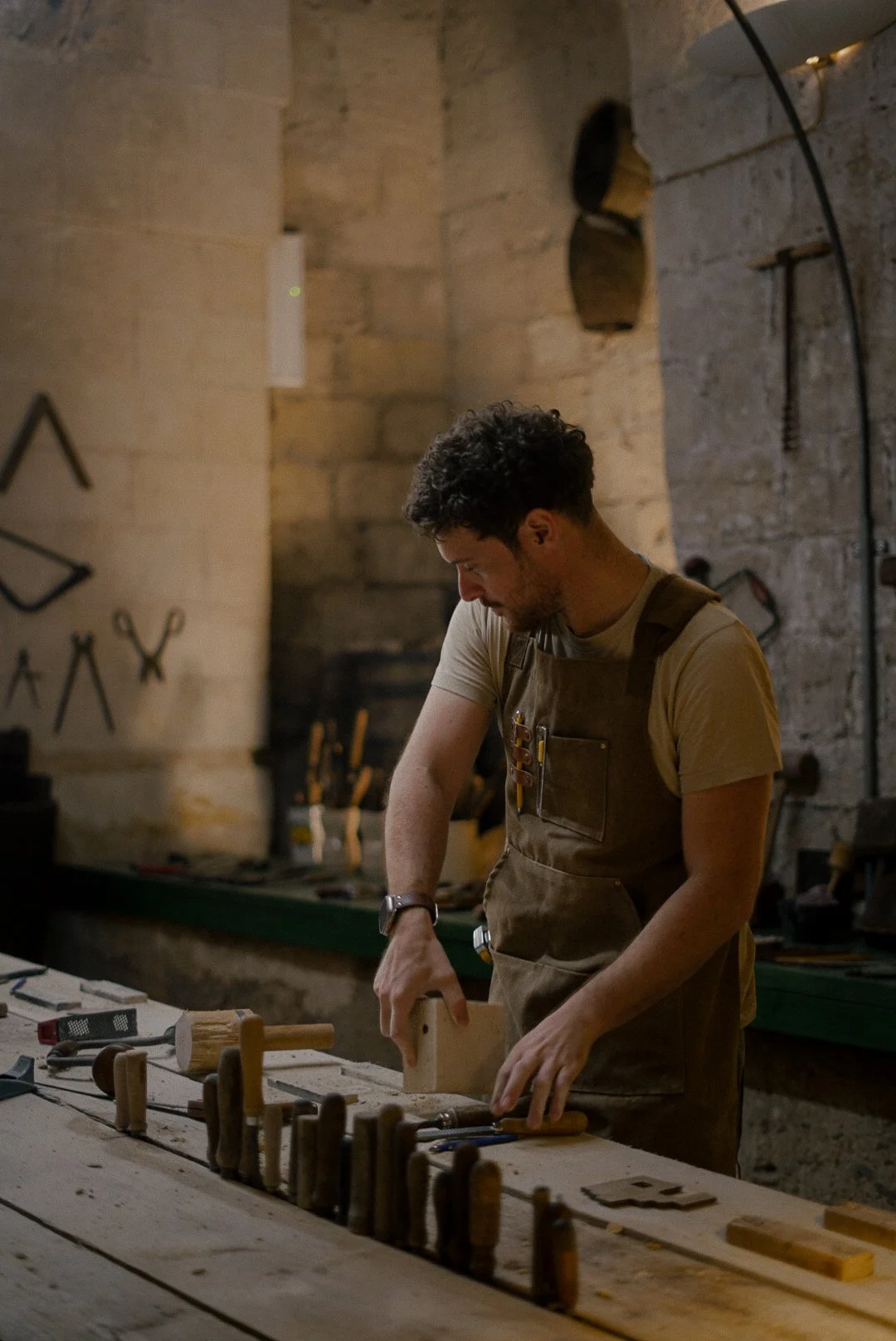
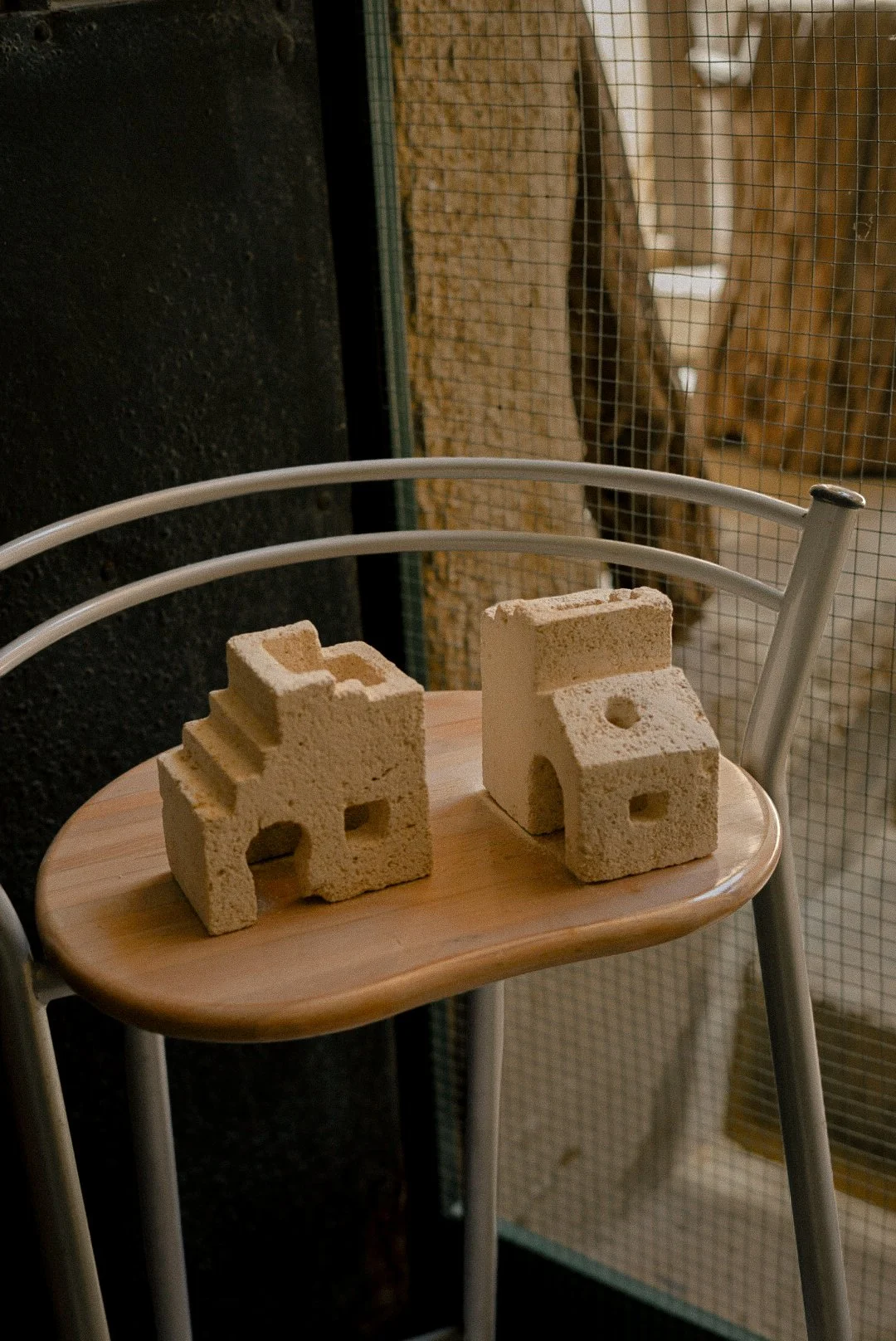
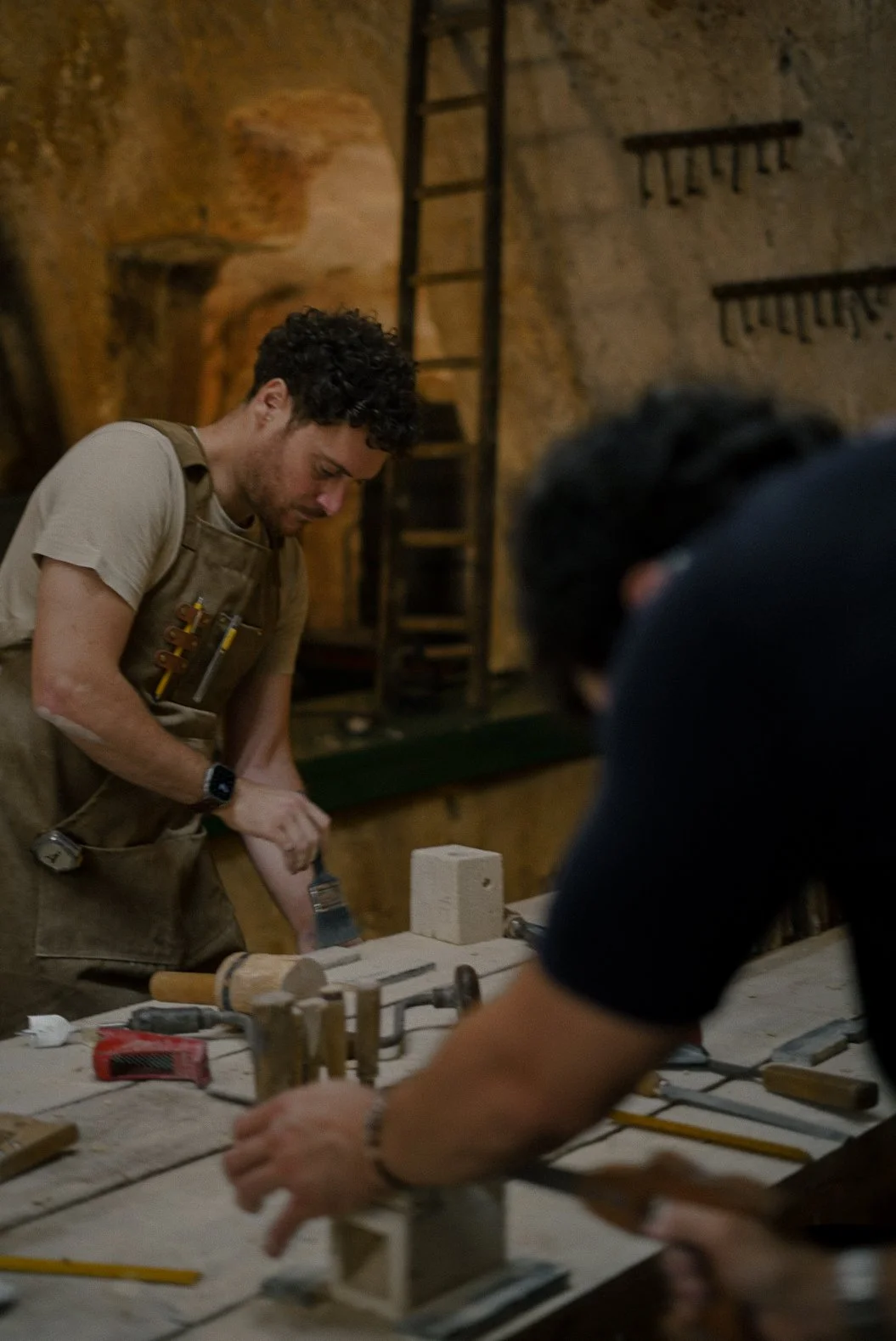
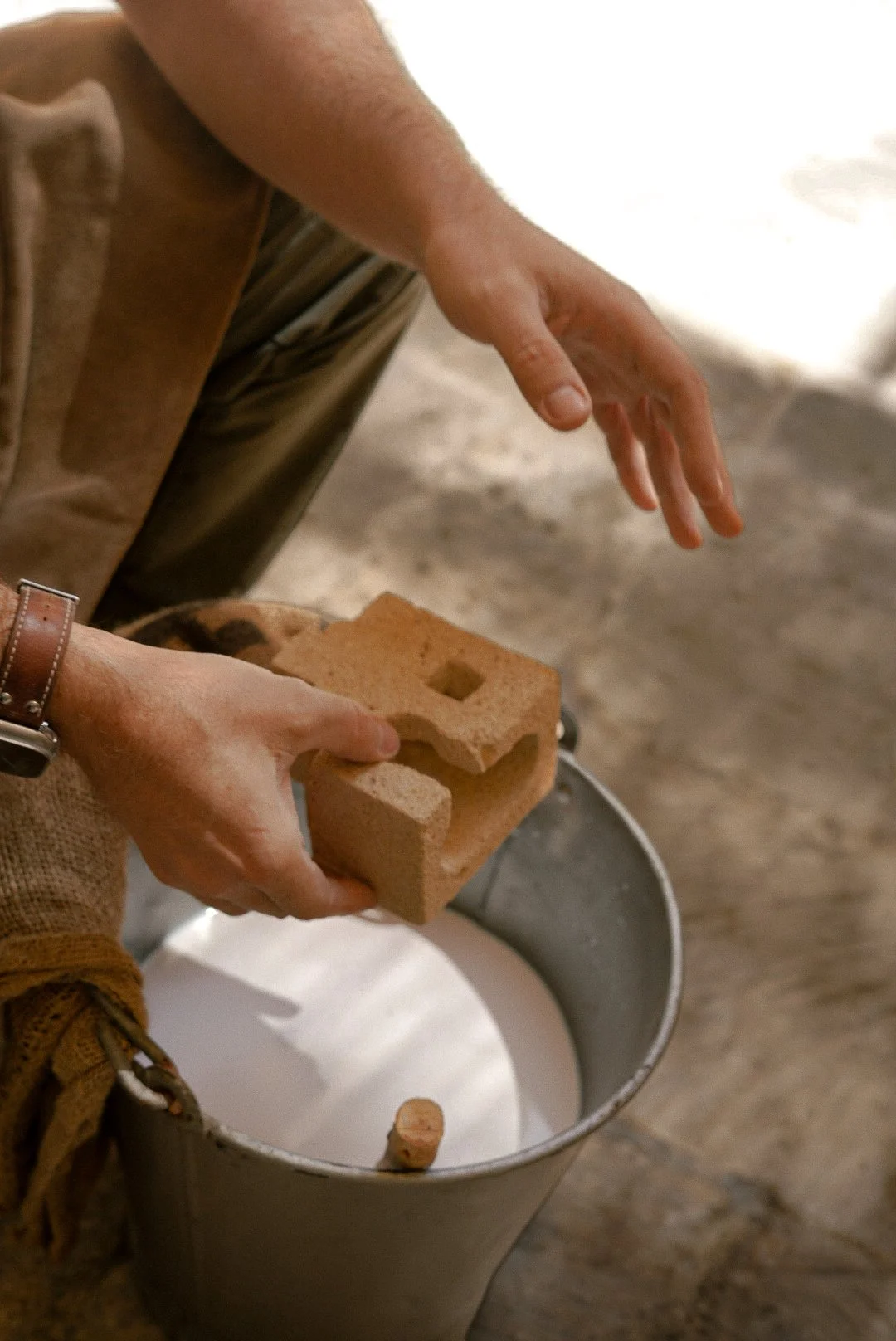
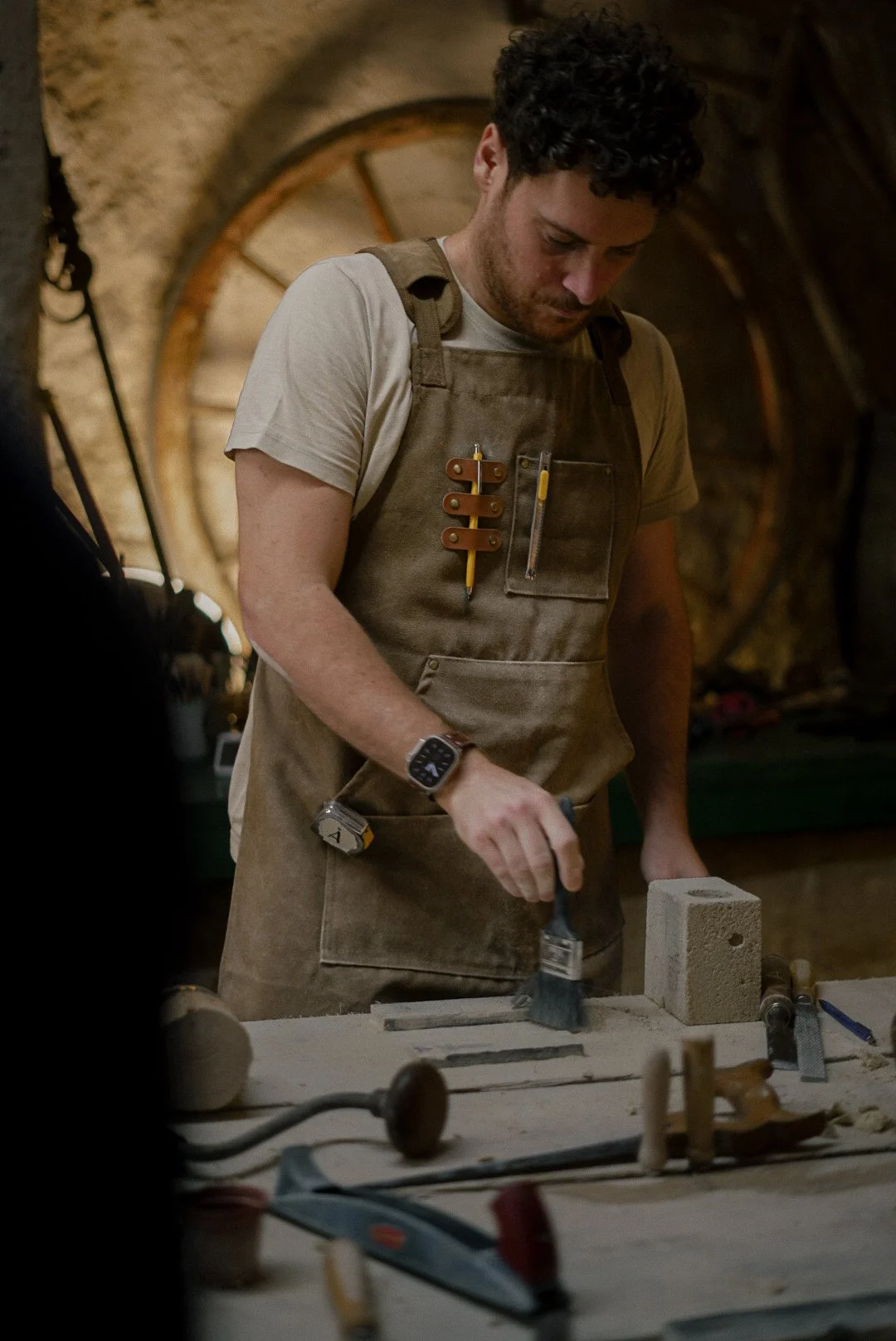
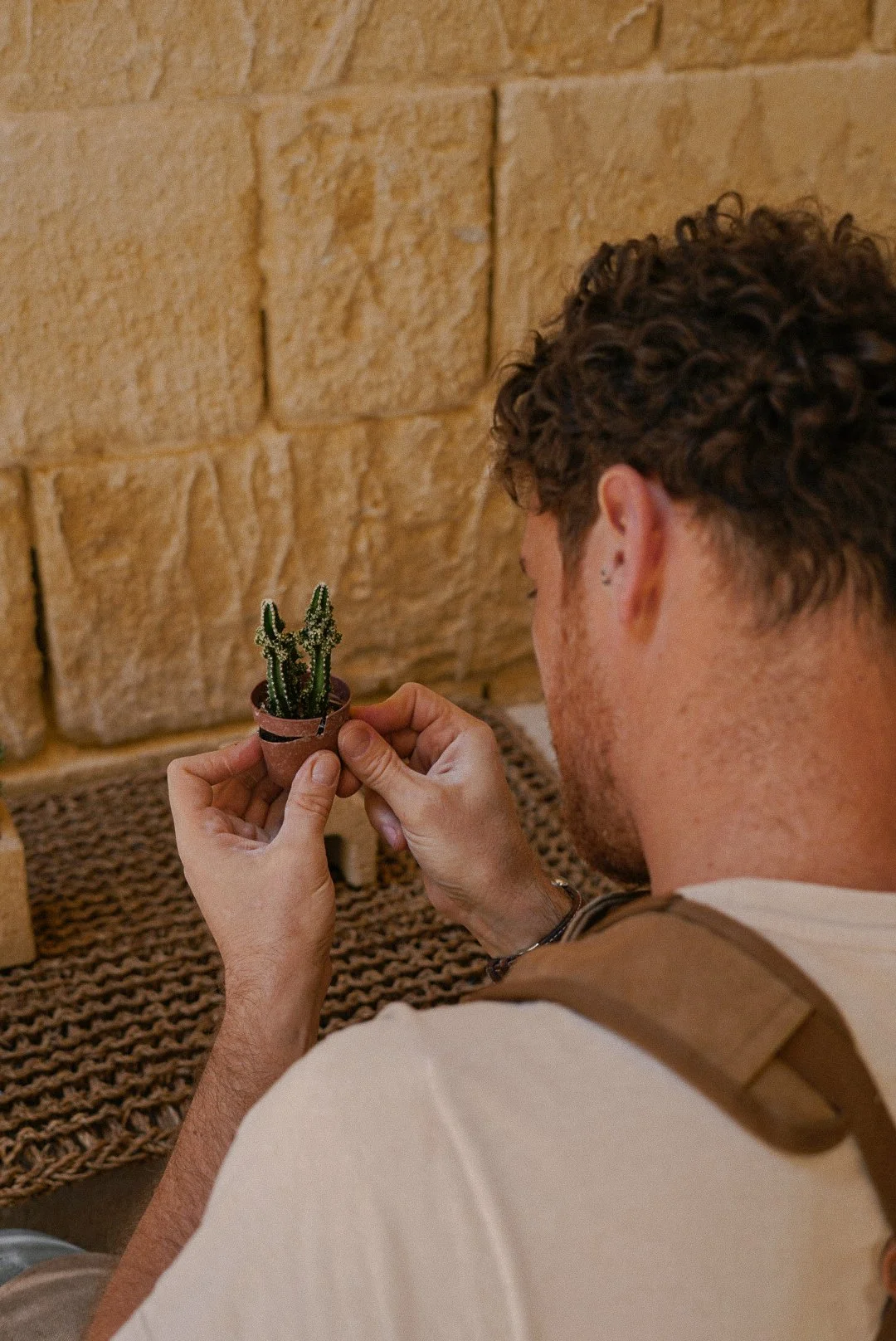
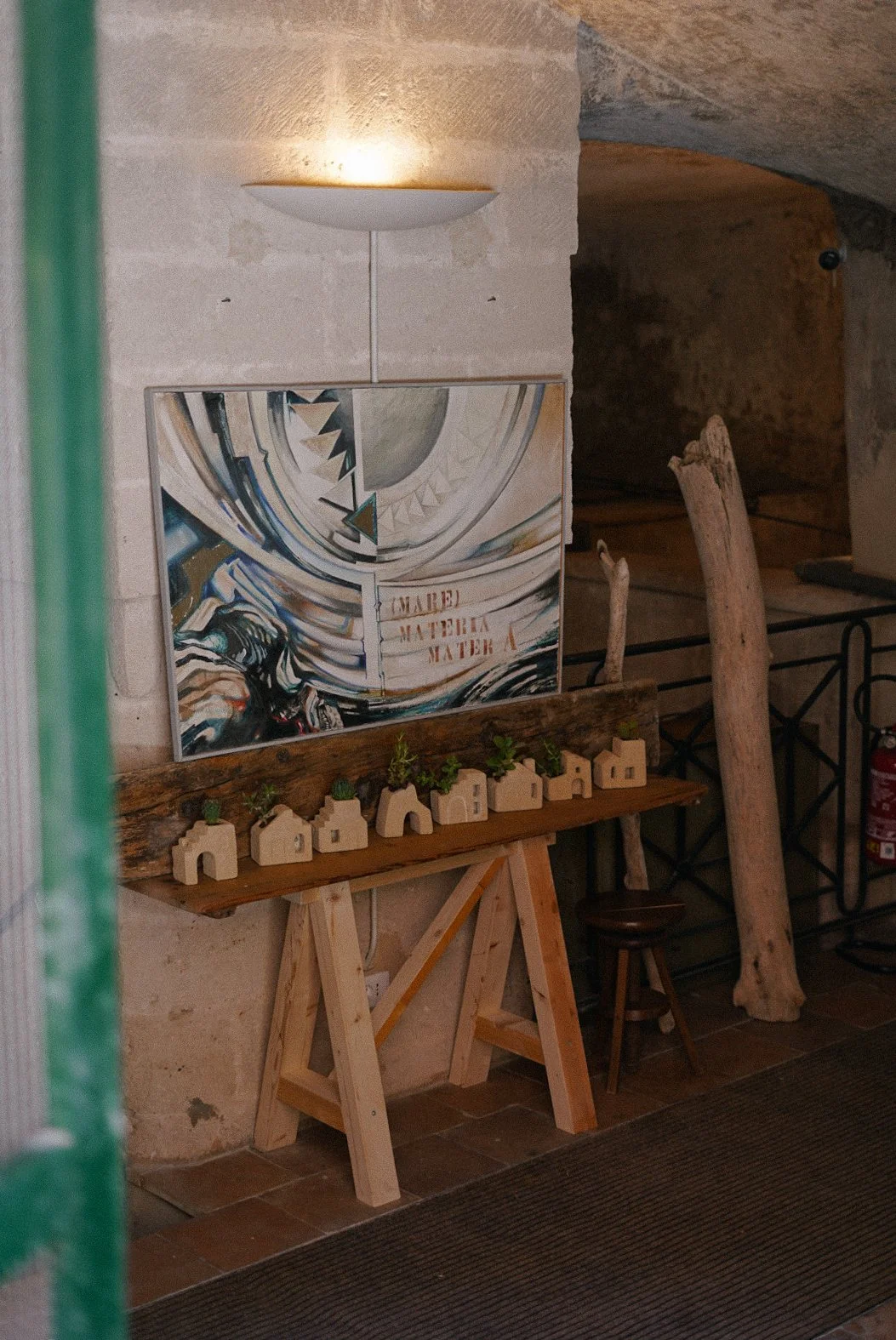
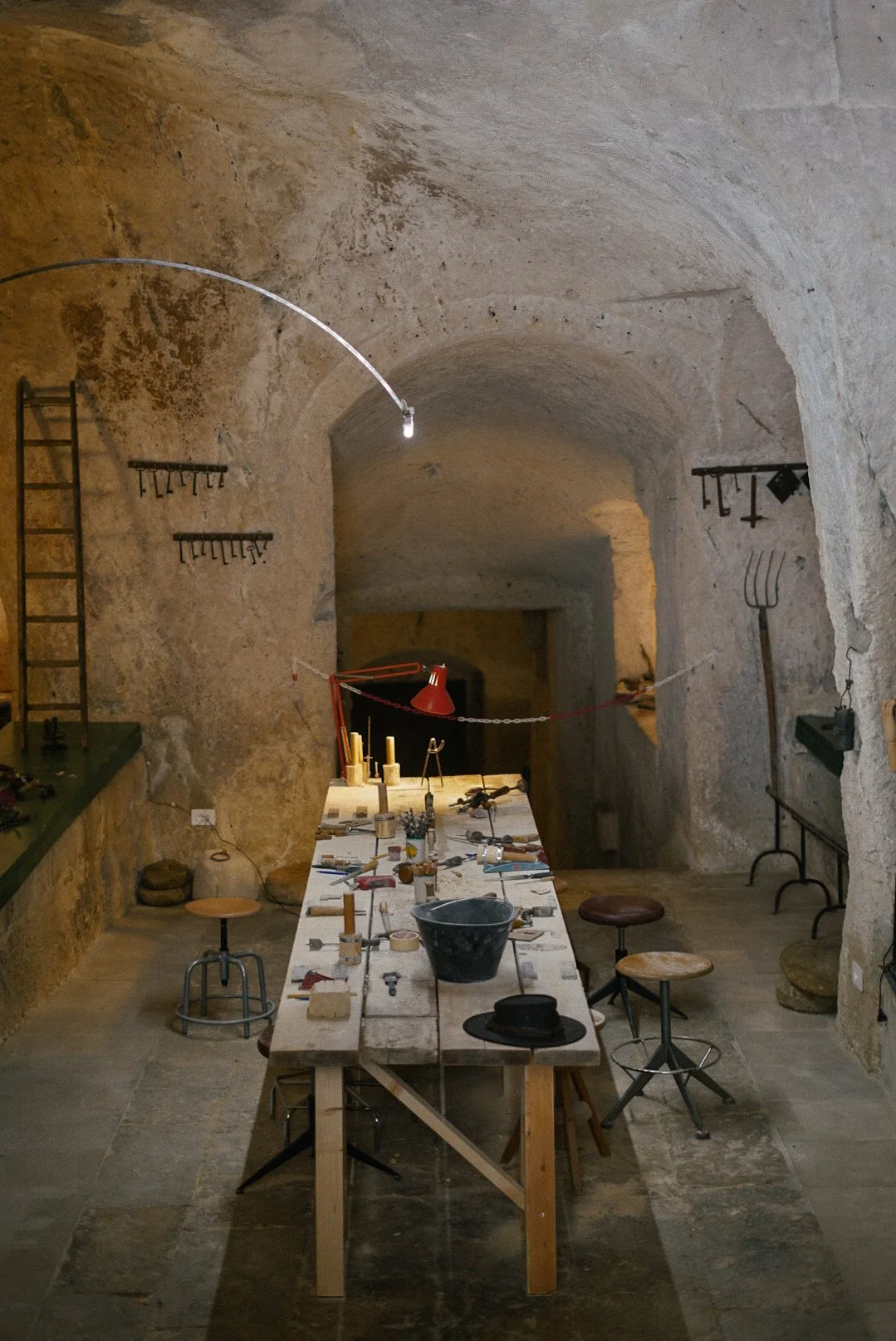
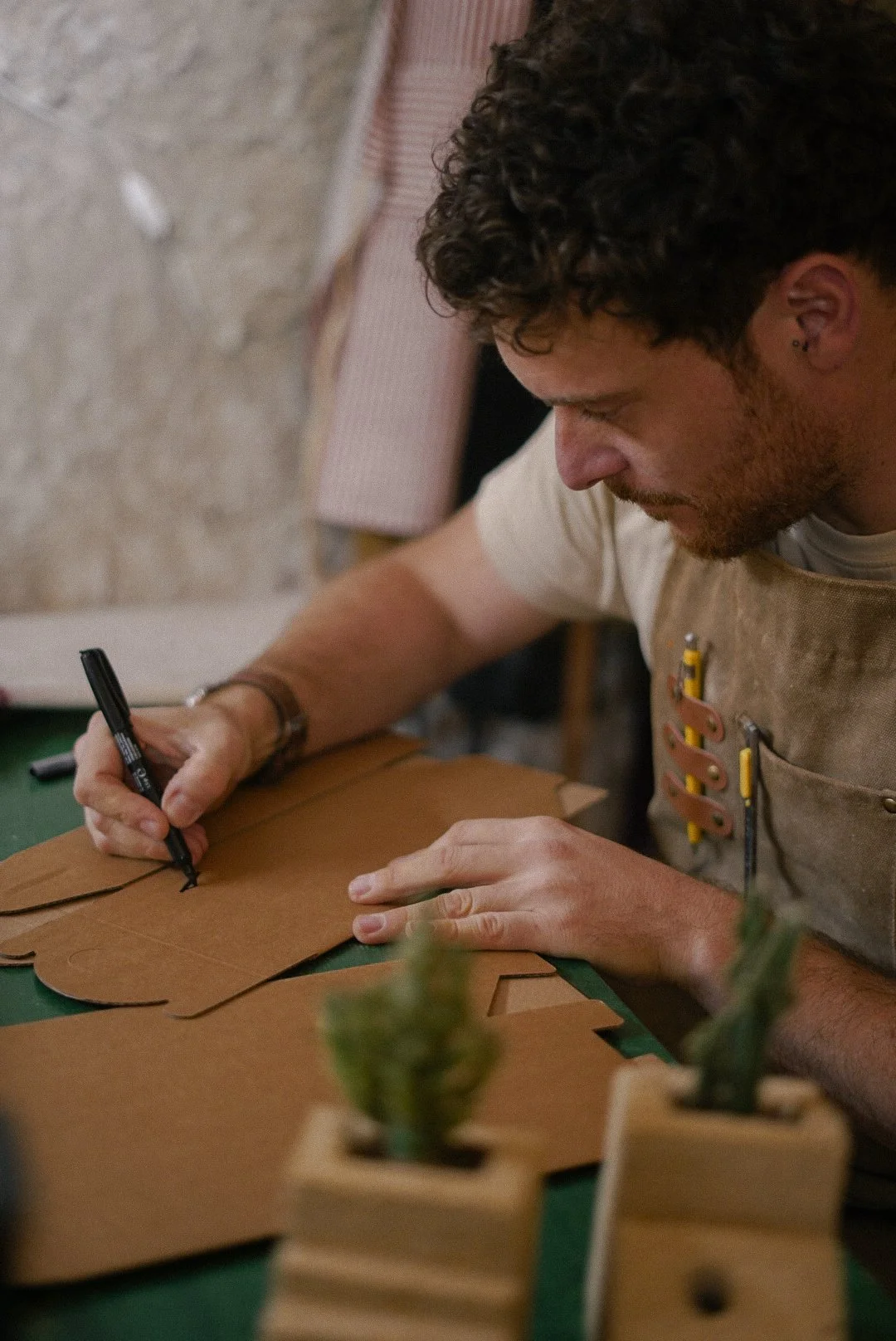
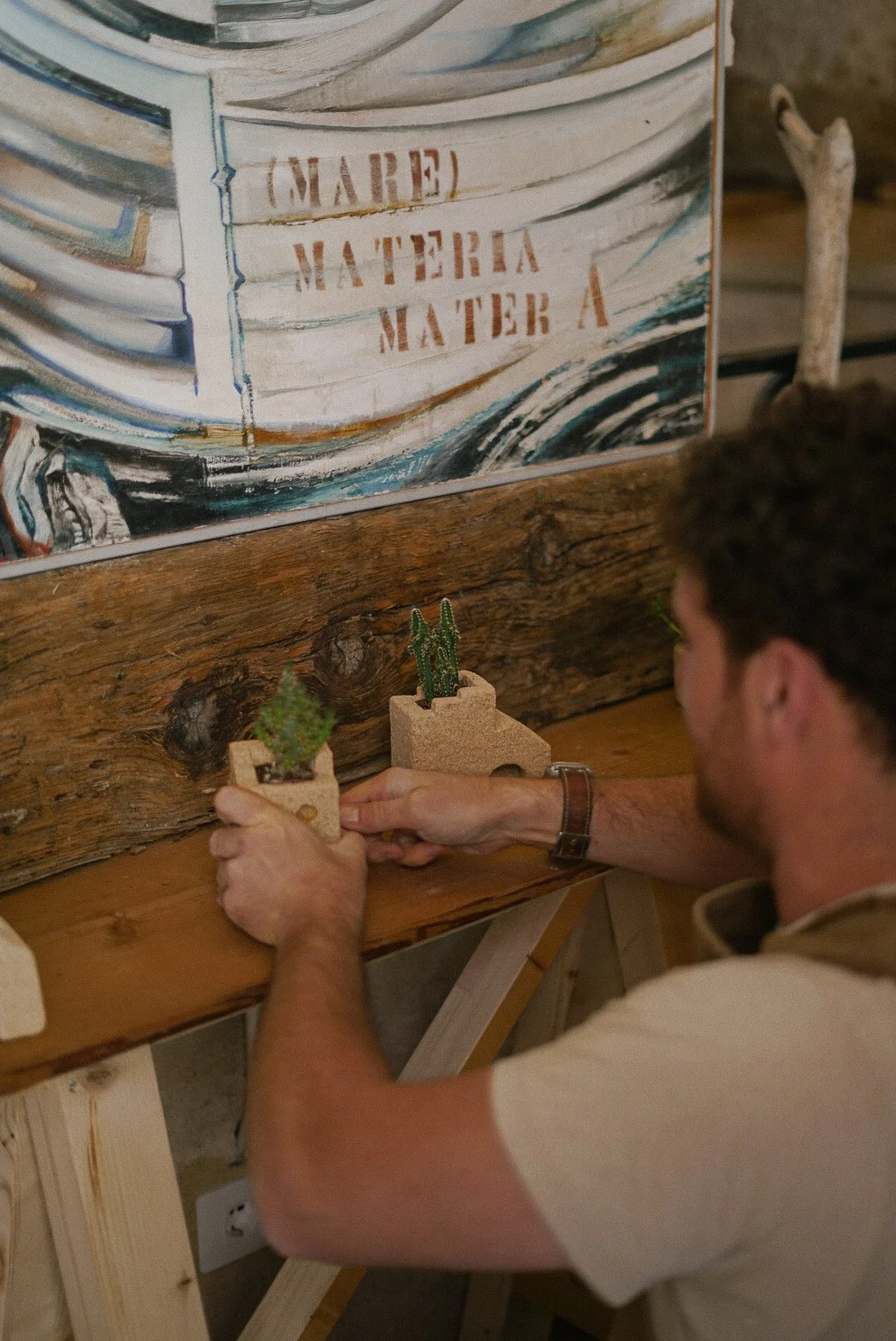
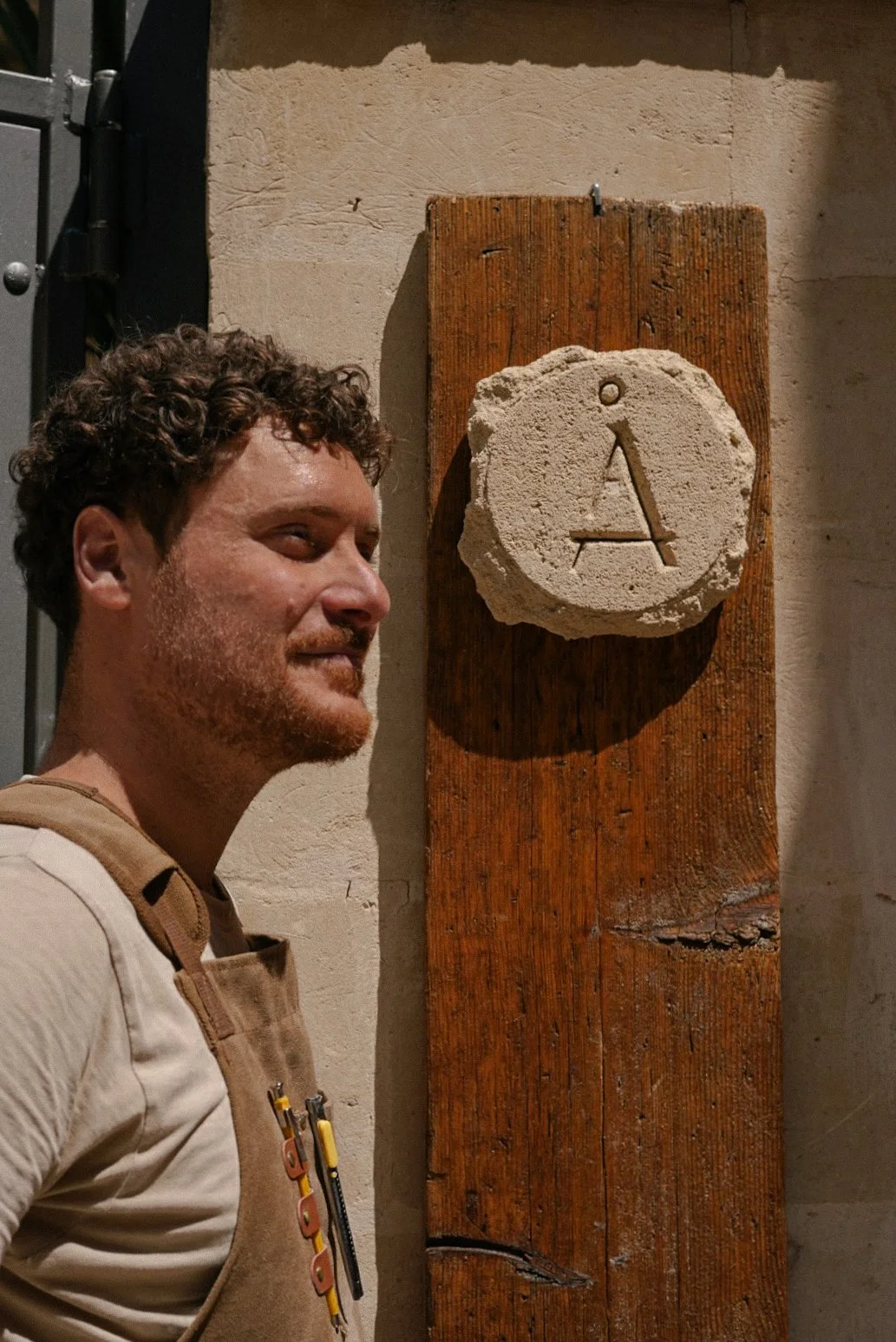
The same thought returned when I finally worked with the stone myself at Pietro Giura Longo’s tufa workshop, PIETRÅ MATERÆ. After spending days photographing the land of Sassi, I suddenly had the stone beneath my hands. I could feel its weight, its resistance, its surprising softness. Photography had made the Sassi something to look at; finally, this 2 and a half hours workshop made them something to feel and understand.
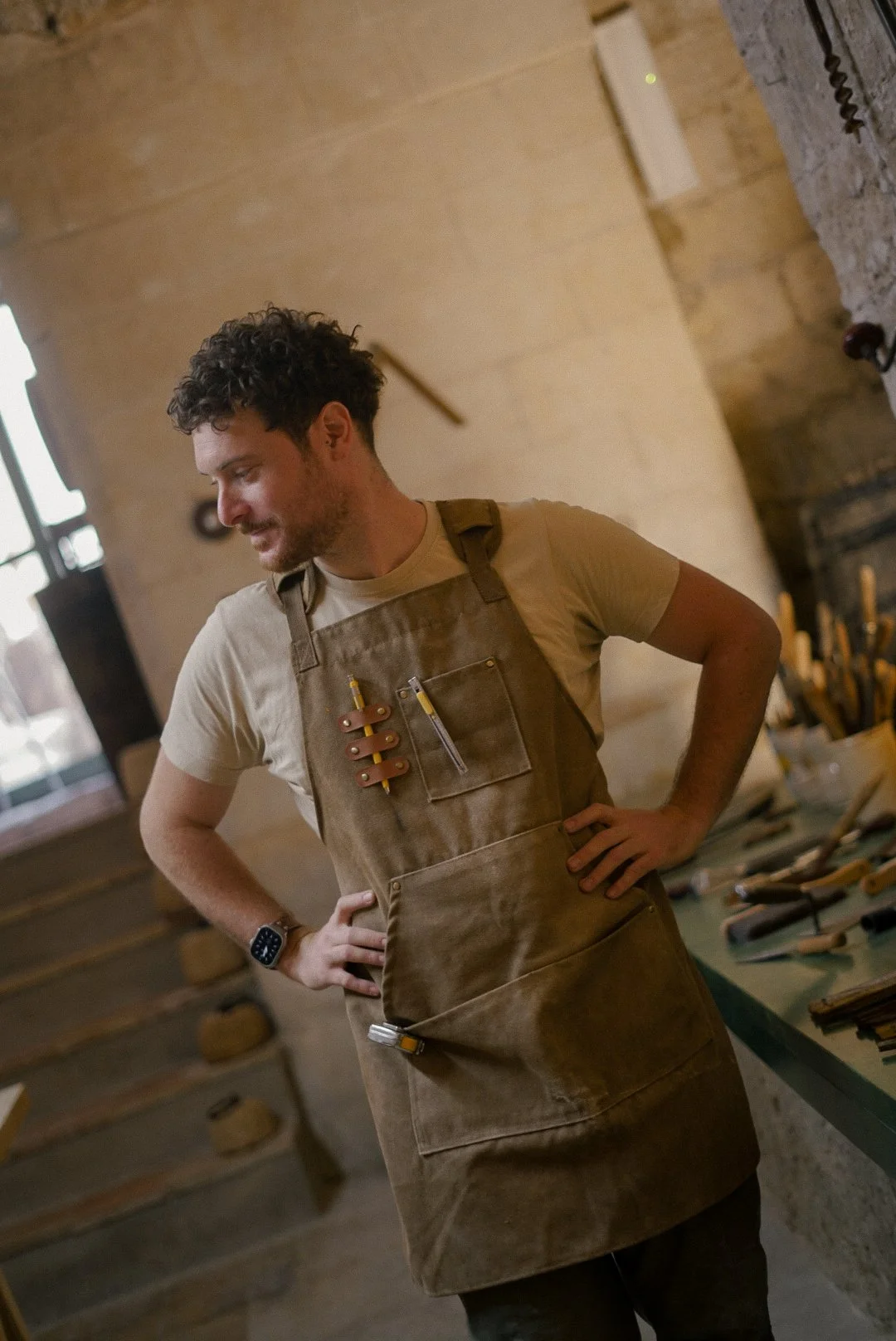
Pietro - former designer and vehicles model maker - and I began talking, and another unexpected connection emerged: we had both lived in China, and in very different ways had eventually found our way back to our own lands, each trying to contribute to them through our own work. It was one of those conversations that makes a place feel suddenly smaller and your own story slightly larger: when I began making my own little tufa house, trying to shape a doorway with an almost Arabic quality, thinking about my years in Morocco, I realized I was working with Materan stone while quietly placing fragments of my own past into it, imagining at the same time what that tiny house might represent in the future.
It was imperfect, but it was and felt mine; Pietro gave me the possibility of moving from observer to participant, and left me with more than an experience. In fact, he left me with a conversation that filled me with hope - about returning, about investing in the places we come from, about the possibility that looking towards the future does not mean abandoning the past.
At MUSMA, I encountered another version of the same dialogue.
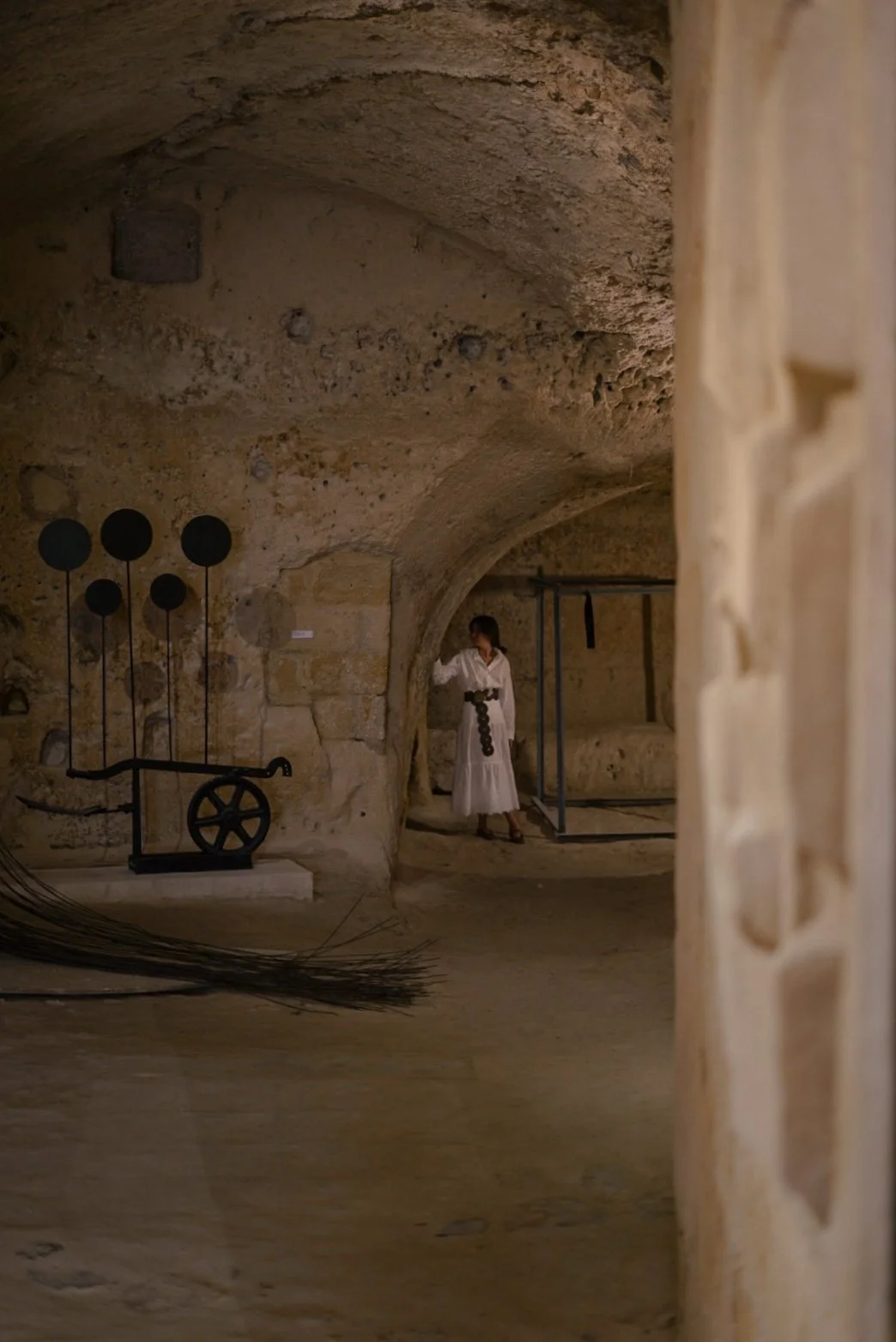
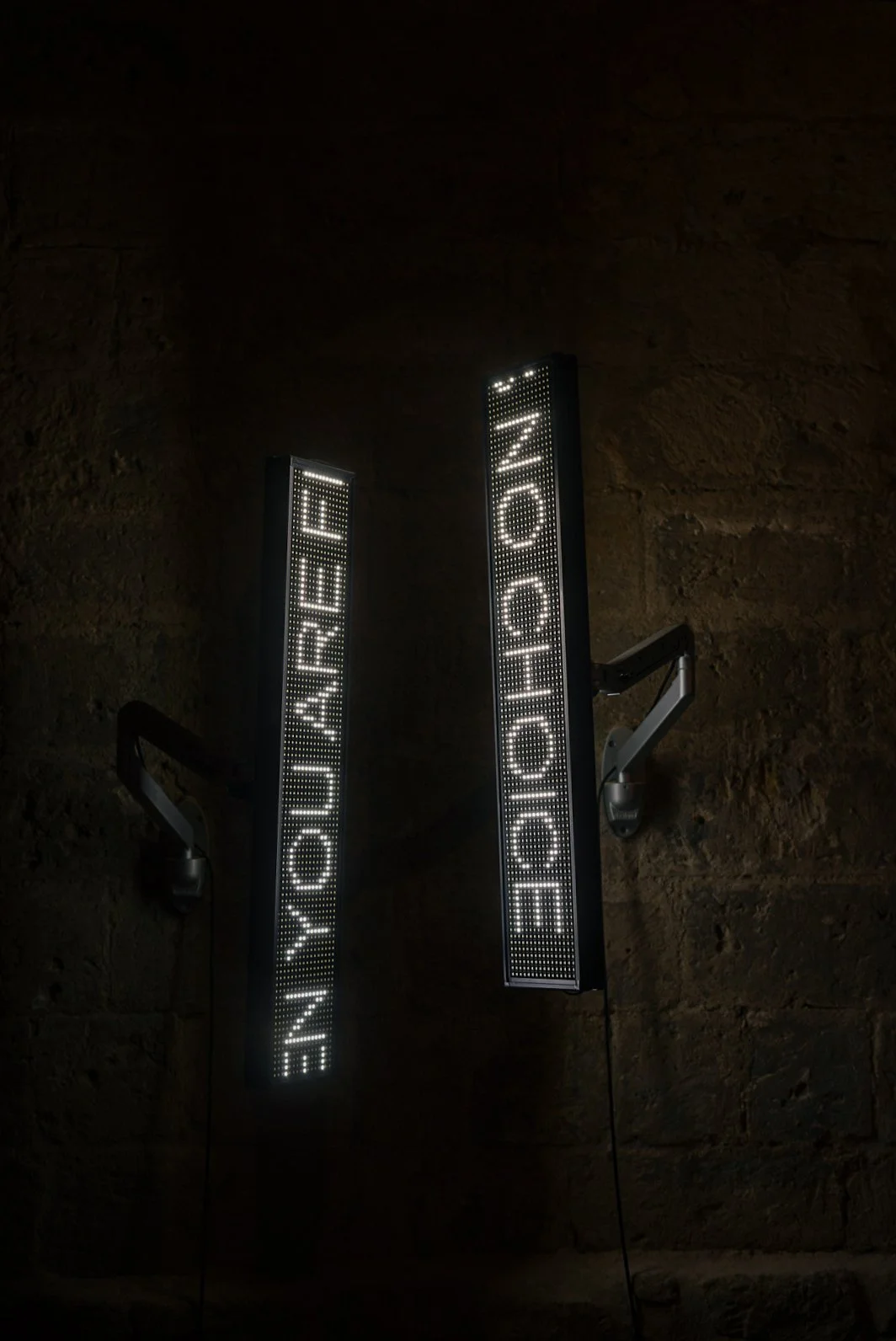
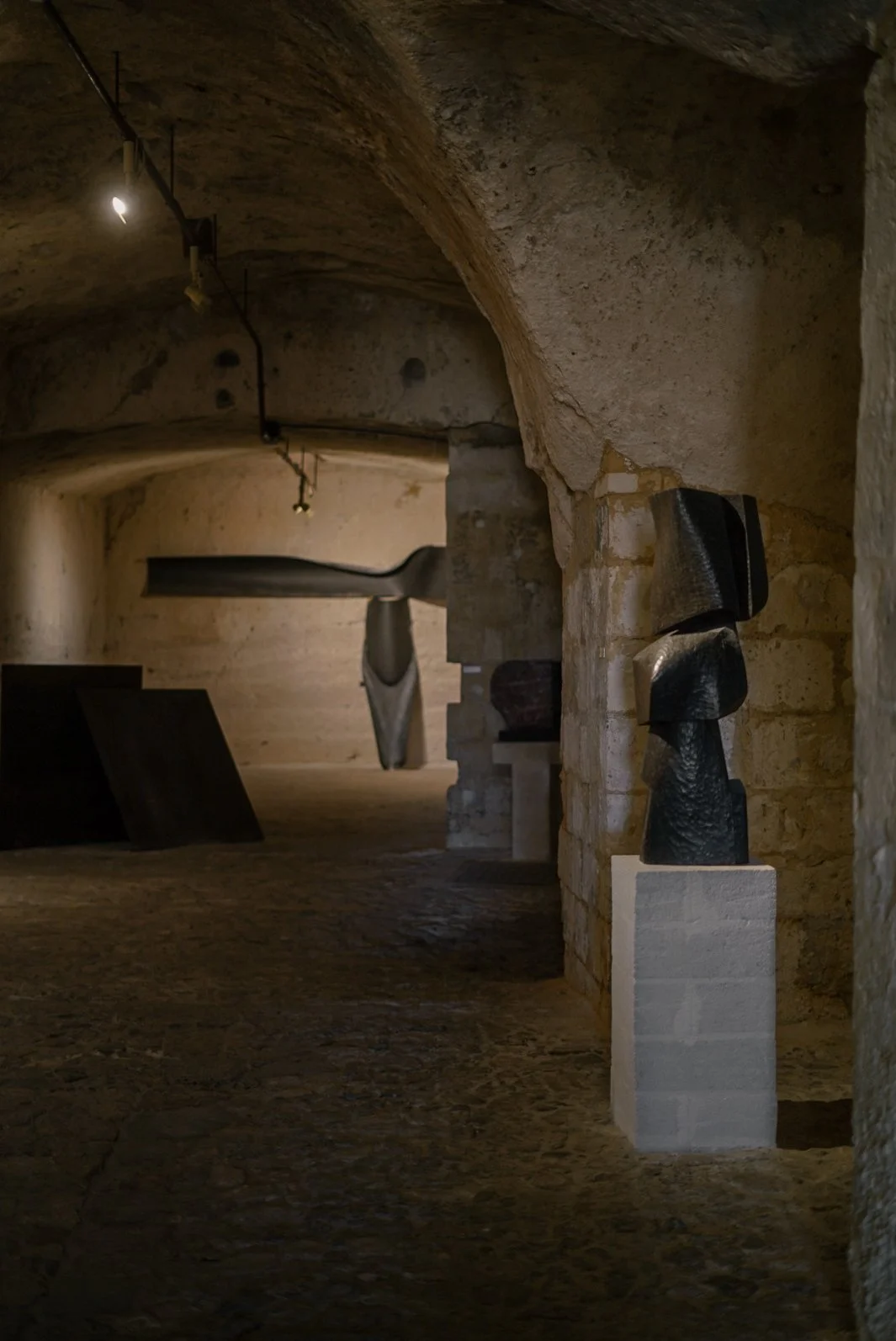
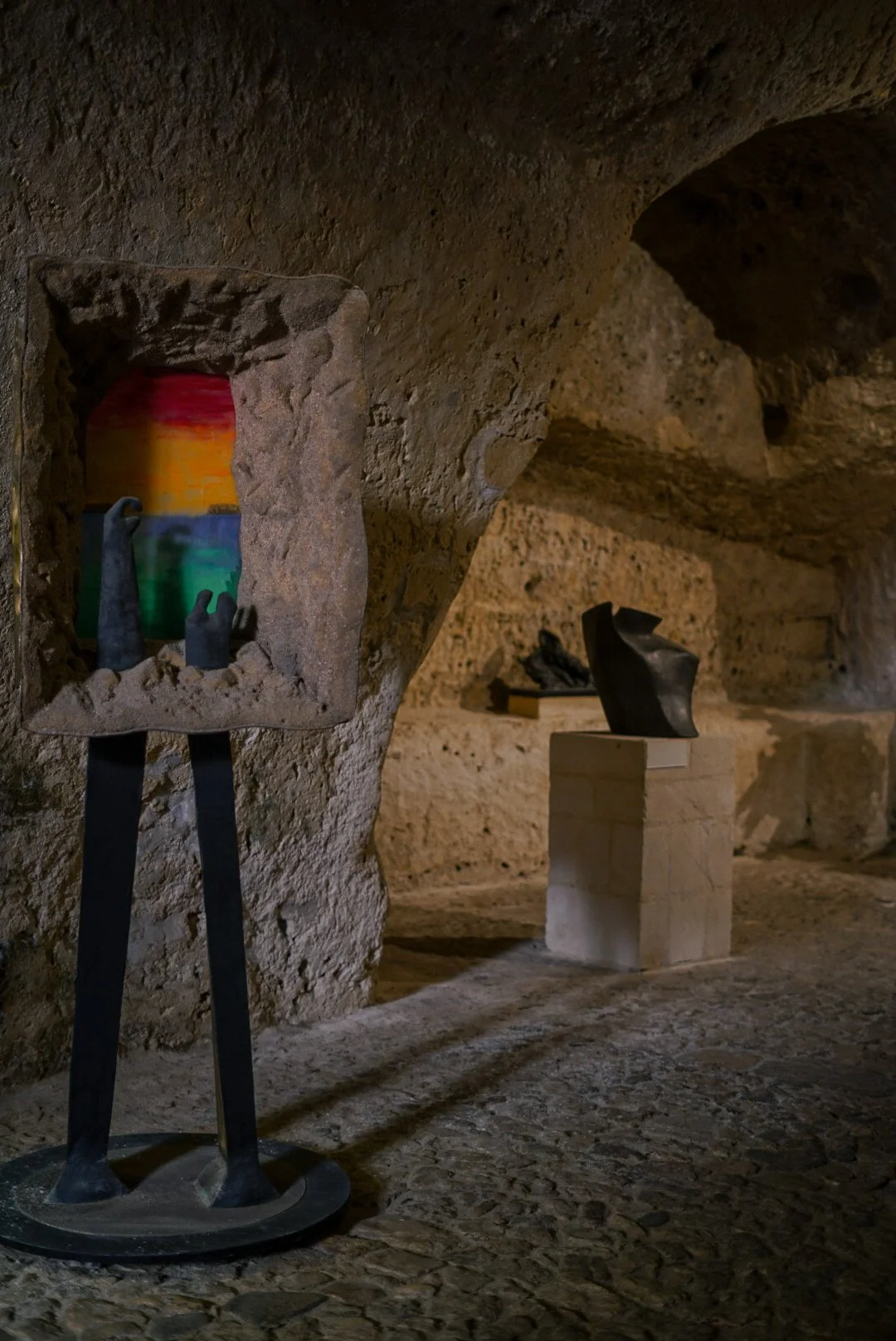
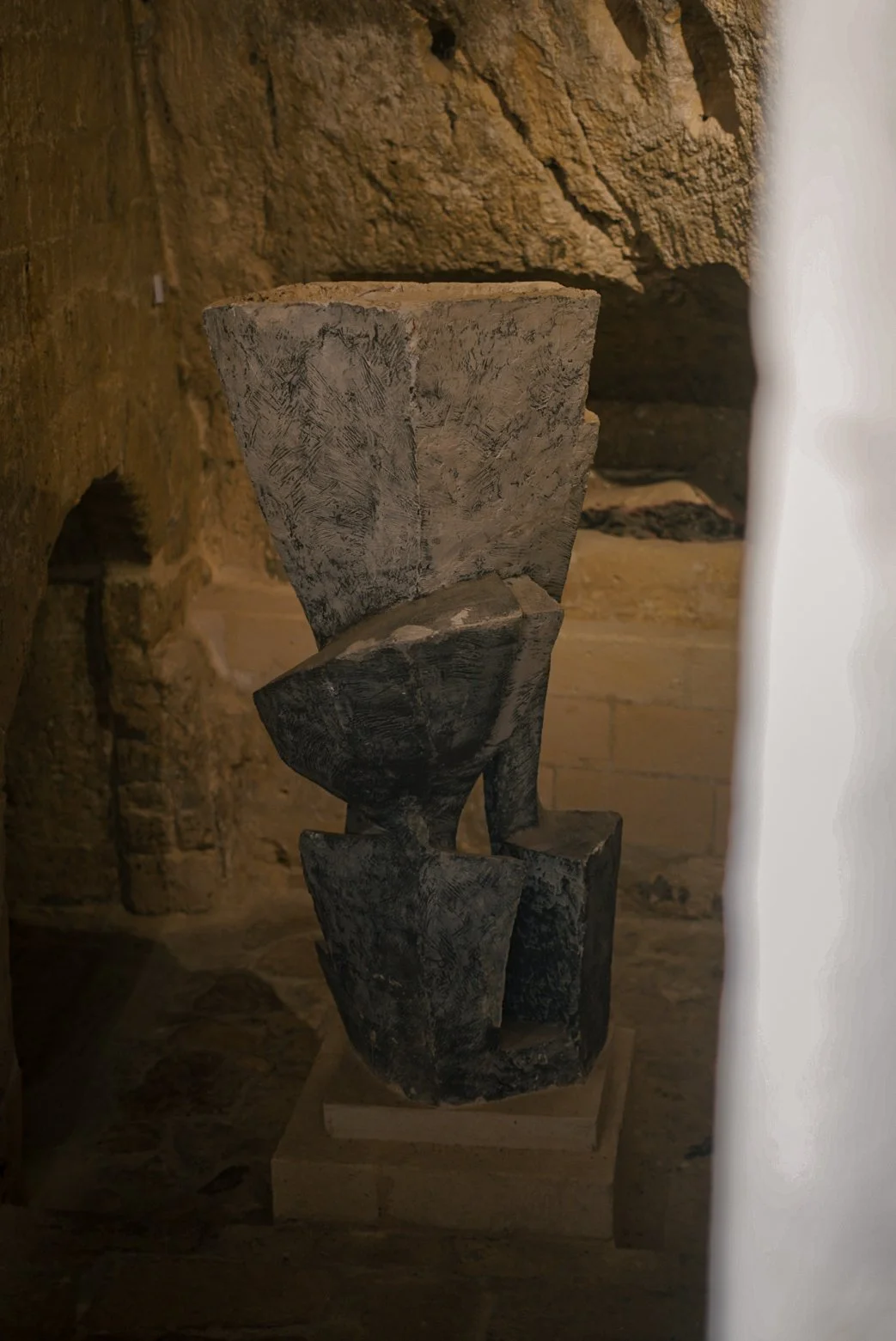
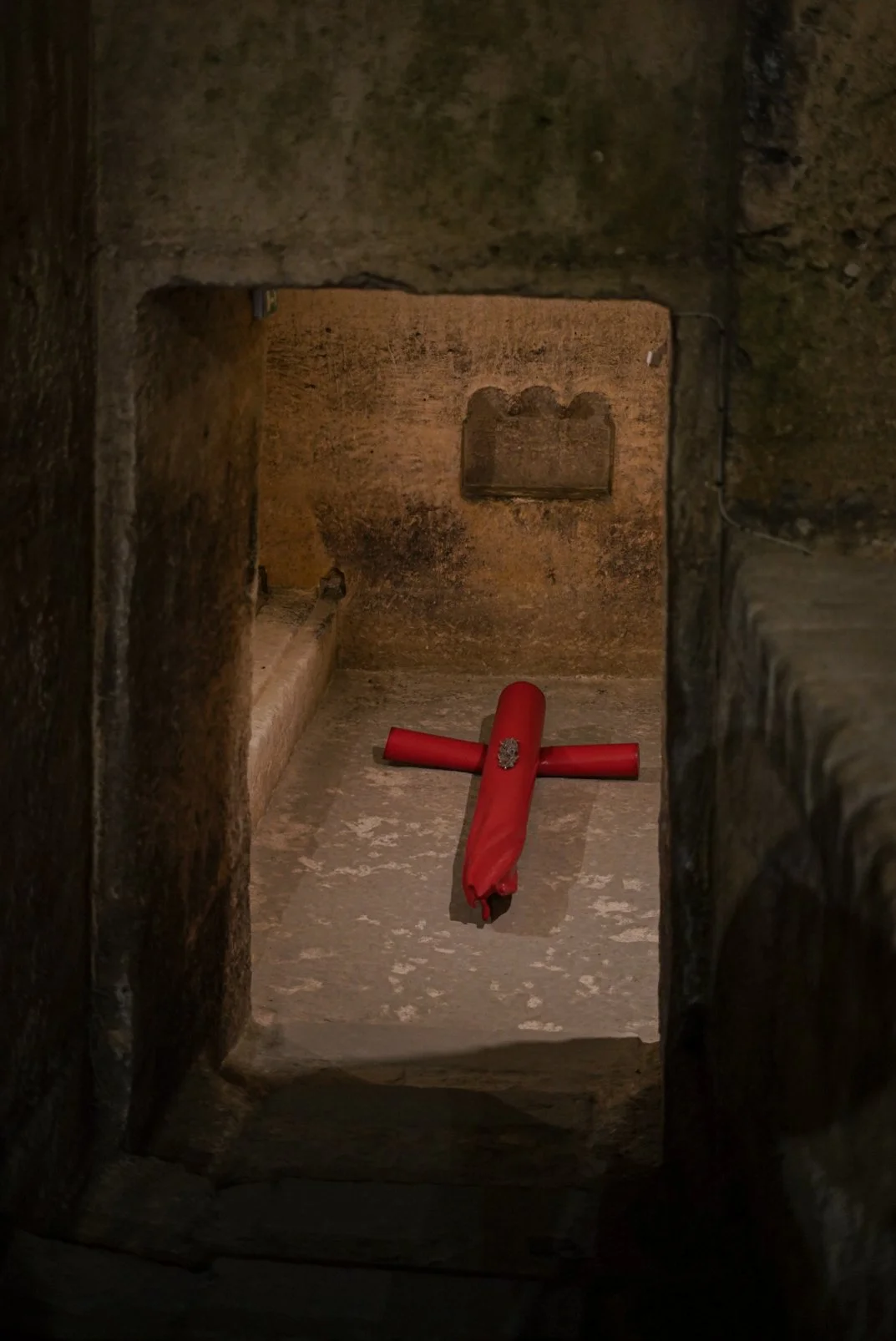
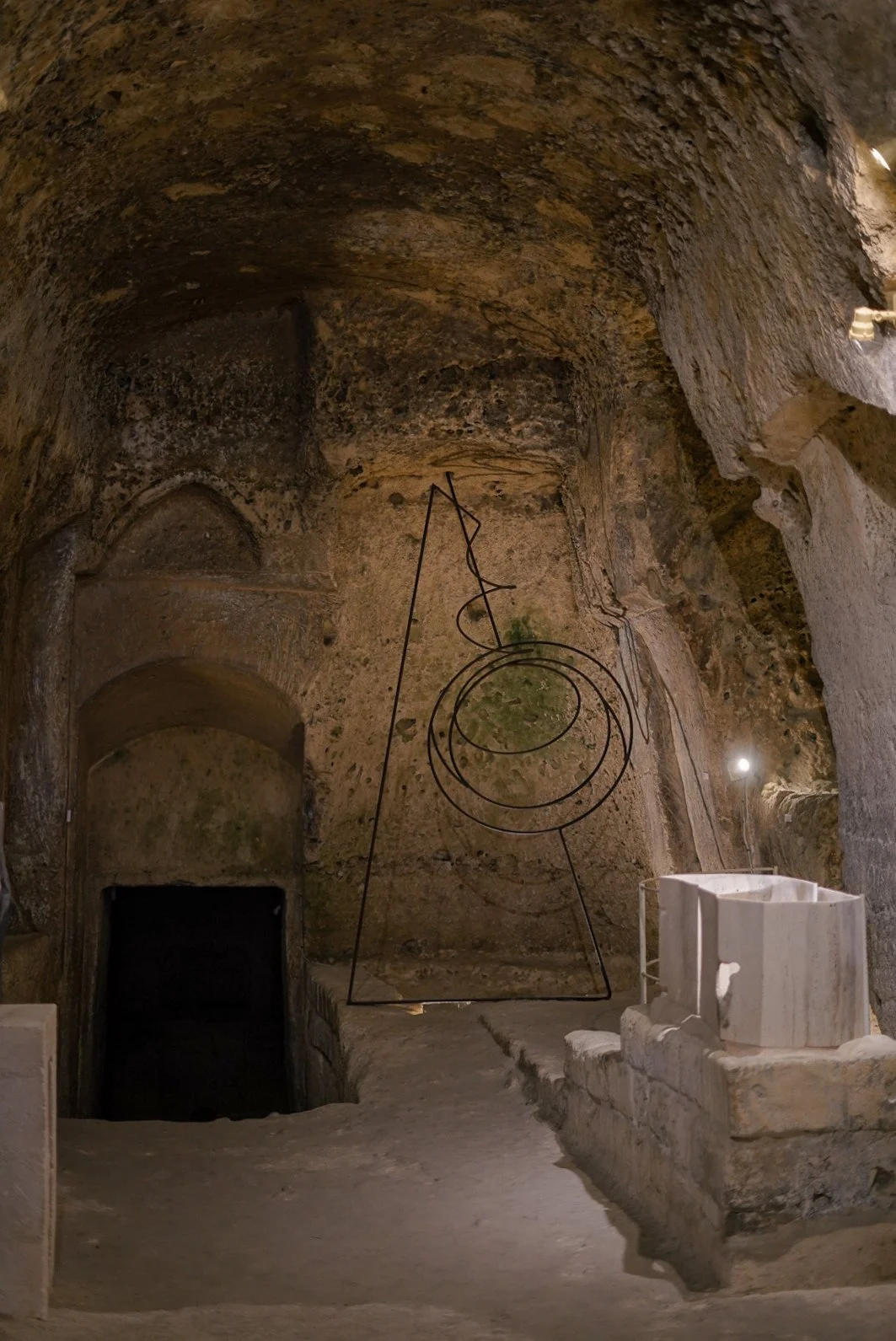
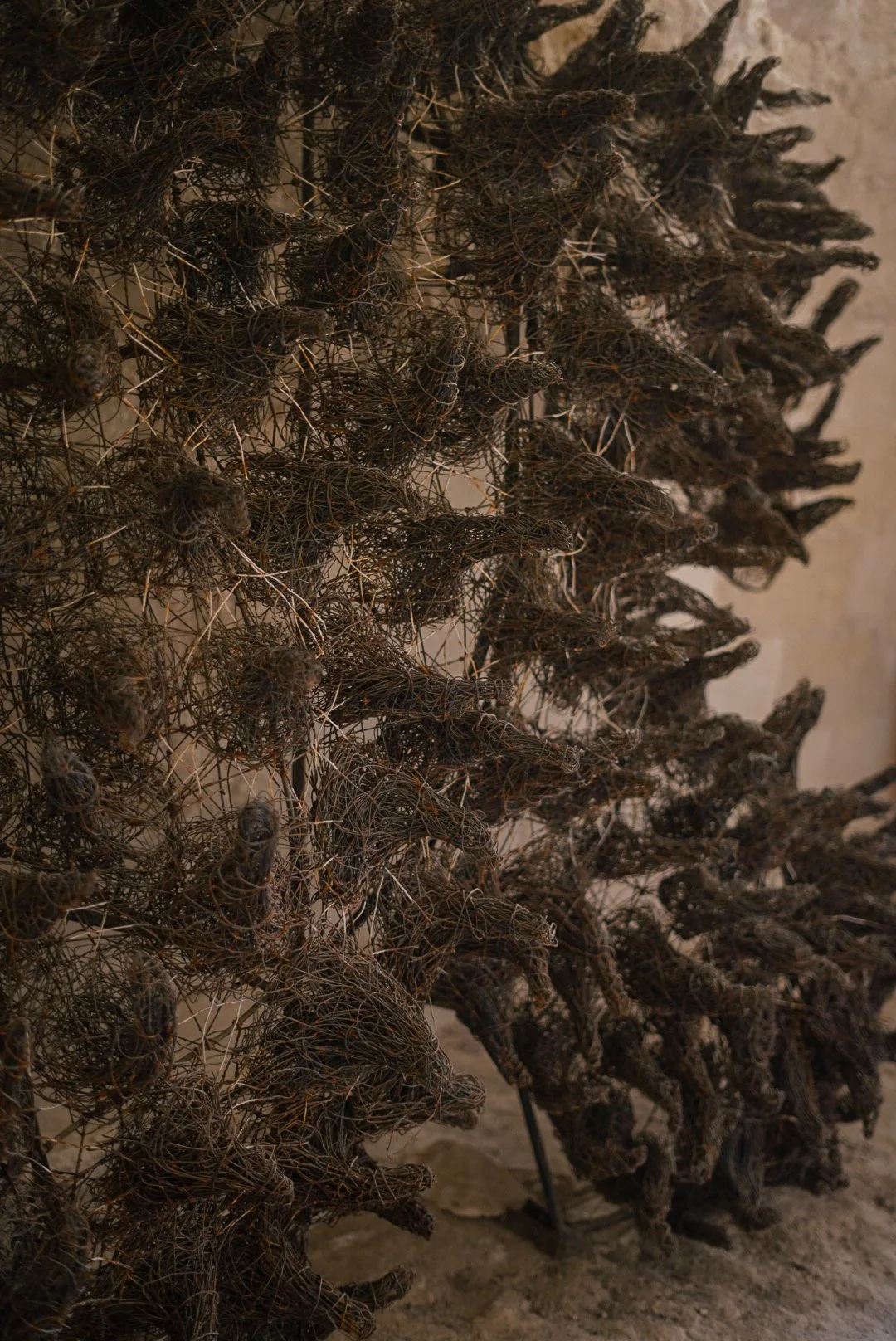
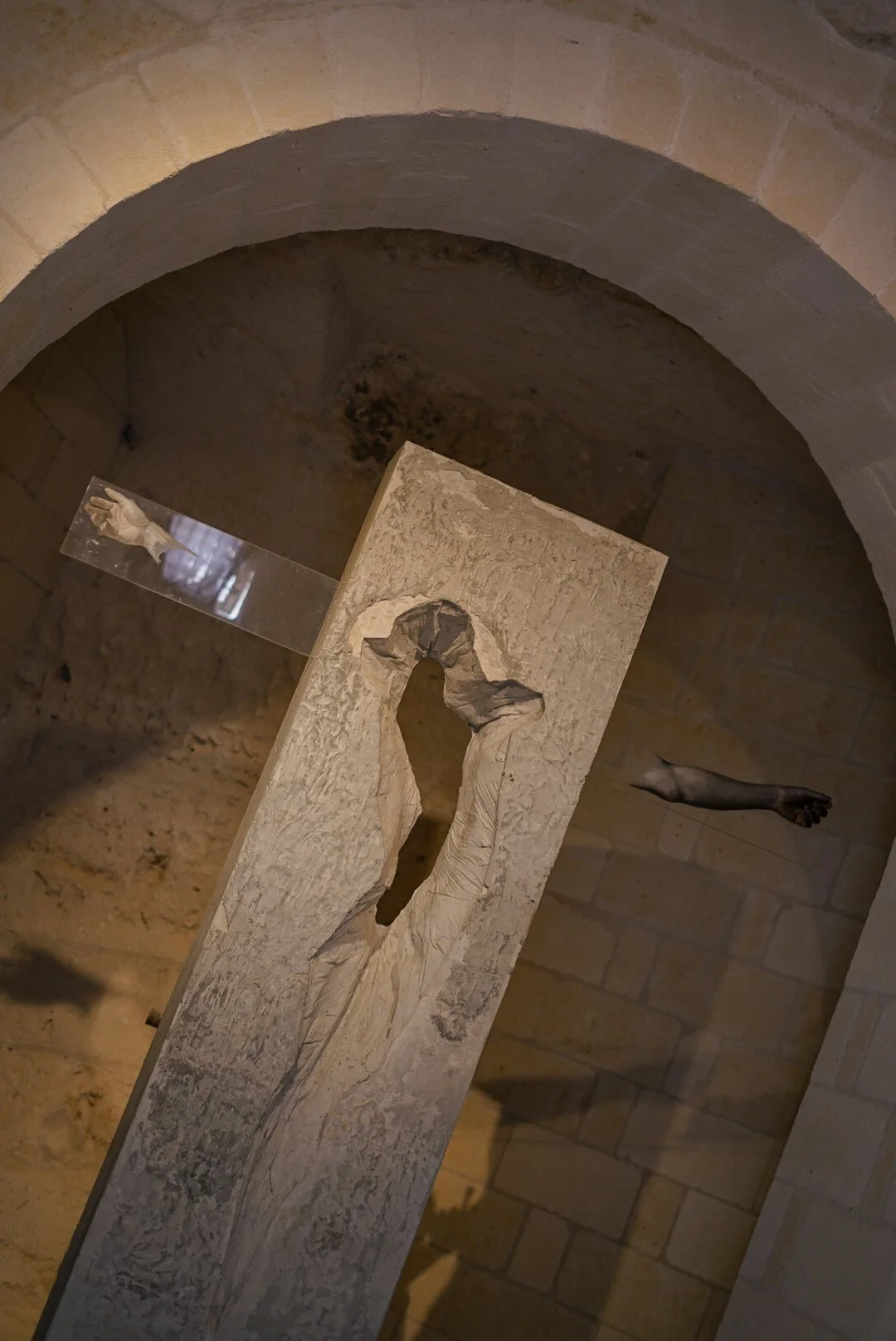
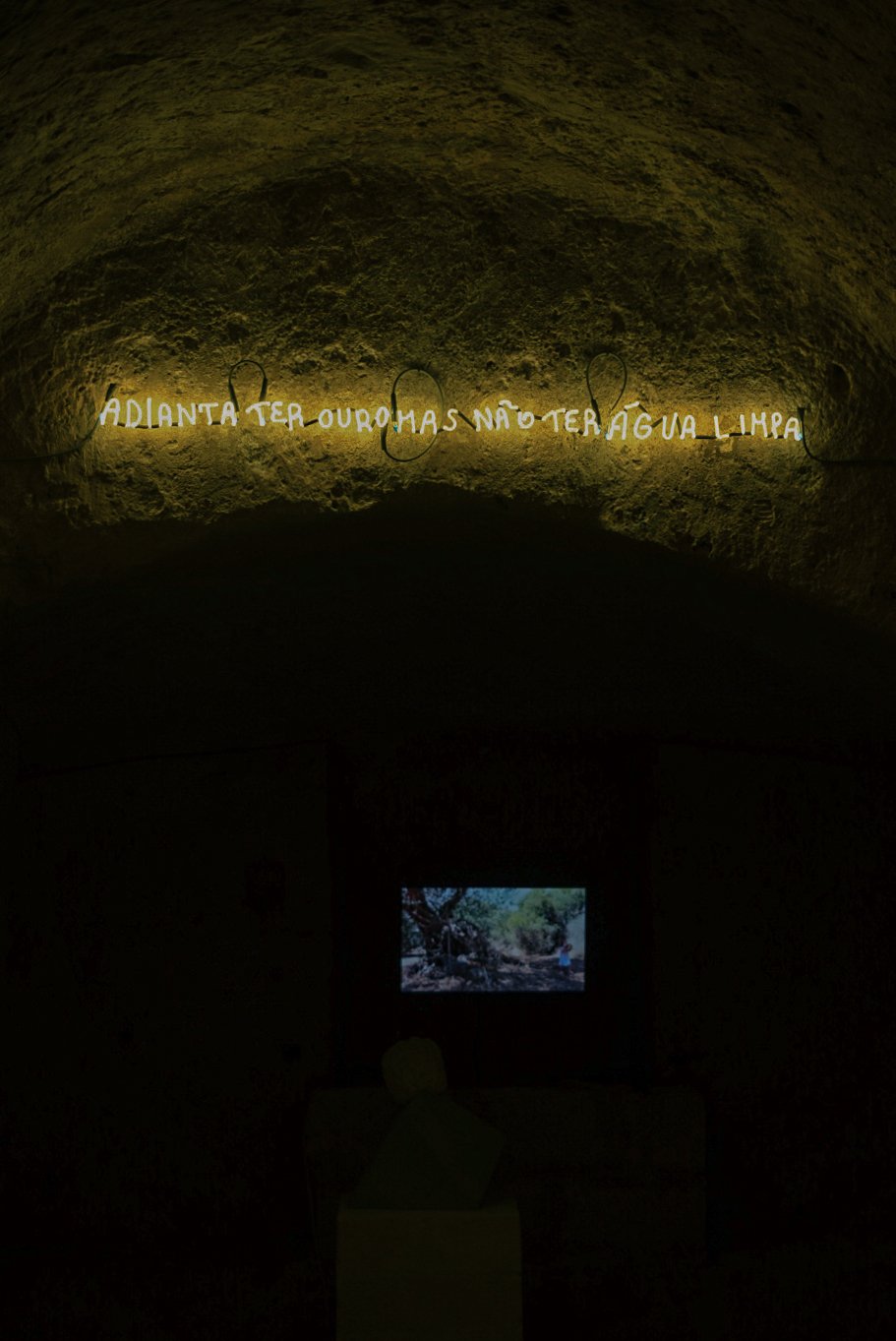
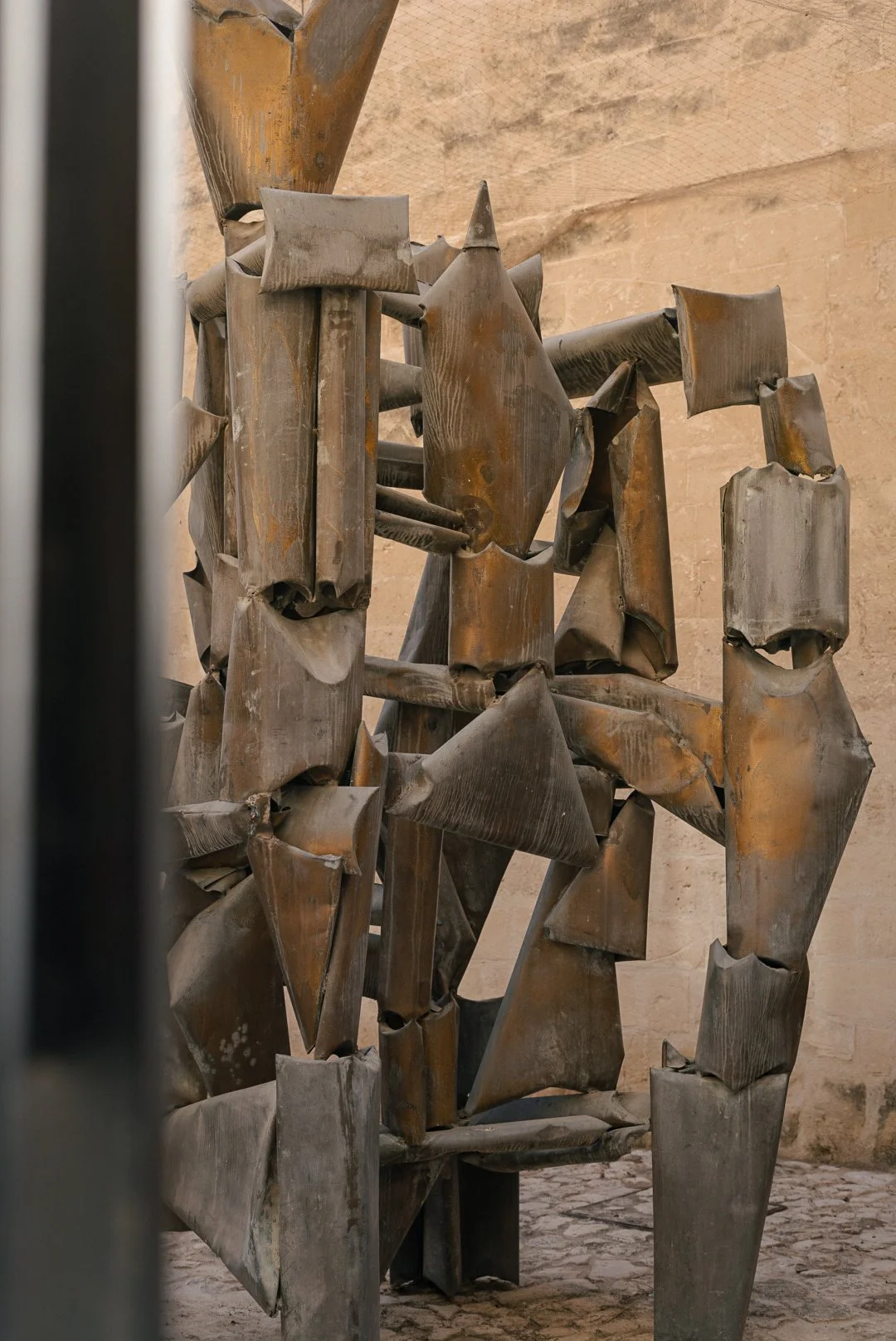
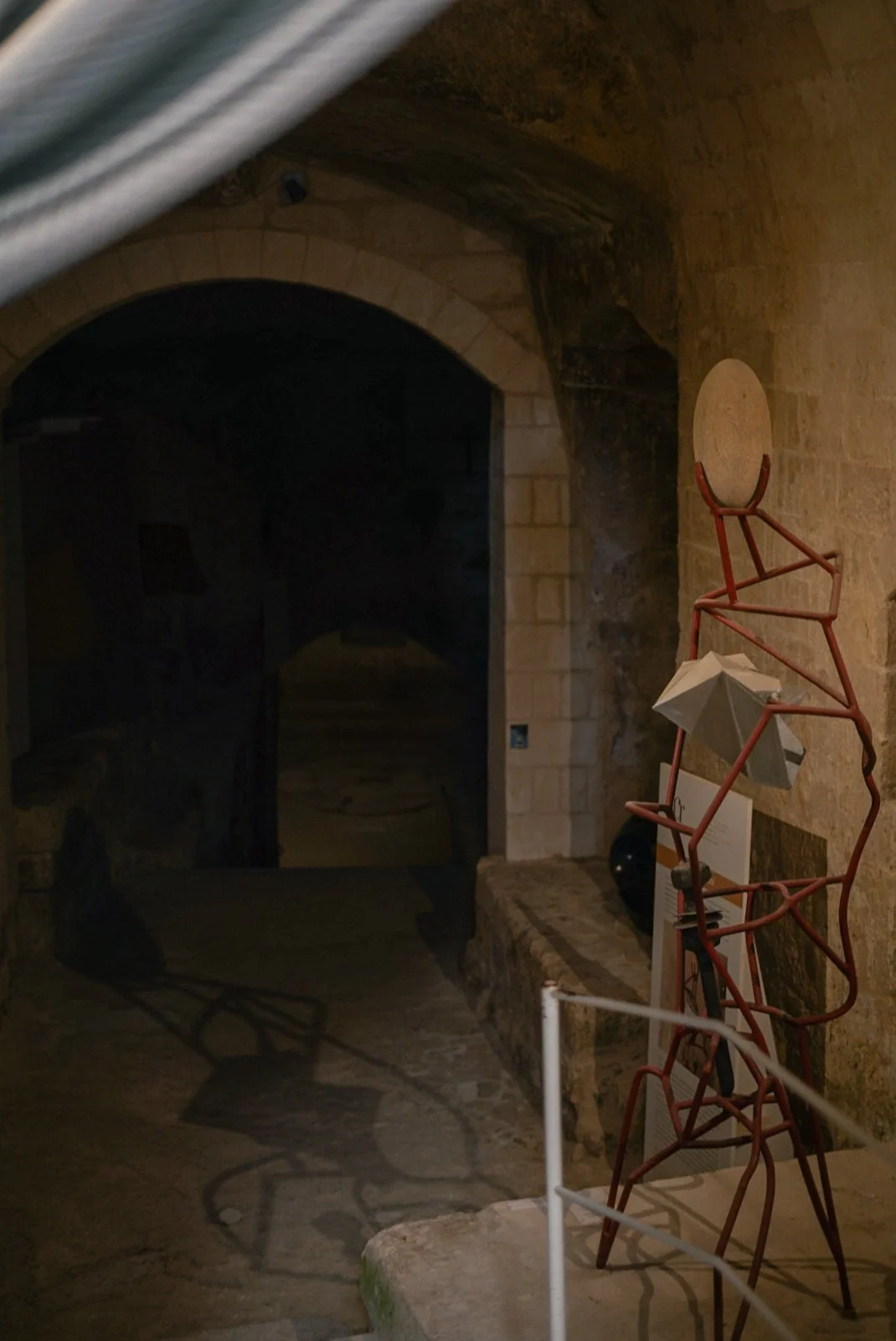
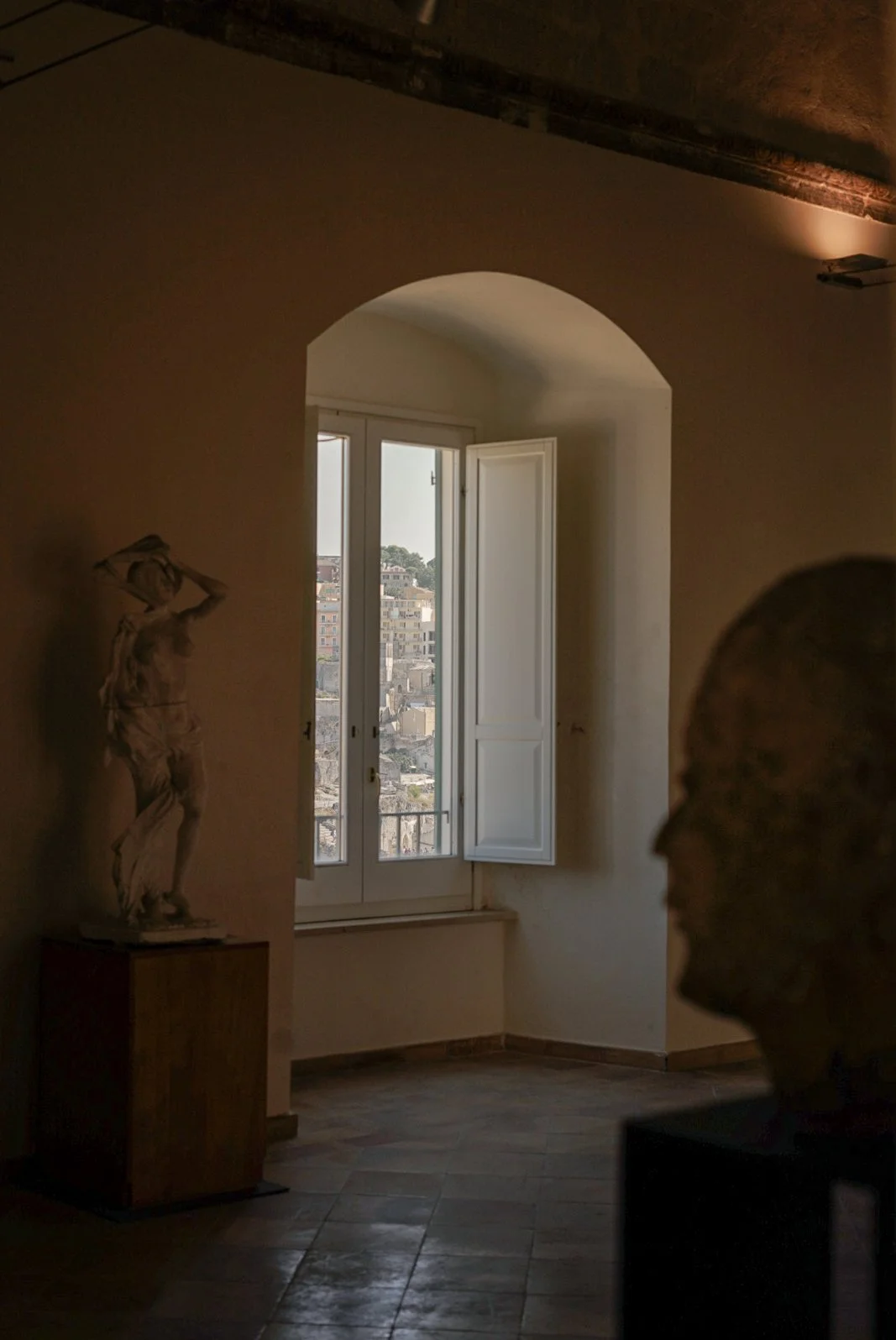
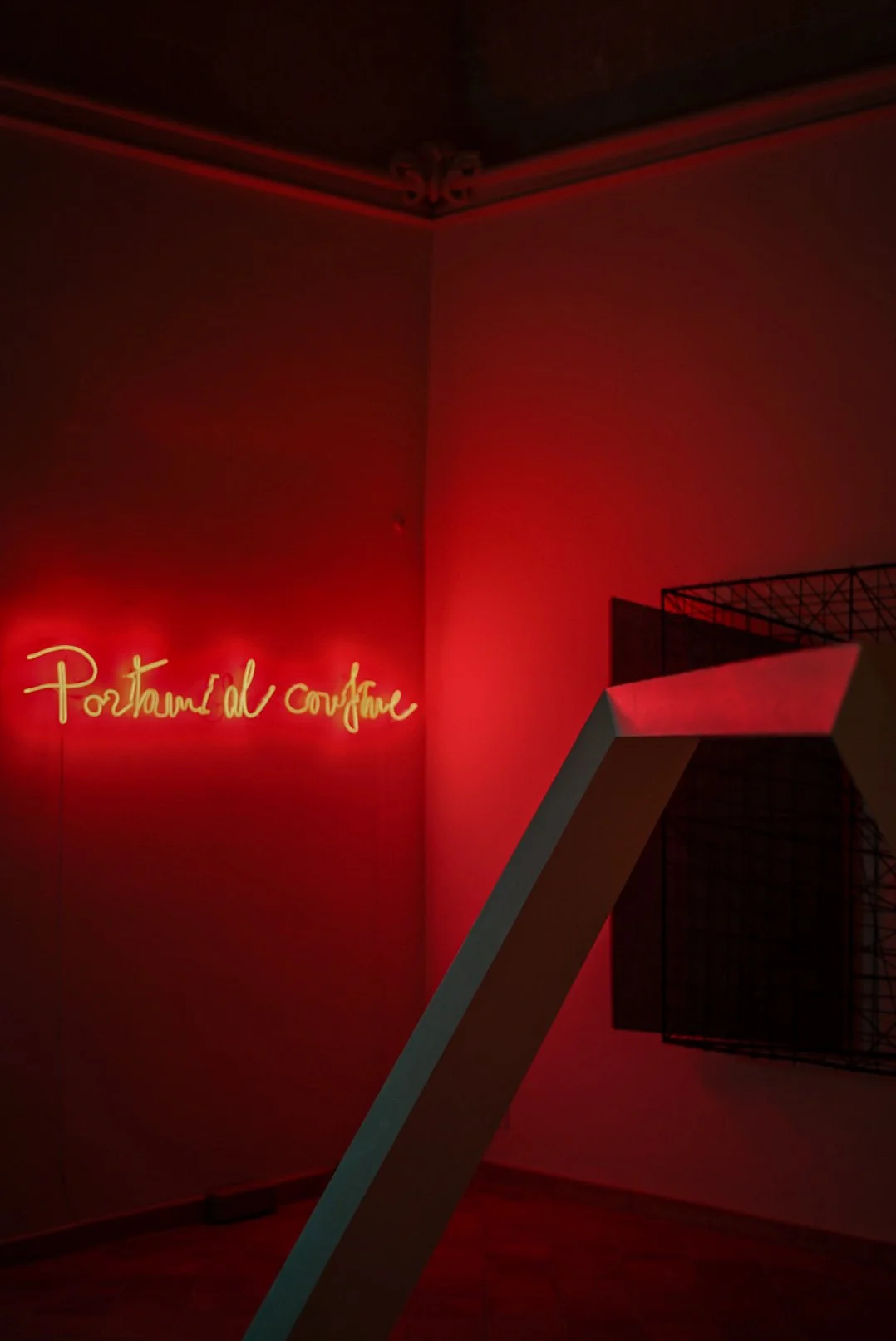
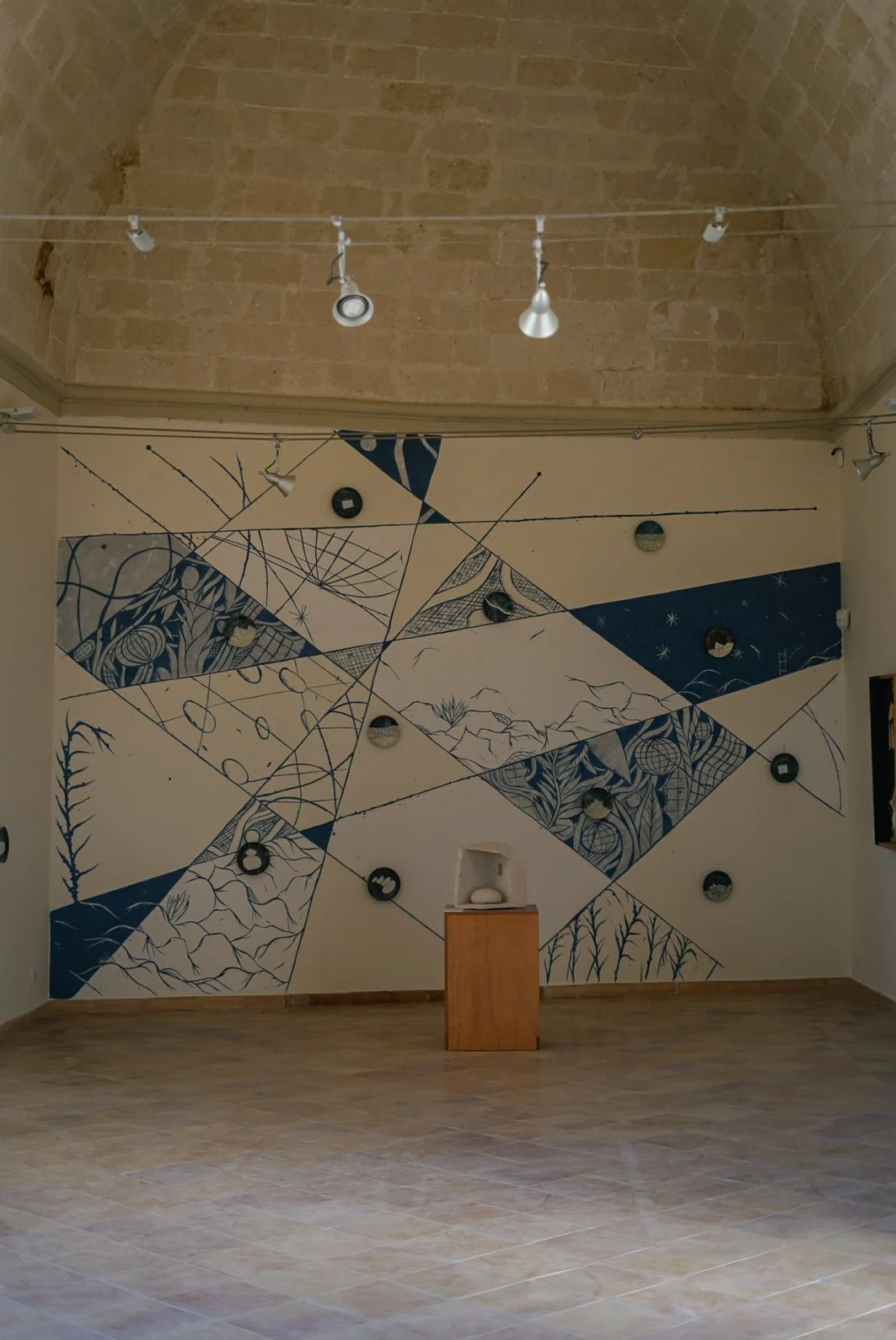
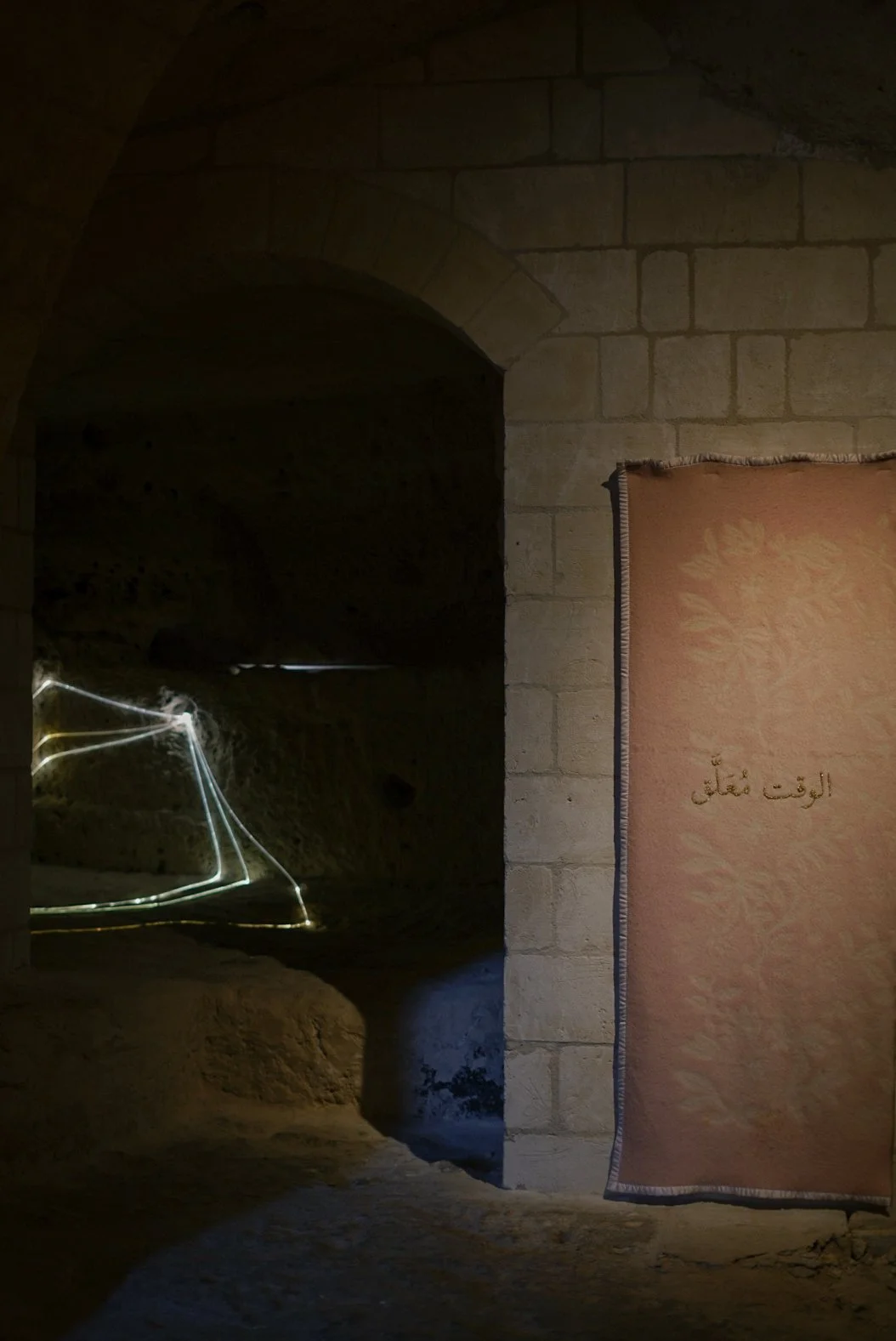
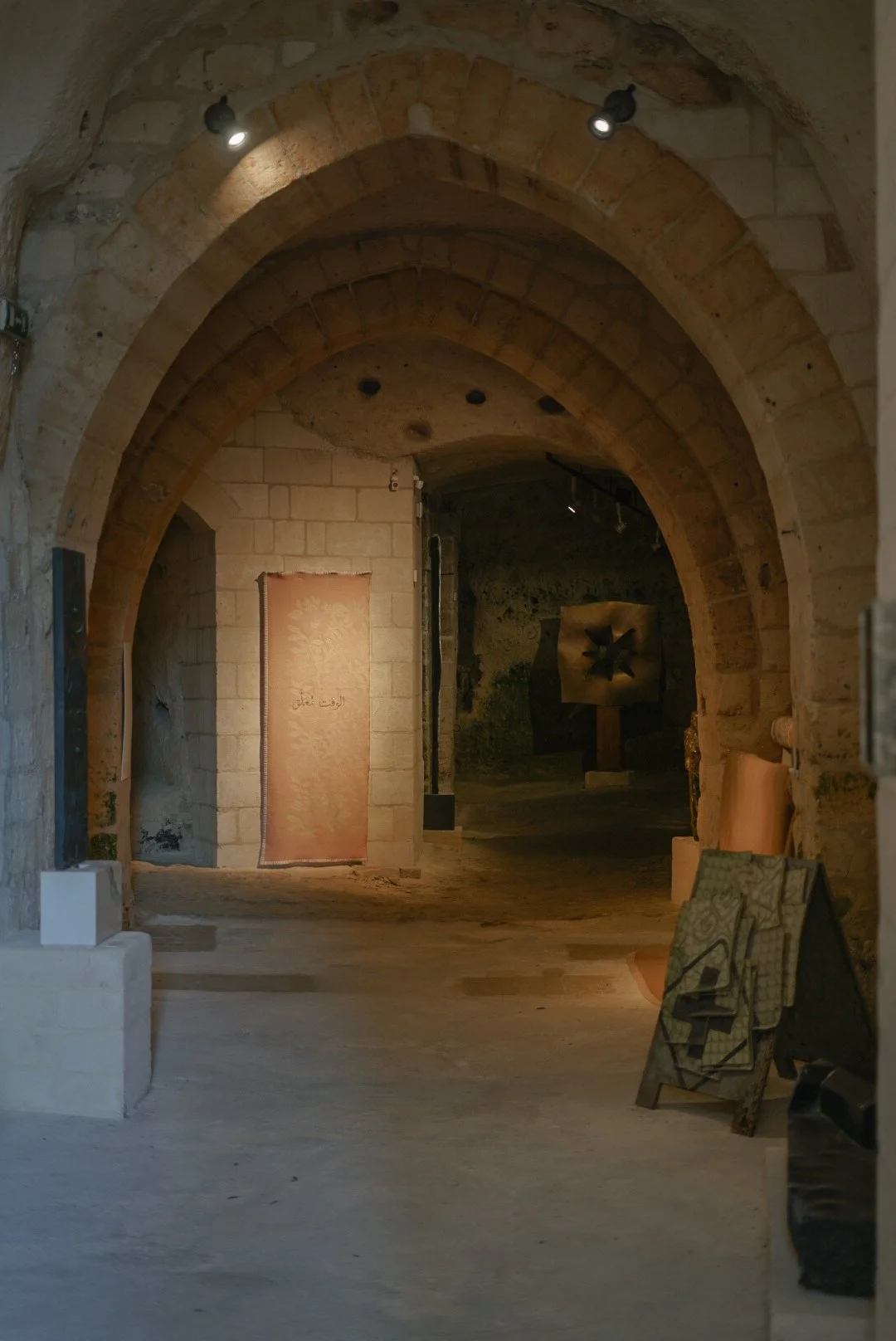
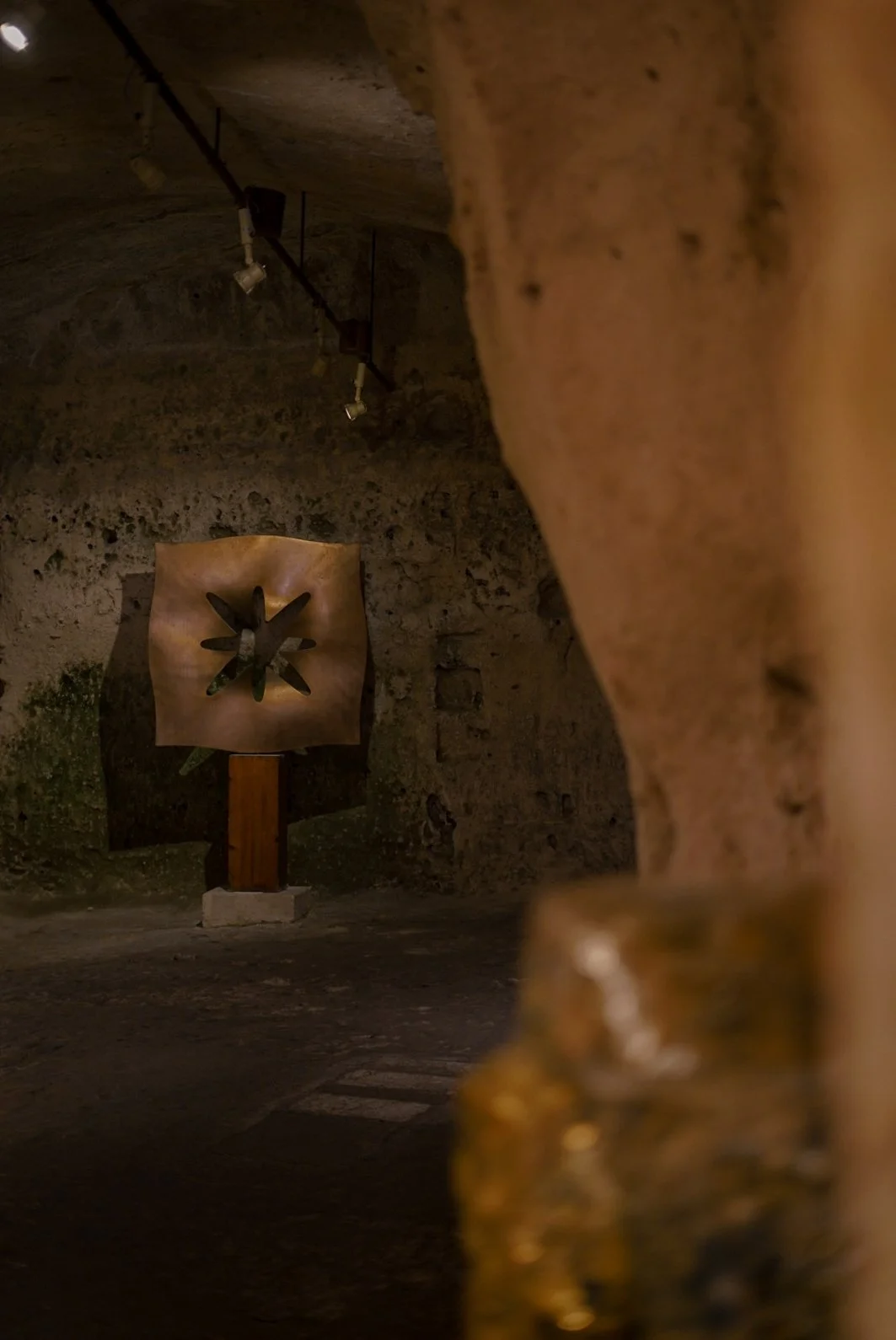
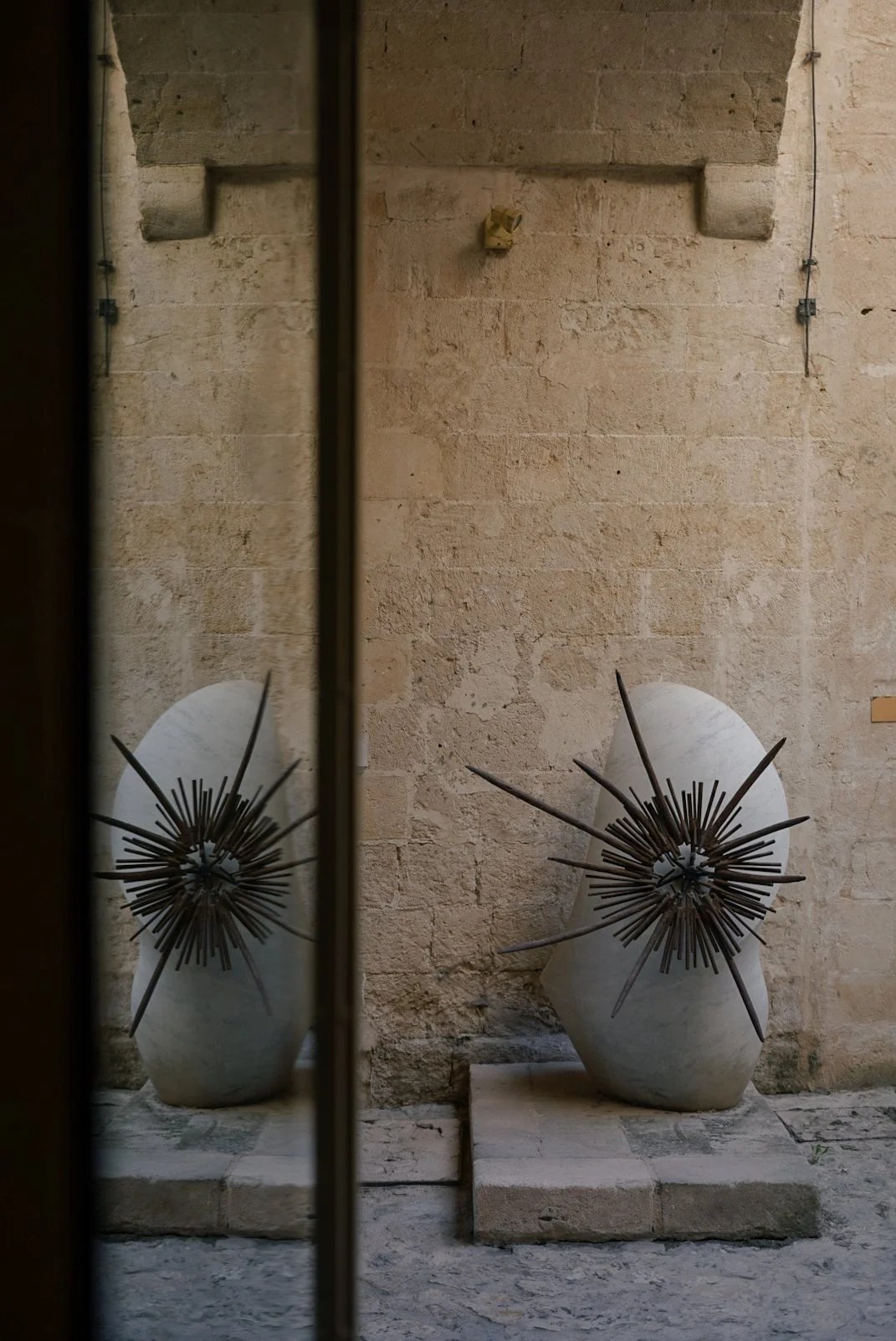
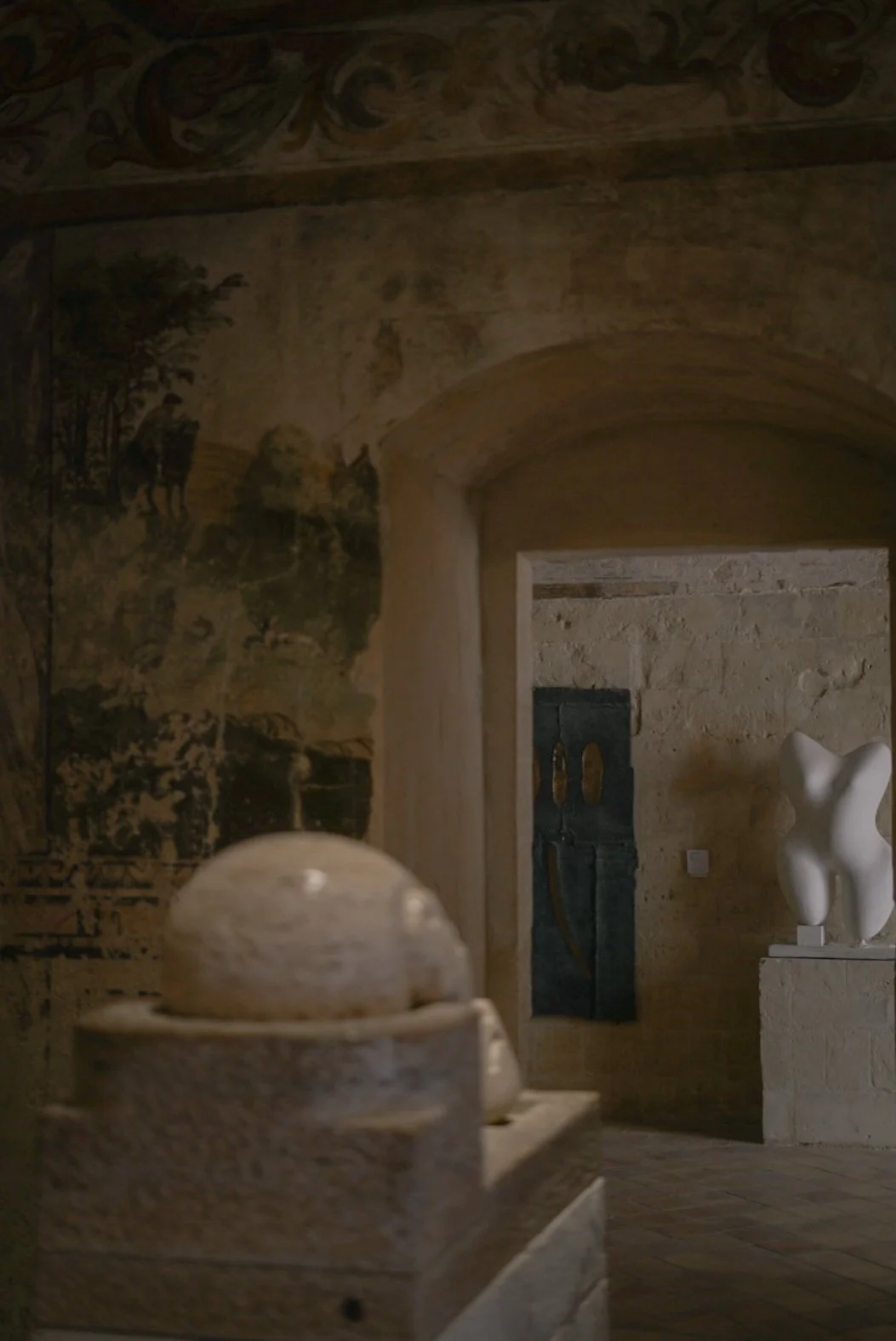
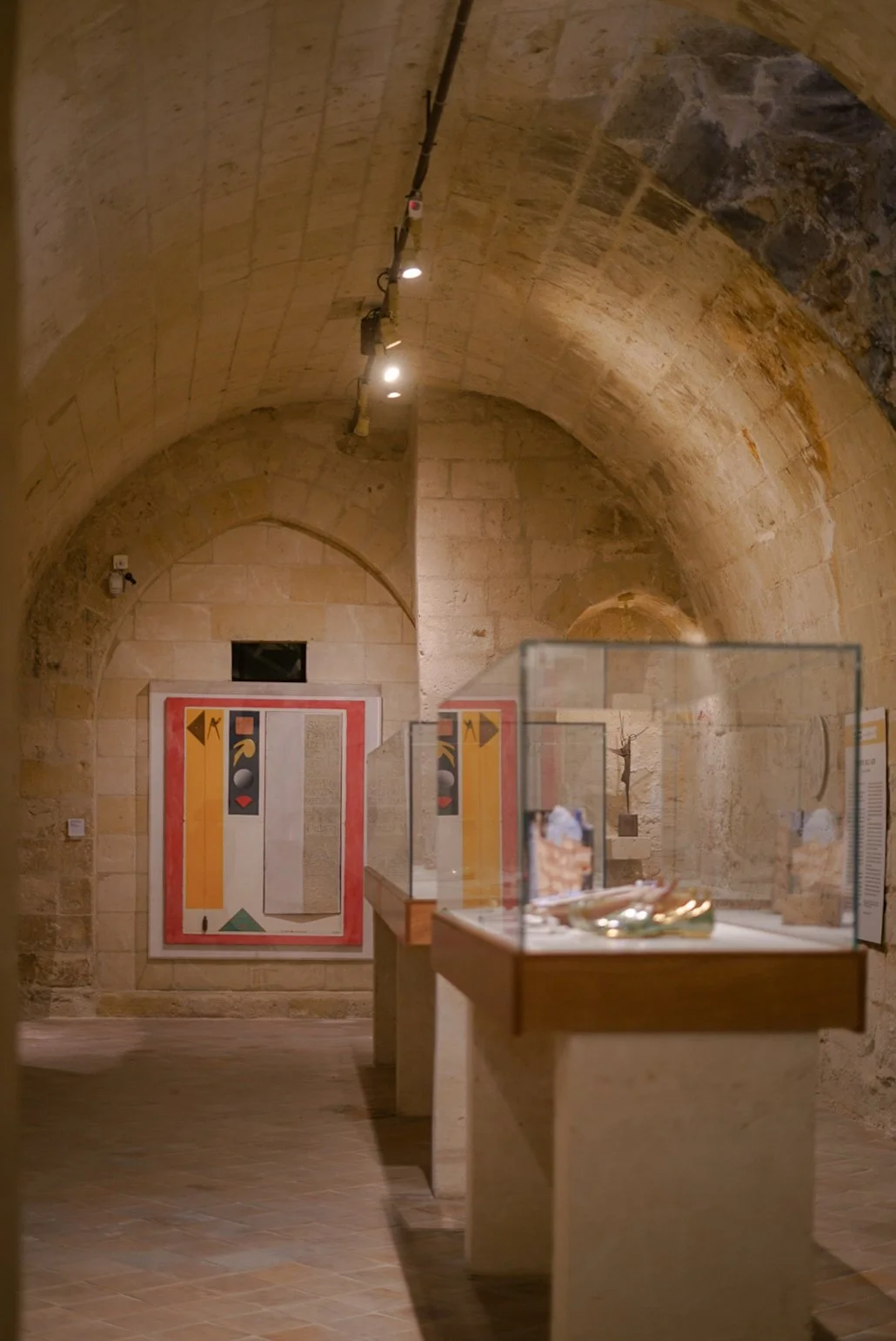
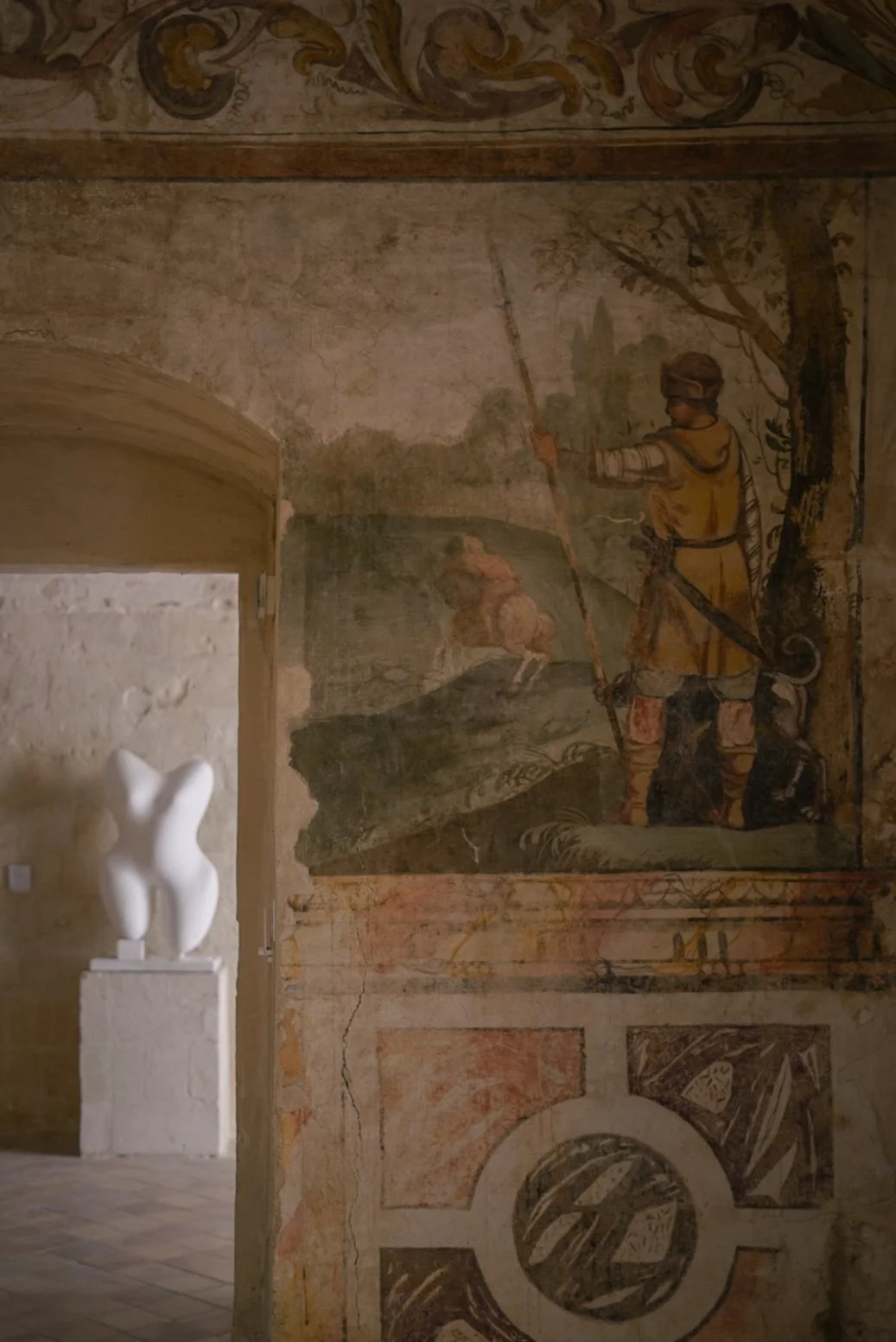
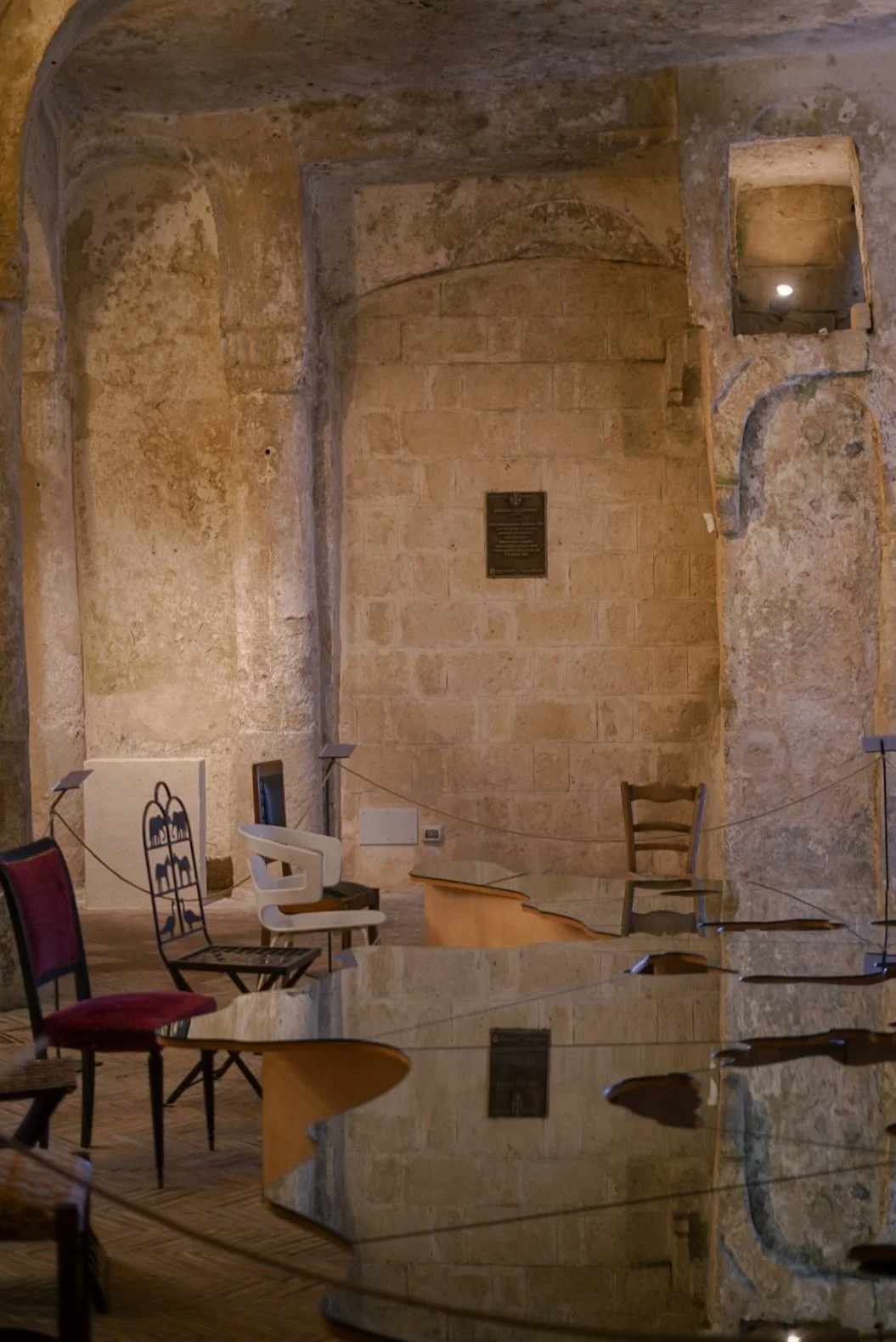
The Museo della Scultura Contemporanea di Matera occupies Palazzo Pomarici and extends into the underground spaces of the Sassi, placing contemporary sculpture inside architecture shaped by centuries of human intervention. There is no white cube here to neutralise the surroundings. The works exist within the stone, alongside it, sometimes appearing almost to emerge from it, and it felt entirely appropriate. I kept learning how Matera seems to resist categories, how ancient and contemporary can coexist in the same room, and craft can become art, architecture can turn into infrastructure, food can become memory, a hotel can become a cultural platform: everything overlaps naturally.
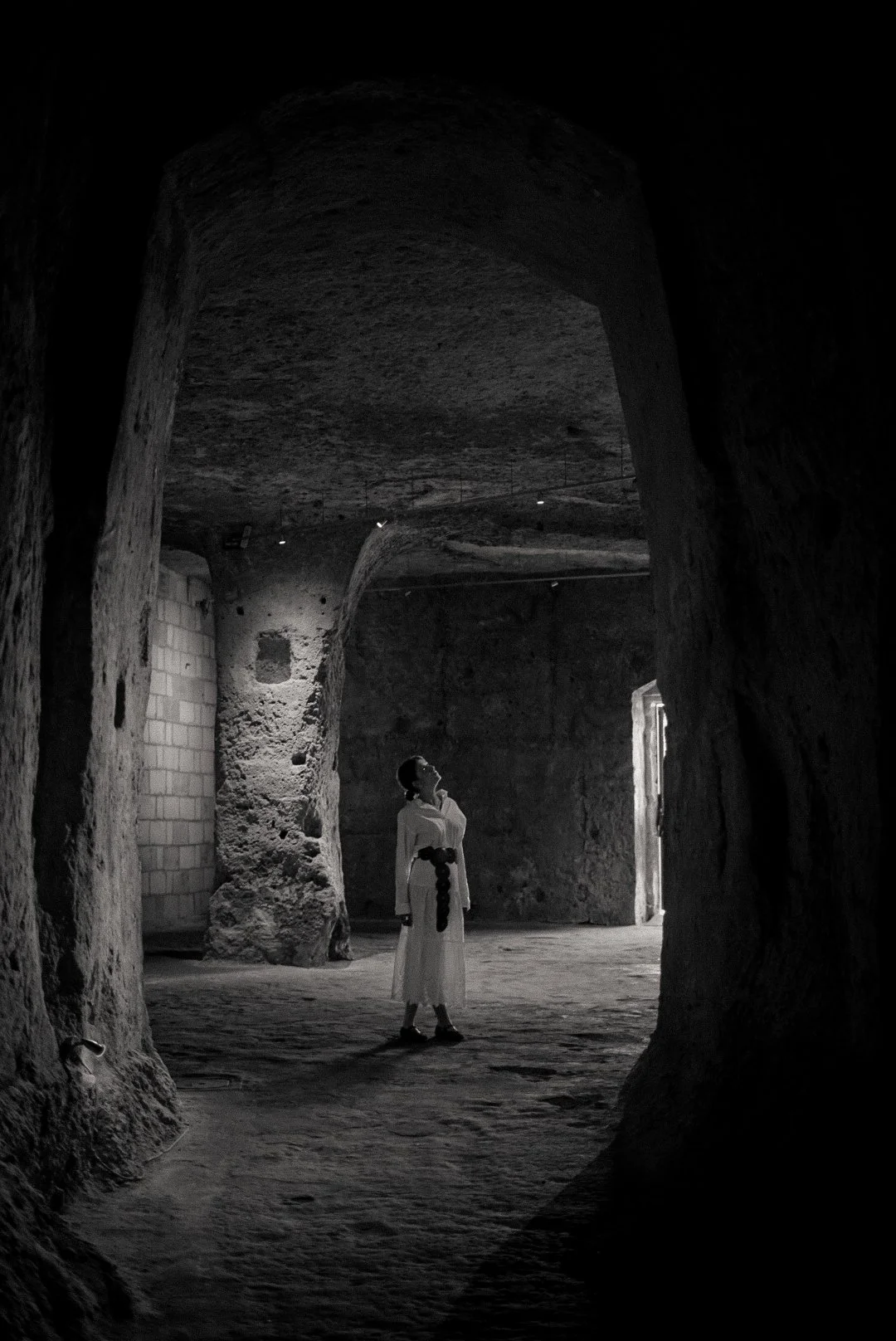
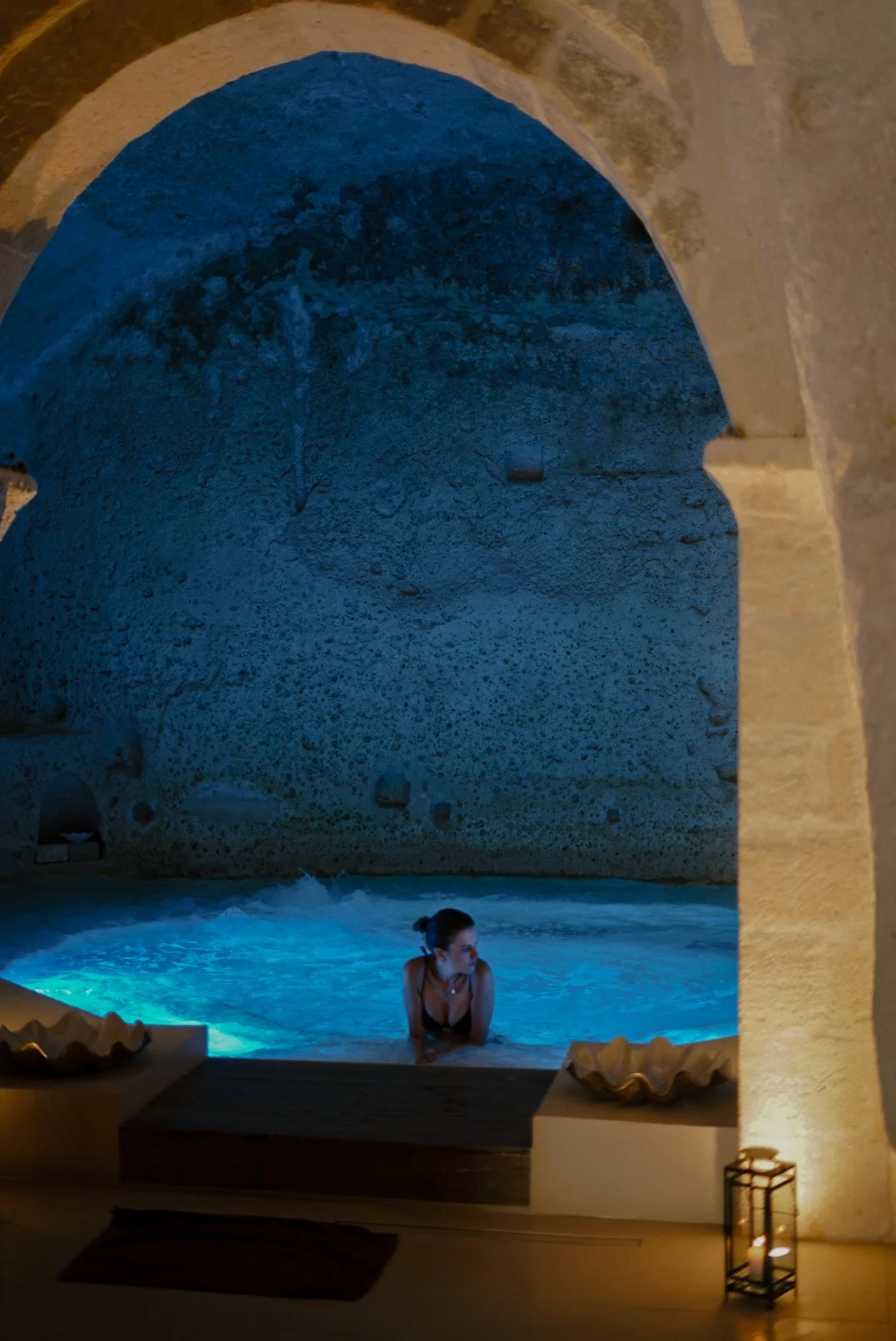
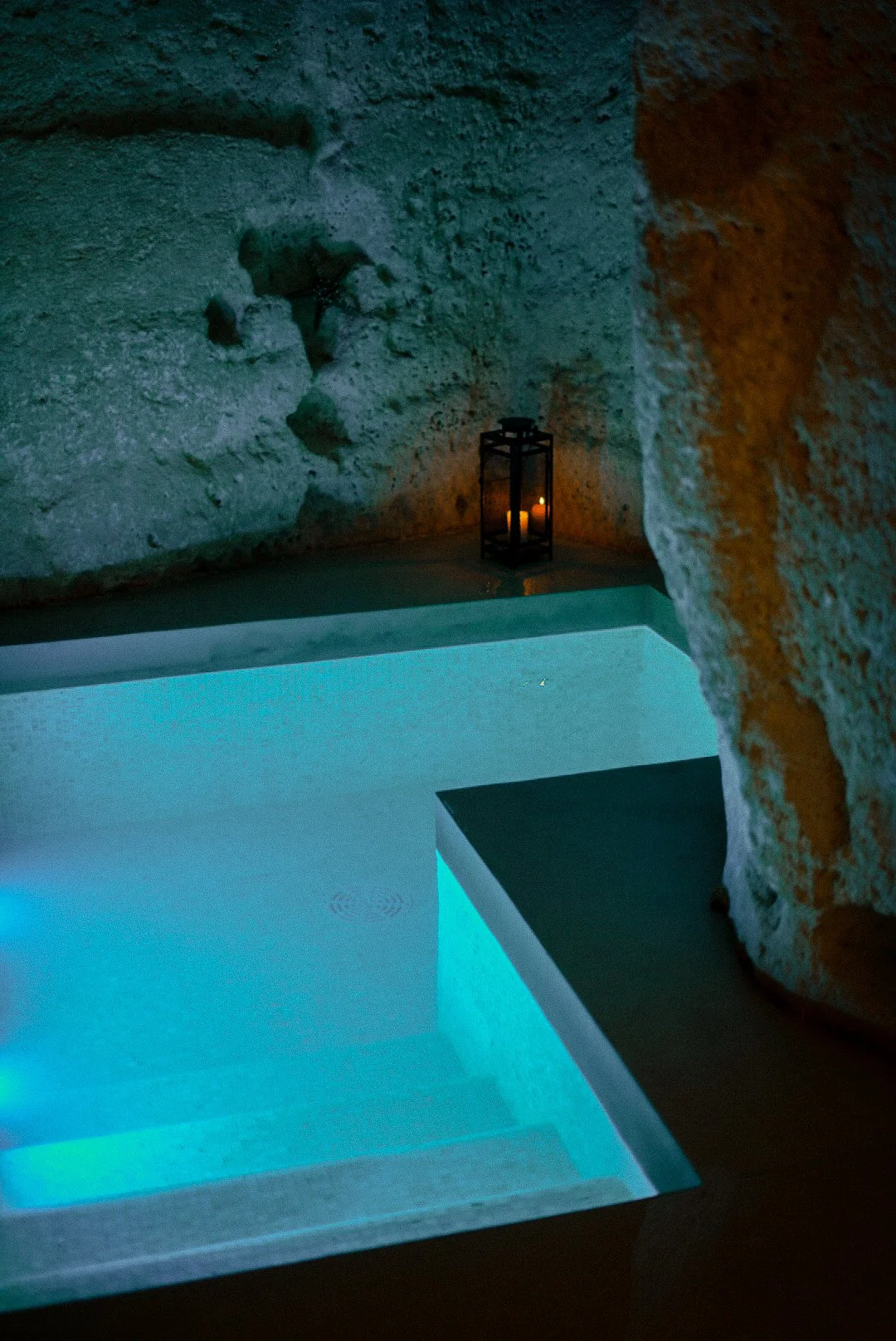
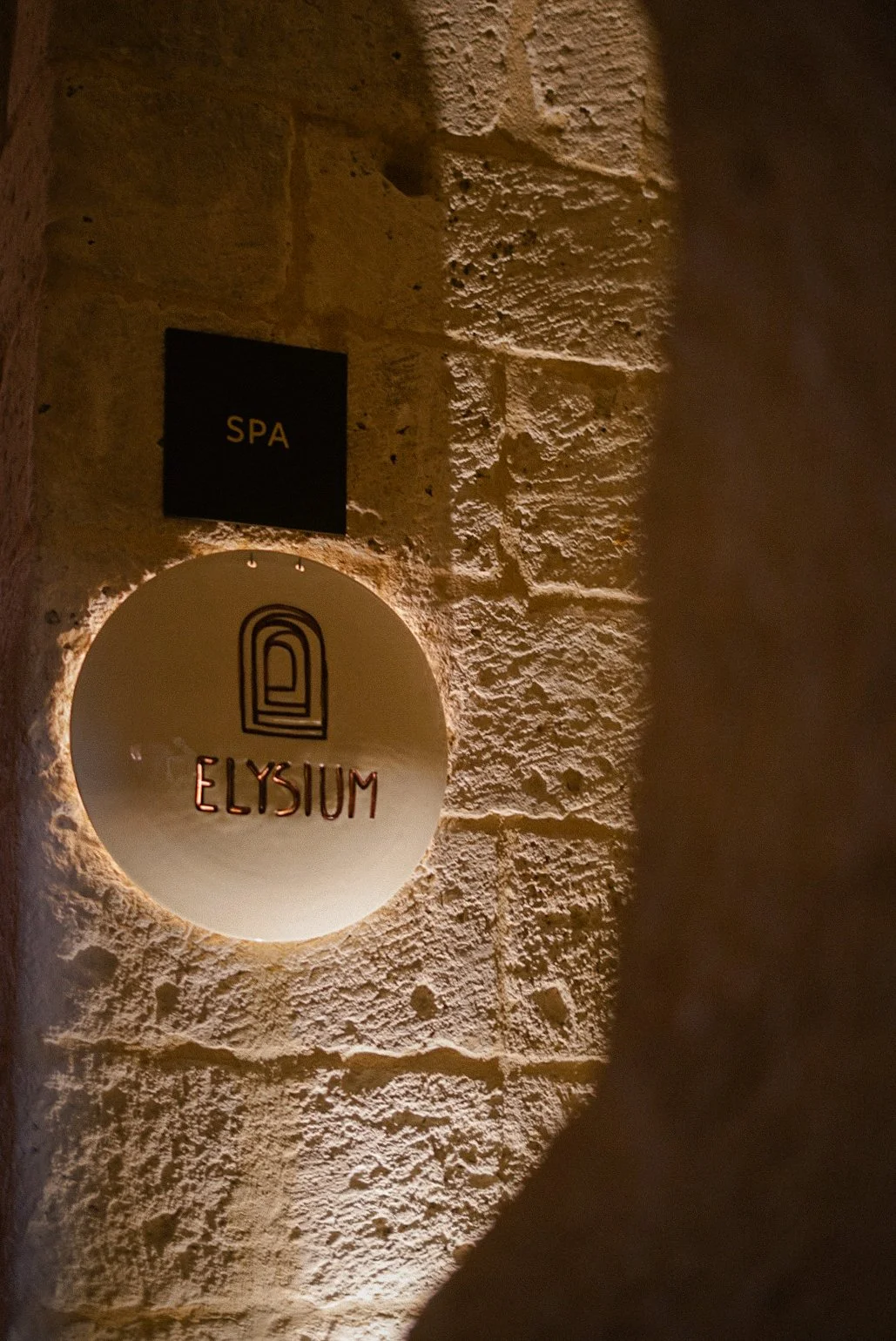
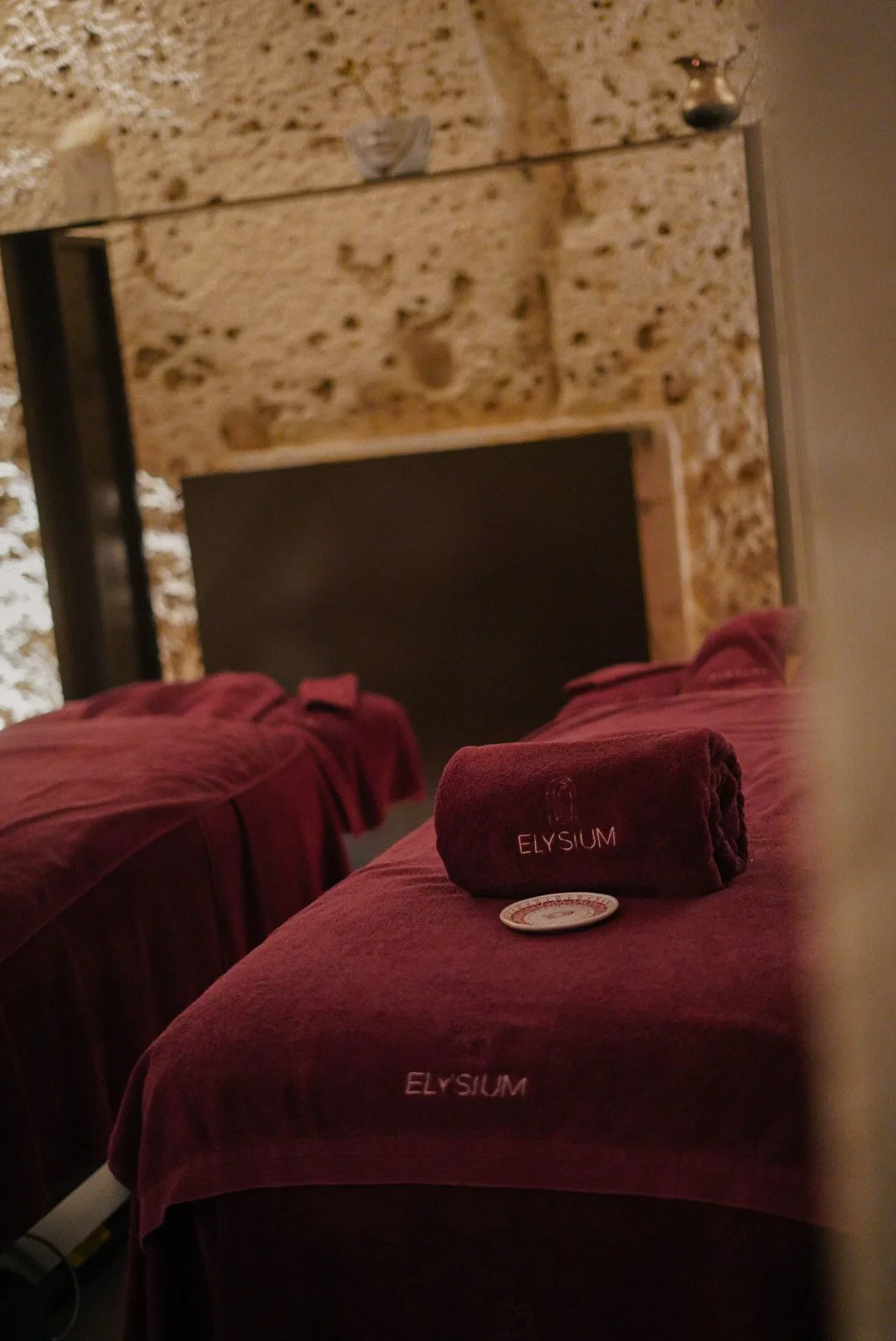
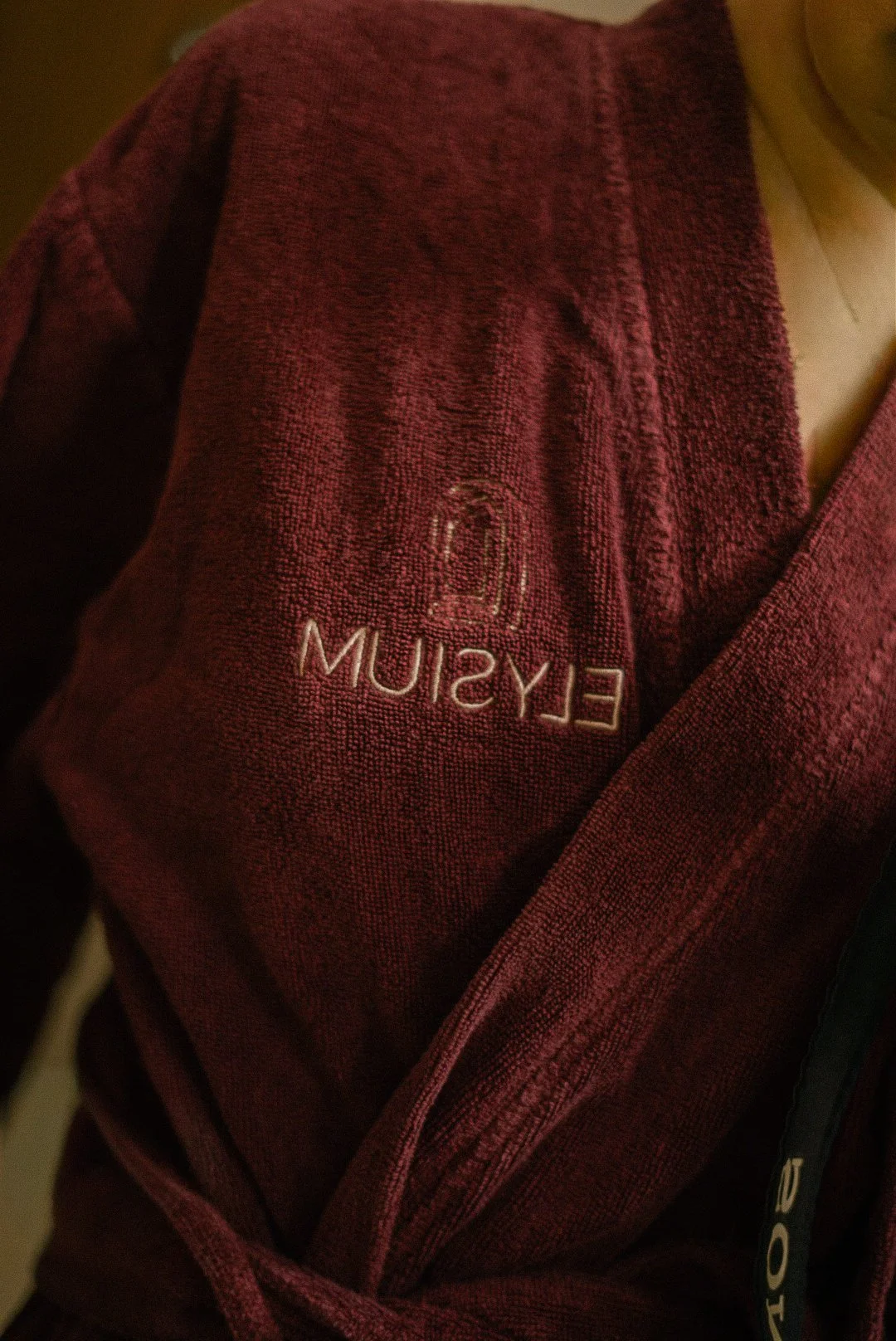
By the end of my three days, Vetera confirmed itself as an exceptional luxury property. But it goes way beyond this mere aesthetic. The restoration is sensitive, the rooms intimate, the food and beverage proposition ambitious, Amonì has introduced a new rooftop perspective, while Elysium offers a quieter experience beneath the city, where the underground spaces become part of the sense of retreat. We experienced it through a couples' massage, and after days spent walking, tasting, talking and absorbing an extraordinary amount of visual information, that pause felt almost necessary.
But none of these things, individually, explains what stayed with me.
It was the people: Chef Eduardo, the hotel team, from Rosalba at the concierge to Simona at the spa. Pietro and its artisanality; Simona Spinella, president of Cooperativa Fondazione Zètema Matera - Cripta del Peccato Originale, MUSMA, Casa Ortega.
What connected them was not simply hospitality: it was belief. A belief that Matera does not need to be preserved under classicisms; a belief that returning home can be an act of ambition; a belief that the next chapter of a city can be written without erasing the previous ones. This is where Vetera becomes more than a hotel, it becomes a point of view.
Luxury travel is increasingly concerned with access, but access is no longer only about what money can open. The most valuable access, is often the kind that allows you to understand why a place matters. A private room can be replicated. A beautiful view can be photographed. What cannot be replicated is a conversation with someone who has decided to return home and dedicate their work to it: Vetera understands that, and dedicated the project to not simply place you inside the Sassi, but gives you different ways of entering the Sassi. And that was the Matera I had wanted to meet: the one underneath it.
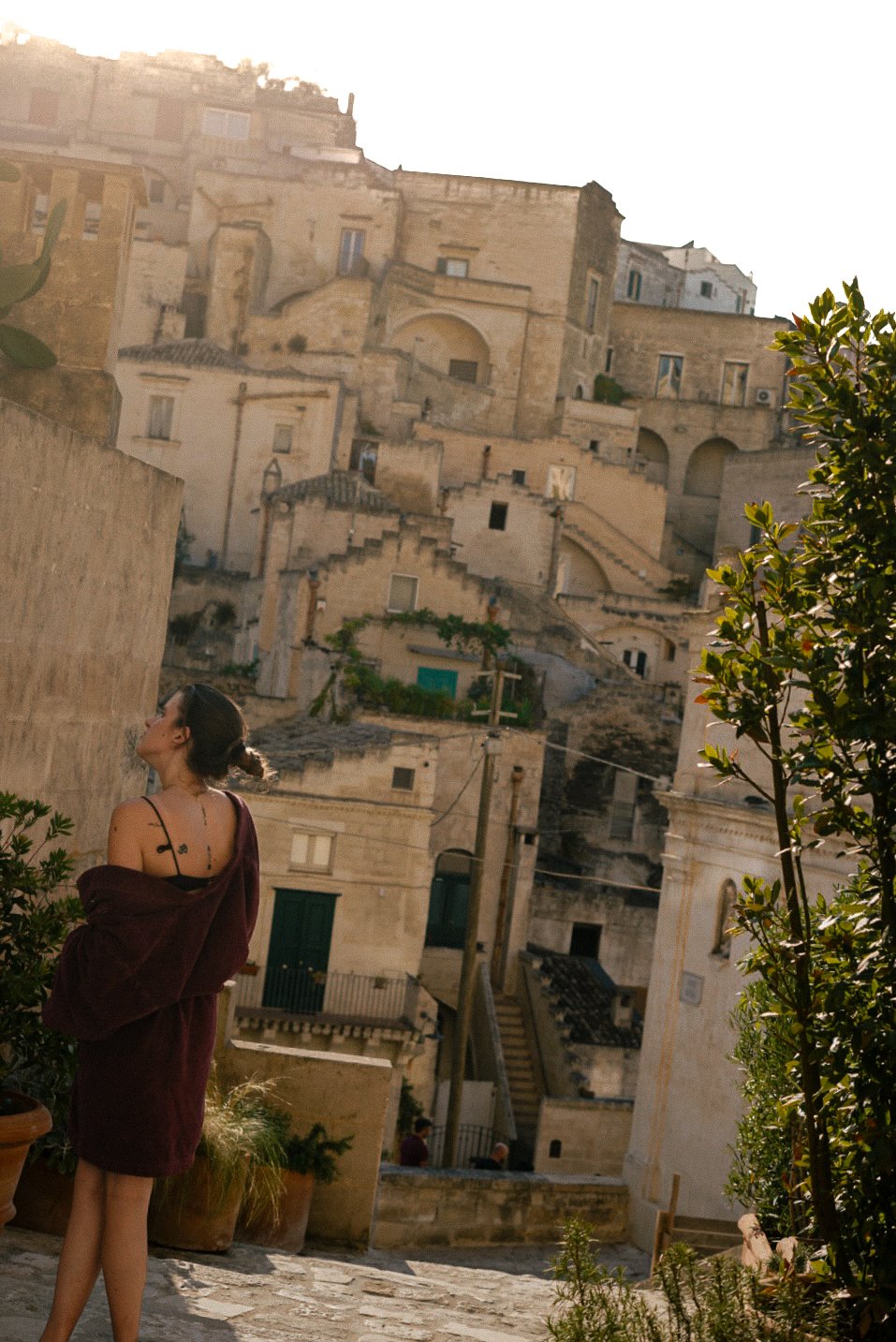
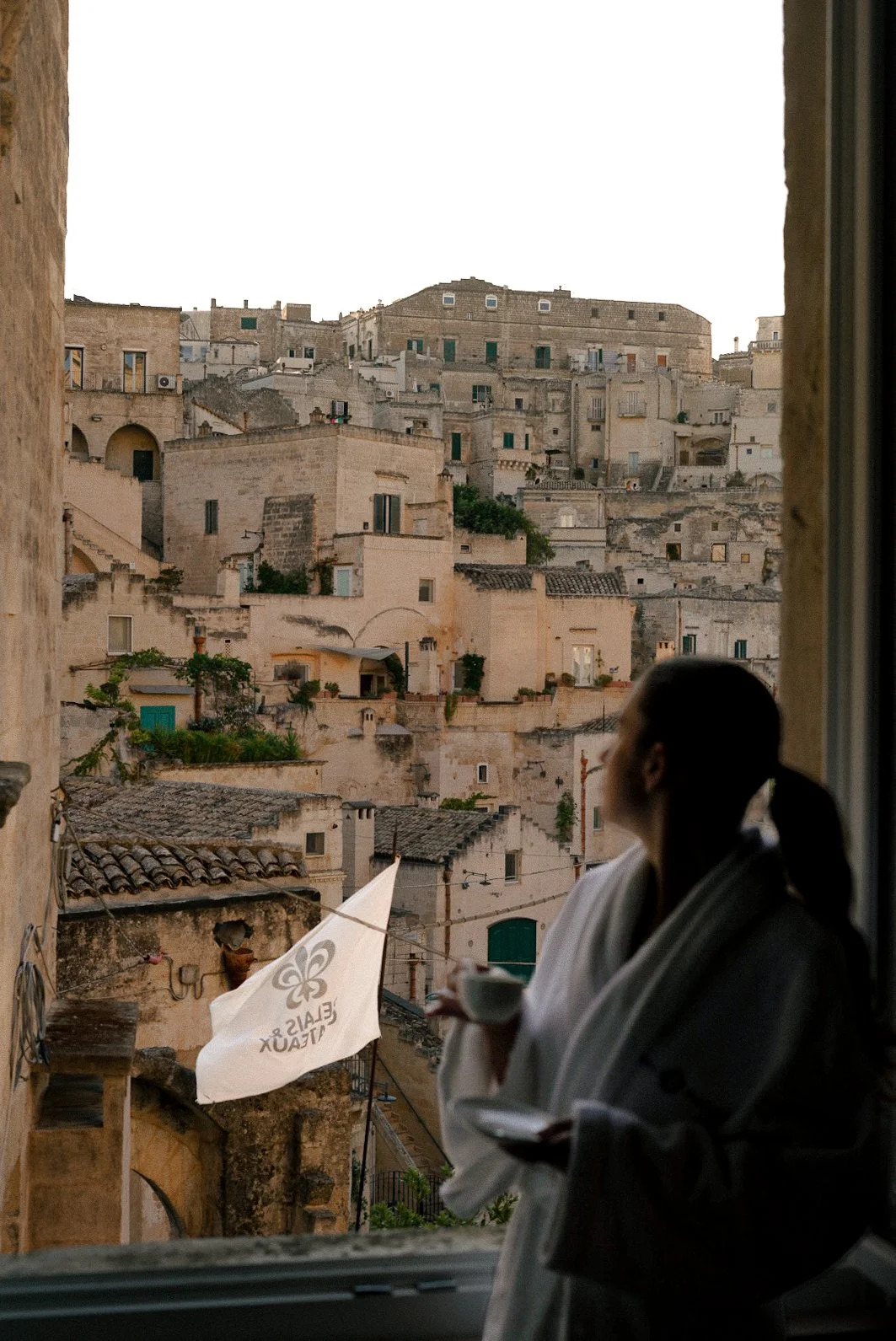
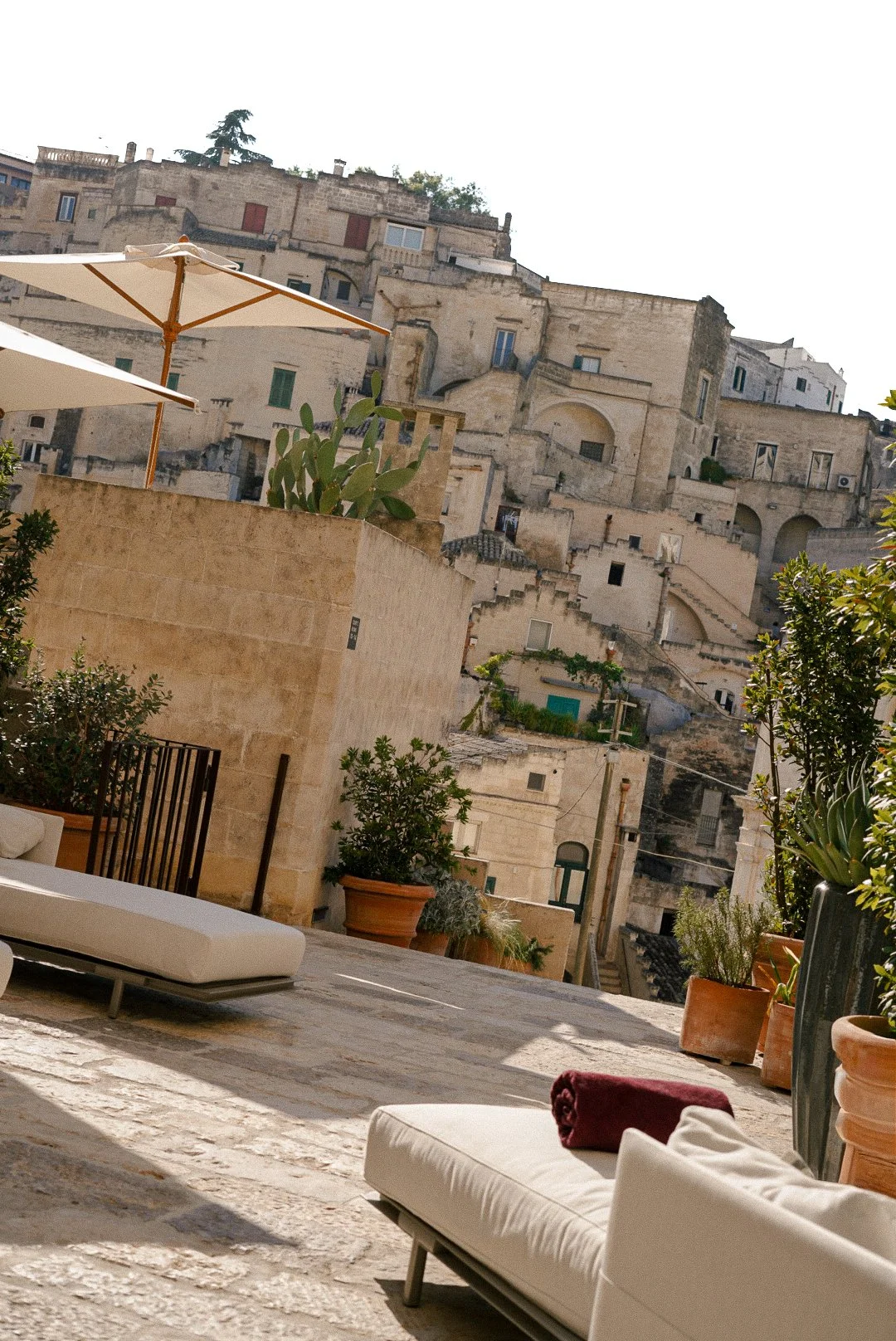
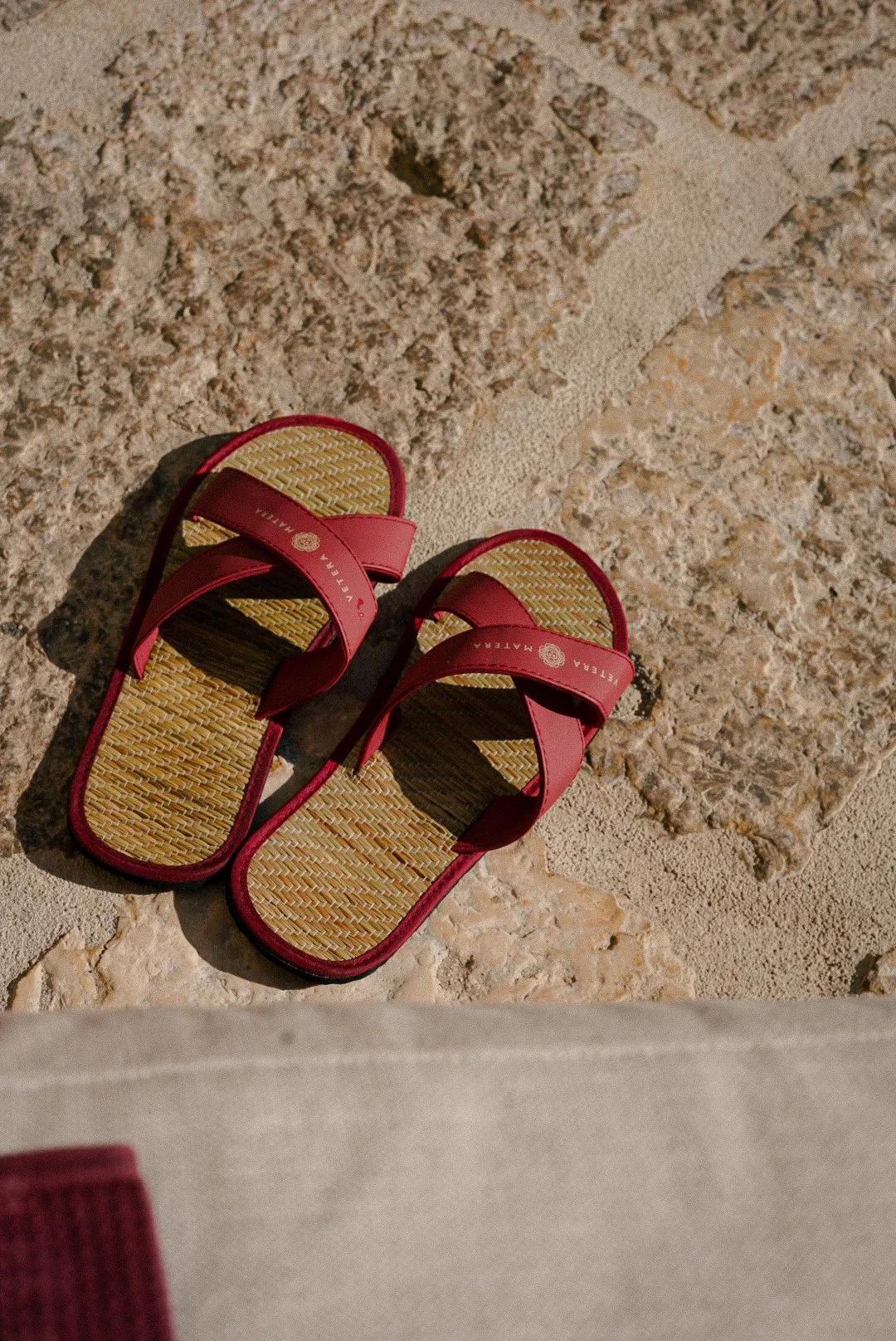
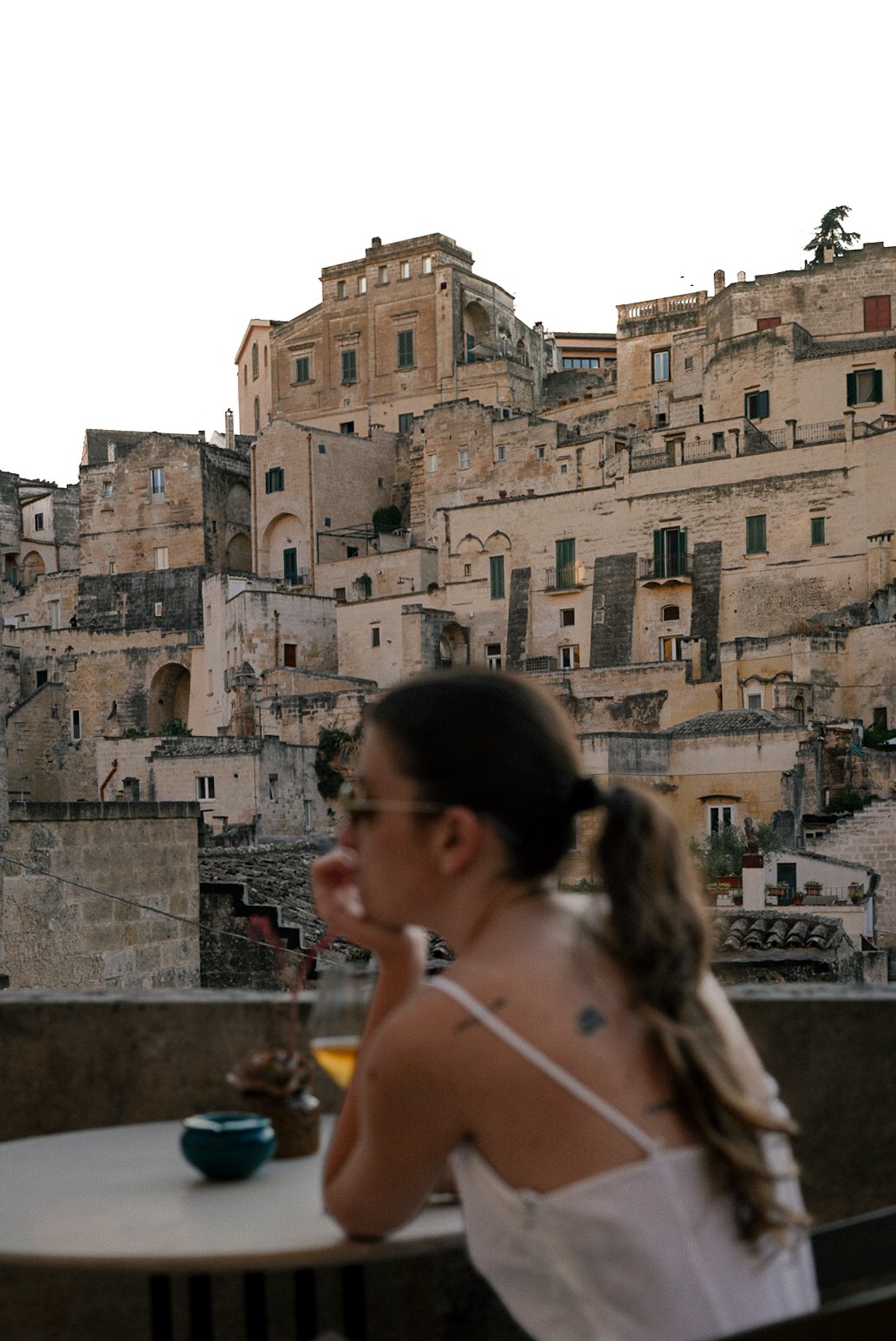
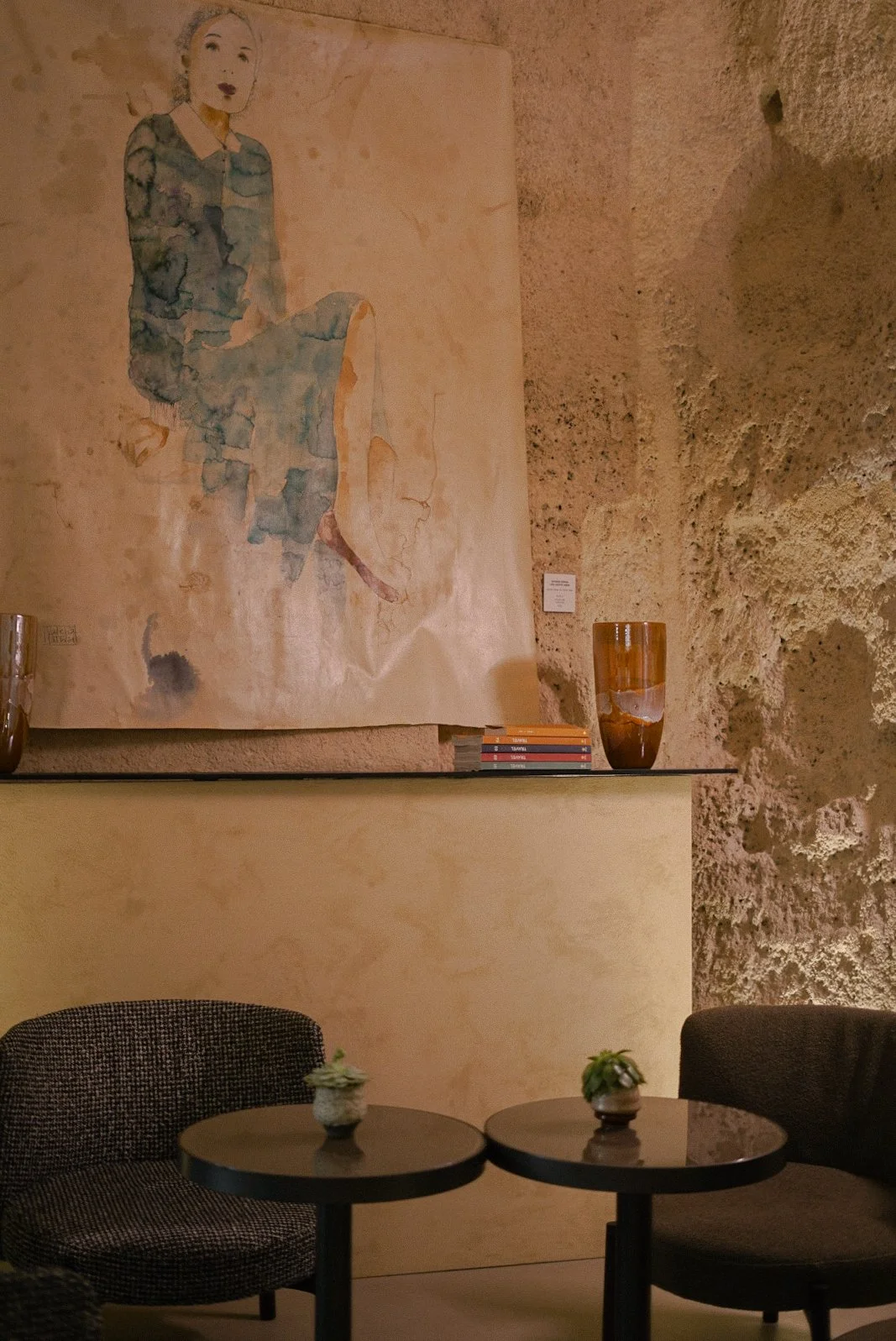
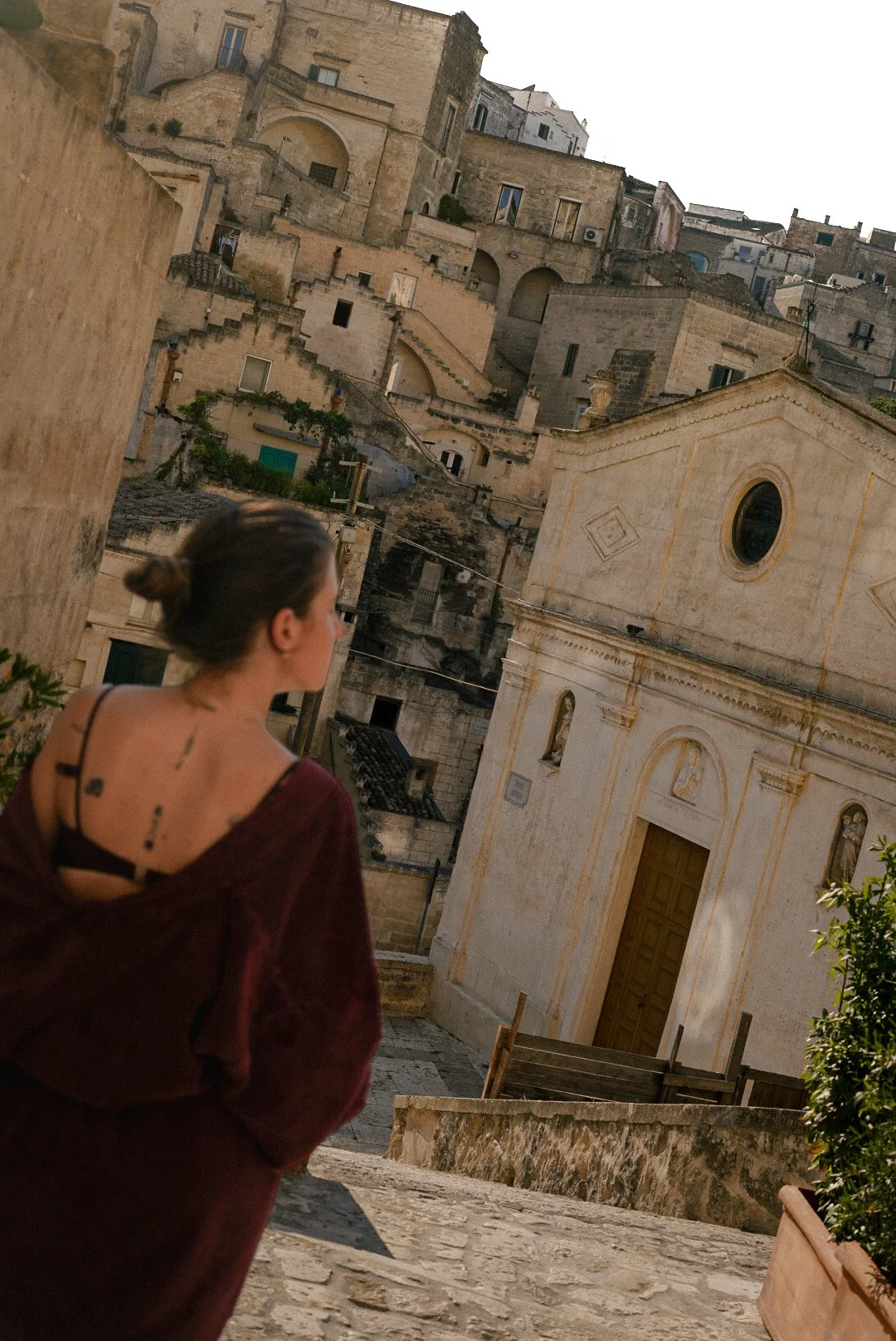
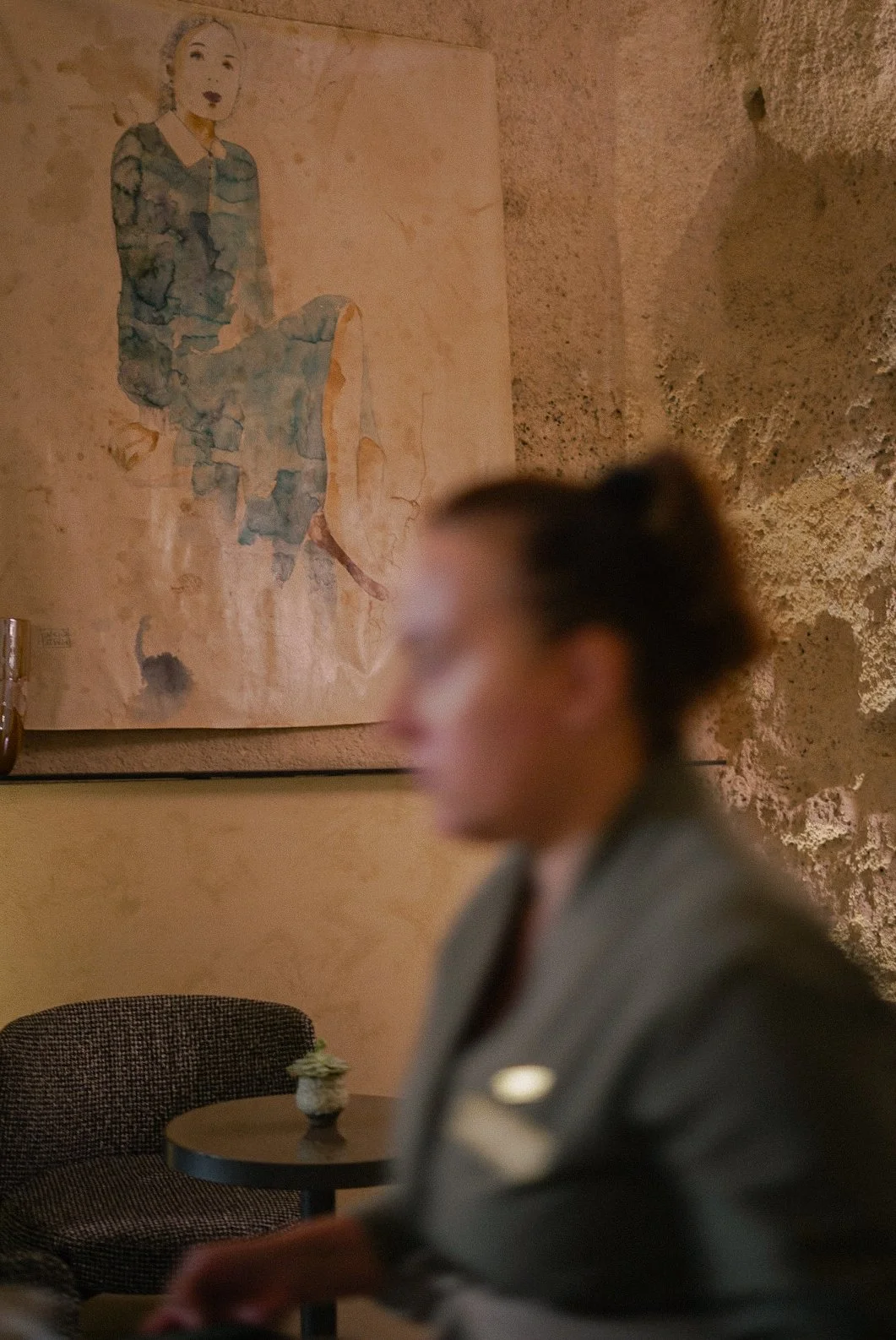
On my last morning, I walked through the Sassi before leaving. The city looked exactly as it had three days earlier: the same stone, the same steps, the same churches carved into the rock, the same pale light moving across the ravine. But I was no longer looking at the same city, or perhaps I was finally looking at it properly. Somewhere between the wall of my room at Vetera, the bas-reliefs of Casa Ortega, the tables of Artema, the sculptures of MUSMA, the wood-fired oven at Conzato and the tufa beneath Pietro's tools, the postcard had slowly disappeared. What remained of Vetera was more complicated, yet much more beautiful: a city still being made, not rebuilt for tourism, not reinvented to satisfy an idea of authenticity, but continually shaped by people who have chosen to put their hands back into it. Different languages, but the same instinct: to take what already exists and ask what else it might become. Matera spent centuries learning how to carve a home from the earth, its next chapter is about something else entirely, learning how to carve a future from what it has inherited. And that, in the end, is what I took away from those three days.
Thank you to the all VETERA MATERA Team, Allumeuse Communication, JR Studio, Chef Eduardo Estatico, Simona Spinella, Pietro Giura Longo.
