Venice, Cabinet De Curiosités
From a forgotten botanical garden to Murano glass, a few days in a city that has always known how to collect.
Lorenzo Patarol had a particular kind of obsession. In eighteenth-century Venice, while the city was busy trading, commissioning paintings and receiving visitors from across Europe, Patarol was collecting plants. He filled the garden of his palazzo in Cannaregio with species brought from elsewhere, eventually assembling more than 1,200 varieties. Today, the oldest herbarium from the collection is preserved at the Venice Natural History Museum.
It simply felt oddly fitting to find a botanical collection in this city. Venice has spent centuries bringing the outside world in: spices from the East, fabrics and pigments, precious stones, ideas, techniques, people. Its identity was never built in the isolation of the lagoon. Things arrived here, changed hands, acquired new meanings and, sometimes, became so thoroughly Venetian that their origins were almost forgotten.
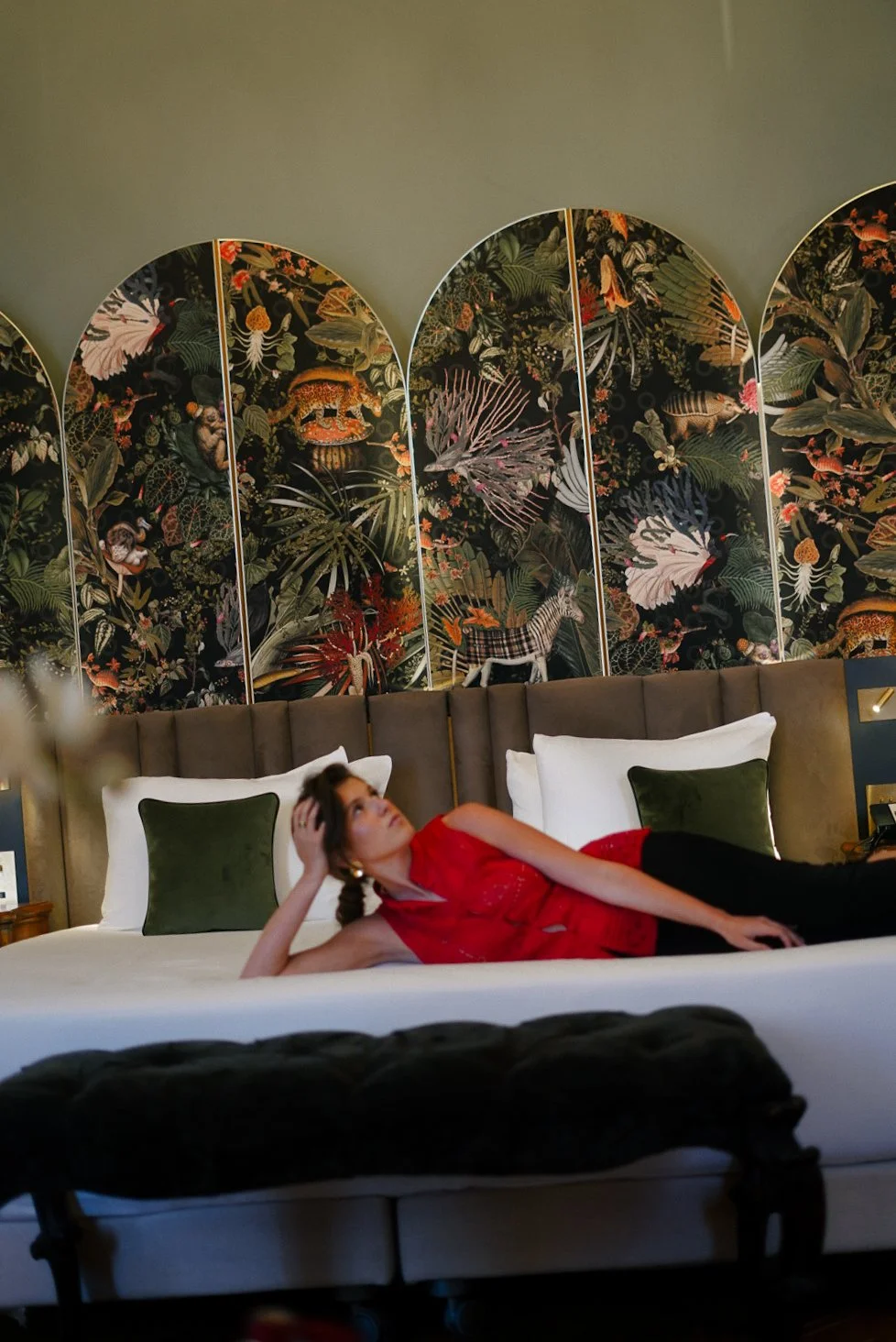
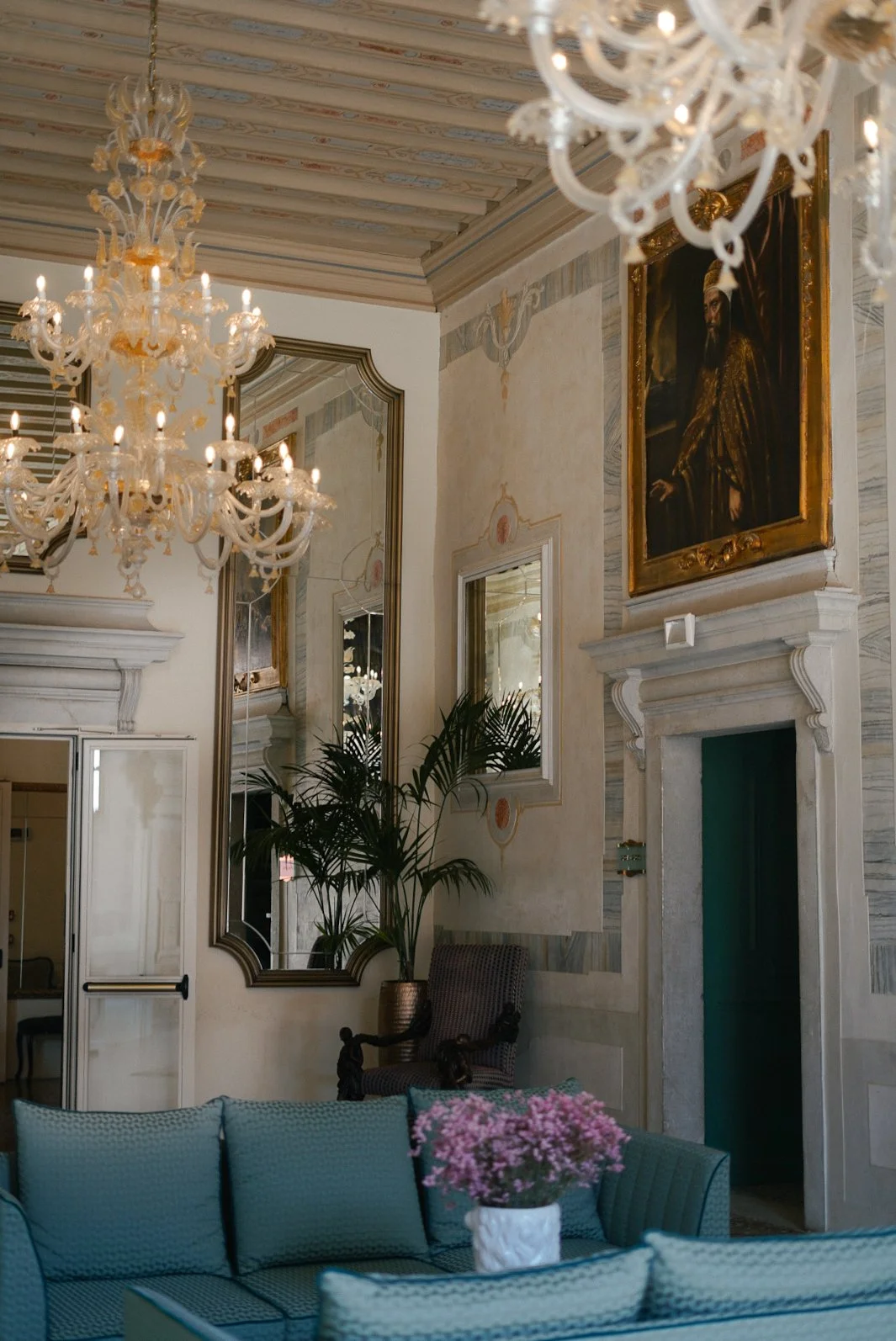
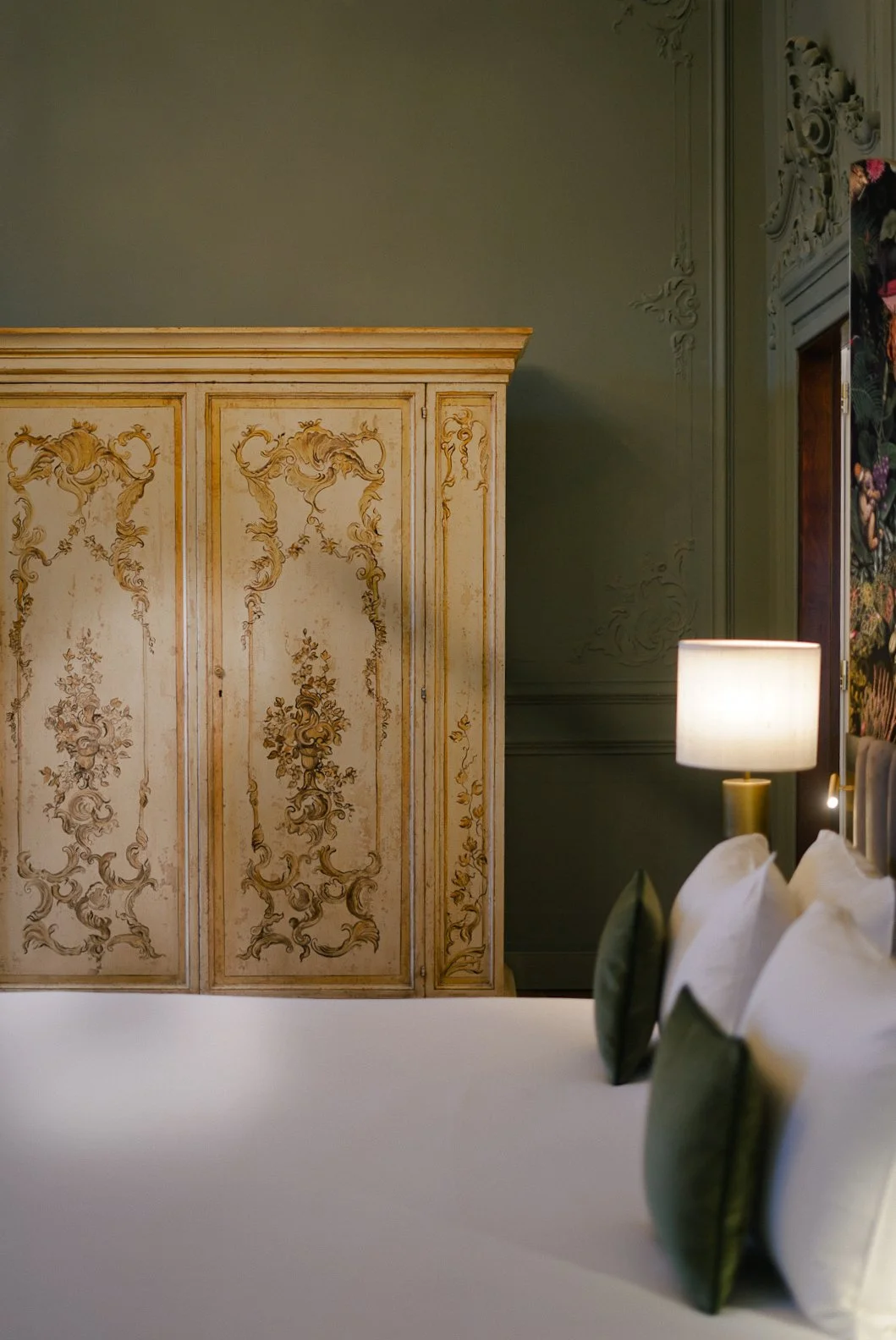
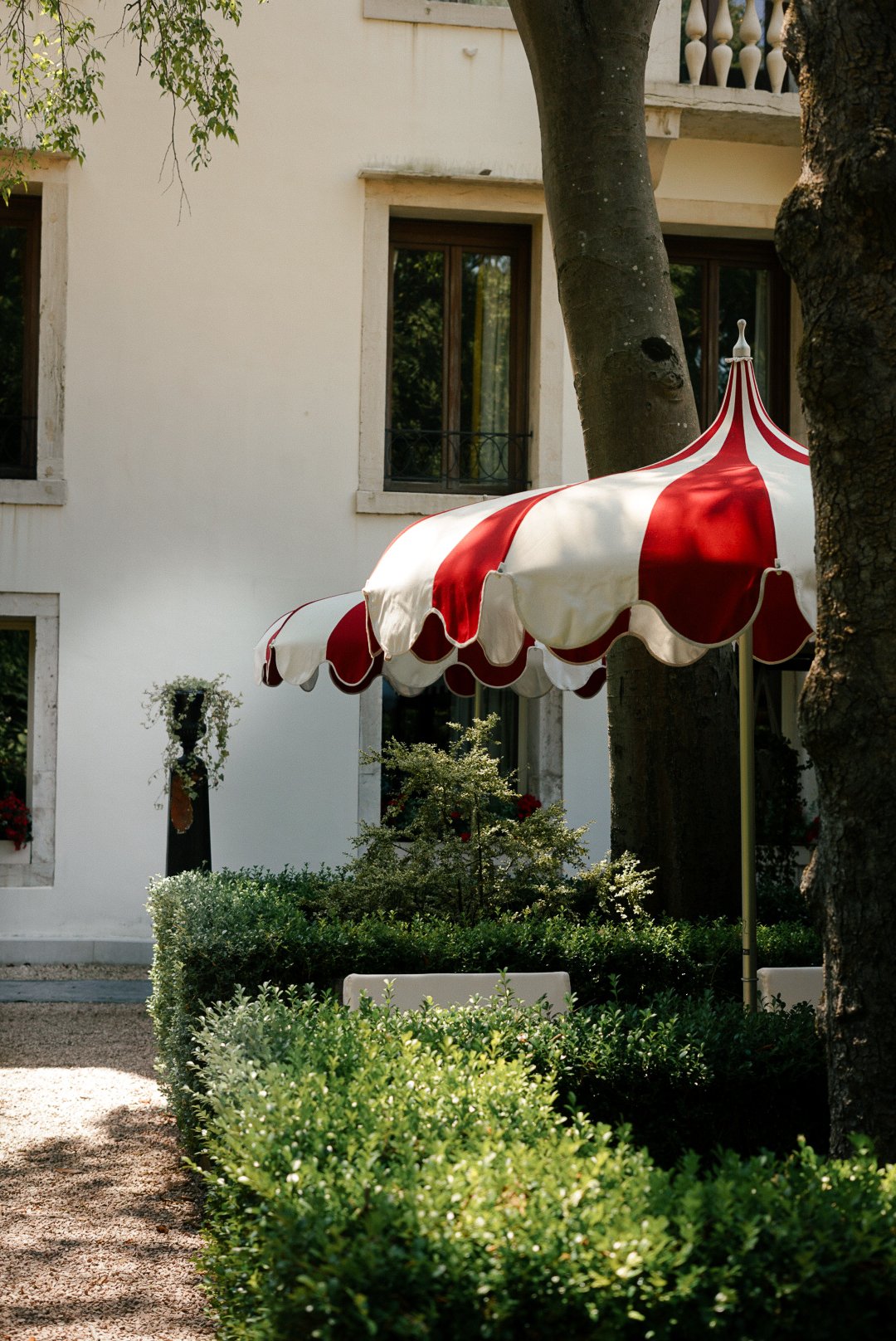
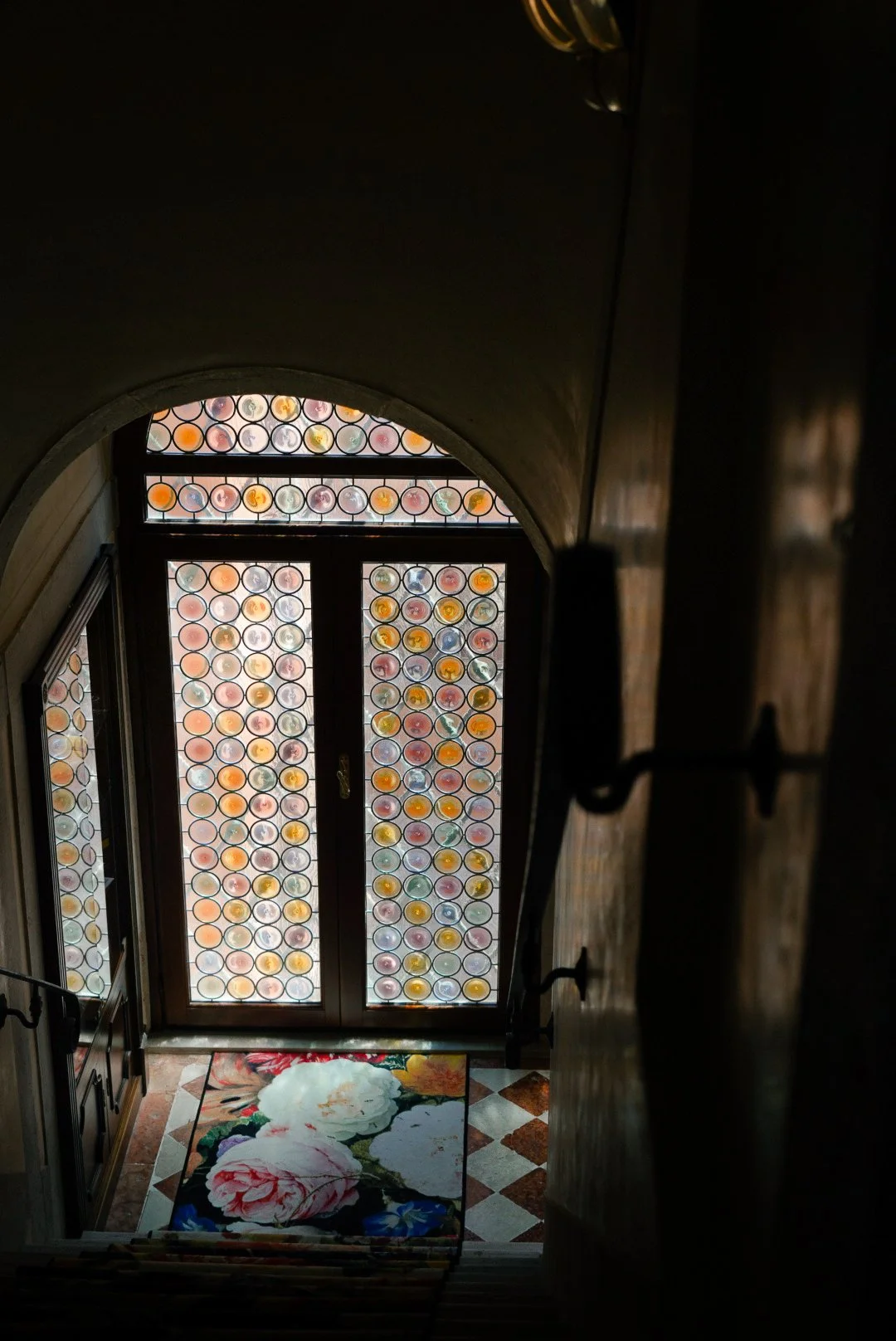
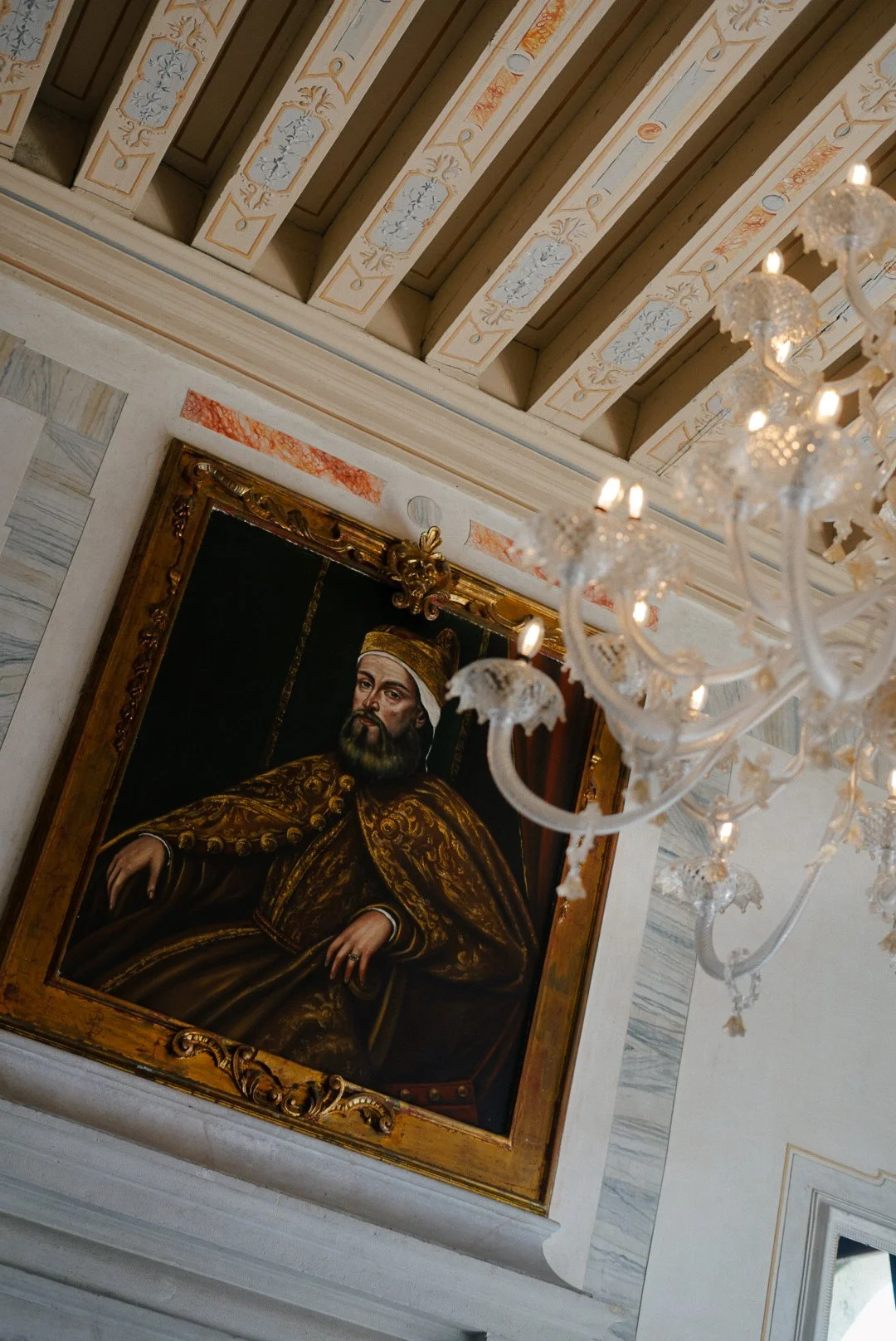
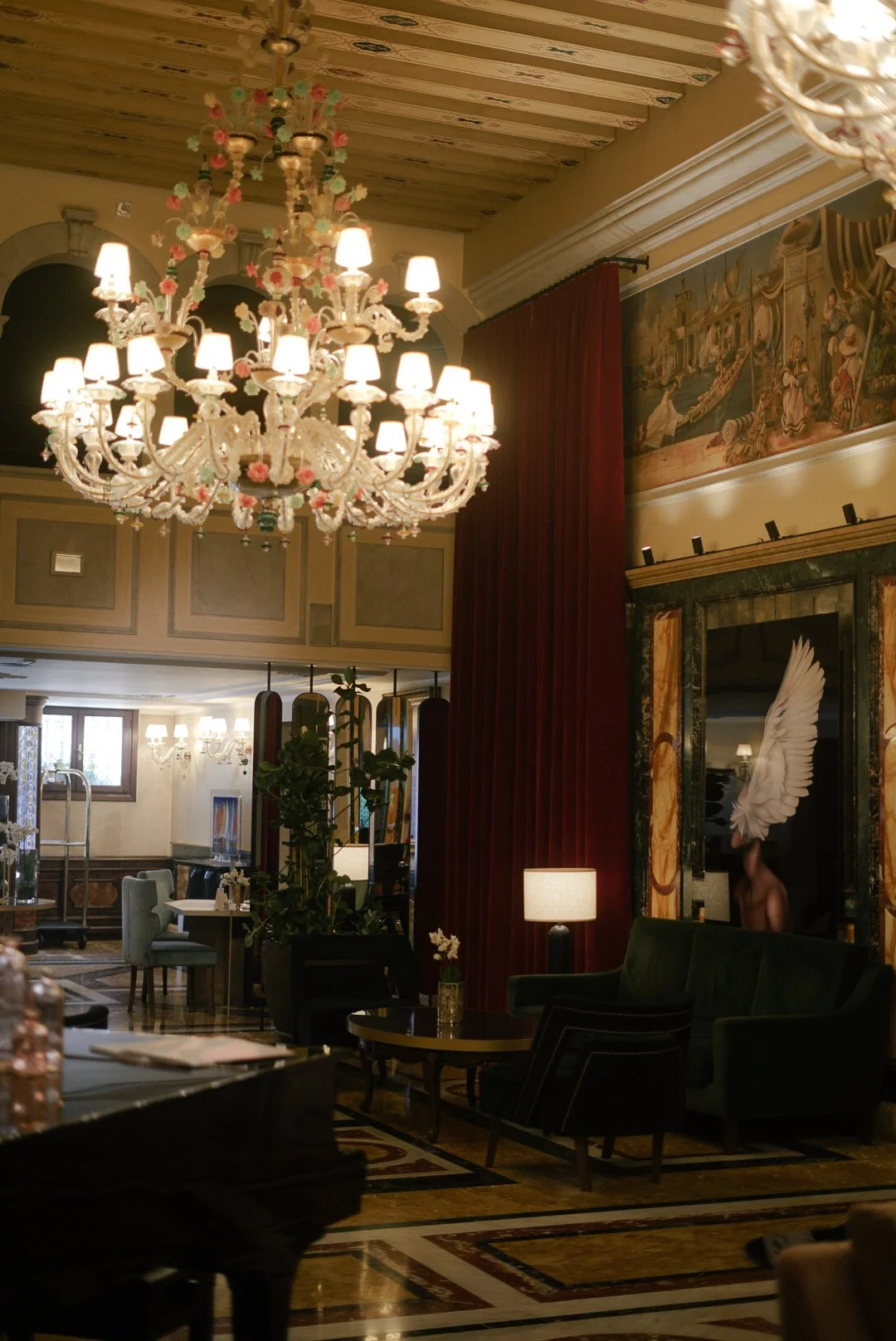
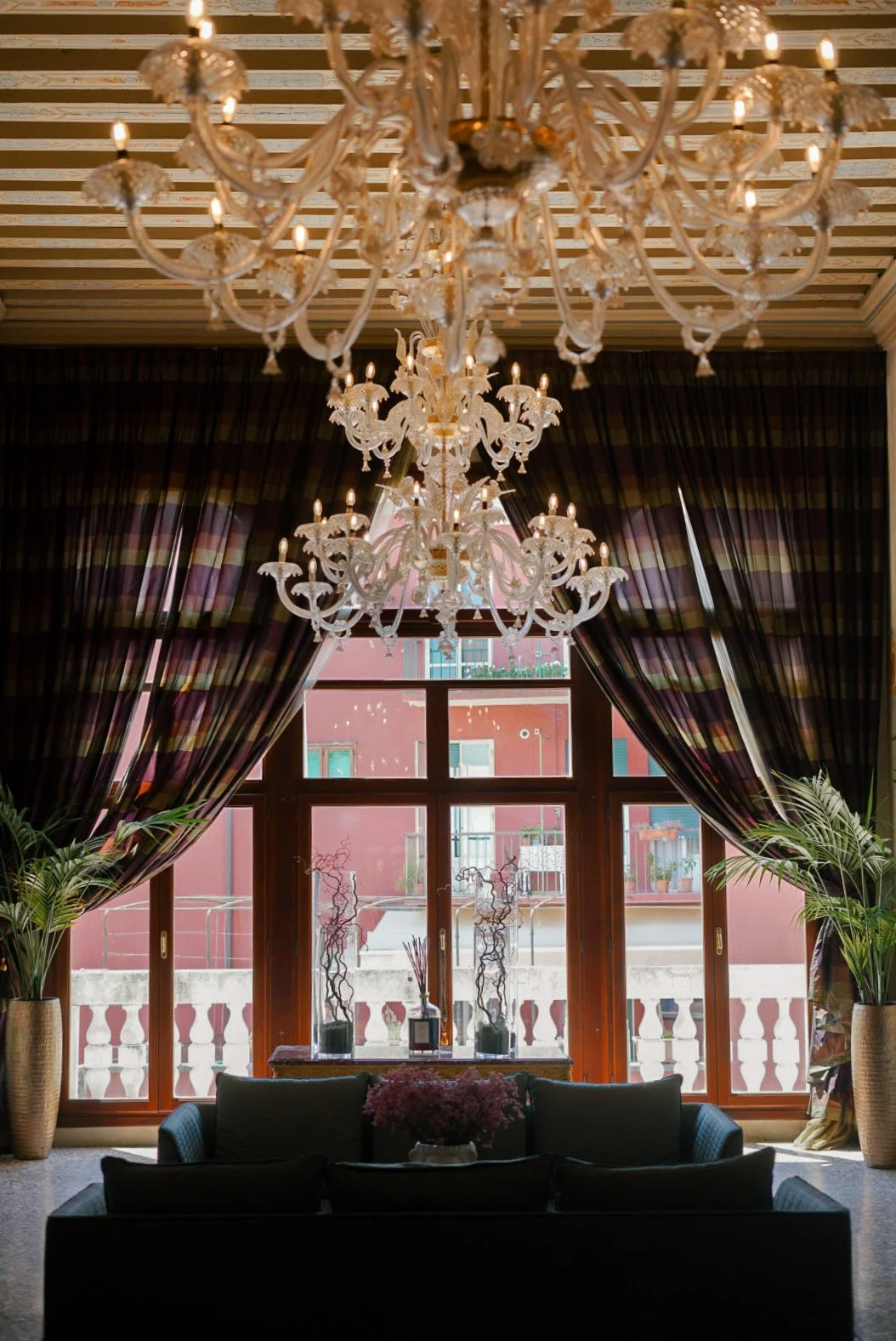
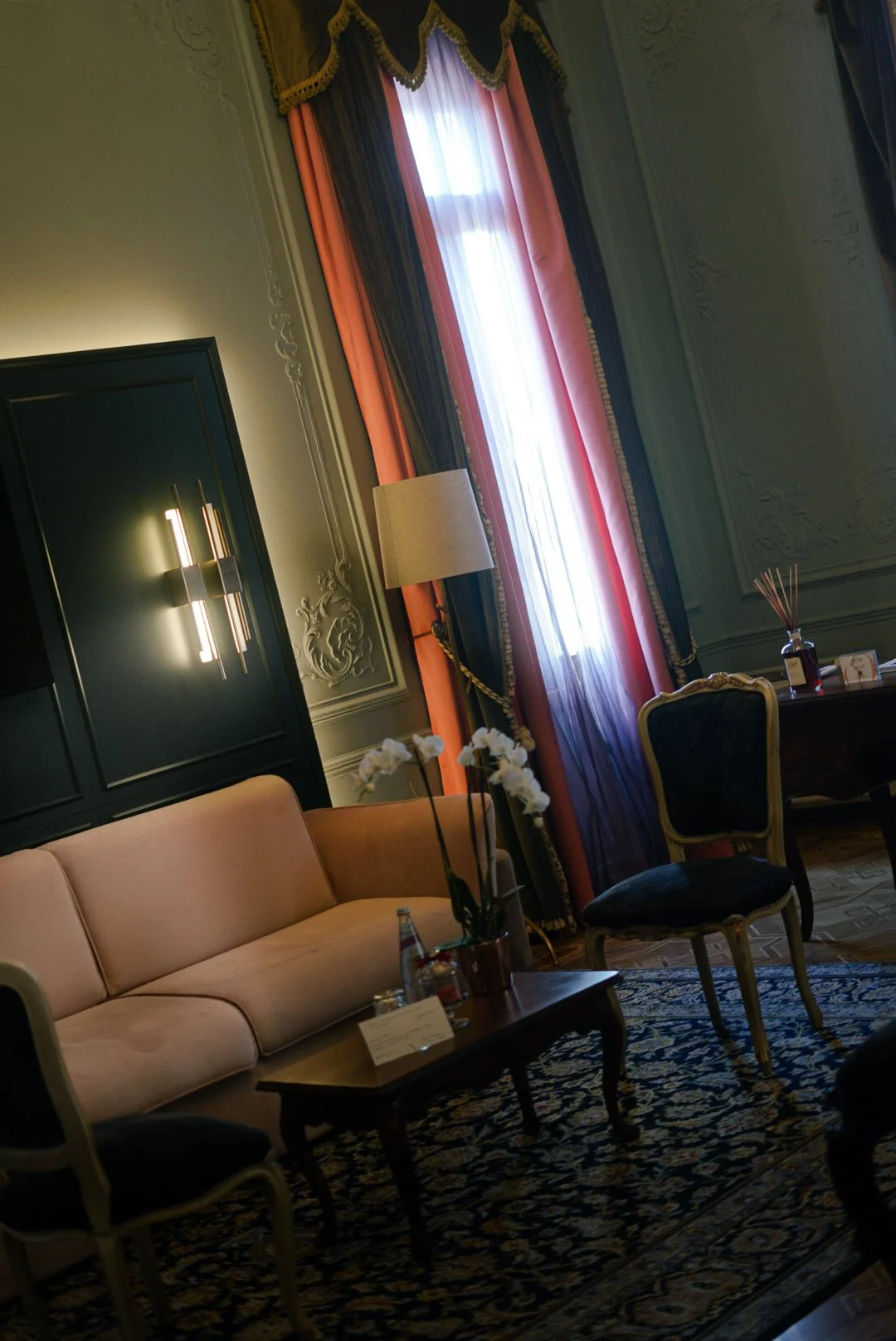
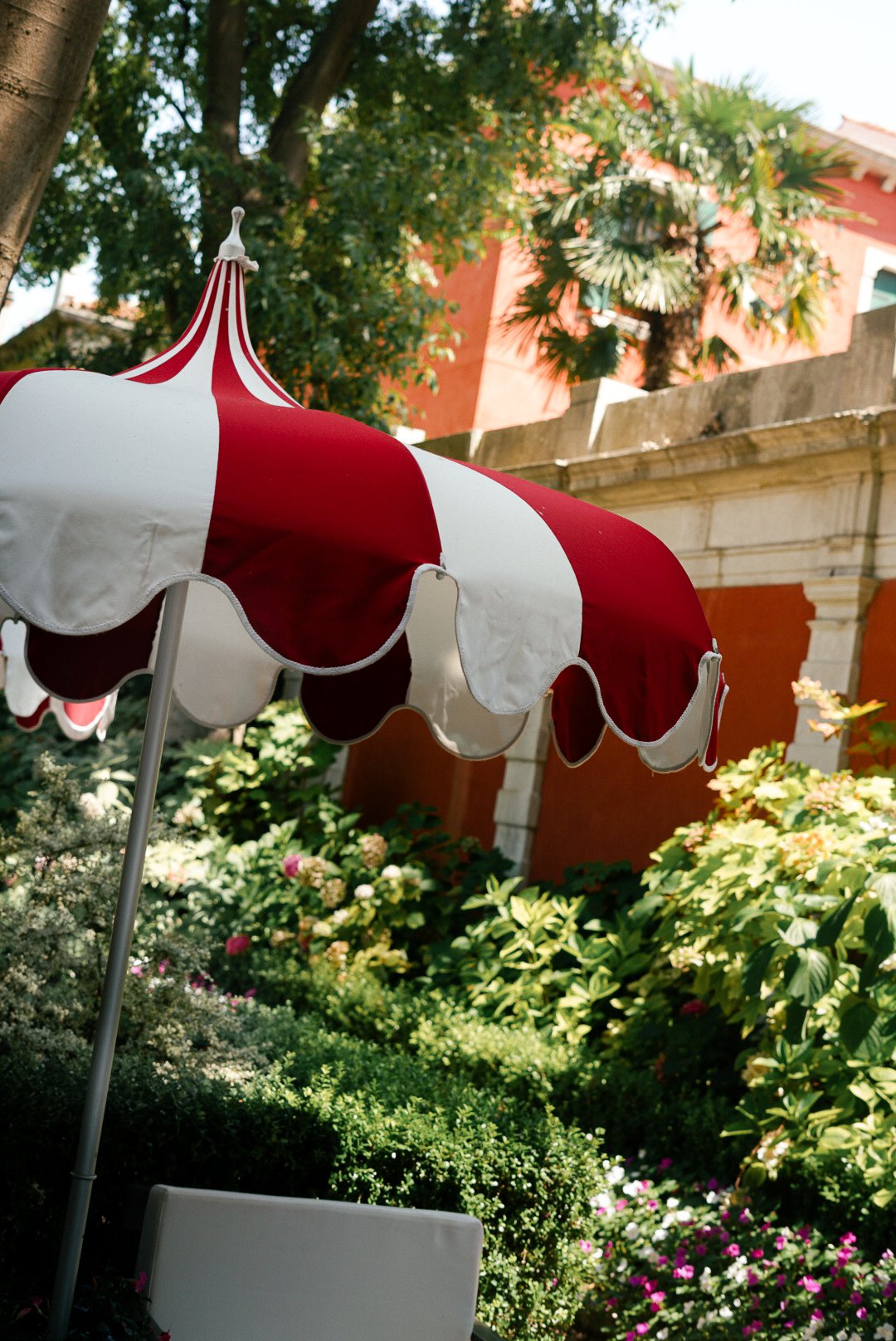
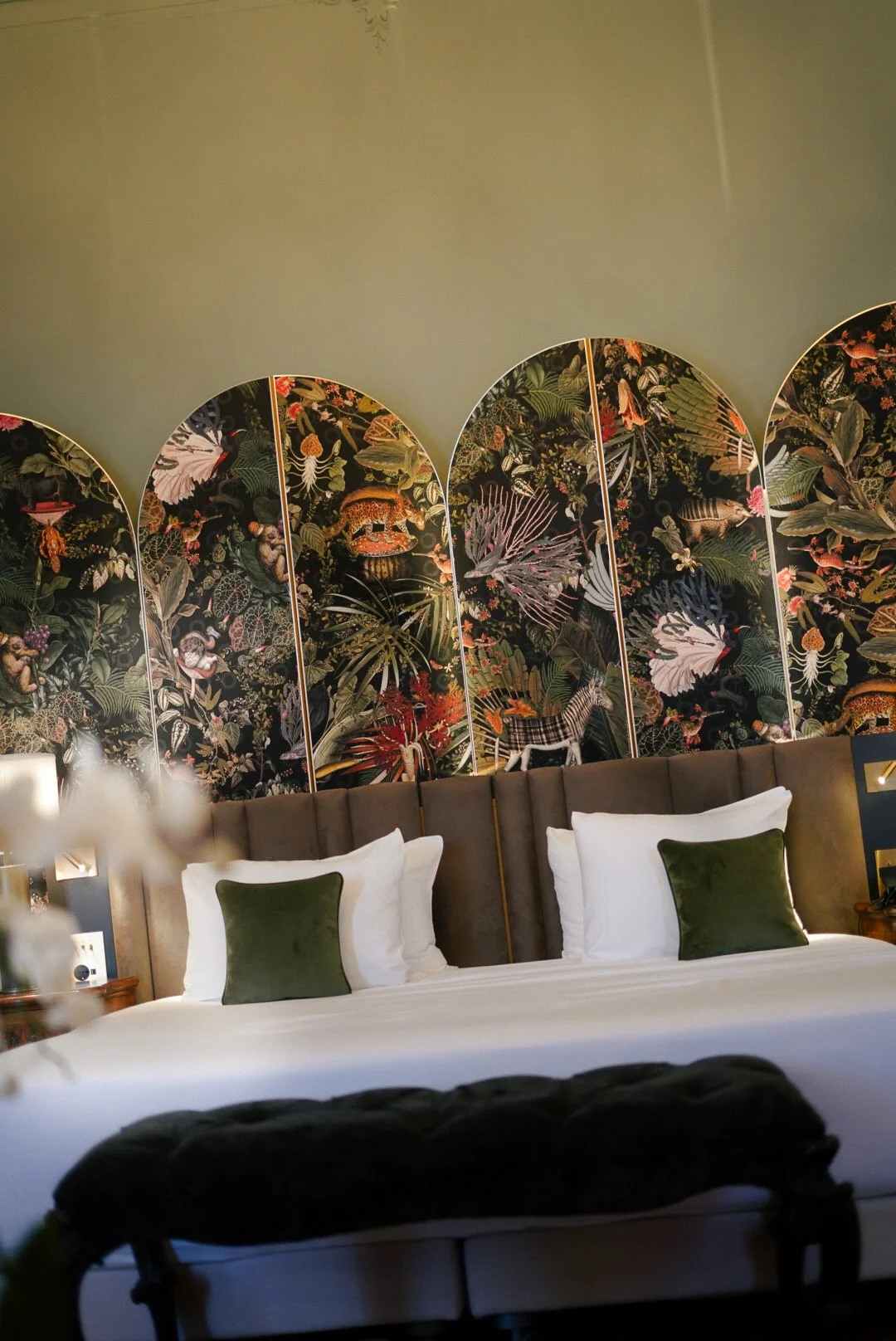
Patarol simply did it with plants. His garden has survived, although the palace around it has changed considerably. The former Palazzo Rizzo-Patarol was later a monastery and an embassy before becoming the NH Collection Venezia Grand Hotel Palazzo dei Dogi. Behind the building, more than 2,000 square metres of garden remain, an unexpectedly expansive piece of green in a city whose image is usually made of water, stone and façades.
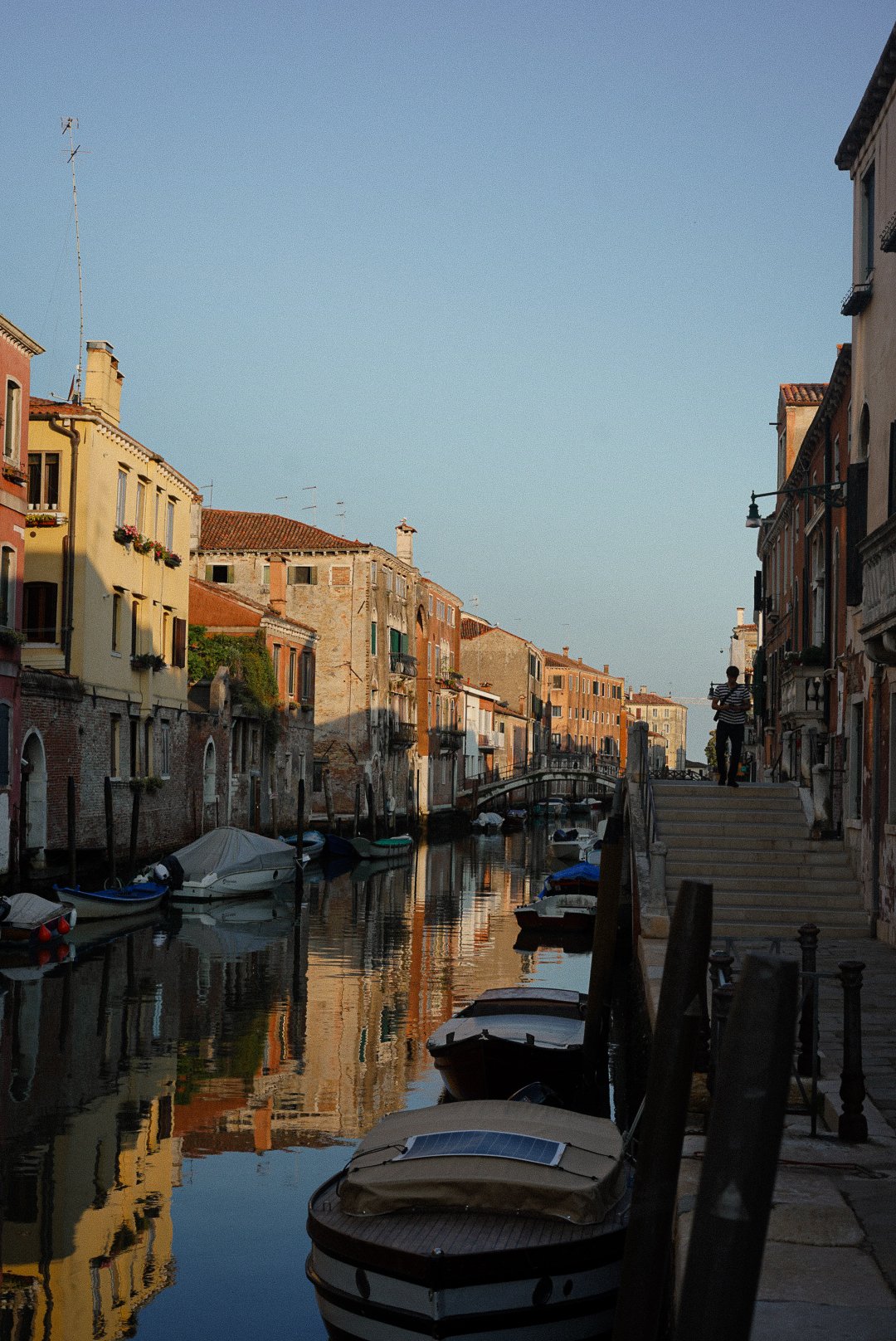
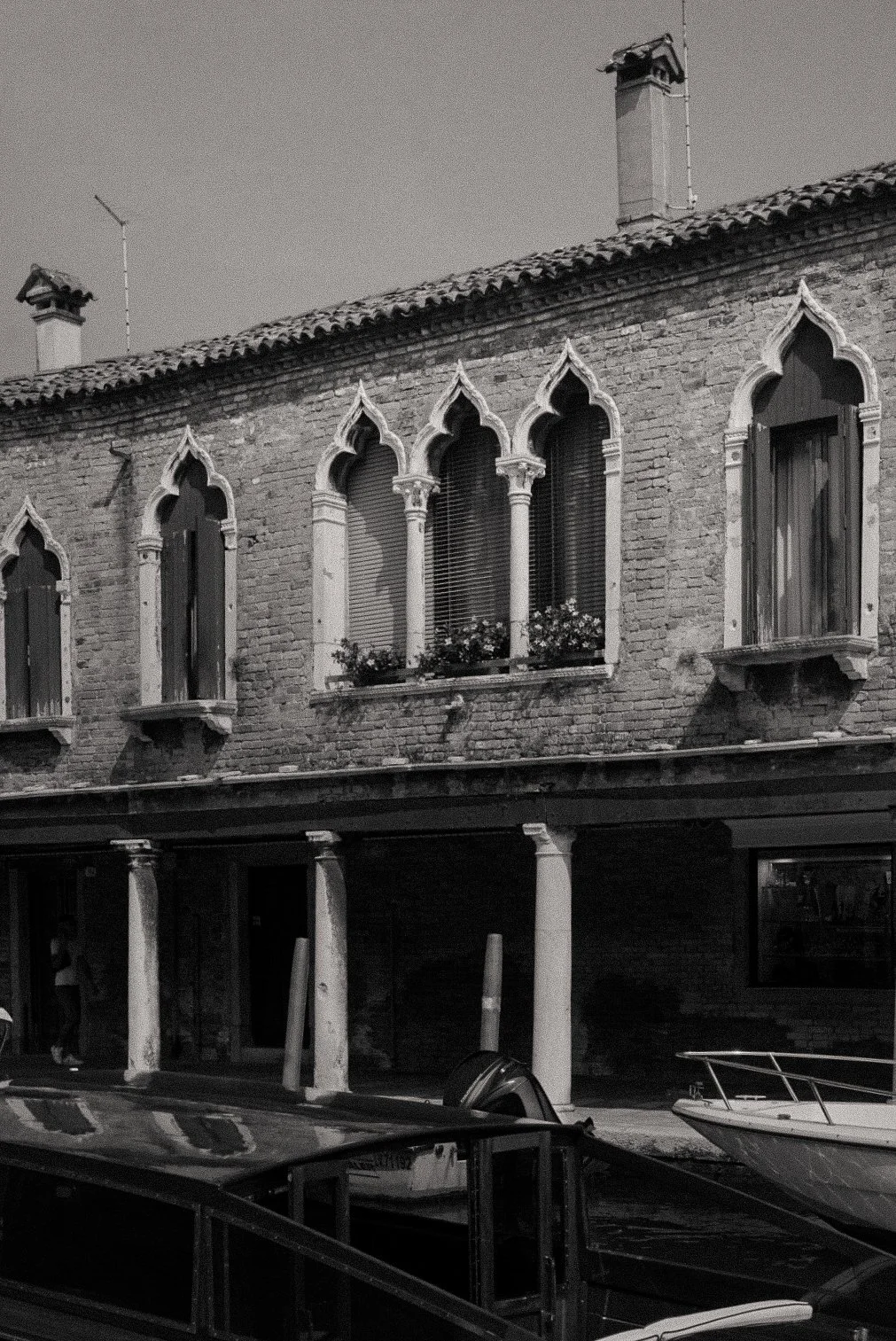
Walking through it, I kept thinking about the strange generosity of collecting something only to give it a place to grow. The hotel itself is tucked into Cannaregio, one of the parts of Venice where the city feels more like a neighbourhood than a postcard. The main routes are close enough when you want them, but around the palazzo there are small workshops, local businesses and the old Jewish Ghetto, giving the area a rhythm considerably different from that around San Marco. It is also a place from which the lagoon is particularly easy to reach.
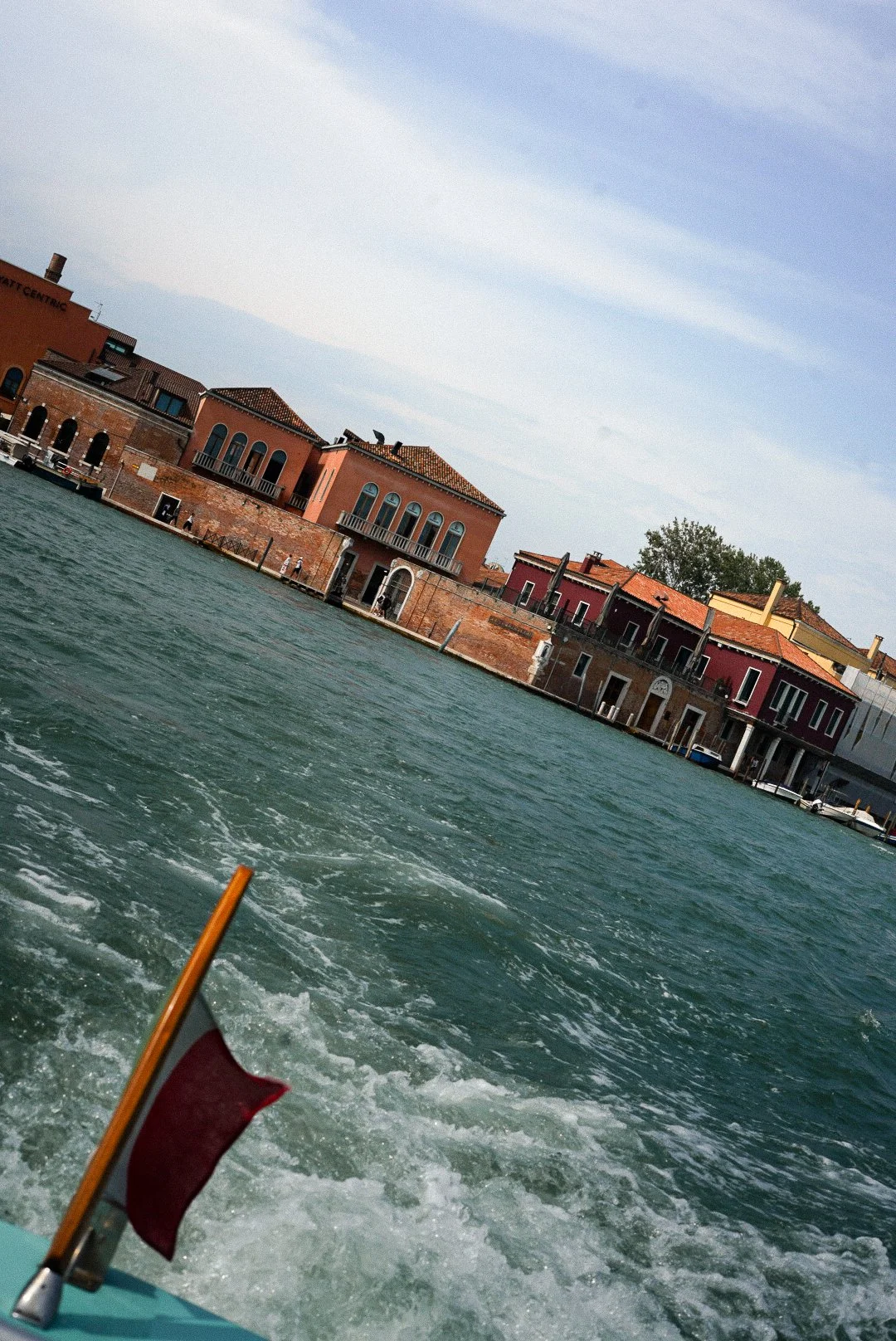
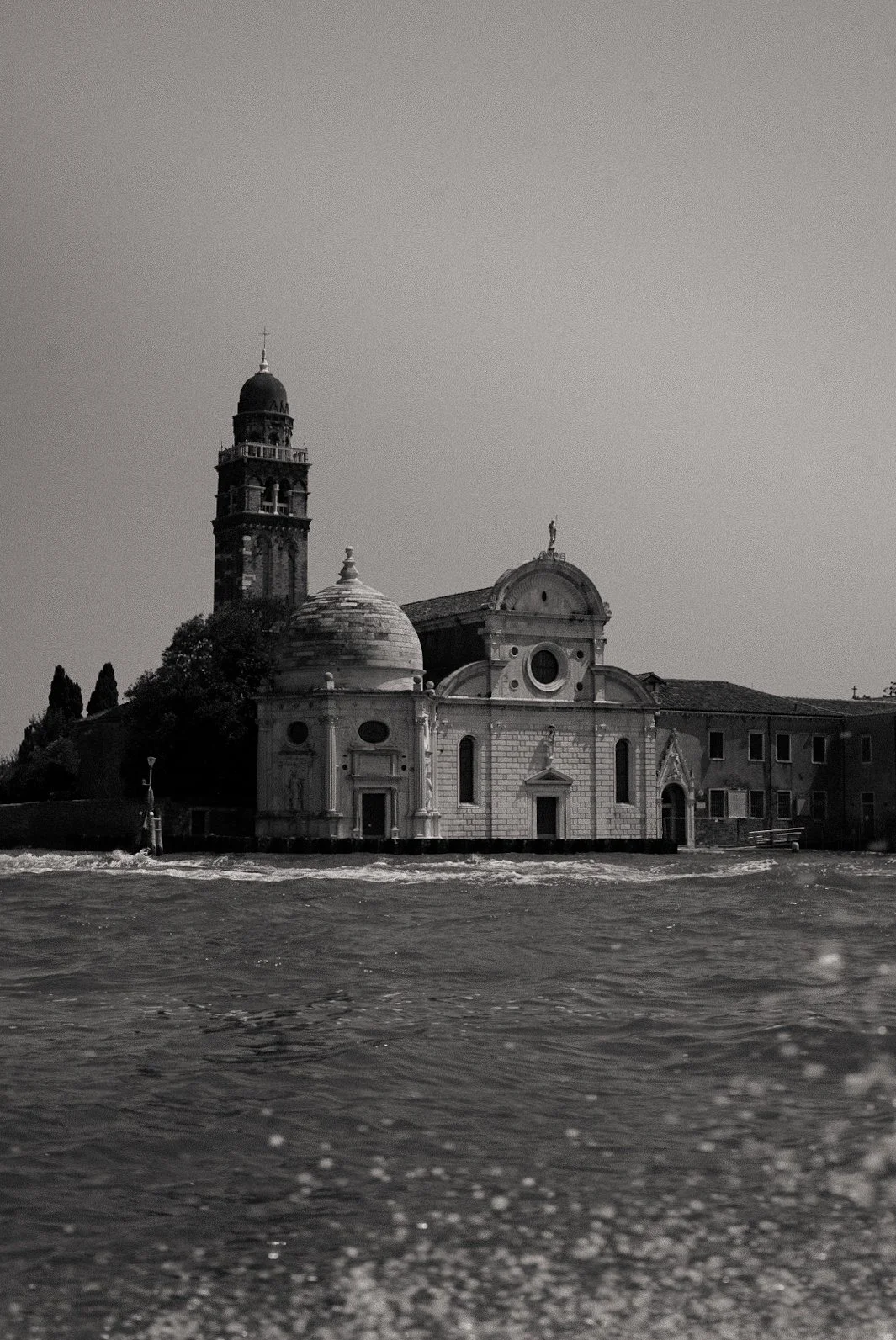
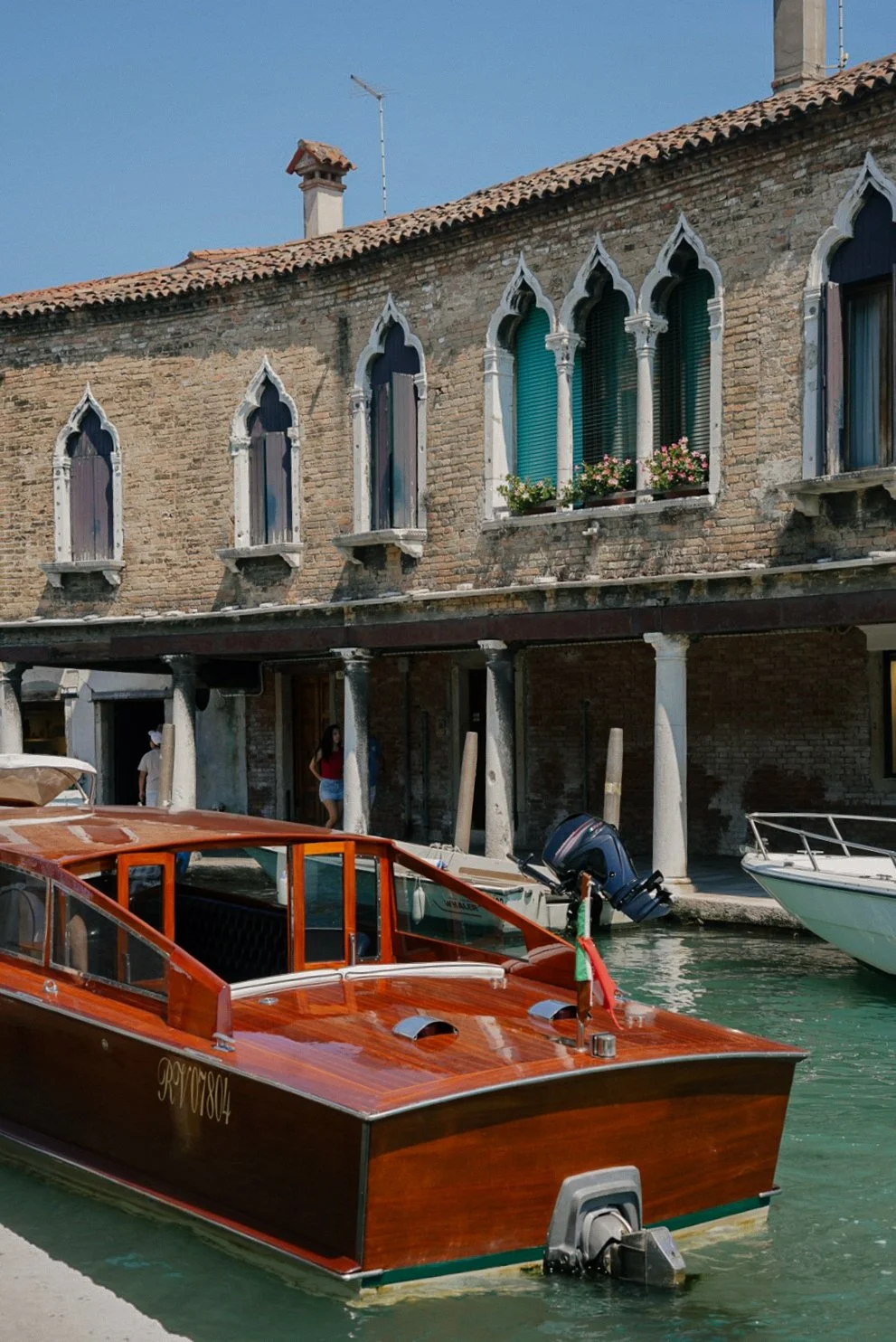
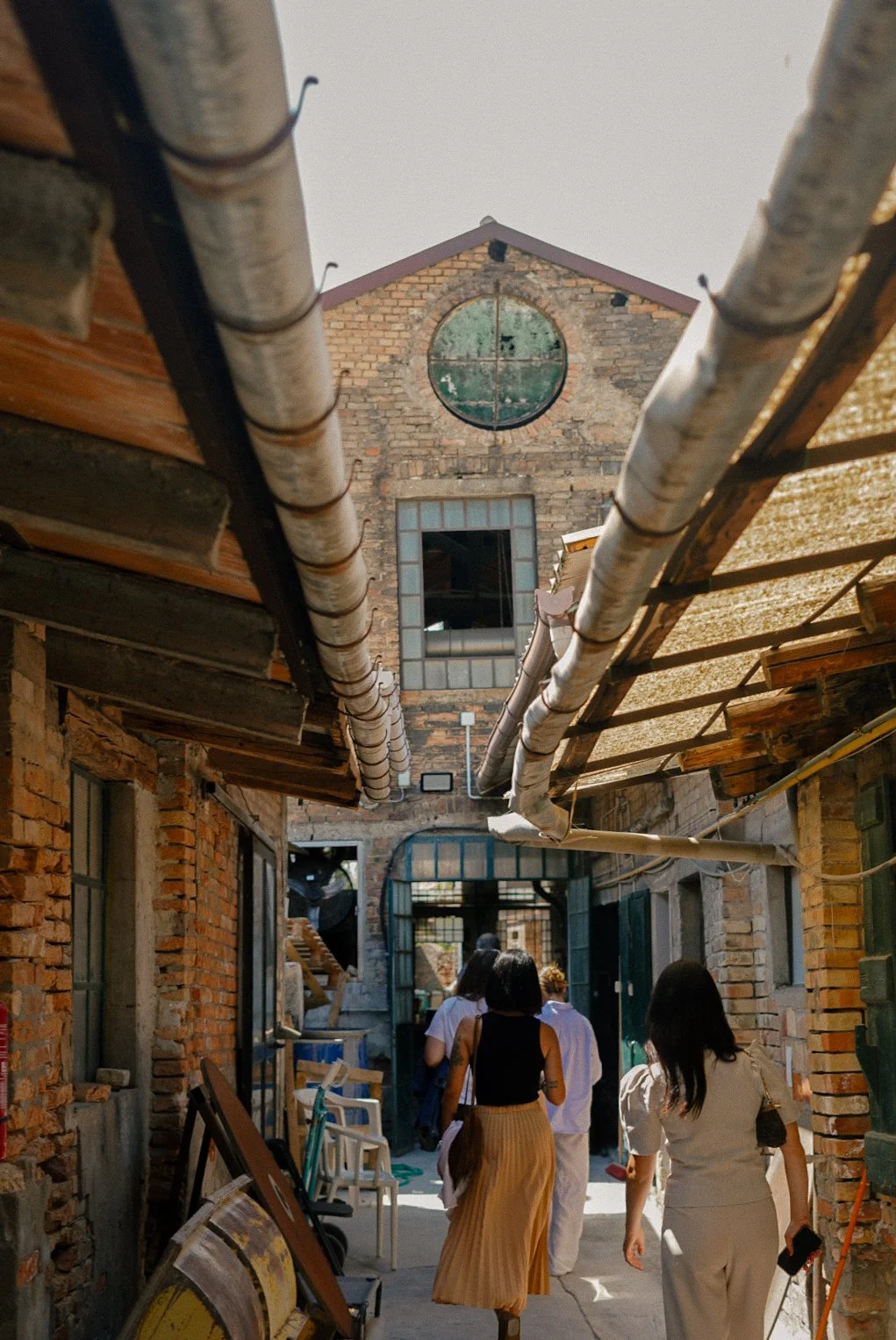
From the canal just outside the palazzo, we took a private boat towards Murano and, within minutes, the palazzo had disappeared behind us and Venice began to unfold in the way it always seems to from the water: a collection of islands that happen to belong to one another.
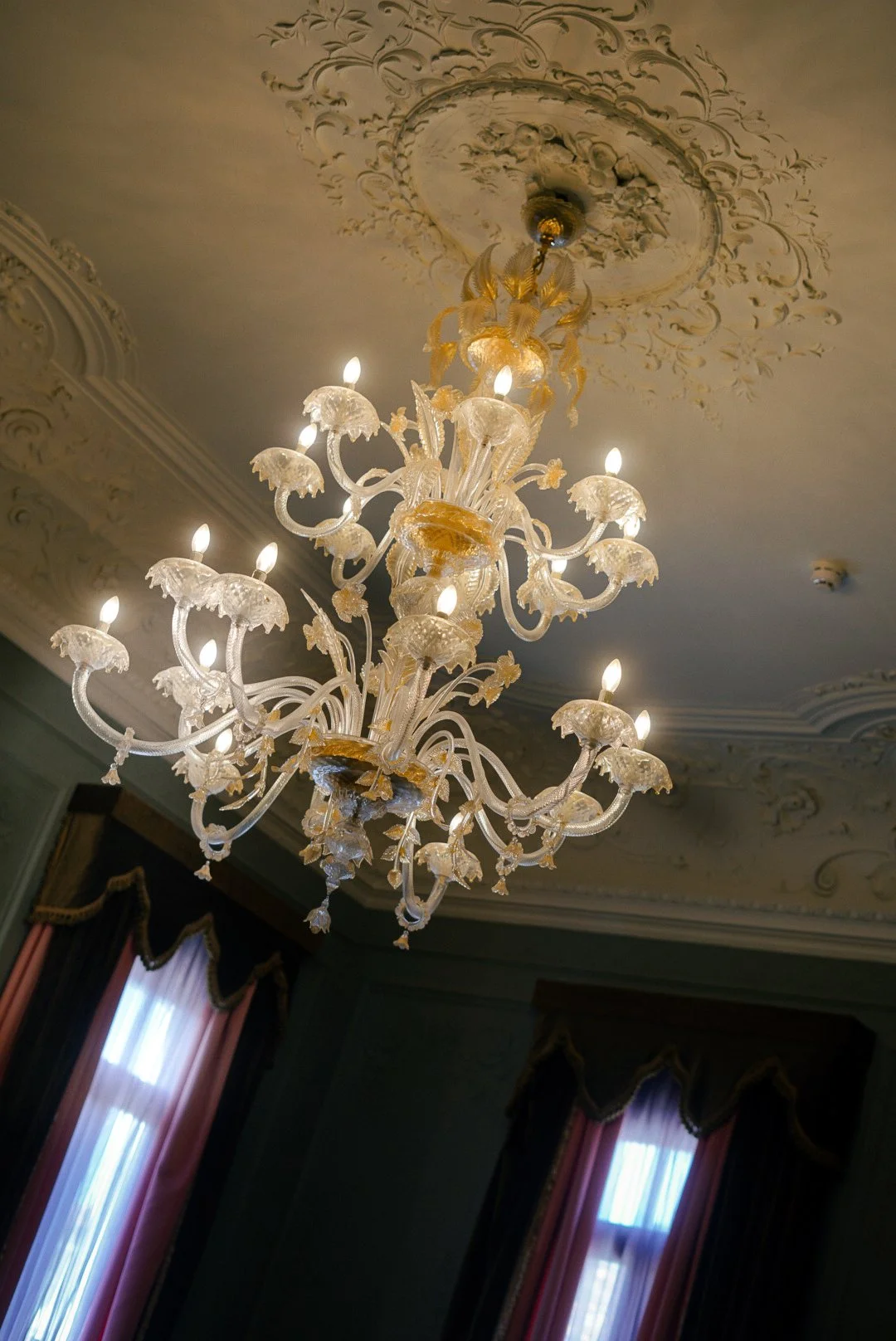
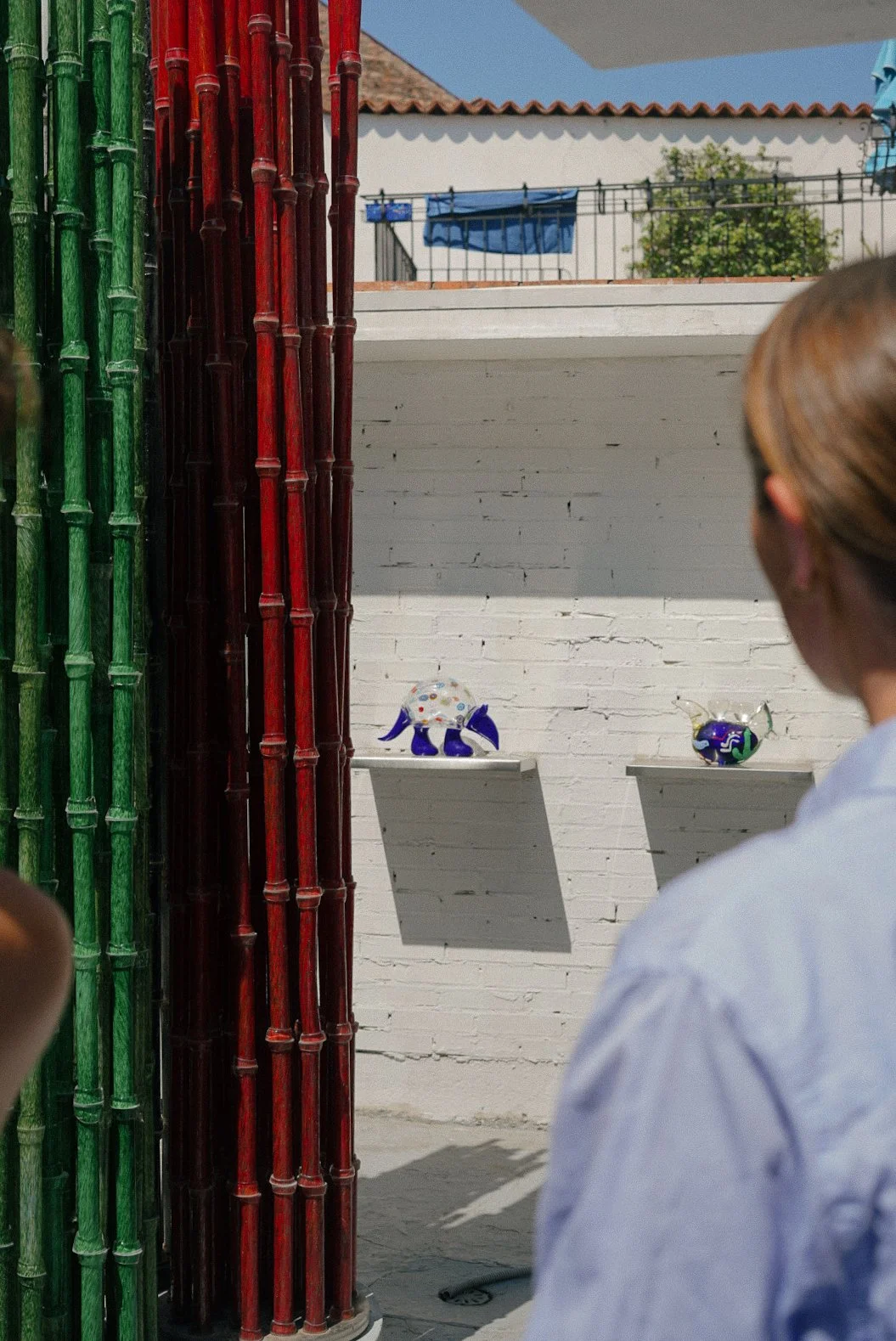
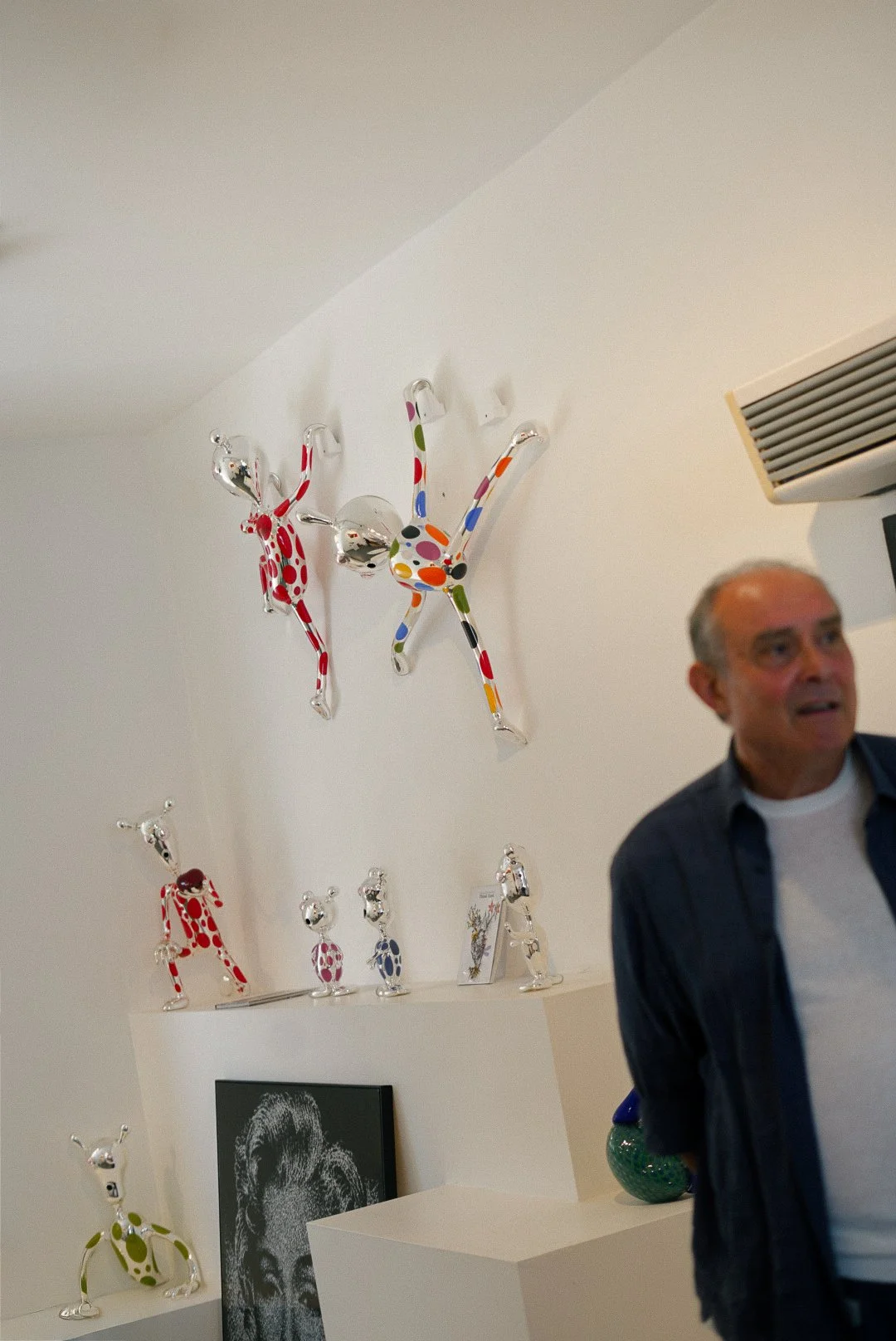
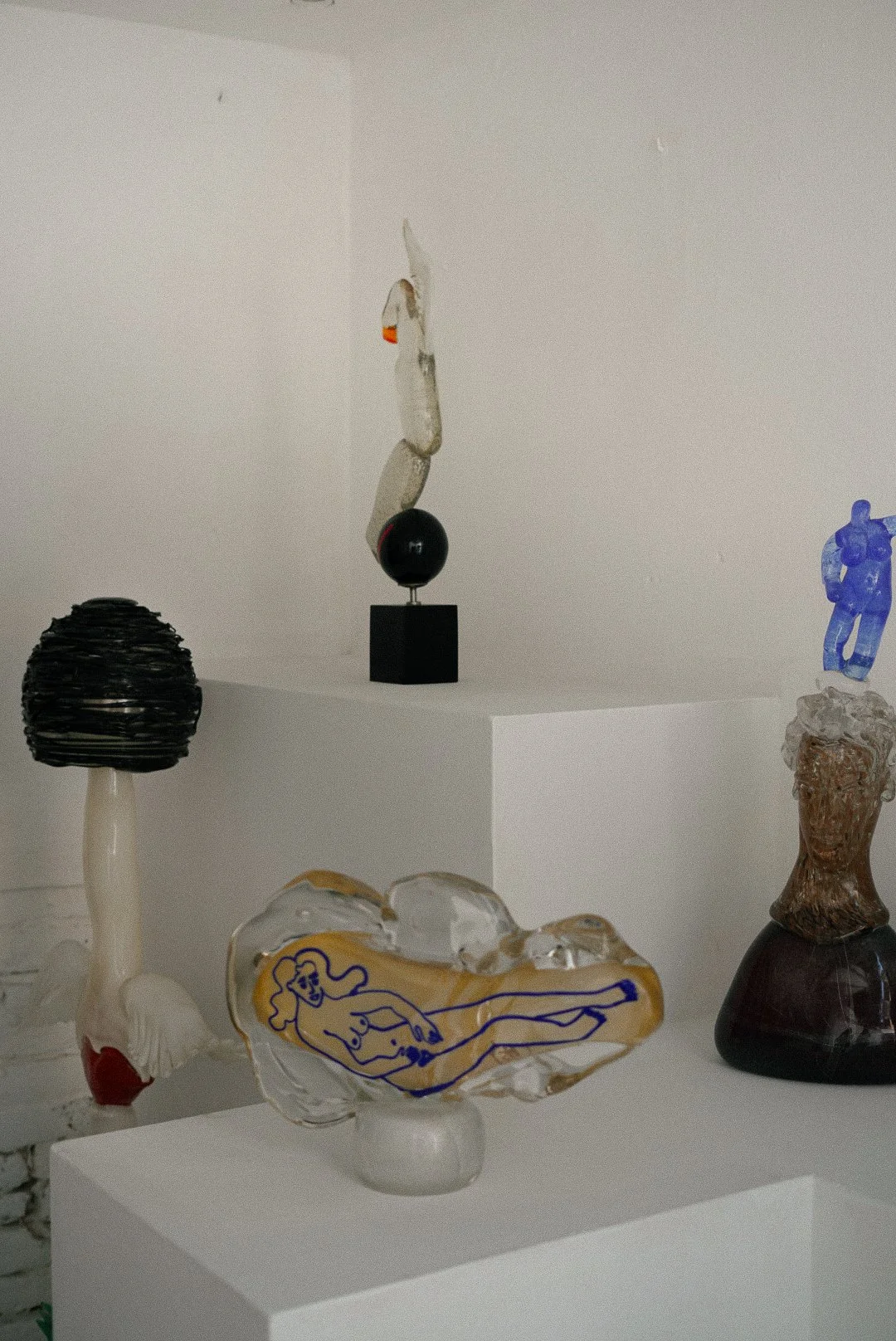
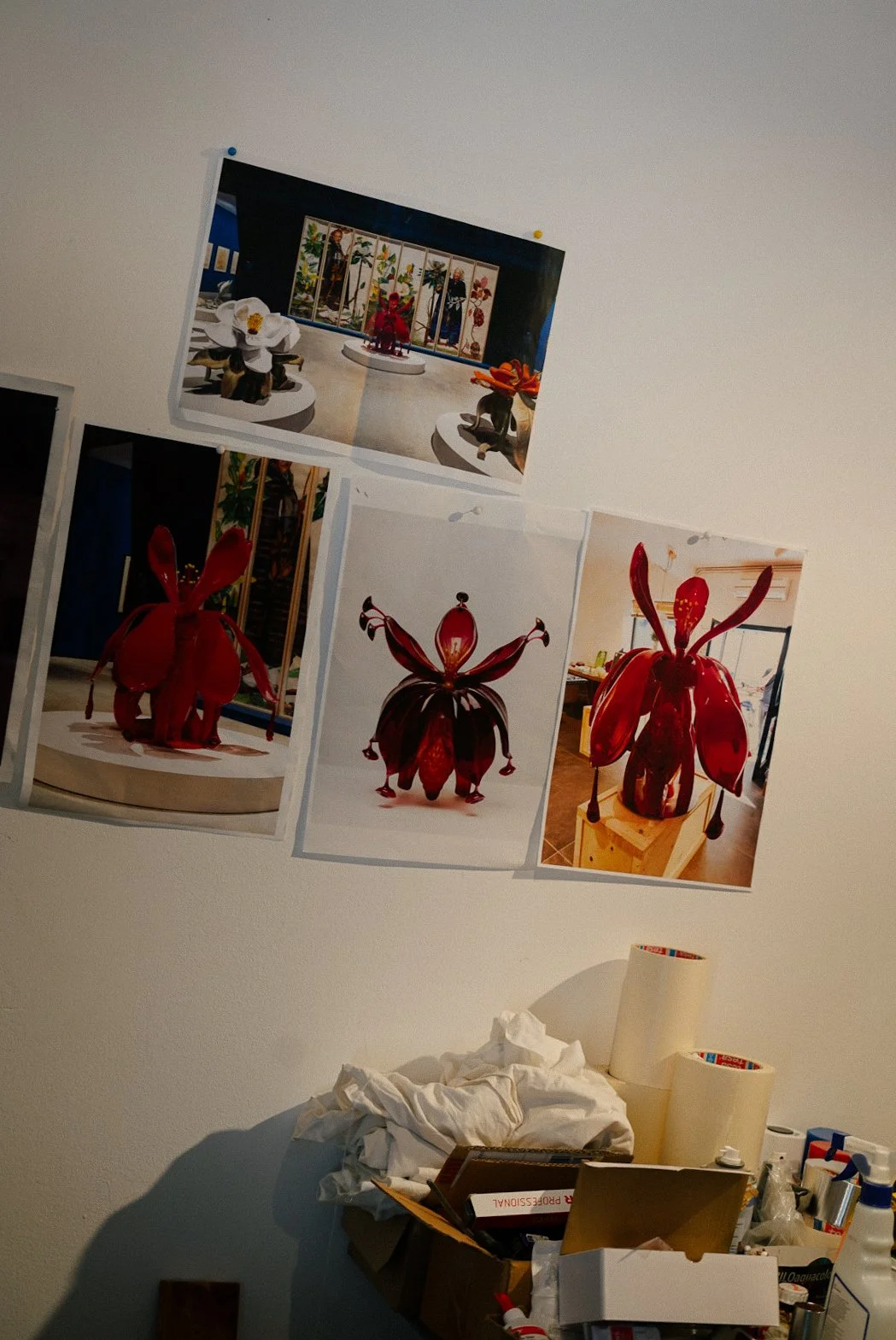
If Patarol’s garden is one way of understanding Venice as a city of collectors, Berengo Studio offers another. Here, the thing being gathered is not botanical but artistic: contemporary ideas brought into one of the oldest glassmaking traditions in Europe.
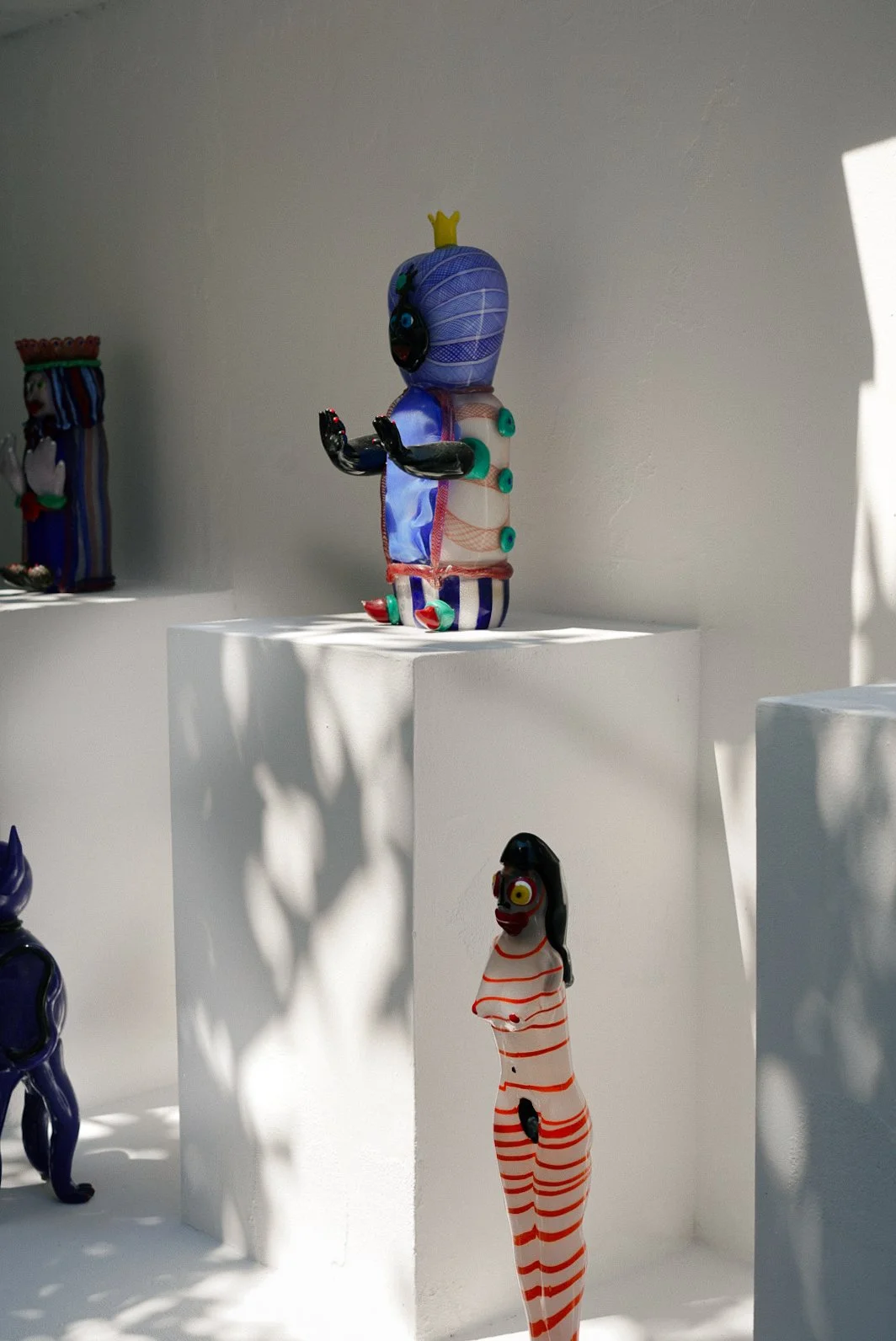
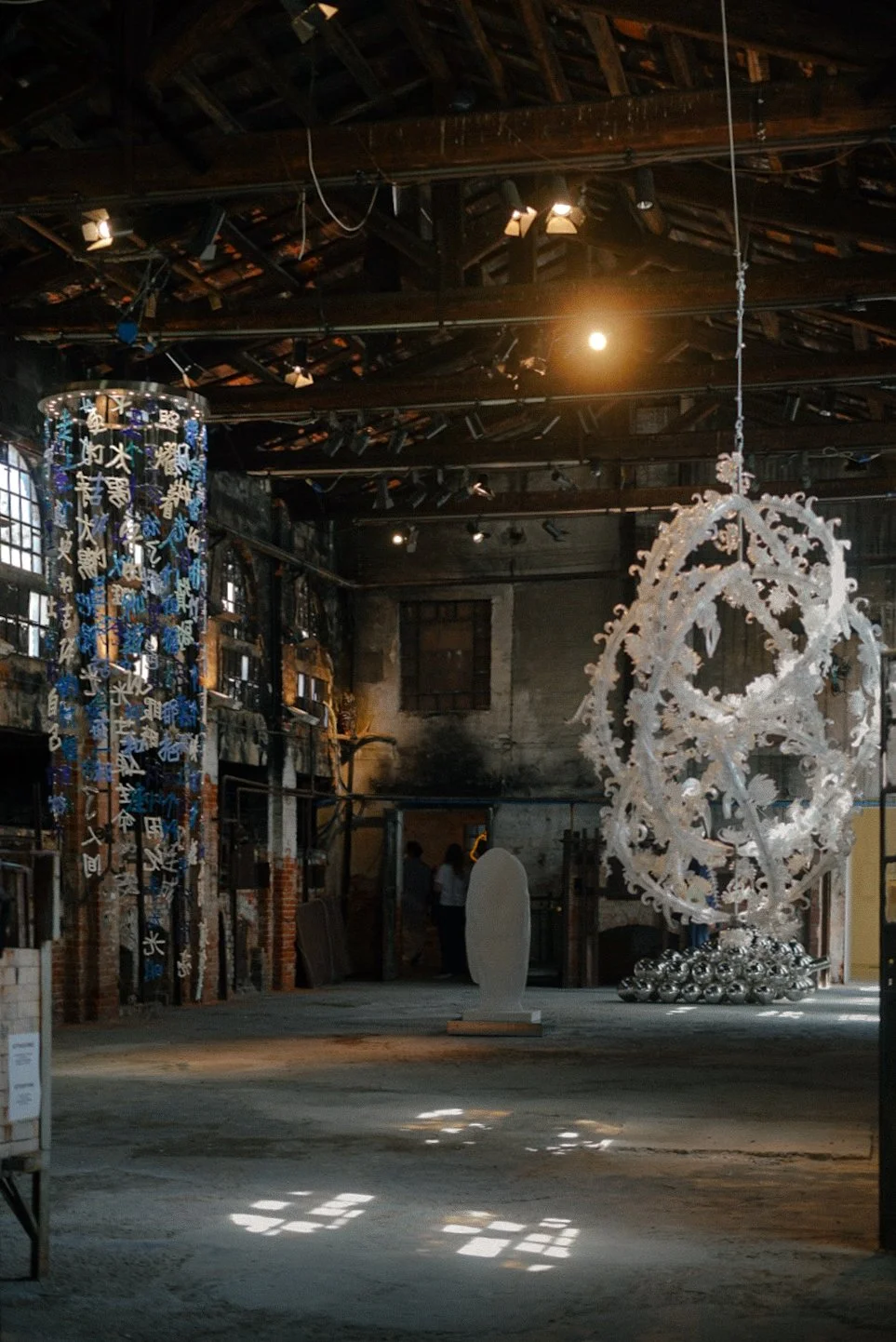
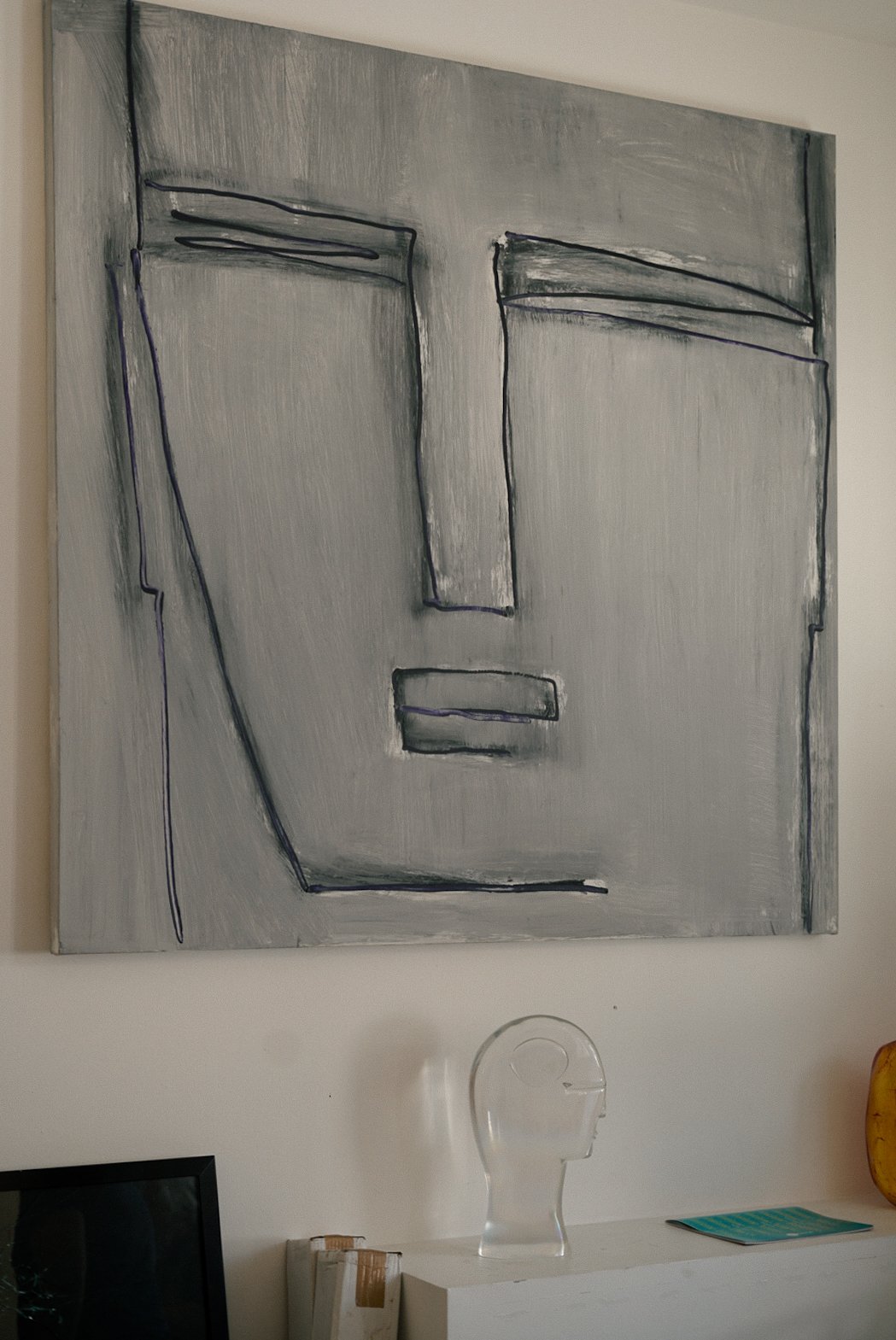
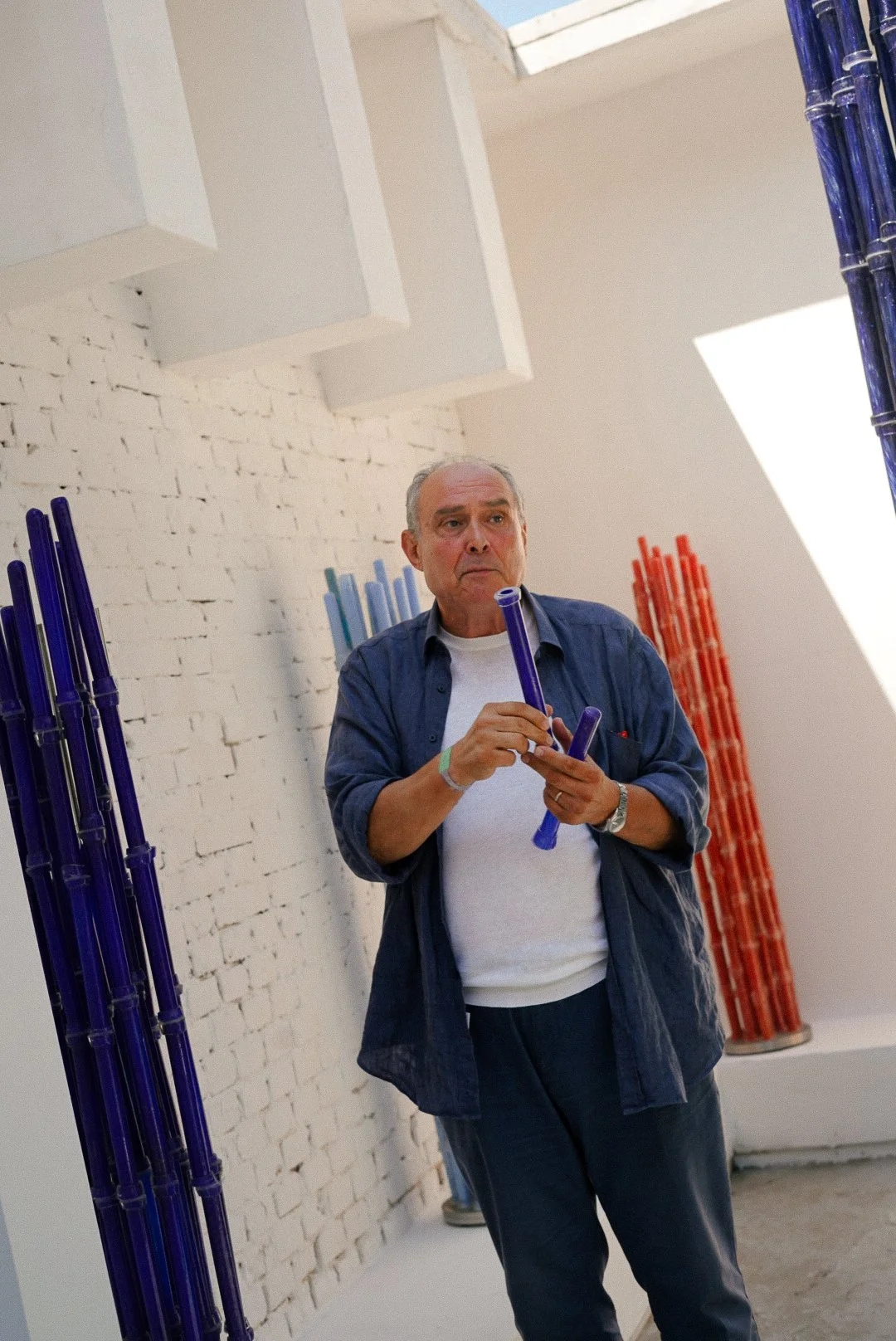
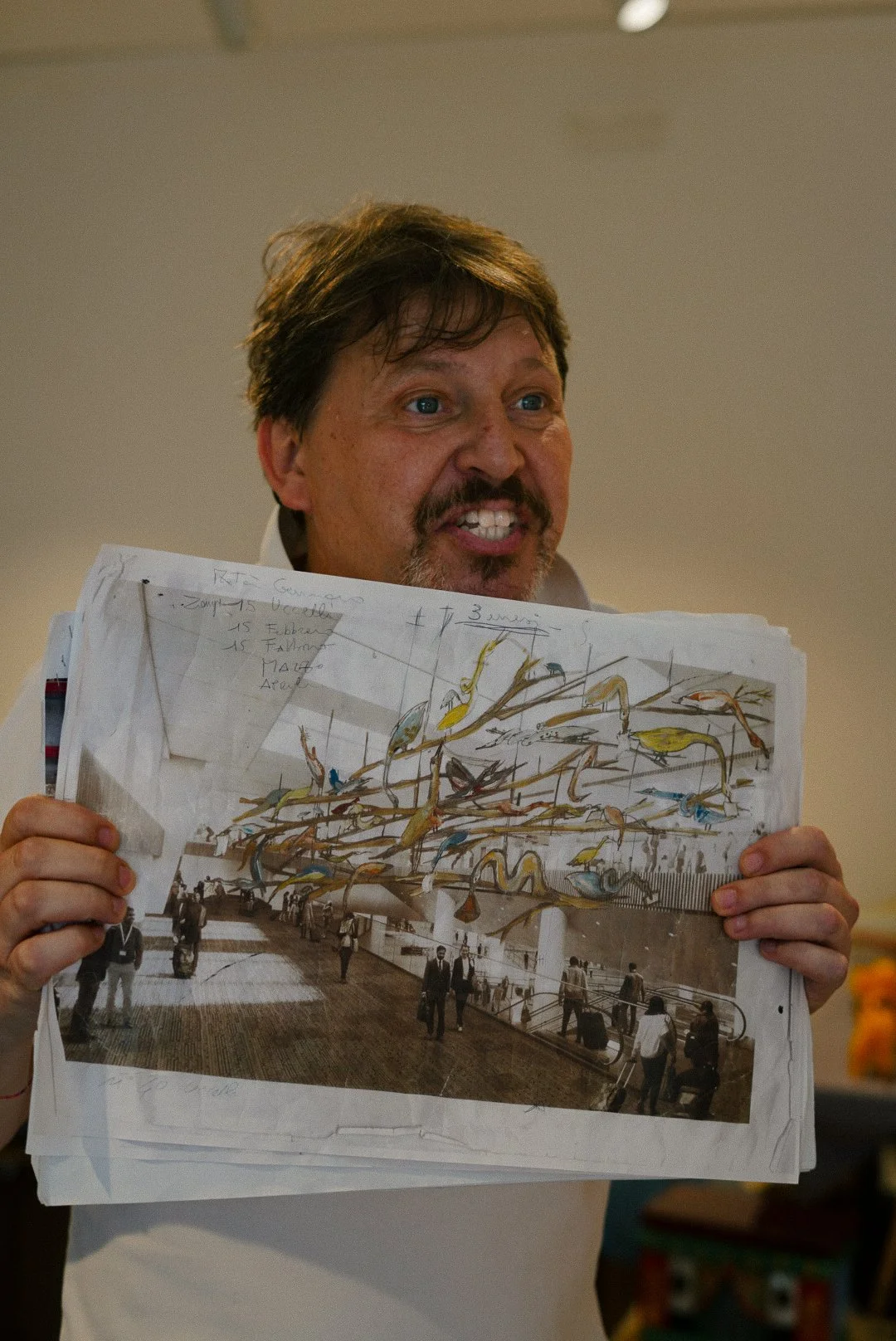
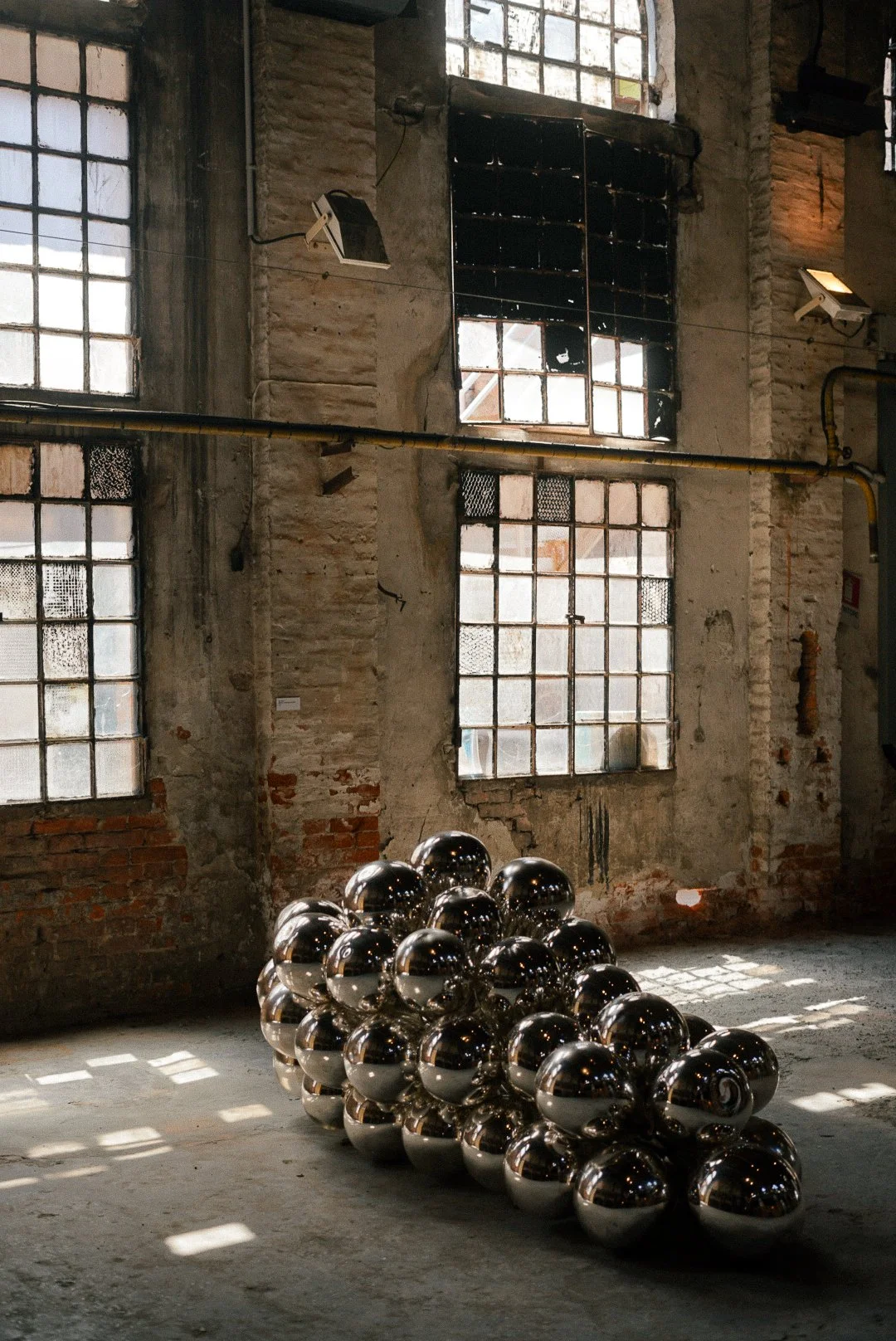
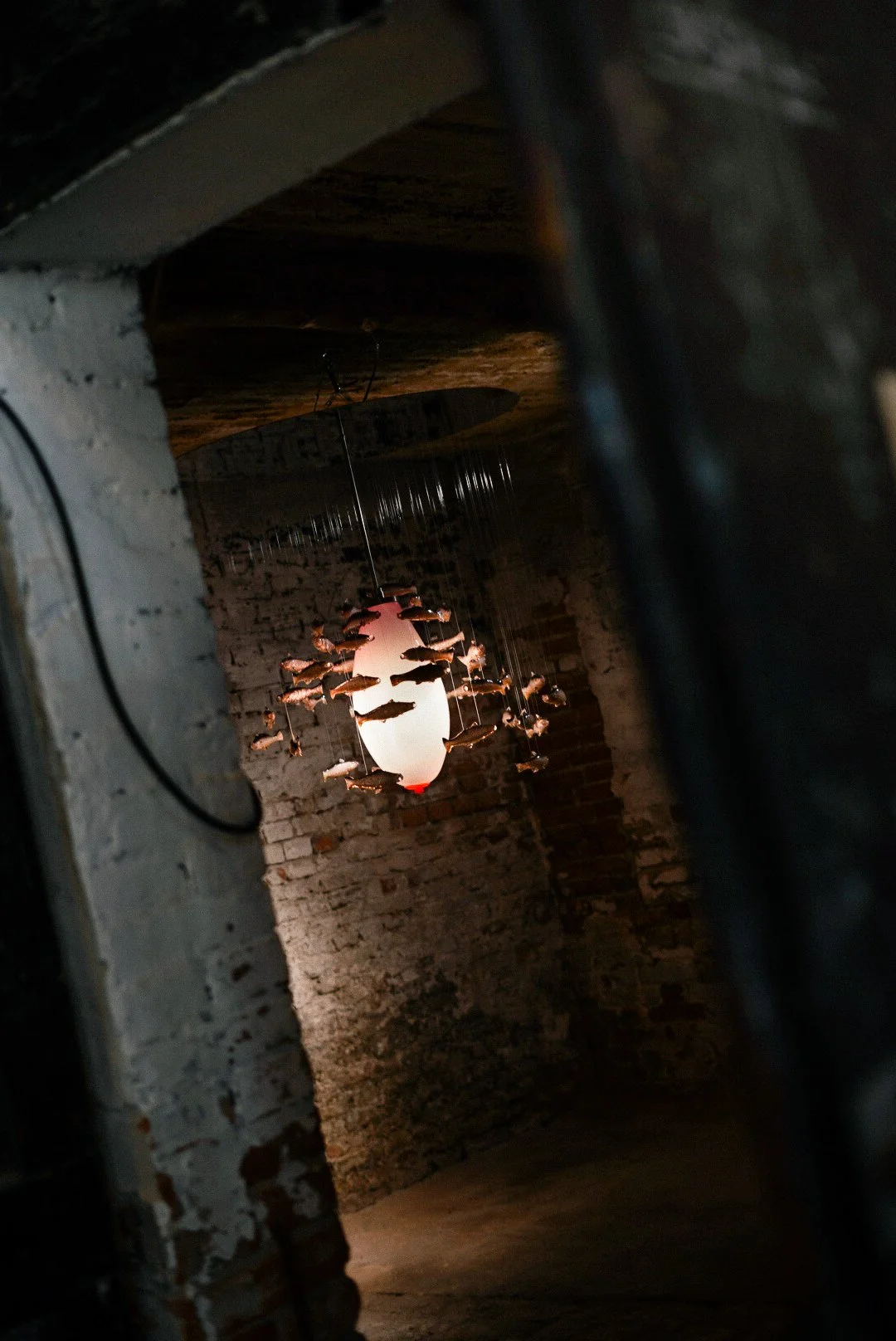
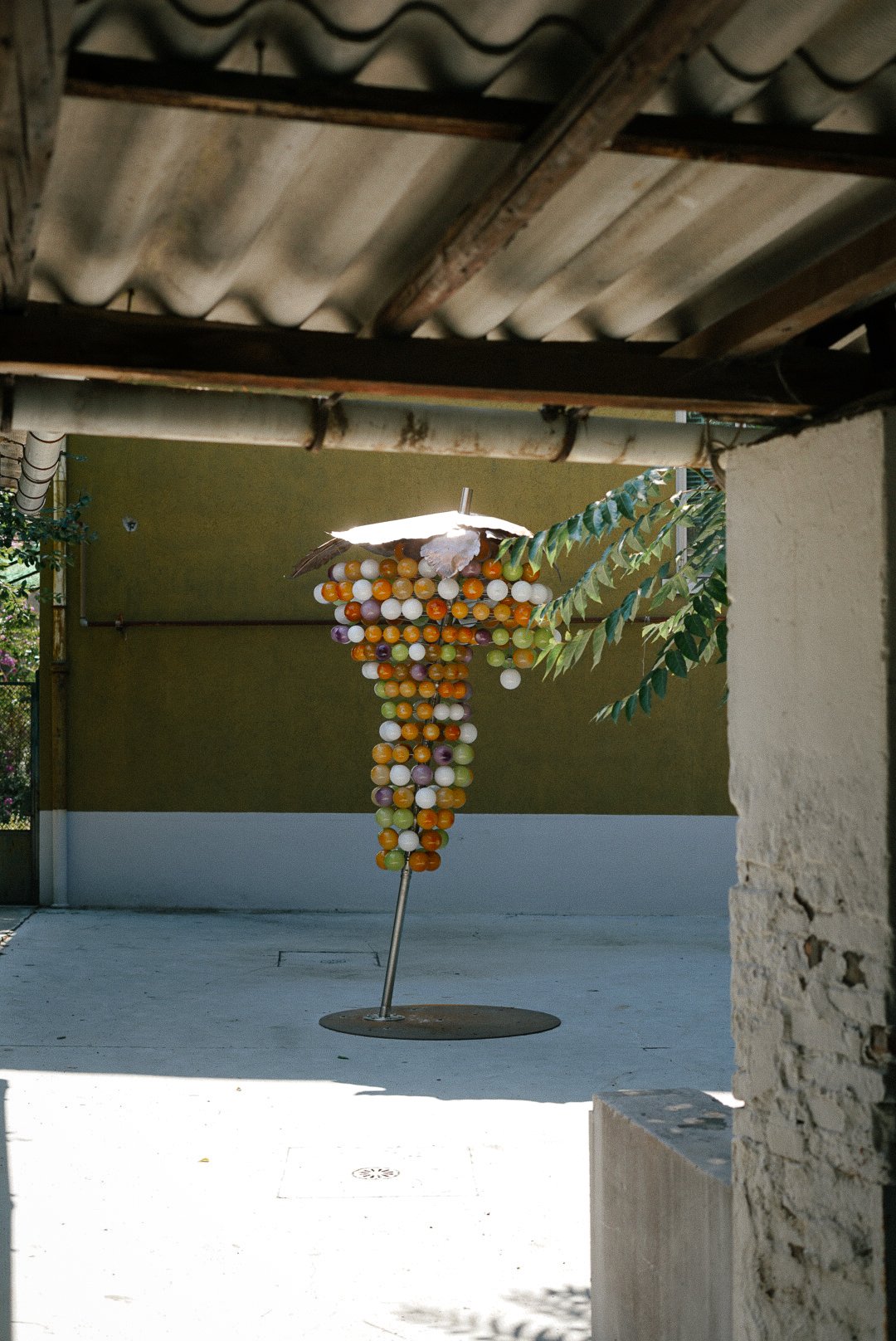
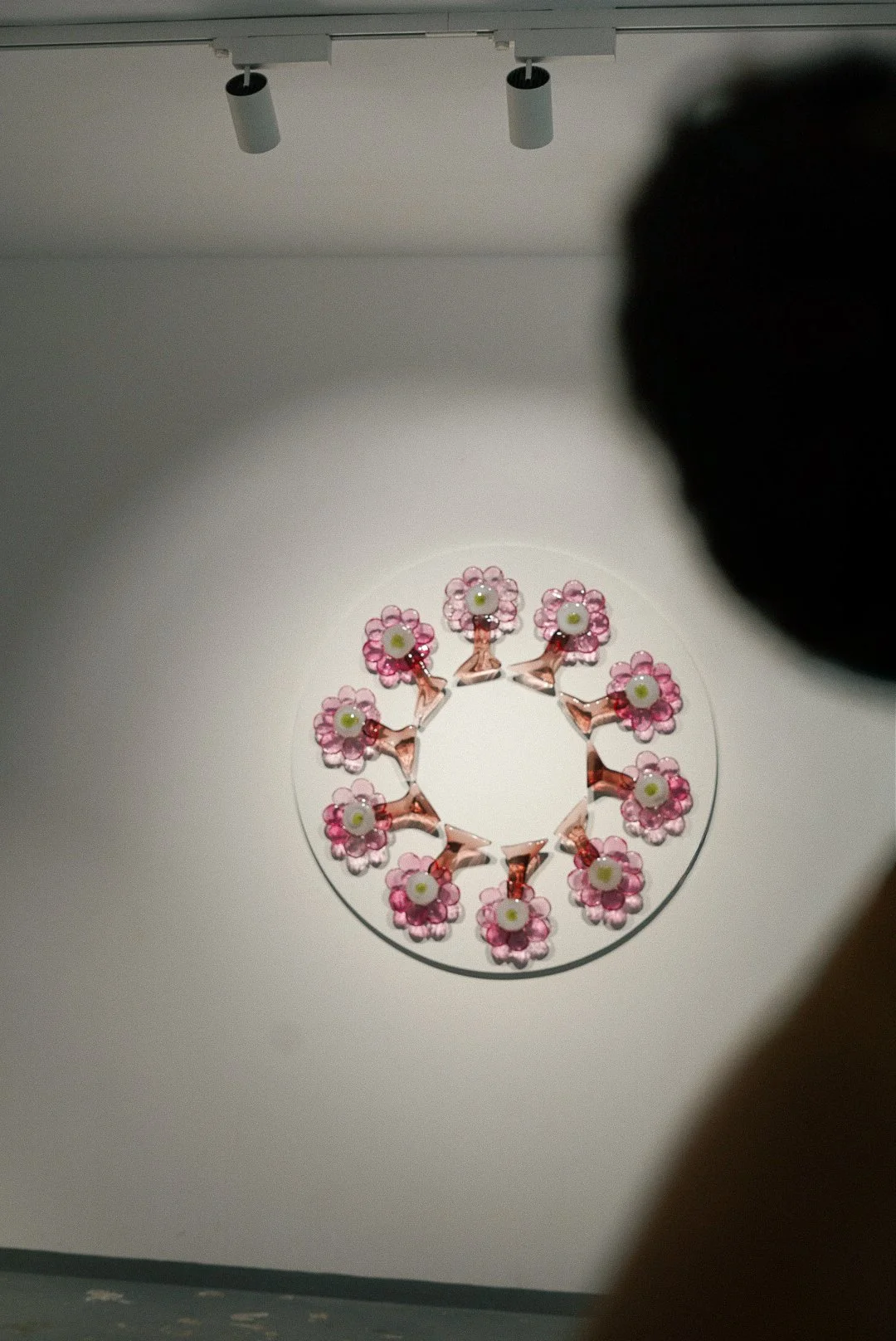
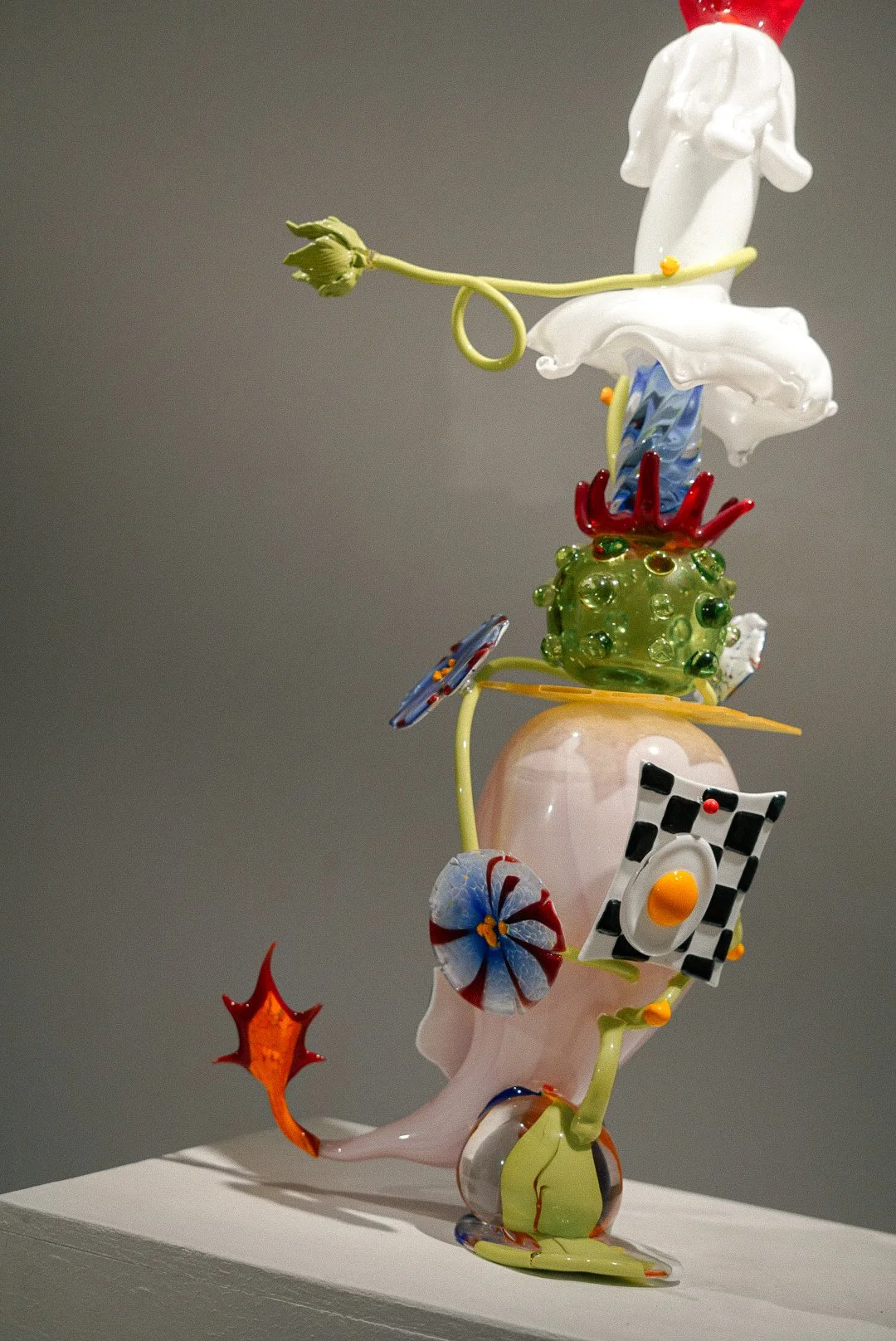
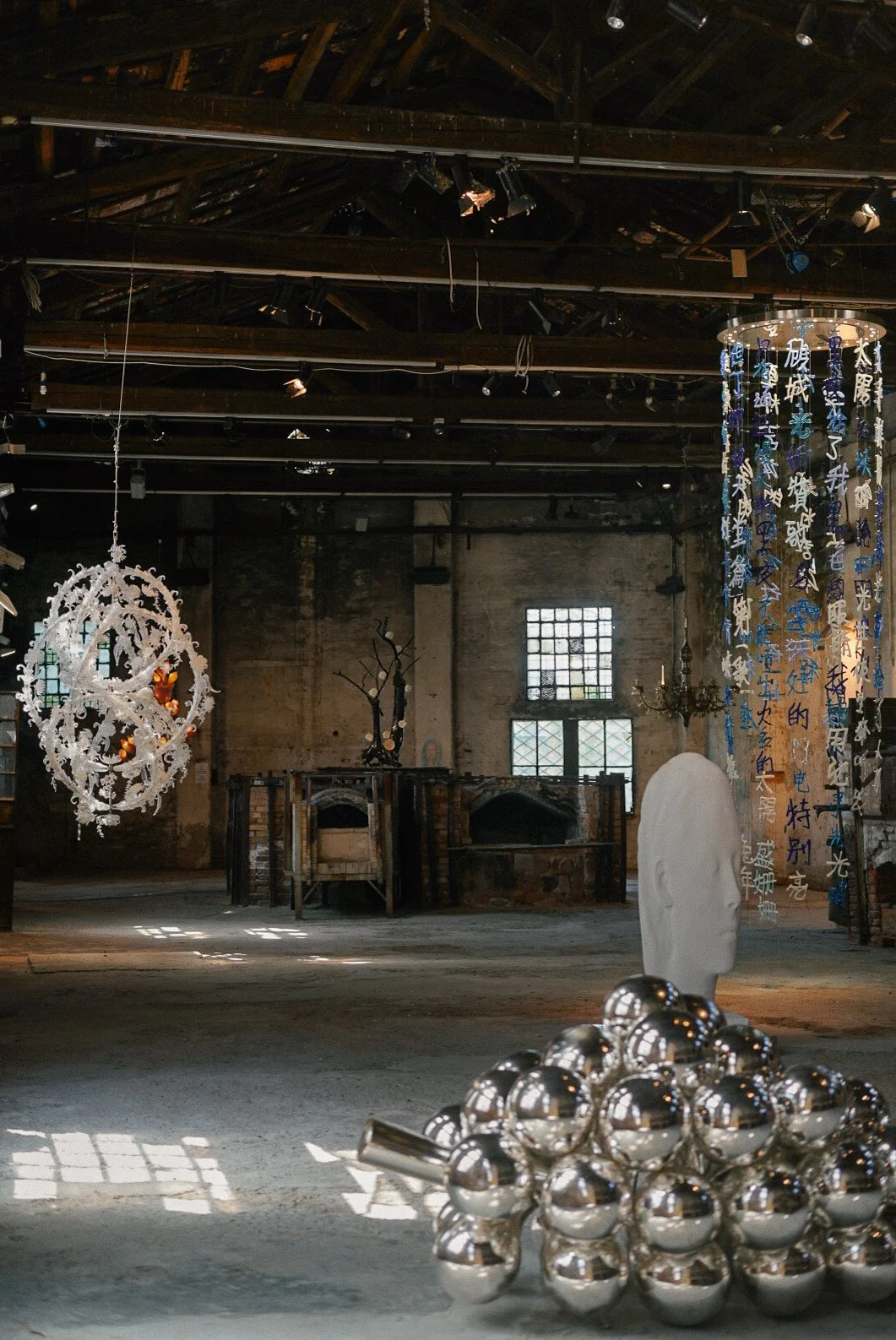
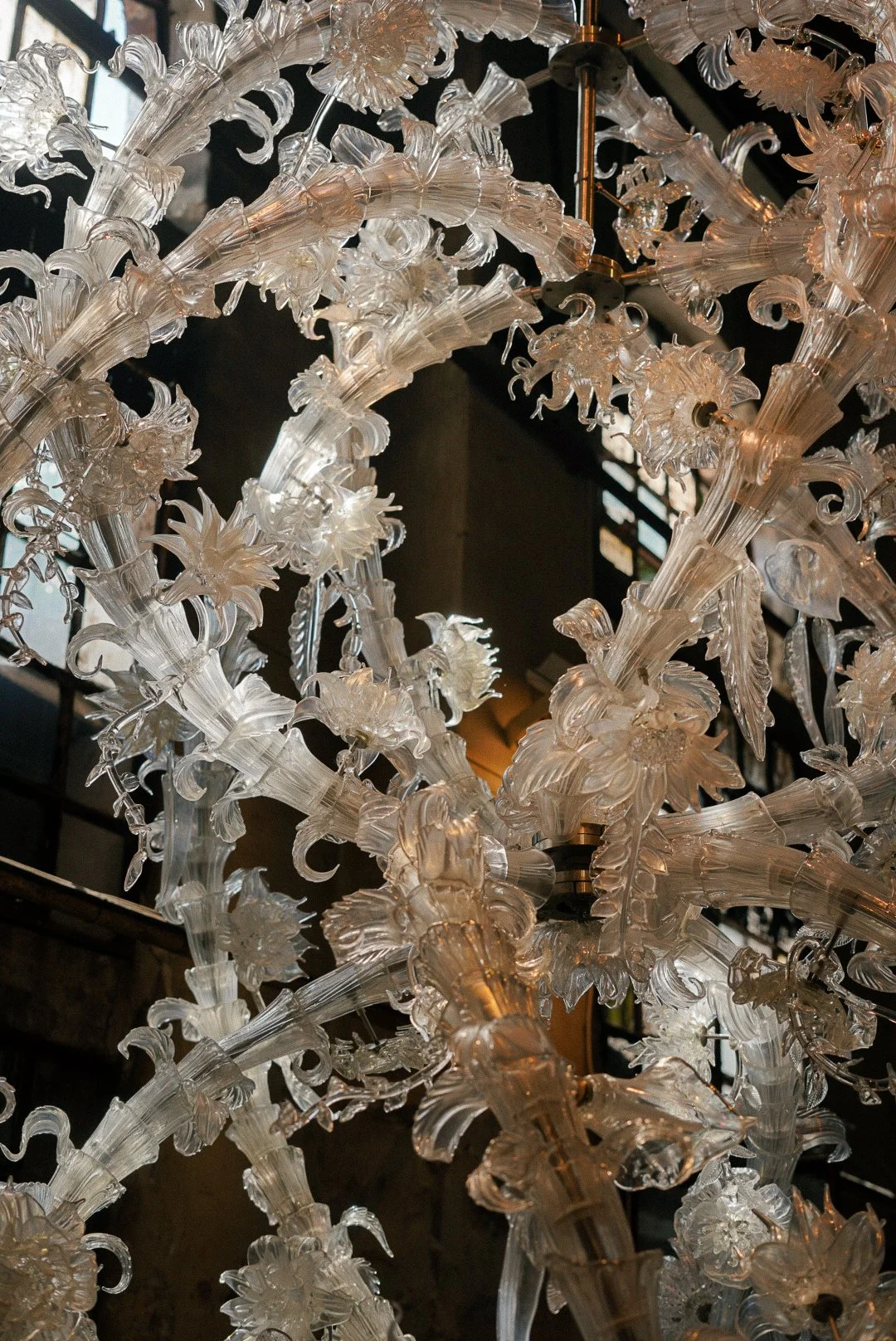
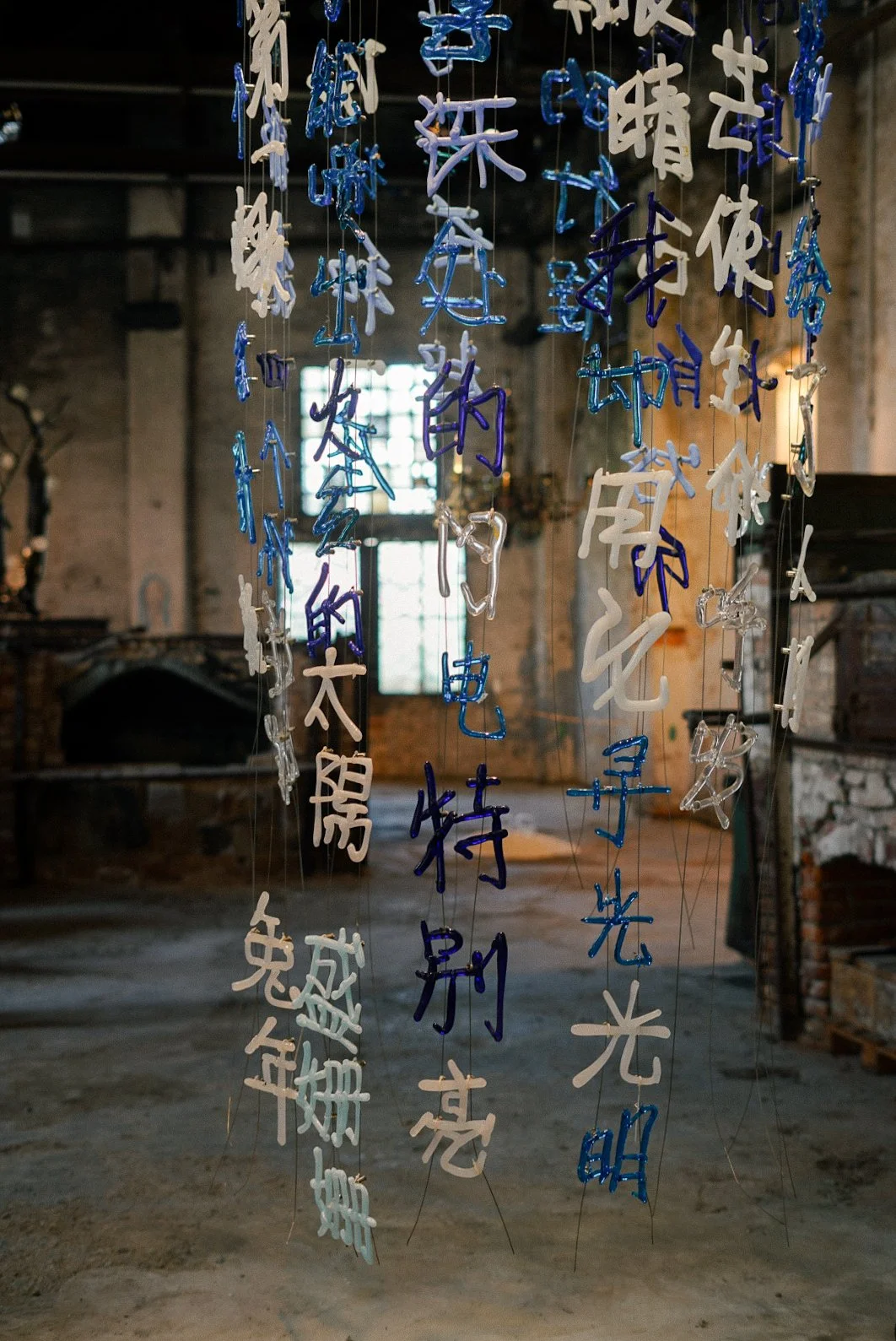
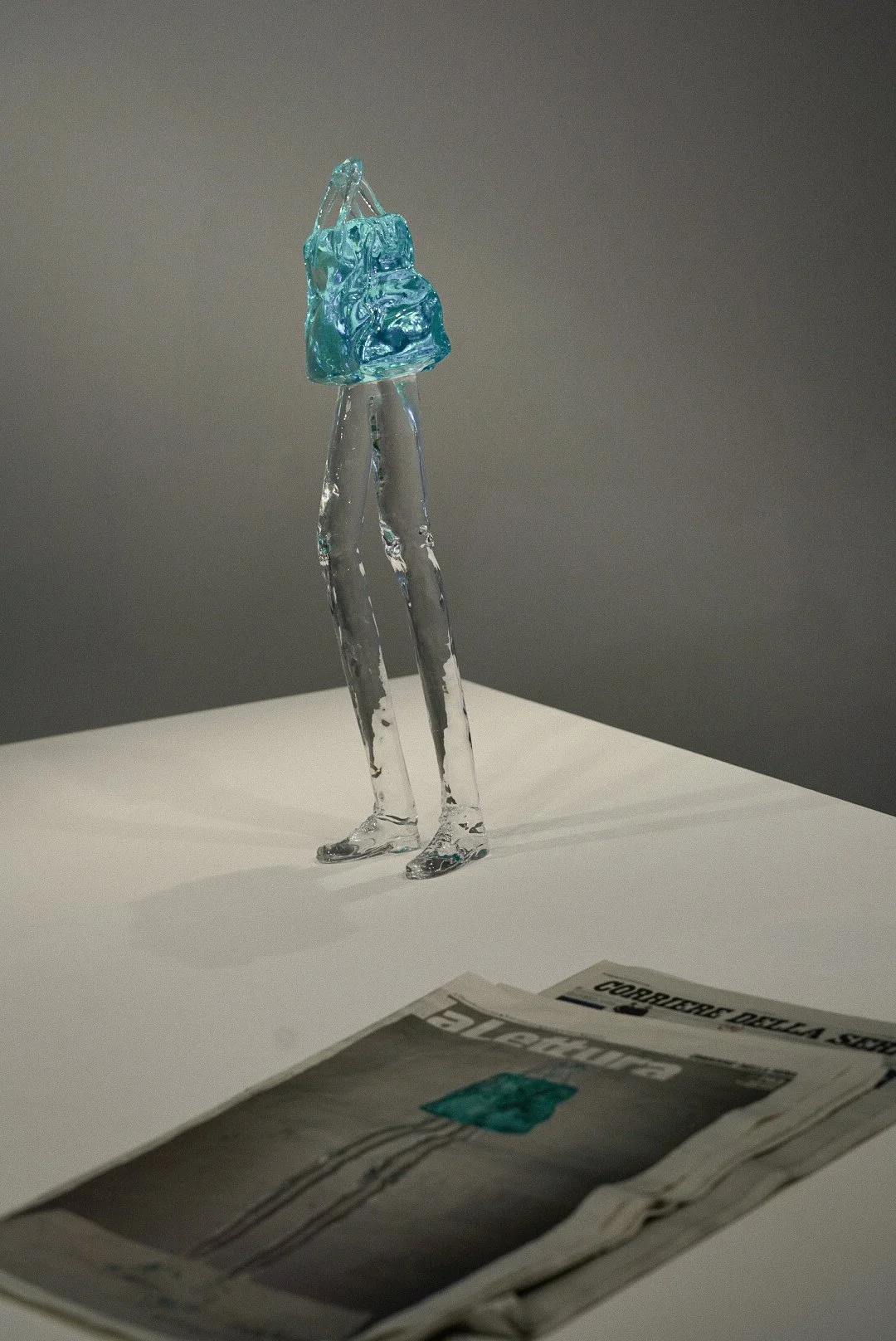
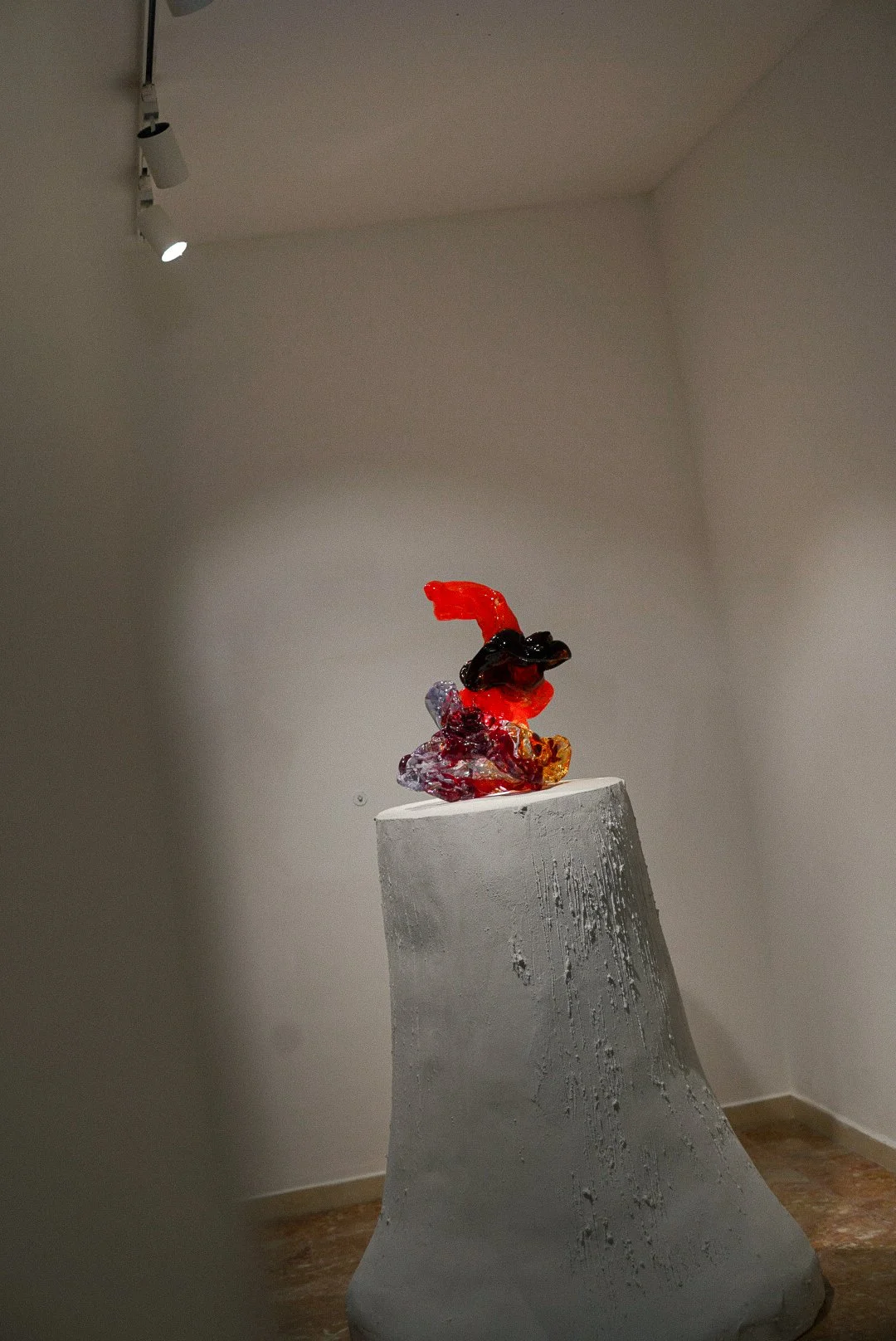
Adriano Berengo founded the studio in 1989 with the intention of putting contemporary artists in contact with Murano’s glassmakers. The list of names that followed is remarkable: Ai Weiwei, Tracey Emin, Louise Bourgeois, Jaume Plensa, Kiki Smith and many others have all worked with the studio or its wider artistic programme. But the interesting part is not simply seeing a recognisable contemporary artist rendered in glass, it is seeing what happens when an artist has to work within the stubborn physical rules of the material.
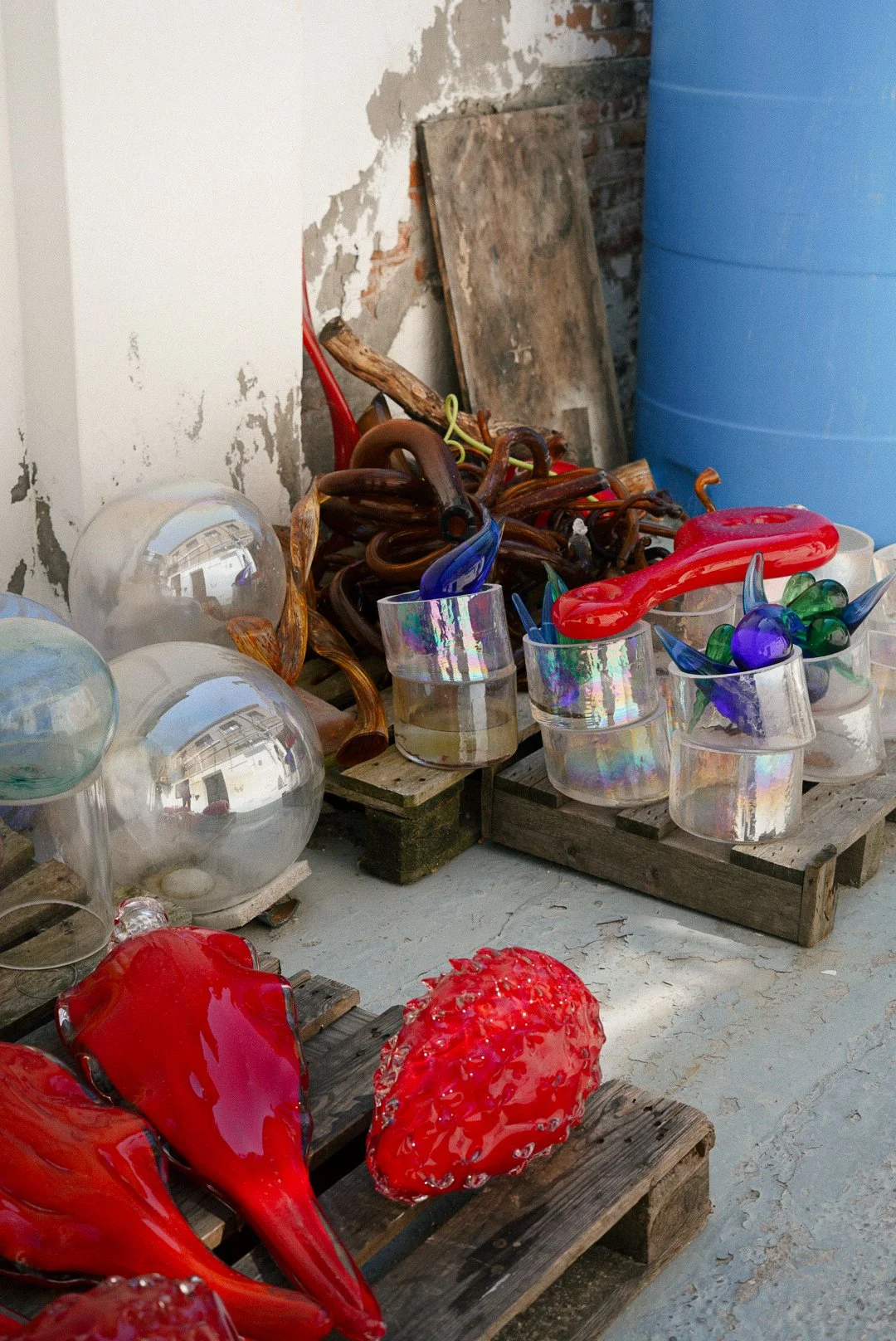
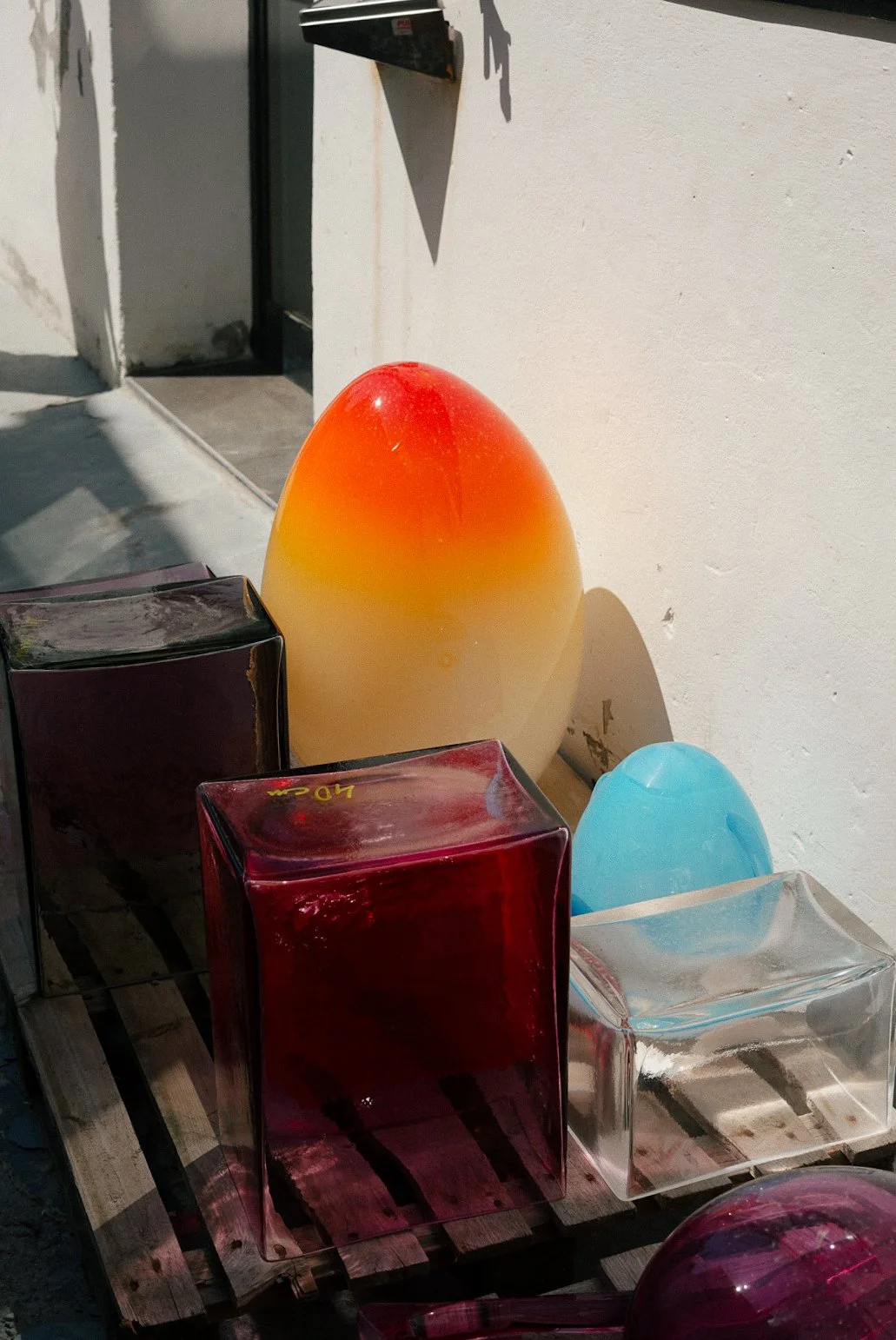
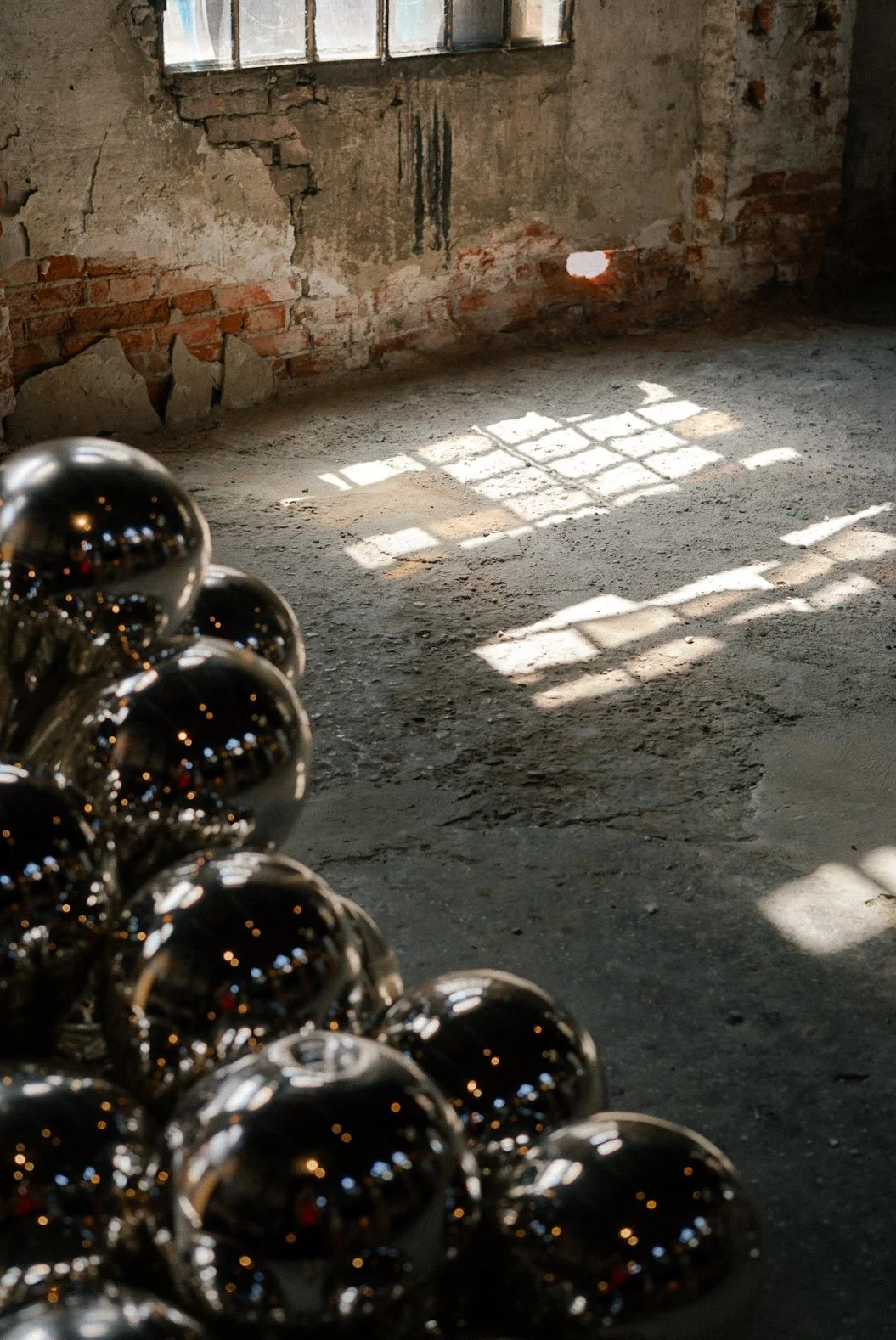
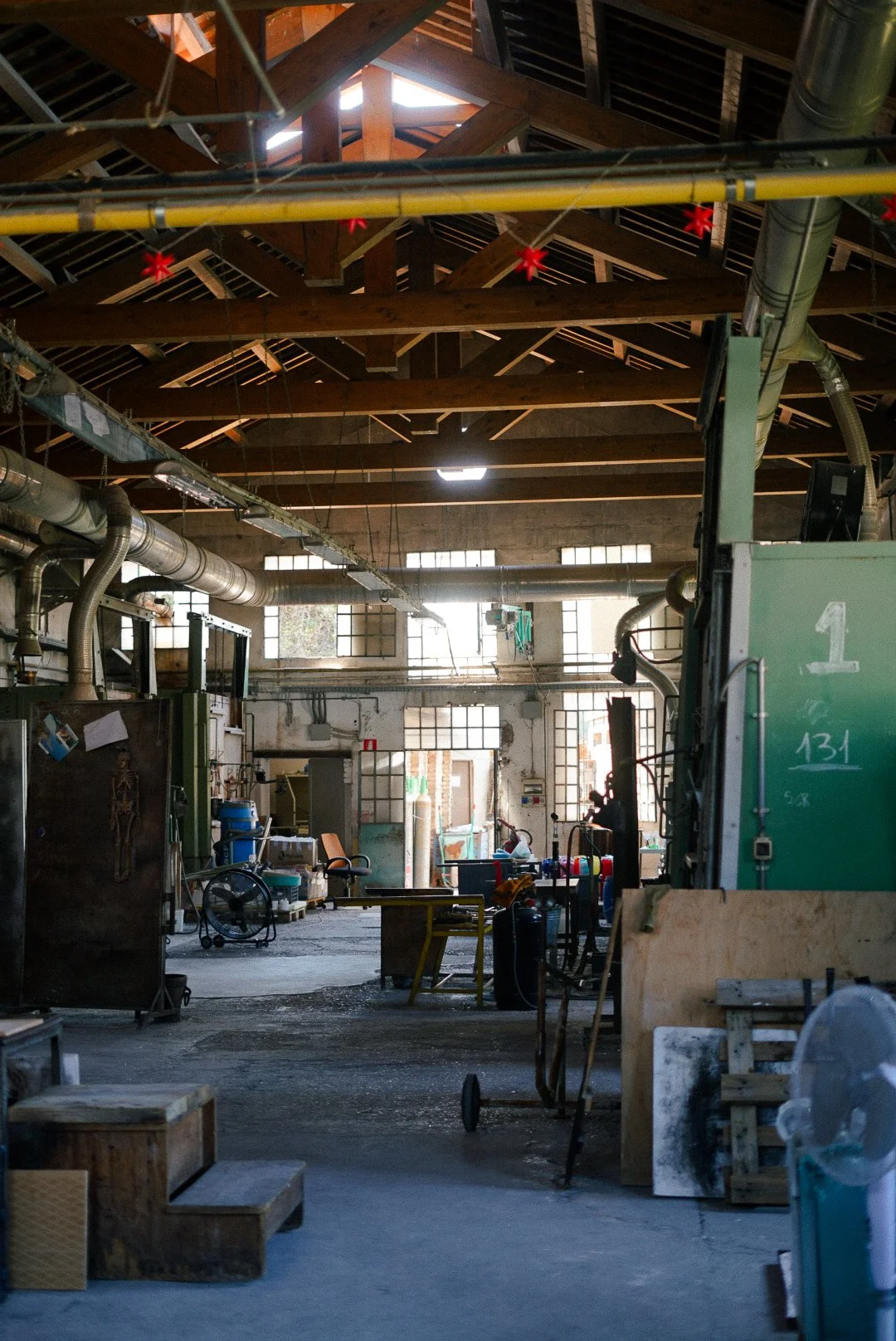
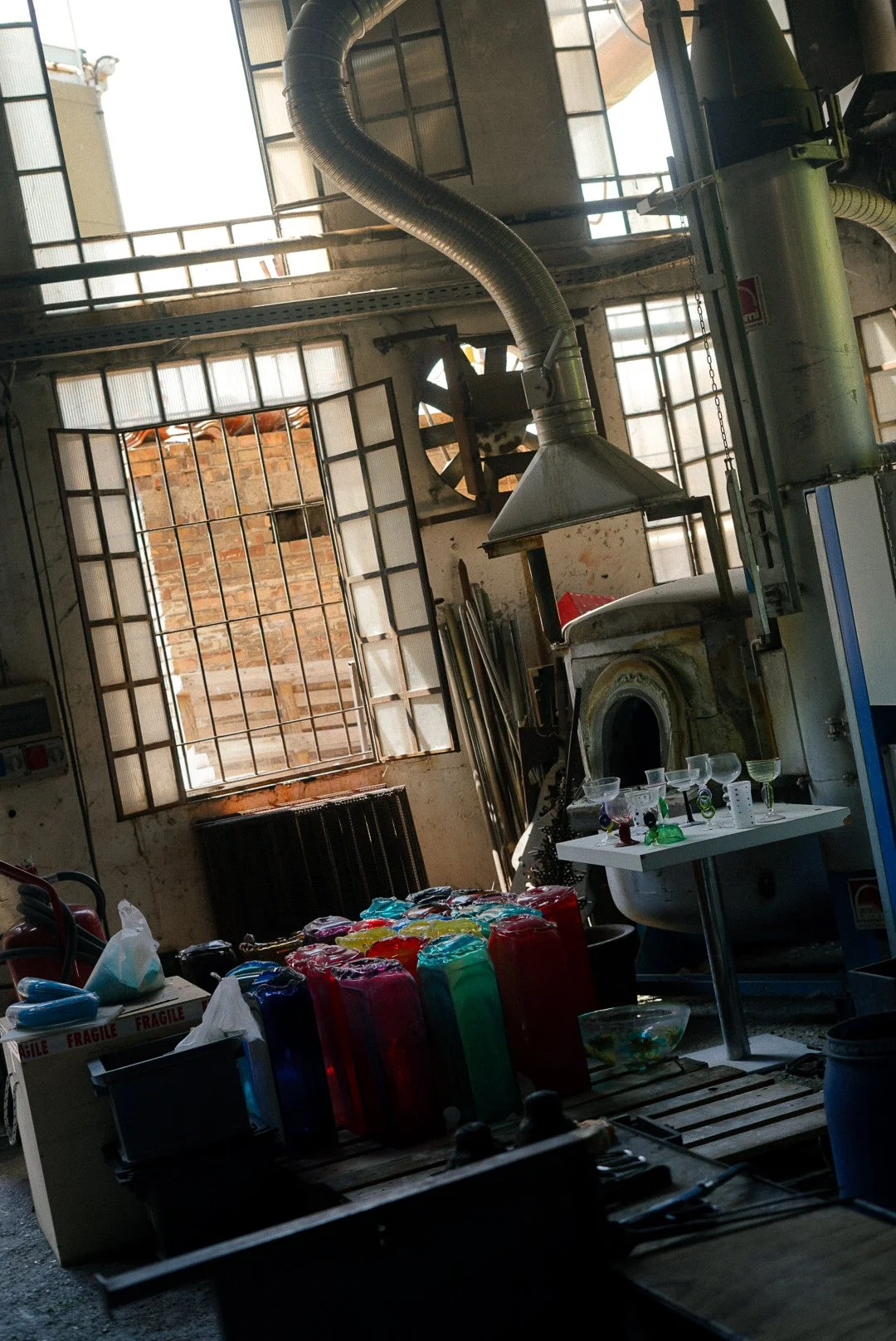
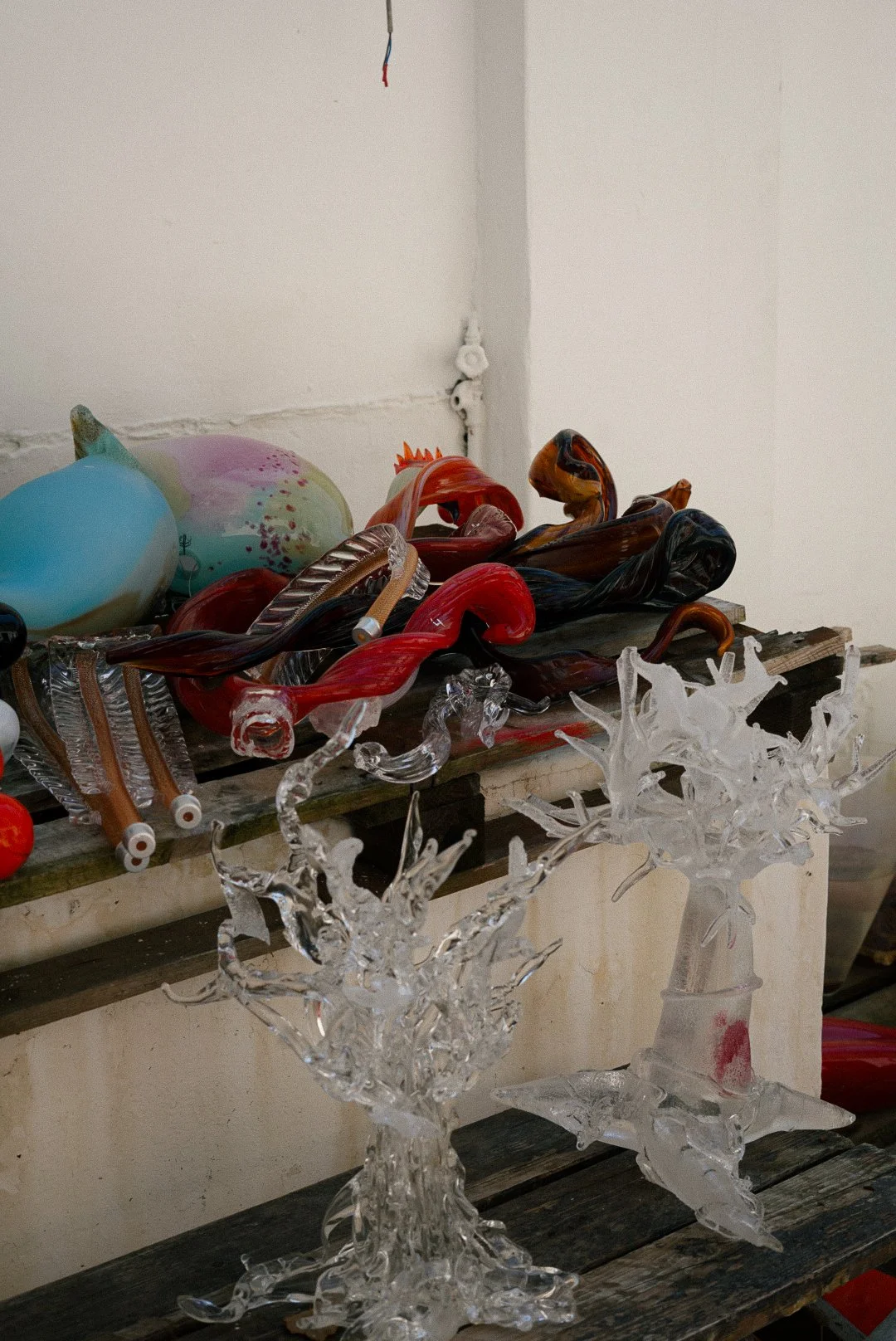
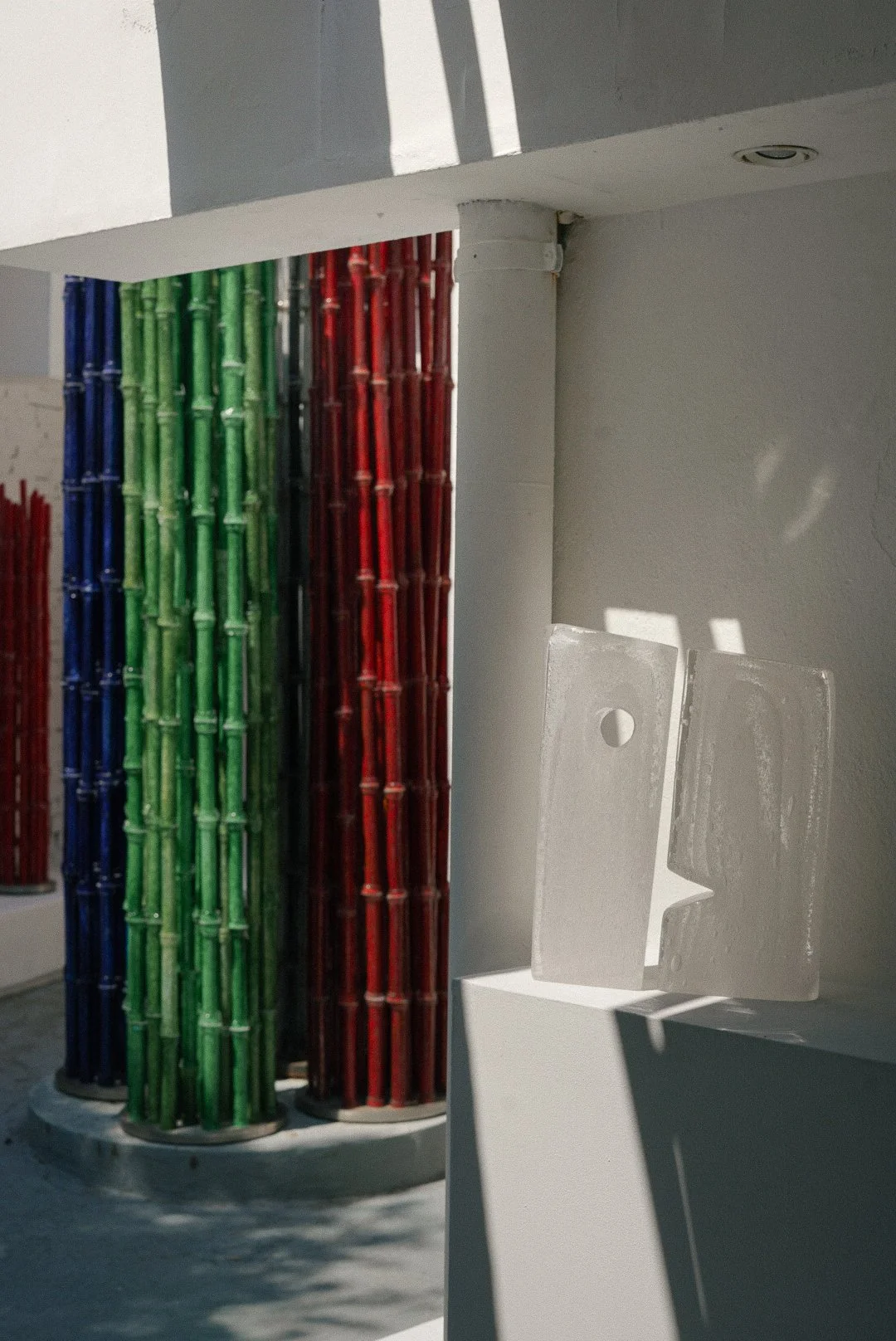
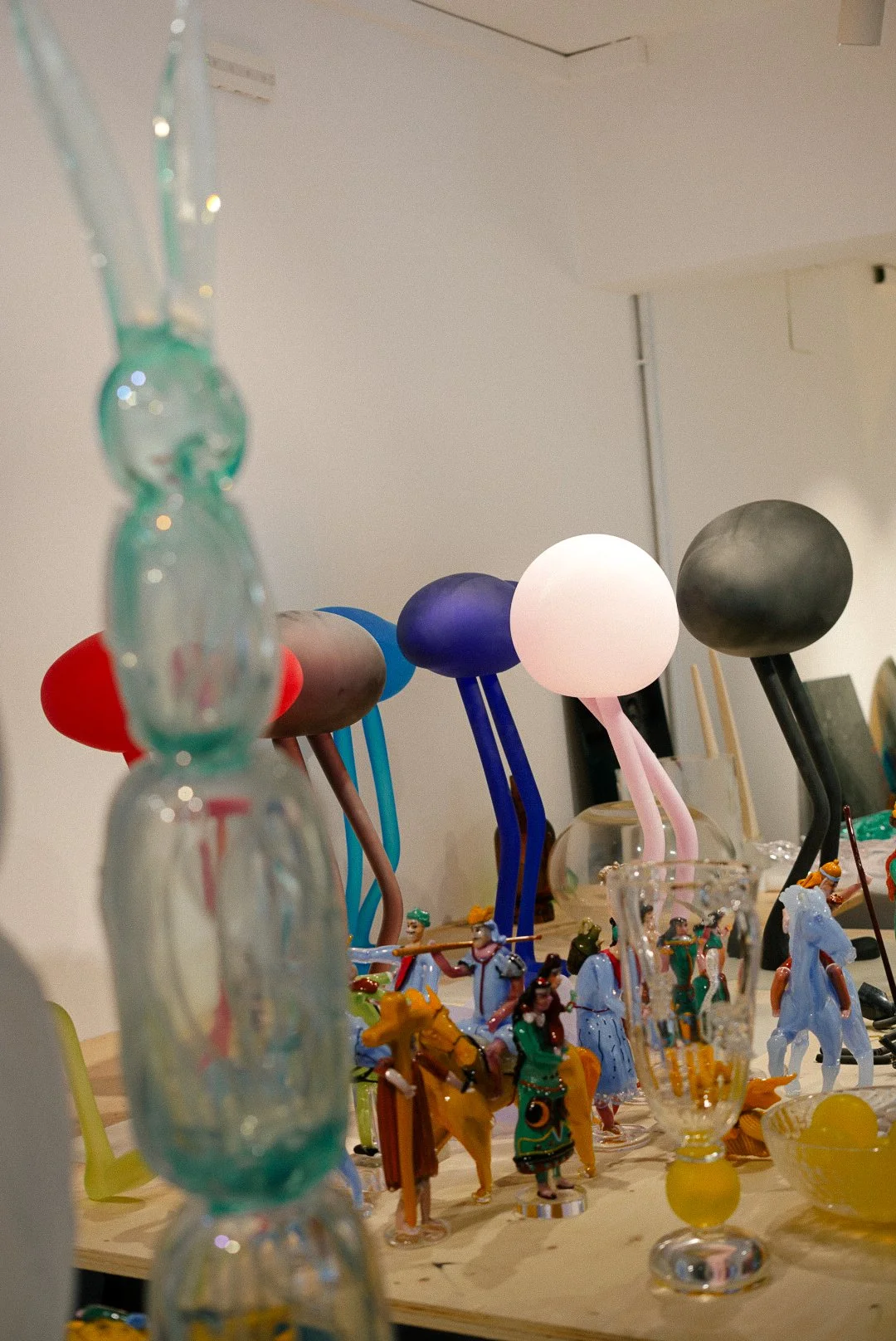
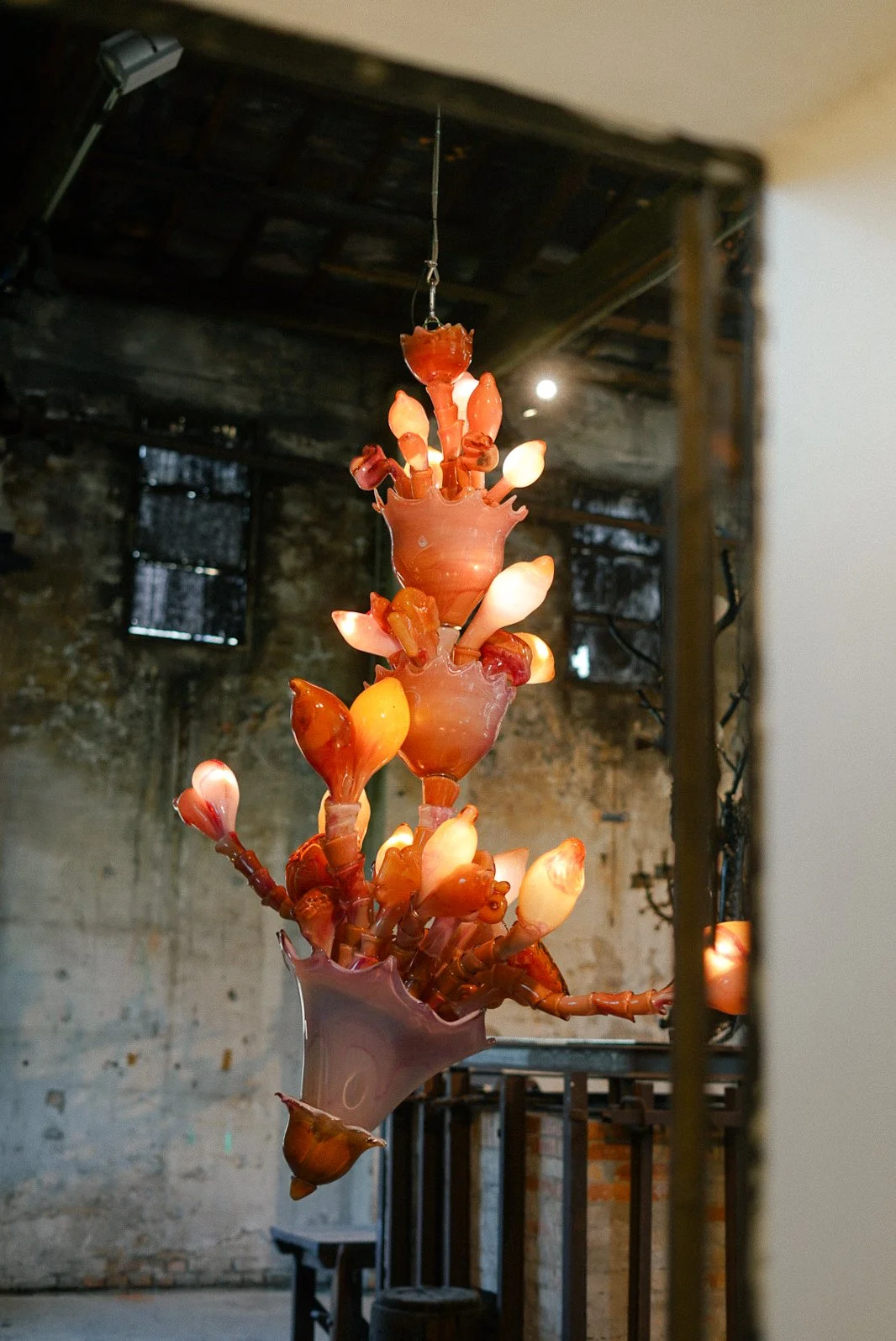
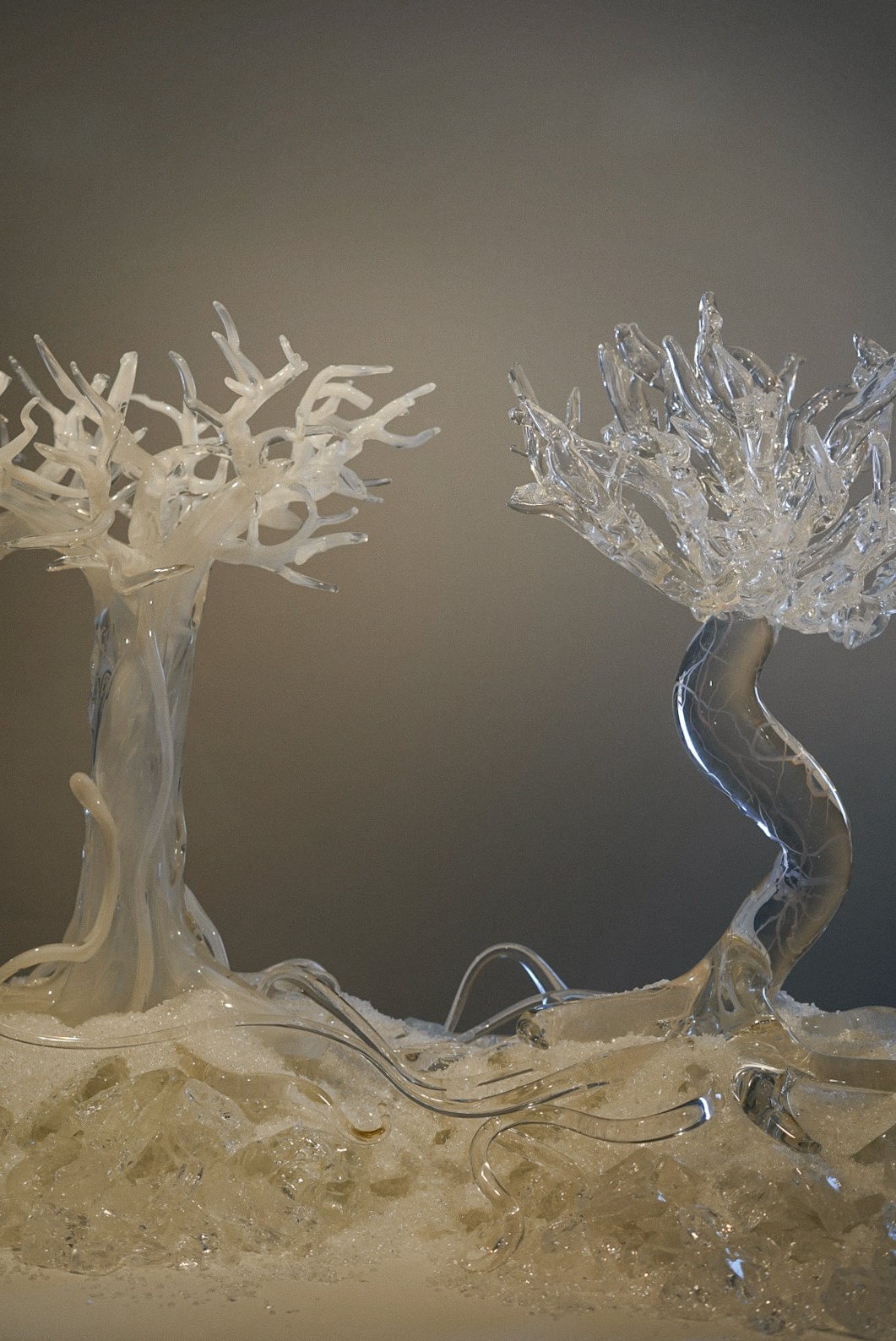
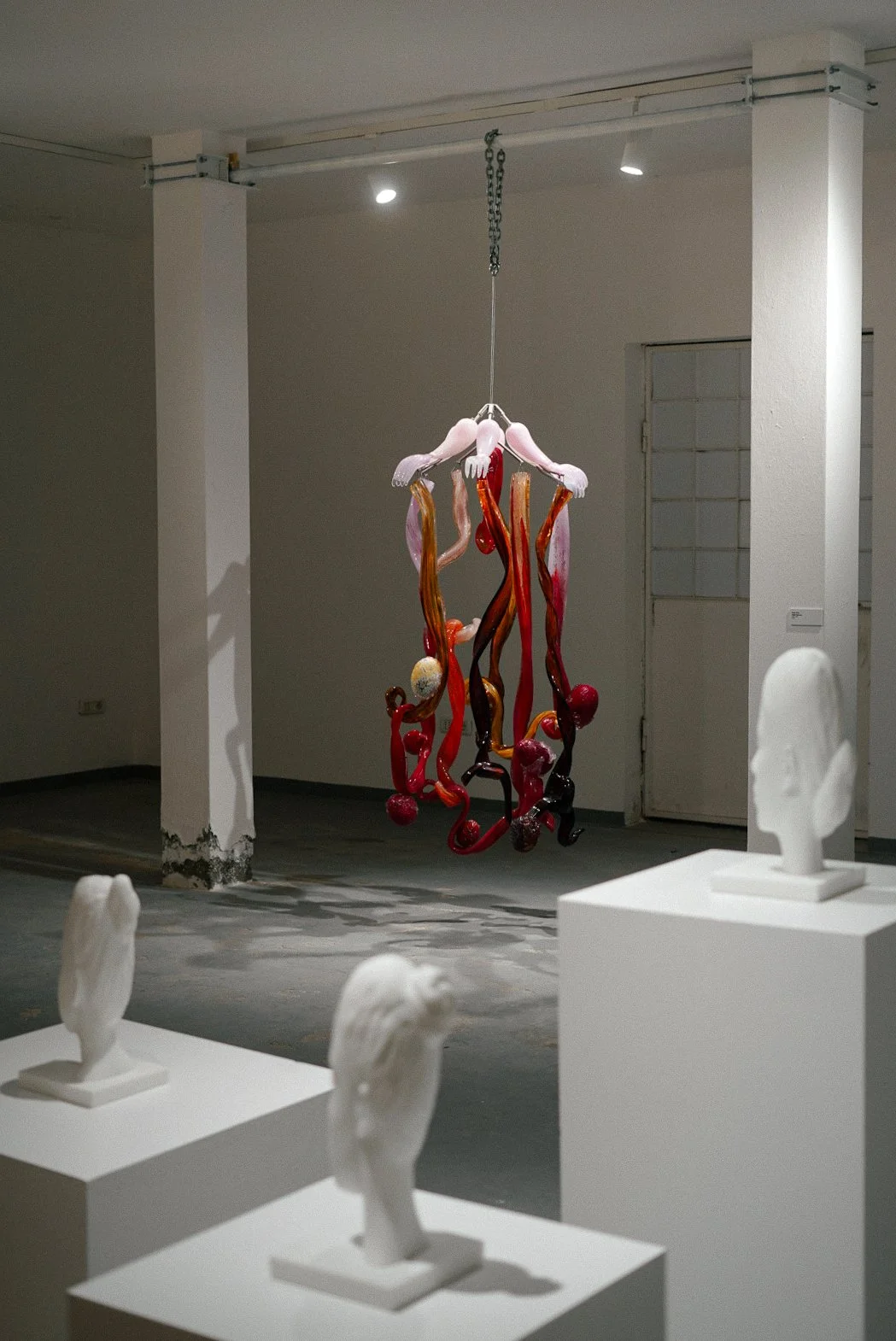
Glass has a temperature. It has weight. It moves before it hardens and becomes unforgiving very quickly. A form that looks effortless when finished may have required several people working at exactly the right moment, each relying on knowledge that cannot simply be read from a manual. At Berengo, the contemporary and the traditional therefore meet in a very practical way. The artist may arrive with an idea, but the glassmaker knows what the furnace will allow. There is negotiation, compromise, sometimes failure. The finished work carries traces of both.
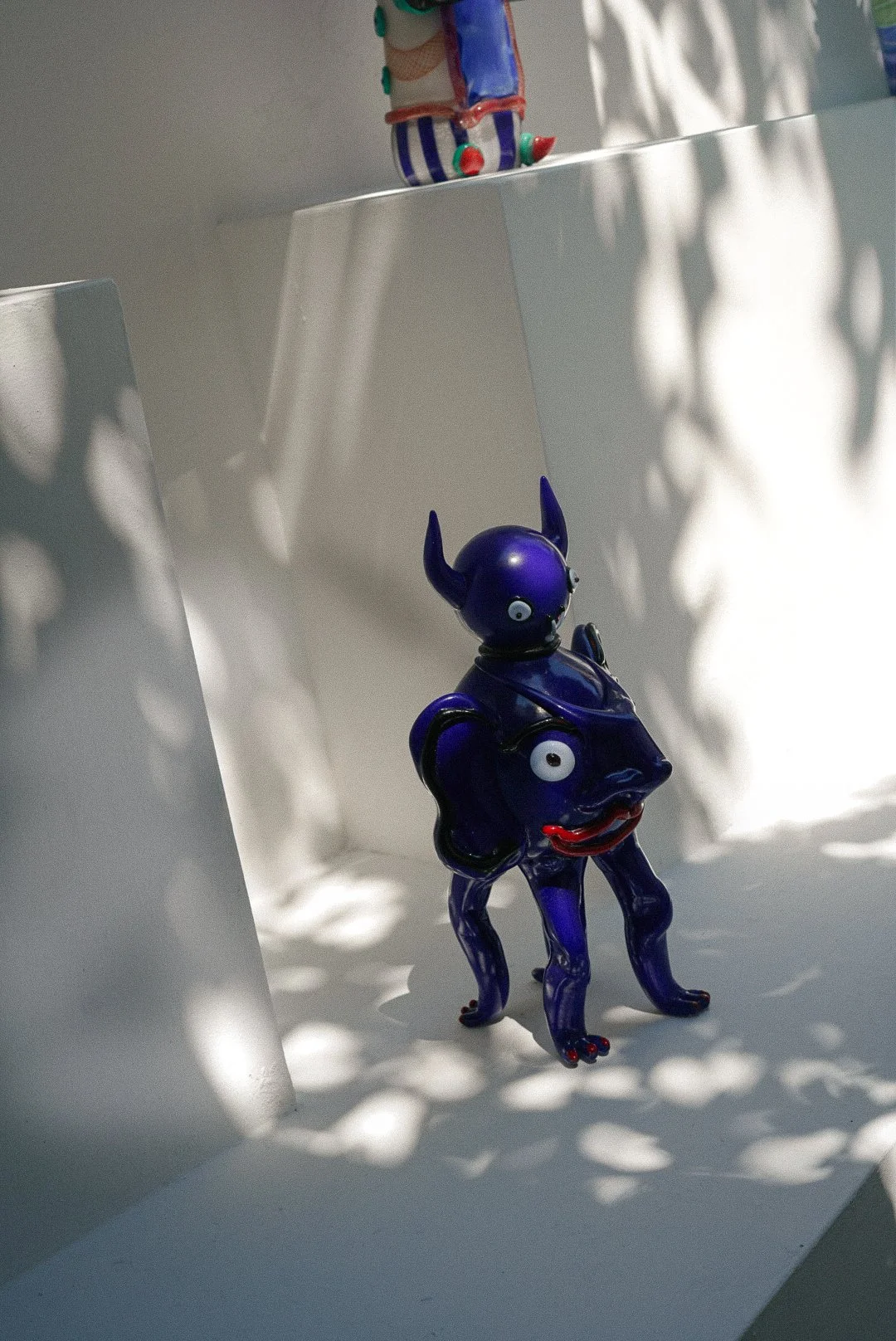
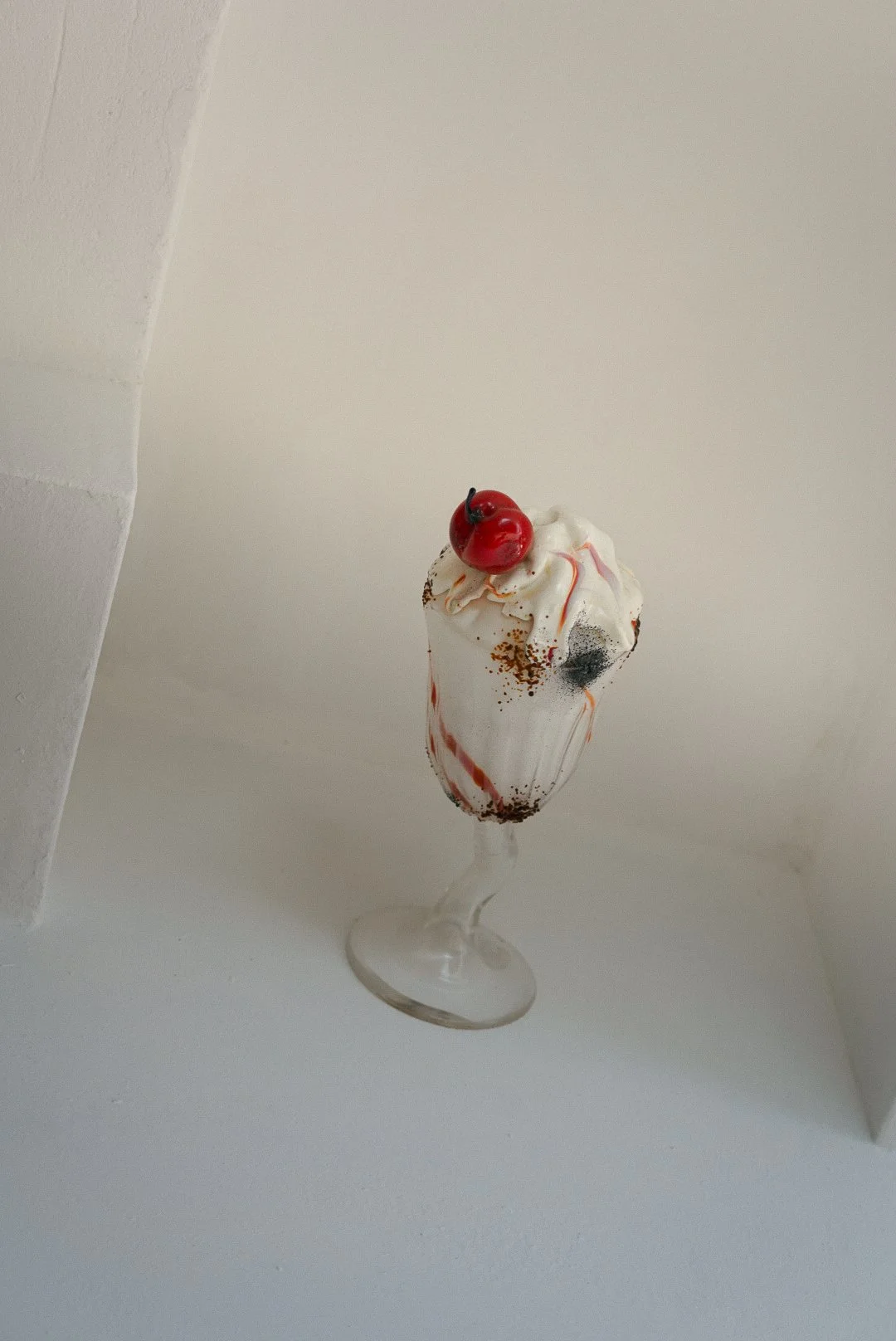
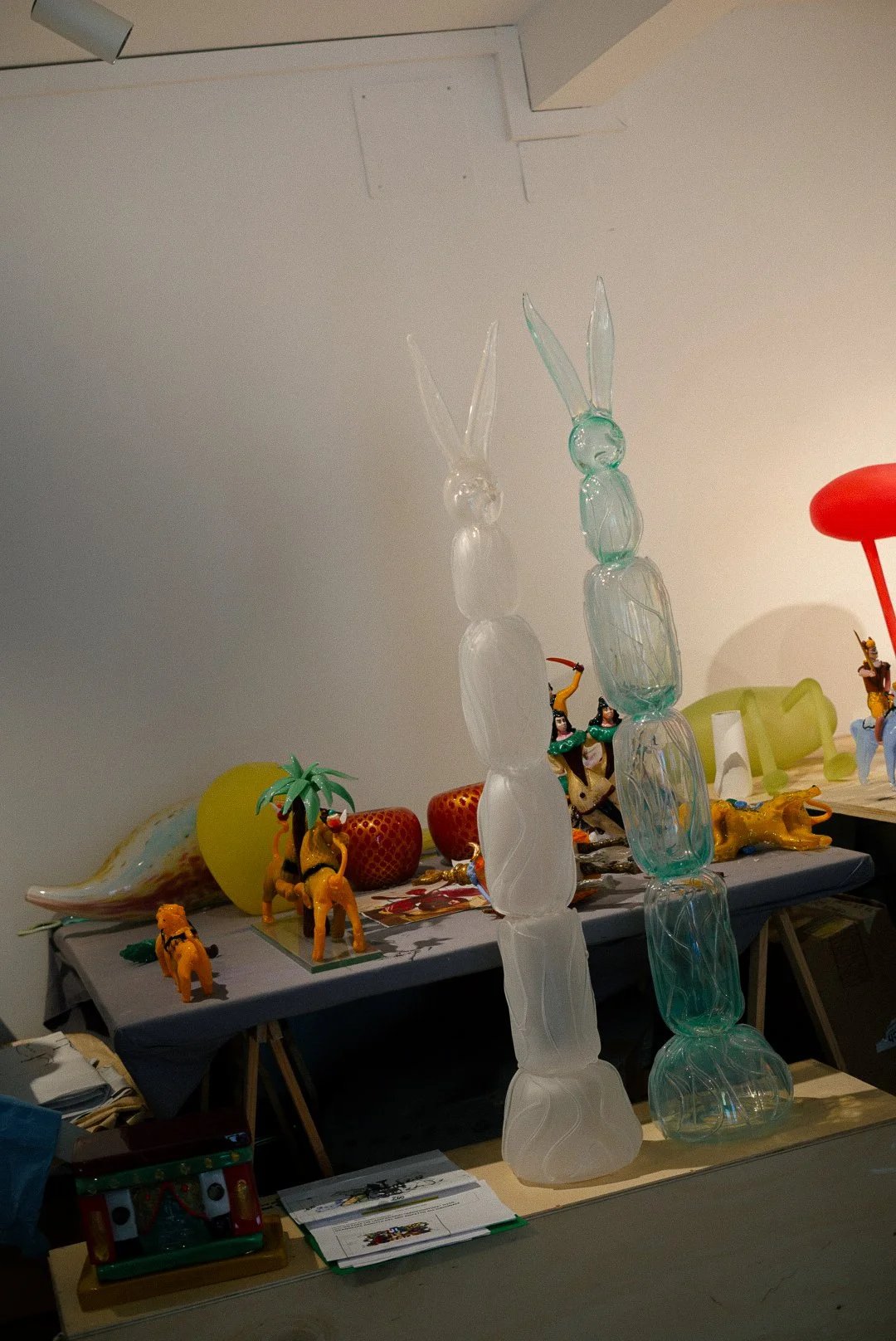
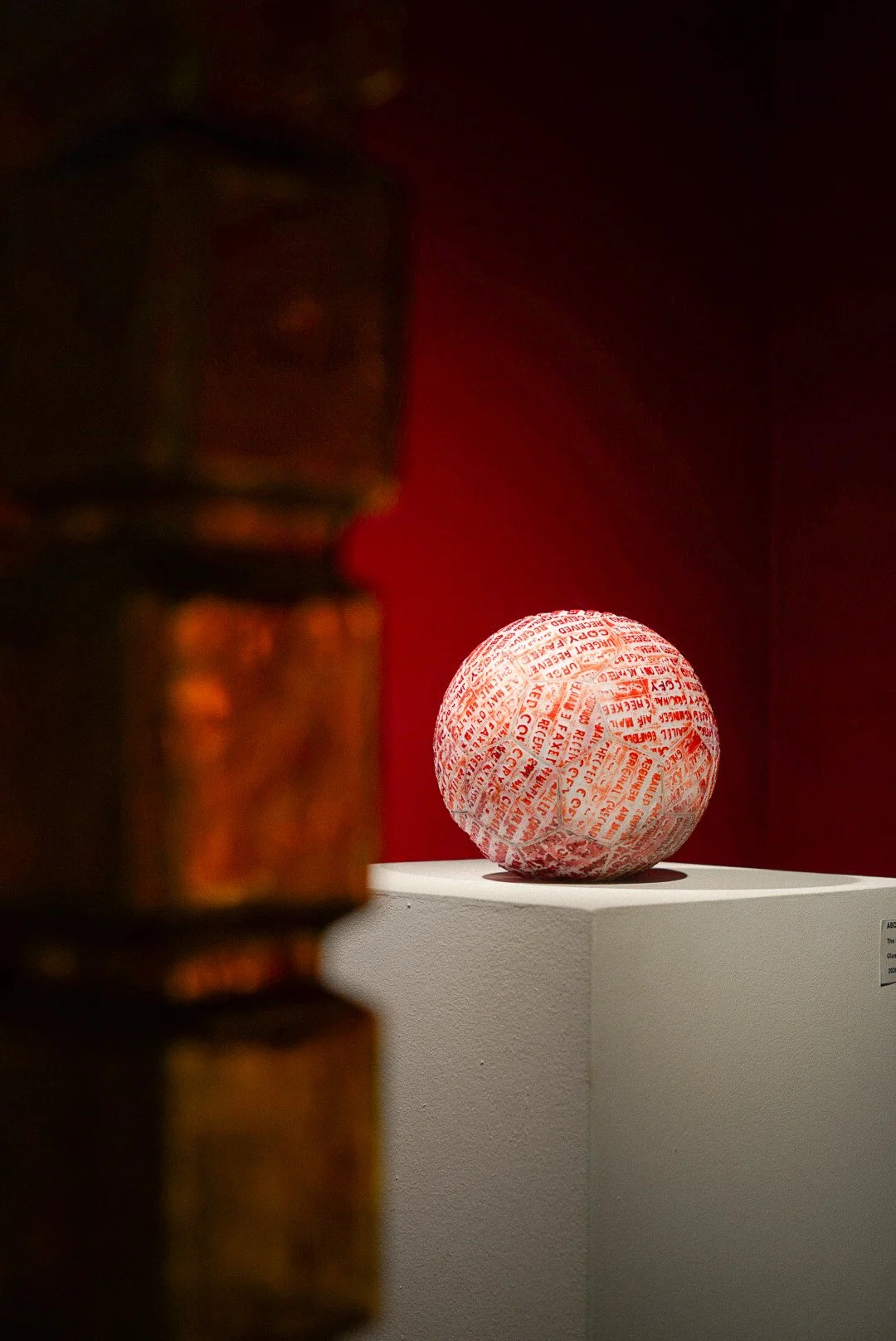
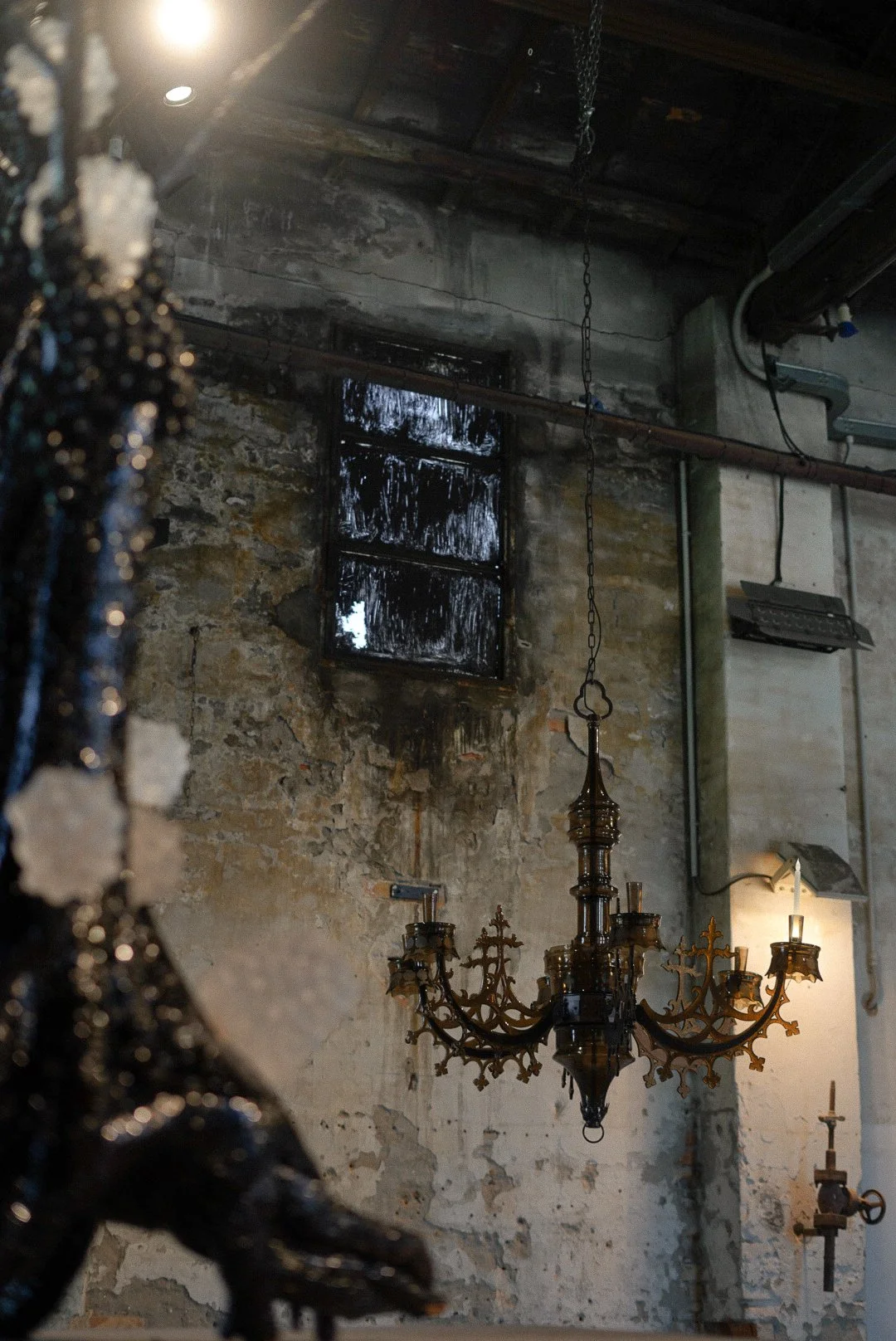
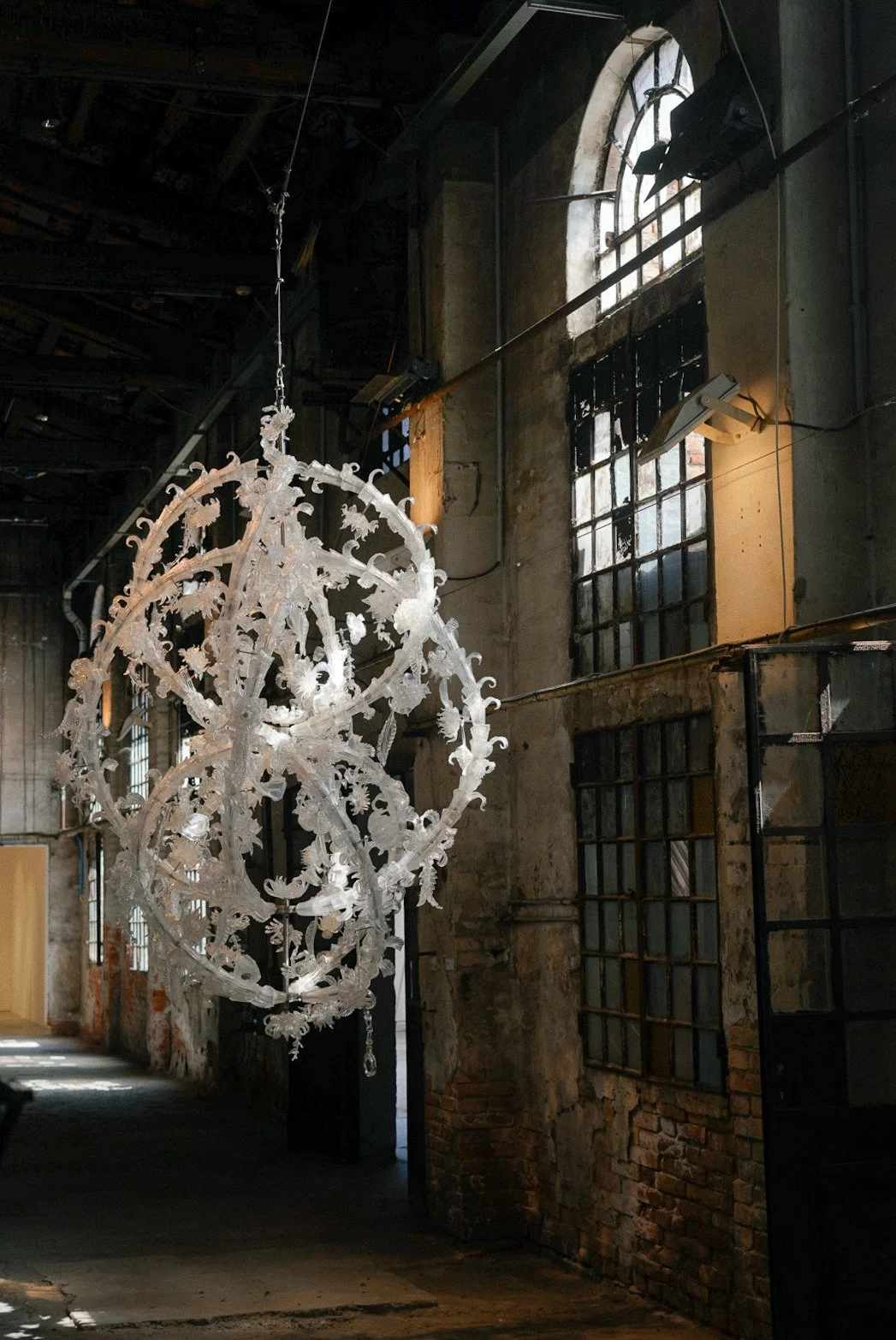
Perhaps that is why the process felt strangely familiar. There is something of our own lives in it: the things we imagine, the things we are forced to change, the circumstances we cannot control, and the unexpected forms that can emerge from the two. Walking through the studio, I realised the importance of looking less at the idea of “Murano glass” as a finished product and more at its physicality. Colour suspended inside transparent forms. Pieces that seemed soft but were obviously not. Surfaces carrying the evidence of heat, movement and the hand.
It is easy, from outside, to think of Murano as a place devoted to preserving a beautiful old craft. Berengo complicates that picture. The tradition is there, but it is being used as a working tool rather than displayed behind glass itself.
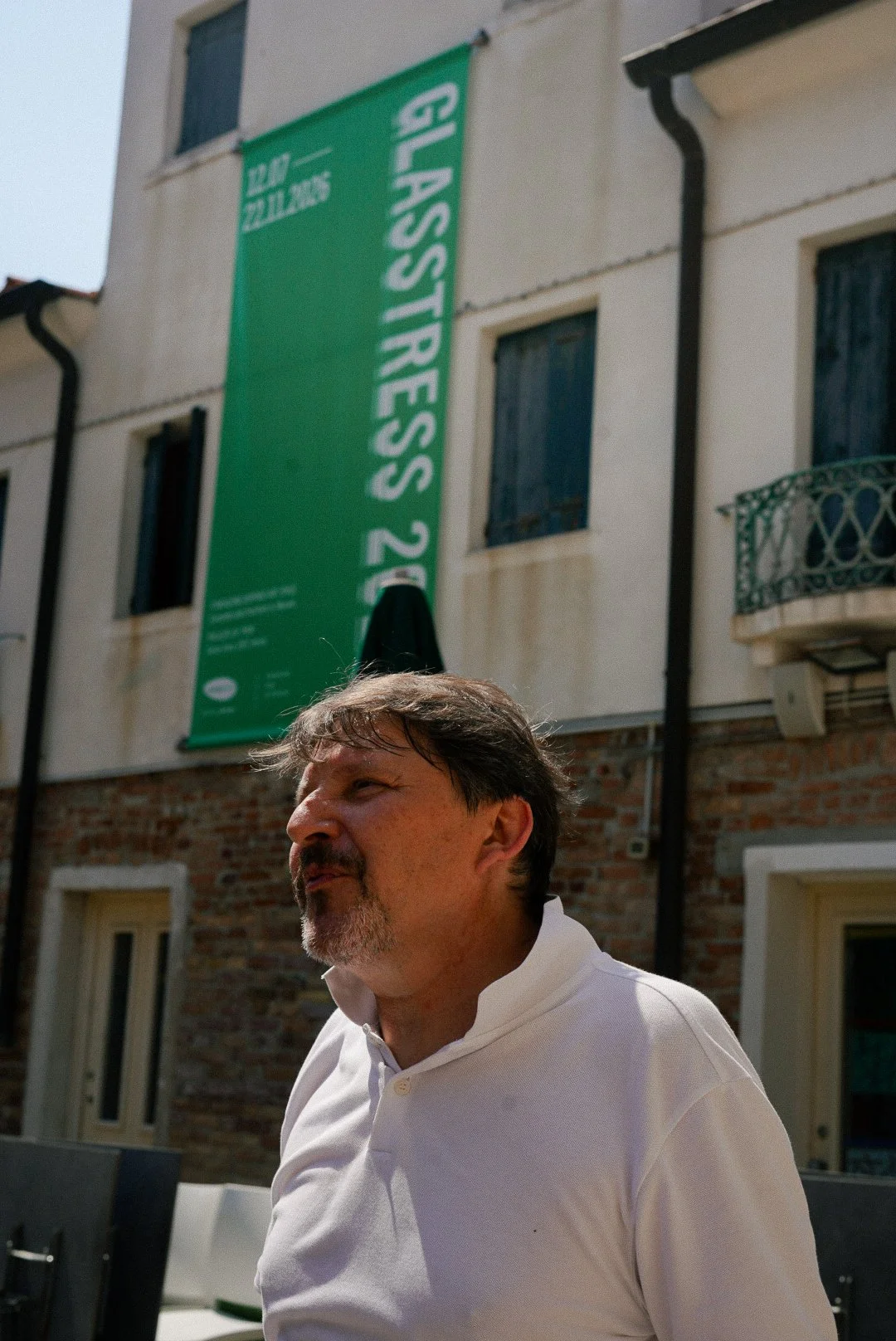
This is also the thinking behind Glasstress, the exhibition platform founded by Berengo in 2009 and now closely associated with the Venice Biennale. Contemporary artists are invited to work with glass, often for the first time, producing works that can be playful, unsettling, political or simply strange. The point is not to make contemporary art look Venetian. It is to see what contemporary art does when confronted with a material and a group of craftsmen whose knowledge has been passed down through generations.
In that sense, Murano is still doing what Venice has always done: it takes something from elsewhere and gives it another life.
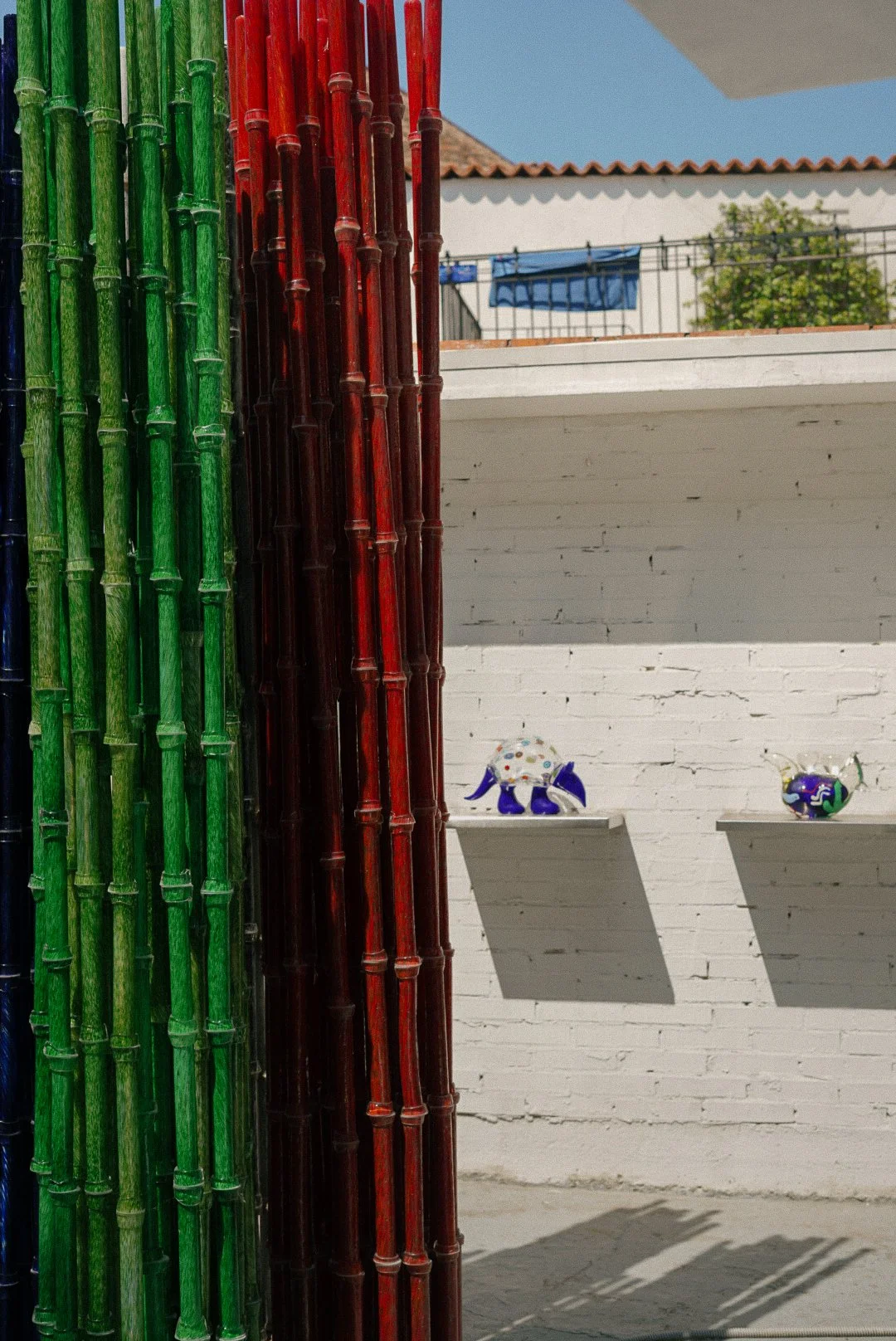
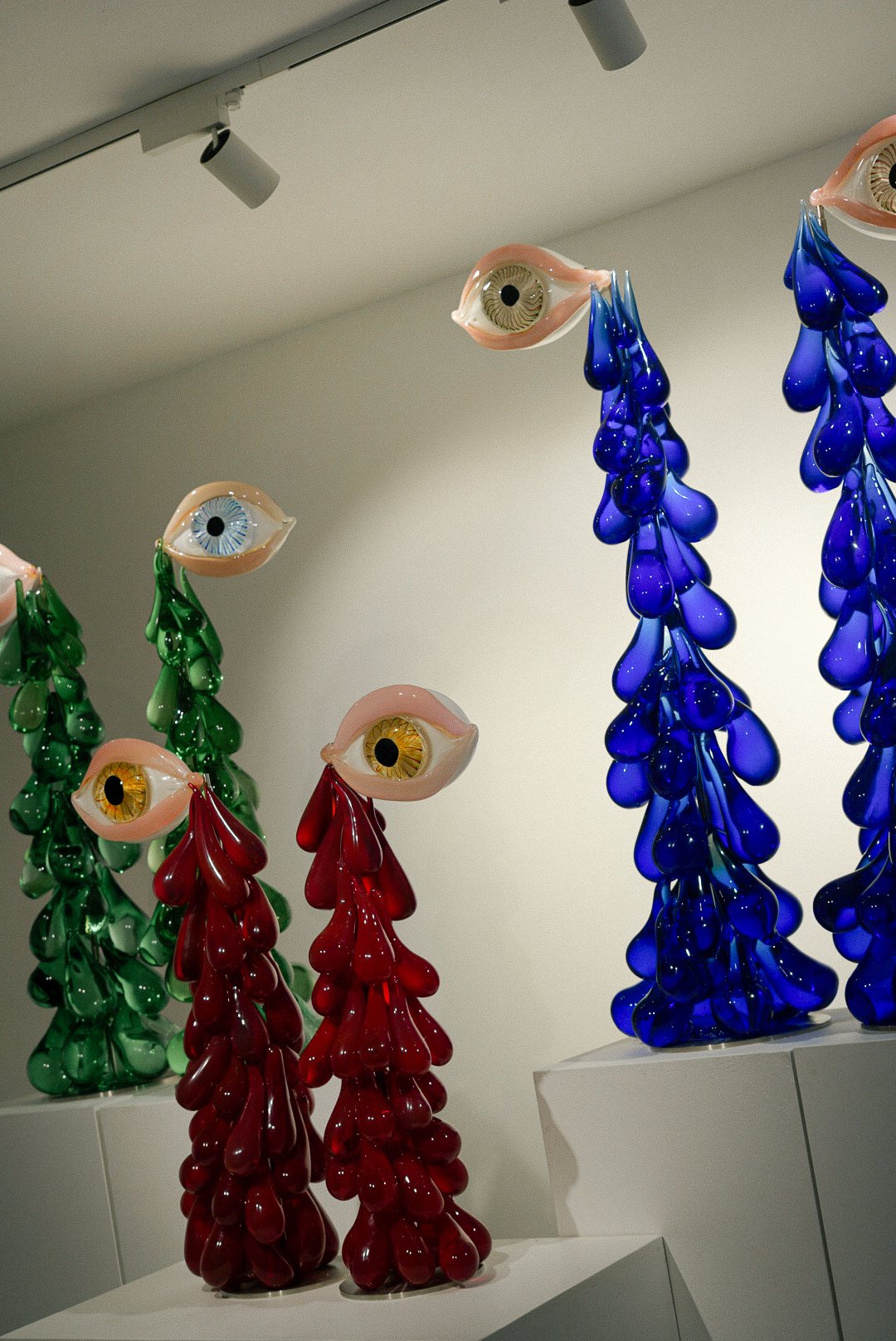
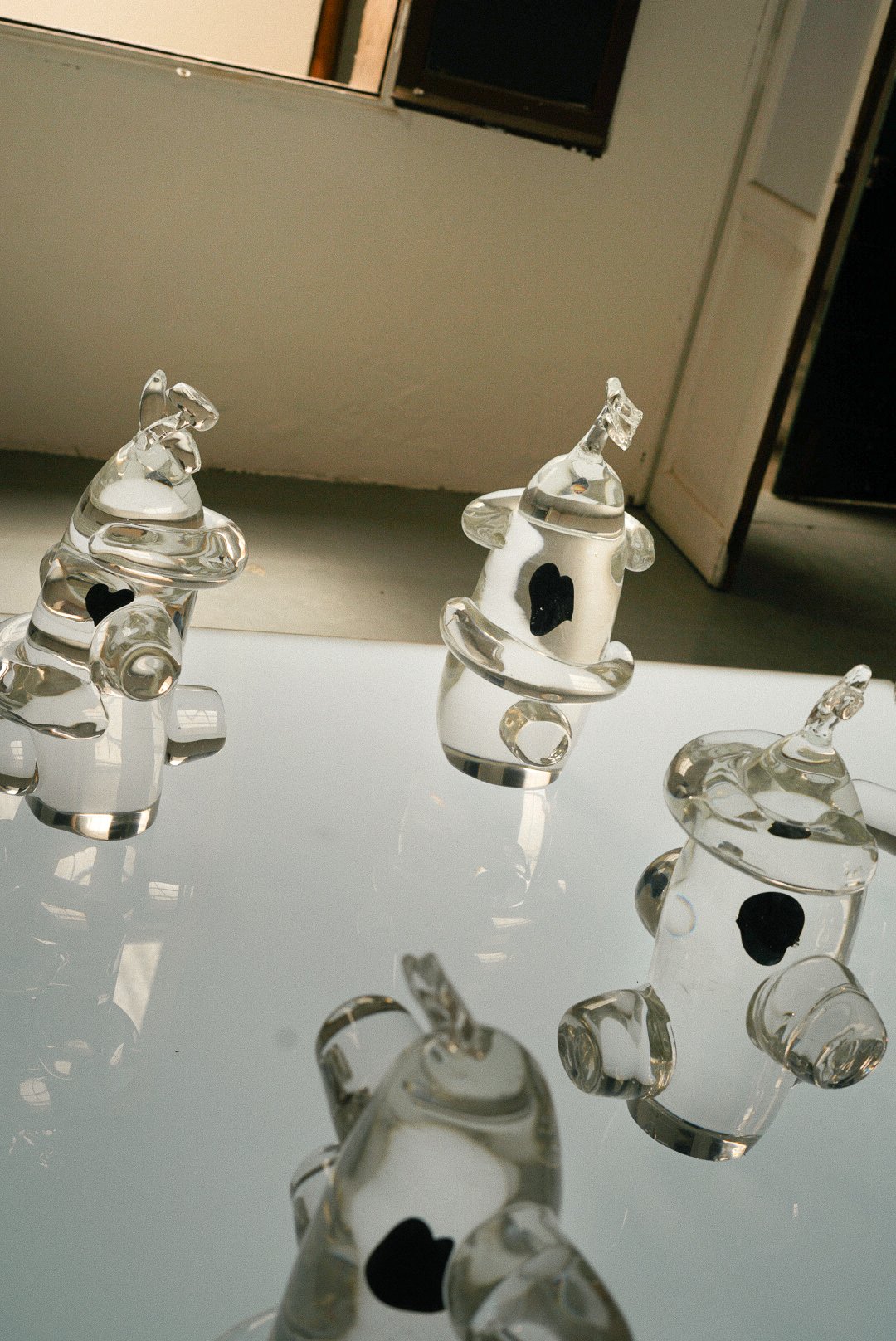
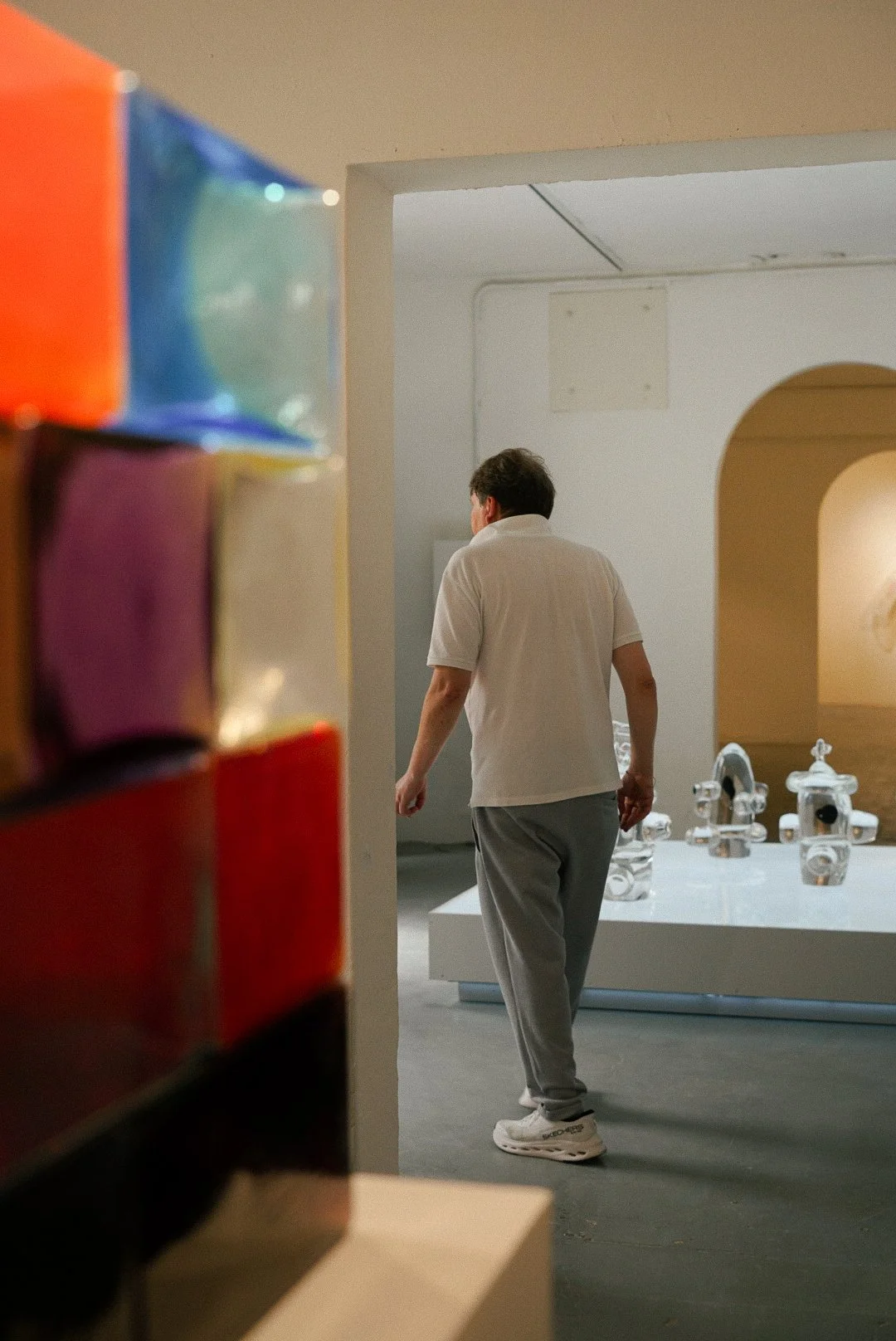
By the time I returned to Cannaregio, the garden at the hotel seemed connected to Murano in a way I had not noticed when I first walked through it. Patarol had brought plants into Venice and created a garden around them. Berengo brings artists into Murano and places their ideas inside a centuries-old craft. In both cases, the result is more interesting than the original act of collecting. It is what that act sets in motion, new forms, new ideas, new possibilities, that ultimately matters.
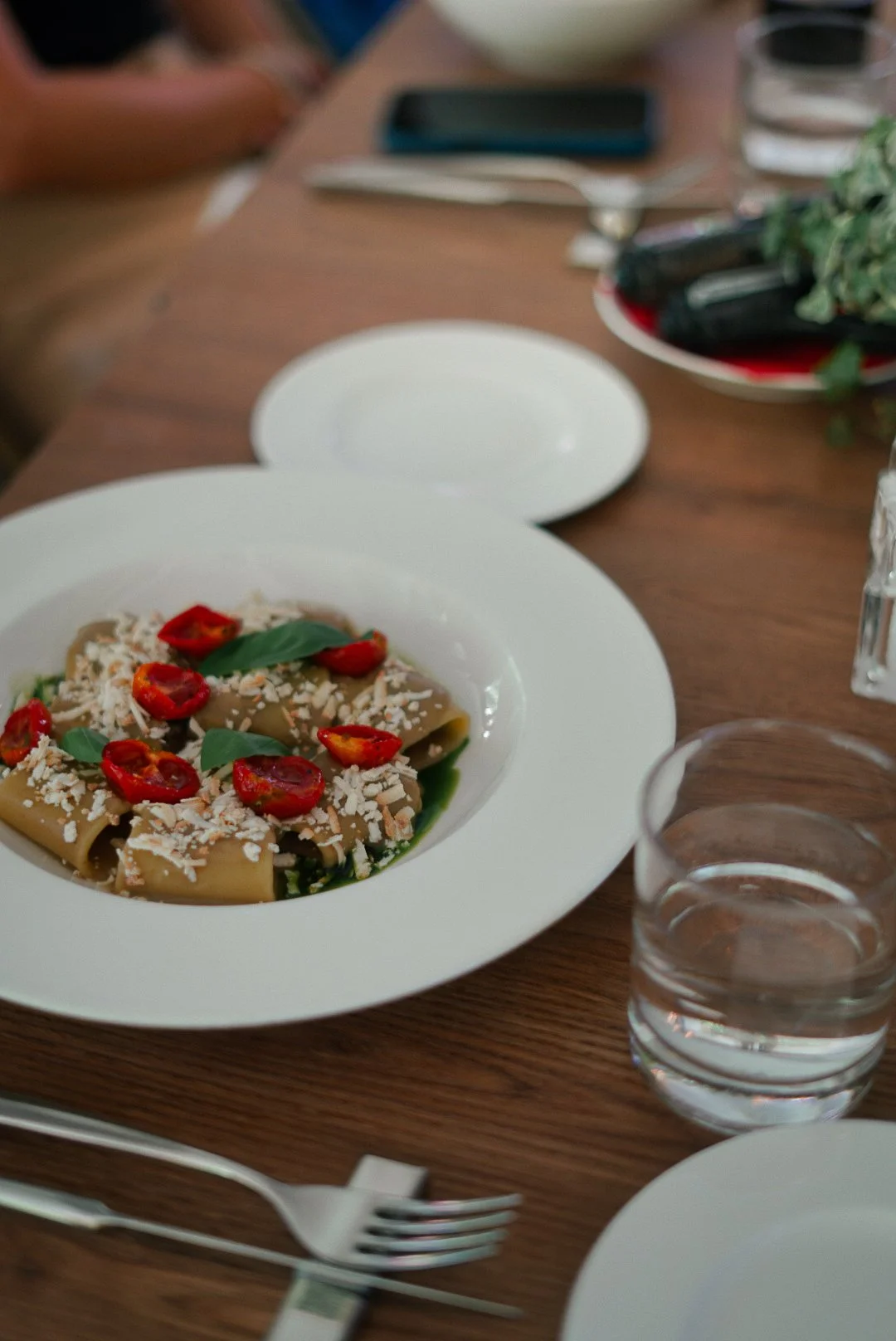
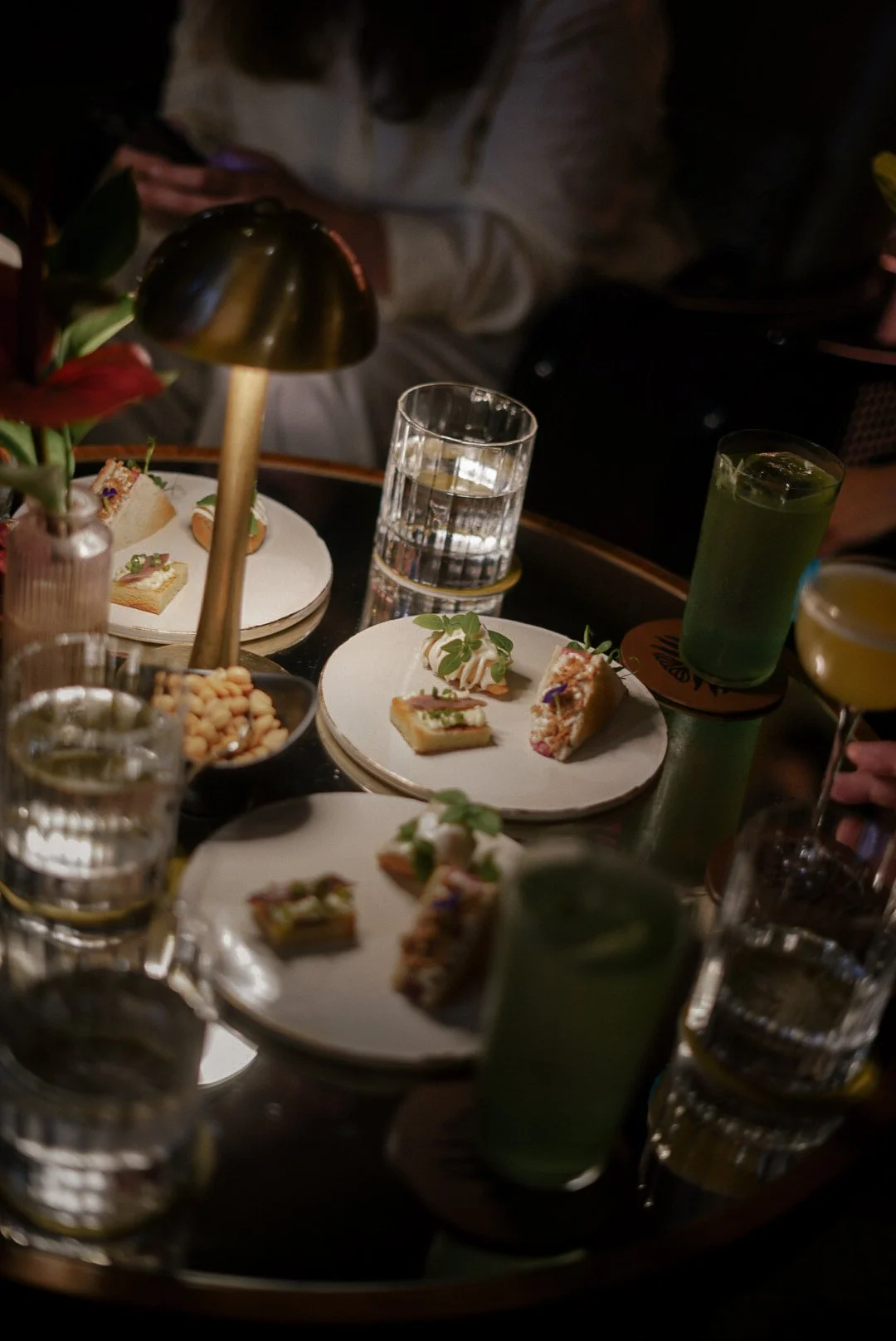
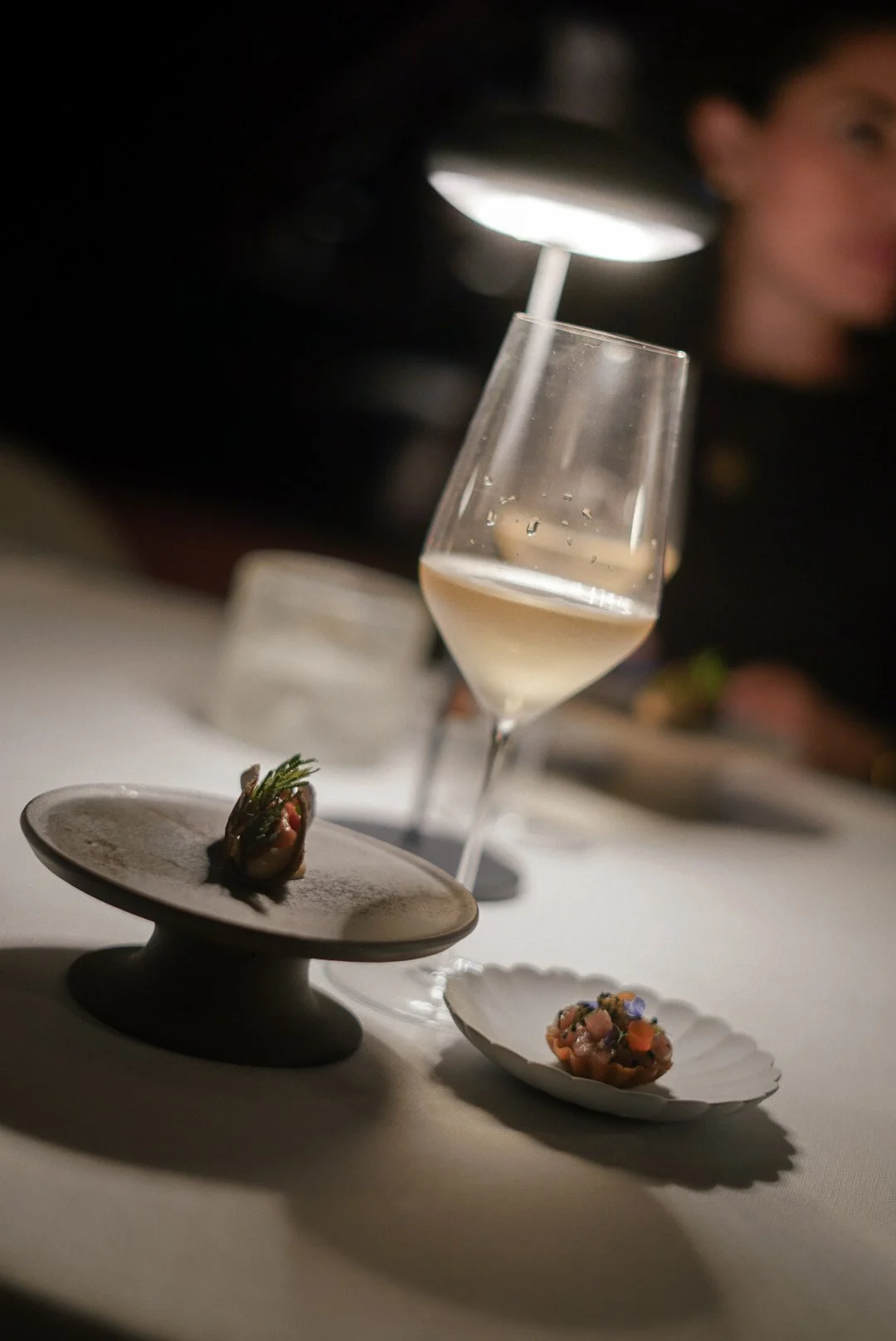
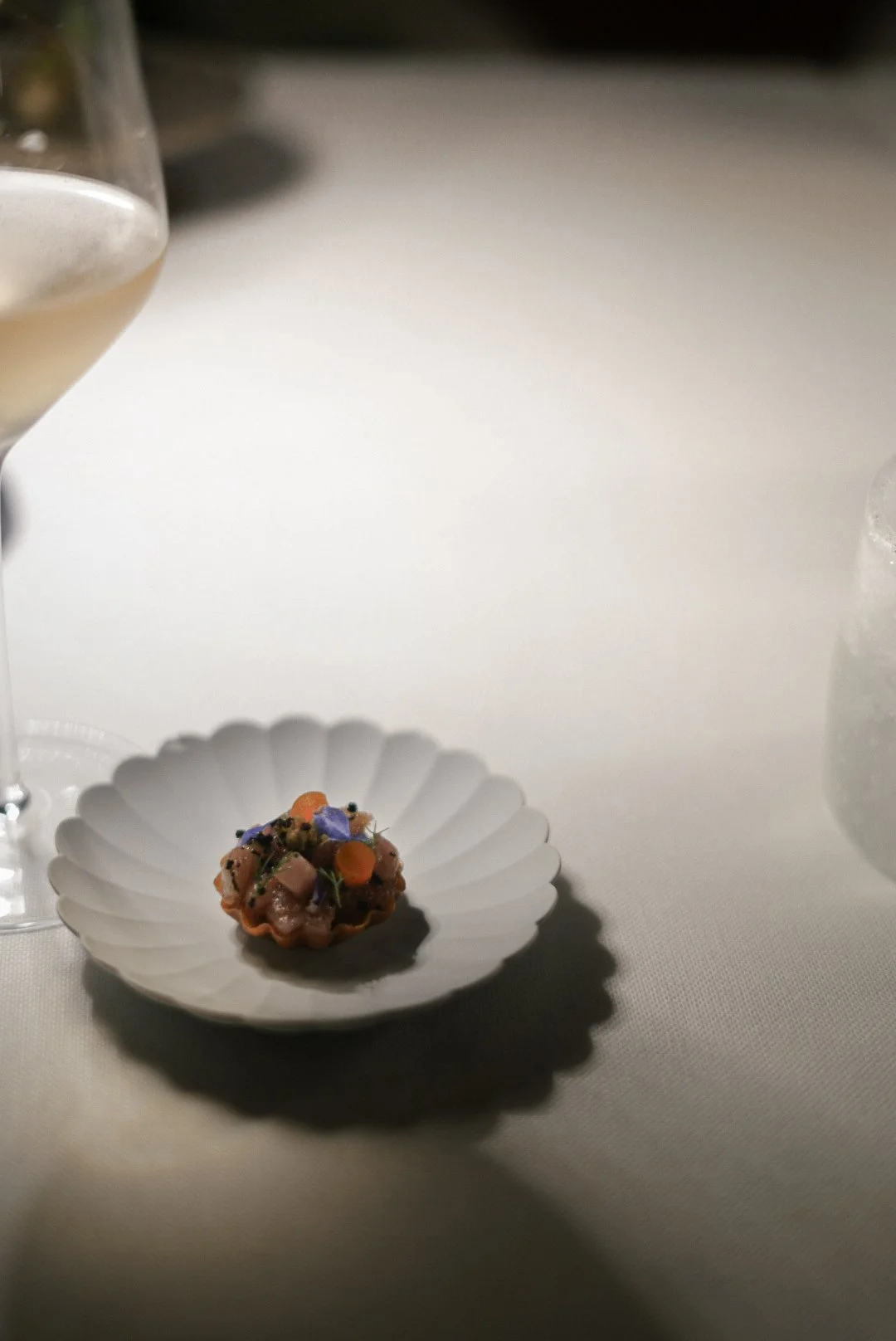
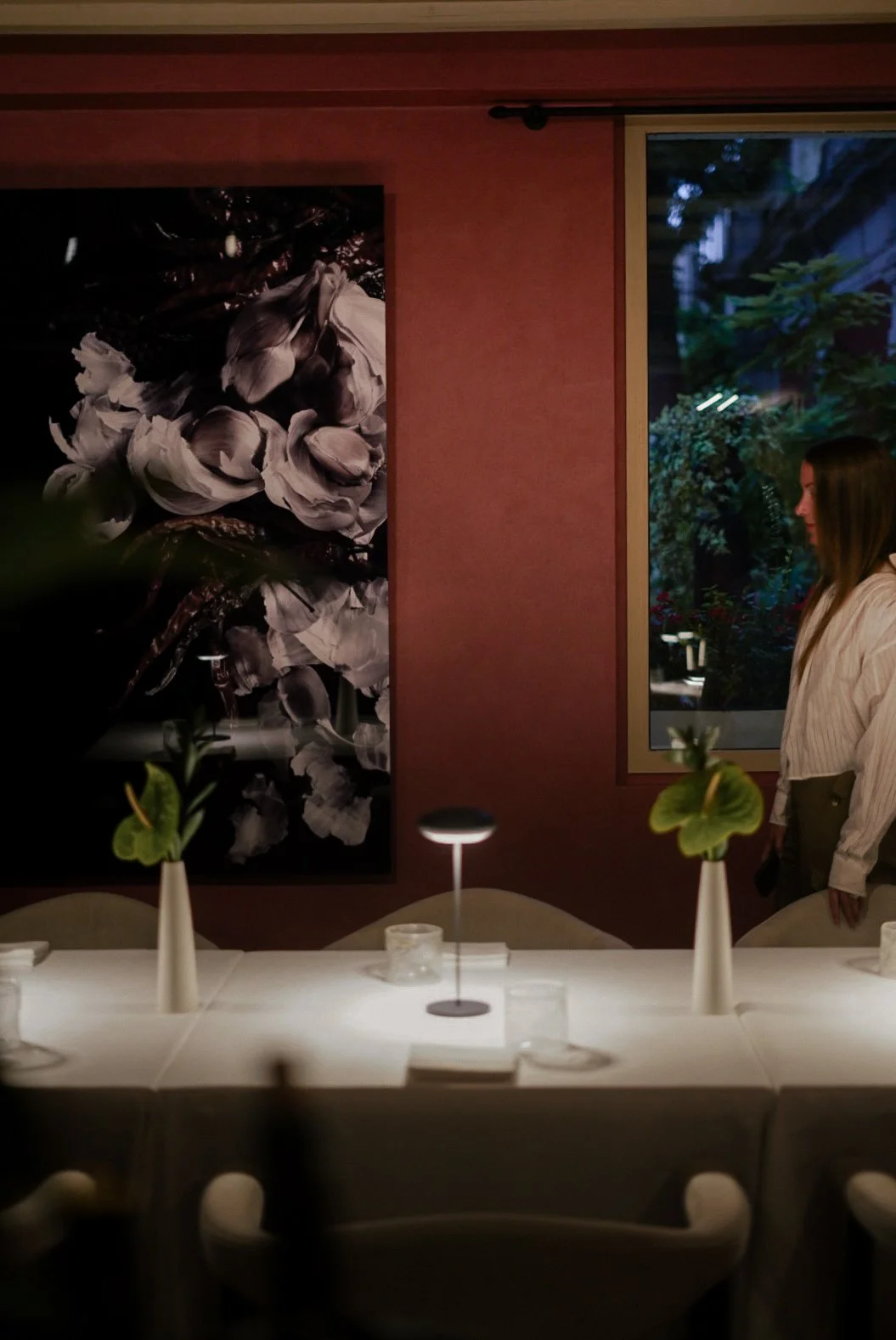
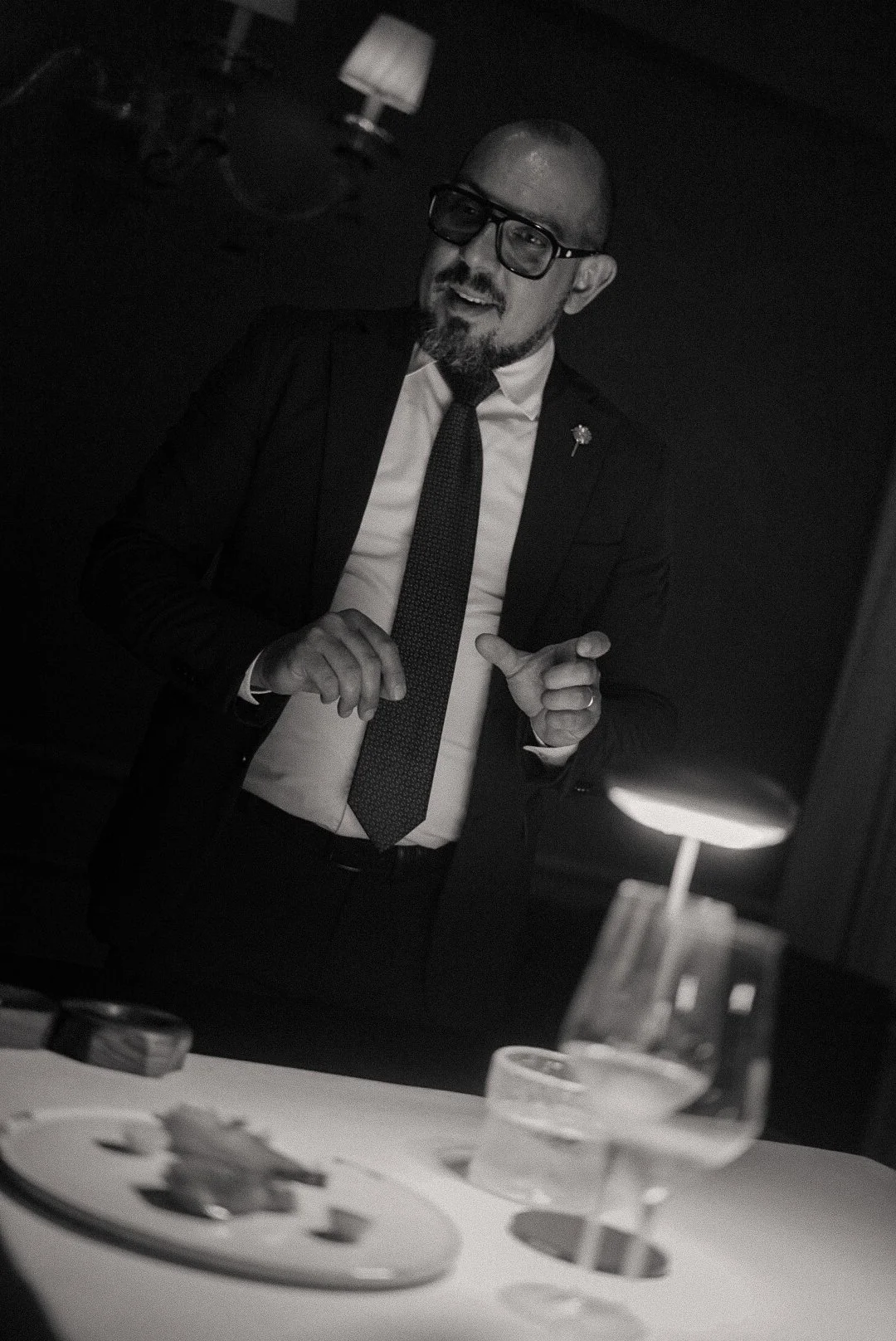
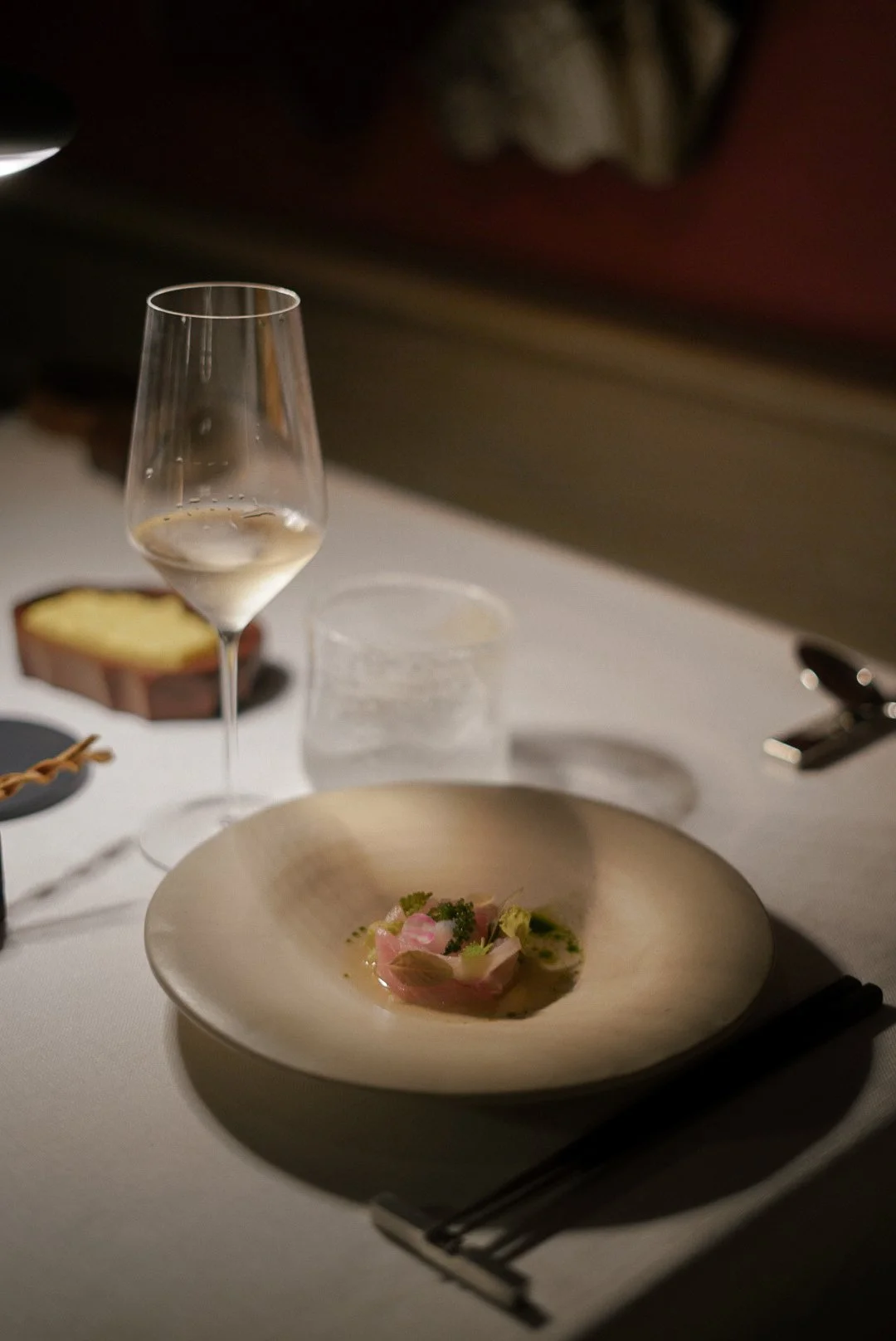
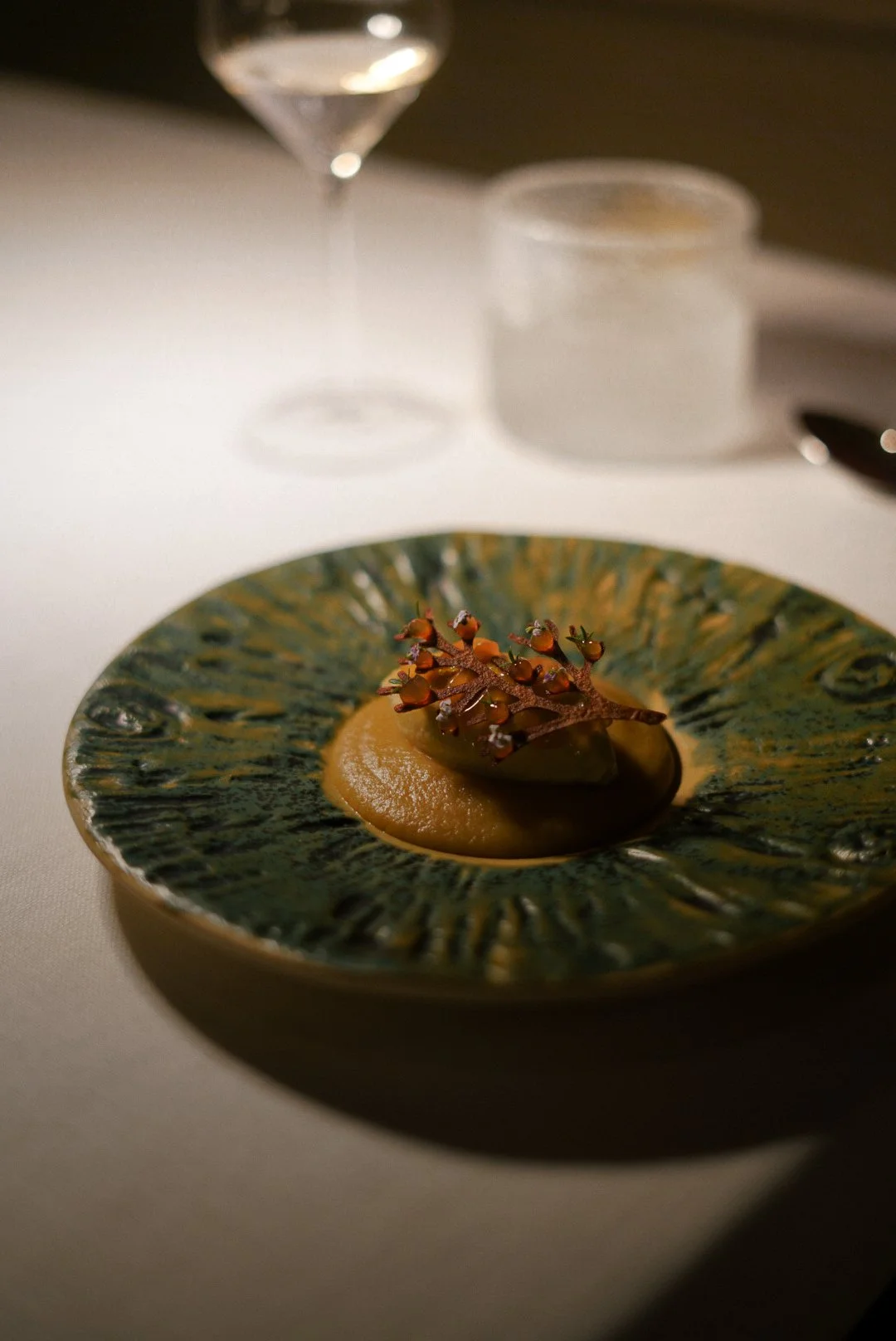
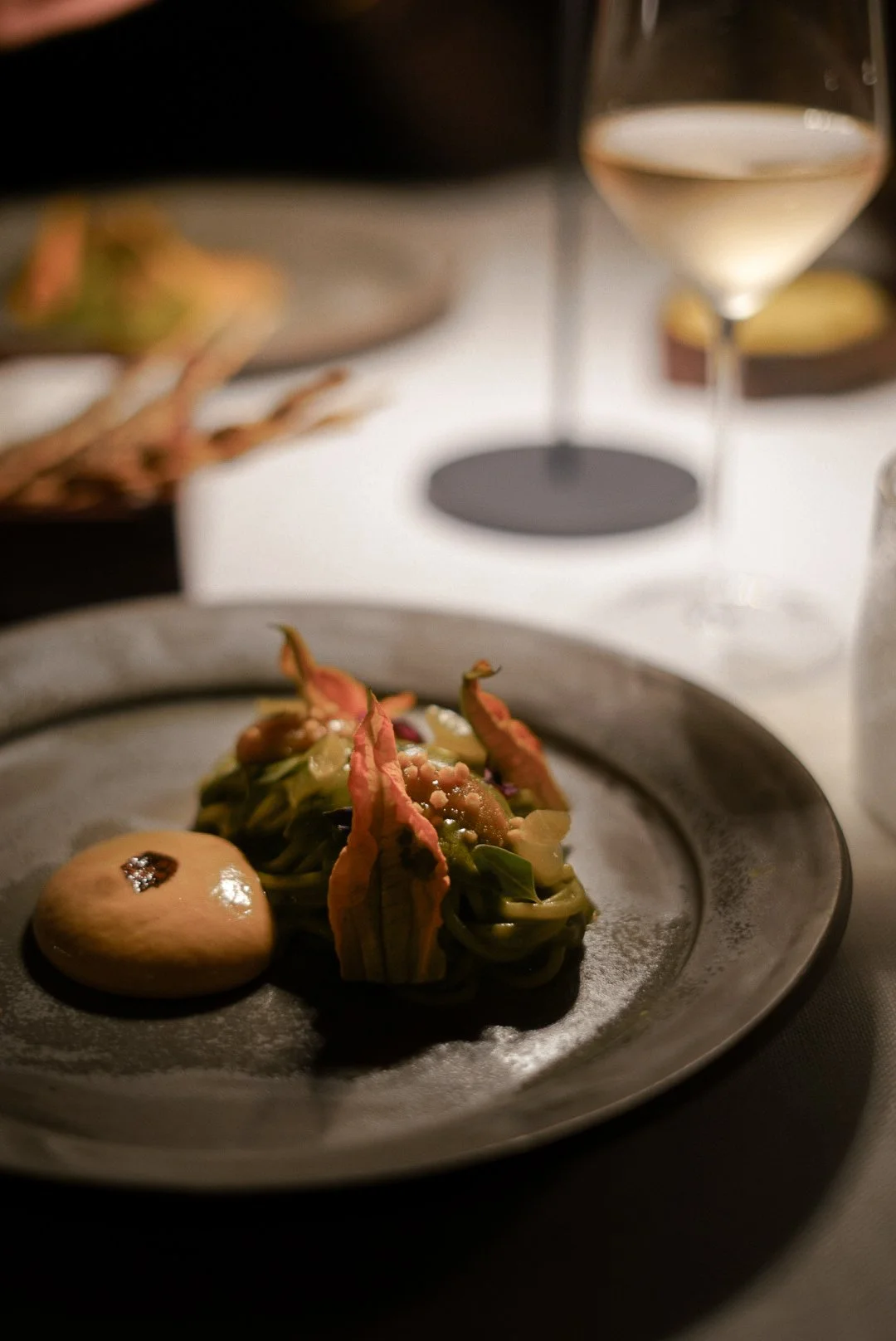
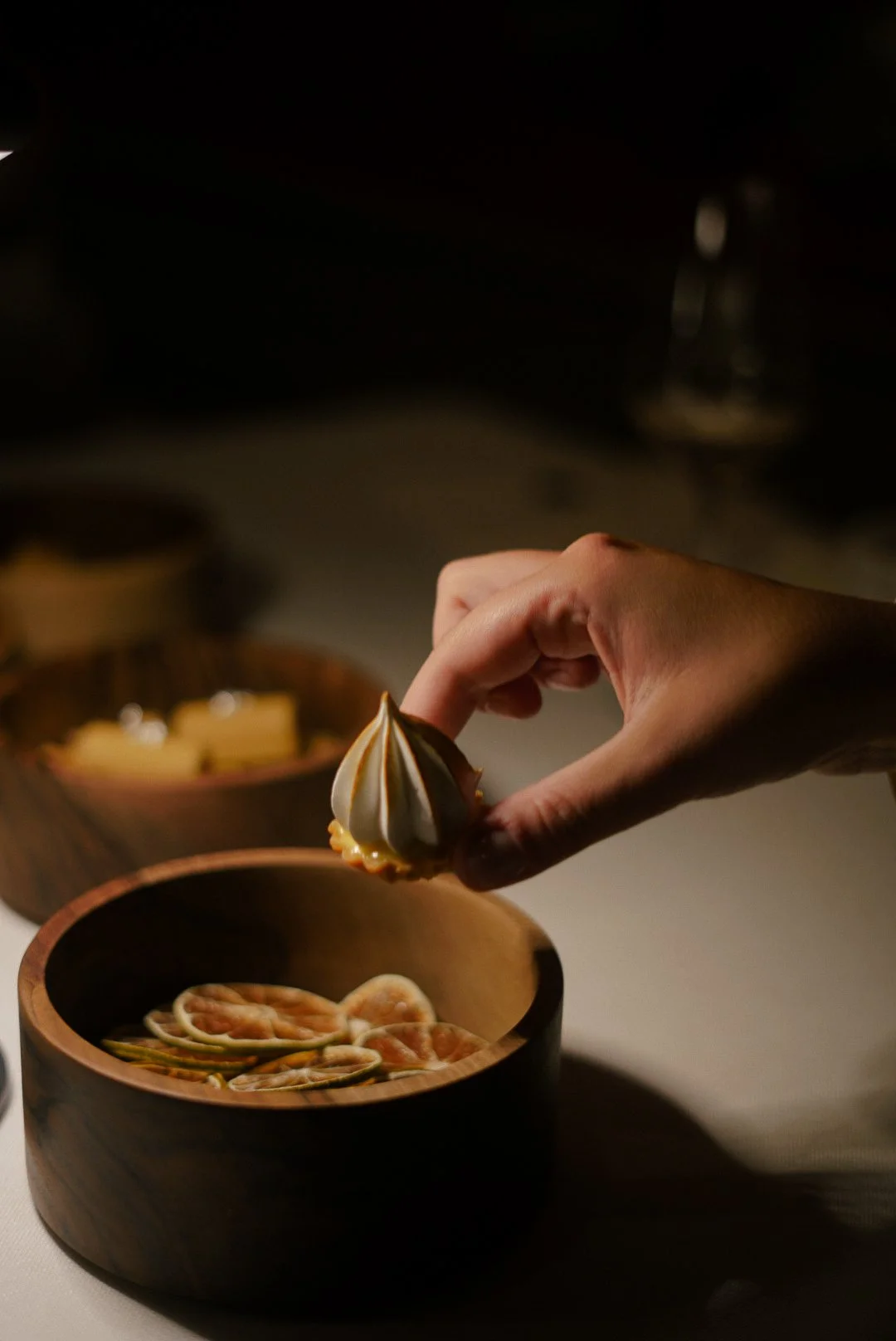
And the same thought returned at dinner. Da Lorenzo, the restaurant inside the palazzo, takes its name from Lorenzo Patarol and sits beside the garden that once belonged to him. The kitchen is crafted by Michelin-starred chef Paulo Airaudo and led in its daily execution by Salvatore Paladino, with pastry chef Alberto Zalunardo. Together, they shape a tasting menu called Sensazioni, available in four or seven courses, built around seasonality and a restrained approach to ingredients.
The name caught my attention. After spending the day thinking about Patarol and his garden, Sensazioni felt the right continuation of the same story. A botanical collection begins with looking closely - noticing the differences between one plant and another, its colour, scent, texture, season. At Da Lorenzo, that attention shifts from the garden to the table. The experience is no longer about seeing what has been collected, but about tasting it.
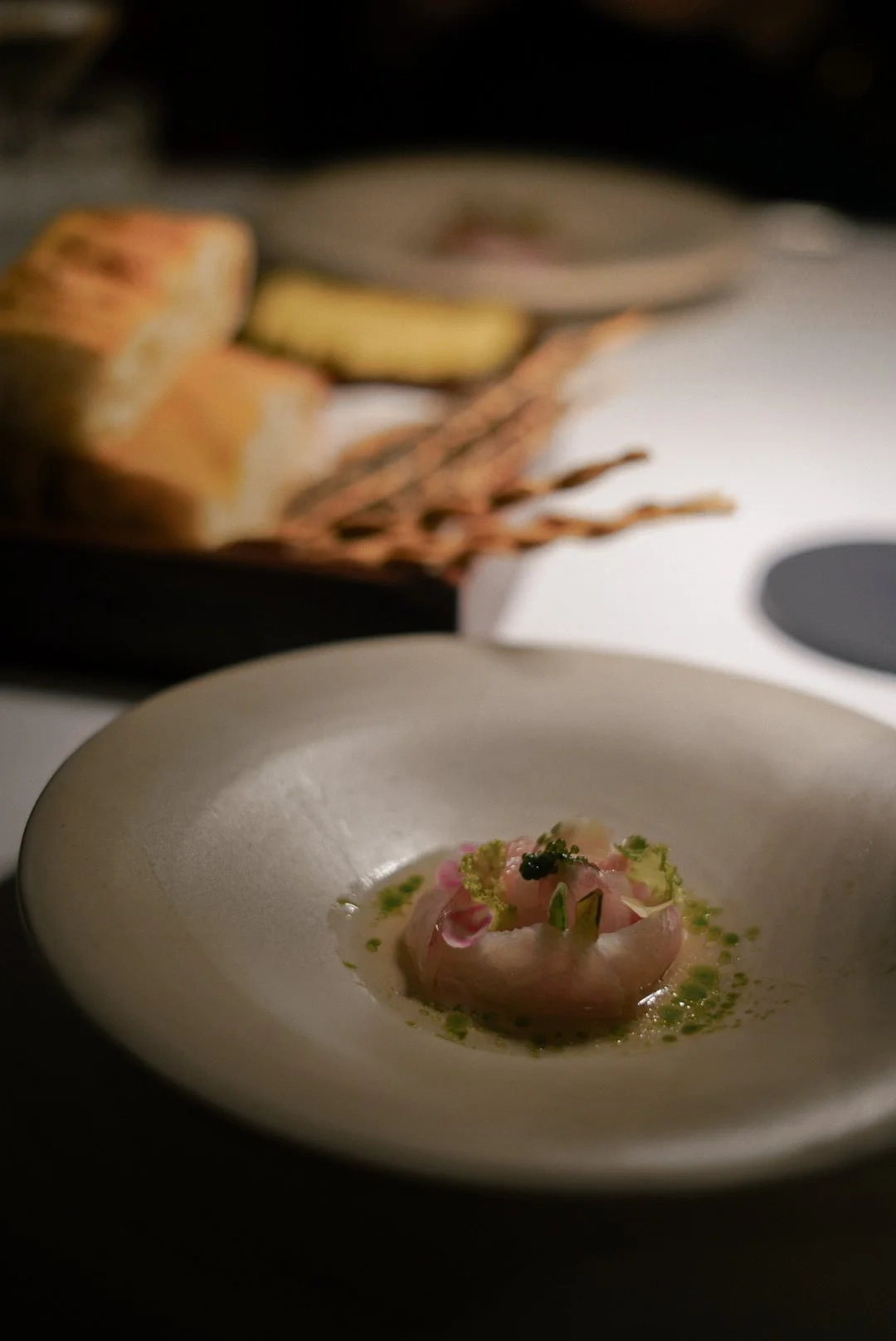
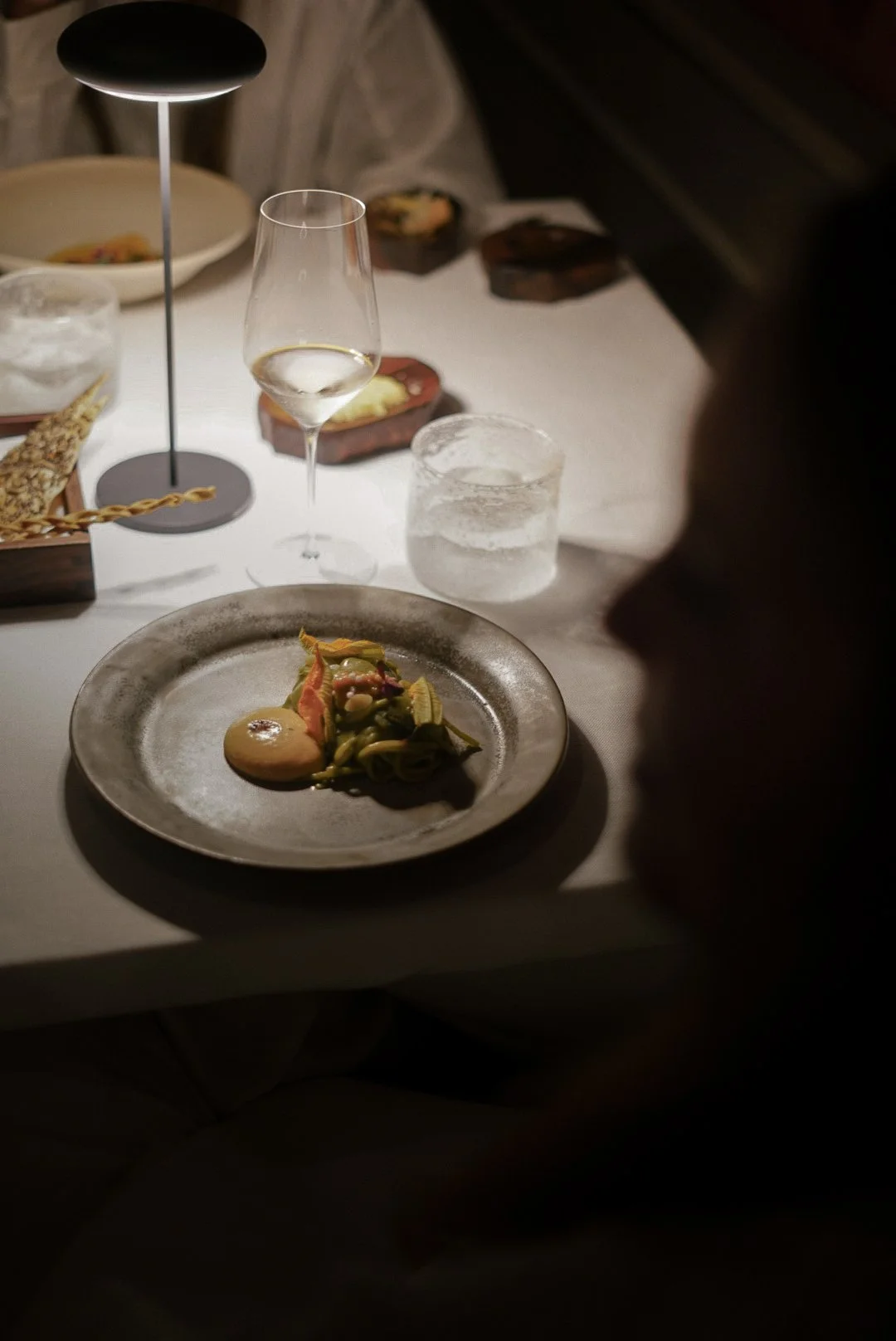
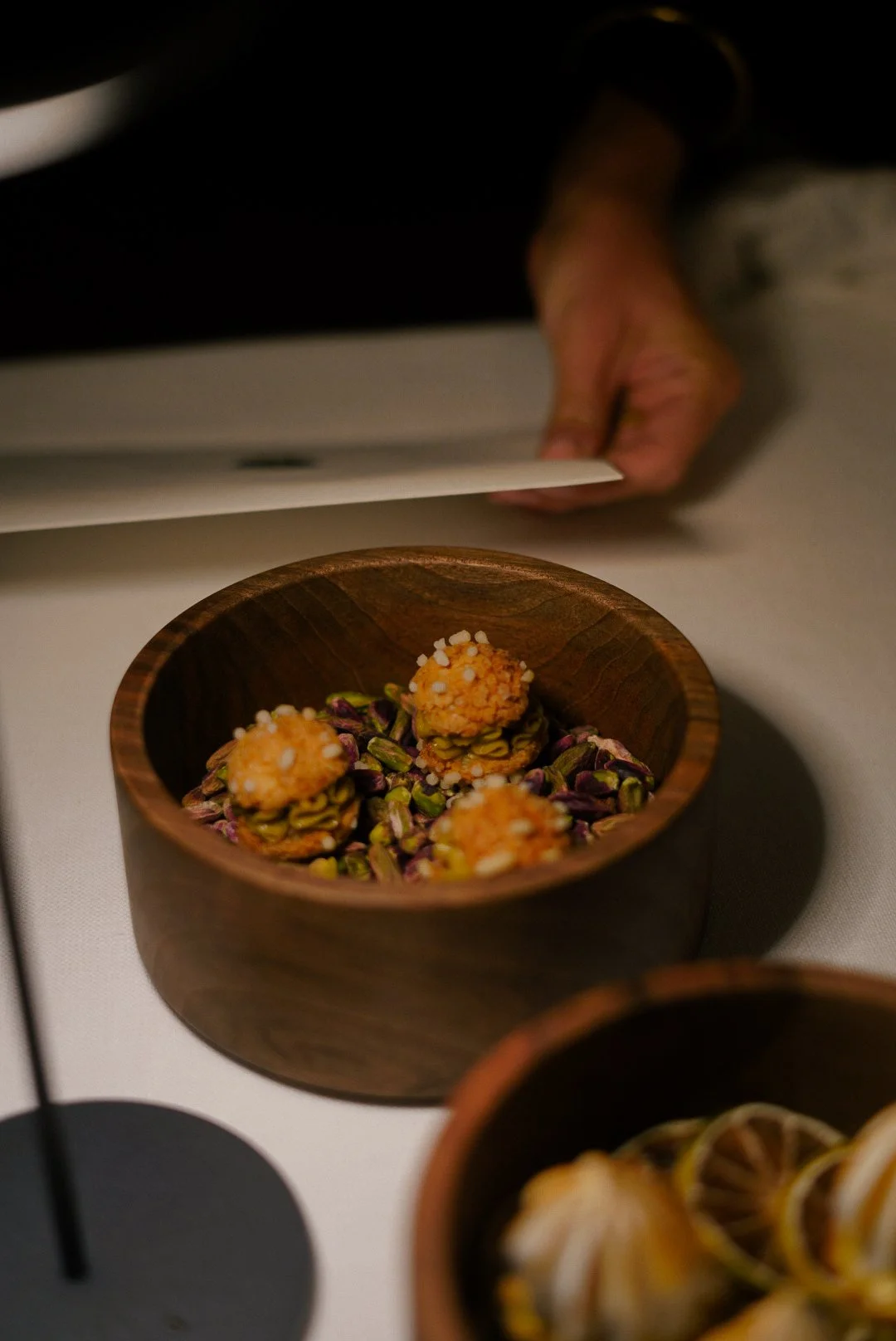
When I ate there, the menu moved through Jerusalem artichoke with coffee oil, anchovy in saor, amberjack with tomato water and sea grapes, Morlacco cheese with grilled eel and pumpkin, followed by dessert and small final courses that changed the pace of the meal. What stayed with me was not any attempt to reproduce the garden on the plate. It was the attention given to individual ingredients and the sense that each had been given enough space to remain itself.
And this, I realised, was yet another form of collecting: not taking everything, but knowing what deserves attention.
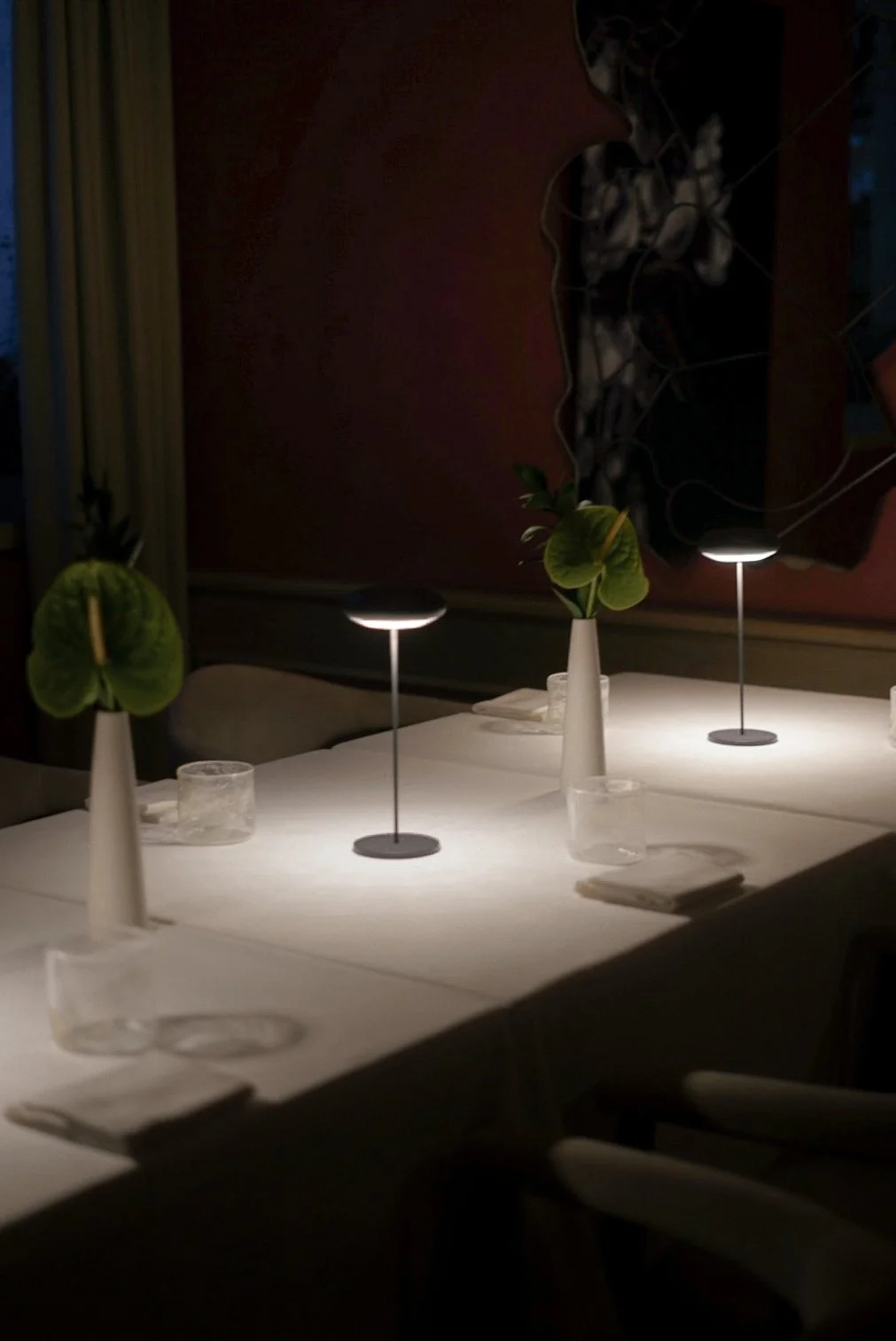
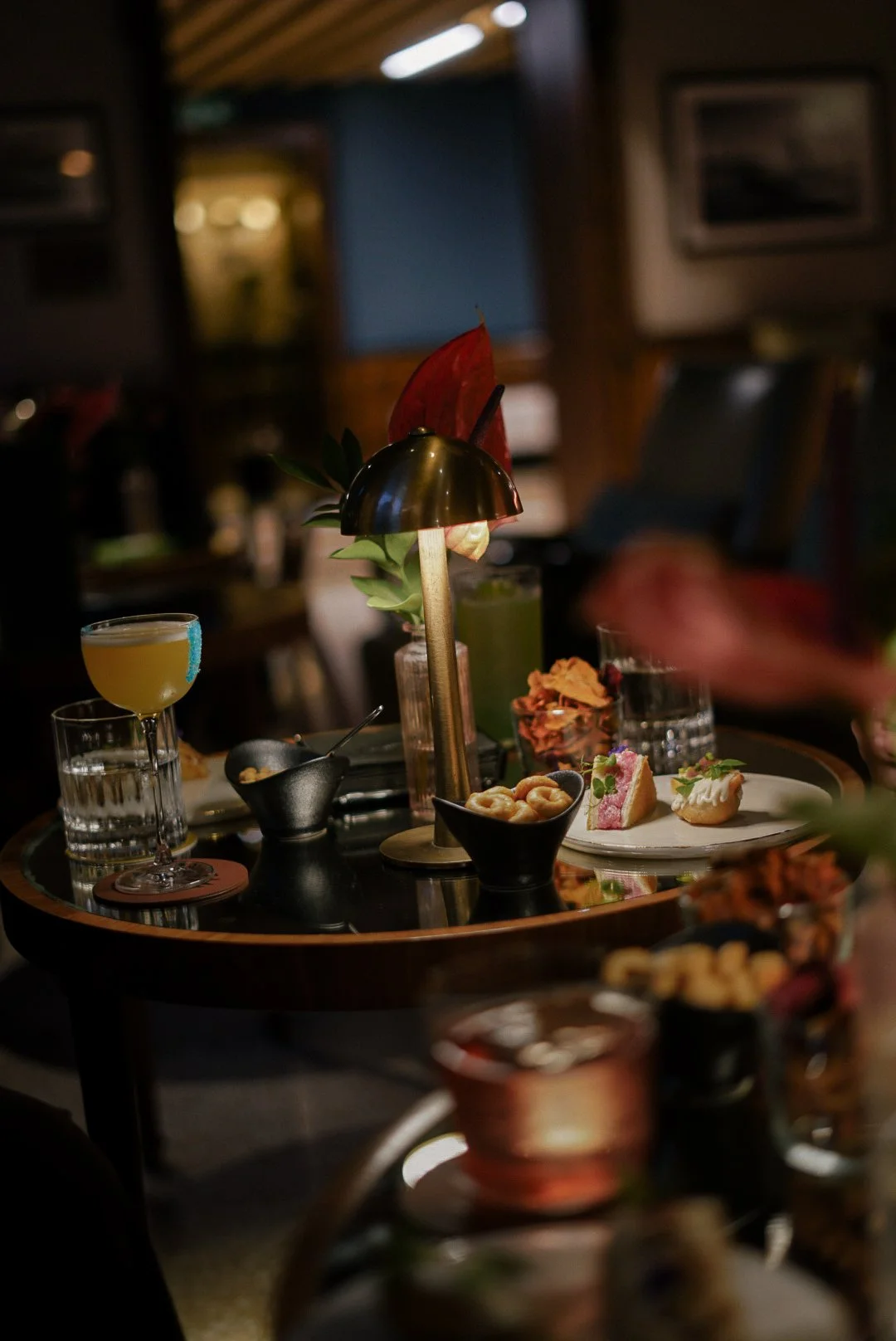
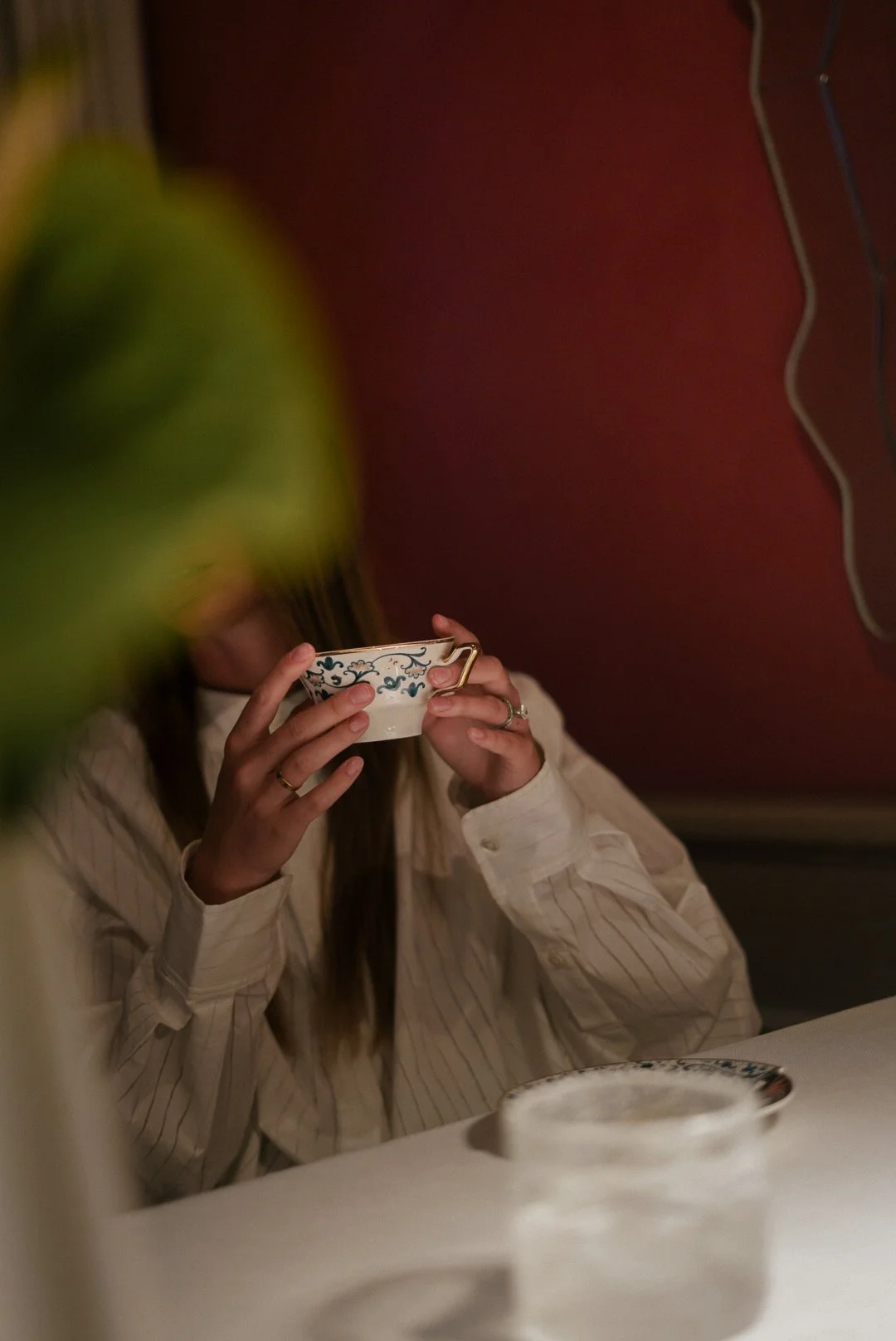
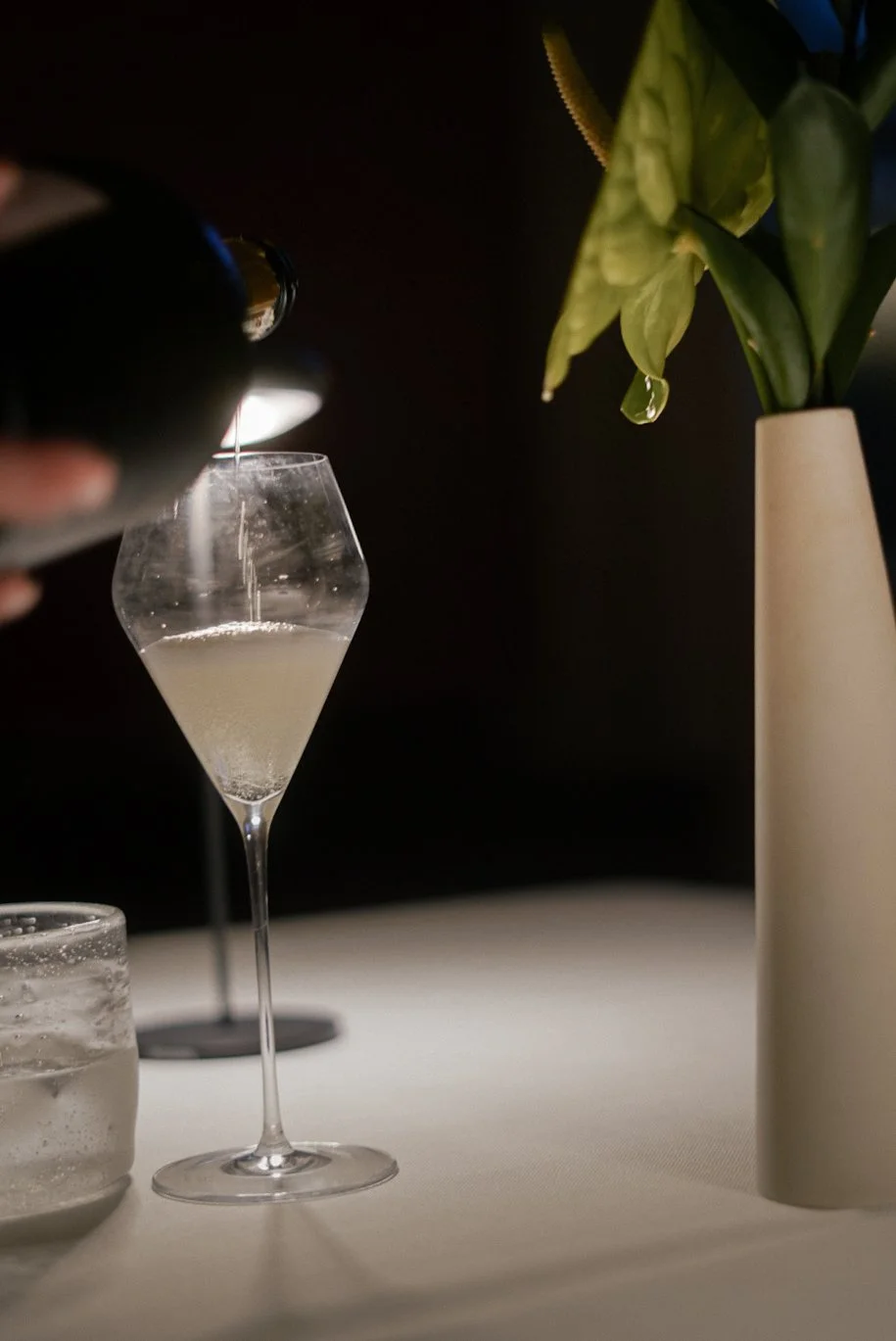
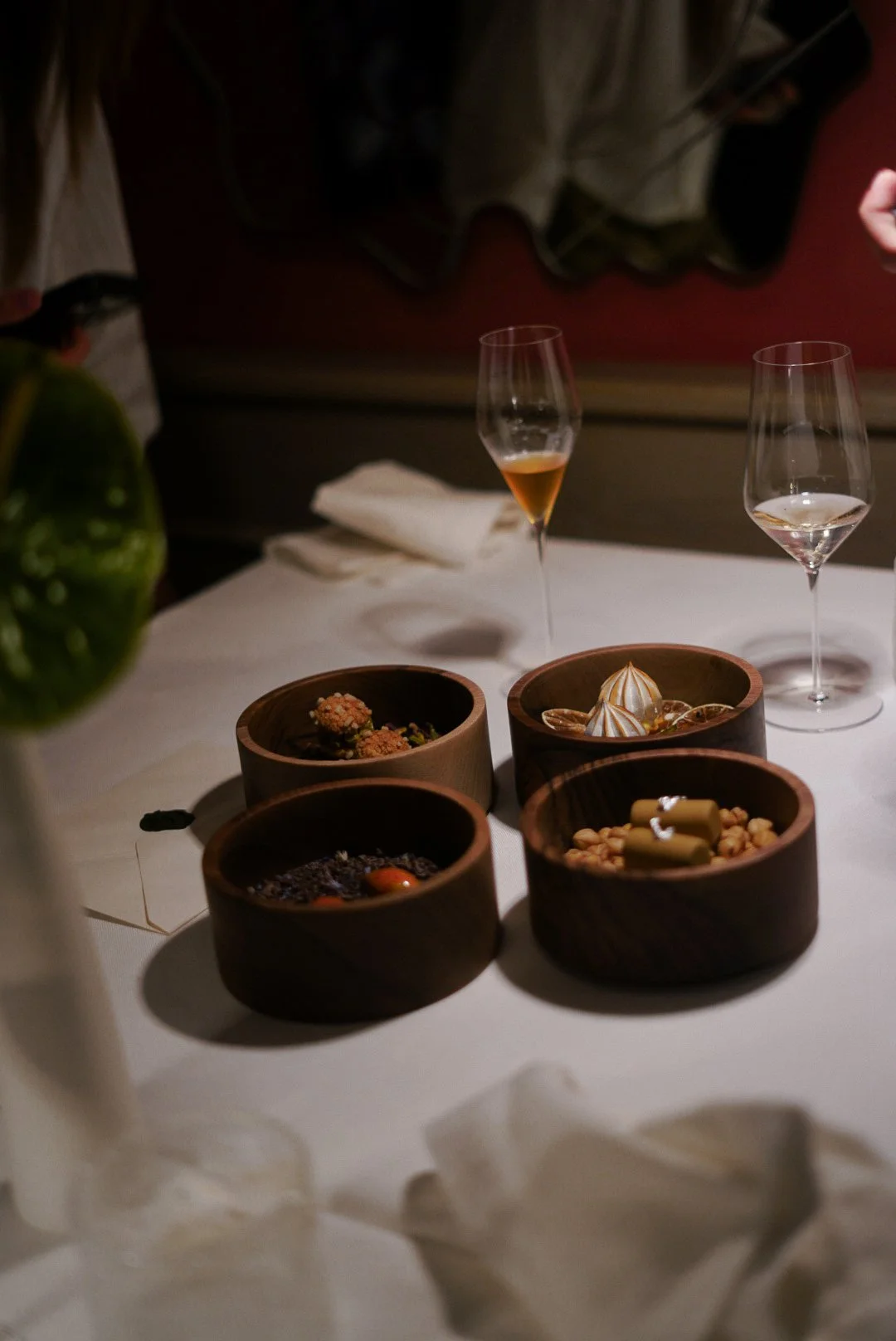
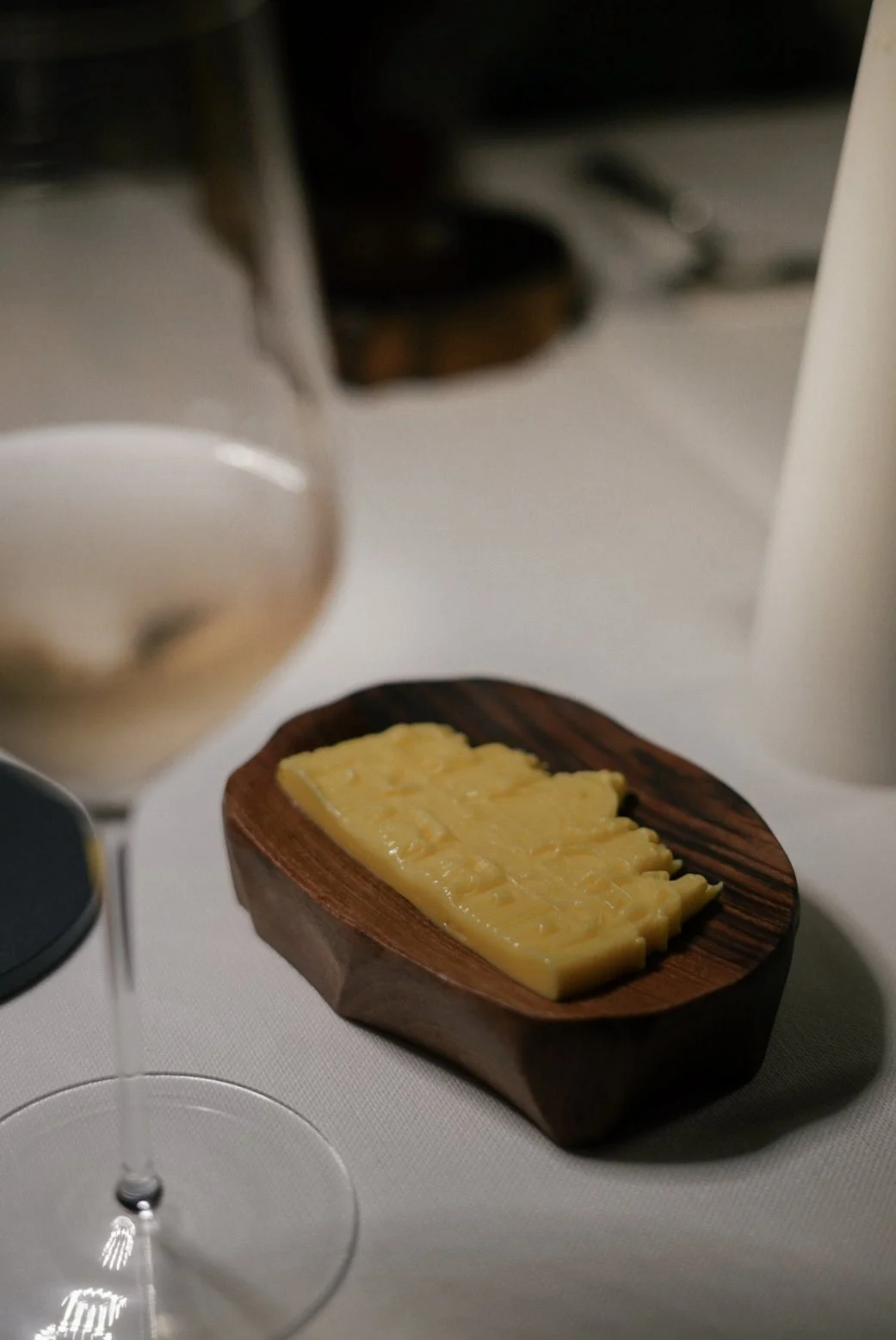
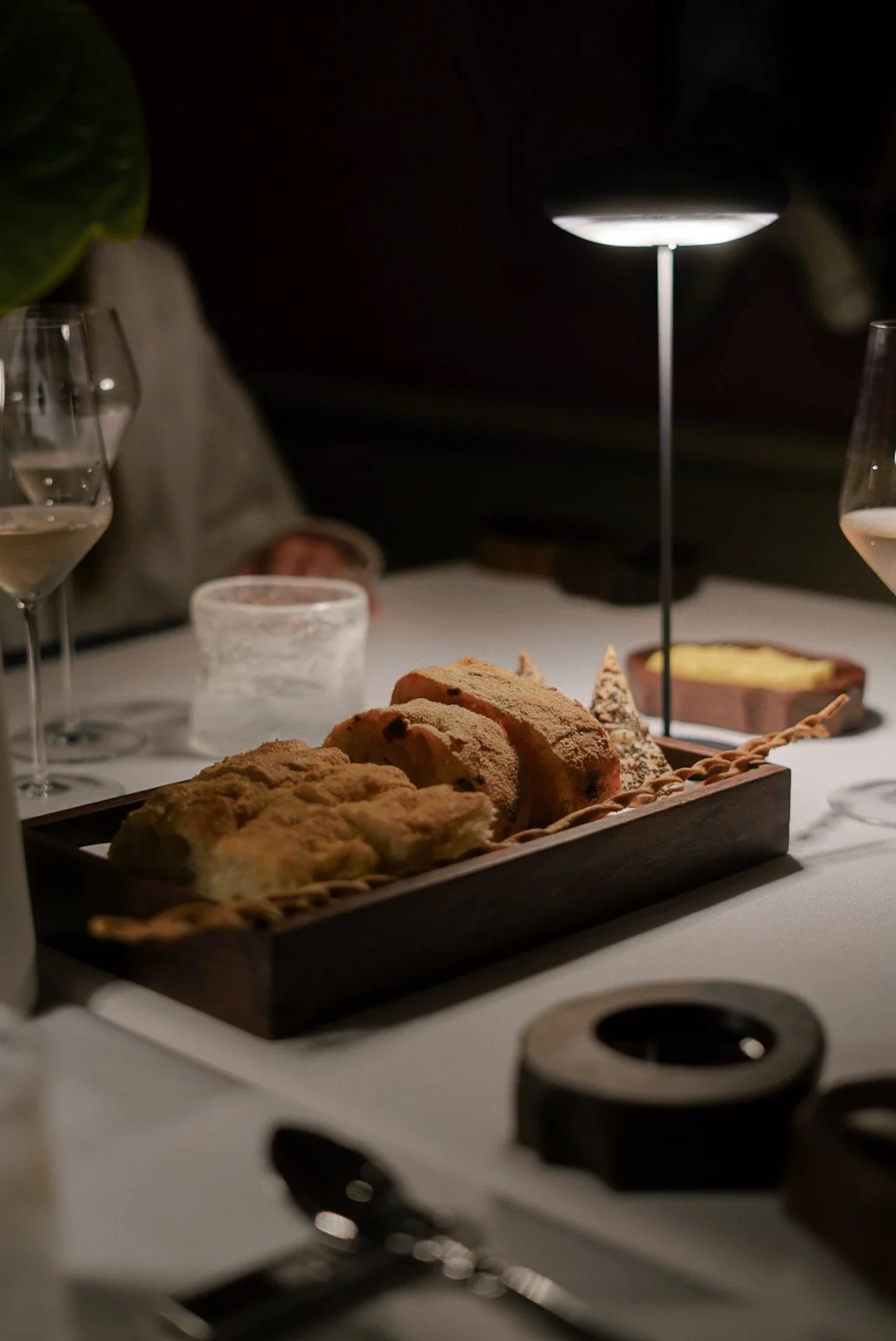
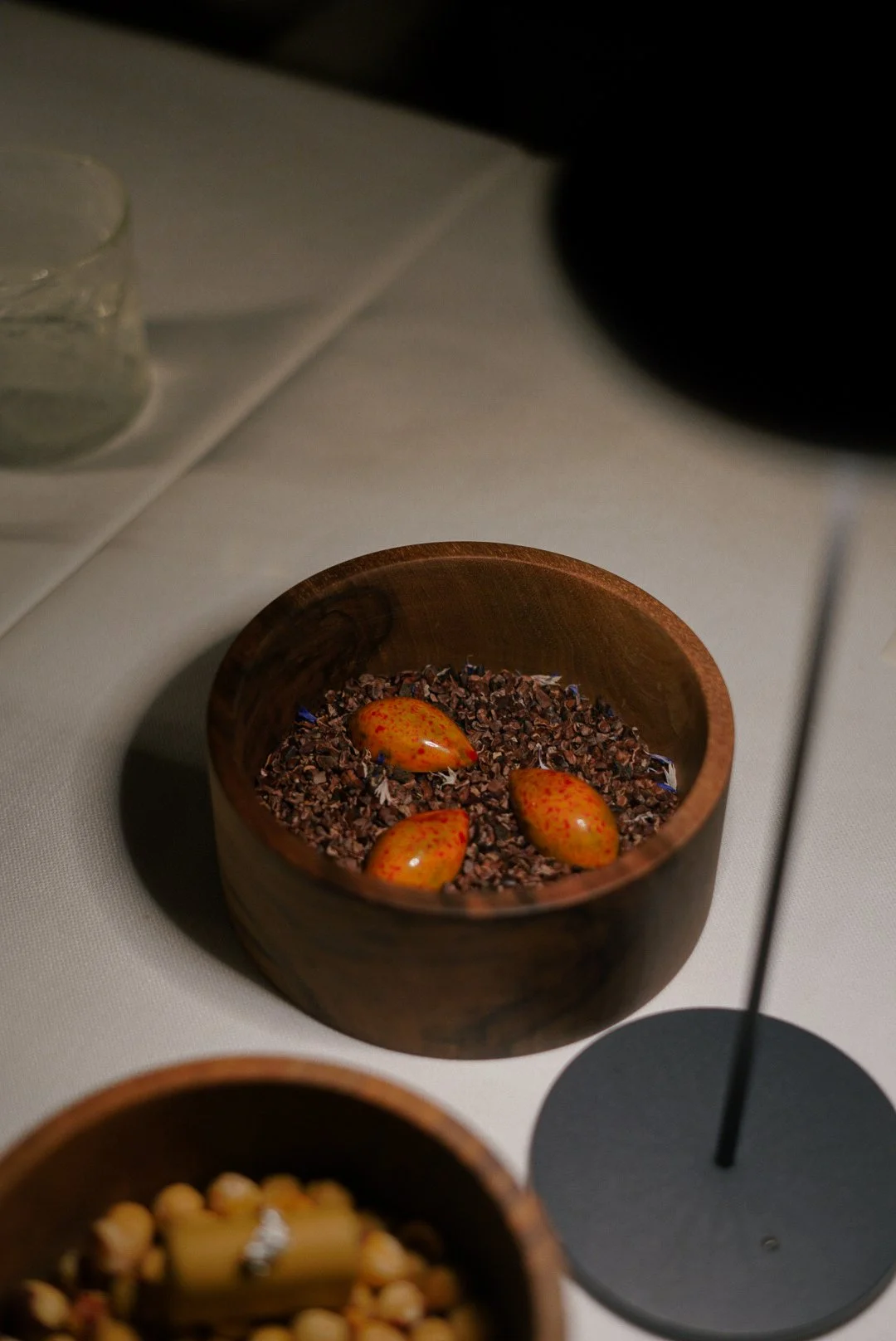
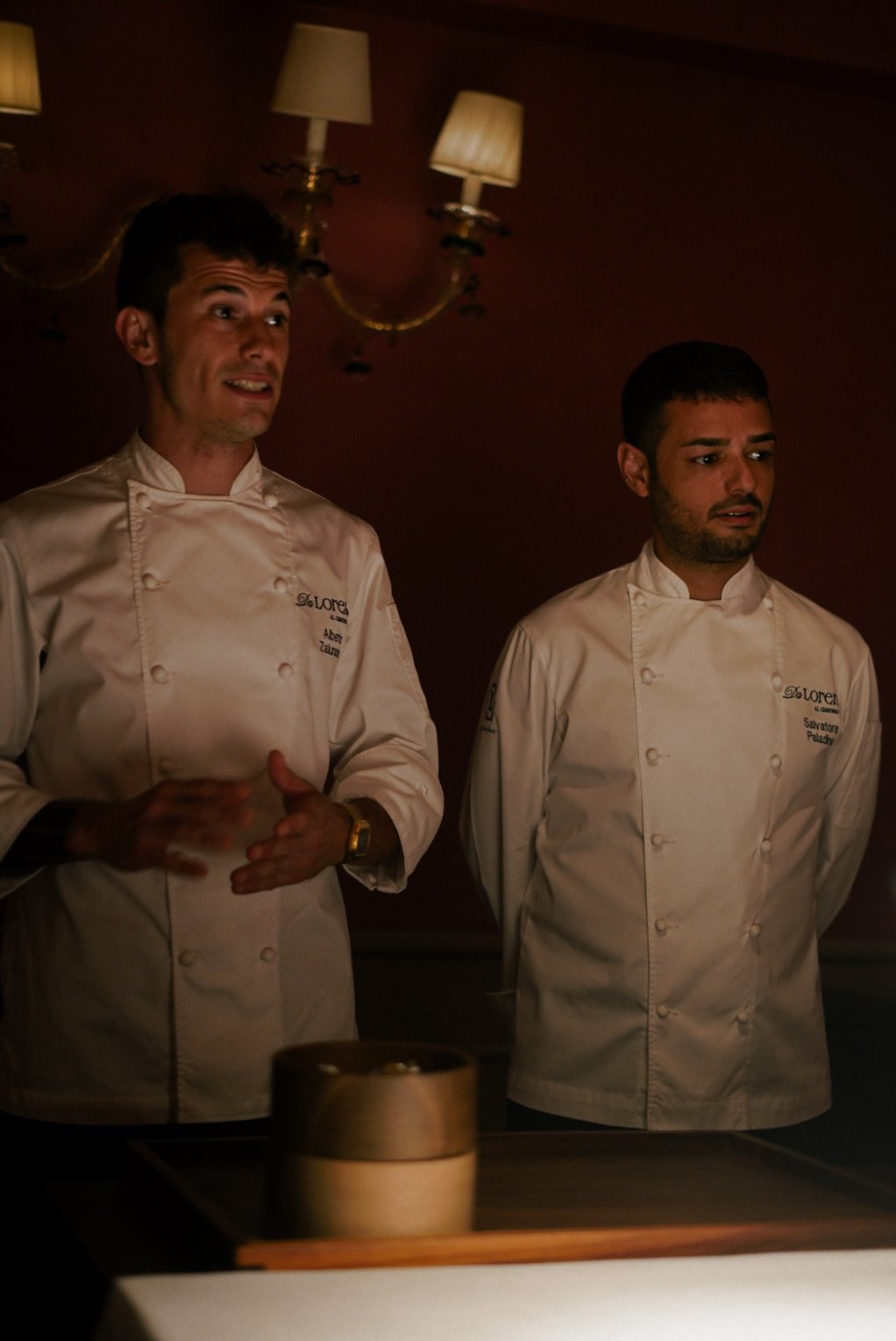
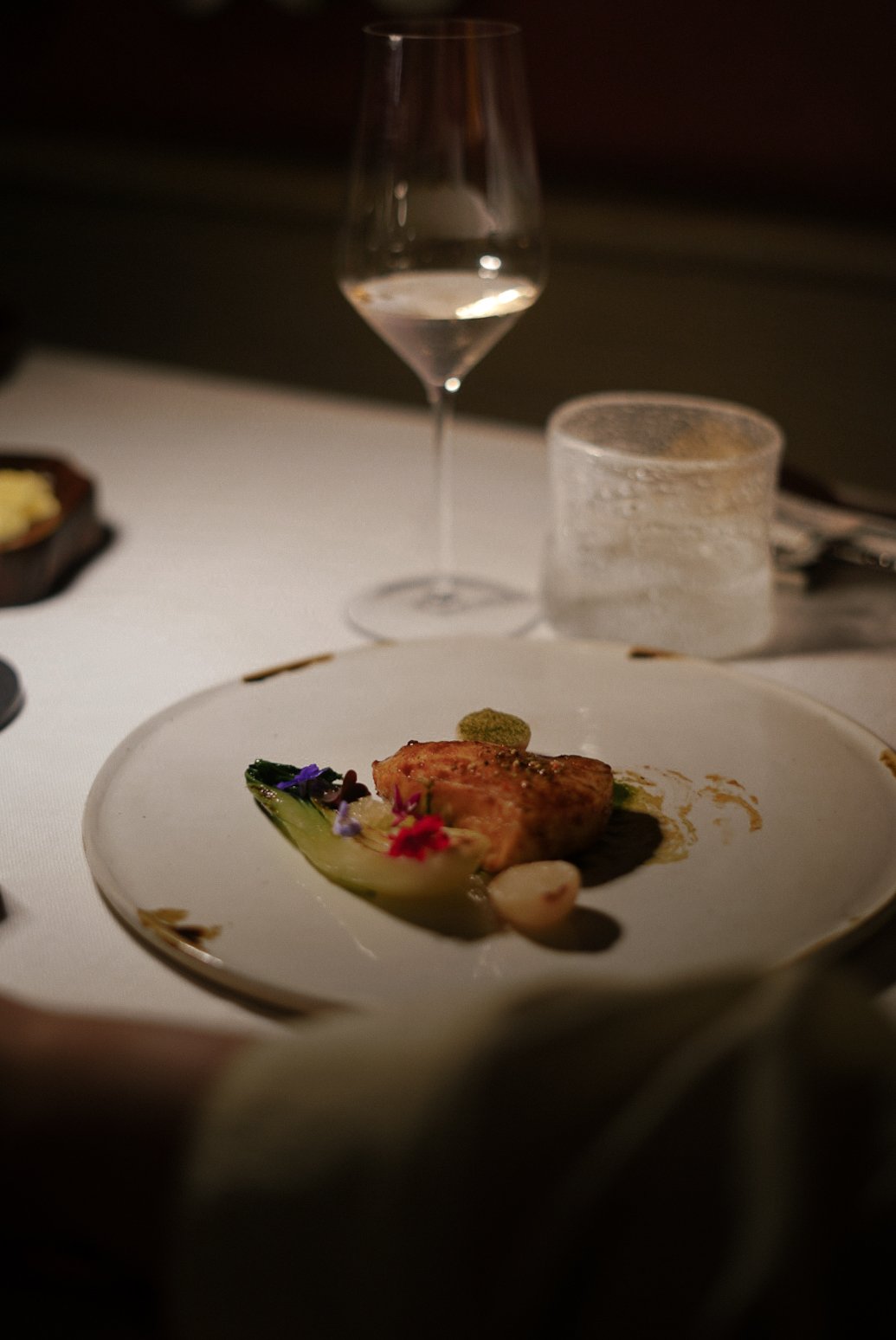
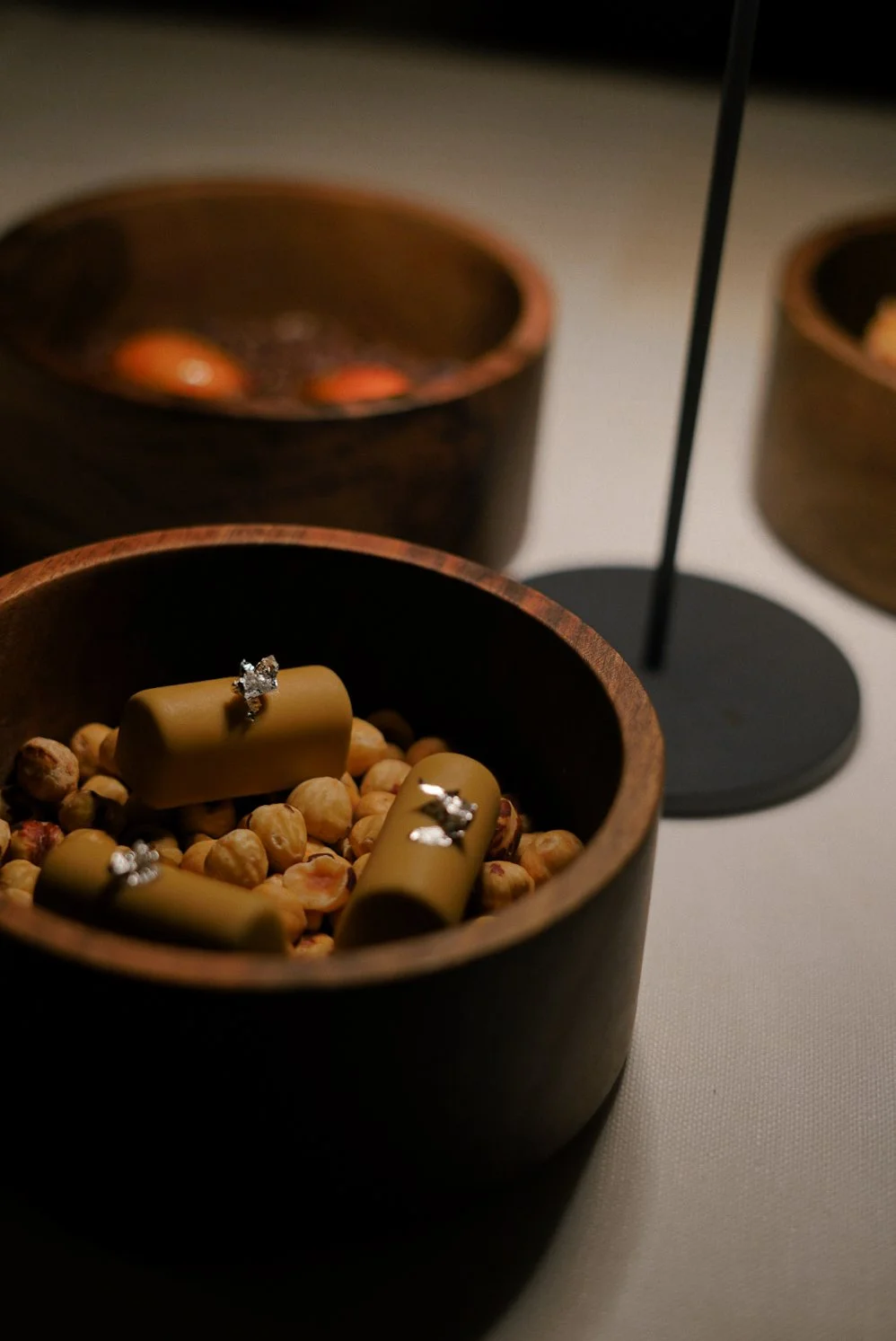
There is a tendency to speak about Venice through its greatest images, from palaces and churches to the Grand Canal, the works of Titian and Tintoretto, the glass of Murano. They are all there, of course. But spending time in Cannaregio, staying at NH Collection Venezia Grand Hotel Palazzo dei Dogi and moving between its garden, the furnaces of Murano and the restaurant made me more interested in the smaller mechanisms behind the city: the botanist filling his garden with foreign species; the glassmaker teaching an artist how to work with heat; the chef working with ingredients beside an eighteenth-century garden.
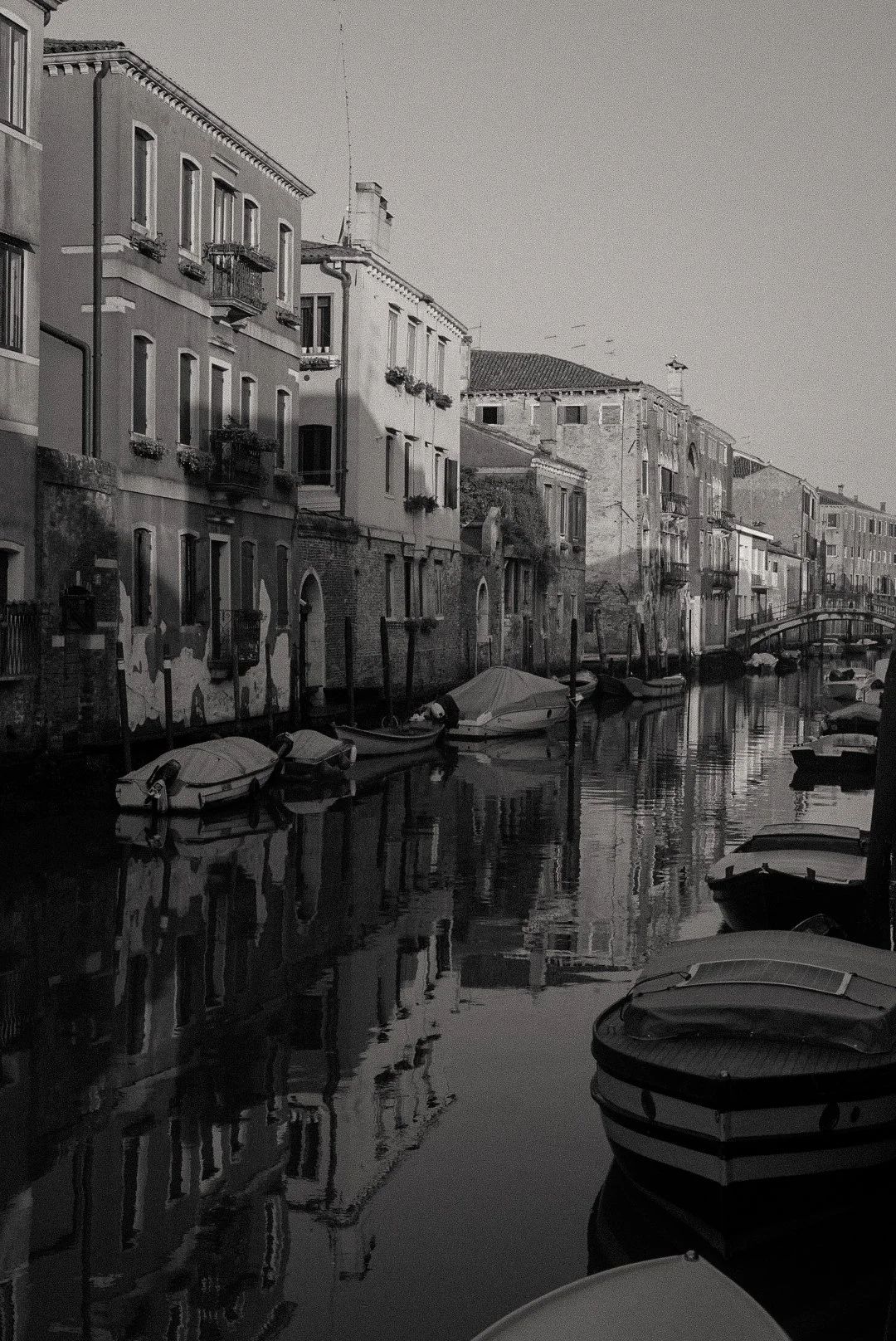
None of these things belongs neatly to one period of Venetian history. That, perhaps, is precisely what makes them feel so Venetian. The Palazzo Rizzo-Patarol has been a residence, a monastery, an embassy and now a hotel. Its garden has outlived the man who planted it. Murano glass has moved from domestic objects and chandeliers into contemporary sculpture. Artists who might otherwise have had no reason to enter a furnace in Murano now spend days there learning how to make something they could not have made anywhere else.
Venice has always been changing what it keeps. Maybe that is why the city feels less like a finished collection than an inventory still being written. The old things remain, but they keep acquiring new uses, new hands, new stories. And perhaps this is the most Venetian thing of all: nothing here is ever simply kept. It is inherited, altered, and sent back into the world as something new.
Thank you Alessia Rizzetto PR, NH Collection Venezia Grand Hotel Palazzo dei Dogi & Team.
