Italy's Greatest Works Were Never Hung on a Wall
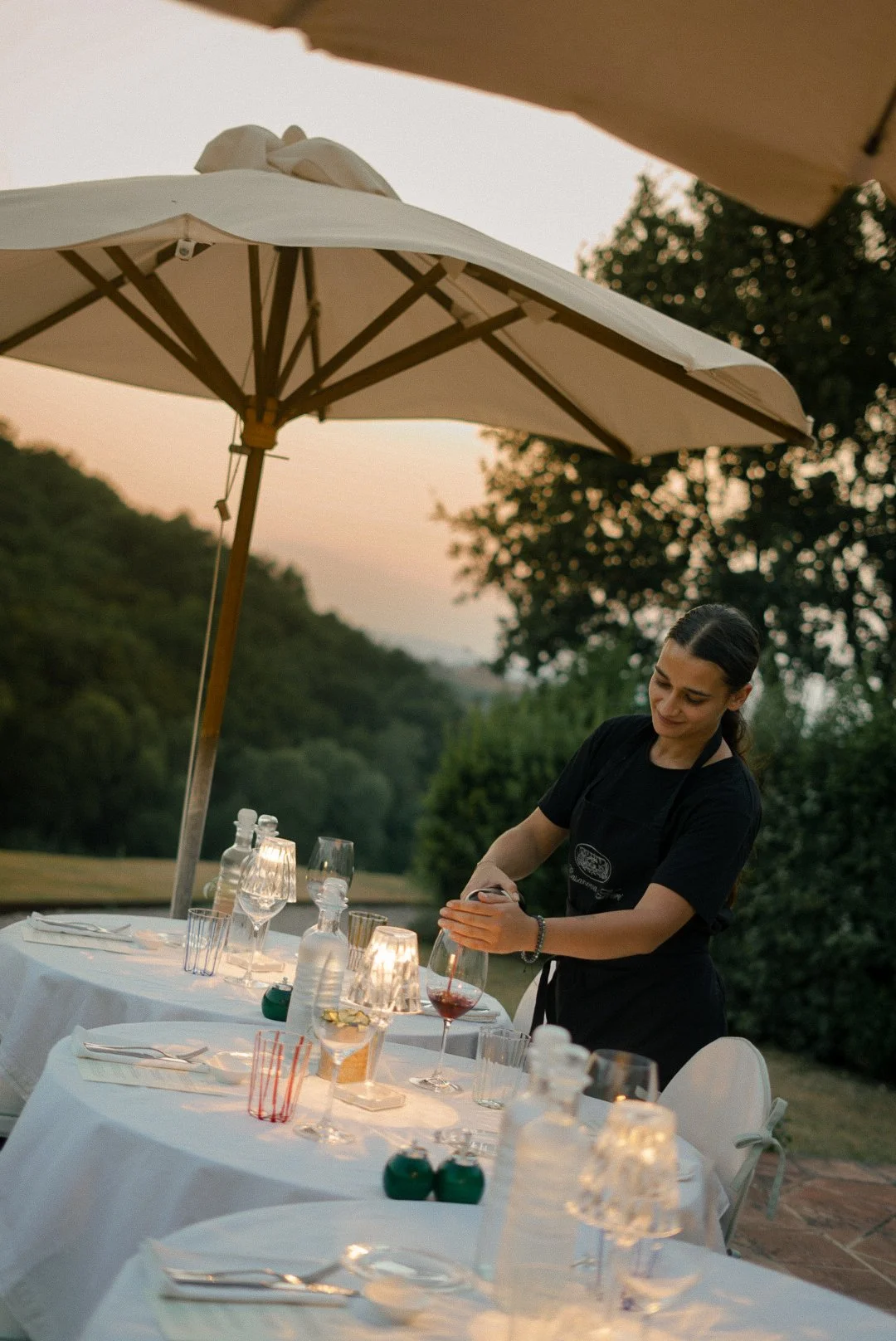
At Casanova di Neri, the landscape tells a story long before the wine does.
For centuries, Italy has taught us where to look: towards frescoed ceilings, Renaissance canvases and marble sculptures whose beauty has survived generations. We have learnt to associate Italian excellence with museums, churches and palaces, believing that its greatest masterpieces are those carefully preserved behind glass, protected by stone walls.
Yet some of Italy's most remarkable creations have never entered a gallery. They remain outdoors, exposed to the wind, shaped by the seasons and rewritten every year without ever losing their identity; and the hills of Montalcino are among them.
What appears, at first glance, to be a landscape of extreme beauty gradually reveals itself as something far more complex: not simply nature, but culture. Every vineyard, every cypress, every dry-stone wall and every stretch of woodland reflects centuries of observation, patience and countless human decisions. Like any great work of art, it was not created in a single moment but refined over generations.
It was this thought that accompanied me throughout my visit to Casanova di Neri. Internationally recognised as one of the defining estates of Brunello di Montalcino, it is tempting to approach it through the lens of wine alone. Yet doing so would mean overlooking the true protagonist of the story. Before there is a bottle, there is a landscape; before there is a vintage, there is a place that has spent centuries learning how to express itself.
Perhaps landscapes, like languages, have their own grammar. Every row of Sangiovese forms part of its vocabulary. The cypress trees create its punctuation. The changing seasons determine its rhythm, while the geological complexity beneath the surface gives each sentence its own unmistakable tone. A great winemaker, then, is not simply a producer but a translator, someone capable of reading this language without rewriting it.
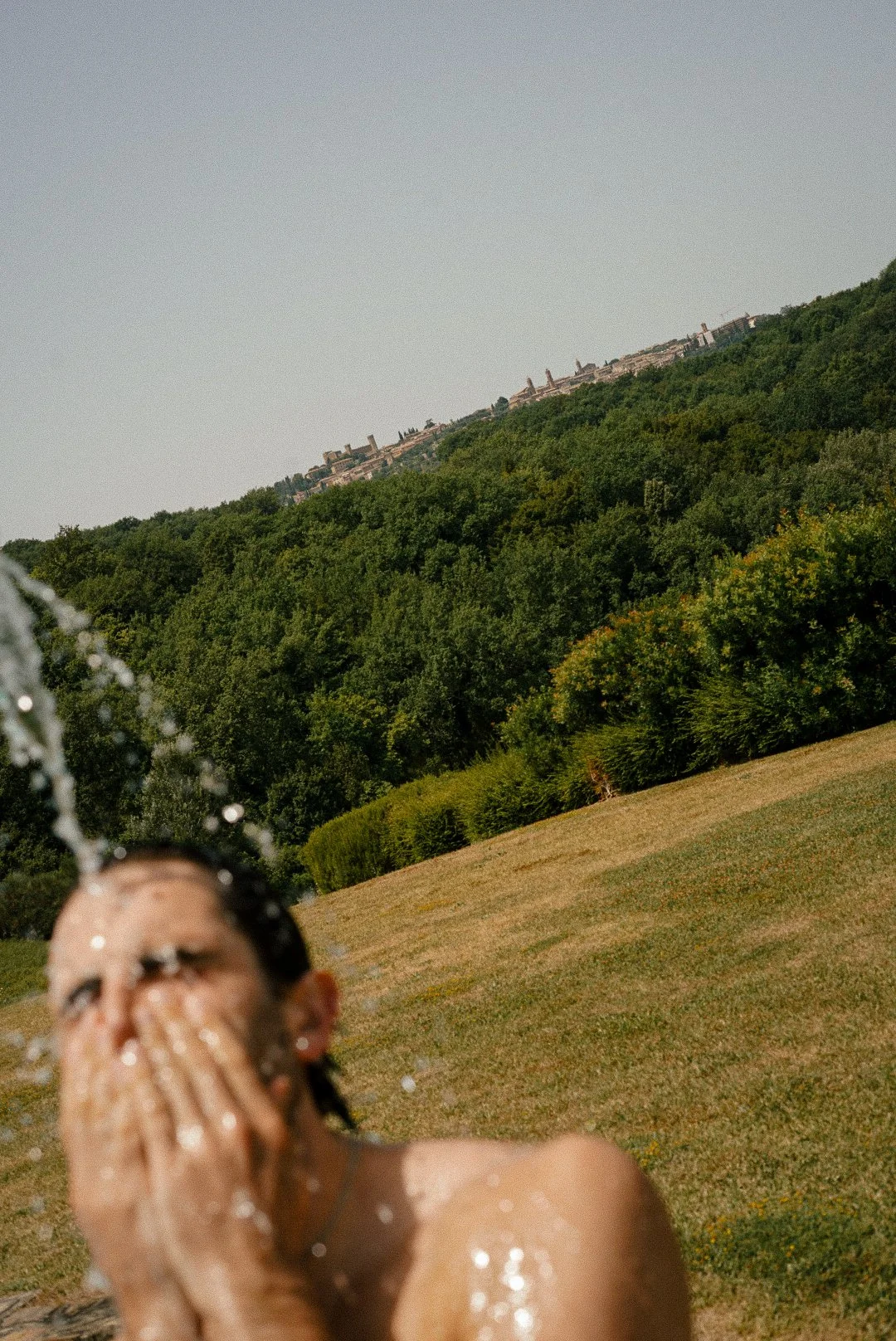
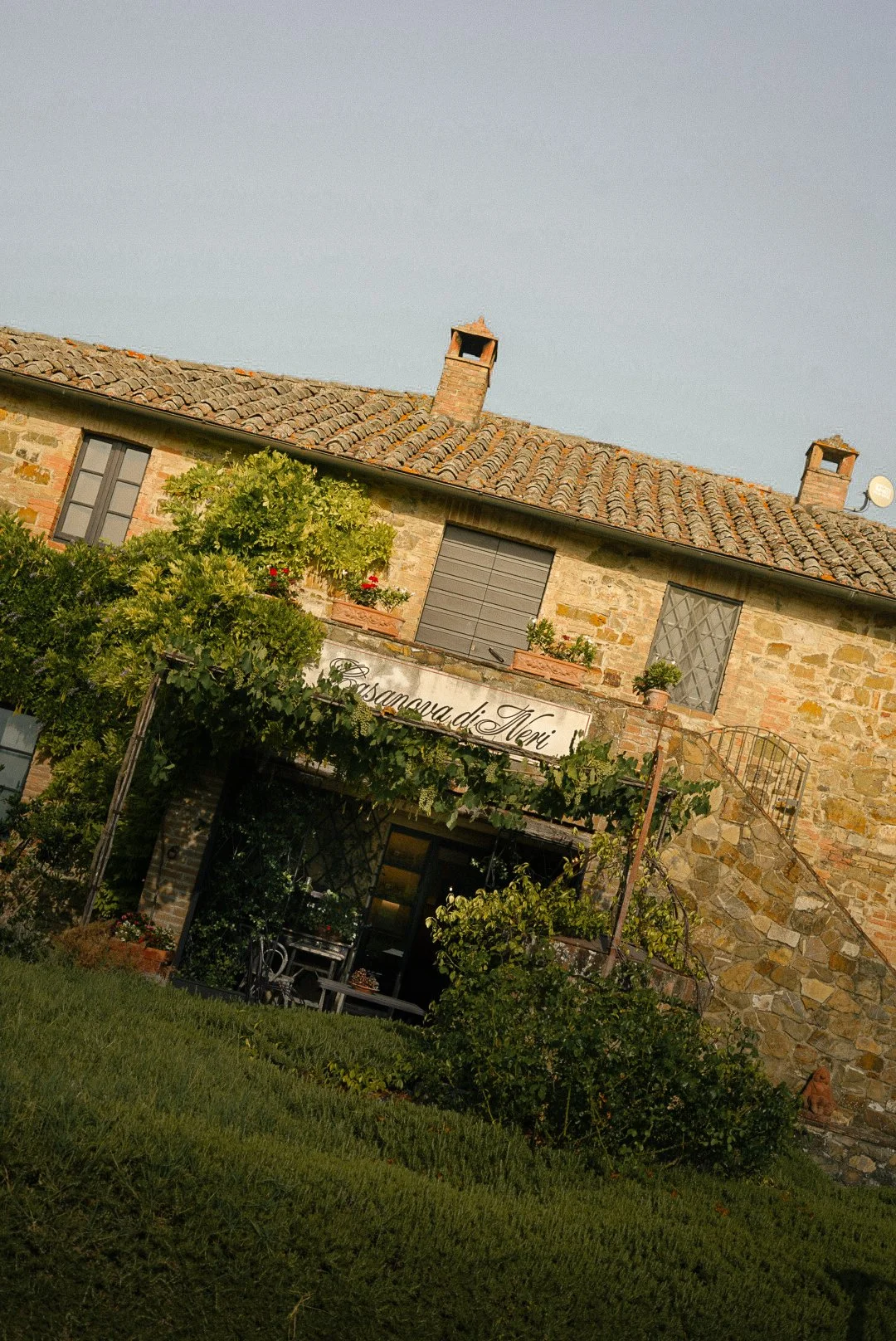
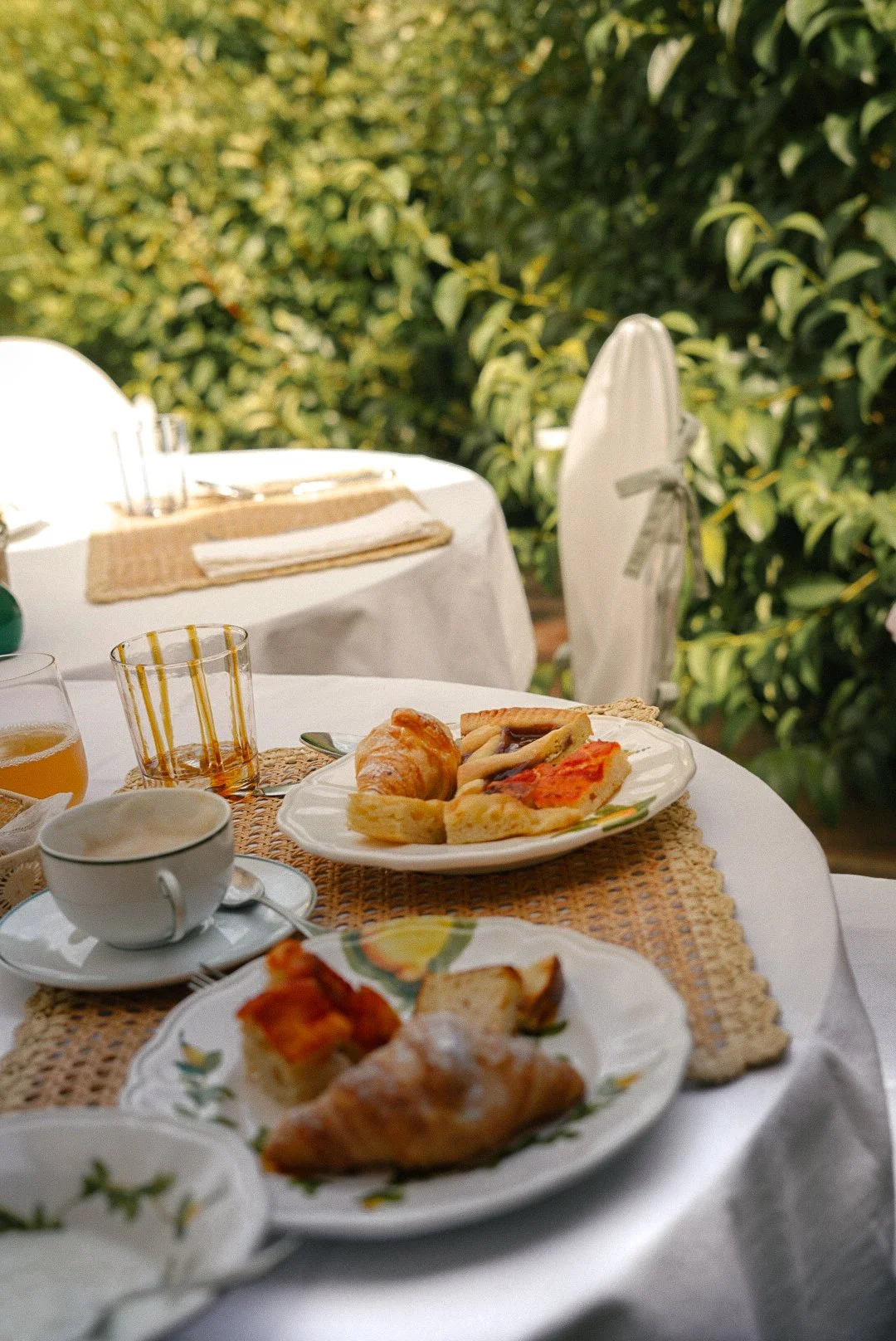
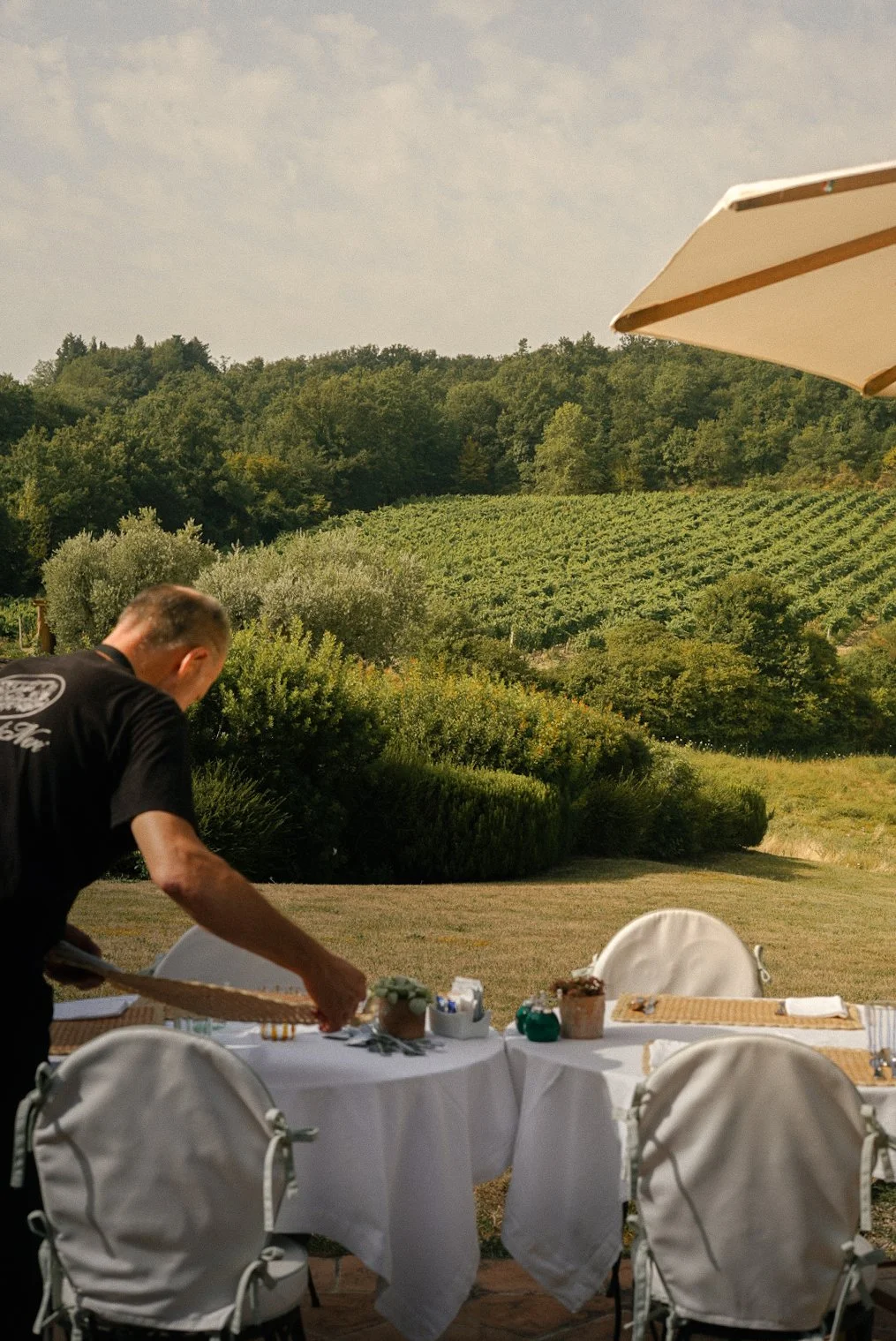
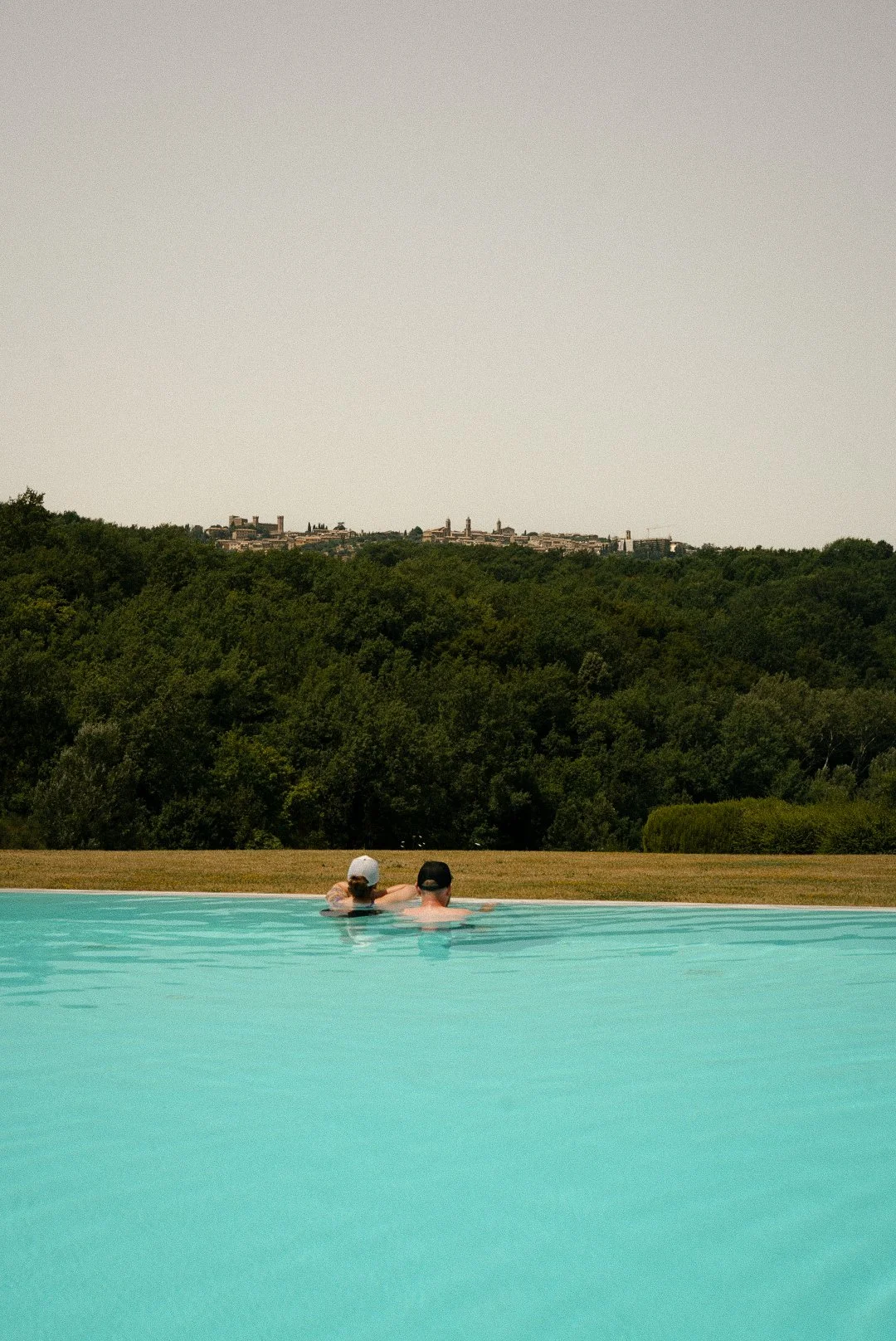
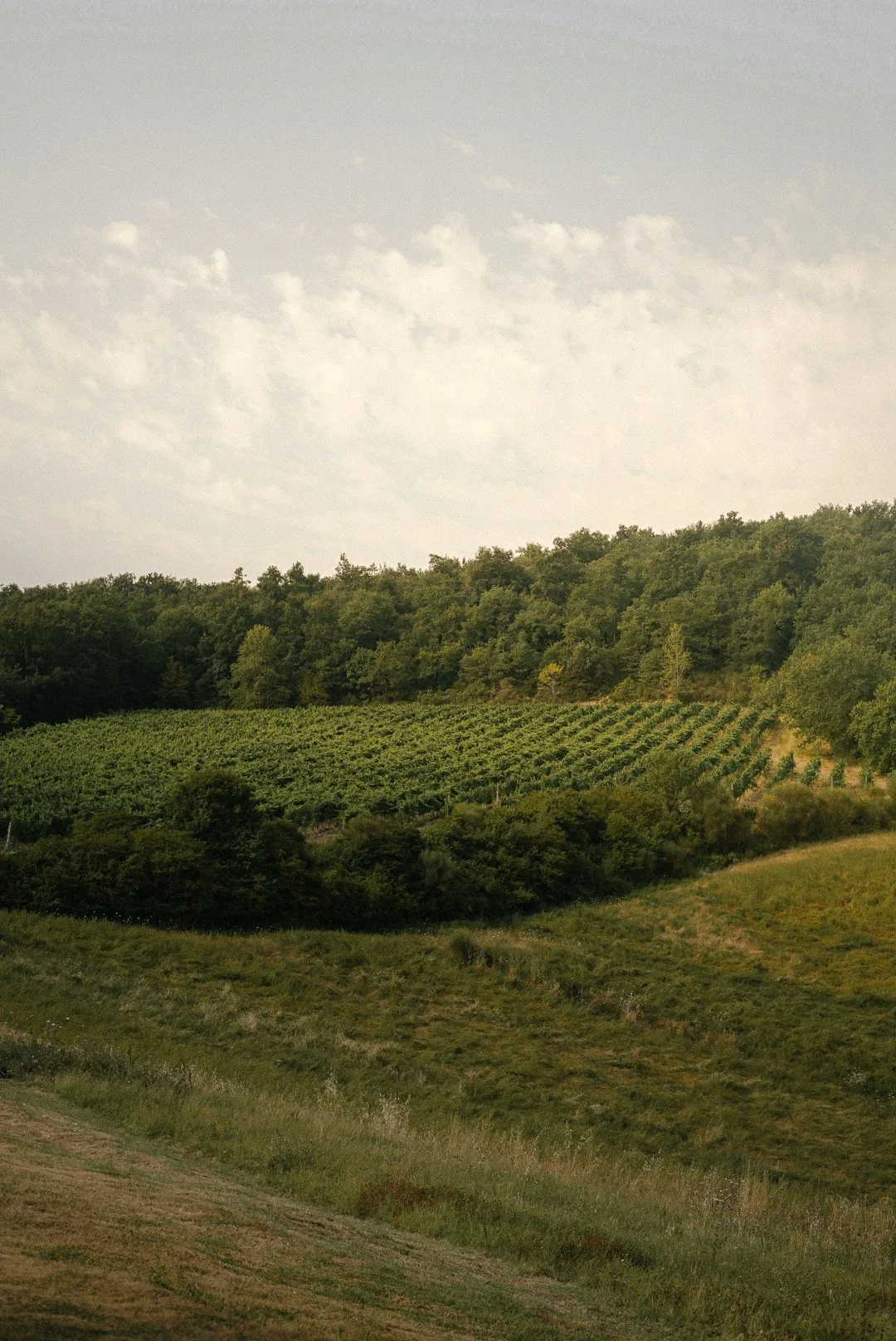
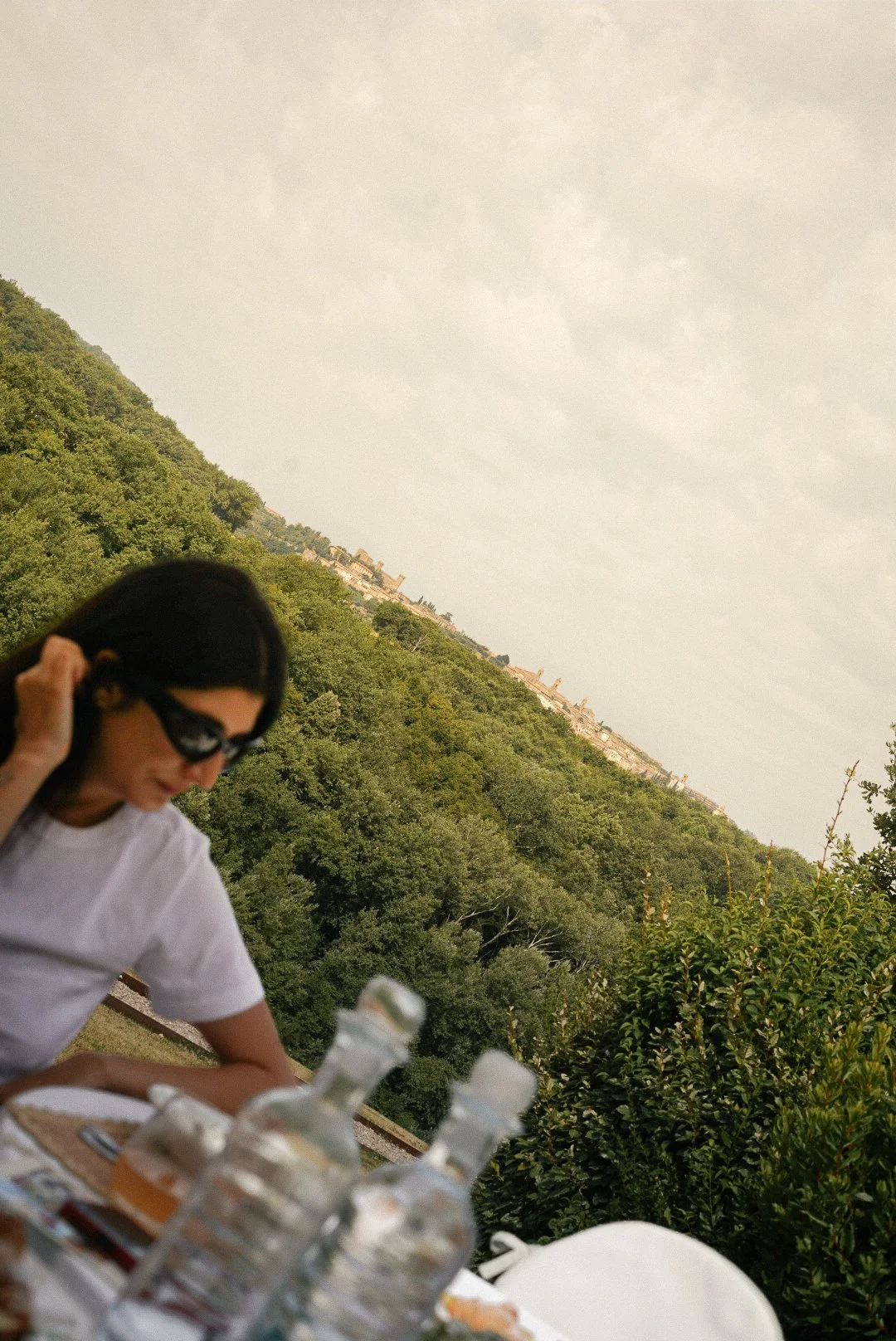
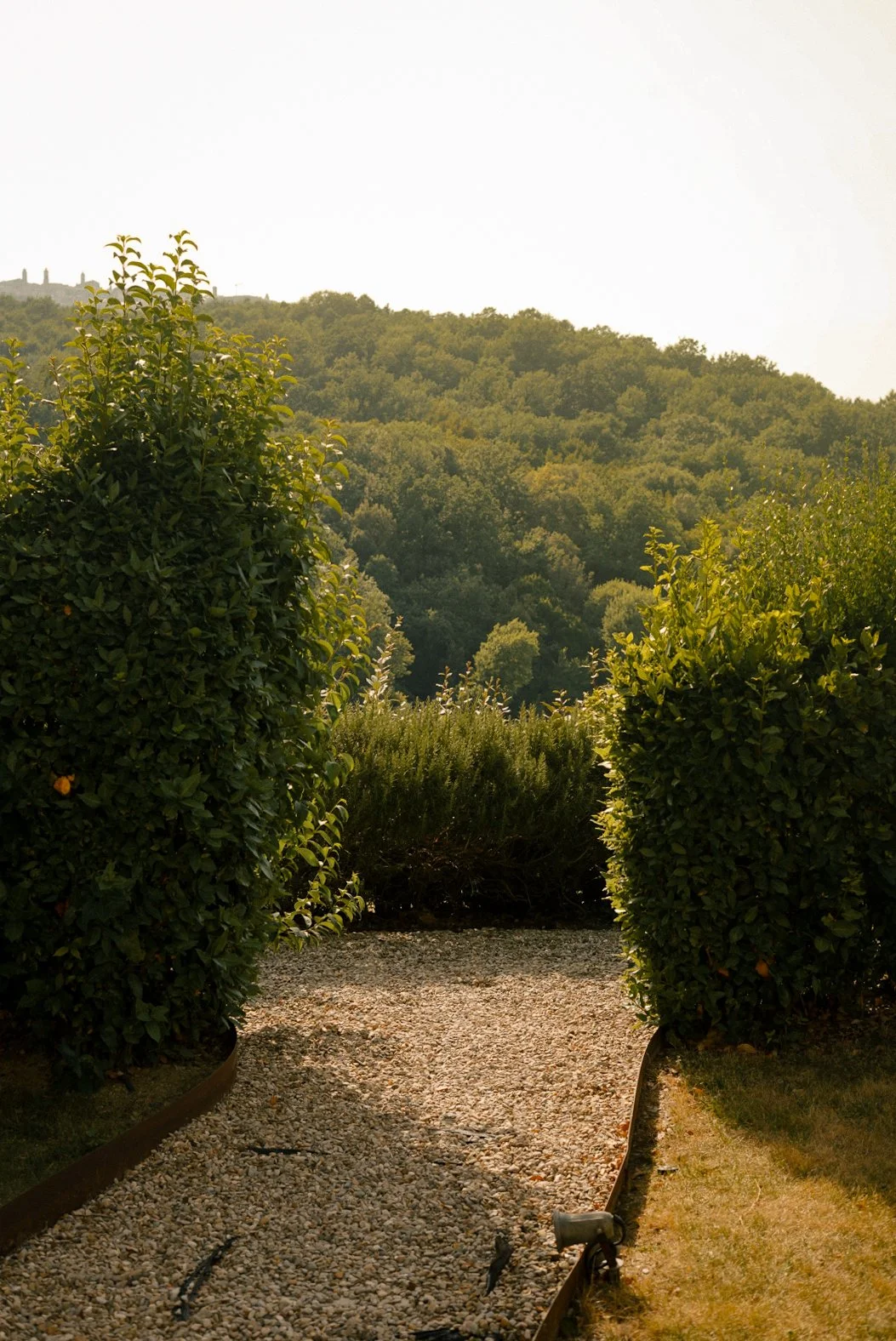
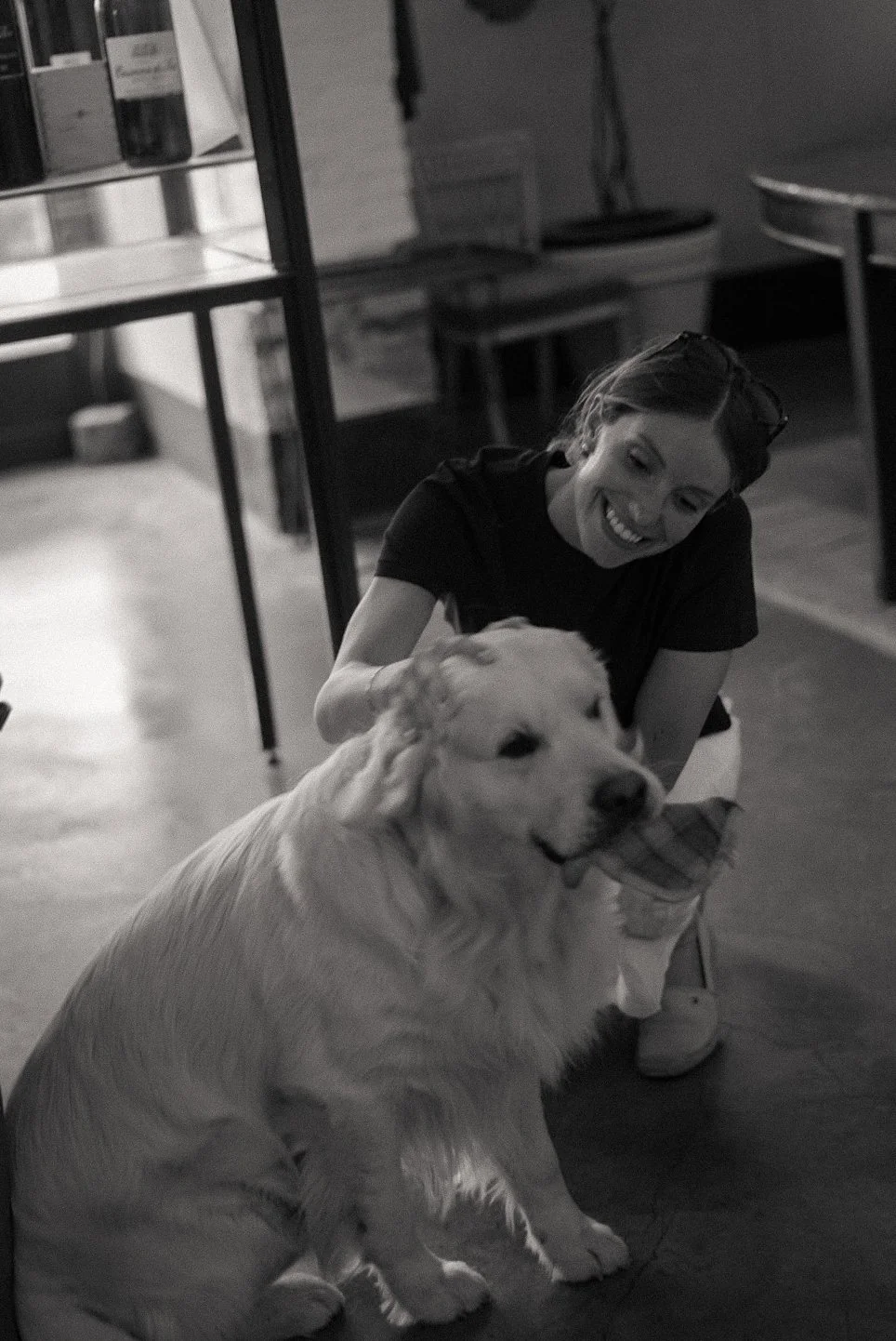
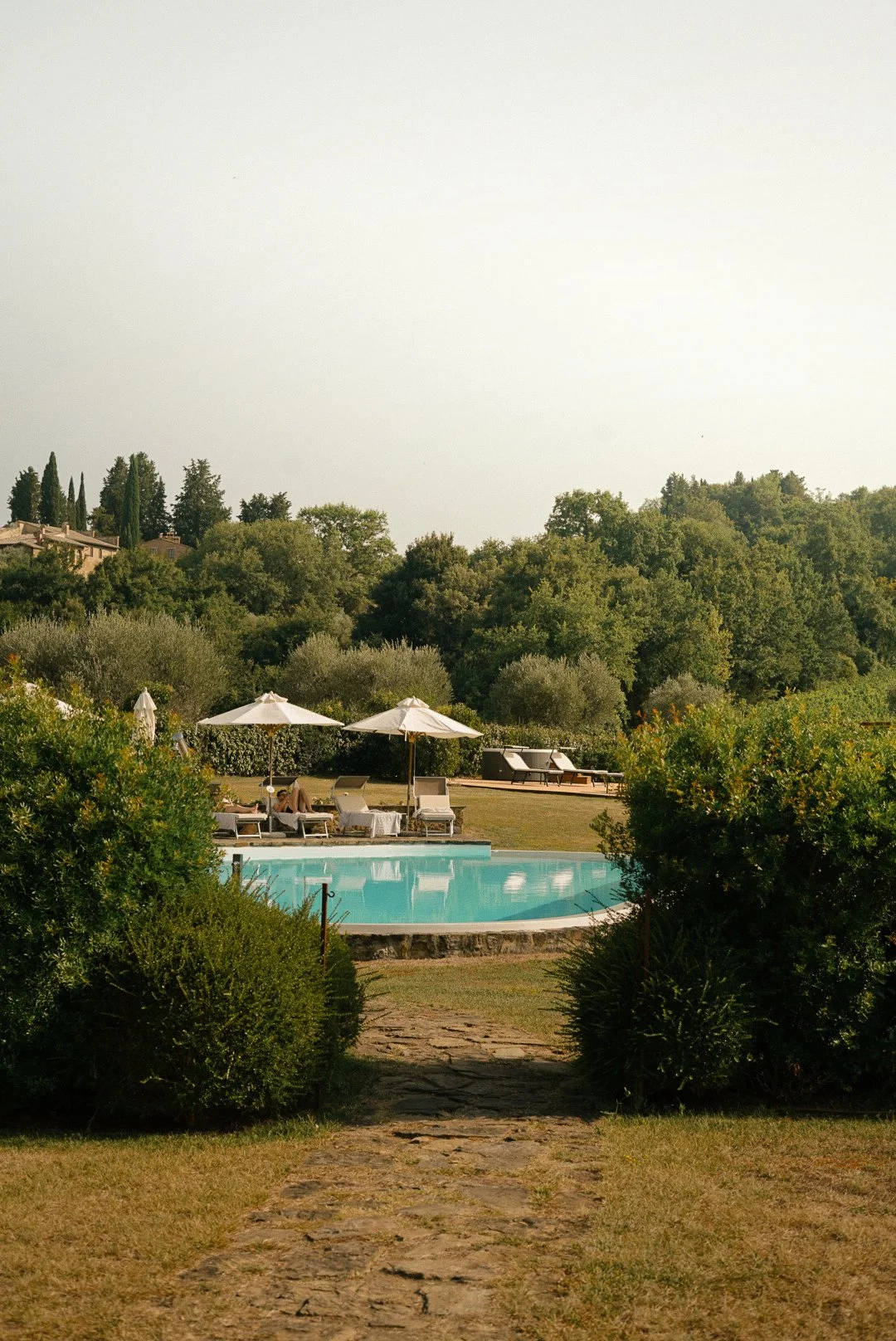
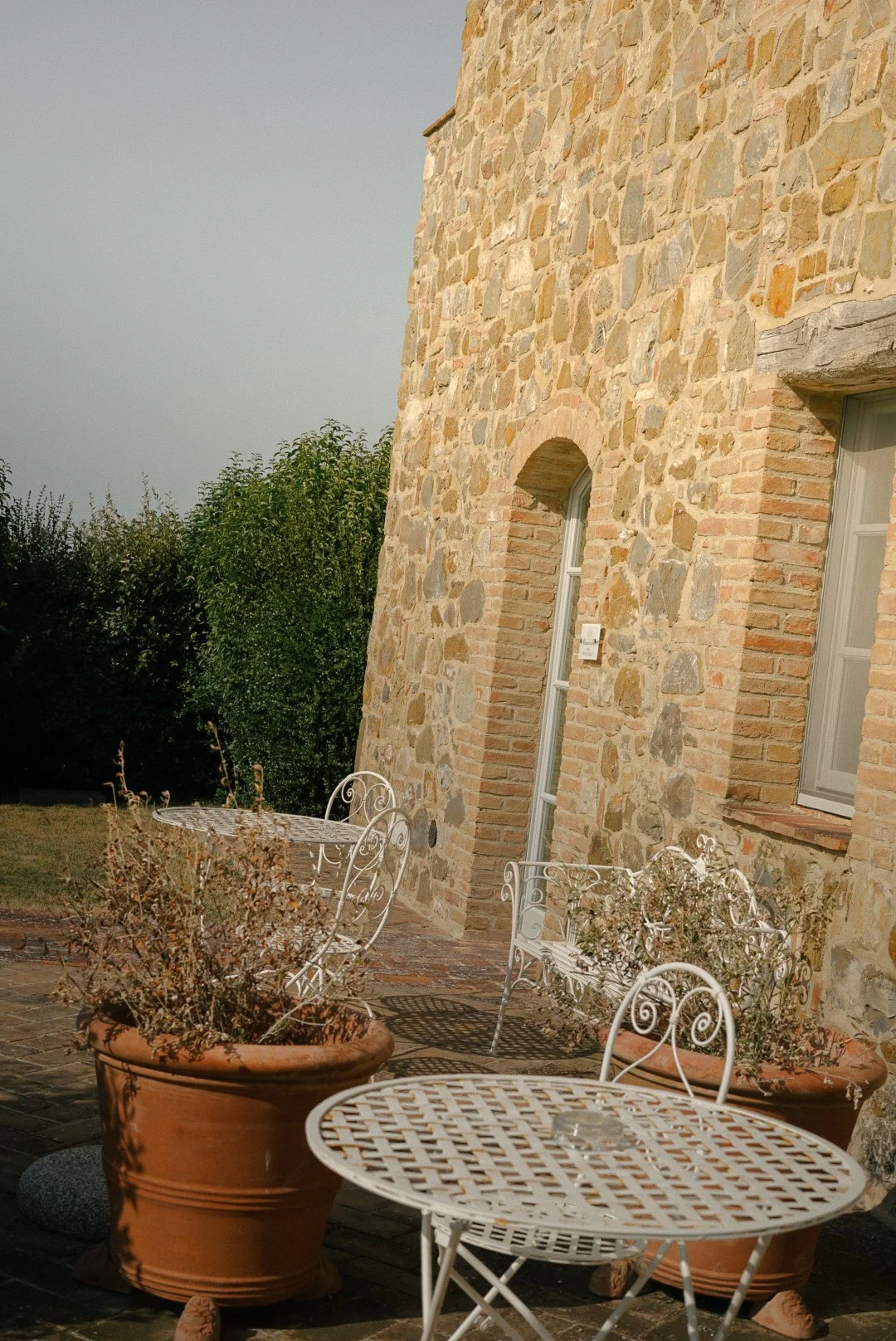
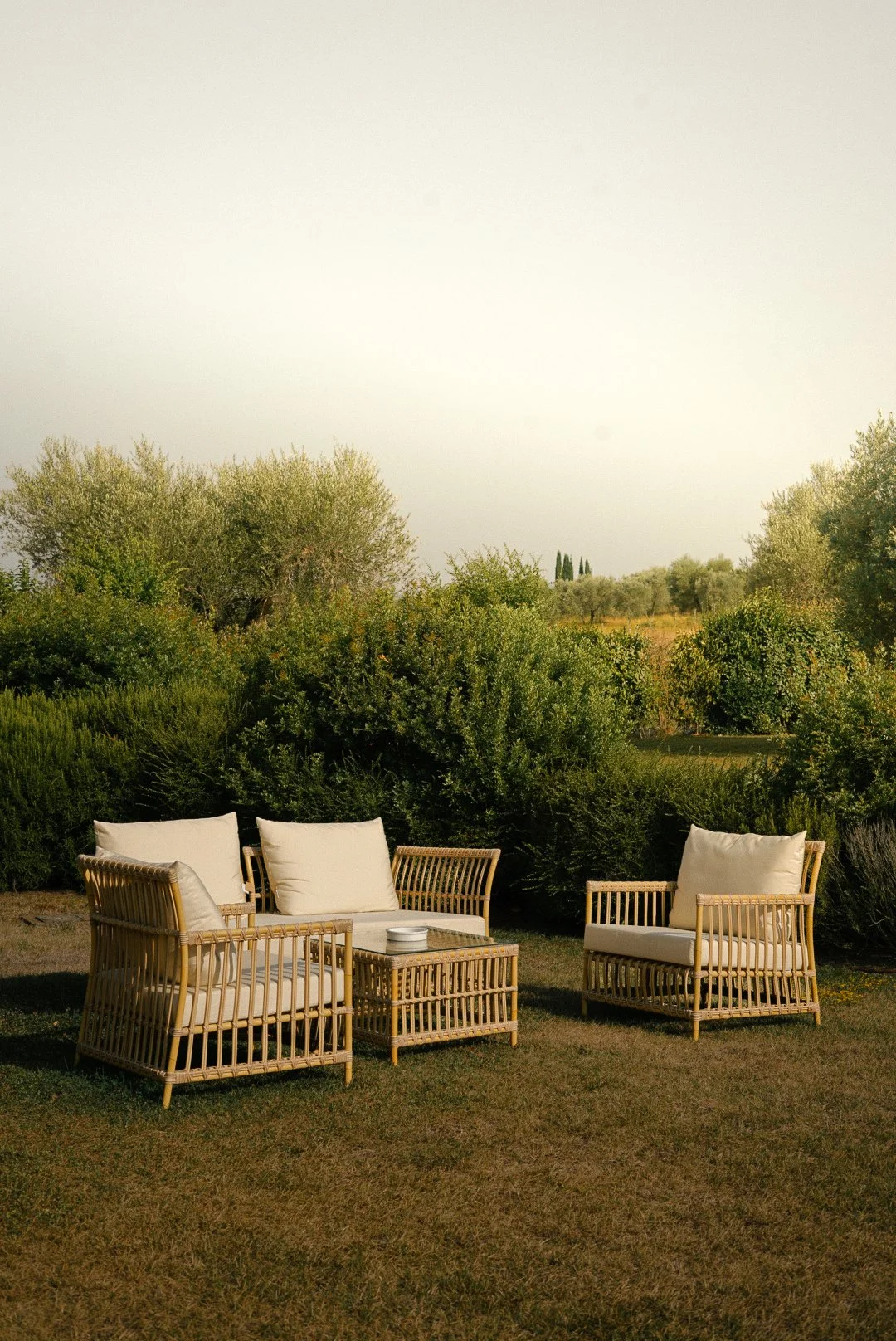
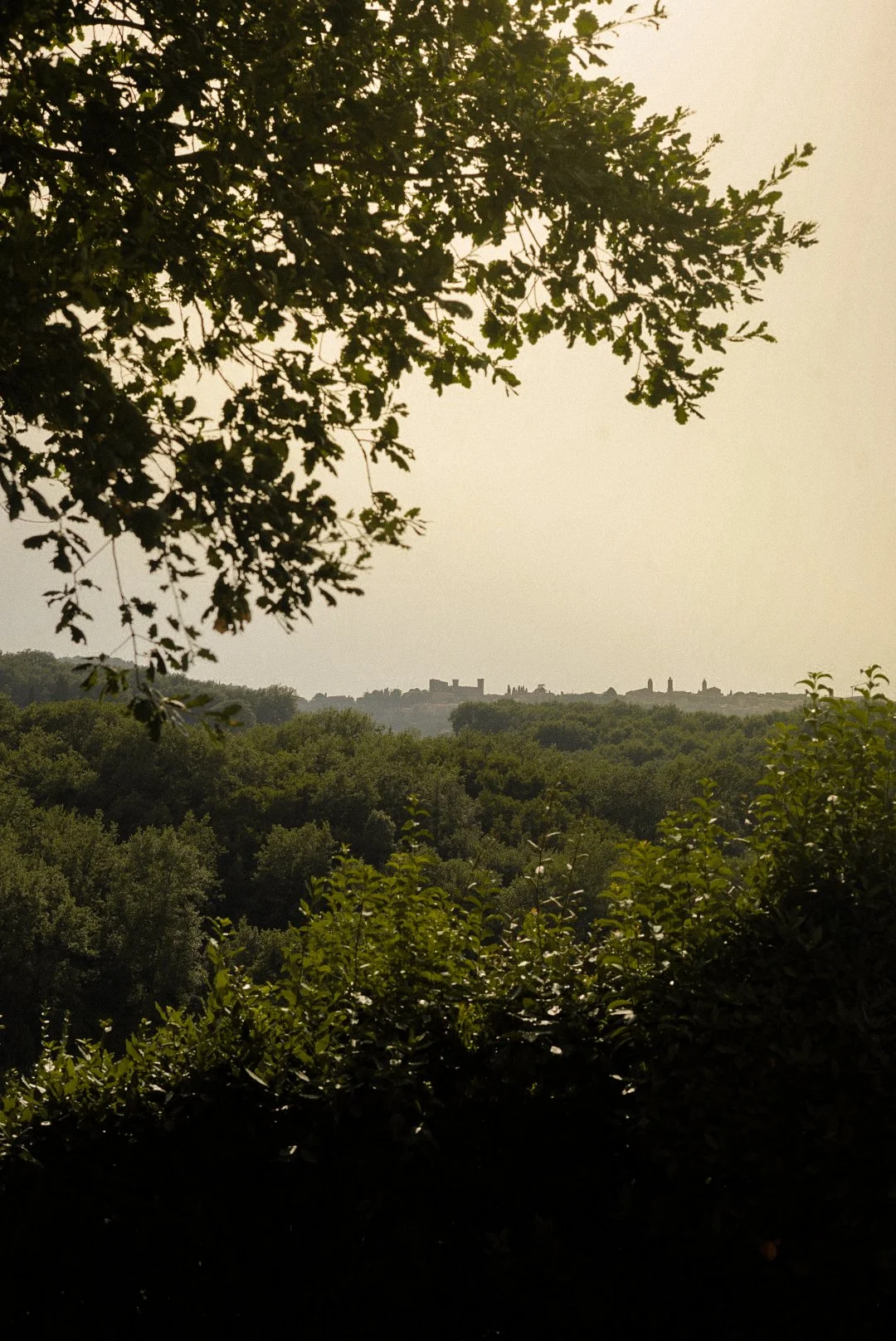
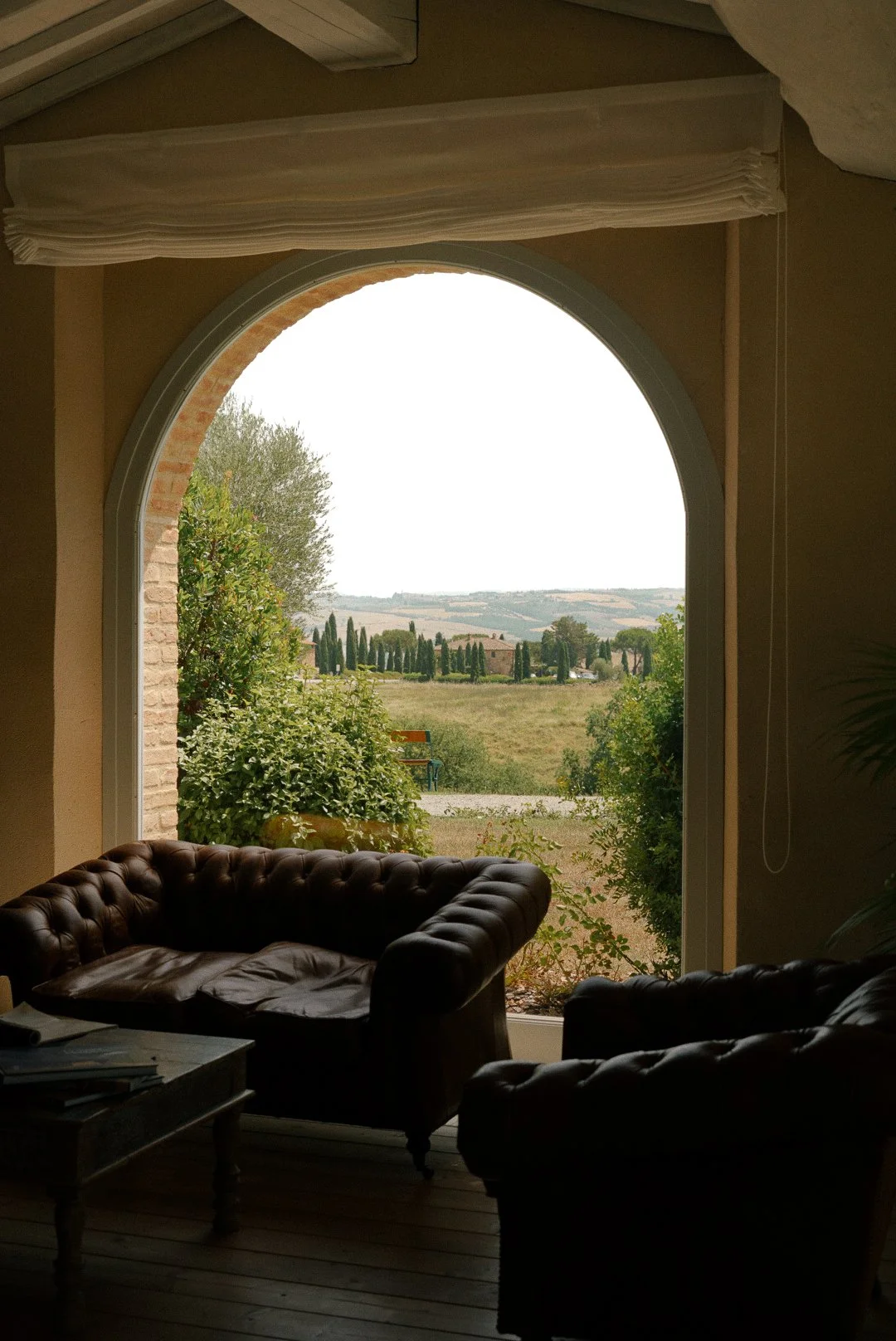
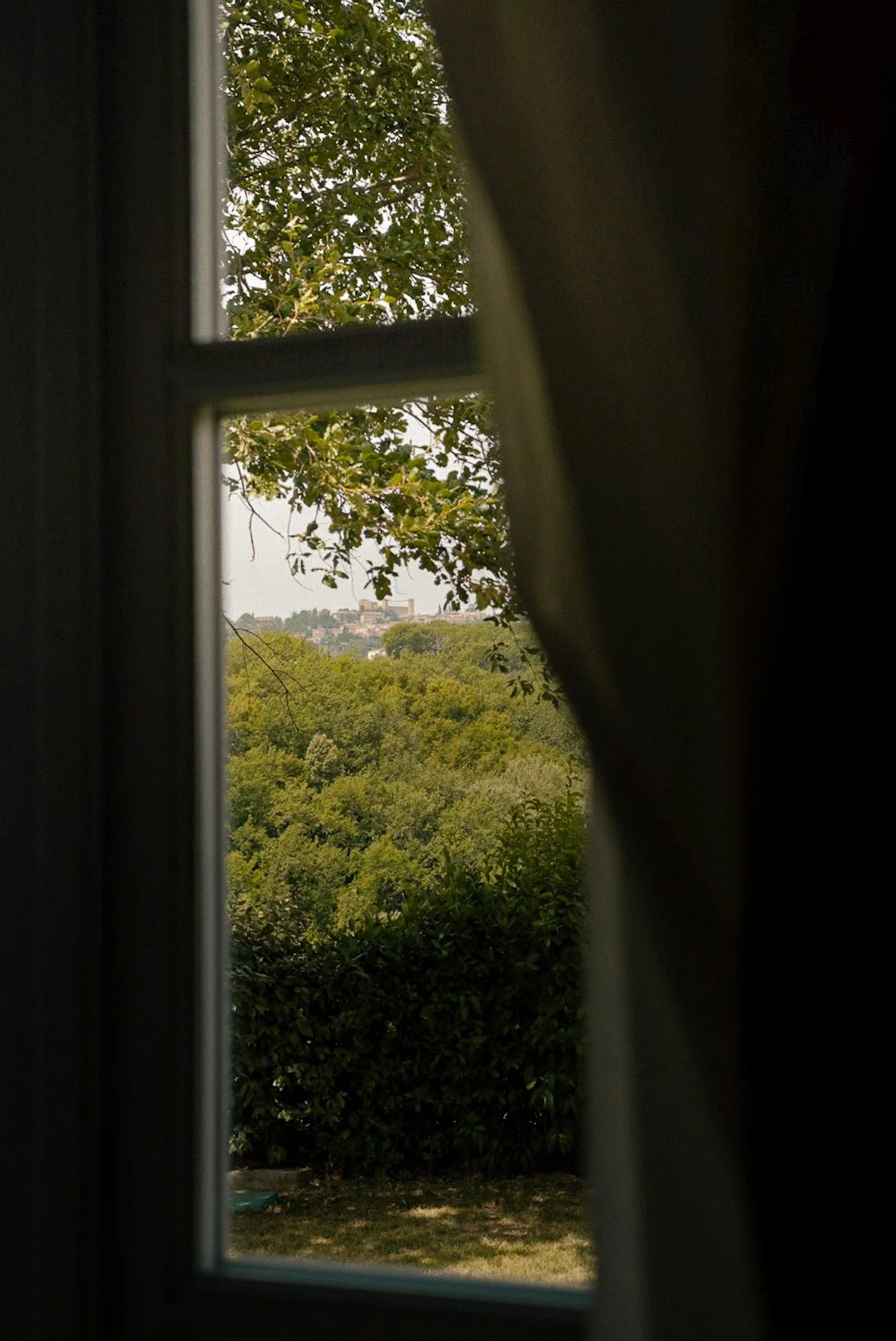
Few estates embody this philosophy as convincingly as Casanova di Neri. Founded by Giovanni Neri in 1971 and today guided by the next generations, his son Giacomo with his wife Enrichetta, and his grandchildren Giovanni, Gianlorenzo and Marianna, the estate has spent more than five decades refining a relationship with Montalcino that is based less on intervention than on interpretation. The celebrated vineyards of Cerretalto, Tenuta Nuova and Le Cetine are not treated as interchangeable parcels but as distinct voices, each expressing a different nuance of the same territory. The objective is not consistency for its own sake, but authenticity.
Much has been written about terroir, a word that has become almost inseparable from the language of fine wine. Yet walking through these vineyards, the term begins to feel surprisingly incomplete. Soil, altitude and exposure undoubtedly shape the wine, but they cannot account for the accumulated intuition required to understand when to intervene and, more importantly, when restraint becomes the wiser choice. Great winemaking is often described as craftsmanship. In reality, it is an act of listening and caring.
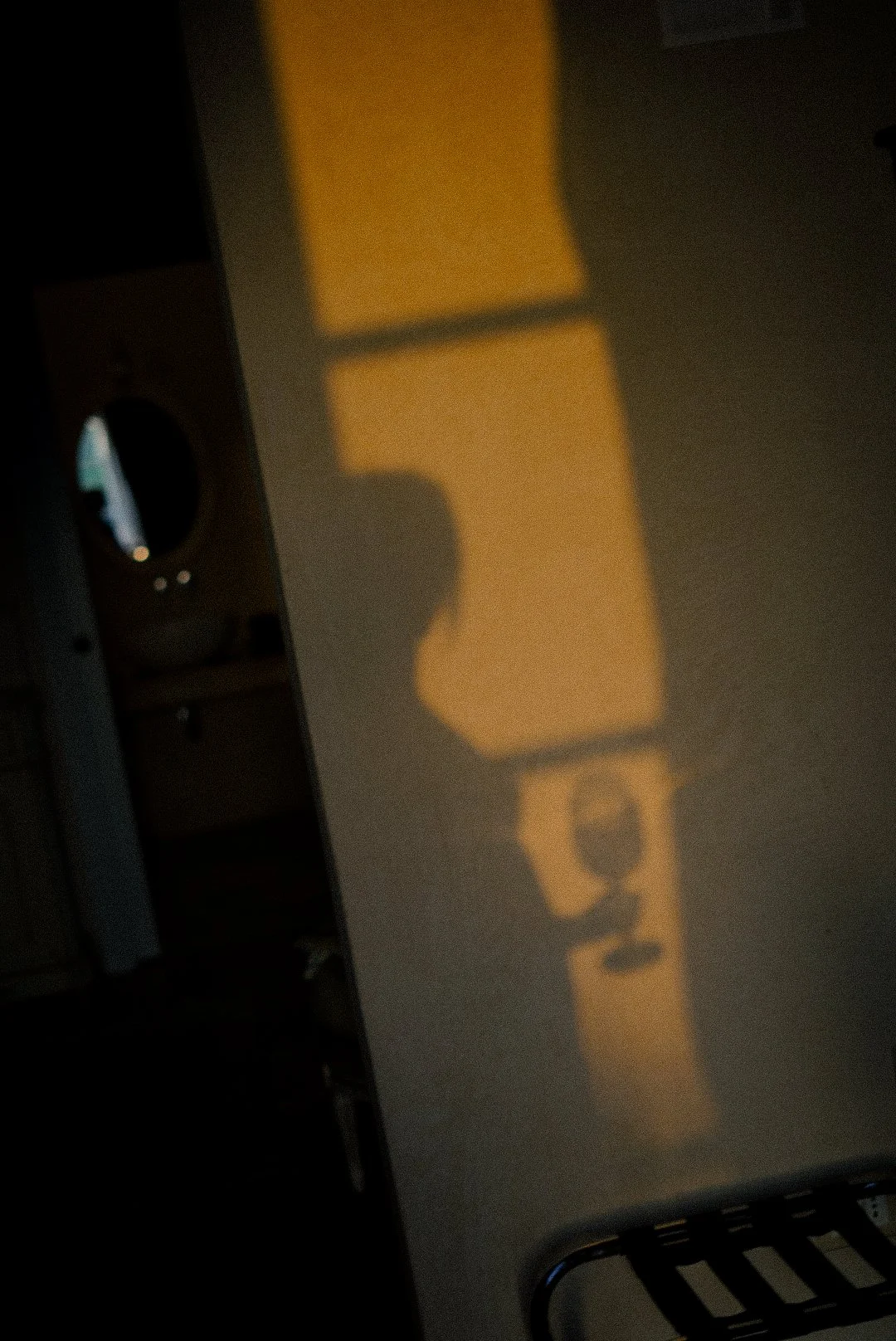
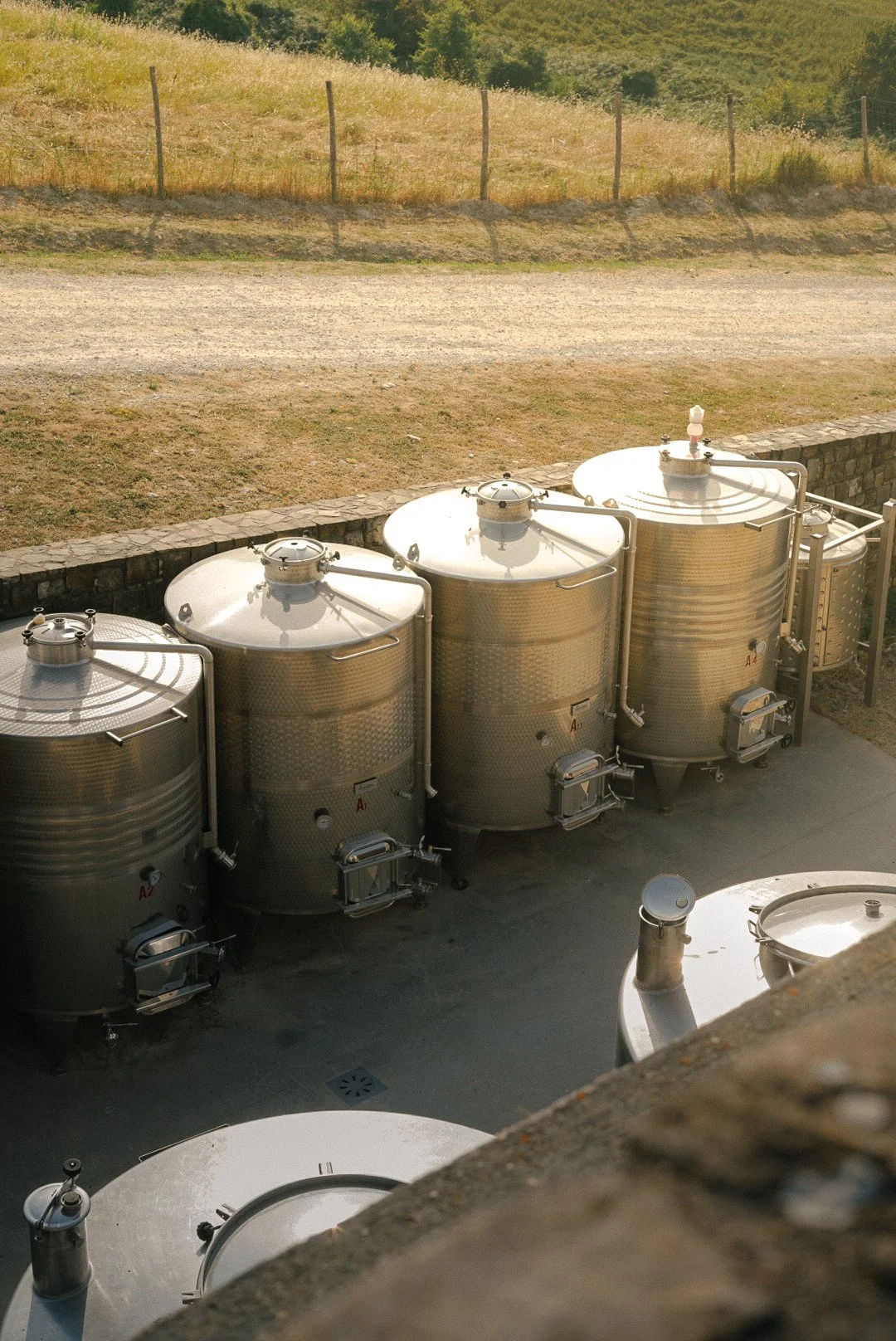
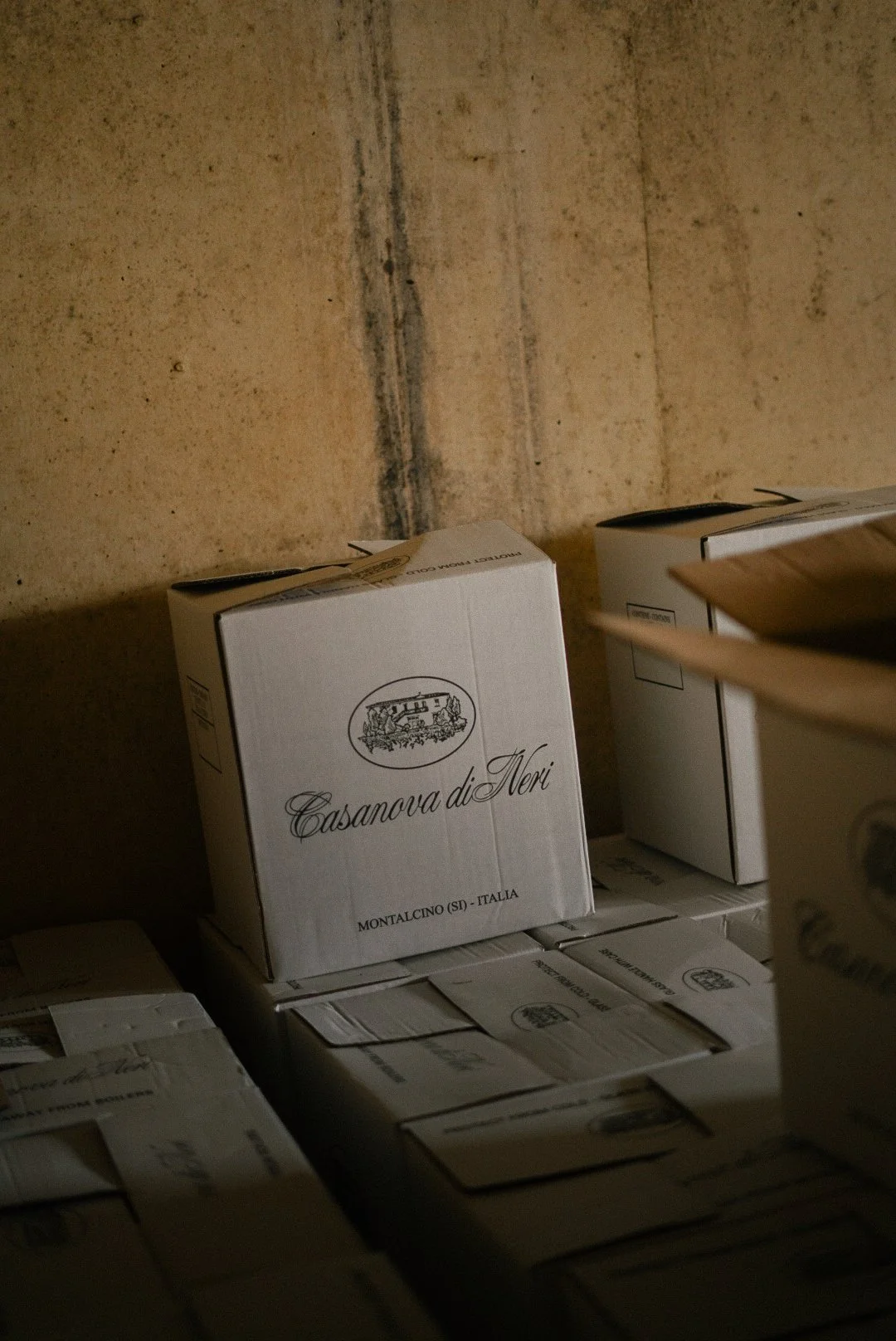

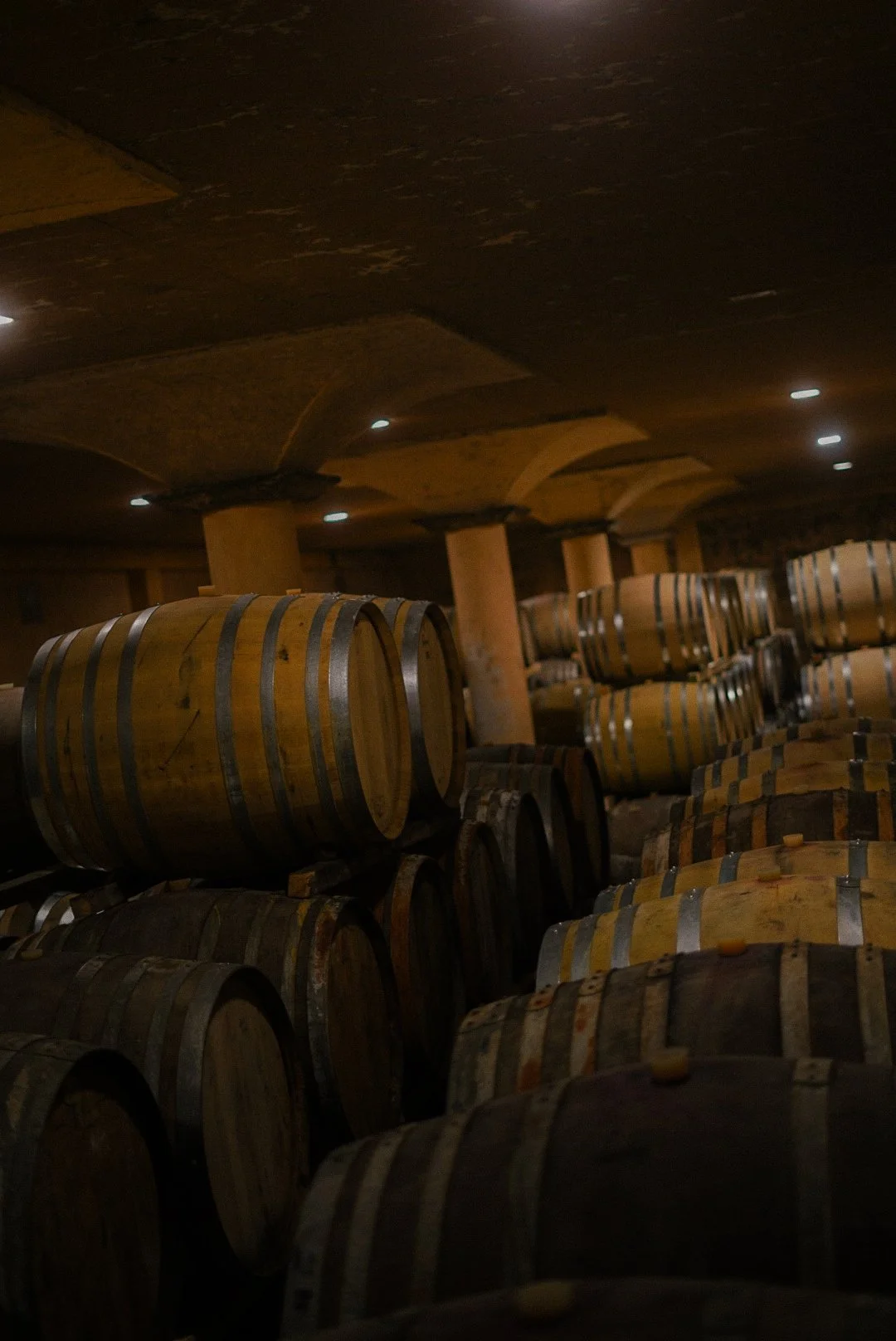
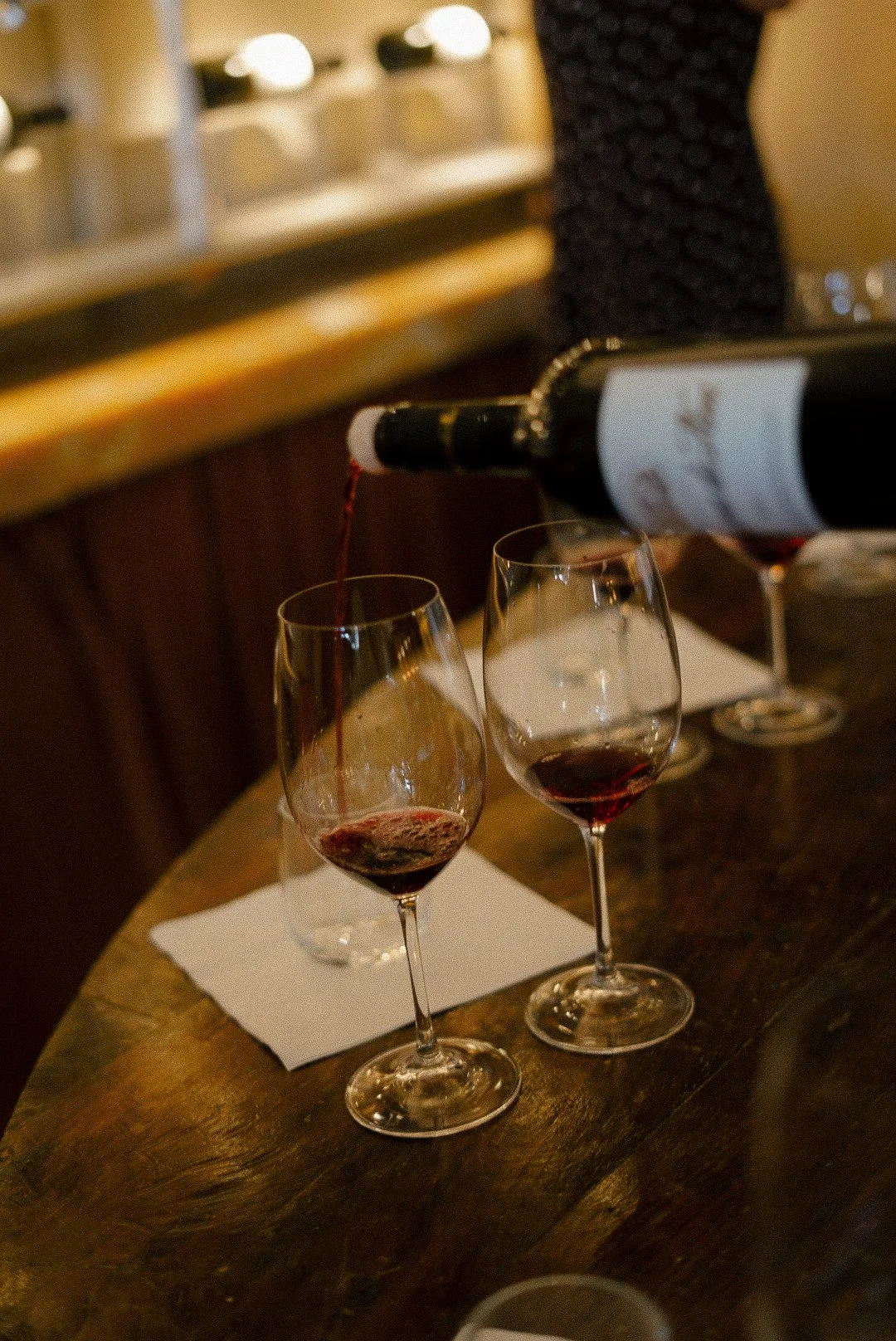
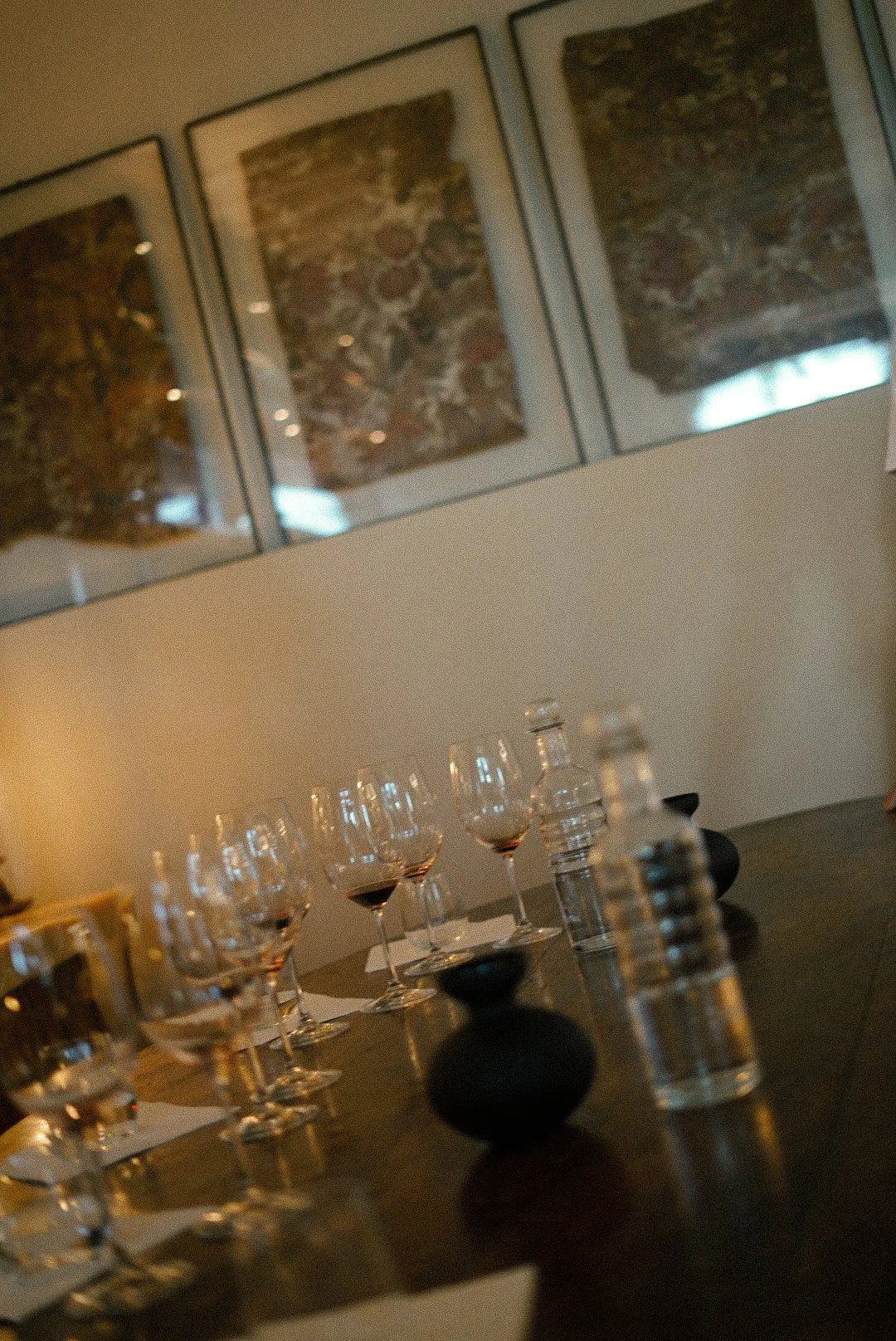
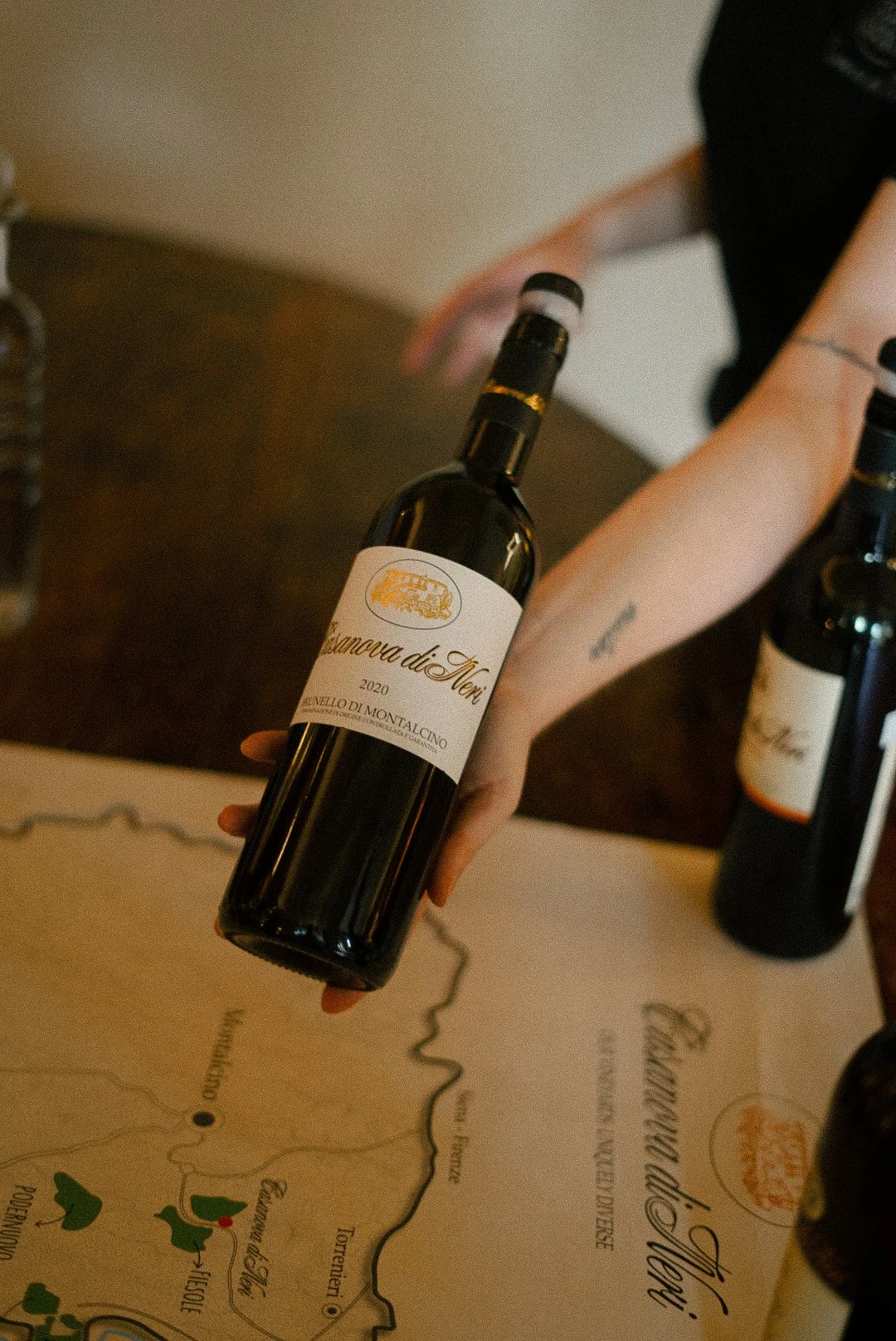
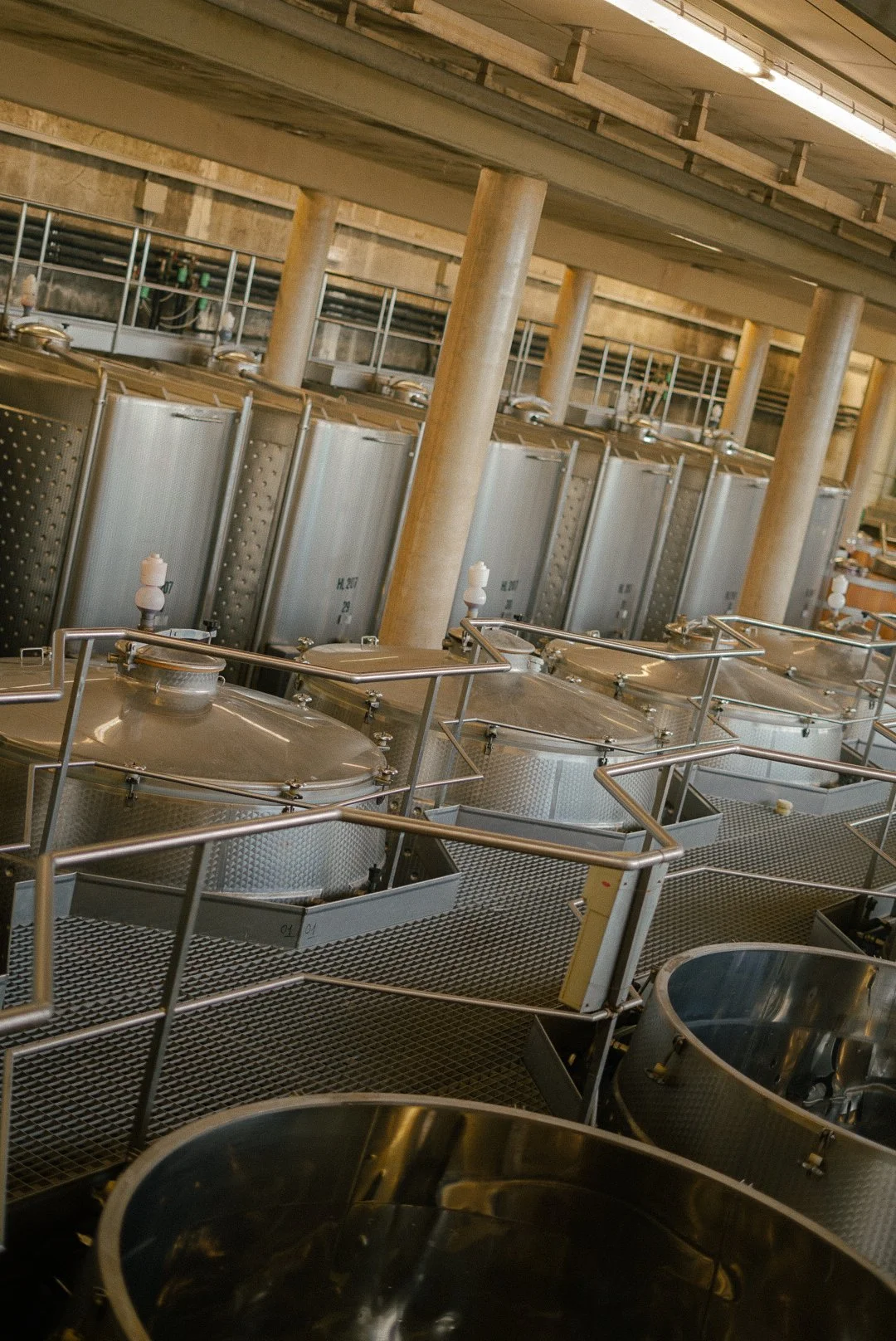
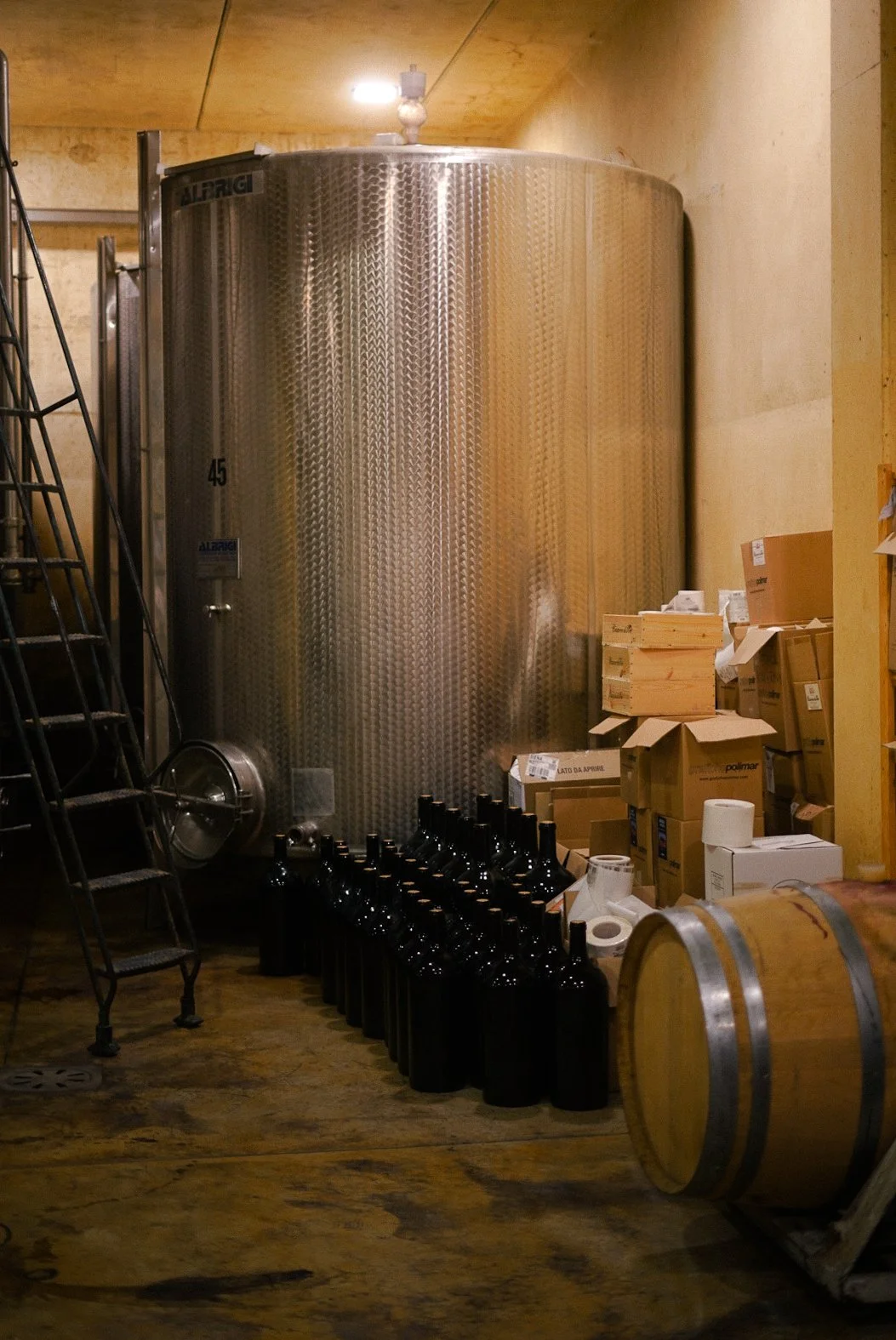
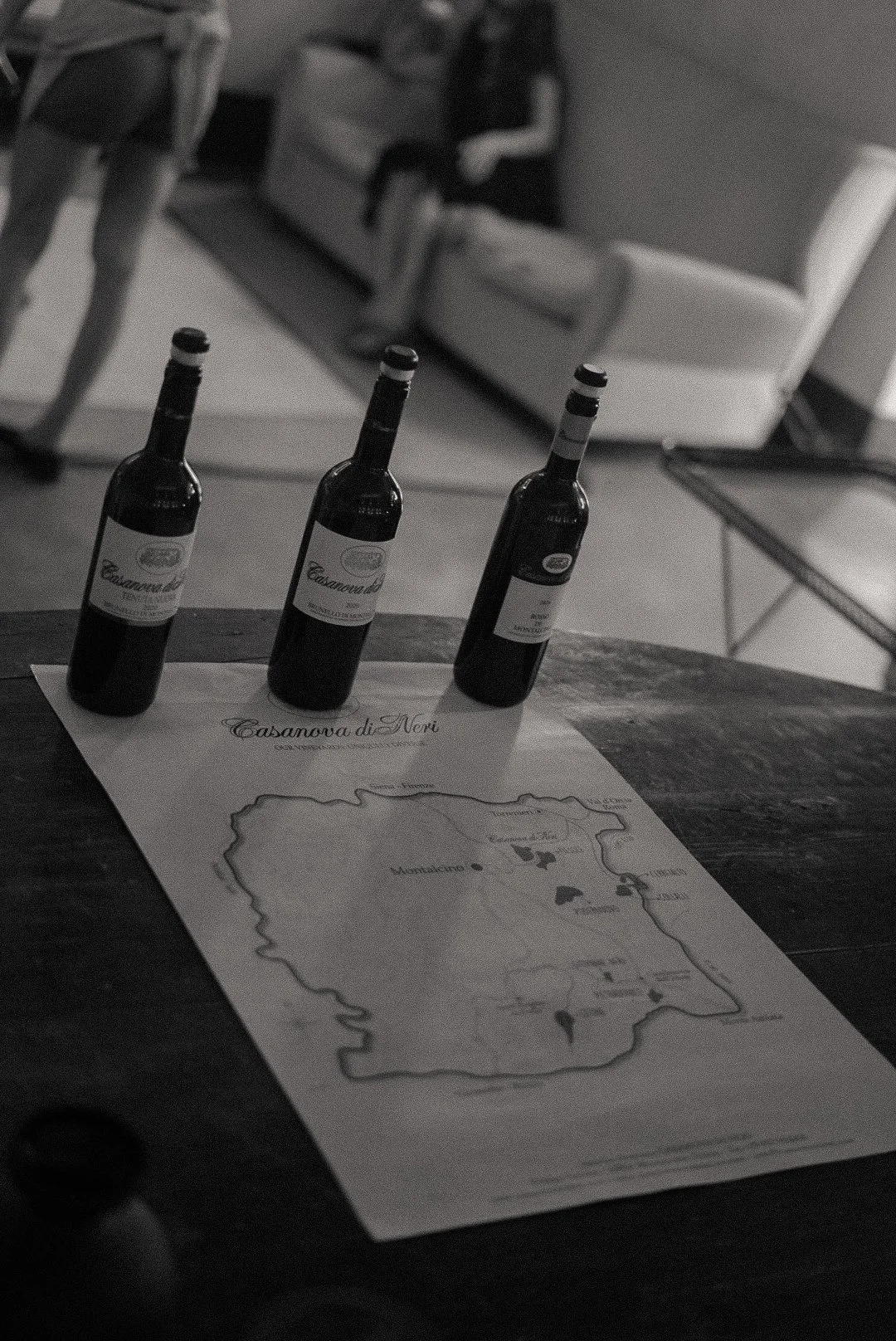
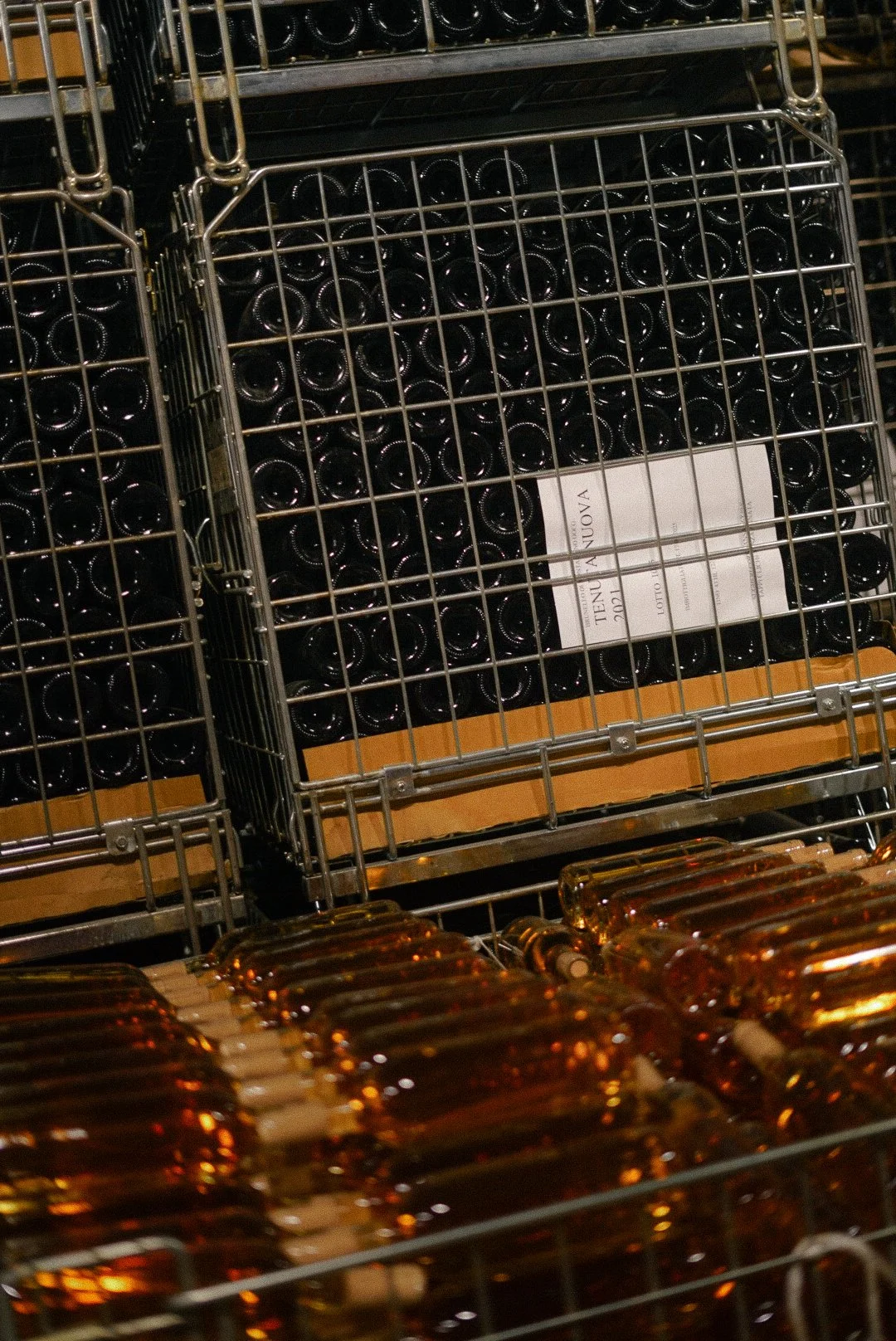
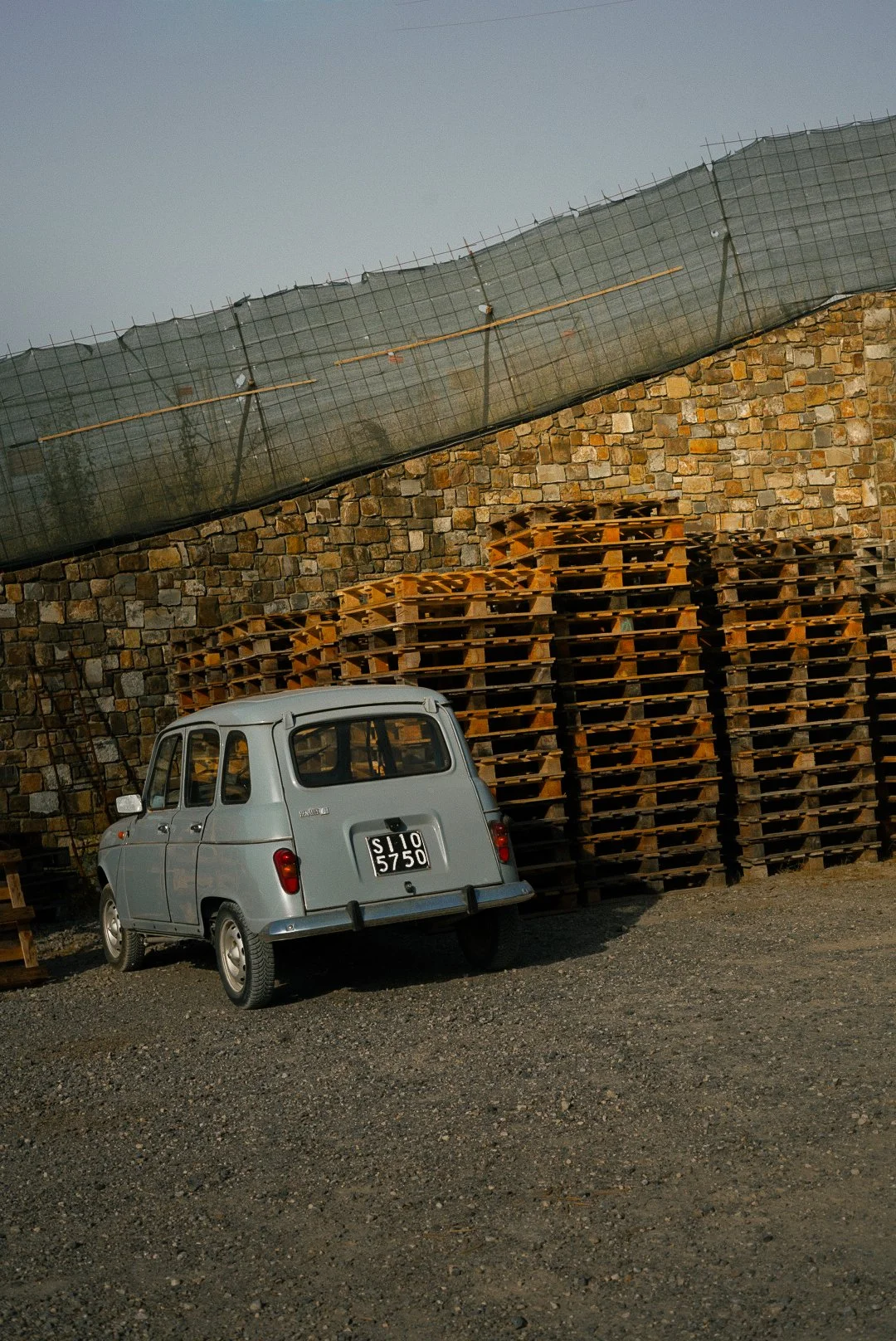
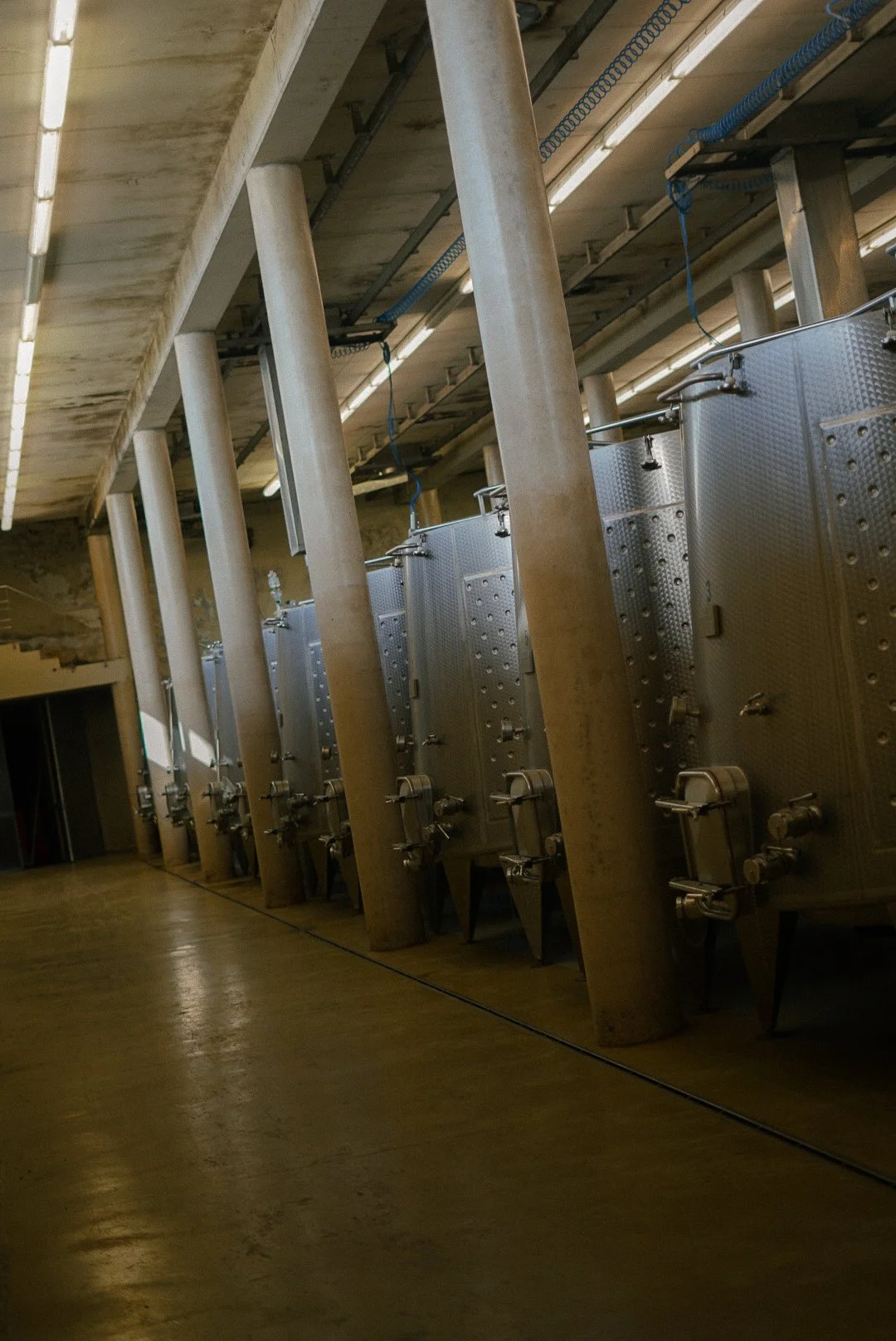
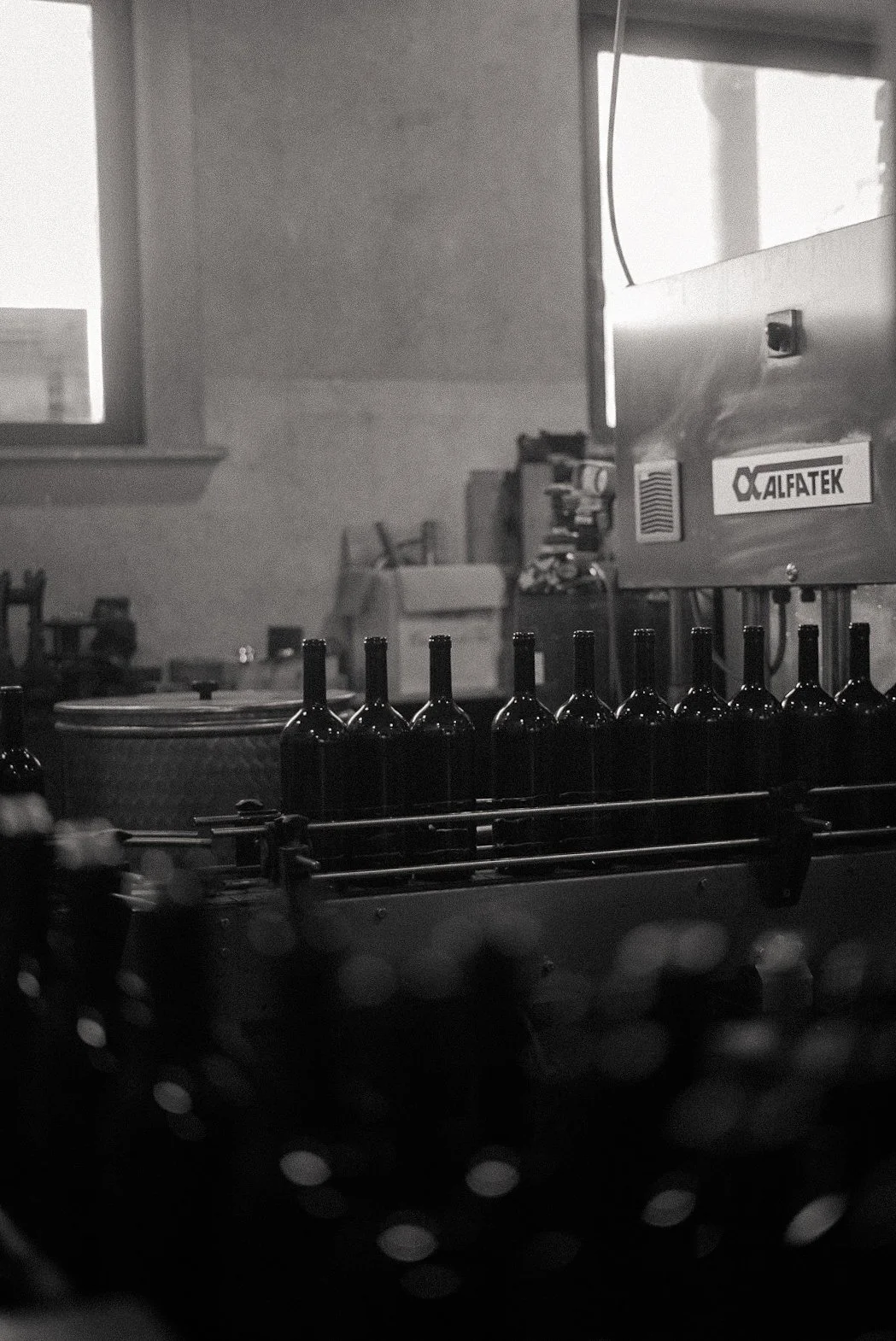
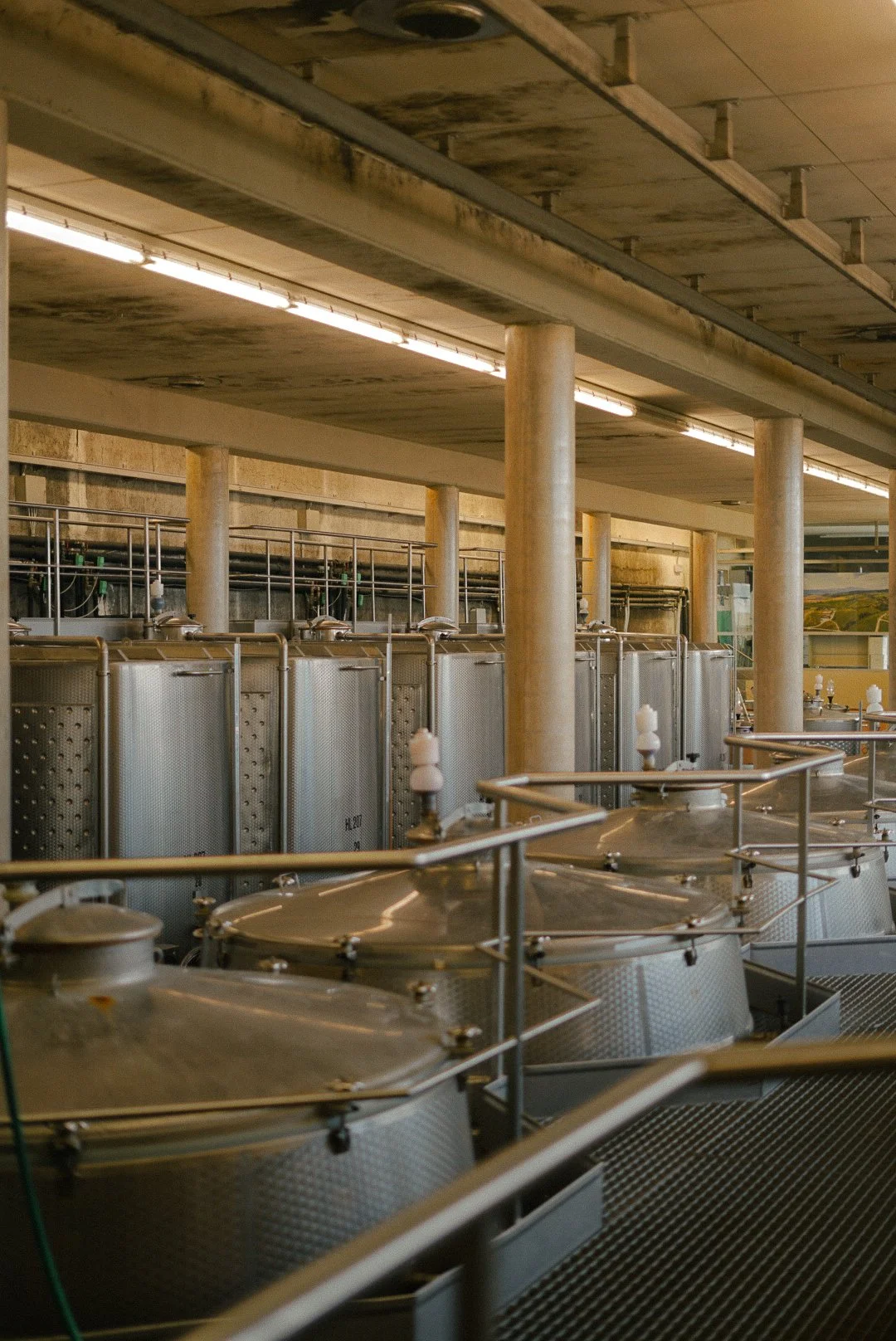
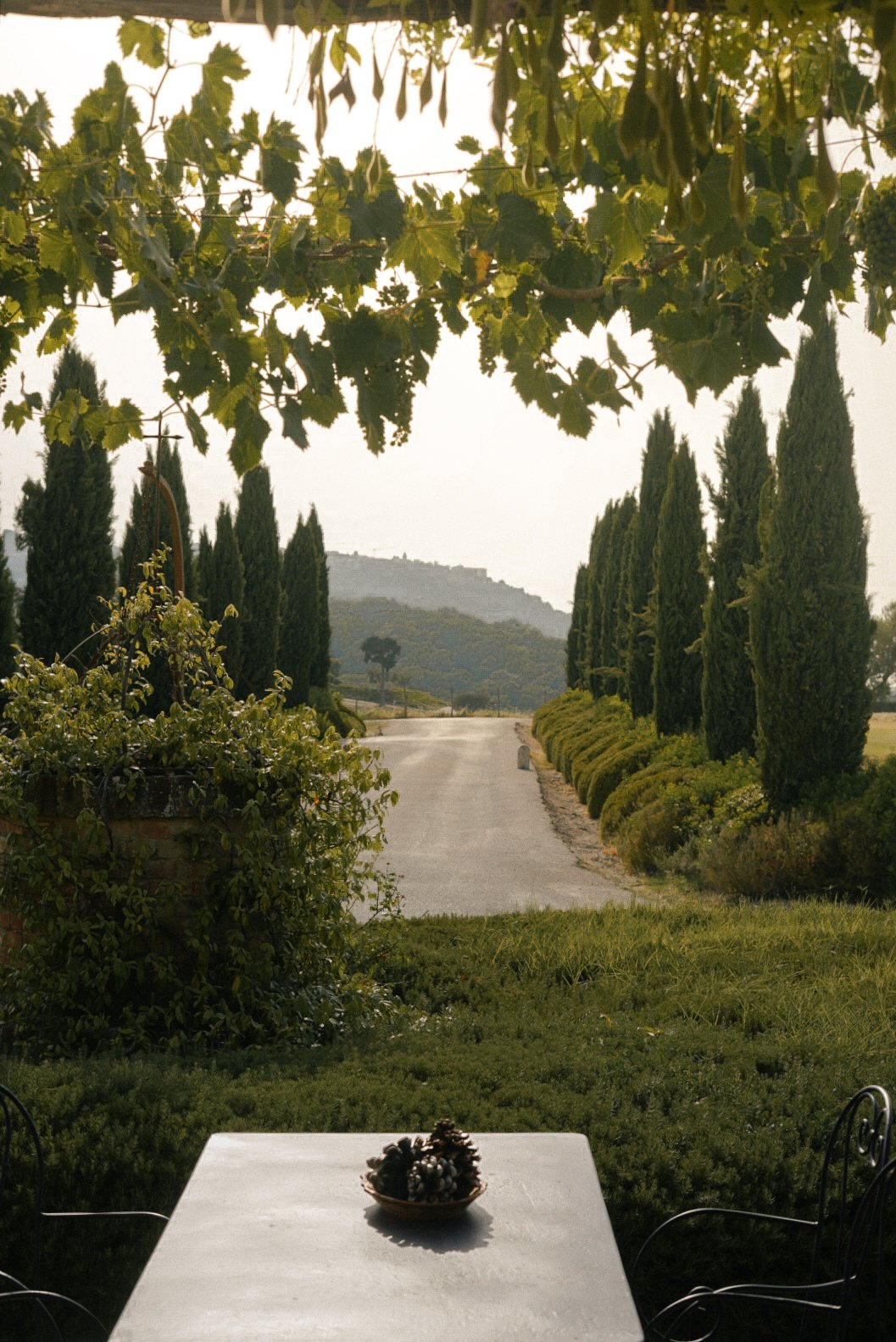
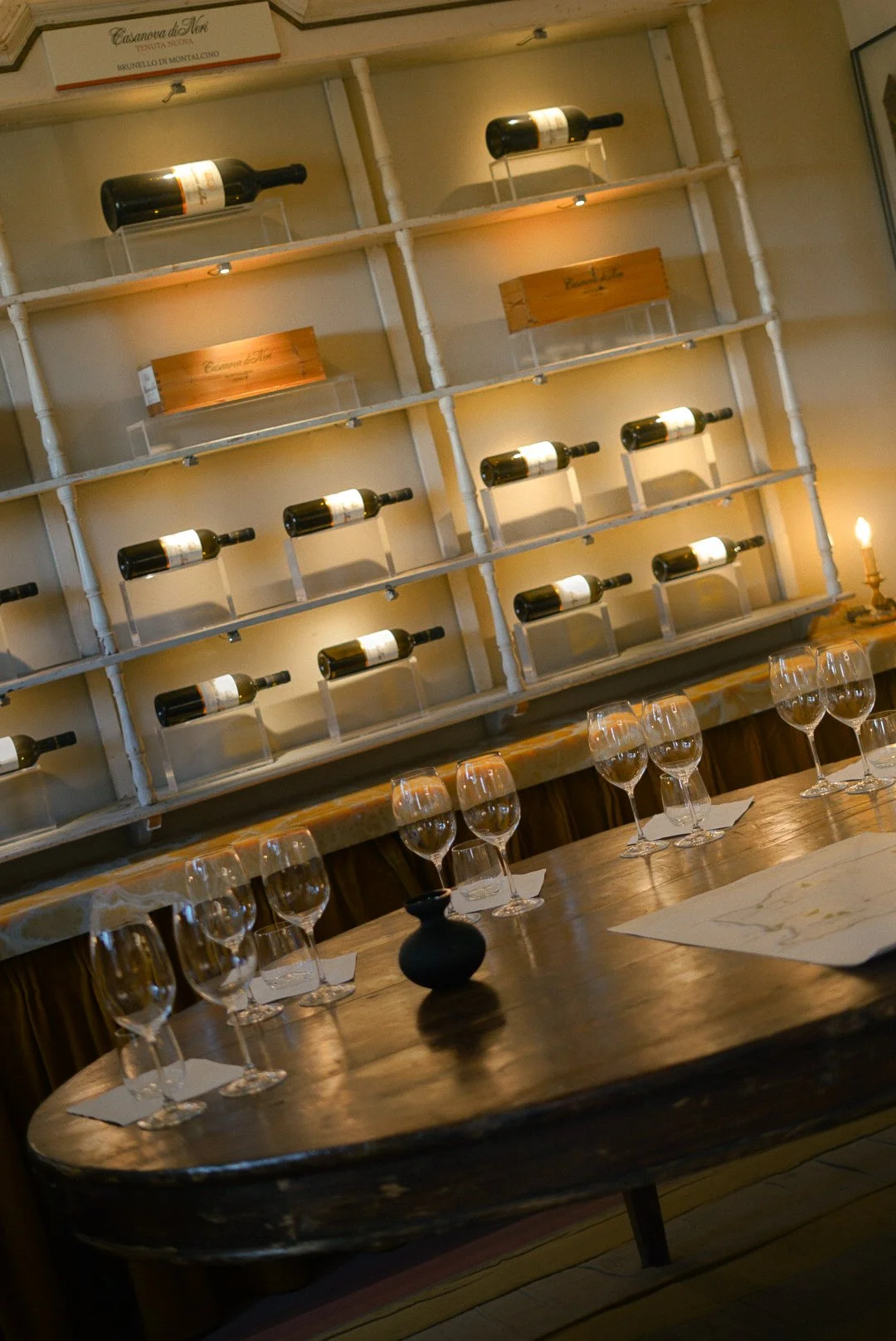
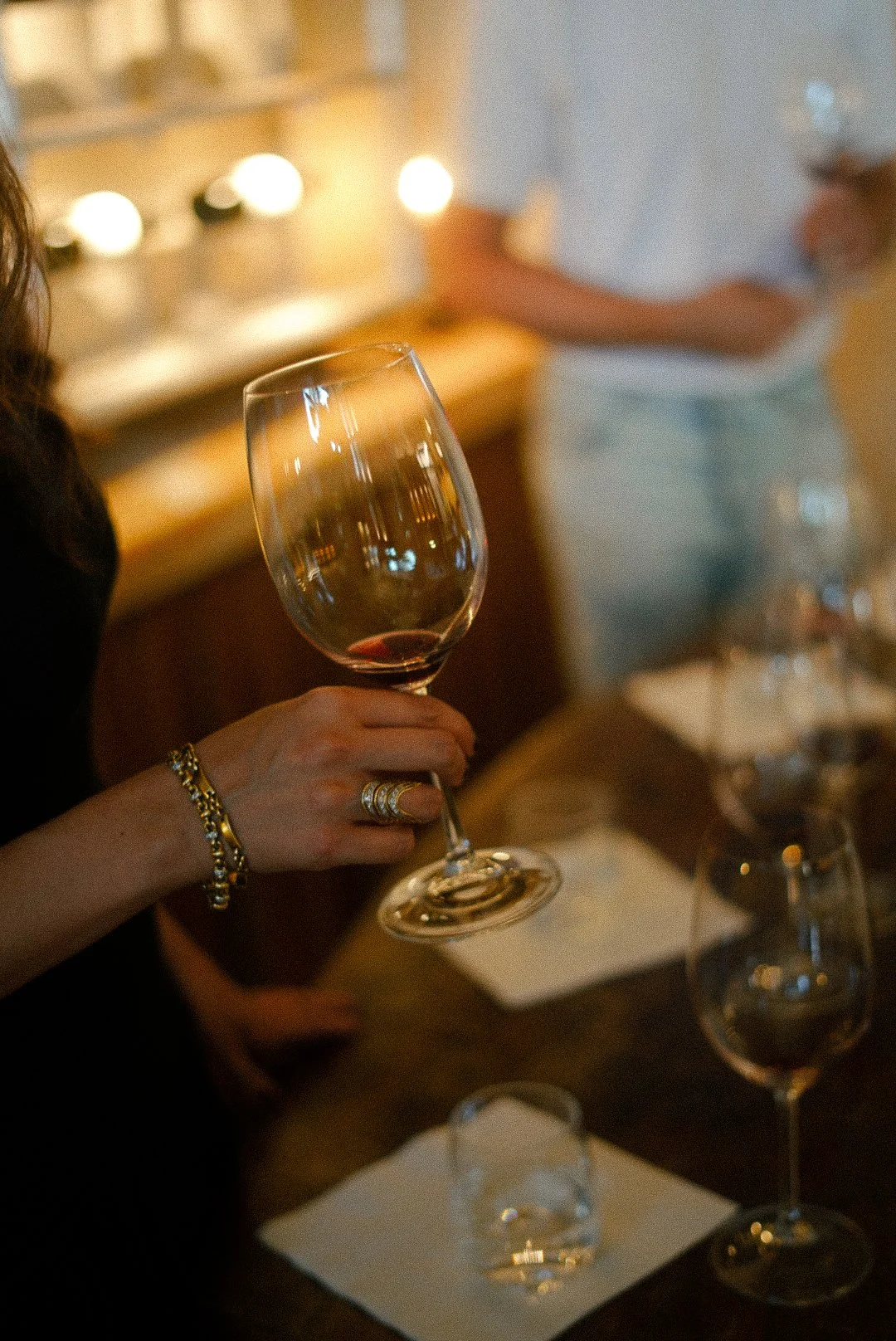
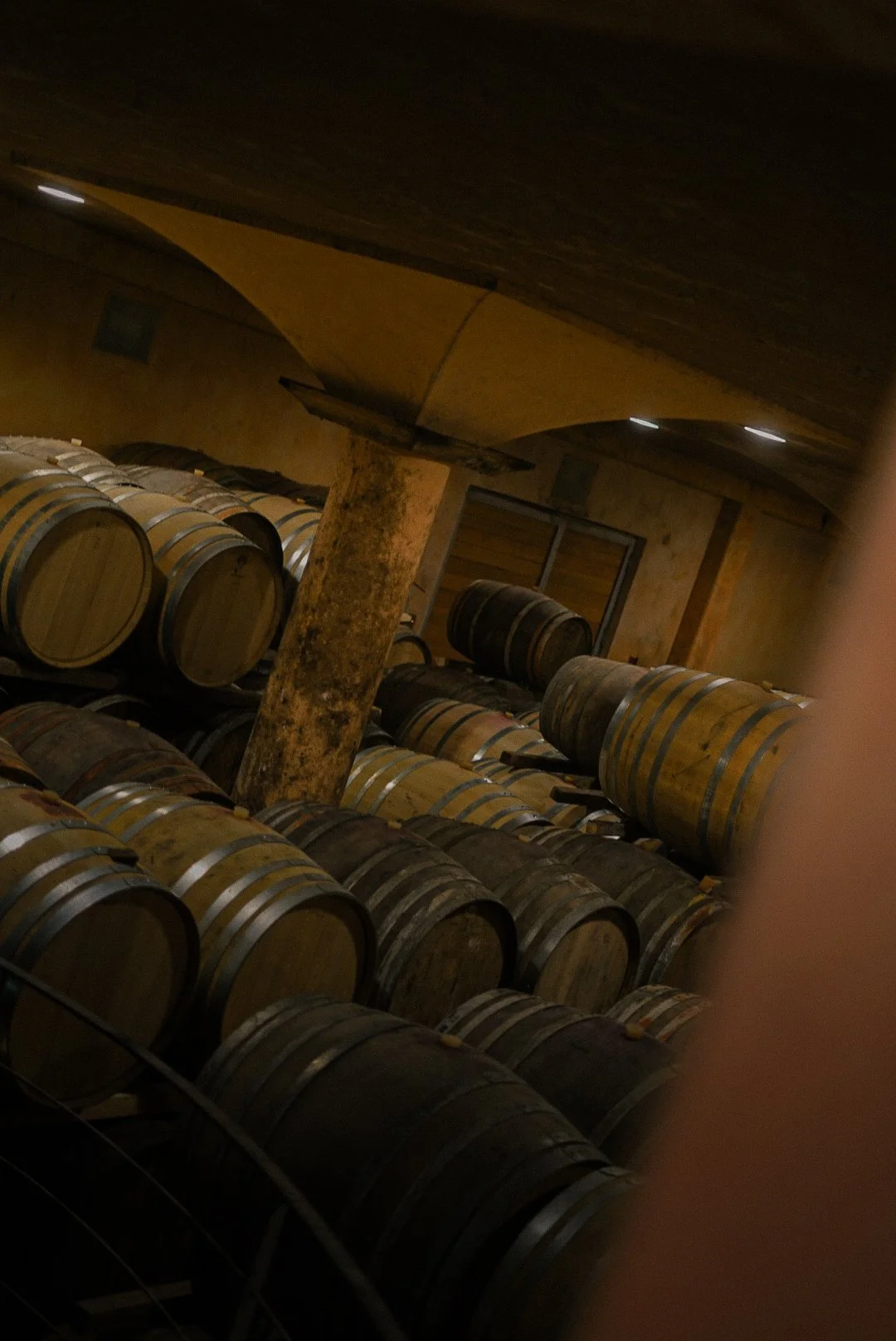
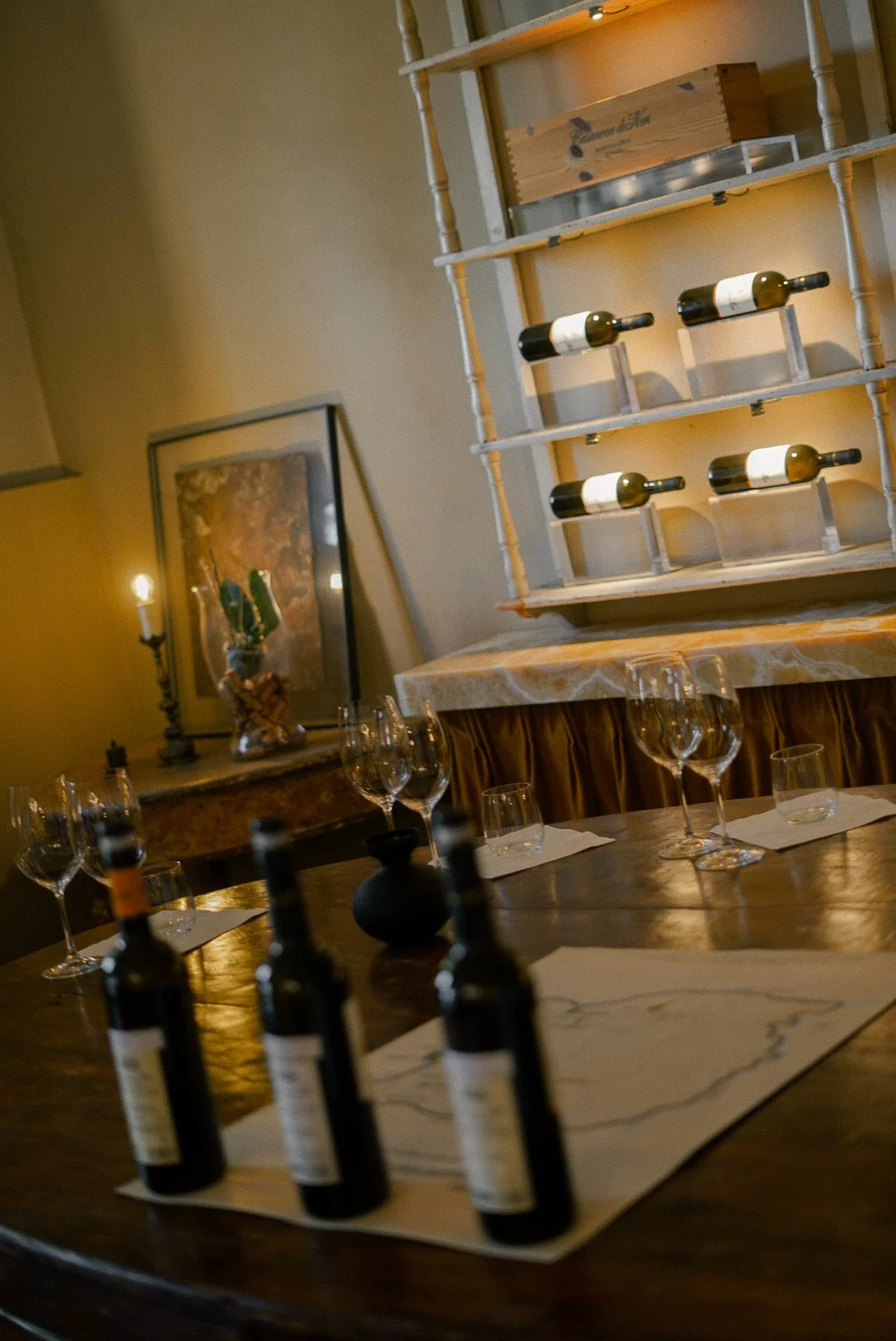
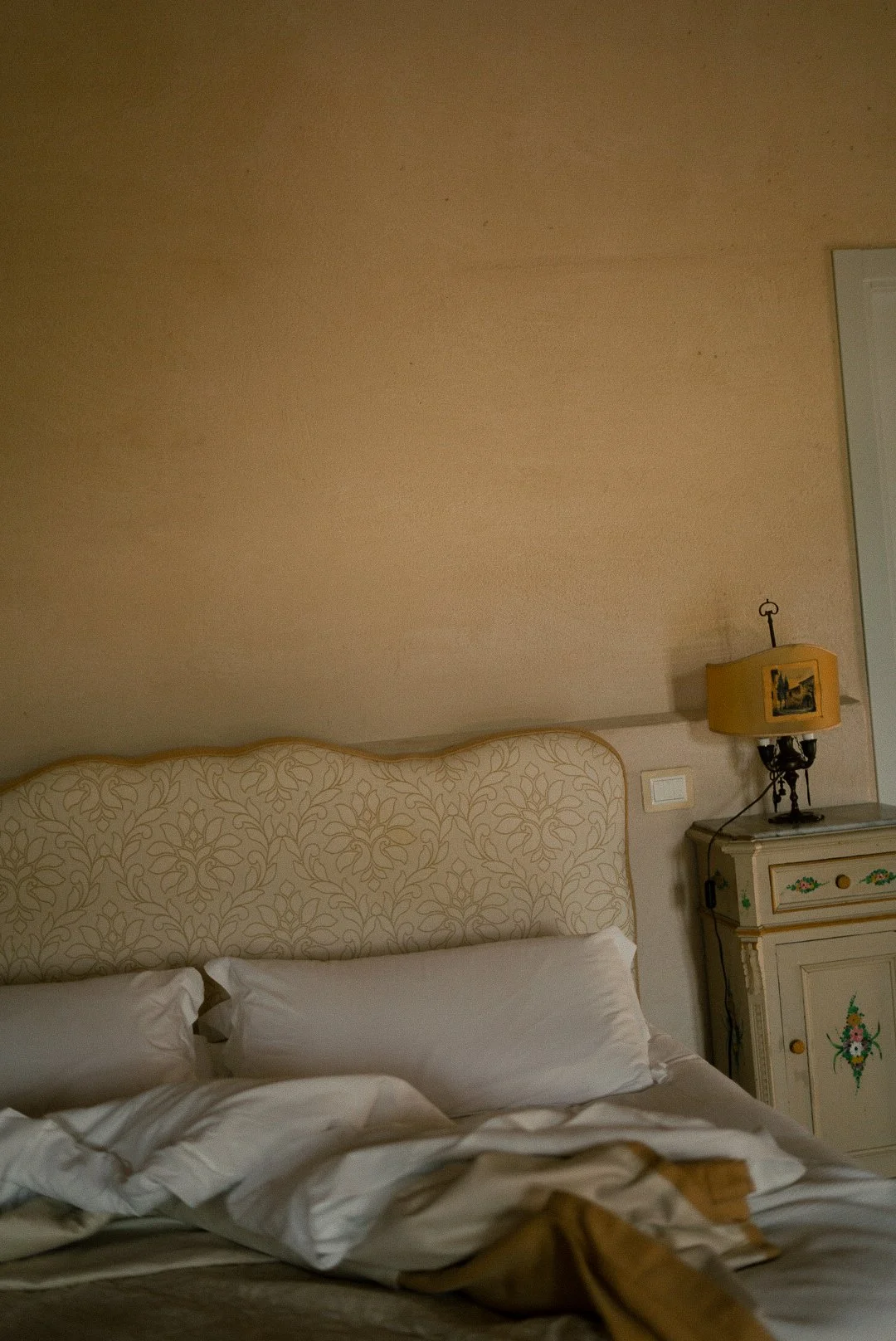
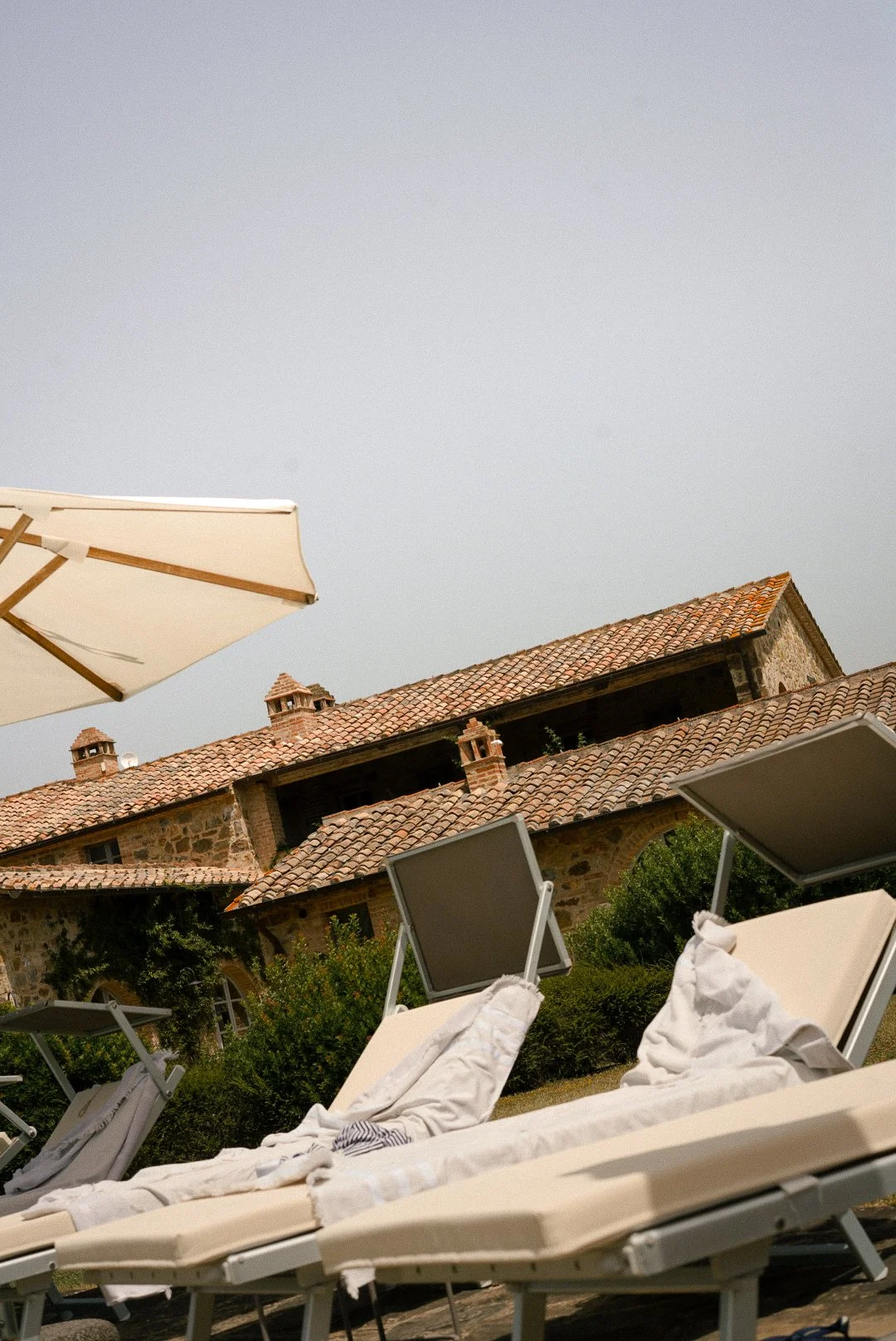
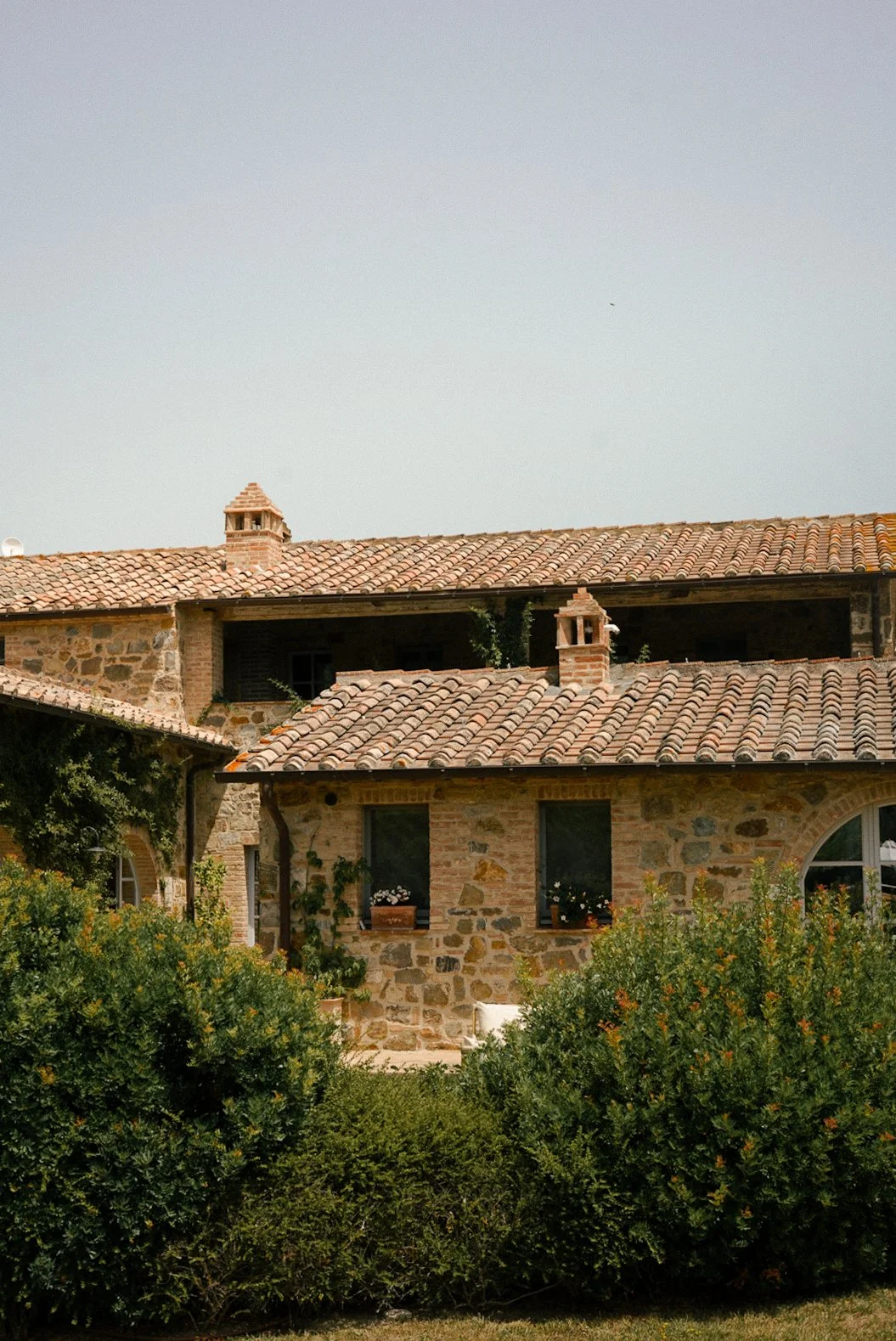
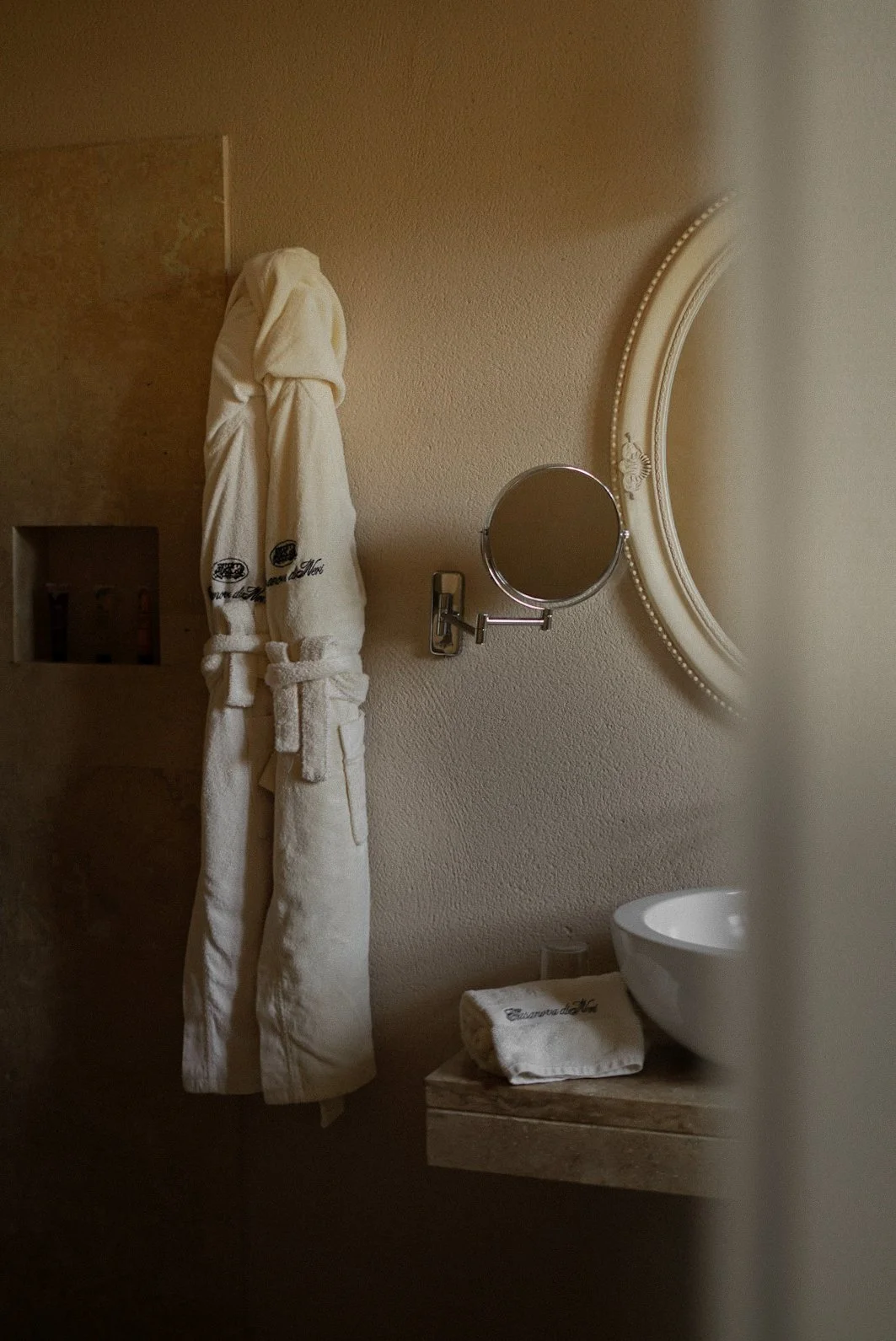
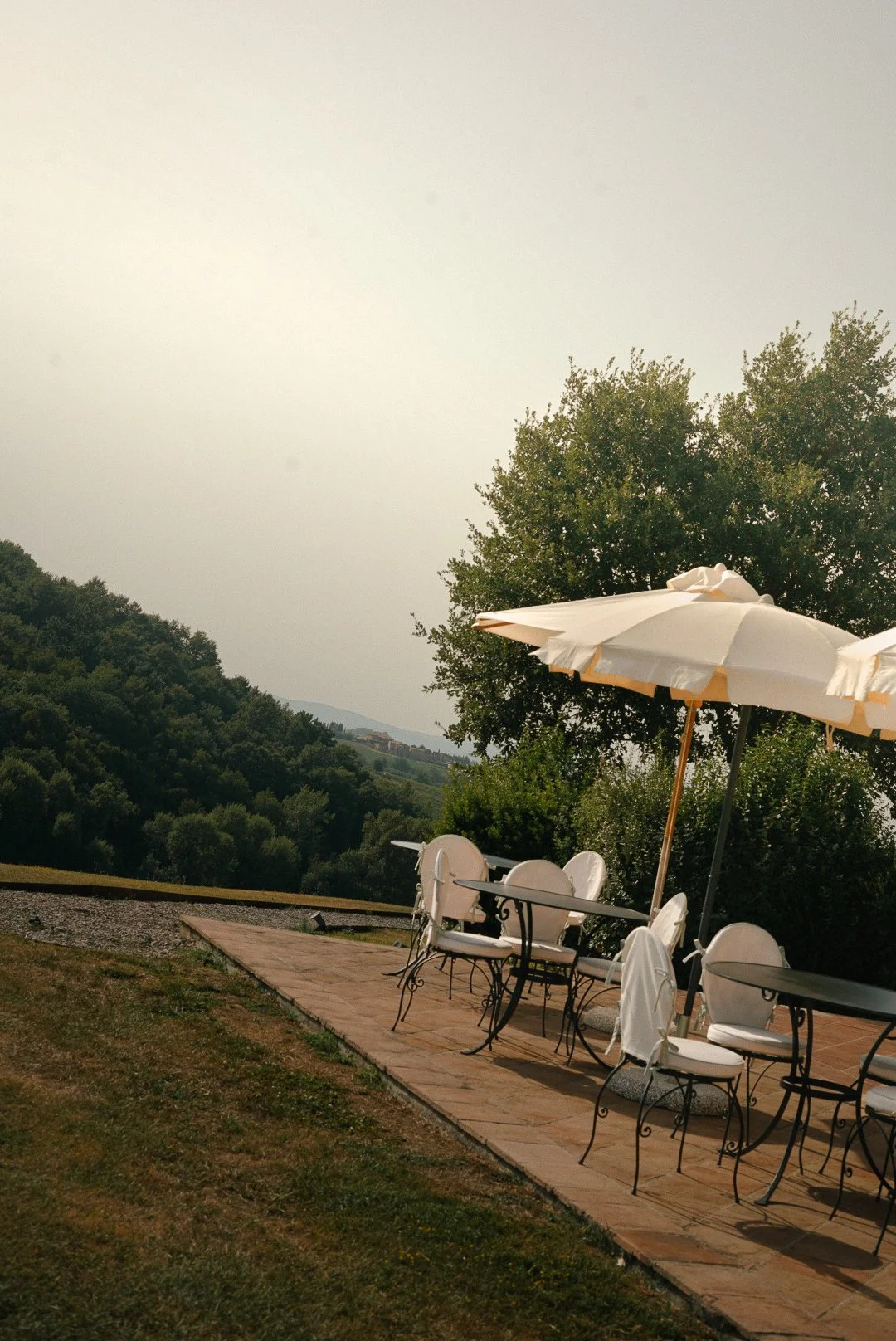
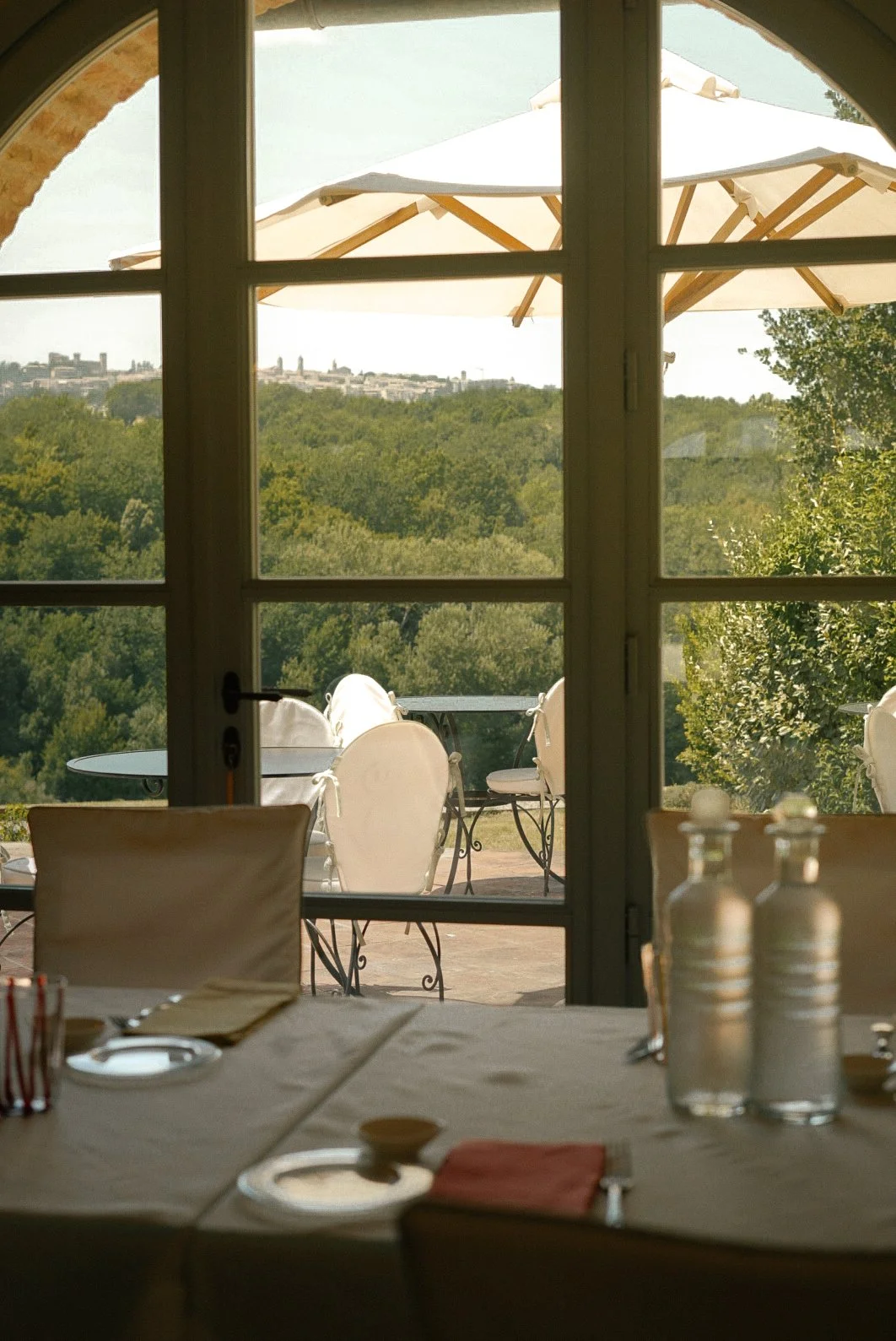
That same quiet confidence extends well beyond the vineyards. The recently opened relais feels less like an addition to the estate than a continuation of it. Rather than imposing itself upon the landscape, its architecture frames it, allowing natural materials, generous light and understated interiors designed by Enrichetta herself, to reinforce an enduring dialogue with the surrounding countryside. It is an approach that recalls one of Italy's oldest aesthetic principles: misura, the belief that elegance is achieved not through excess, but through proportion.
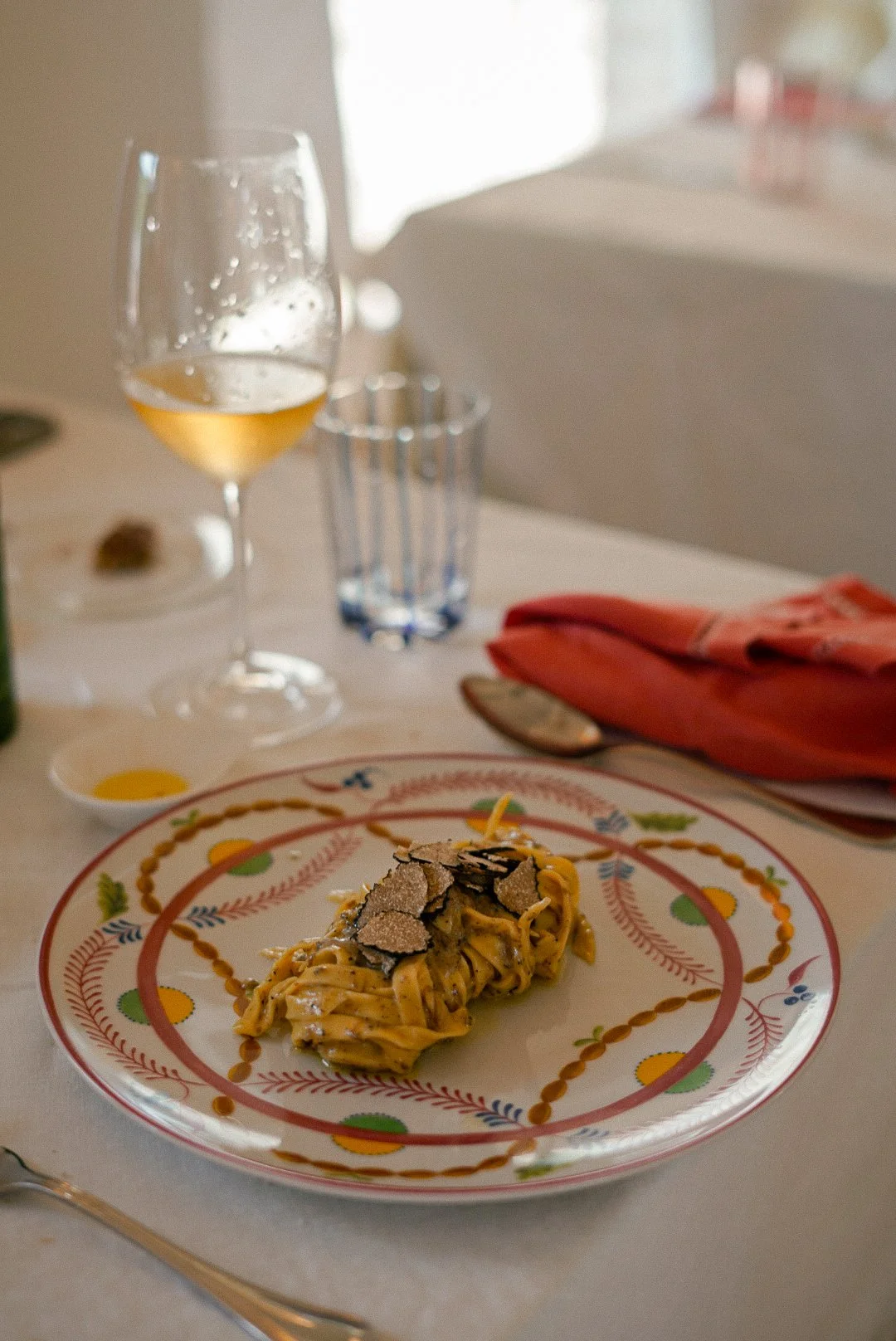
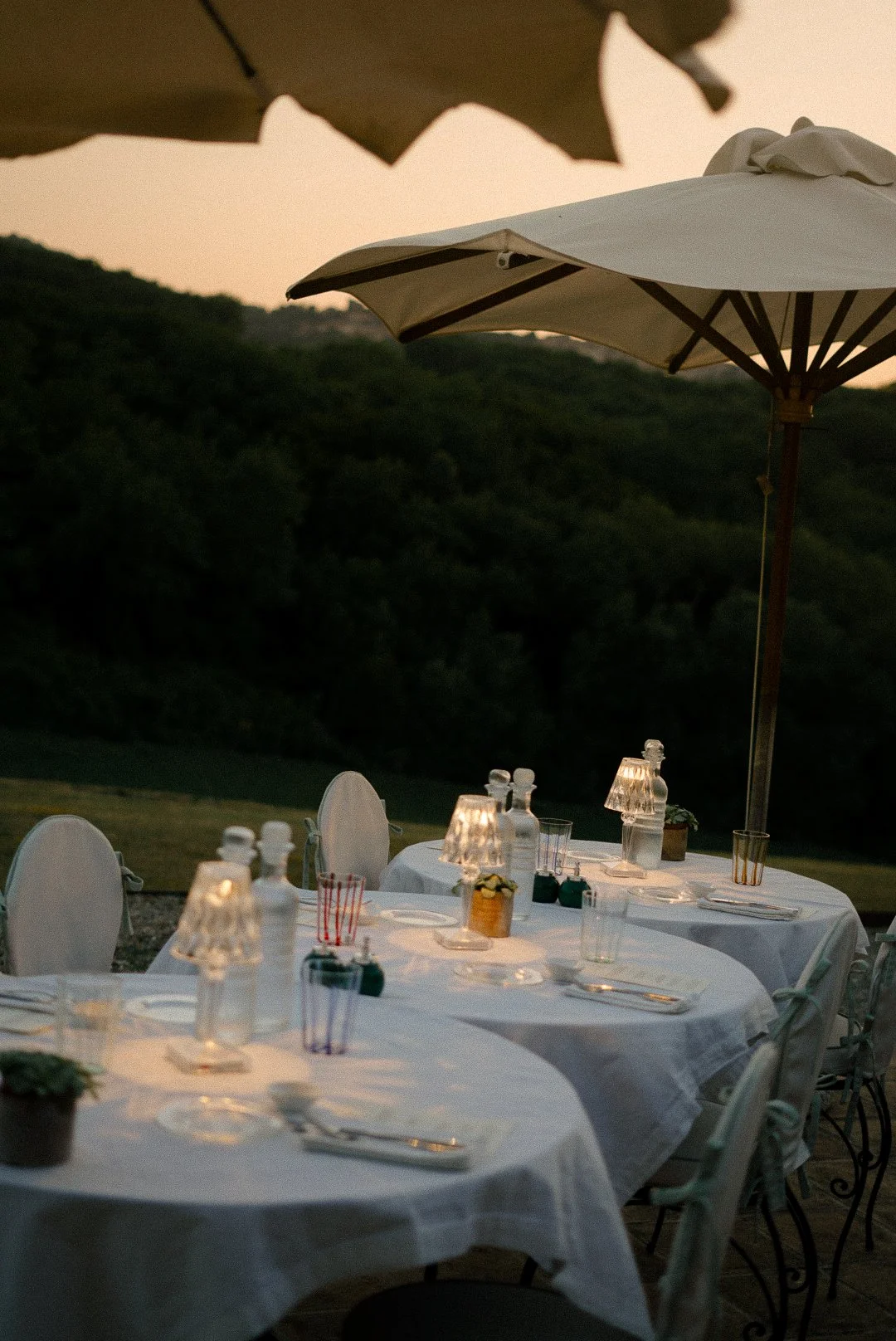
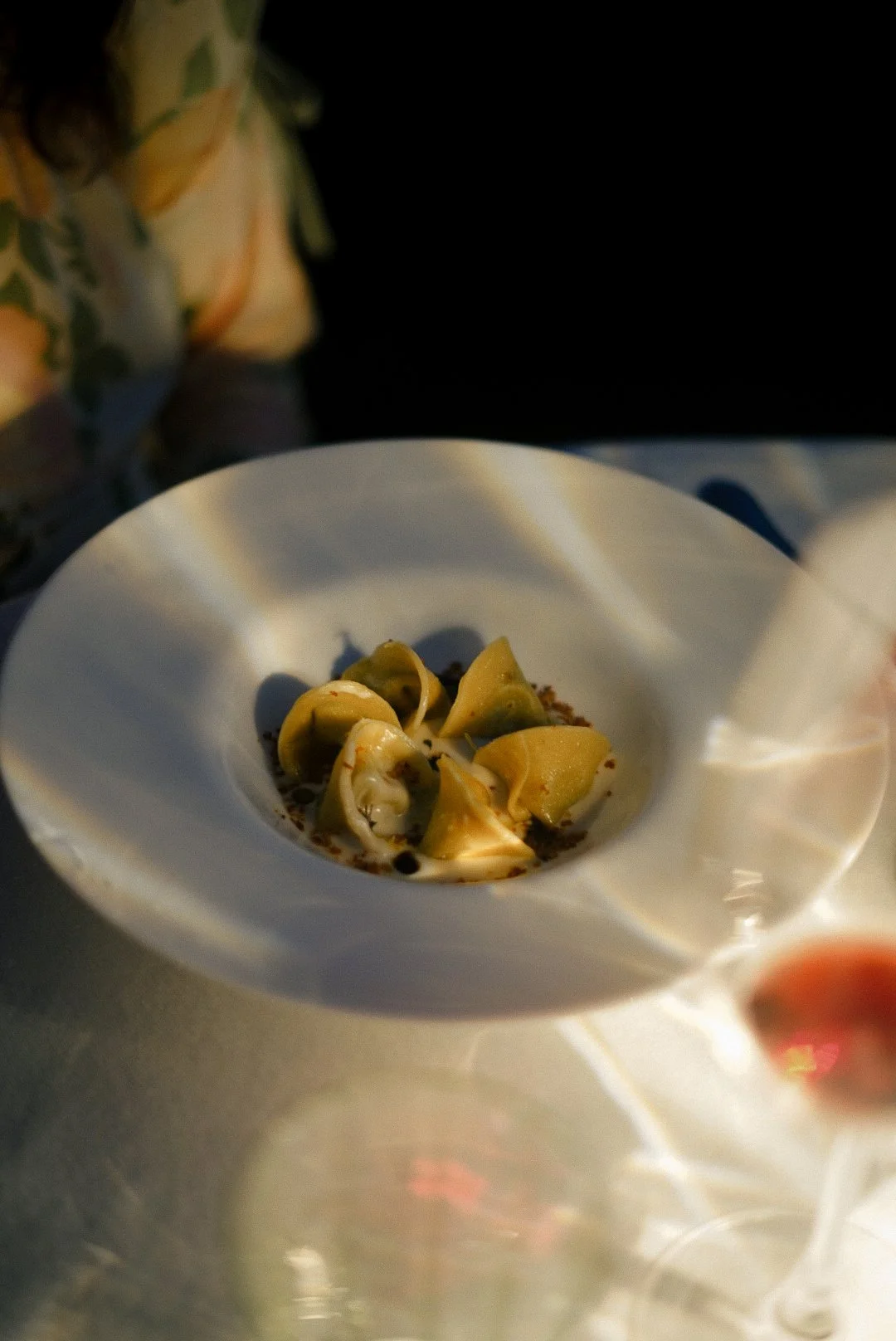
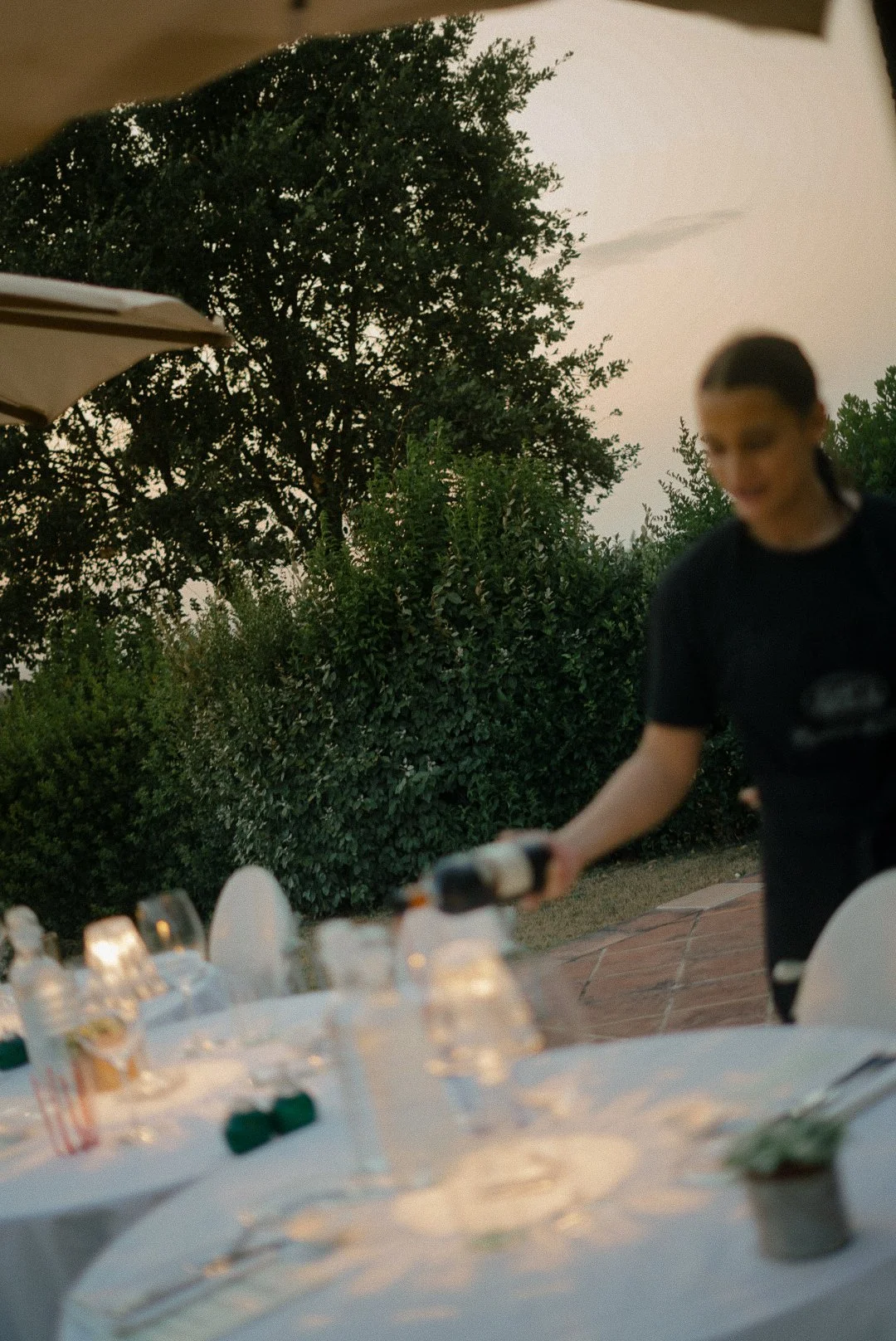
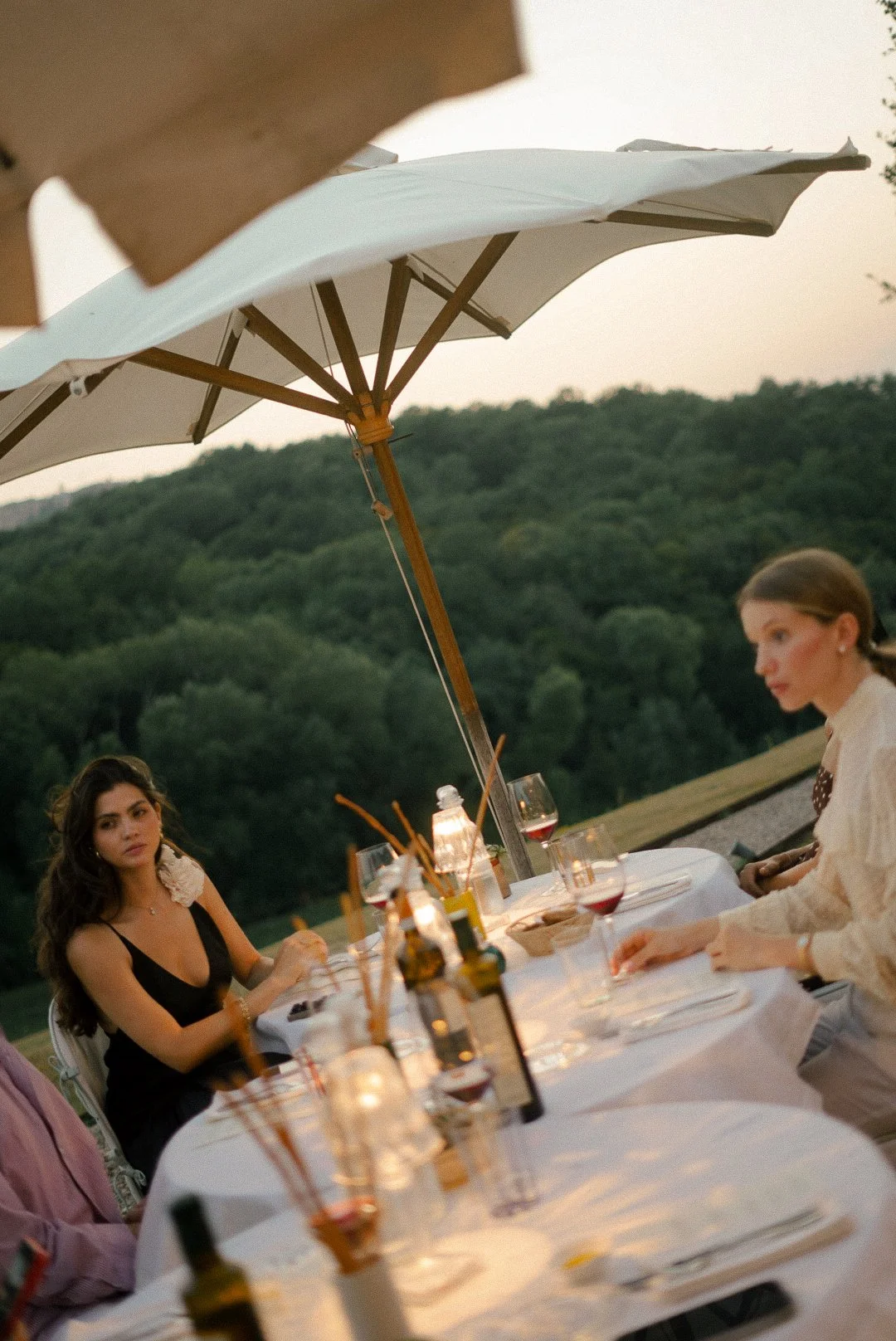
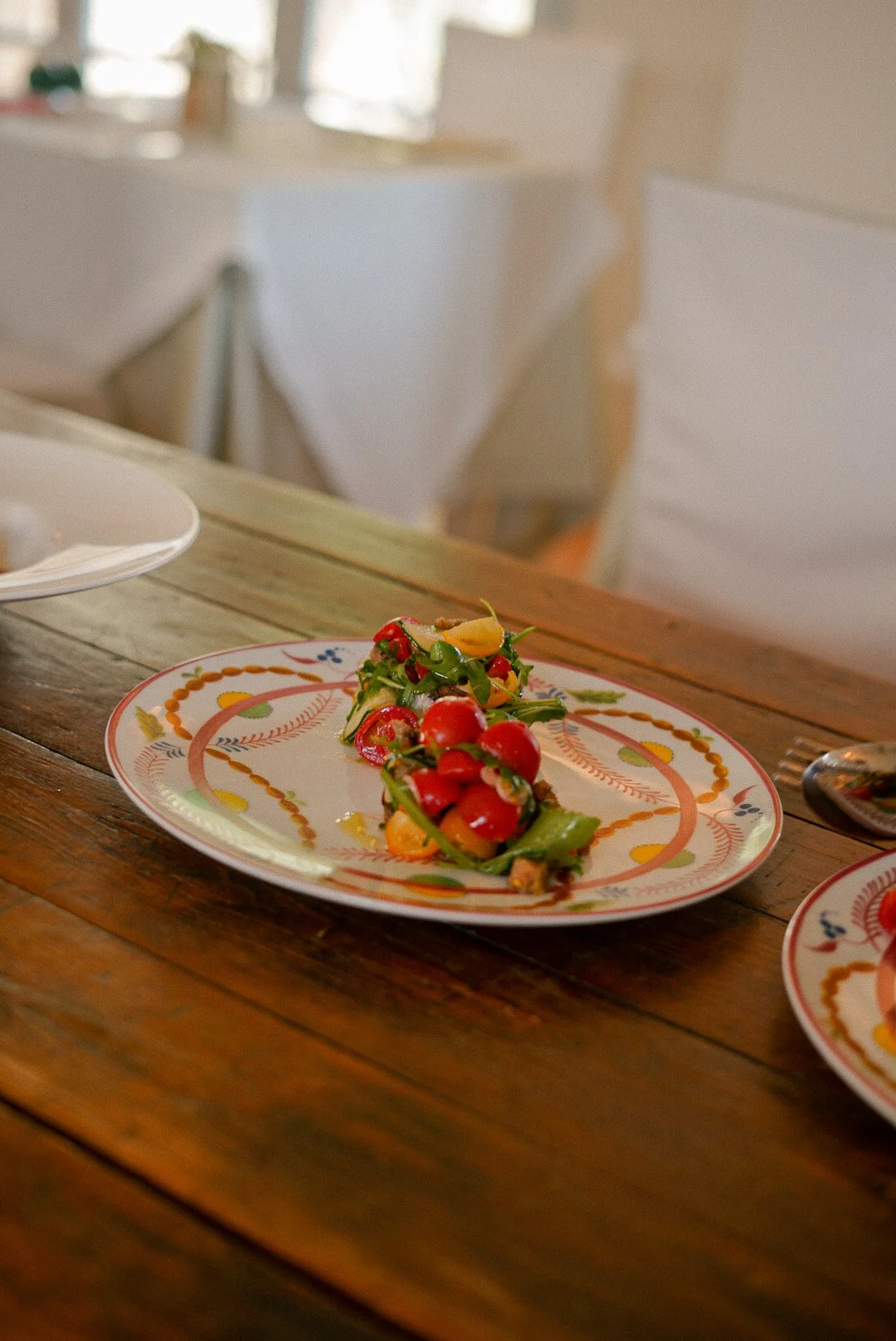
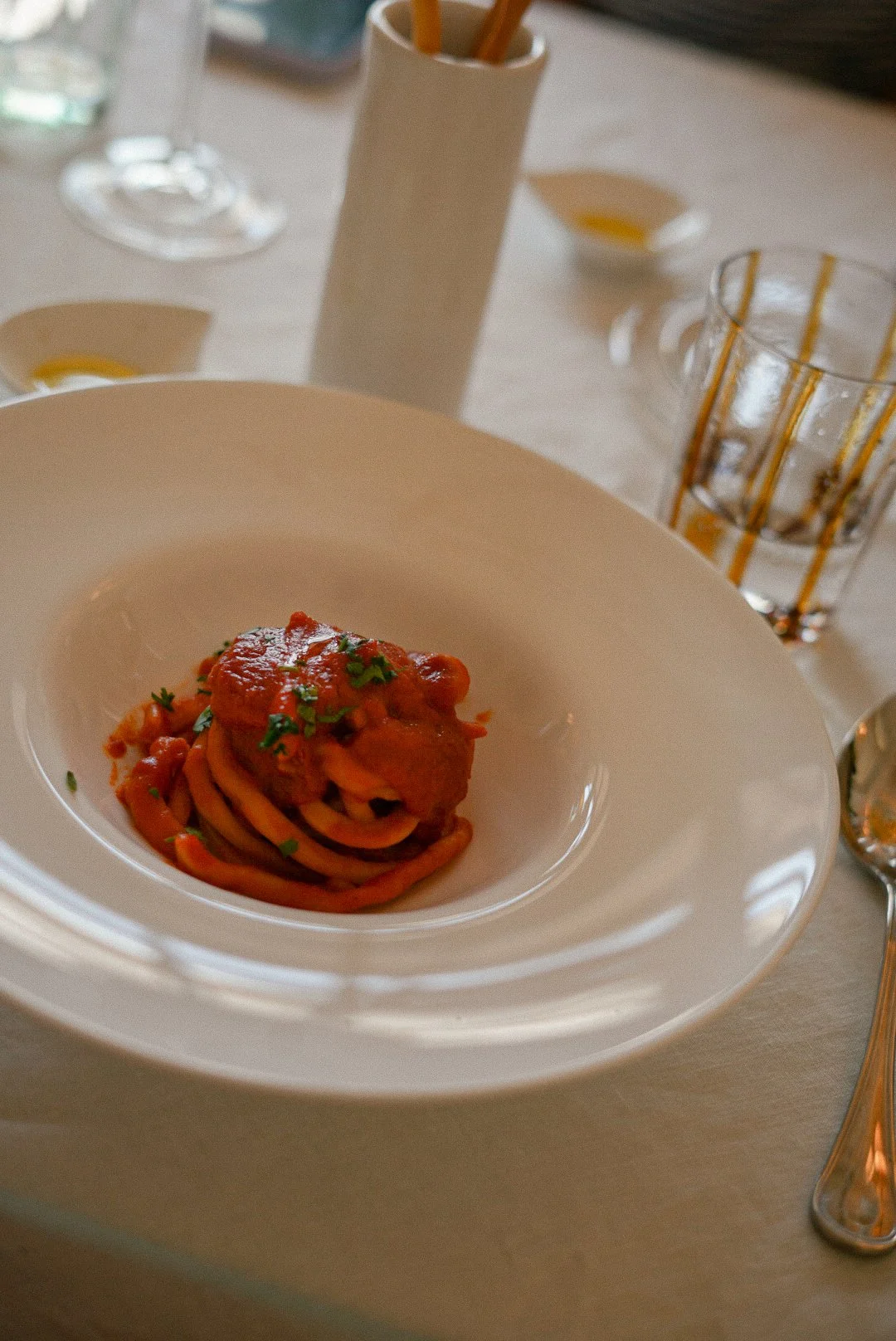
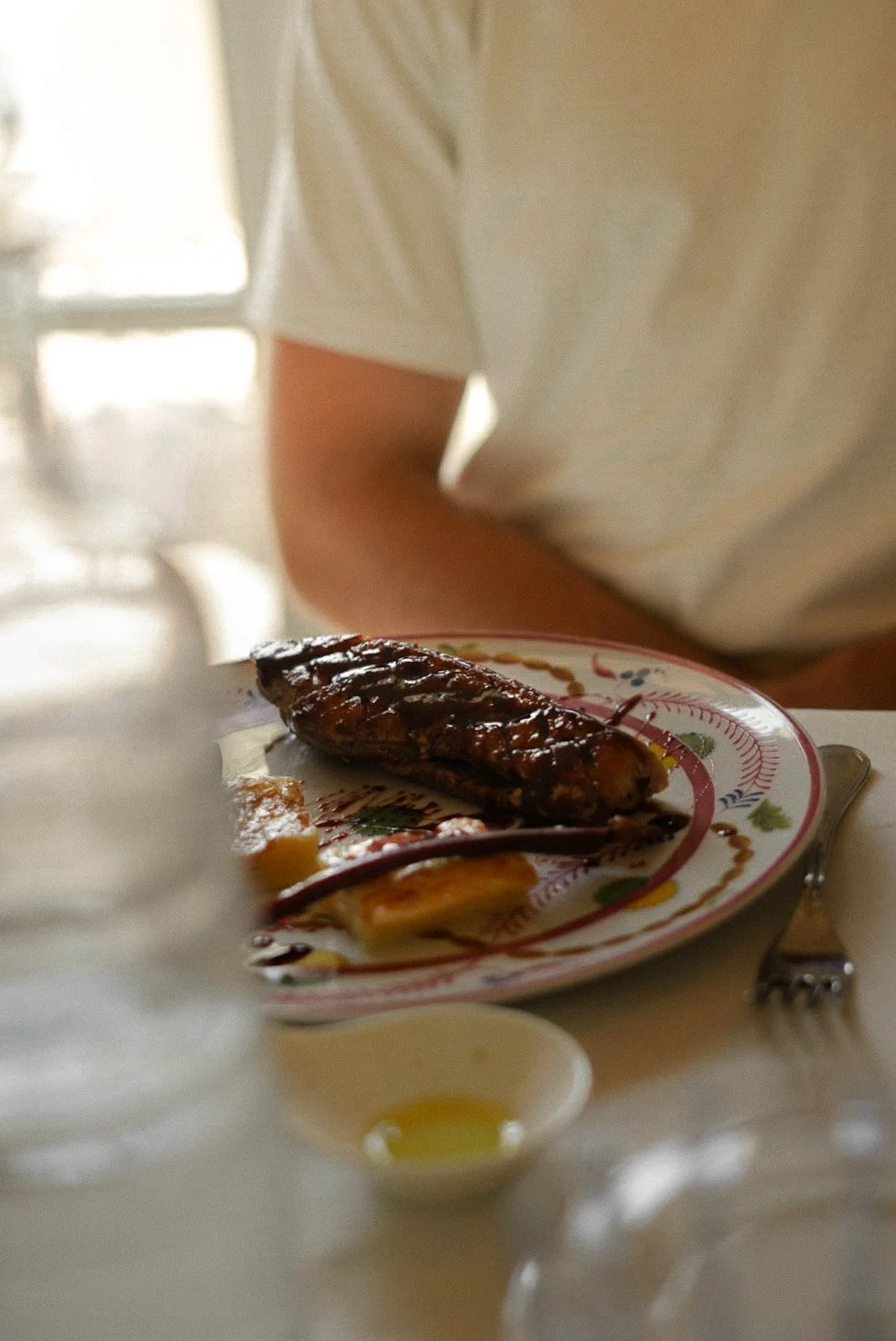
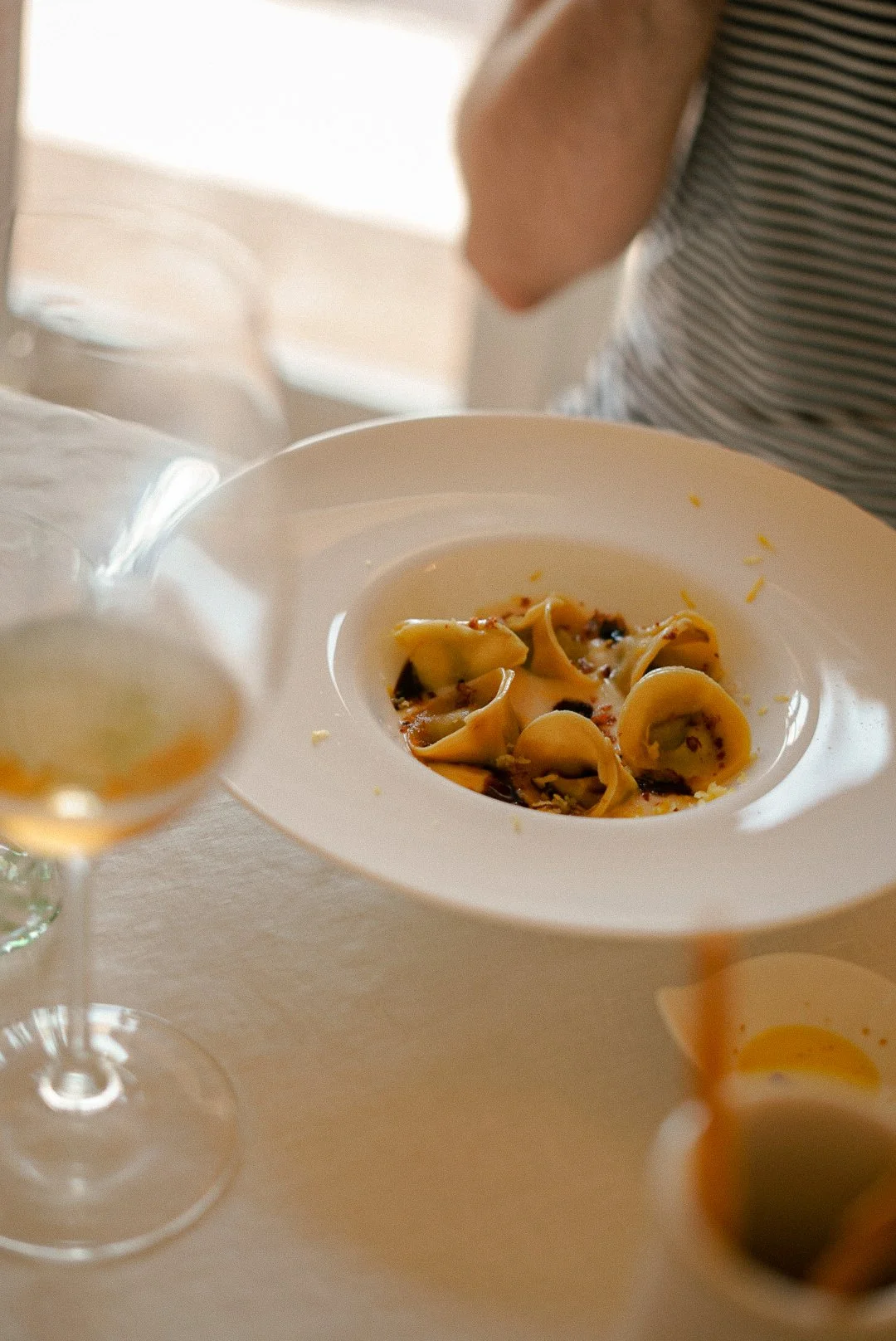
And, the same idea reaches the table. Here, dinner is not conceived as spectacle, nor as an exercise in technical virtuosity. Seasonal Tuscan ingredients are treated with remarkable clarity, allowing the territory to remain the principal narrator. As with the wines, confidence reveals itself not through complexity, but through precision and restraint.
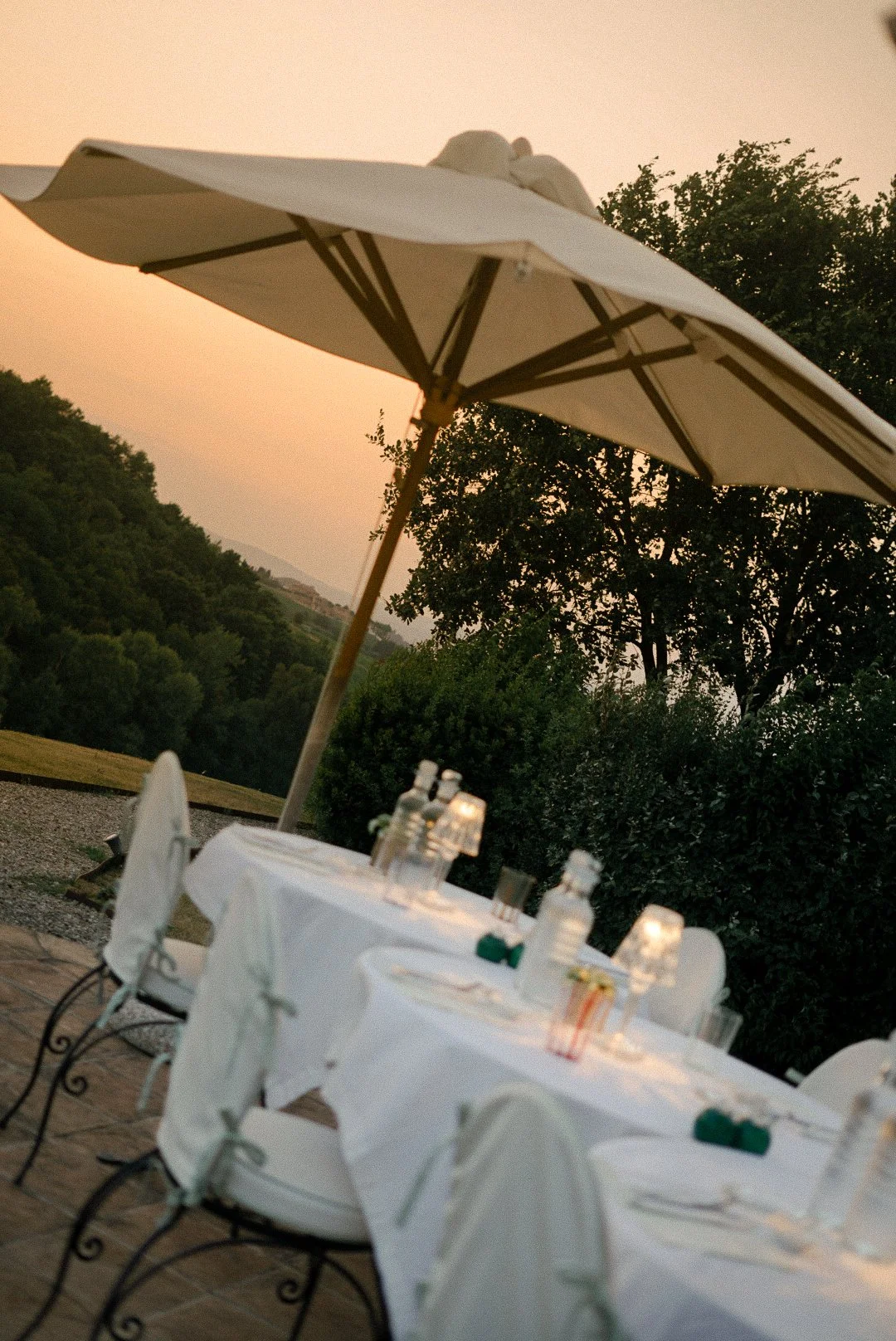
As evening settles over Montalcino, the vineyards dissolve into amber and ochre, their contours softened by the final light of the day. It becomes impossible to imagine this landscape as static. Every season rewrites it, every harvest adds another chapter and every vintage preserves a fleeting moment that can never be repeated in quite the same way.
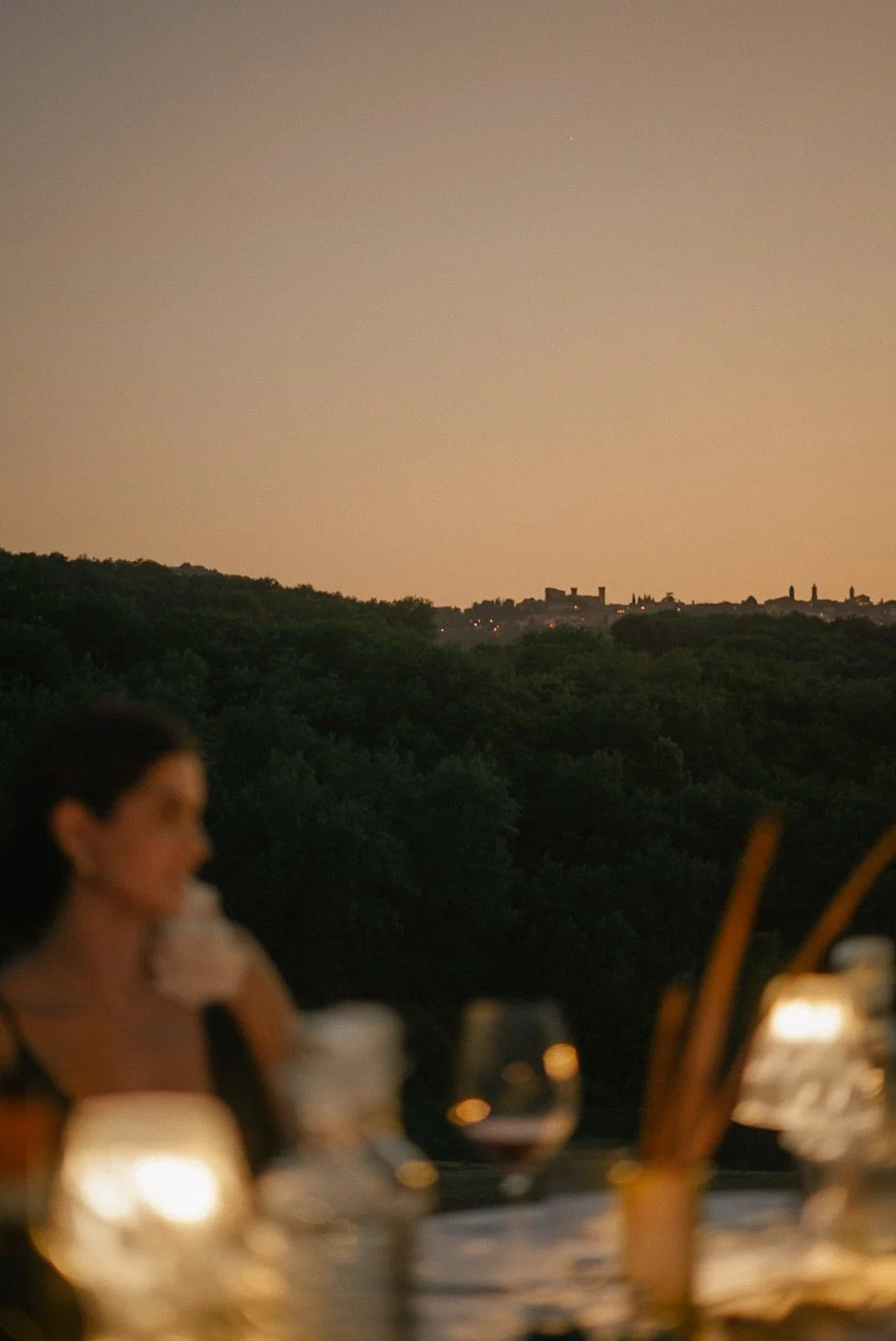
Leaving Casanova di Neri, I realised I had spent surprisingly little time thinking about wine itself. Instead, I found myself reflecting on the Italian idea of stewardship. We often speak of heritage as something inherited, yet places like this remind us that heritage is, above all, an ongoing responsibility. Landscapes cannot simply be preserved; they must continue to evolve without forgetting who they are.
Perhaps that is Italy's greatest masterpiece, the extraordinary ability to transform a landscape into culture, and to leave it just expressive enough for the next generation to continue the story.
Many thanks to the Neri Family, JR Studio and Allumeuse Communication.
